Nissan reinvented the Pathfinder a while back, shifting it away from its stout, body-on-frame roots to a mid-size unibody SUV. Now, the Pathfinder and its off-road Rock Creek trim land it firmly in Softroader territory. There’s nothing wrong with that, especially given the SUV’s pricing, but in such a crowded segment, the Pathfinder also fails to meaningfully stand out. A big sore point is its can’t-decide V6 and dumb transmission, which are always hunting around for the wrong gear and rev range. However, a properly equipped Pathfinder can also tow up to 6,000 pounds and offers plenty of space for families, all with tech that no longer feels so last-century.
A 2026 Nip And Tuck
Chase Bierenkoven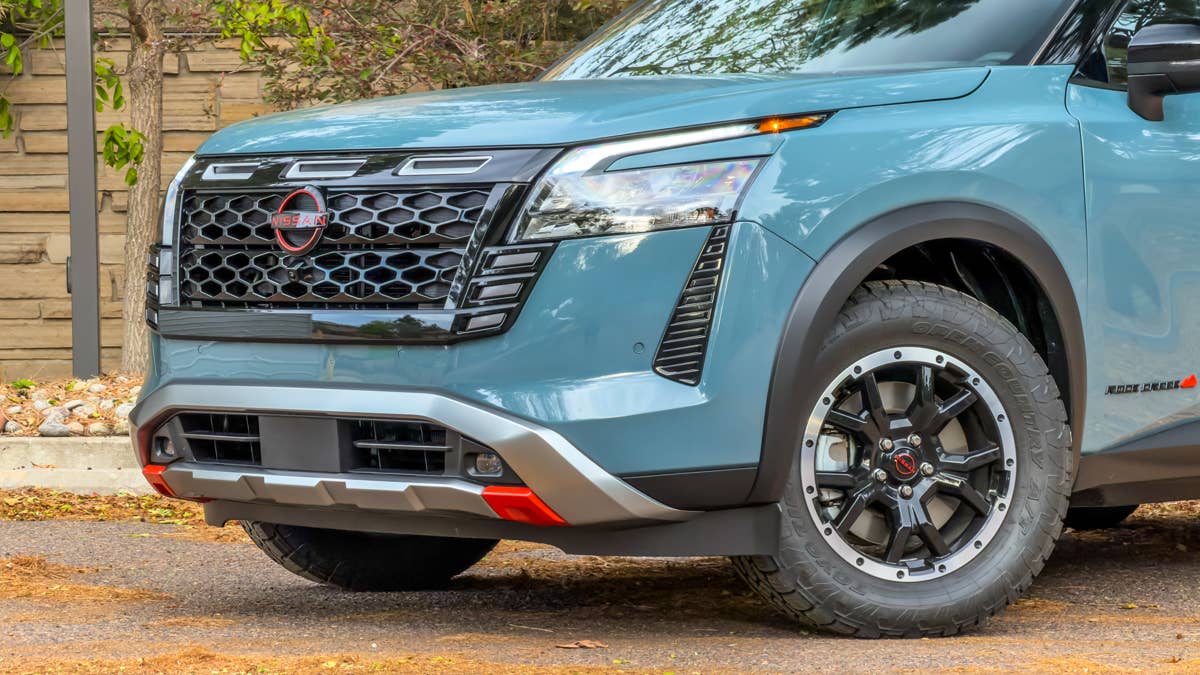
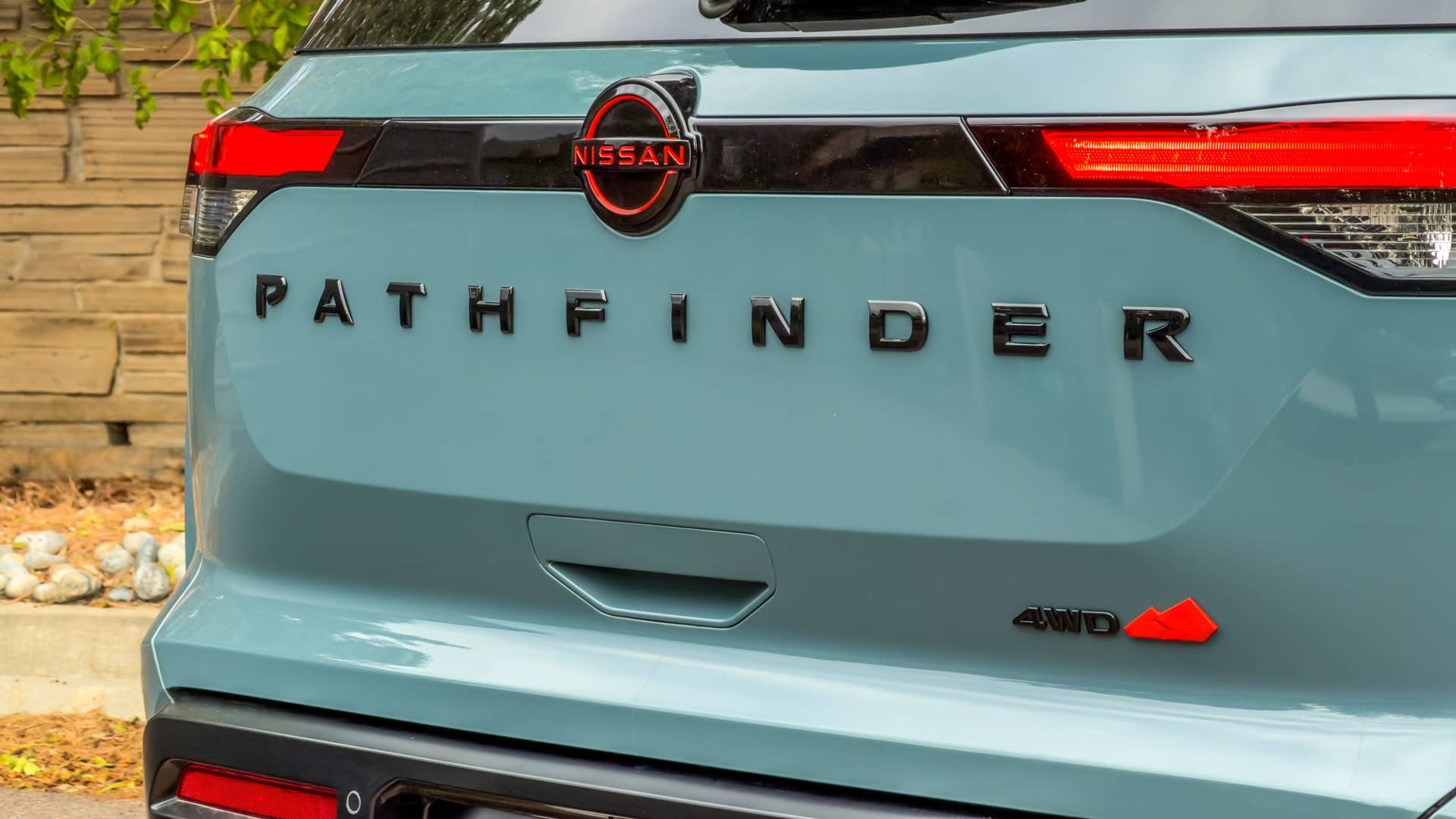
The three-row gets a new look for 2026, with an updated grille and lighting elements in the front, as well as a redesigned rear end with correspondingly new taillights. The Pathfinder’s interior also sees some light updates, including a new infotainment screen that means it doesn’t feel quite as old as the 2025 models did. More than that, Nissan has figured out that wirelessly-charged devices also need to be cooled, a first for a mainstream brand and a much-appreciated update. Finally, Platinum trims get new, more upscale materials, though we didn’t sample these in our Rock Creek trim.
The Price Makes The Pathfinder
Chase Bierenkoven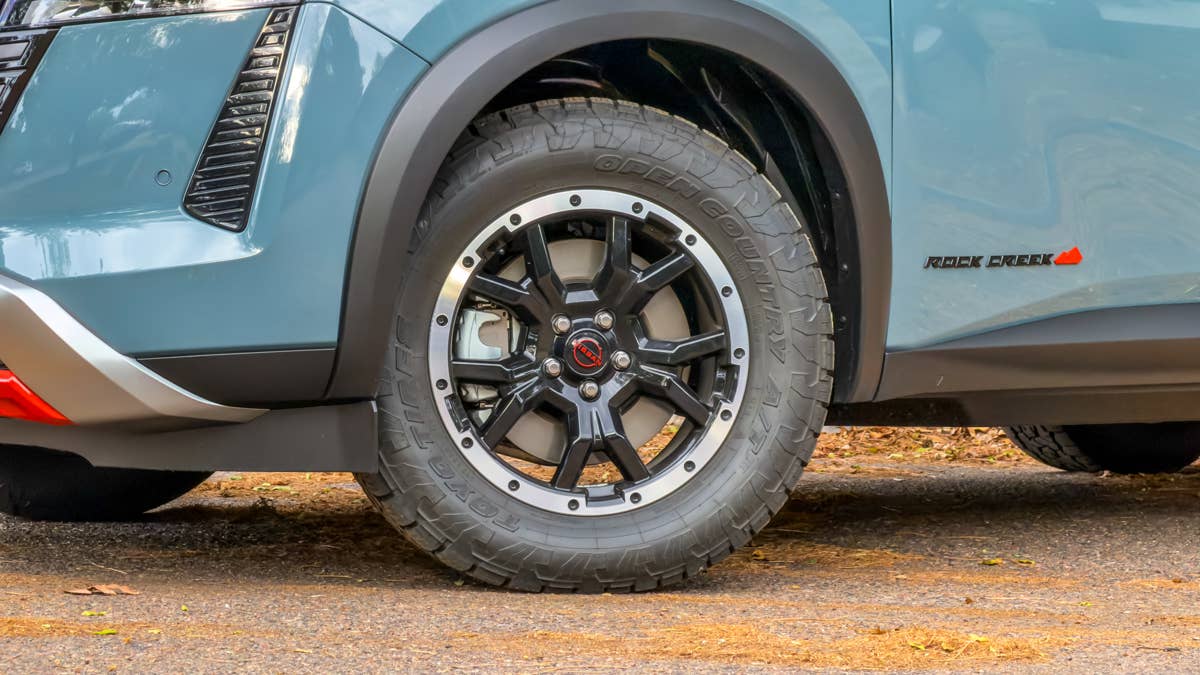
The Pathfinder does not appeal to your Pathos. Instead, it relies on making a sound financial argument to lure you away from staples like the Hyundai Palisade and Honda Pilot. Pricing starts at $39,045 and goes up to $50,945 depending on your chosen trim and options. The Pathfinder Rock Creek you see here totaled $50,215 with its optional $1,000 of two-tone paint and all-season floor liners, plus the included Premium Captains Chair Package. It does what it sounds like, at $2,270, upgrading the rear row with captain’s chairs, a removable center console, rear climate control and wireless charging, and a heated steering wheel (not entirely relevant but appreciated).
This being a Rock Creek model also means a few key updates. Nissan includes off-road wheels and tires, as well as special badging and an included roof rack, all of which help the Pathfinder be a bit more capable. While it’s not a serious off-roader, it’s enough to get some light off-road work done without scratching up the underside.
The Pathfinder’s Big Weakness: Its Powertrain
Chase Bierenkoven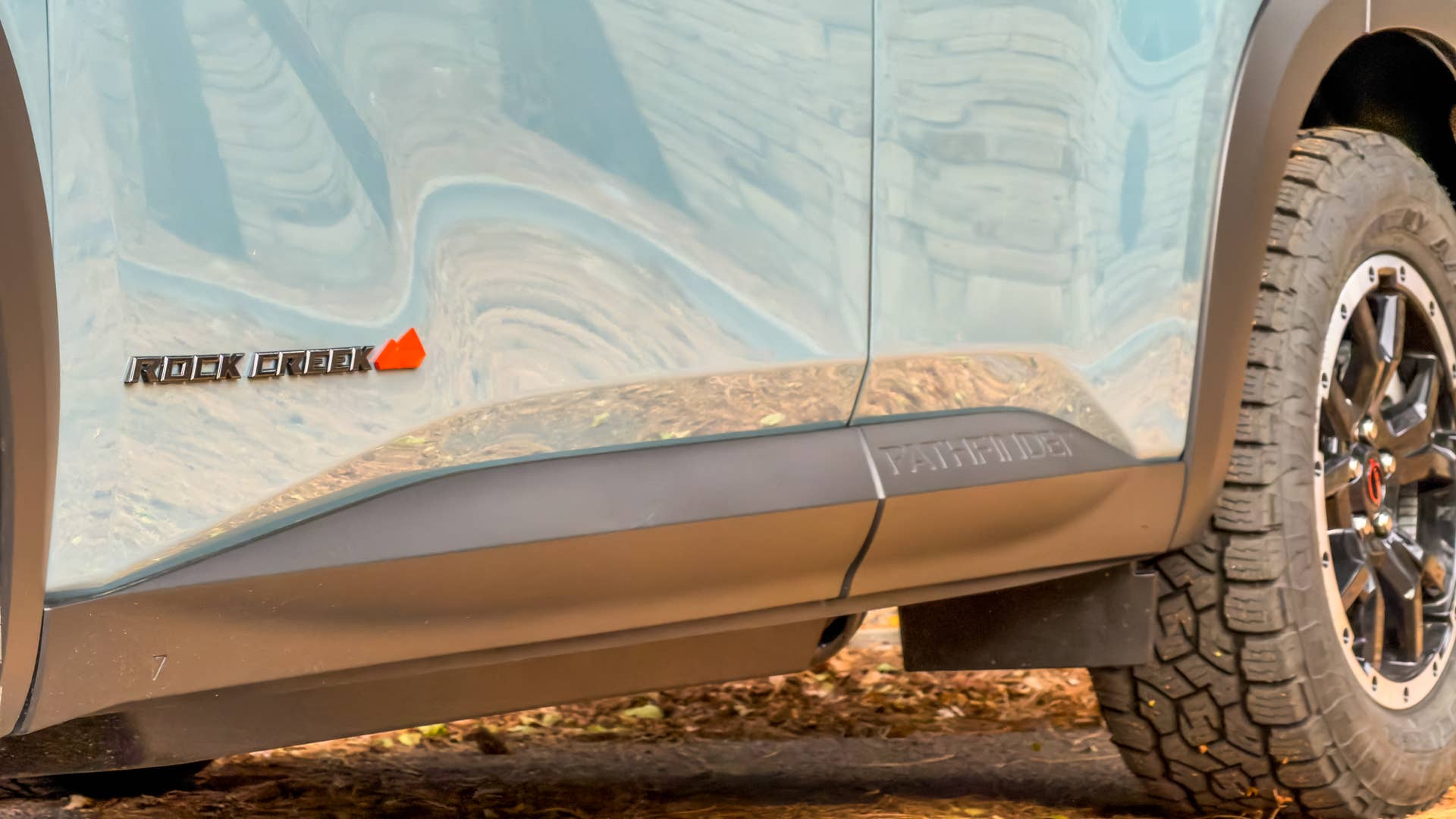
No matter your trim level selection, you’ll find a 3.5-liter V6 under every Pathfinder’s hood, paired with a 9-speed automatic transmission. Rock Creek owners will get an extra 10 horses, which is kind of nice. Meanwhile, front-drive is standard on all trims but the aforementioned, while the rest of the lineup can be upgraded to all-wheel drive.
Regardless, the V6 is an annoyance, largely because of its transmission. The Pathfinder’s ponderous 9-speed never knows which of the 9 speeds to give you at a given moment, aside from selecting the lowest possible gear to help the big SUV hit its EPA-estimated 21 MPG combined. This doesn’t need to be a sports car, but my bar for performance is simple: if I become so frustrated with the lack of power or correctly-chosen gears that I reach for the included shift paddles or Sport mode, your car loses. The Pathfinder lost.
Still, Rock Creek and Platinum models can tow an impressive 6,000 pounds, which is a lot for an SUV in this segment. I shudder to think what power and transmission response are like when loaded up to this figure. All that said, the Rock Creek model provided enough off-road grip to get me to my hiking trailhead, which is about all that can be expected of something like this.
Need New Tires? Save Up To 30% at Tire Rack
Find the perfect tires for your exact vehicle and driving style. Click here to shop all top-tier brands, including Michelin, Bridgestone, and more, directly at Tire Rack.
The Pathfinder’s New Screen Is A Big Improvement
Chase Bierenkoven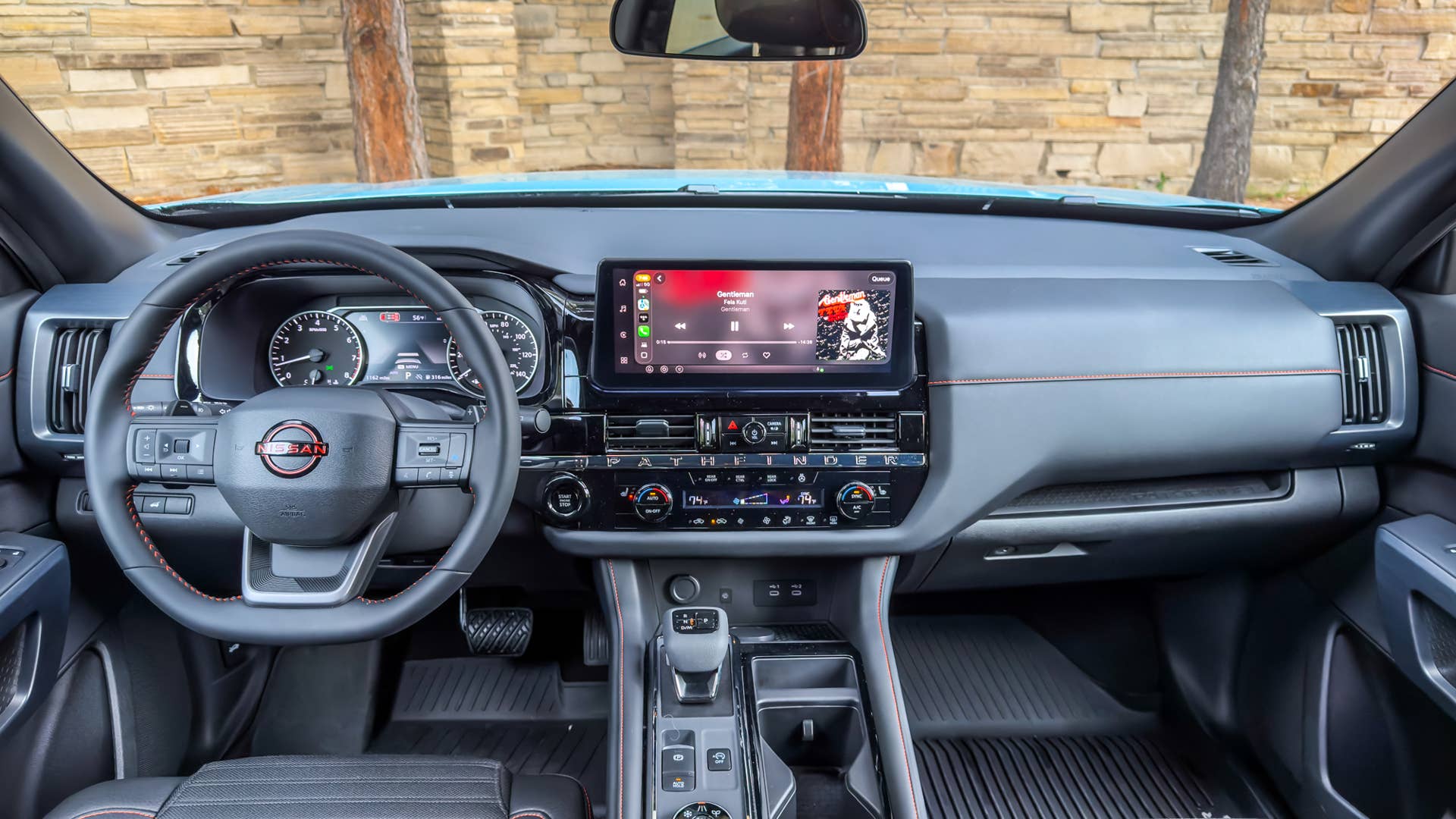
Ordinarily, we’d have reached the point in the review where I also blast Nissan’s old, slow, outdated infotainment tech. Thankfully, those days are behind us. The 12.3-inch screen is new for 2026, and feels appropriately-sized in 2026. More importantly, there’s still a good number of easy-to-use controls accompanying it, and Nissan’s horrid backup camera quality is a thing of the past. The Pathfinder’s gauge cluster isn’t the most customizable, but it gets the job done.
It’s an unbelievable luxury to have a phone charger that doesn’t also bake your phone like a cake, too, and I can’t believe this isn’t more common. Nissan’s features integrated cooling fans and a magnetic mount, which means no more hot phone rocketing across the front seats like it’s on re-entry.
Meanwhile, the front seats are firm but comfy. There’s lots of room for your small items up front, and the Bose sound system does a solid job. Back in the second row, the captain’s chairs and the included climate panel are nice extras. These seats feel a bit more plush than those up front, and they fold away nicely for access to the third row. Most adults under 5’6″ will feel comfortable back there, and the removable second row center console makes access even easier.
Conclusion: The Pathfinder Is Good, But Not Great
The Pathfinder gets a lot right: it’s attractively priced, capable, and spacious. So is everything else. Unfortunately, that makes the Pathfinder just a Nissan-shaped blob amidst a million other blob-shaped SUVs with similar missions. You won’t find anything horribly unique to make the Pathfinder worth buying besides its price point. In most trims, it’s a cheaper alternative in a segment that’s become eye-wateringly expensive over the last 20 years. For that alone, we say give the Pathfinder a look.