Why Modern Engines Use Ultra-Thin Oil
As everyone who owns an ICE car should know, oil changes are an integral part of maintaining a vehicle. Skip them for tens of thousands of miles and the results can become catastrophic, as seen in teardown videos of neglected engines that end up full of sludge and metal contamination. Modern engines also rely heavily on the correct oil viscosity. Newer vehicles use tighter internal tolerances, which is why automakers like Toyota now factory-fill many new models with ultra-thin 0W-8 oil instead of older blends like 5W-30 or 0W-20.
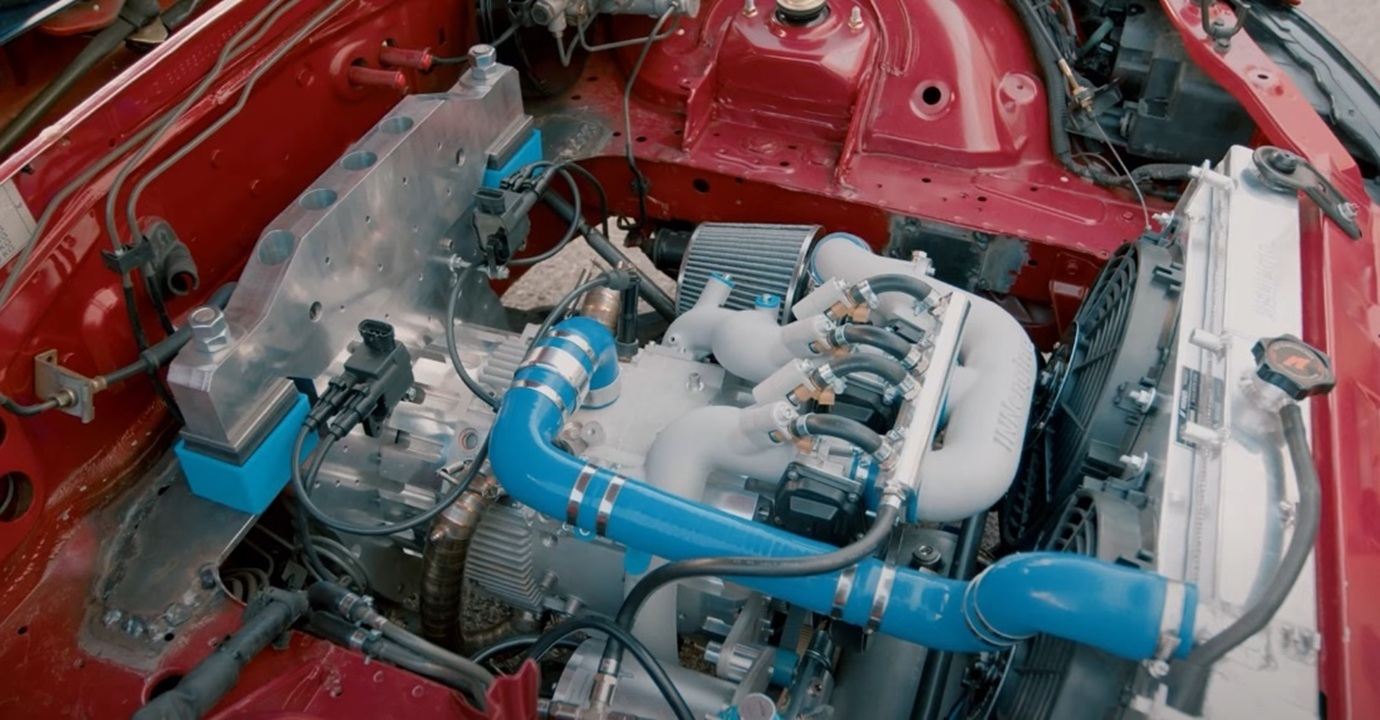
That raises an interesting question, though. What happens if you pour modern ultra-thin oil into an old high-mileage engine designed decades before 0W-8 even existed? The TooManyToyotas YouTube channel decided to find out using a 1991 Toyota Camry with more than 330,000 miles on the odometer. The car’s 2.0-liter 3S-FE engine was already burning oil before the experiment began.
According to the owner, it consumed roughly one quart every 500 to 750 miles on thicker oil. Once the switch to 0W-8 happened, the numbers became borderline absurd. After just 530 miles, the tired four-cylinder burned through 2.7 quarts of oil. Considering the engine only holds 4.3 quarts total, the Camry was essentially replacing most of its oil supply every thousand miles.
This 330,000-Mile Camry Couldn’t Handle 0W-8
The YouTuber documented the entire process in detail. Oil samples were collected for laboratory testing, spark plugs were inspected for signs of oil fouling, and B-12 Chemtool additive was poured into the cylinders to loosen carbon buildup. The owner even used a borescope camera to inspect the piston tops after the treatment. Heavy carbon deposits were clearly visible, although some appeared to burn away after the cleaning process and spirited driving sessions.
The financial side of the experiment is what really drives the point home. Genuine Toyota 0W-8 oil can cost around $11.50 per quart. Combined with current fuel prices and the Camry’s original 26 mpg combined fuel economy rating, the owner estimated the car would cost more than $230 in fuel and replacement oil every 1,000 miles.
At that point, the old Toyota was practically operating like a giant two-stroke engine. The owner calculated it was burning oil at roughly a 37:1 fuel-to-oil ratio, which is close to what some mopeds run from the factory. Despite the smoke and consumption, the engine still maintained decent oil pressure at operating temperature, hovering around 22 PSI at warm idle.
YouTube / @toomanytoyotas2301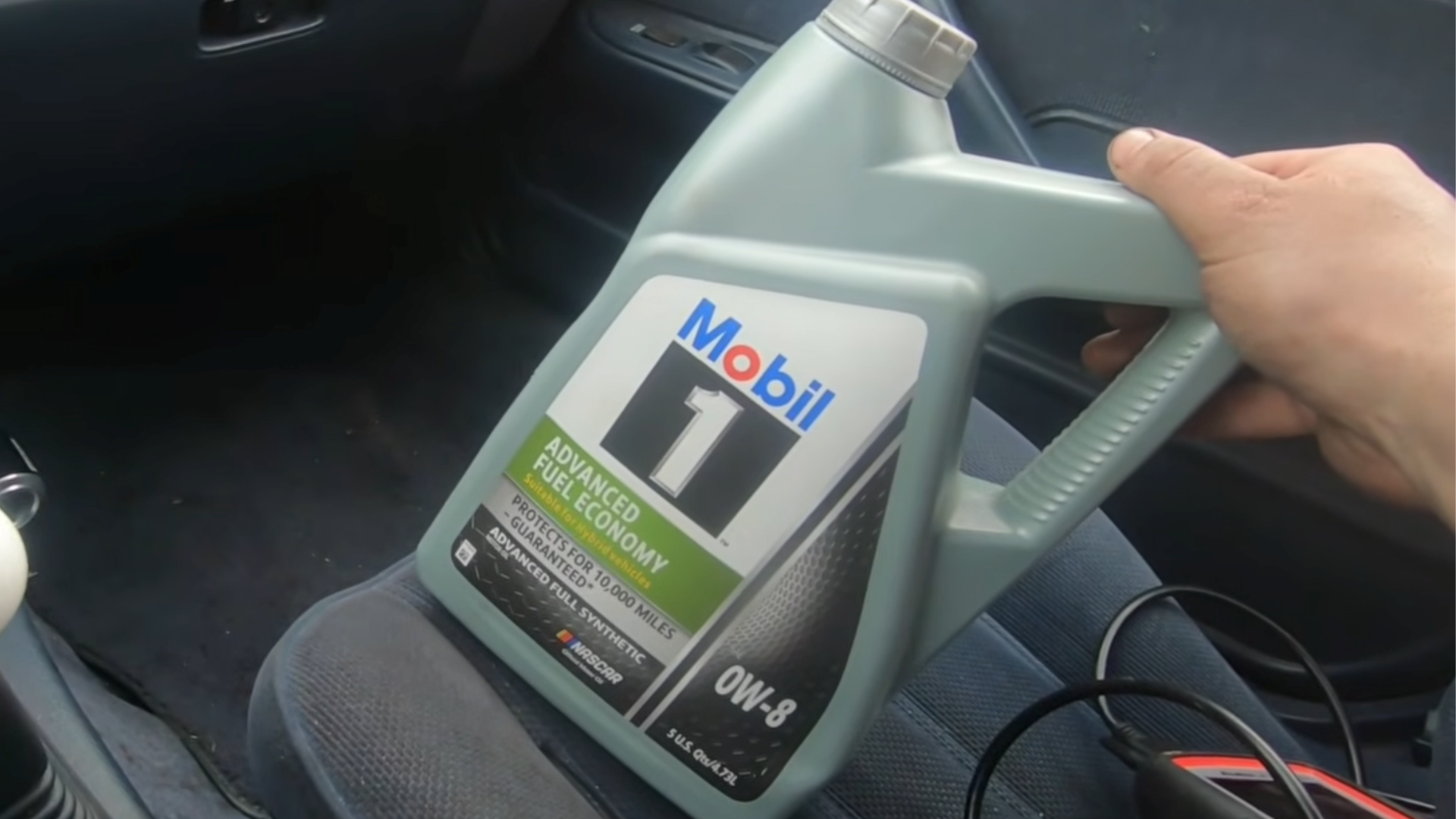
The Experiment That Proved Oil Choice Still Matters
Car enthusiasts are extremely particular about oil viscosity for good reason. Using the wrong oil can have serious consequences. Some automakers and oil companies have even faced lawsuits related to improper oil recommendations or service procedures. Modern engines are engineered around specific lubrication properties, and deviating too far from those requirements can accelerate wear or even lead to failure. In this case, the ancient high-mileage Toyota engine simply could not control the ultra-thin 0W-8 oil the same way a modern engine can.
At the same time, experiments like this remain fascinating because they show just how dramatically engine technology has evolved over the decades. Today’s hybrids and EVs continue pushing efficiency even further, with electric vehicles largely eliminating traditional oil changes altogether. Still, stories like this remind enthusiasts why maintenance details matter so much. The TooManyToyotas Camry may have survived the experiment so far, but it also delivered a clear lesson. Just because modern oil exists does not mean every old engine is ready for it.
YouTube / @toomanytoyotas2301