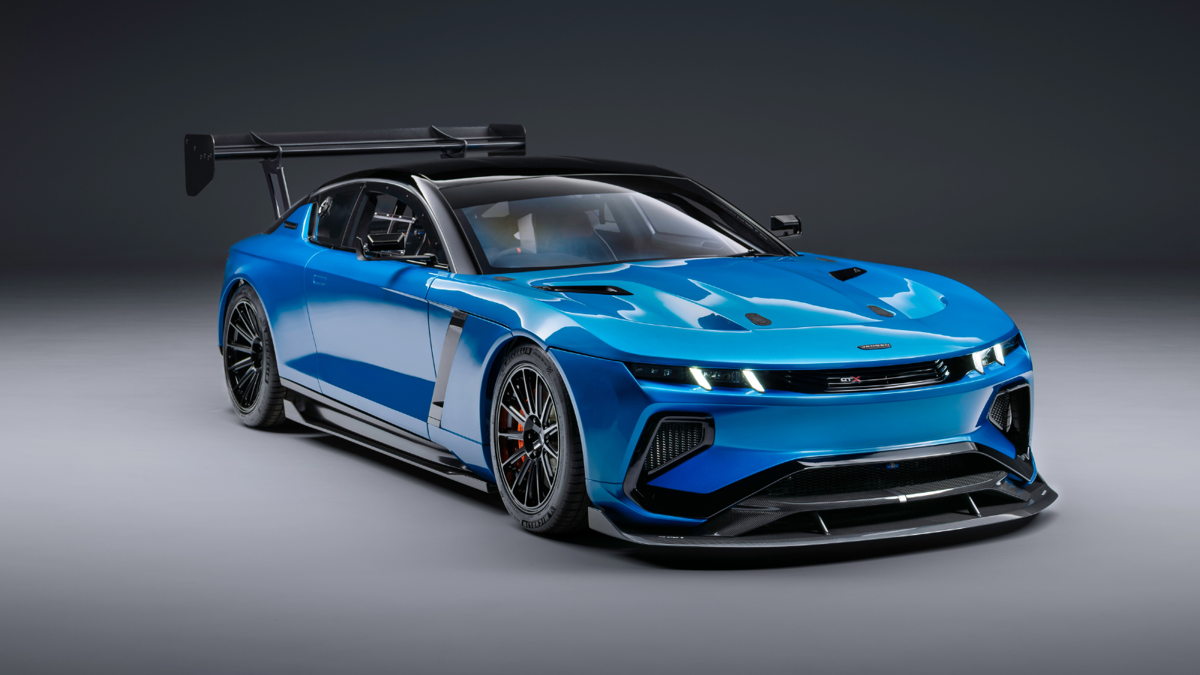
If I had a nickel for every time an automaker’s recalled an electric model over wheel bolts coming loose, I’d have ten cents. Not a whole lot, but it’s weird that it happened twice. Mercedes-Benz has recalled a few thousand G 580 with EQ Technology off-roaders because their wheels might fall off, and it’s not the first EV we’ve seen with this sort of issue.
The recall itself covers 3,734 electric G 580s built between Feb. 26, 2024, and Aug. 19, 2025, and that number’s wild on its own for a multitude of reasons. It means the electric G-Class really isn’t as rare as people think, but it also means this recall has a 100 percent coverage rate. What’s more, the defect wasn’t discovered when someone complained, but rather as part of Mercedes-Benz’s internal durability testing.
So what went wrong? According to the recall report, “The wheel bolts’ connection to the wheel hub might loosen while driving. This could impair driving stability, which could increase the risk of a crash.” Not only does this seem like a strange recall because Mercedes-Benz has used wheel bolts for decades, but it’s also the same sort of issue that stopped sales of the Toyota bZ4X and Subaru Solterra a few years ago. So what’s going on here? Thankfully, because Mercedes-Benz found the issue internally, there’s a lot of detail to process both on the problem and the fix.

The initial cause feels like quite the oversight at first: “Due to a deviation in the development process, the wheel bolts were not adapted to the increased vehicle mass and higher torque loads associated with the electric variant.” We’re talking about an SUV that weighs nearly 1,400 pounds more than its G 550 combustion-powered equivalent, and while that’s significant, that’s still within the gross vehicle weight rating of the G 550. Mass likely plays a factor, but it’s certainly not the only card on the table here. After all, 859 lb.-ft. of instant torque and the ability to rotate the vehicle on the spot, thanks to four electric motors, also puts serious loads through the wheel bolts. What’s interesting is that the wheel bolt in question is an extremely common item, part number A0009901807. It’s a 48.5 millimeter-shank M14x1.5 conical-seat bolt used on a huge variety of models dating all the way back to the W220 S-Class of the early-2000s.

After discovering that one of these commonly used wheel bolts had backed off during internal testing, the recall report states that Mercedes-Benz set to work on both an updated wheel bolt test and finding a revised design.
MBAG began to evaluate both the design of the bolt and the validation methodology used to test the robustness of the bolt in this application and use. From February to April 2025, MBAG pursued parallel tracks to both redesign the bolt and to develop a new test procedure and new test bench requirements. Validation of the test bench and the test procedure methodology was conducted from July through September 2025. An alternative bolt design already in use for other platforms was tested, with final testing conducted in October 2025. While the final validation testing was being conducted, MBAG incorporated this bolt design into production in August 2025.
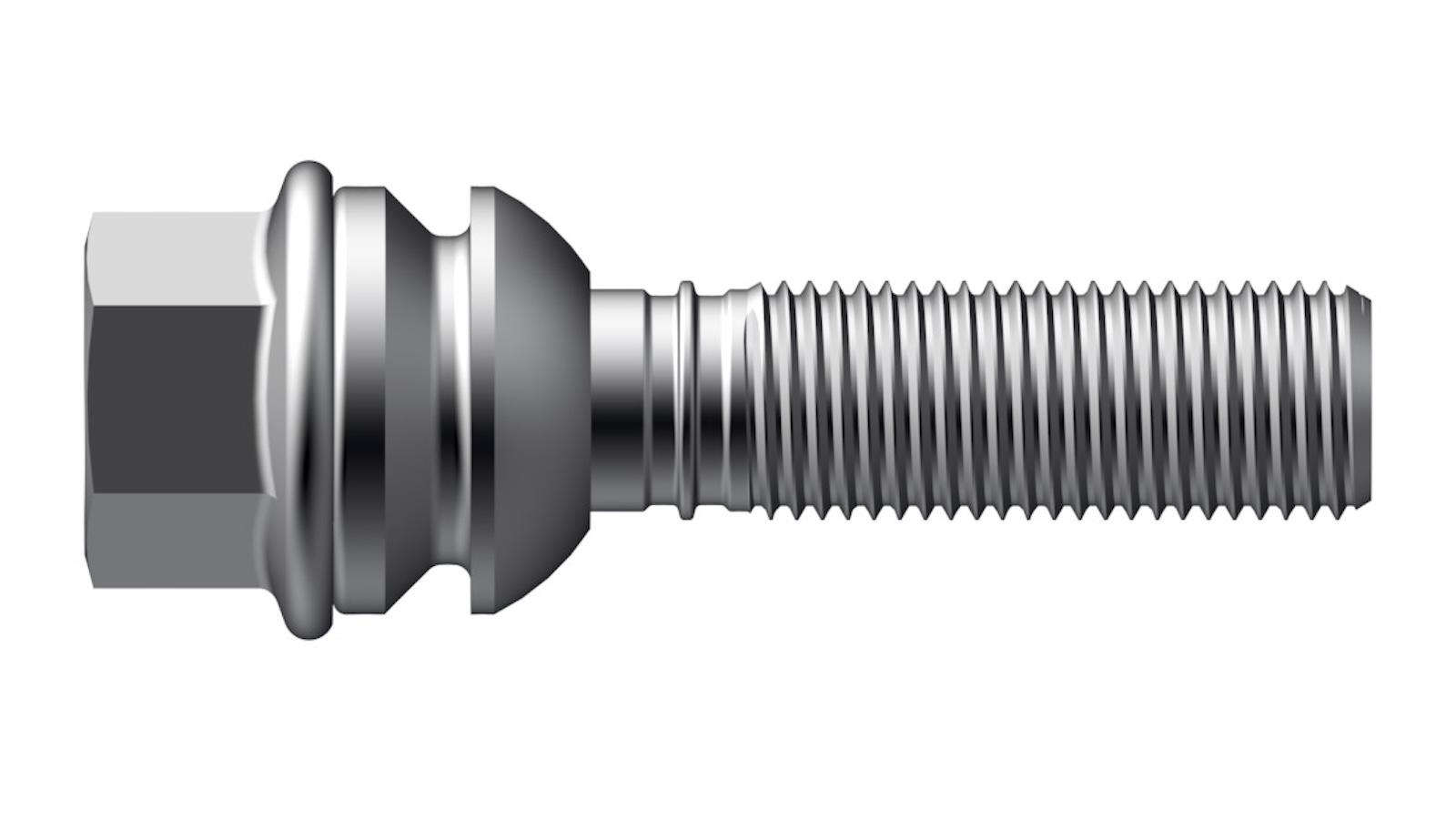
The new design carries the part number A0019901007, and it’s a two-piece collared lug bolt, much like the redesigned wheel bolts for the aforementioned Toyota bZ4X. The important distinction here, compared to a one-piece design, is the way the collar maintains friction with the wheel’s mating surface while allowing the bolt to float through it, resulting in greater accuracy and reduced wear when tightening the bolt up. It’s roughly the same sort of design Porsche has used for ages, just with a different seat profile to the wheel and the collared washers. Once a fix was implemented, Mercedes-Benz dug deeper into how a wheel bolt may come loose, and here’s what the recall report has to say about that:
The assessment concluded that such a condition would most likely occur only under a combination of multiple extreme driving maneuvers together with a numerous number of repeated wheel changes over the vehicle’s lifetime, potentially increasing wear on the wheel bolt contact surfaces. The analysis further determined that these conditions are unlikely to occur under real-world operating scenarios and only late in the vehicle’s lifetime.
A potential failure only occurring once a G 580 EQ is heavily used is quite the claim, but it seems to have legs. After all, we’ve seen a variety of G 580 EQ press cars get enjoyed over the past few years. Endless tank turns, a bunch of off-roading, the sort of conditions you’re unlikely to see in Calabasas. Yet I haven’t been able to find any horror stories of wheels coming loose. No hushed murmurs, no NHTSA complaints. It seems then that Mercedes-Benz is likely trying to get ahead of any potential issues on its flagship electric SUV.

Regardless, wheel bolts should be solved technology. They’ve been in use nearly since the dawn of the car, with Crosleys and pre-war Packards and all sorts having used them. Signs that some automakers are only now having issues in the electric age are a little bit concerning, especially since a loose wheel can cause a ton of damage. Considering the fix appears to be collared lug bolts, don’t be surprised to see more of this design in the future. Learning moments and all that.
Top graphic image: Mercedes-Benz
The post Mercedes-Benz Just Recalled A Bunch Of Electric G-Wagens Because The Wheels Might Fall Off appeared first on The Autopian.