Considering that the automobile has been around for 140 years, you’d think that mechanical reliability would be a non-issue these days. However, due to ever-evolving technologies, cost-cutting and some bad design decisions, this is unfortunately not the case.
There have been instances, though, where auto manufacturers have created engines so reliable that they became legends in their own time. We picked some of the best gas-powered engines created over the last four decades and examined what makes these ultra-reliable powerplants so special. Let us know in the comments below which ones are your favorites.
Toyota 2JZ-GE (1991–2007)
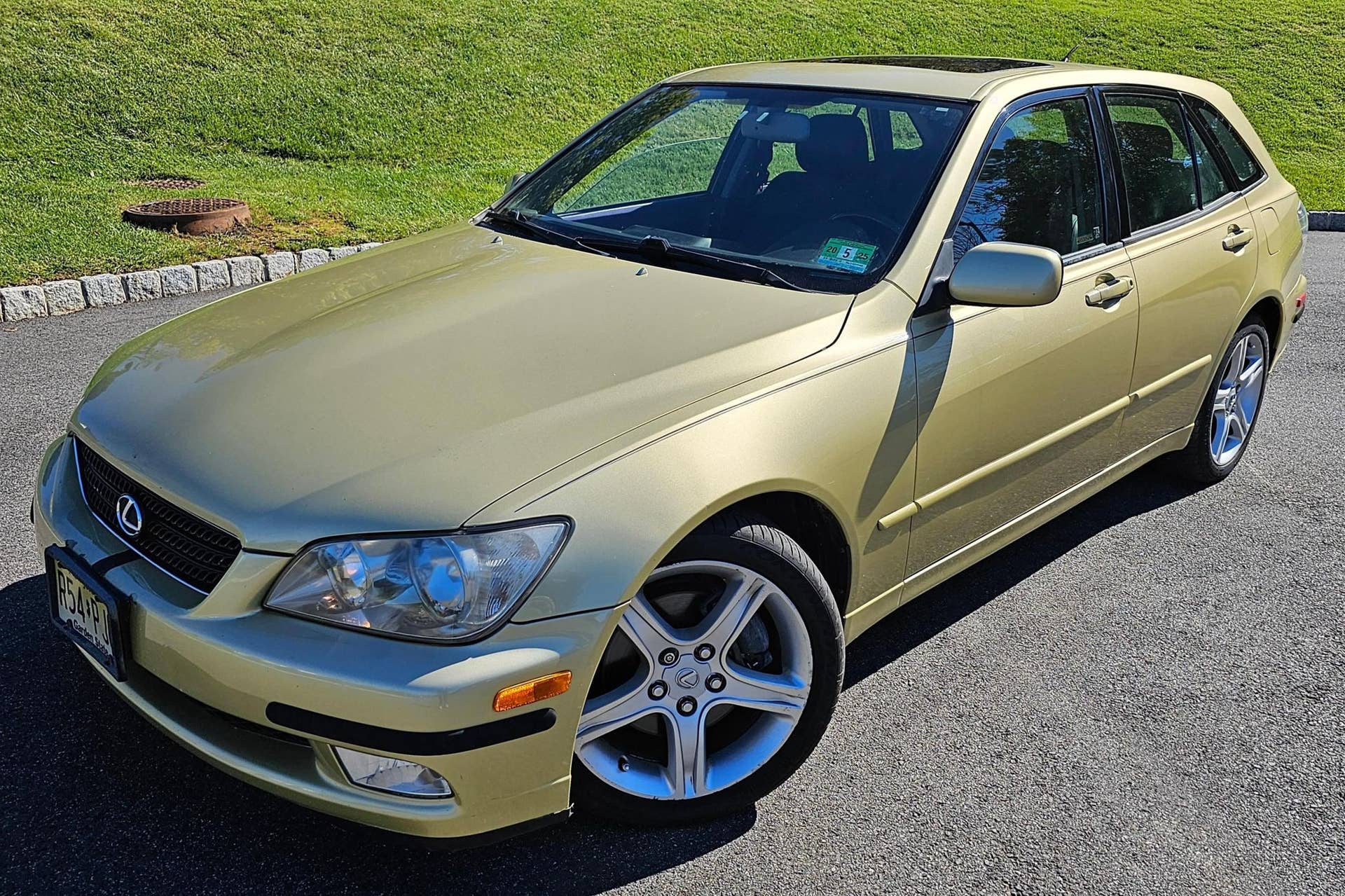
- Overbuilt Cast-Iron Block: Designed with massive safety margins, the block can handle significantly more power than the factory figures without warping or cracking.
- Non-Interference Design: If the timing belt snaps, the valves and pistons will not collide, saving the engine from a total catastrophic failure.
- Natural Inline-Six Balance: The straight-six layout is inherently balanced, meaning less internal vibration and less wear on the main bearings and seals over time.
The 2JZ-GE is the naturally aspirated sibling of the legendary Supra turbo engine. While it lacks the twin turbos, it retains the same bulletproof bottom end that made the platform famous. The 3.0L engine typically produces between 215–230 hp, decent for its time and striking a perfect balance of smooth power and low-stress operation. It was the workhorse for Lexus during its formative years, powering the IS300, GS300, and SC300, as well as the Toyota Crown and Chaser overseas. It is a favorite for high-mileage seekers because it provides luxury-car smoothness with the longevity of a tractor engine.
BMW B58 (2015–Present)
BMW
- Closed-Deck Block: Unlike many modern aluminum engines, the B58 uses a closed-deck design for maximum rigidity, allowing it to handle high boost pressures without cylinder bore distortion.
- Forged Internal Components: It features a forged steel crankshaft and forged connecting rods from the factory, providing a level of strength usually reserved for dedicated race engines.
- Heat Management: The B58 (especially newer versions) uses a sophisticated heat encapsulation system that helps the engine reach operating temperature faster, reducing the friction-heavy cold start wear and tear.
Often referred to as the “modern 2JZ,” the B58 has shown that BMW is still the capable of building ultra-reliable engines, even when they are high performance ones. Displacing 3.0L, this single variable vane turbo inline-six produces between 322–423 hp in standard form, proving that modern performance doesn’t have to come at the expense of reliability.
This engine has been fitted to a broad range of models including the 240i, Z4, 340i, 540i, X5, and even the Toyota GR Supra. The M-spec S58 version of this motor is based on the B58, and proves that the basic design of this engine is built to last.
Honda K-Series K20/K24 (2001–Present)
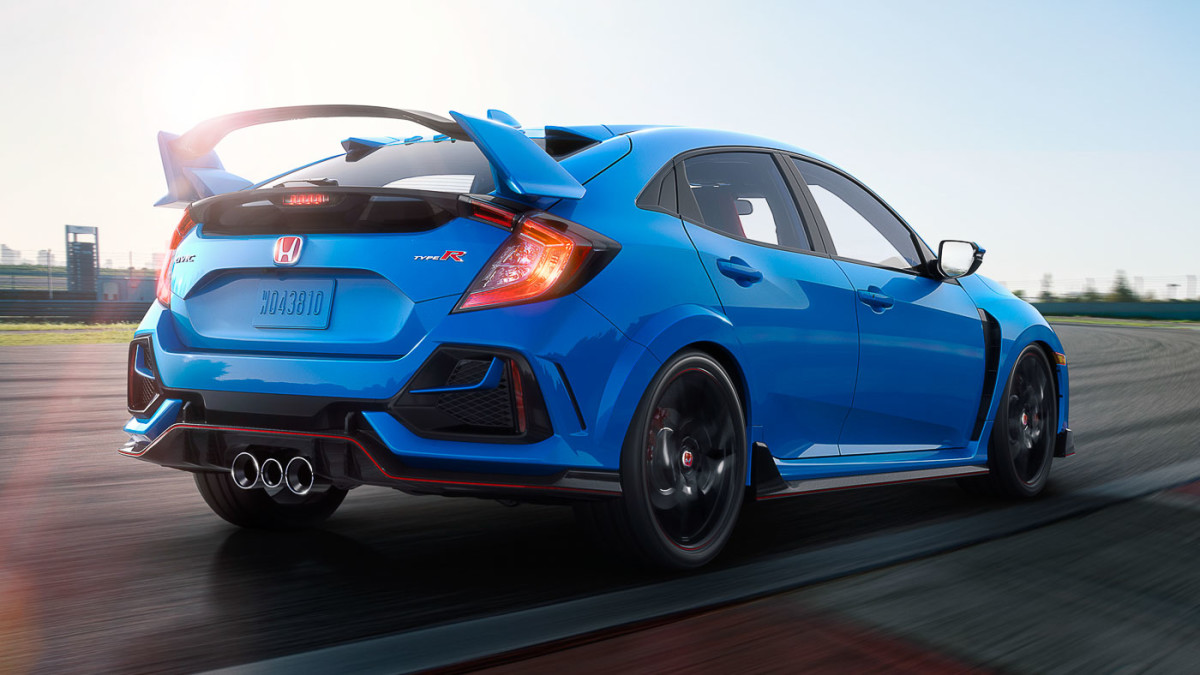
- i-VTEC System:Honda’s Variable Valve Timing system is remarkably simple and robust, providing high-RPM performance without the failure-prone solenoids found in rival systems.
- Timing Chains: Moving away from the rubber belts of the 90s, the K-series uses a heavy-duty timing chain designed to last the entire lifespan of the vehicle.
- Advanced Cooling: The engine architecture features high-flow oil passages and efficient water jackets, preventing the hot spots and oil sludge issues common in high-output four-cylinders.
The K-Series replaced the aging B-series and quickly became one of the most successful engine families in history. These 2.0L (K20) and 2.4L (K24) engines range from a modest 150 hp in base models to over 300 hp in turbocharged form and have powered everything from the Honda Civic Si and Type R to the Accord, CR-V, and Element, as well as the Acura TSX. It is so reliable and easy to package that it has become the LS swap of the four-cylinder world.
GM 3800 Series II V6 (1995–2004)
Mecum Auctions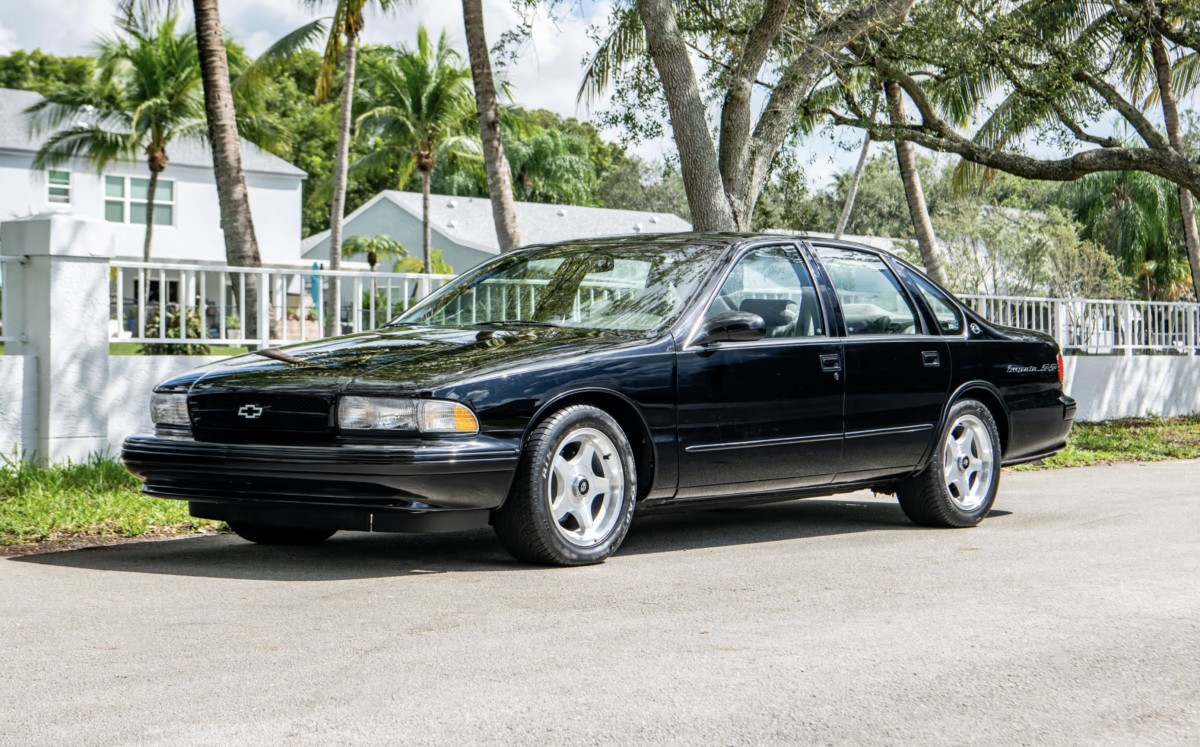
- All-Iron Construction: By using cast iron for both the block and the cylinder heads, GM ensured the engine had uniform thermal expansion, virtually eliminating the head gasket failures that plague aluminum-head engines.
- Pushrod Simplicity: The Overhead Valve (OHV) design does away with complex overhead cams and long timing chains, resulting in a compact and rugged package with fewer moving parts.
- Low-Stress Tuning: These engines produced modest power for their displacement, meaning the internal components were never under extreme mechanical stress during daily operation.
The 3800 V6 is considered by many to be the best General Motors engine ever produced from a reliability standpoint. The similarly durable LS motor is even more loved by performance enthusiasts, but it tends to cost more to maintain and repair. The 3800 motor evolved from a 1960s Buick design and was refined over decades until it became nearly flawless in its Series II iteration.
The 3.8L V6 typically produces 200–205 hp (up to 240 hp in supercharged versions), prioritizing low-end torque and reliability. It was found in models like the Buick LeSabre, Pontiac Grand Prix, Chevrolet Impala, and Oldsmobile Eighty-Eight, most of which are rusting quietly in scrap yards with engines that are ready to do another 300,000 miles.
Toyota 22R-E (1982–1995)
Craigslist @ S Chandler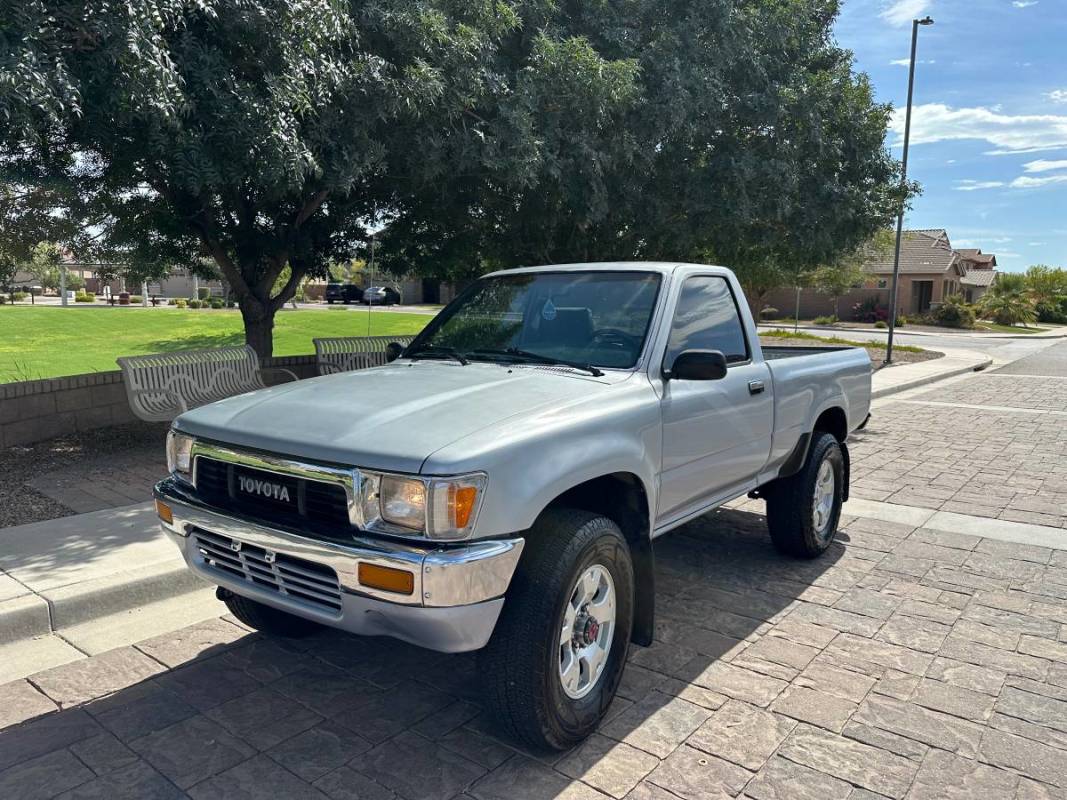
- Robust EFI: As one of Toyota’s early Electronic Fuel Injection engines, the system was designed to keep operating even under extreme conditions.
- Low-Revving Torque: The engine was designed for low-end “grunt” rather than high-speed horsepower, which significantly reduced the internal friction and heat that typically kill smaller engines.
- Robust Castings: The heavy-duty block casting was so solid that it could often be rebuilt multiple times, though most owners found they never needed to open the engine.
The 22R-E is the engine that helped form Toyota’s reputation for building nearly indestructible engines and was used in some of the toughest vehicles out there, like the Pickup (Hilux) and first-generation 4Runner. It was no fire-breather, though, as the 2.4L four-cylinder produced a humble 105–113 hp.
They weren’t perfect from the off though, as the earliest engines had basic carburetors and plastic timing chain guides, but later models got more robust metal guides and electronic fuel injection. Despite its meagre performance, the 22R-E proved that a small, four-cylinder pickup could be tough enough for the harshest conditions.
