The Honda Pilot, following the analogy I’ve assigned to it before, is like the Golden Retriever of 3-row SUVs: either every family you know already has one, or if they don’t, they’re pining for one. There are plenty of trim levels and options to choose from, and it’s not so technologically-focused that it’s overwhelming. There’s more space than meets the eye, the third row is comfortable enough for adults, and thanks to the 2026 updates, there are more standard convenience and safety features on lower trims—so it’s affordable, ranging from $42,195 to $56,490, depending on whether or not you go with all-wheel drive or premium add-ons. I love that Honda didn’t axe the 285-horsepower 3.5-liter V6, either.
Kristen Brown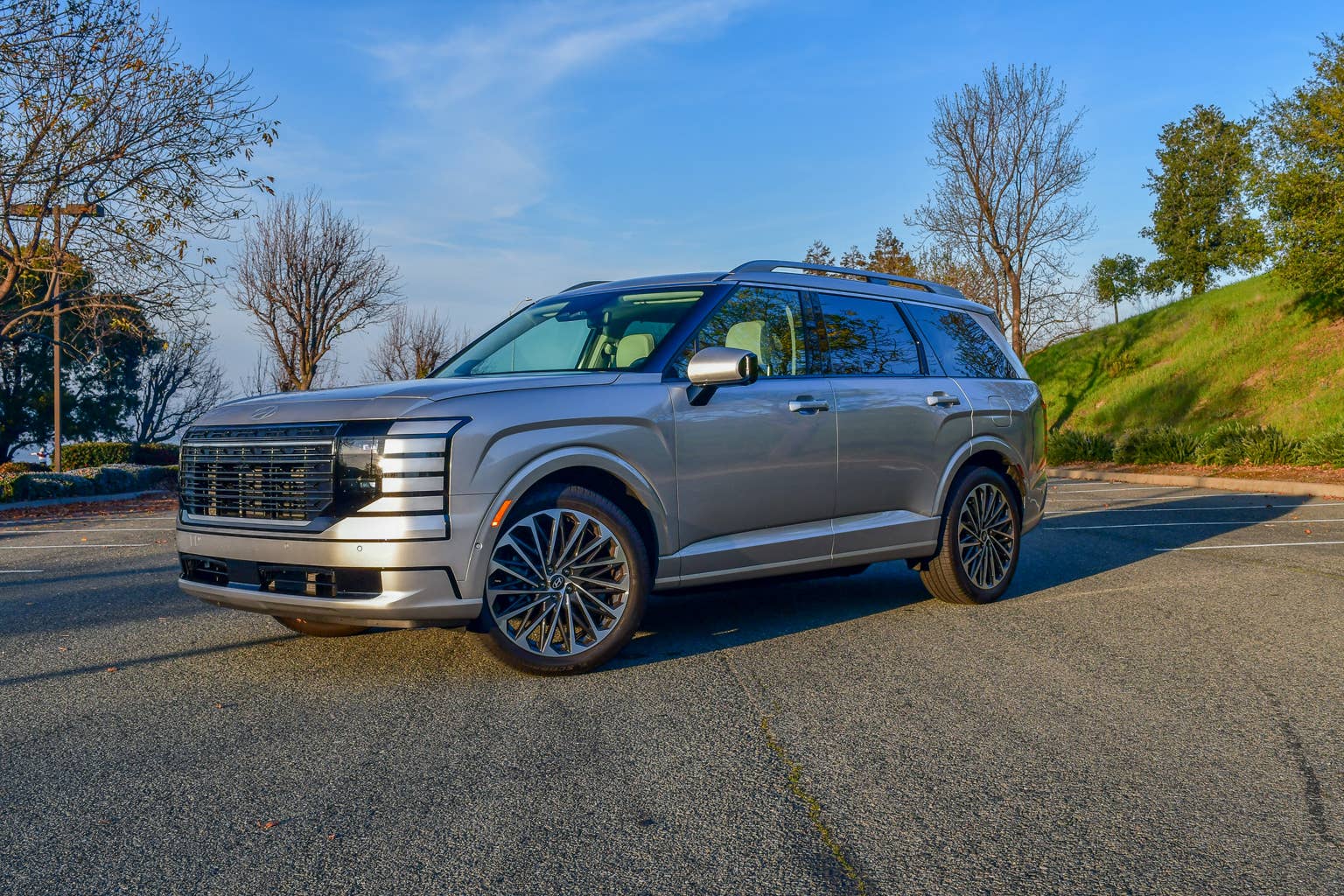
The Hyundai Palisade strikes a similar chord here. It’s roomy, comfortable, easy to drive, and also comes in a variety of flavors, depending on what a buyer’s looking for. Both have a luxury trim, an off-road focused trim (though I’d argue the Pilot TrailSport is actually updated for off-road, while the Hyundai’s XRT is an appearance package, but that’s a whole other argument), and a decently equipped base model, with an excellent third row. It also has a 3.5-liter V6 and a friendly price range of $38,935 to $57,192, depending on what you stack onto it. The interior is much more premium-feeling and technology-forward with screens and a lack of physical buttons, but it still checks all the boxes for families.
Kristen Brown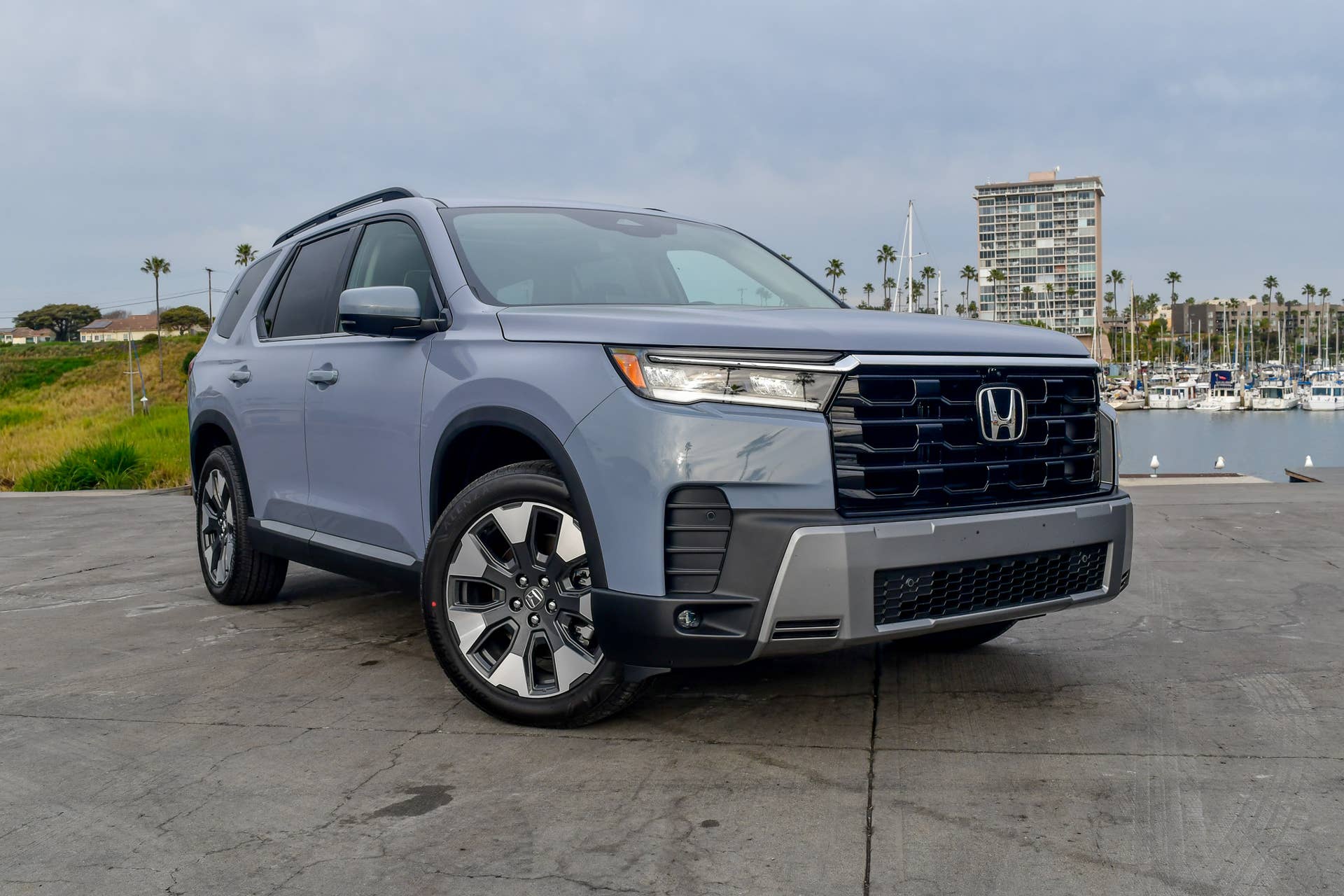
As you can see, on paper, both 3-row SUVs present strong arguments as to which one is the better buy. After having driven—and packed my family—into both, I have some thoughts, good and bad. Let’s dig in.
Related: Road Ethos Launches: The New Automotive Lifestyle Site You Should Read
Honda takes the victory for family functionality, especially with the removable middle seat
Both SUVs offer some of the most accommodating third rows on the market, but they approach passenger comfort and flexibility differently. The Honda Pilot Elite stands out for its mechanical simplicity and the unique versatility of its seating. A primary highlight is the removable middle seat in the second row, which allows owners to switch between a bench and captain’s chairs without having to choose a different trim level at the dealership—all trim levels include it, and there’s a clever place to store it under the floor of the trunk. When in place, the third row is surprisingly spacious even for adults, offering dedicated A/C vents, USB-C ports, and a large sunroof that prevents the back of the large barge from feeling claustrophobic.
Third row of the Honda Pilot Kristen Brown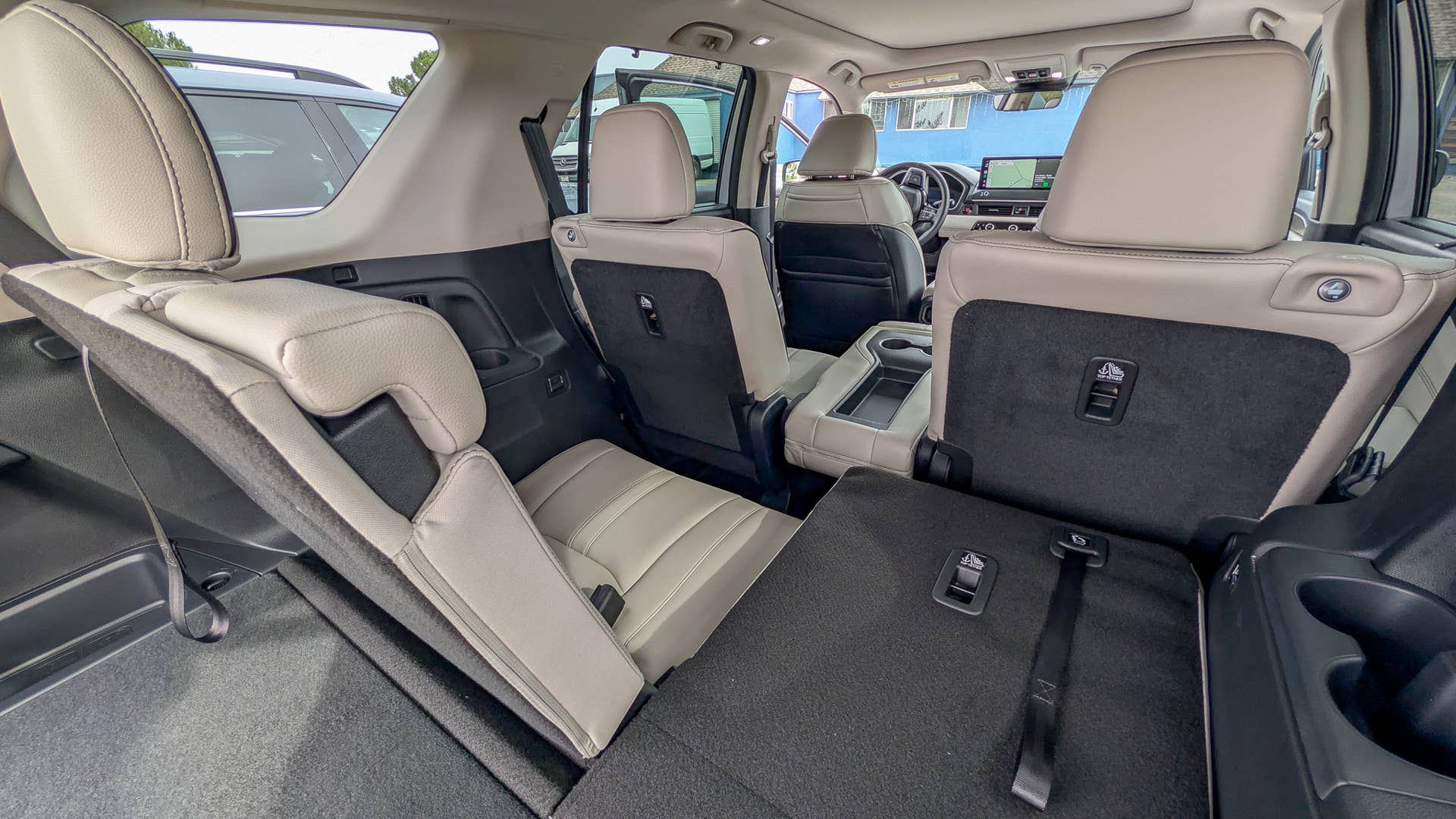
The Hyundai Palisade Calligraphy, by contrast, leans into a more premium and airy atmosphere. Its third row feels exceptionally open thanks to large porthole windows and a second sunroof positioned specifically over the rear passengers. Like the Pilot, it provides dedicated climate vents, speakers, and charging ports, ensuring that those in the back don’t feel like they’ve been relegated to the cheap seats. The Palisade’s interior generally feels a step above in terms of material quality, though this luxury comes with modern complexities.
Both come with excellent V6 engines, but you can get the Hyundai as an AWD hybrid
In an era where many competitors are downsizing to turbocharged four-cylinder engines, both the Honda Pilot and Hyundai Palisade have stuck with tried-and-true V6 power. The Honda Pilot is powered by a 3.5-liter V6 that delivers 285 horsepower and 262 lb-ft of torque, paired with a 10-speed automatic transmission. This setup provides a 5,000-lb towing capacity and a driving dynamic that makes the heavy SUV feel deceptively nimble on the road.
Kristen Brown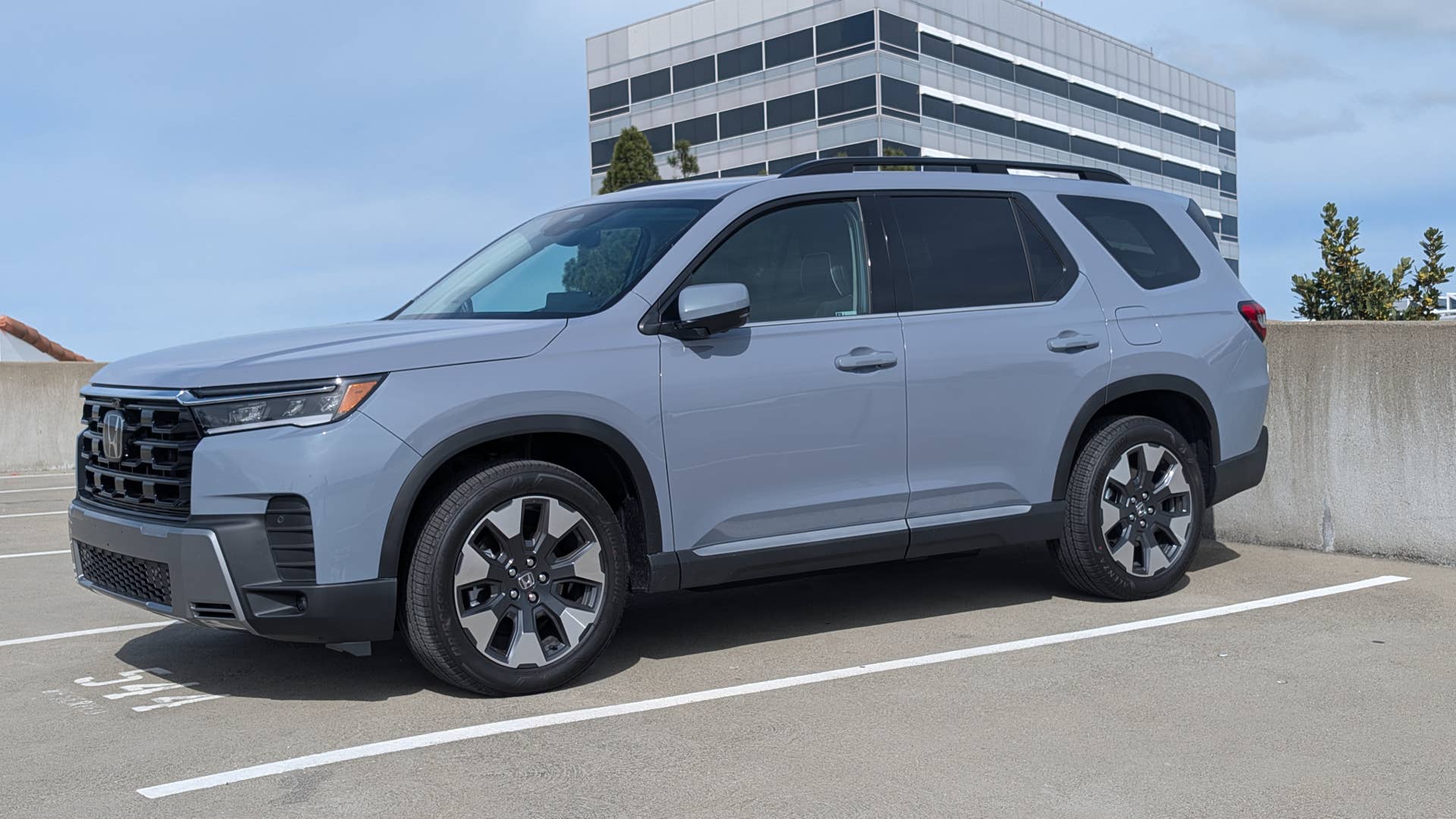
There was an unsurprising amount of body lean once the turns became a little sharper, but not as much as I thought there’d be, and I blame the seats. If they were a bit more bolstered and supportive, you wouldn’t even notice it. The Hyundai’s driving feel is much better, because the driver’s seat is designed with the driver’s position in mind.
The Hyundai Palisade also utilizes a 3.5-liter V6, producing 287 horsepower and 260 lb-ft of torque. While its torque helps prevent the vehicle from feeling sluggish when fully loaded with gear, the engine’s efficiency remains a weak point, averaging roughly 17.8 mpg in typical city driving. But the Honda wasn’t much better; in fact, the mileage was almost identical. I came close to 18 mpg in combined driving, and then about 20 on the highway.
Kristen Brown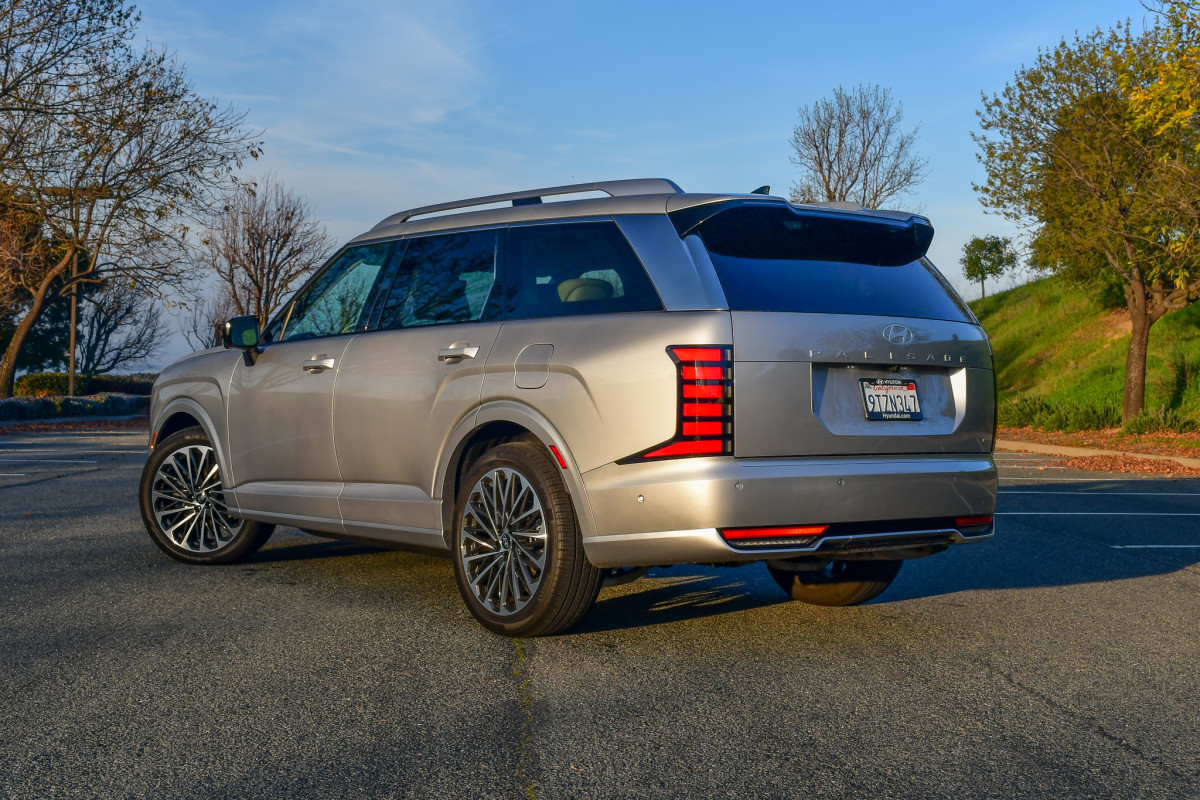
For the 2026 model year, though, the Palisade is the only contender here that has an optional hybrid powertrain—and I loved it. It adds about $2,400 to the price tag, but it’s worth it. Especially when you get an average of 25 mpg combined and over 30 on the highway, even with all-wheel drive. Honda’s reportedly working on a hybrid version of the Pilot, so I’ll be sure to come back and compare those, too.
The technology is there in both of them, but the Hyundai is much more futuristic that way
The interior technology of these two SUVs highlights a clear divide between functional simplicity and high-tech luxury. The Honda Pilot Elite is designed with a dummy-proof philosophy, prioritizing ease of use and physical reliability over digital flair. It features a 12.3-inch HD touchscreen with Google built in and a 10.2-inch digital instrument cluster that replaces the older analog-digital hybrid setup. While it includes modern essentials like a 360-degree parking camera, a Head-Up Display (HUD), and a 12-speaker Bose sound system, it intentionally avoids digital jewelry like elaborate ambient lighting or complex infotainment themes.
Kristen Brown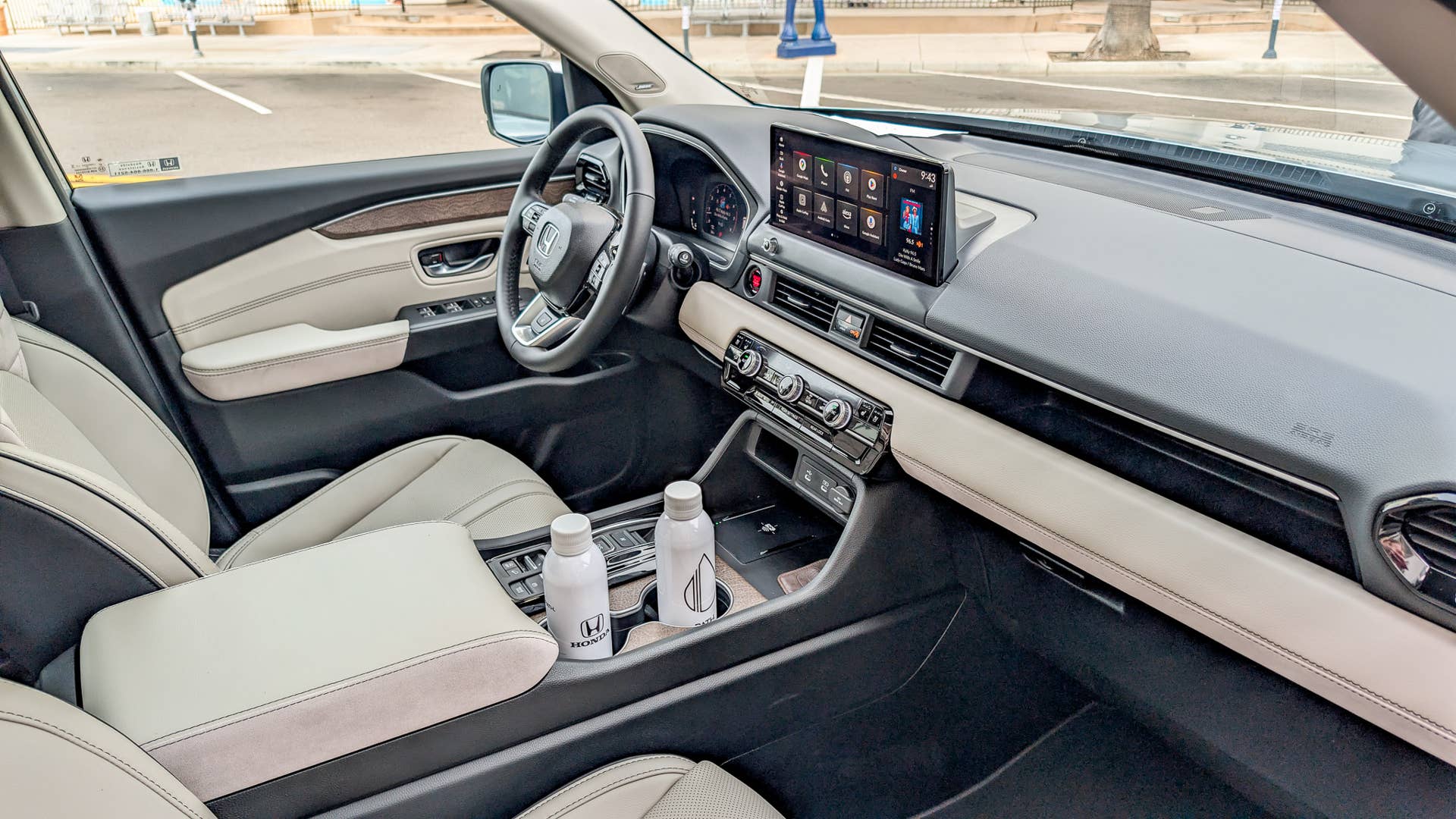
The Hyundai Palisade Calligraphy, on the other hand, is a tech-forward baddie that feels more like a luxury vehicle than a standard family hauler. Its cabin is dominated by two massive 12.3-inch screens that span from the driver’s door to the center console, offering highly customizable displays for fuel economy, power distribution, and digital gauges. While the Pilot sticks to physical controls, the Palisade utilizes a separate touchscreen with haptic feedback for the HVAC and seat settings. This interface gives the dashboard a sleek, modern look, though it requires a bit more leaning and looking compared to the Pilot’s straightforward buttons.
Kristen Brown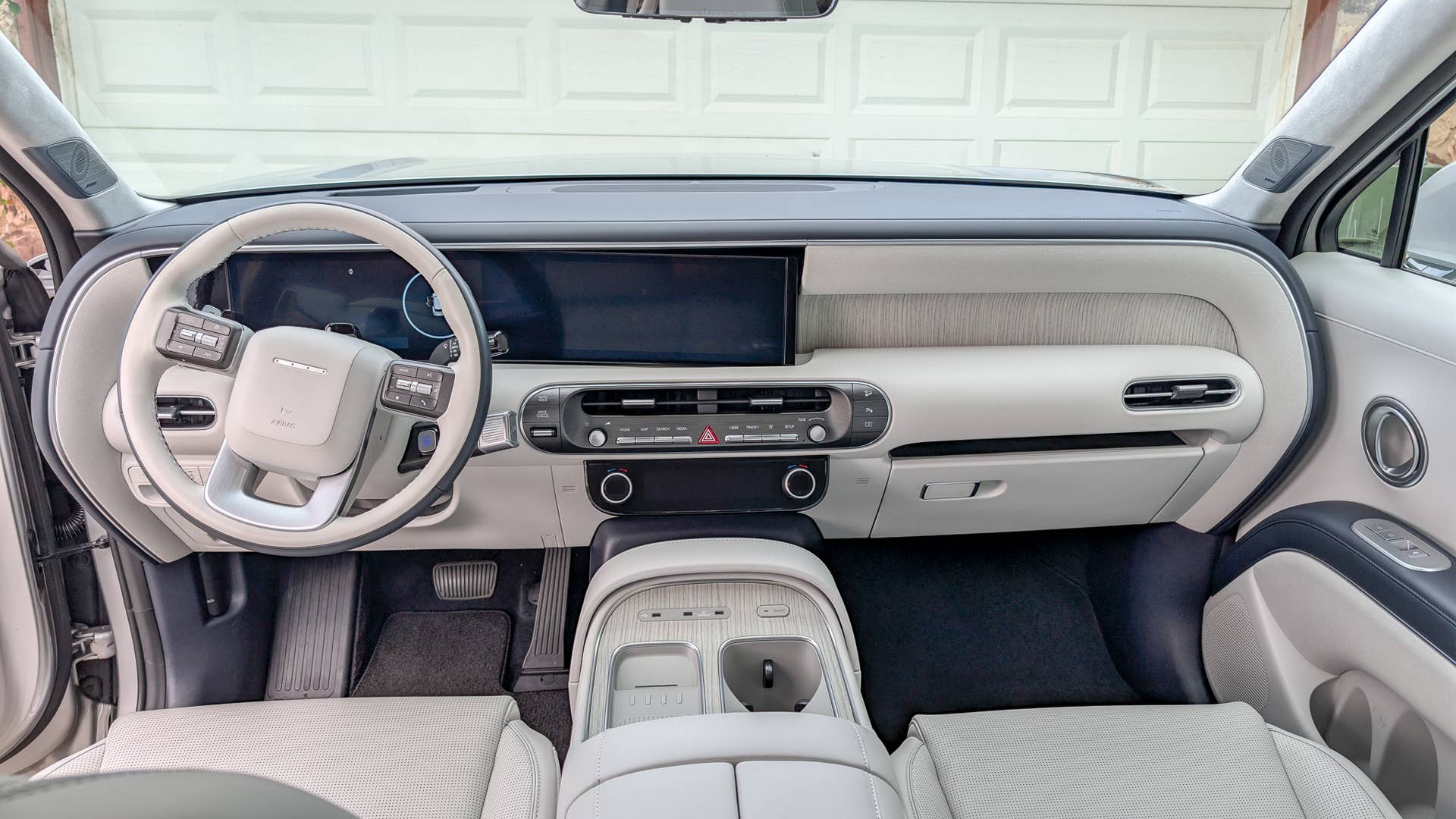
Further setting the Palisade apart are its advanced comfort technologies, such as the massaging driver’s seat and a self-leveling rear suspension that uses sensors to automatically adjust ride height when the car is fully loaded. It also features 17 cupholders and a clever dual-opening center console that allows the passenger to access storage without the driver moving their arm. While the Pilot offers a quiet, vault-like ride thanks to acoustic glass, the Palisade focuses on a wow factor through its digital integration and premium conveniences. While I had it, one of my favorite games to play was to have people guess how much it cost based on the interior. And no one ever guessed it was over $56,000.
They’re both highly decorated safety ambassadors
The 2026 Honda Pilot and Hyundai Palisade are both top-tier safety picks for families, with different protection philosophies. For the 2026 model year, Honda has doubled down on its safety-first ethos by making several advanced features standard across all trims, including the base Sport model. A standout addition for this year is the Post-Collision Braking system, which automatically applies the brakes after an initial impact to prevent the vehicle from rolling into a secondary accident. This is particularly vital for parents navigating the daily chaos of carpools and heavy traffic.
Kristen Brown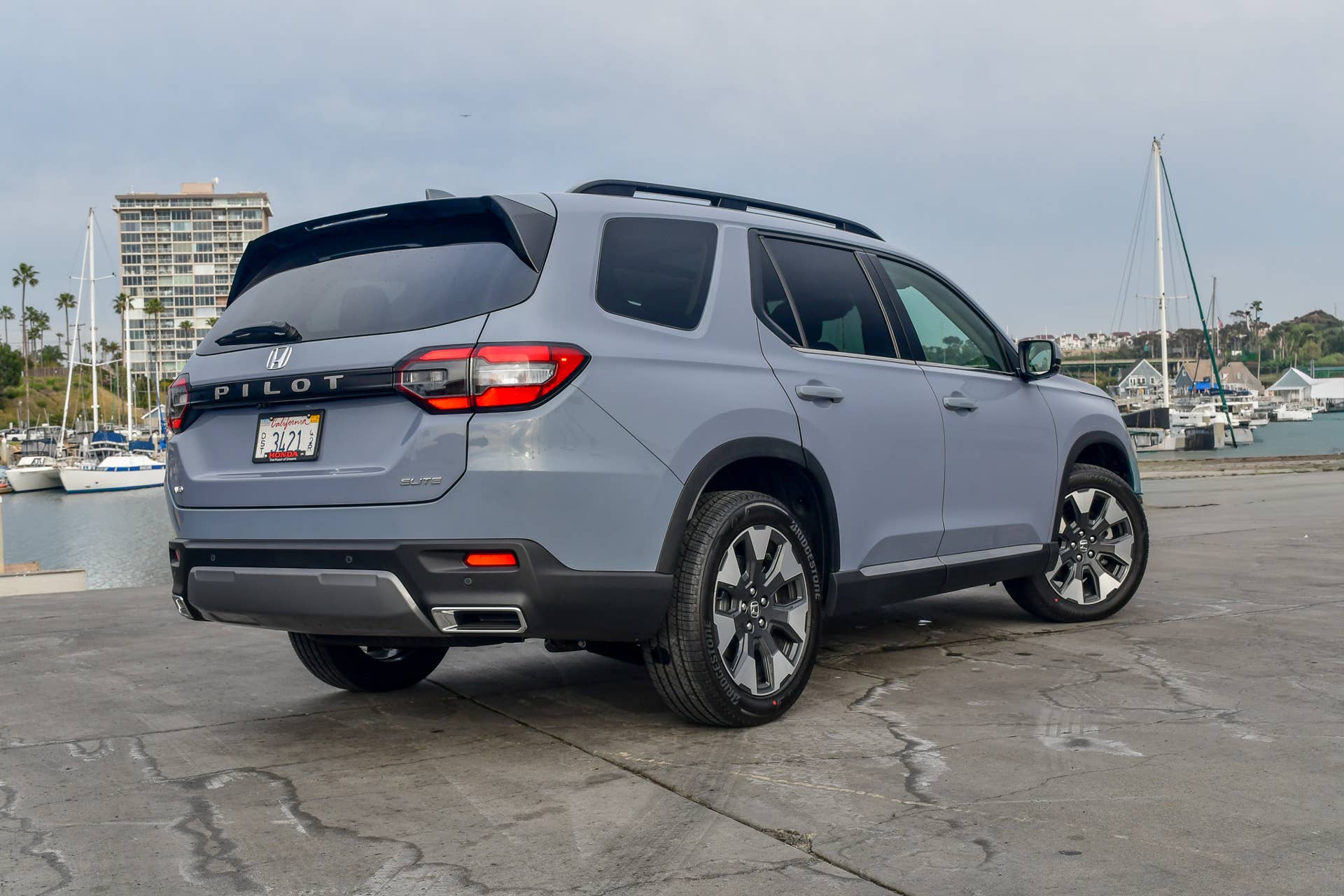
Beyond the structural bones of the car, the Pilot features the standard Honda Sensing suite, which acts as a digital co-pilot. This includes active interventions like Collision Mitigation Braking and Lane Keeping Assist to compensate for driver fatigue or distraction. For those in the back, the Pilot features a next-generation front passenger airbag designed to better cradle the head in angled impacts across the lineup, significantly reducing the risk of brain injury. The adaptive cruise control is also top-notch, helping to reduce unintentional swerving and keeping the Pilot on the IIHS’s top safety picks list. I found it to be much easier to use and a lot less aggressive than the Hyundai.
The Hyundai Palisade also offers a robust safety suite, but it distinguishes itself with more technology-heavy driver aids. It includes features like a blind-spot view monitor that shows a live video feed of your blind spot in the digital instrument cluster when you activate your turn signal (which I adore, and it’s a feature that should be in every single car). Like the Pilot, it offers adaptive cruise control and lane-keeping assistance, but it adds a layer of convenience with a highly customizable driver information display that makes it easy to monitor safety settings at a glance. The Palisade also benefits from a self-leveling rear suspension in higher trims, which ensures better stability and control when the vehicle is fully loaded with cargo or passengers (I know I mentioned it before—but still).
Kristen Brown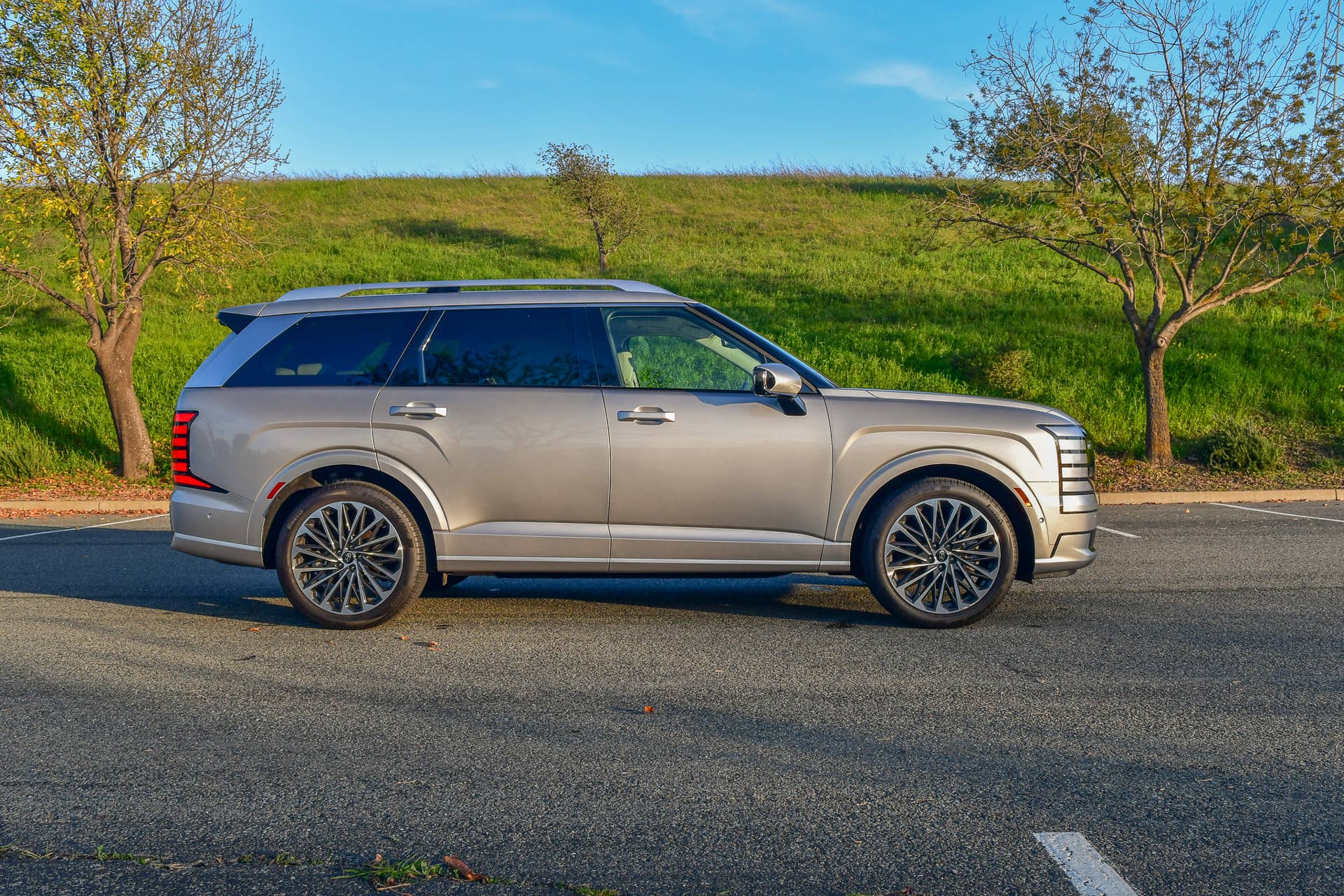
However, the safety conversation for the 2026 Palisade is currently overshadowed by a significant recall affecting the top-tier Limited and Calligraphy trims. These models are being recalled because of a defect in the power-operated second and third-row seats, which resulted in the tragic death of a two-year-old girl in Ohio. The motorized seats failed to detect an obstruction, leading to a crushing hazard. While the Palisade remains a high-tech option, this specific mechanical failure is a critical consideration for families with small children who might be playing or sitting near the powered folding mechanisms. My husband and I saw it in action when my daughter’s car seat was installed, and the folding feature was accidentally triggered. For the rest of the press loan, I avoided those functions at all costs.
Okay, now let’s talk about how far your money goes
Pricing for these two behemoths is competitive, though the Honda Pilot has seen a notable price jump for 2026. The Pilot now starts at $42,195 for the base Sport trim, while the top-tier Elite AWD model tested sits at approximately $53,495. Historically, the Pilot has commanded a stronger reputation for long-term reliability and higher resale value, often retaining more of its initial cost after five years compared to its peers. And this is speaking from experience. I’ve been casually shopping for an older model for a while, and unless something is mechanically wrong with it or it has over 300,000 miles on the clock, it’s difficult to find one under $20,000.
Kristen Brown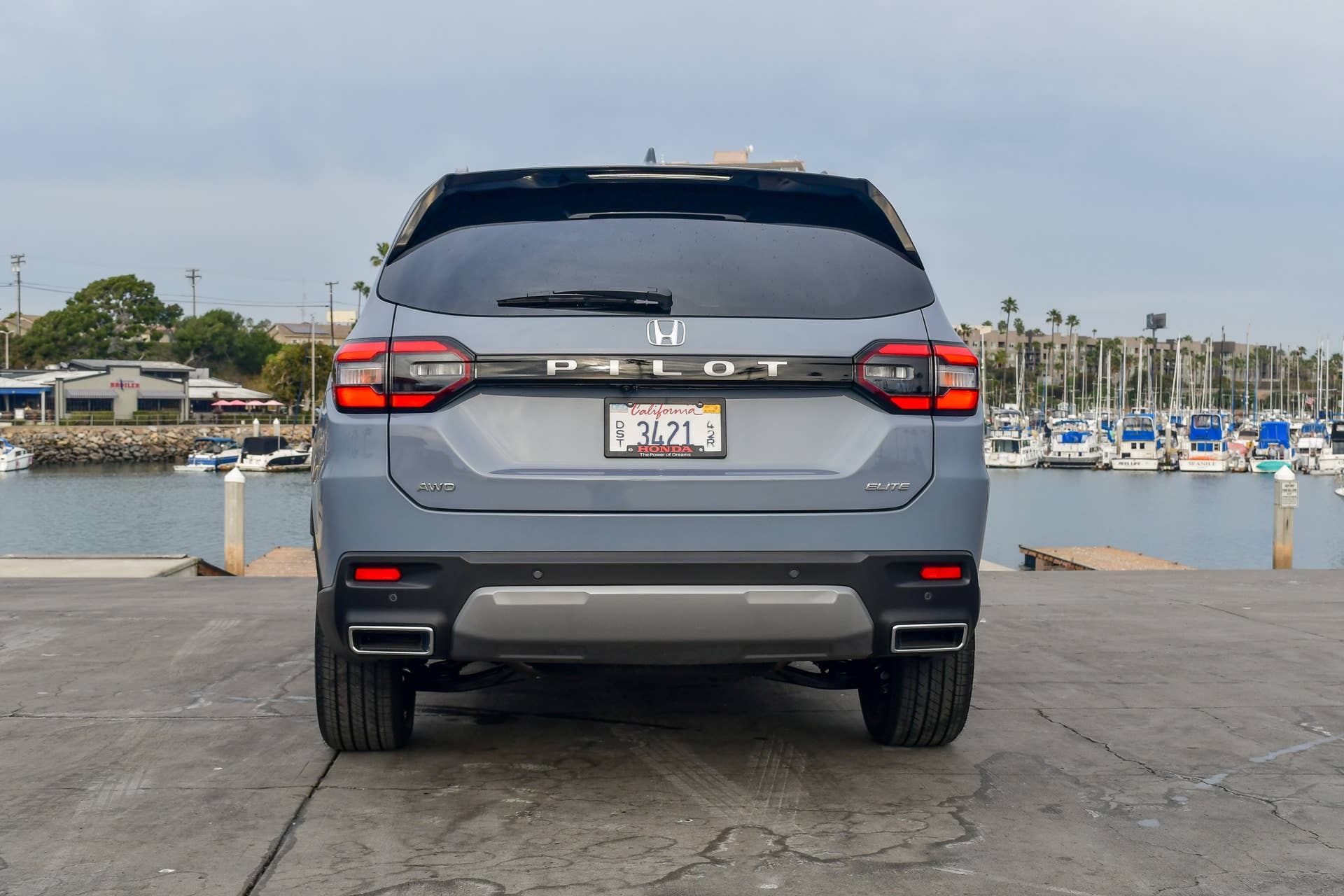
The 2026 Hyundai Palisade, on the other hand, offers a lower entry point with a starting MSRP of roughly $39,435, while the fully loaded Calligraphy AWD hybrid model reaches about $57,800. While the Palisade often feels like a more expensive luxury vehicle, it historically depreciates faster than the Honda. Used Palisades are much more attainable.
However, Hyundai counters this with a significantly longer powertrain warranty (10 years/100,000 miles), which can provide peace of mind for families planning to keep the vehicle for a decade or more. Honda has an okay power and drivetrain warranty, but… Let’s be real, you probably won’t need it.
Final thoughts: Honda wins, at least for me
While the Hyundai Palisade offers a flashy, tech-heavy experience, the Honda Pilot Elite AWD wins out for its refreshing simplicity and mechanical honesty. There is a sense of “no funny business” with the Pilot; it provides a smooth V6, a traditional transmission, and a functional chassis that does exactly what you need without the distraction of digital jewelry or overly complex touchscreens. The clever versatility of the removable middle seat and the massive, easy-to-load cargo area make it a tool that truly thinks about the daily chaos of parenting. After spending a week behind the wheel, it is hard not to be swept off your feet by how approachable and dependable it feels, leading to a genuine desire to put one in the driveway permanently.
Kristen Brown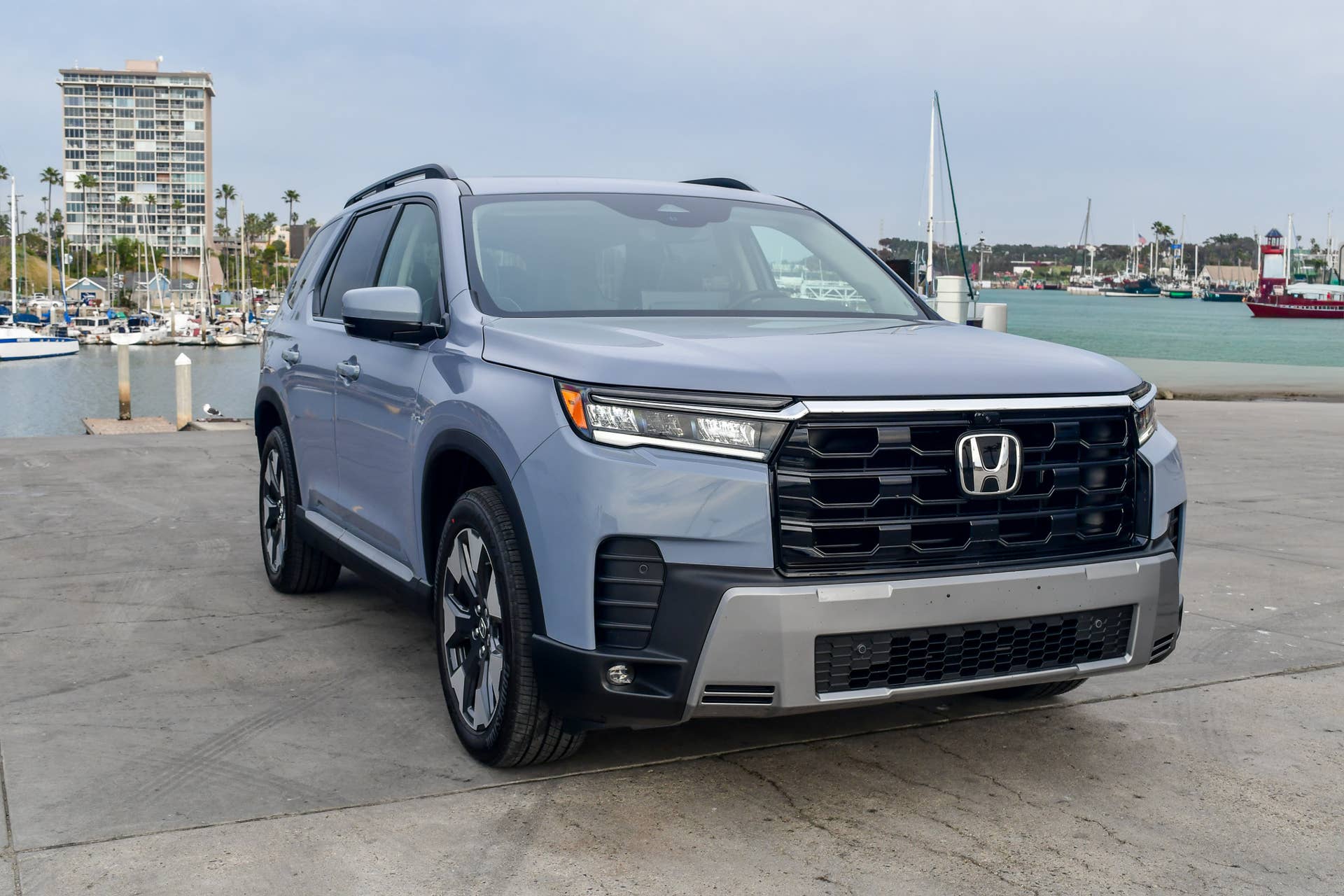
In particular, the TrailSport trim is the one that really calls to me for my next family vehicle. While the Elite offers premium comforts like quilted leather and acoustic glass, the TrailSport better aligns with the reality of my family’s life, offering rugged capability for those weekend trips to the mountains or local regional parks. It trades some of the “fancy” features for off-road-tuned suspension and durable finishes that can handle the mess and adventure that come with raising toddlers.
