BMW has a vast history of cool station wagons. In the world of M cars, it’s offered three generations of M5 in wagon form—including the current version, as well as the current M3 (albeit in Europe only). It’s sold a diesel-powered wagon in America, in the form of the 328d. If you want something even weirder, BMW once offered a wagon in Europe that was powered by a diesel straight-six that used four turbochargers, the M550d Touring.
Amazingly, none of those cars was the coolest wagon to wear the BMW Roundel. That honor goes to a car that wasn’t even designed by the brand. Instead, it goes to AC Schnitzer and the X-ROAD. Built atop the bones of an E46-generation 3-Series wagon, the X-ROAD was a lifted factory wagon from Germany that not only looked awesome, but was well ahead of the curve compared to every other manufacturer in Germany, including BMW itself.
I feel like it’s a good time to talk about the X-ROAD, seeing as AC Schnitzer announced today that it’s closing its doors after 39 years, citing rising development costs, tariffs, and stringent regulatory processes in Germany. So let’s take a trip down memory lane.
The Lifted Wagon Craze Begins
Back in 2001, the idea behind lifted wagons meant for light off-roading in addition to normal wagon duty was just starting to catch on. The Subaru Outback, having been launched seven years earlier as a lifted version of its Legacy wagon, was already becoming a bit of a juggernaut in the segment. Its only sort-of rival was the Volvo XC70, which launched later in the ’90s and was originally known as the V70 XC.

Seeing the potential for growth in this new segment, AC Schnitzer, a German tuner firm that had been specializing in custom BMWs and aftermarket parts for 14 years, launched a version of its own in 2001, based on the all-wheel drive E46-generation 325xi, which was released a year prior. Back then, if a BMW shopper wanted something with any off-road chops, they’d have to jump all the way to the X5, since the X3 didn’t exist yet. But no longer.

Going by AC Schnitzer’s website, the X-ROAD didn’t sport any changes to the E46’s naturally aspirated inline-six engine or clutch-based all-wheel drive system. But did have several small improvements to make it friendlier to drivers off-road. There are AC Schintzer-specific springs on all four corners, raising the ride height by 1.18 inches. The Type III 17-inch wheels, sporting the company’s iconic twin-spoke design, wore all-terrain tires.
That wheel/tire package afforded a bit of extra track width, which was shrouded by an AC Schnitzer body kit in grey. Rounding out the mods is an aftermarket exhaust with an oval tailpipe exit—another AC Schnitzer signature. And who could forget those epic “X-ROAD” decals on the doors? It really ties the whole car together.

Being a niche tuner product, the X-ROAD is an incredibly rare car. While there isn’t an official production number published anywhere, most of the internet seems to think that around 25 examples of the X-ROAD were built in the early 2000s for the European market. Despite their rarity and specialness, there are a couple of folks who aren’t shy about driving them. The owner of this black car posted to Reddit claiming to have put 300,000 kilometers ( miles) on the clock of their X-ROAD.
Meanwhile, there’s a guy on Instagram by the name colibamotorsport who regularly posts videos off-roading his X-ROAD, without any care for whether something might go wrong. This video, published in December, shows the car splashing through shallow mud pits and getting sideways on dirt:
Looks like a fun time to me. I’m sure most of these cars are sitting in collections untouched, so I’m glad there are at least a couple being used as intended.
Rest In Peace, AC Schintzer
In the years before and after AC Schnitzer revealed the X-ROAD, it has stood the test of time to become one of the most-well known aftermarket parts companies in the BMW-verse. In addition to the X-ROAD, it has built dozens of full-fledged projects based on all sorts of BMW coupes, sedans, and SUVs, and even a few Mini-based offerings.
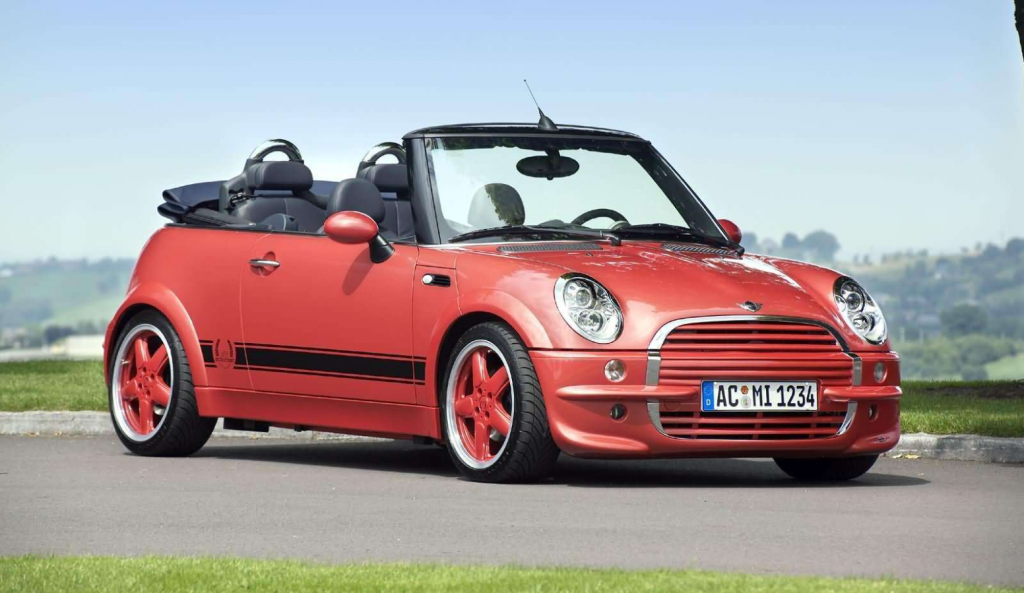
Now, though, that’s all coming to an end. KOHL Group, the company that owns AC Schnitzer, announced today it plans to wind down the firm’s operations at the end of this year as it pivots to selling down inventory, citing “various factors” that make it “no longer economically viable” to continue business in Germany. From the press release:
Steadily rising costs in the development and manufacture of parts are creating competitive disadvantages. In particular, however, the extremely long approval process for parts in the German system has caused AC Schnitzer to fall further and further behind its non-German competitors.
“If we can only bring aftermarket parts to market eight or nine months after the competition, that speaks for itself,” explains Rainer Vogel, Managing Director of AC Schnitzer, outlining the background. On the demand side, changing consumer behavior, deteriorating international market conditions, and the gradual phase-out of the internal combustion engine further exacerbate the situation.
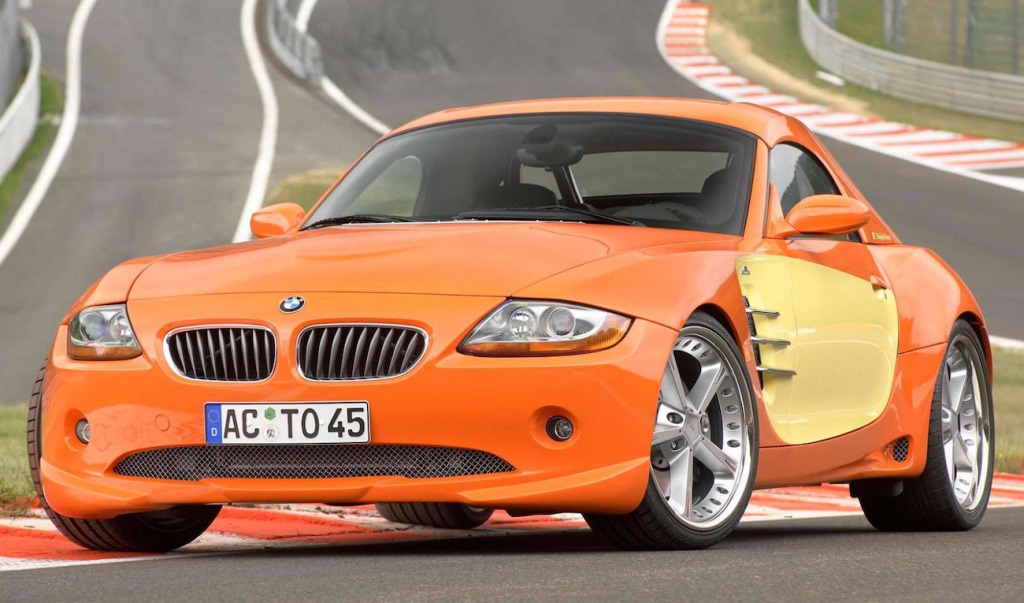
Famously, any aftermarket parts marketed for road cars in Germany have to go through the same stringent quality inspections as OEM parts, meaning the turnaround time to get products to the market is far more costly and time-consuming than virtually anywhere else. But that’s not the only reason, according to the brand:
Whether it’s tariffs in the key U.S. market, rising global raw material prices, highly volatile exchange rates in international currencies, or the demise of suppliers on the supplier side: every development has left its mark on the balance sheet. The same goes for the general reluctance to spend, which, amid a global economic downturn that has now lasted four years, has also caused the domestic market in Germany to collapse.
While it’s incredibly sad to see a long-standing, well-established name like AC Schnitzer close its doors, I’m not terribly surprised, given all of the reasons mentioned above. The looming affordability crisis means people don’t have as much to spend on aftermarket parts, leaving companies like this with little recourse.
If it’s any consolation, KOHL says it’s in talks to sell off the AC Schnitzer brand to interested parties, which means the name could survive to see another day. What form it would take, I’m not sure. But at least there’s a tiny ray of hope, right?
Top graphic image: AC Schnitzer
The post The Tuner That Built BMW’s Coolest Wagon Is Going Out Of Business appeared first on The Autopian.