A dismissal of a lawsuit against Tesla has been upheld by a California appeals court, seven years after the incident that triggered it took place and two years after it was originally dismissed as a nonsuit in the EV manufacturer’s favor.
The original suit alleged that the plaintiff’s Tesla Model X was defective after a bizarre incident in which her then two-year-old son was able to put the car into drive and pin her against a garage wall.
The Incident
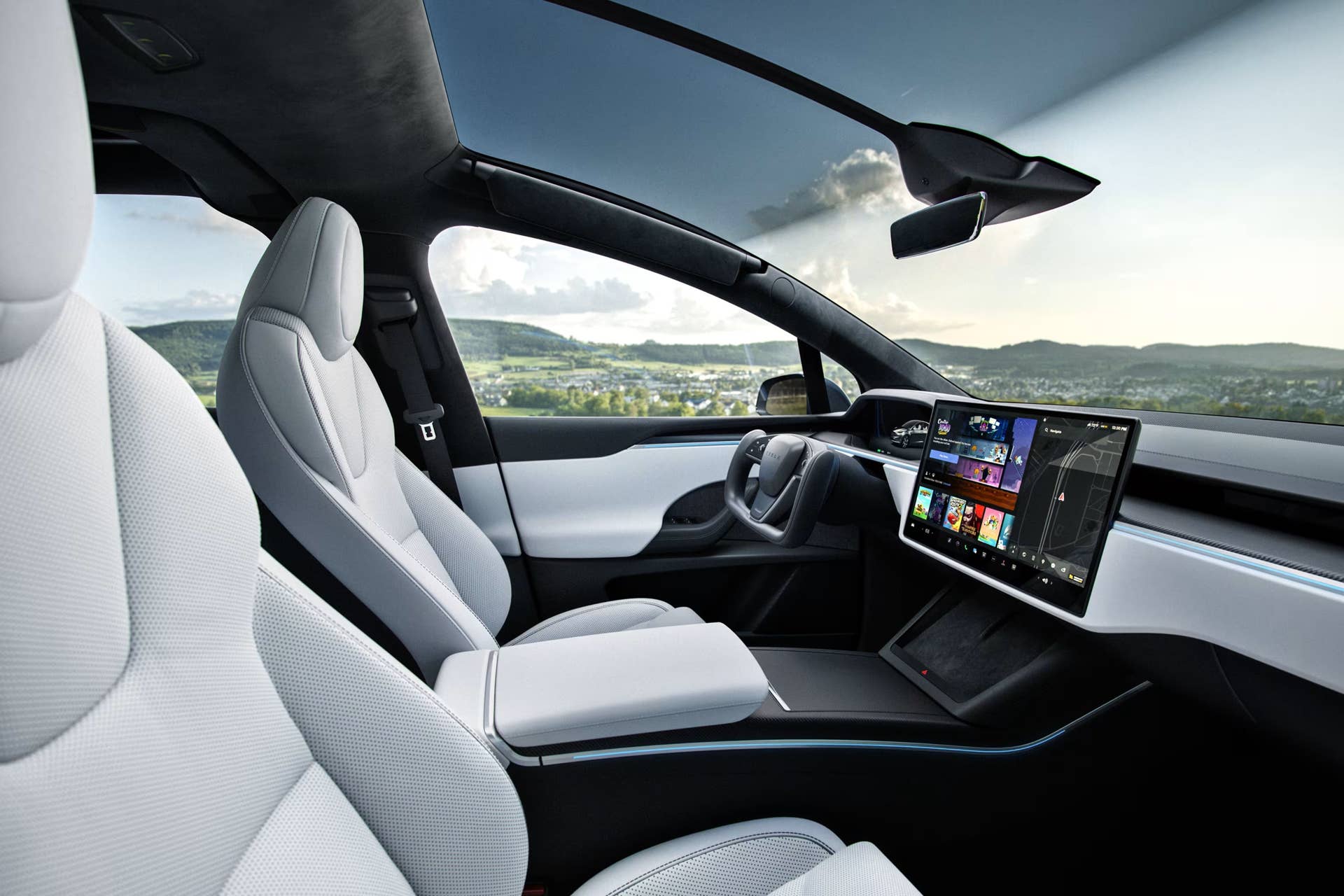
The incident that spurred on the lawsuit took place in December 2018, just days after Mallory Harcourt of Alameda County, California, eight months pregnant at the time, purchased a Tesla Model X, according to Car Complaints.
Having parked on her drive, she left the car, taking her young son with her, before realizing she’d left some belongings in the Tesla. She went back to retrieve them, including a garage door opener, left the driver’s door open with the key fob still in the car, and began walking back towards the garage. However, it was then she noticed that her son was nowhere to be seen.
Moments later, she was being pinned against her garage door by the Tesla, her son apparently having managed to get into the driver’s seat and put the car in drive. She suffered leg and pelvis fractures and soft tissue damage, although her unborn child was unharmed and born around a week after the incident.
The Original Suit
Tesla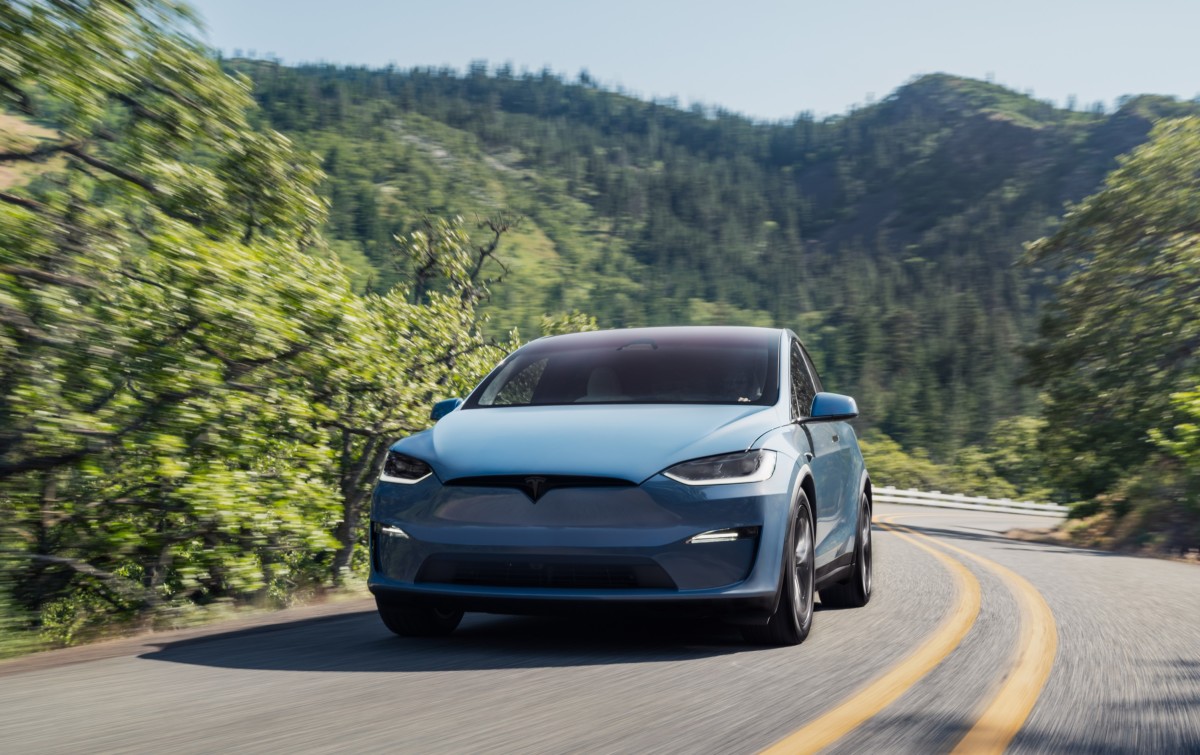
In 2019, Harcourt filed a lawsuit against Tesla claiming that “[her] toddler learned how to start and operate the Tesla faster than an adult can open a childproof bottle.” It was noted in court that the Model X was unlike most other vehicles on the market at the time in that no physical interface is needed to start the car – as long as the key is in the vehicle, it can be put into gear and driven.
However, the legal wrangling ultimately ended in a nonsuit on the basis that Harcourt had relied on the consumer expectations test, a standard legal test that decides whether a product is deficient or not. In this case, the court decided that the test didn’t apply, and the suit was dismissed in 2024.
Further Legal Challenges
Tesla
The terms of a nonsuit mean that a plaintiff can instigate further legal action on the same complaint, and this is what Harcourt did, initially filing a motion for a new trial later in 2024 which was dismissed.
However, she also launched an appeal against the ruling of a nonsuit. It’s this appeal which, seven years after the original suit and having been reviewed by a new team, has once again been dismissed.
Time will tell if this is the end of this particular dispute, but latest dismissal is likely a relief for Tesla given the multitude of other legal fights it currently finds itself embroiled in.