When AWD Suddenly Isn’t AWD
All-wheel drive is one of those features you don’t really think about – until you need it. Outside of rally racing, it’s all about keeping your car planted when the weather turns bad. In places where snow, rain, or slick roads are part of daily life, plenty of buyers are happy to pay extra for the peace of mind that comes with AWD.
But what if that extra peace of mind quietly disappears when you need it most?
That’s exactly the question at the heart of a new federal investigation into Acura. The National Highway Traffic Safety Administration (NHTSA) is now looking into reports that some Acura models can lose their all-wheel-drive function without warning.
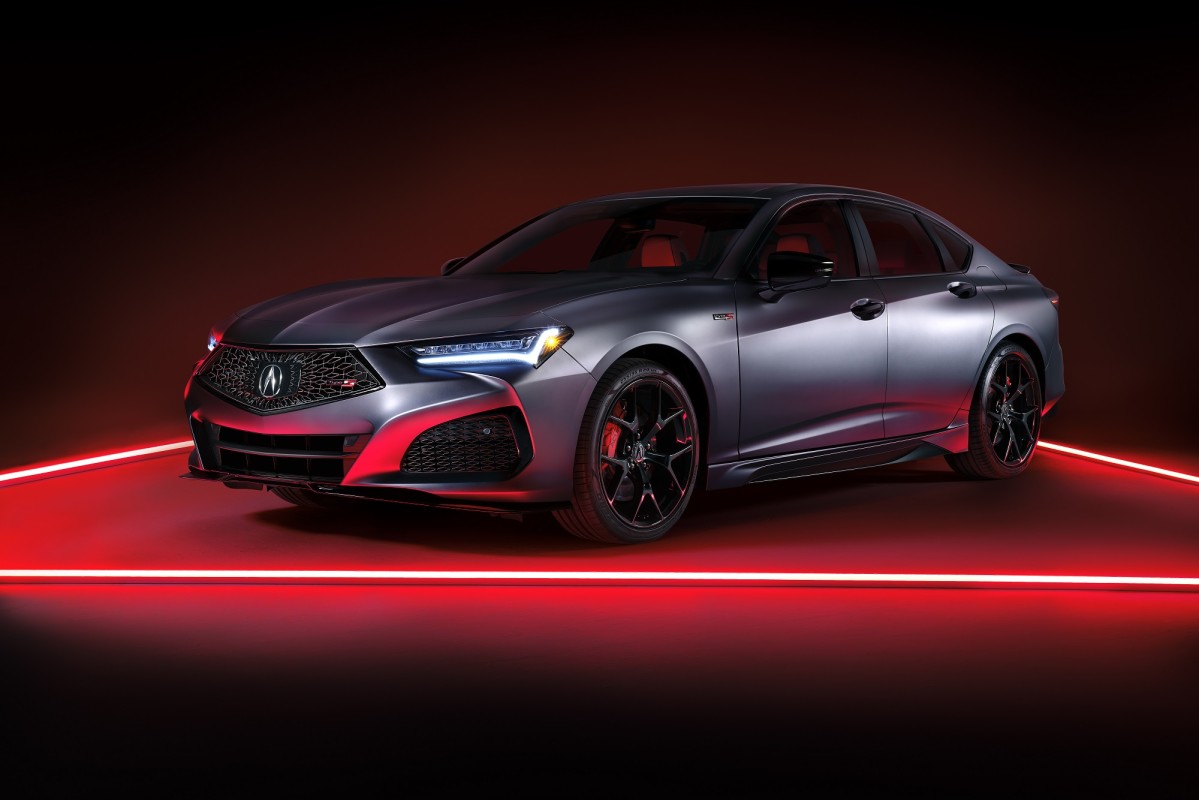
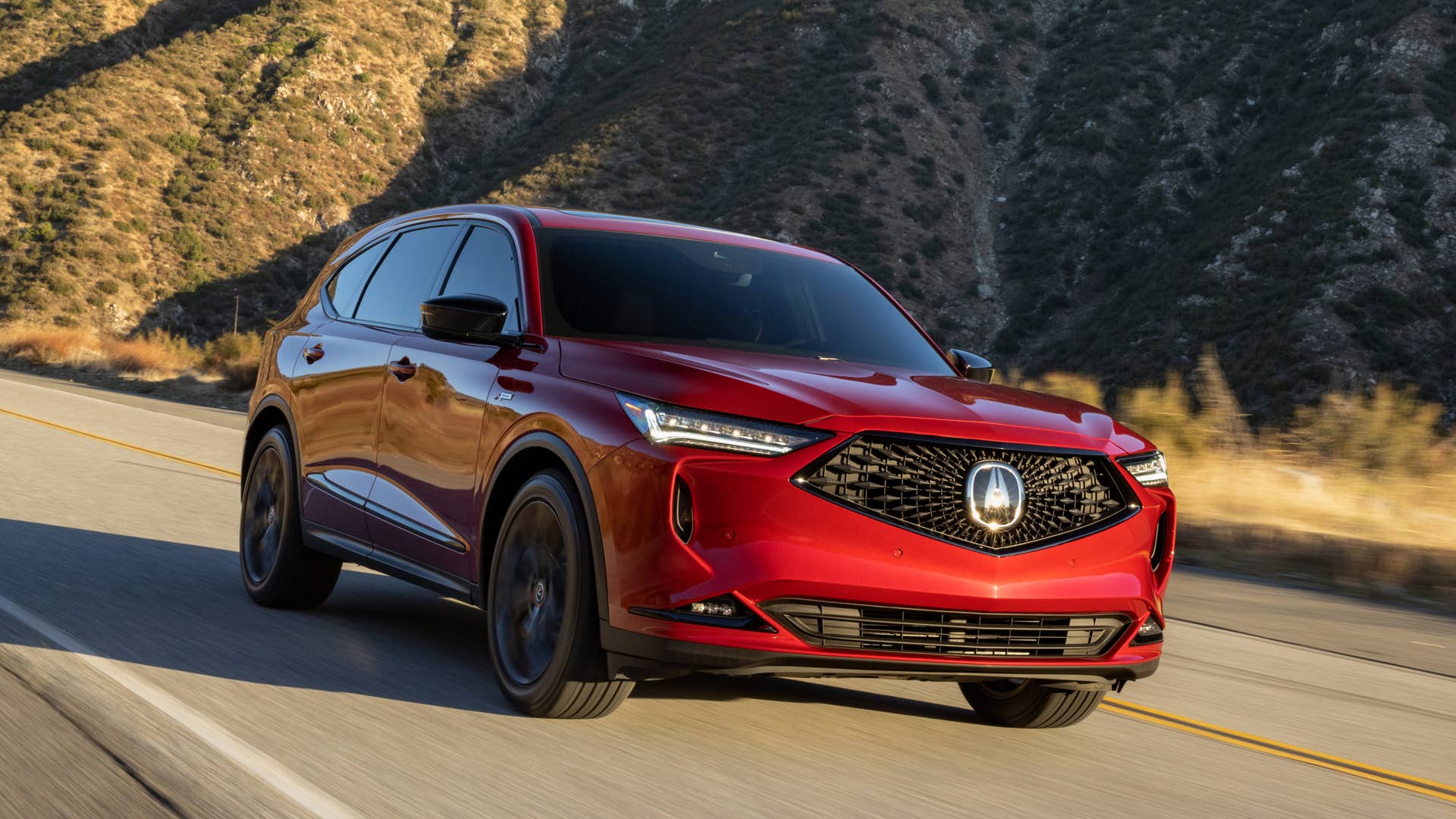
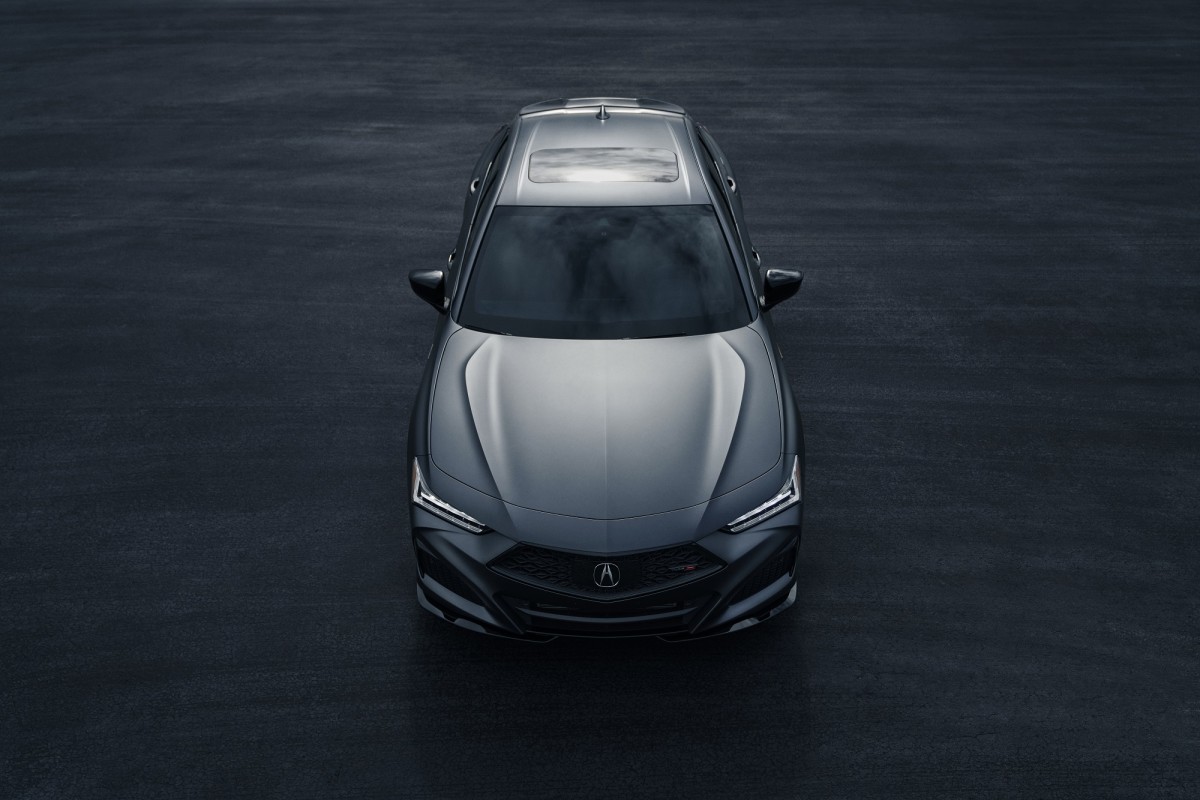
The probe focuses on certain model years of the Acura TLX sedan and MDX SUV, both equipped with Acura’s AWD system. The issue isn’t total loss of power – the cars keep moving – but they can suddenly switch to front-wheel drive, which could catch drivers off guard in less-than-ideal road conditions.
What the Investigation Says So Far
According to the Office of Defects Investigation (ODI) report, the probe involves an estimated 137,329 vehicles, specifically the 2021–2023 Acura TLX and the 2022–2023 Acura MDX.
At the core of the problem is a mechanical link between the transmission and the rear wheels. The NHTSA says the splines that connect these parts can fail, cutting off power to the rear axle. When that happens, the car is basically running as a front-wheel-drive model, even if the badge (and price tag) says AWD.
The petition that kicked off the investigation argues that this failure could make it harder to control the car in certain situations. So far, regulators are looking at 48 complaints sent to the NHTSA about similar issues. The good news: there haven’t been any crashes, injuries, or deaths linked to the problem yet.
Right now, the case is still in the early review stage. Regulators are deciding if the problem is serious enough to dig deeper or take further action.
What Happens Next
For now, the investigation remains in its early stages. Regulators will review the complaints and conduct a technical assessment before deciding whether to proceed with a formal defect investigation or deny the petition.
It’s also tough to say if 48 complaints really show how big the problem is. That’s a tiny slice out of more than 137,000 vehicles, but regulators usually look at more than just the numbers when it comes to safety.
There’s another twist: one of the models under investigation, the Acura TLX sedan, has already been discontinued. That closes the book on Acura’s long-running midsize luxury sedan.
The other vehicle in the investigation remains a cornerstone of the brand’s lineup. The Acura MDX, despite a 17.3 percent sales drop in 2025 compared to 2024, still led Acura’s US sales with 41,460 units sold last year. As the brand’s best-selling model, it naturally accounts for a large portion of the vehicles potentially affected by the probe.
Will this end in a recall? Too early to tell. For now, regulators are still figuring out if these AWD failures are rare flukes or signs of a bigger issue.