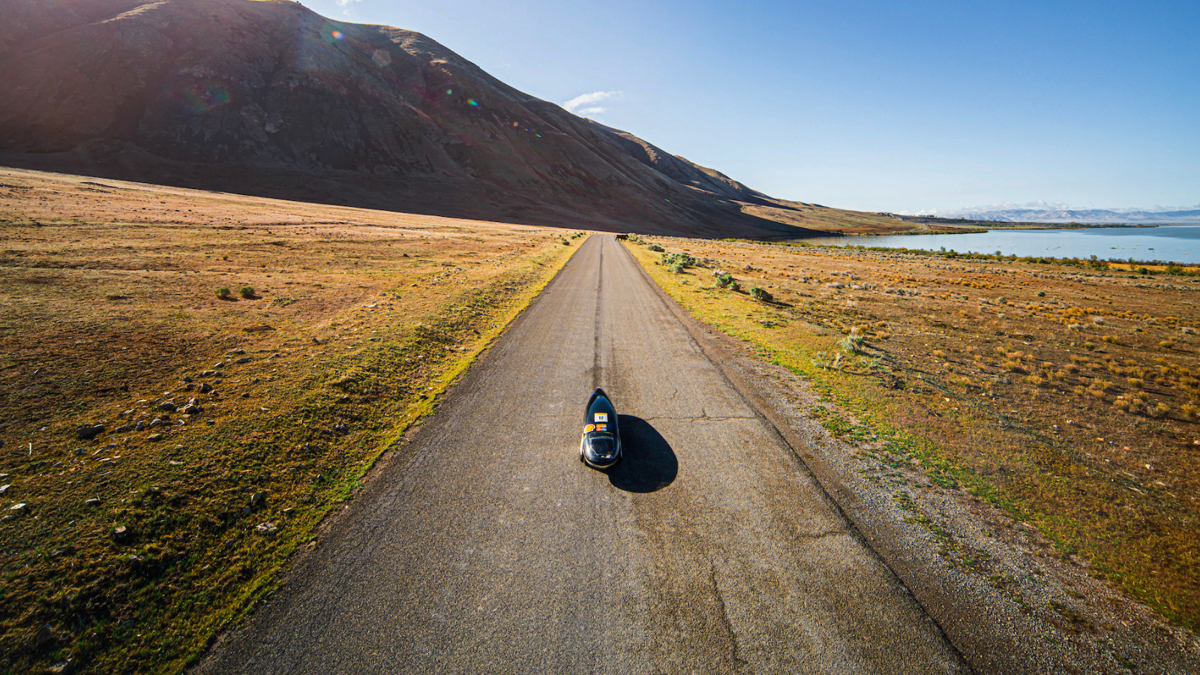
These days, adventure seems to be one of the most seductive marketing promises in the automotive world. Manufacturers love to show their SUVs climbing mountain passes, kicking up dust on remote trails, and escaping civilization entirely. But for most owners, the reality is far less theatrical. The typical adventure vehicle spends far more time navigating parking garages and grocery store lots than it does conquering the wilderness—but people still appreciate having the ability to flee the routine of city life on a whim, should they so desire.
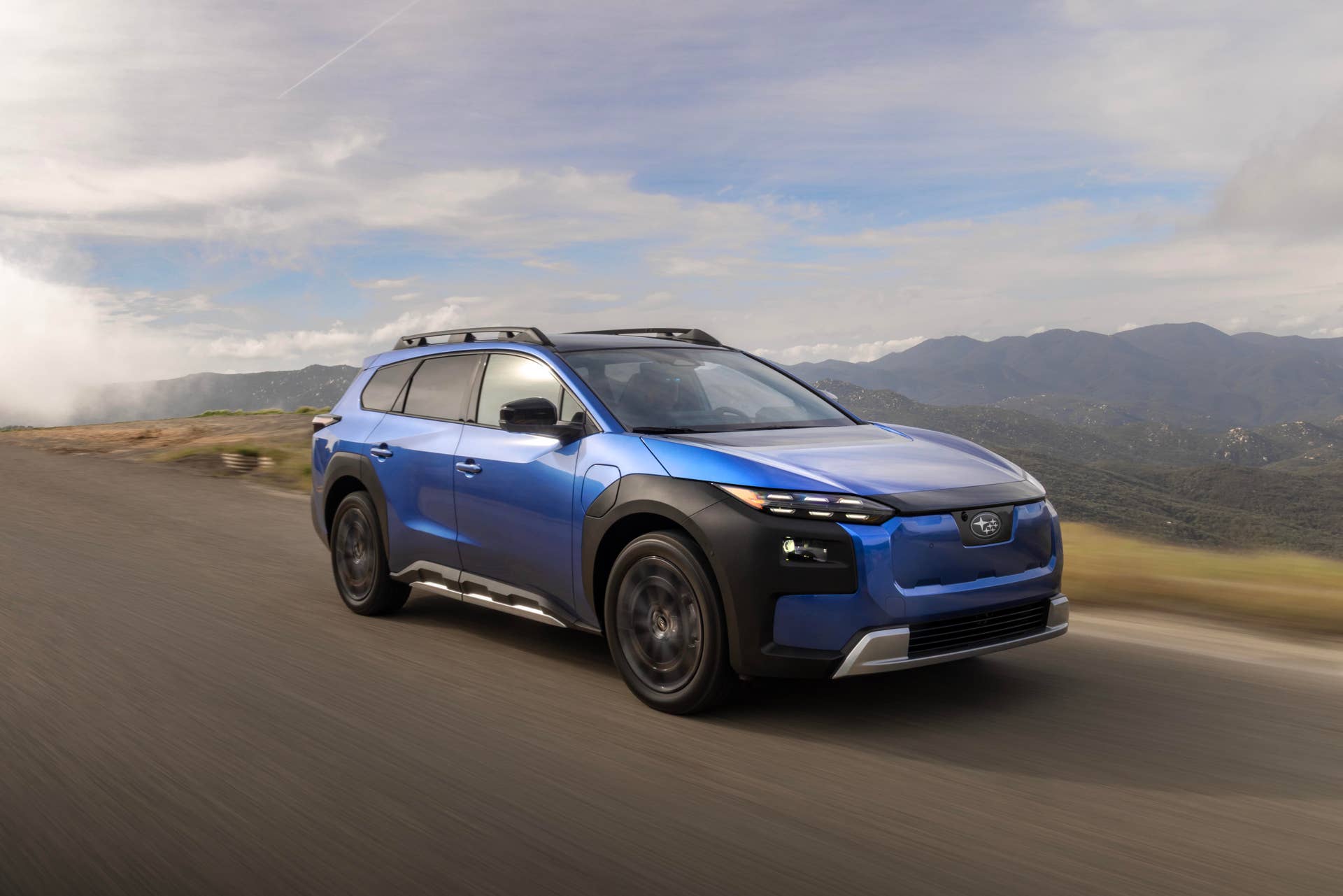
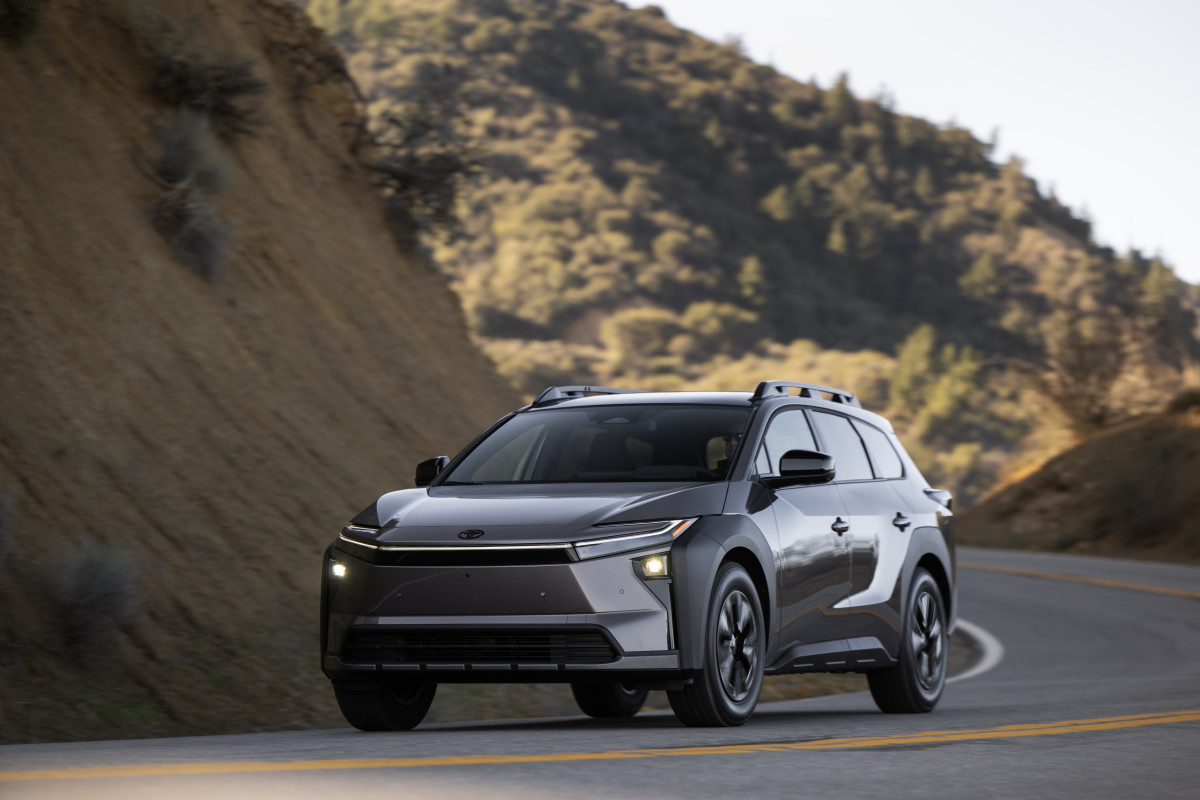
These marketing angles aren’t necessarily a bad thing. Vehicles like the 2026 Toyota bZ Woodland and 2026 Subaru Trailseeker exist in the ever-so-human space between aspiration and reality. They’re electric SUVs designed to evoke exploration and freedom—even if their daily lives will unfold mostly on paved roads. I had the opportunity to drive both back-to-back, and what quickly became clear is that these two vehicles are incredibly difficult to distinguish between. In fact, by the time I stepped out of the second car and had learned the entire story, there was no doubt in my mind that, whether you buy the Toyota or the Subaru, you’re essentially buying a Subaru. So, if you’ve found yourself wandering down to your local showrooms in search of a new, all-electric, almost-wagon adventure crossover, and are having a tough time trying to decipher why you should buy one of these over the other, allow me to offer some guidance.
Subaru
Two Electric Adventure SUVs With the Same Mechanical Blueprint
There is no hiding the fact that these two SUVs are more like identical twins than fraternal ones, despite wearing different badges, slightly altered cosmetic cues, and unique packaging offers. Both vehicles ride on essentially the same electric architecture. Both use a 74.7-kWh lithium-ion battery pack and dual electric motors mounted on the front and rear axles. Those motors combine to produce 375 horsepower, giving both SUVs an identical claimed 0–60 mph time of roughly 4.4 seconds.
Range estimates are identical, too. The Toyota bZ Woodland is rated for up to 281 miles of driving range, dropping to about 260 miles when equipped with all-terrain tires. The Subaru Trailseeker lands in essentially the same territory, offering approximately 281 miles of range depending on trim level. I can’t stress this enough: In case it’s not already obvious, these two SUVs are essentially the same car under the surface. Where they will differ most is in how they are equipped, depending on trim level, and in their comparative pricing.
Toyota
Driving Them Back-to-Back Proves Their Similarties Even Further
Many comparison drives highlight dramatic differences between vehicles. This one didn’t. Driving the bZ Woodland and Trailseeker back-to-back reveals that their personalities are nearly identical (as you’d probably expect). Acceleration feels strong but controlled, the electric motors delivering immediate thrust without the theatrical violence some performance EVs aim for. With 375 horsepower and dual-motor all-wheel drive, both SUVs move with the confident, silent urgency you’d expect from a modern electric crossover.
The chassis tuning follows a similarly pragmatic philosophy. Steering is light but precise, body motions are well managed, and both vehicles ride with a calm composure that makes them pleasant daily drivers. Neither vehicle tries to masquerade as a sports car, and that’s entirely appropriate. These are vehicles designed for practicality and versatility first. Both use MacPherson struts up front and multi-link or double-wishbone setups in the rear. In short, if someone blindfolded you and asked you to identify which vehicle you were driving based purely on steering feel or ride quality, you’d have almost no way of telling them apart, aside from the shape of the steering wheel.
At our partner site, Road Ethos, we often consider how modern automotive development has blurred the lines between brands in ways enthusiasts rarely acknowledge. The bZ Woodland and Trailseeker are a perfect example of that reality—two badges, two design philosophies, but ultimately the same mechanical idea expressed through slightly different lenses.
Subaru
Capability Beyond the Pavement
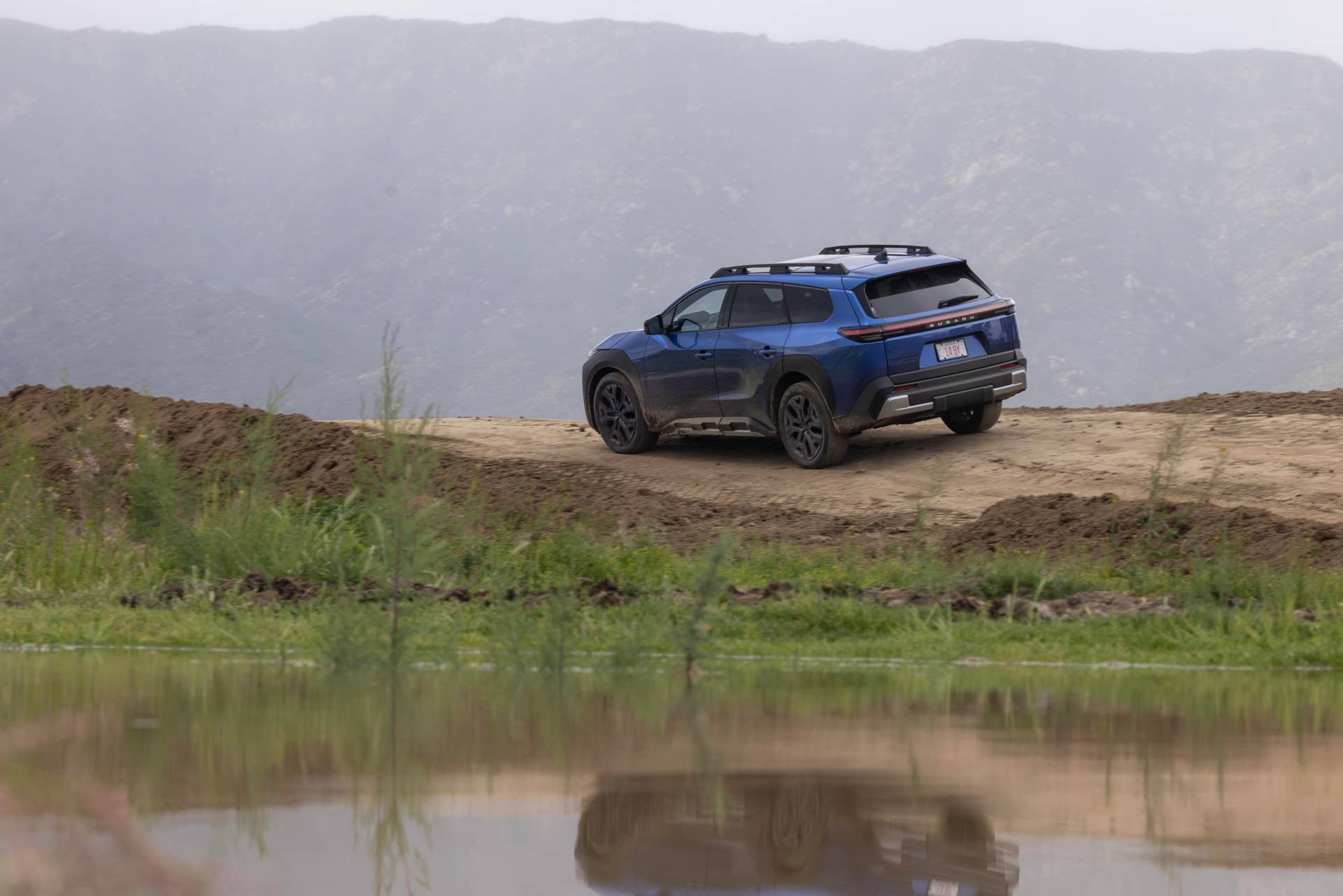
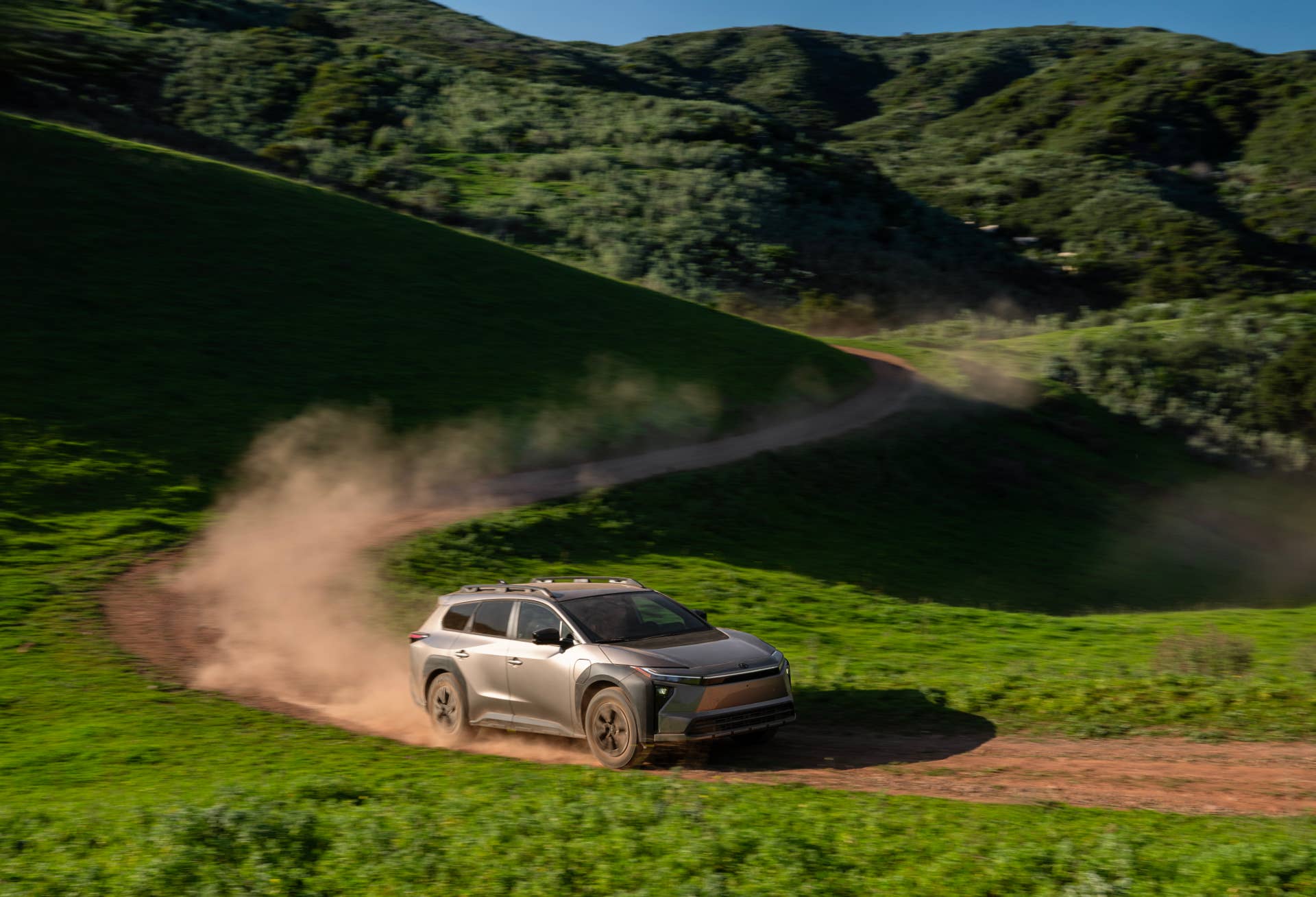
Despite the suburban reality many adventure SUVs live in, both of these EVs come equipped with genuinely useful off-road technology. The Toyota bZ Woodland includes X-MODE with Grip Control, which adjusts motor output and braking distribution to improve traction on slippery surfaces. Subaru, unsurprisingly, takes a similar approach. The Trailseeker’s X-MODE Dual-Mode system offers Snow/Dirt and Deep Snow/Mud settings along with Grip Control and Downhill Assist Control.
Toyota
Ground clearance sits at 8.4 inches for the Toyota and 8.5 inches for the Subaru, making them well-suited to gravel roads, snowy mountain passes, or the occasional muddy trailhead. Interestingly, the Subaru boasts ever-so-slightly higher ground clearance—a common trait of the brand’s many adventure-focused products. Both vehicles can also tow up to 3,500 pounds, opening the door to hauling small trailers, bikes, or camping gear. From a capability standpoint, neither vehicle significantly outclasses the other, which brings us back to the underlying premise: these vehicles share far more than they differ.
Toyota
Interior Design and Everyday Usability
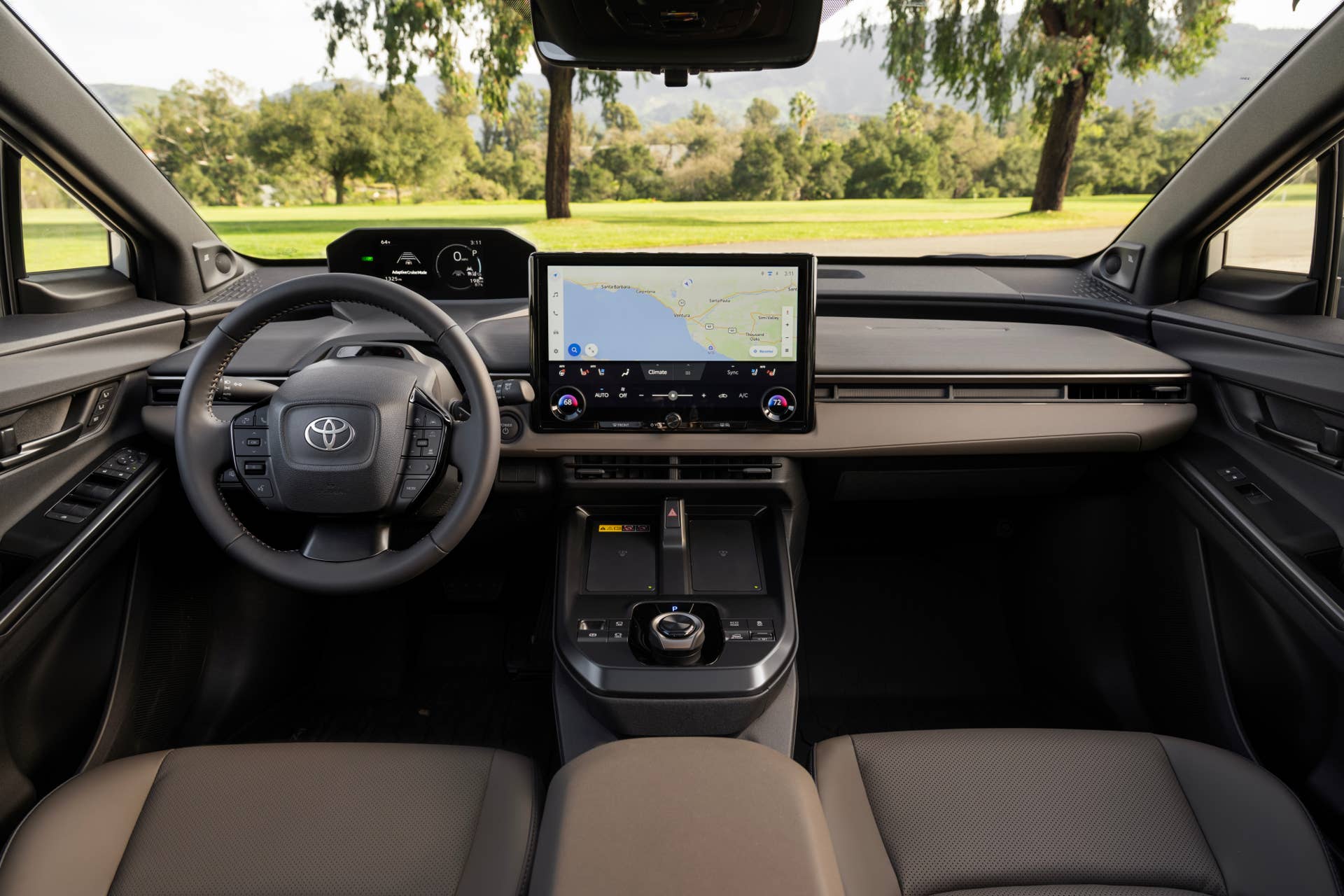
Inside the cabin, the similarities continue—but here, the Subaru manages to inject a bit more personality. The Toyota bZ Woodland’s interior follows a clean, minimalist EV design philosophy. A large 14-inch touchscreen, dual wireless charging pads, ambient lighting, and SofTex-trimmed seating create an environment that feels modern and tech-forward.
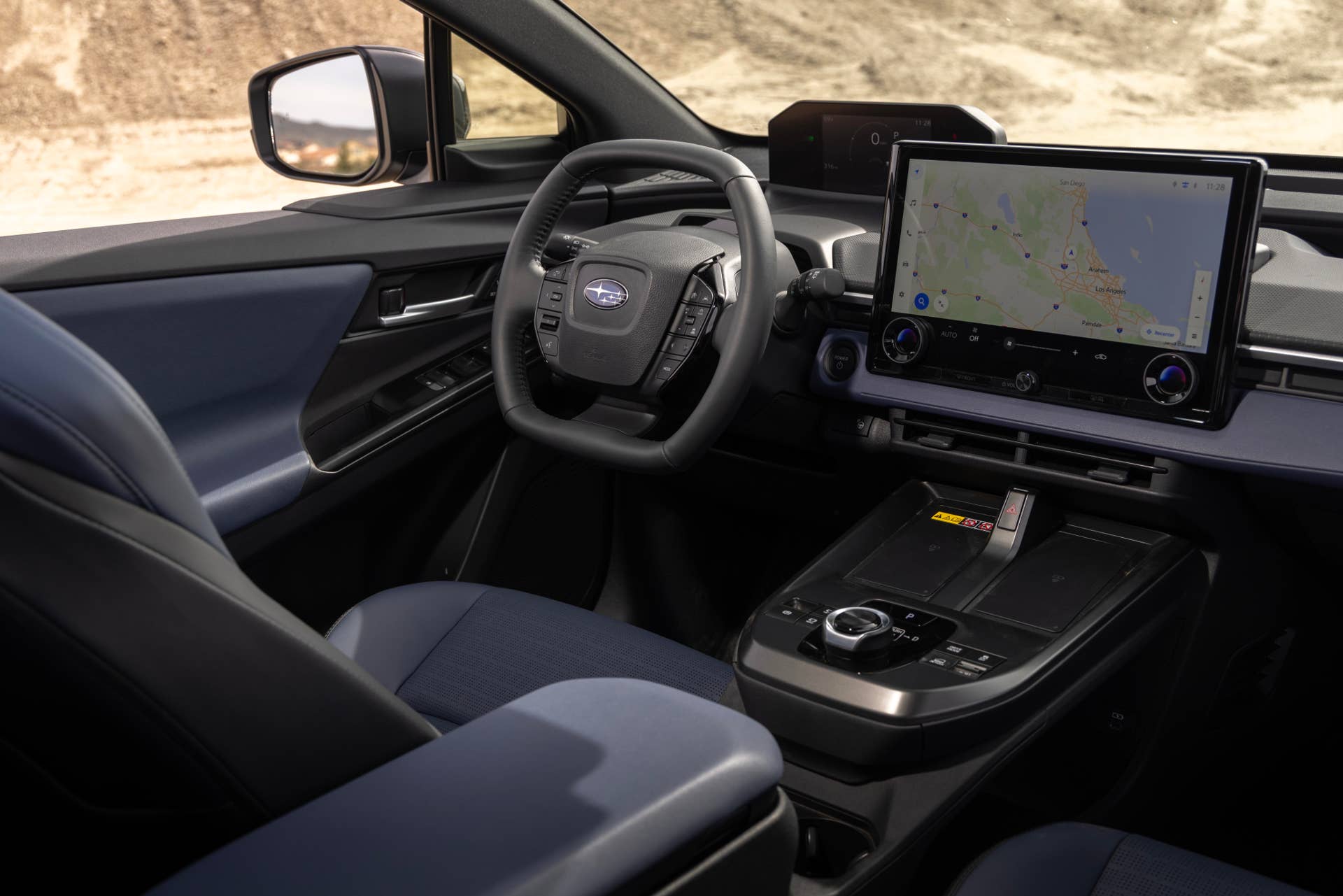
The Trailseeker’s cabin layout is similarly dominated by a 14-inch Subaru Multimedia touchscreen, with wireless Apple CarPlay and Android Auto integration and Subaru’s EyeSight driver-assistance suite. But where the Subaru stands apart is in small, charismatic details, such as its available blue leather upholstery, which brings a welcome sense of character to the cabin. In an era when many EV interiors lean toward stark minimalism, that minor splash of colour gives the Trailseeker a slightly more distinctive personality than the Toyota lacks. If the Toyota’s cabin feels like a sleek, modern dental office—clean, efficient, and perhaps a little sterile—the Subaru feels more like the pediatric dentist down the street. The bright colours and softer atmosphere don’t change the fundamentals of the experience, but they make it feel a little more welcoming.
From a practical standpoint, both vehicles are extremely usable. Cargo capacity approaches 74 cubic feet with the rear seats folded, making them capable of swallowing camping gear, luggage, or a week’s worth of home improvement supplies. Rear passenger space is similarly generous, ensuring both SUVs work well as family vehicles.
Subaru
Pricing, Packaging, and Value
This is where the comparison begins to tilt more noticeably. The 2026 Subaru Trailseeker starts at $39,995, positioning it competitively within the electric SUV segment. The Toyota bZ Woodland, meanwhile, begins at $45,300 before destination charges. That roughly $5,000 price gap is difficult to ignore—especially when the two vehicles’ underlying hardware is so similar. While Toyota offers two trim levels of the bZ Woodland—Base and Premium—Subaru offers three: Premium, Limited, and Touring. Here’s the lineup across both offerings:
Subaru Trailseeker
- Premium: $39,995
- Limited: $43,995
- Touring: $46,555
Toyota bZ Woodland
- bZ Woodland: $45,300
- bZ Woodland Premium: $47,400
That means Toyota’s base Woodland starts $5,305 above the Subaru Trailseeker Premium, and even Toyota’s base trim is $1,305 more than a Subaru Trailseeker Limited. The Toyota Premium is only $845 more than a Subaru Touring before Subaru’s optional blue-and-black leather.
Subaru
What Subaru Trailseeker Premium gives you for $39,995
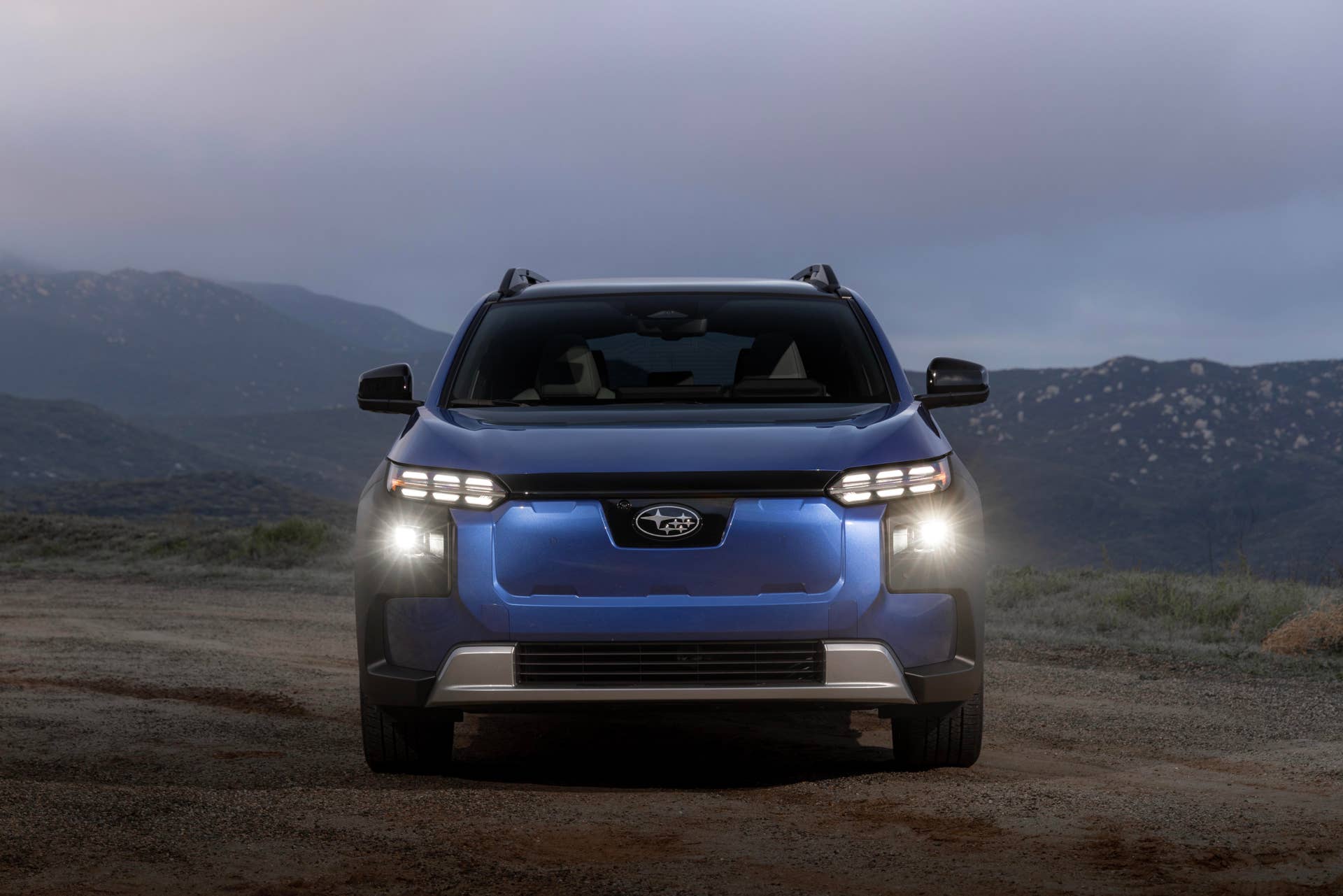
Despite being priced so comparatively low, the Trailseeker Premium is not stripped in the old-school sense. It still comes with the important hard points: 375 horsepower, dual-motor AWD, about 281 miles of range, a 74.7-kWh battery, 14-inch touchscreen, X-MODE Dual-Mode, roof rails, heated front seats, dual wireless phone chargers, power rear gate, EyeSight driver-assist tech, and durable StarTex upholstery. That is why Subaru’s base price is so compelling: the fundamentals are all there.
But this is also where the savings happen. Compared with Toyota’s base Woodland, the Trailseeker Premium gives up a few desirable comfort and convenience items. Toyota’s base trim includes heated rear outboard seats, a heated steering wheel, a panoramic view monitor with multi-terrain monitor, Digital Key, an 8-way power front passenger seat, SofTex seating, and front/rear parking assist with automatic braking.
So what do you sacrifice to save those five grand with the Subaru Premium? Mostly the nicer everyday stuff. You still get the platform, the powertrain, and the core capability. What you lose is the sense that the base trim has already been padded with creature comforts. That is why the Subaru starts at a lower price.
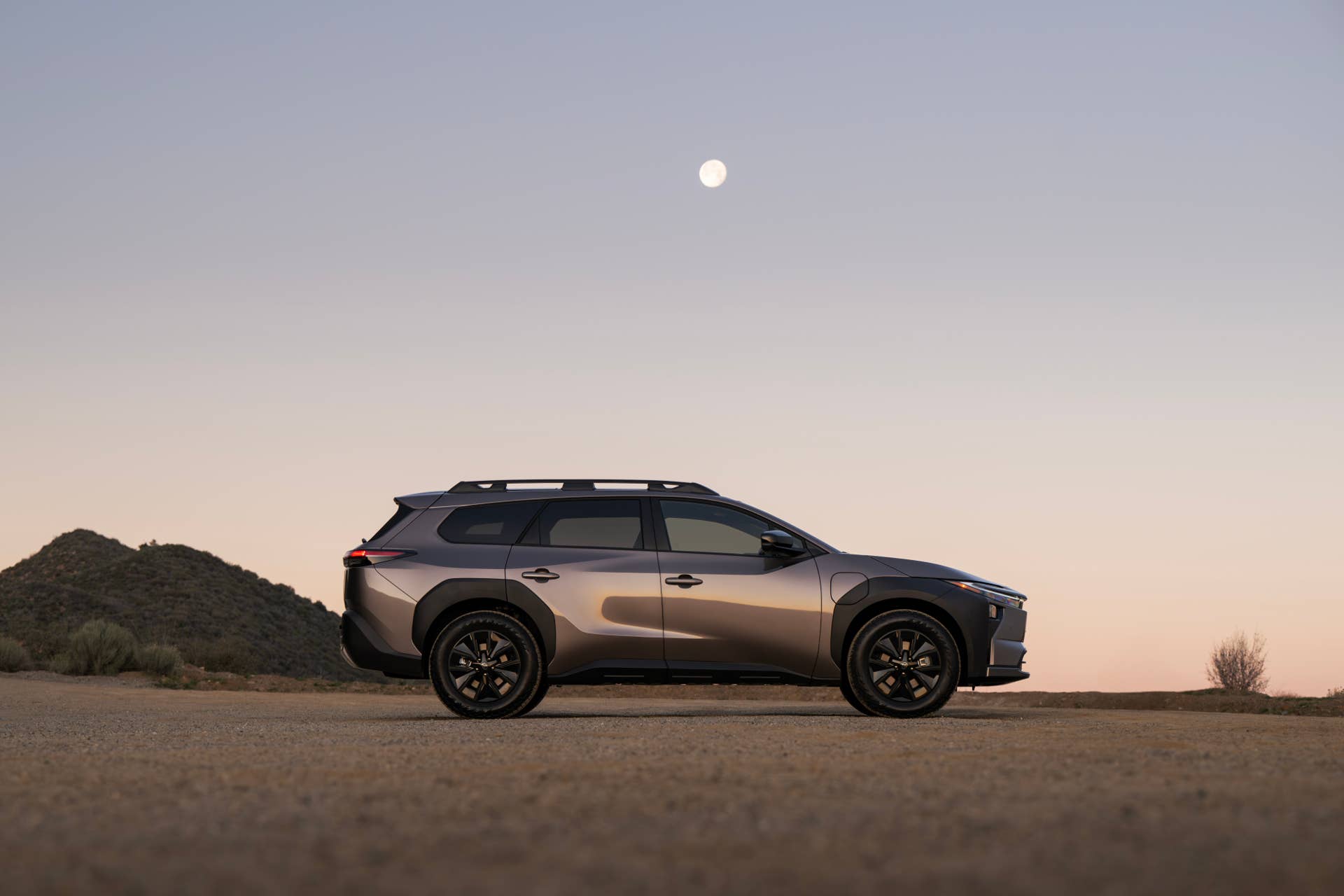
Toyota
What Toyota bZ Woodland gives you for $45,300
Toyota’s base Woodland is expensive, but it also comes with a lot already on board. Standard equipment includes 14-inch Toyota Audio Multimedia, dual wireless chargers, heated front and rear seats, heated steering wheel, Digital Key, panoramic view monitor, front/rear parking assist with automatic braking, SofTex upholstery, power-adjustable driver and passenger seats, power-folding mirrors, and the same 375-hp AWD setup with up to 281 miles of range. In other words, Toyota’s “base” trim appears less like a budget trim and more like a mid-grade model, given the amenities it offers as standard.
So is Toyota charging extra for the badge? Partly, probably, because Toyota knows it can. But more concretely, Toyota is charging extra because it has eliminated the cheaper, simpler version of this vehicle from the Woodland lineup, whereas Subaru will still let you buy that version.
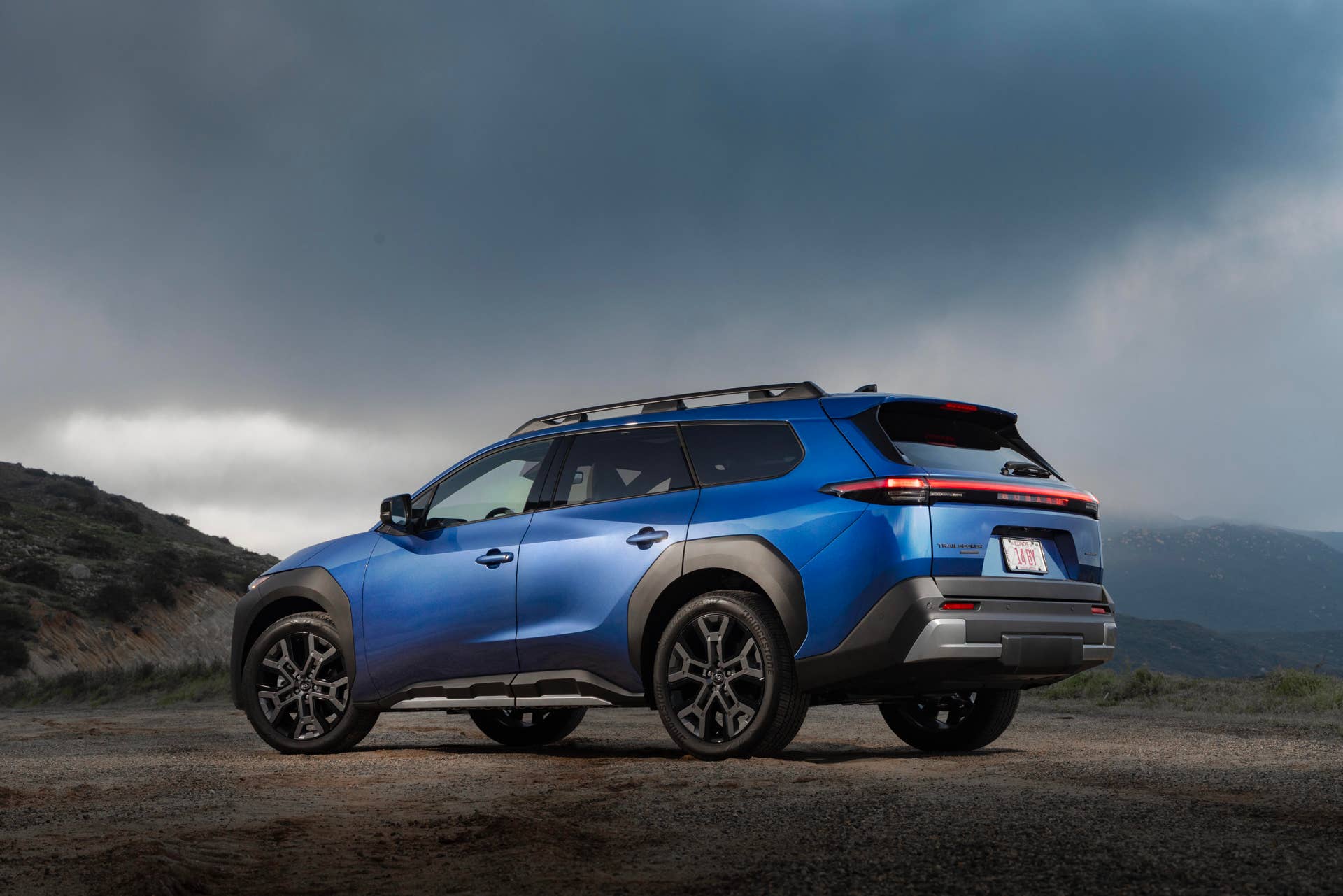
Subaru
Subaru Trailseeker Limited might be the real problem for Toyota
Here is where Toyota’s value argument starts to wobble even further. For $43,995, the Trailseeker Limited adds Harman Kardon audio, panoramic view monitor, 20-inch wheels, heated rear seats, a heated leather-wrapped steering wheel, digital key, a hands-free kick-sensor tailgate, and a 120V AC outlet in the cargo area. Read that again, then look at Toyota’s base Woodland price.
The Subaru Limited is not only cheaper than the Toyota base trim, but it also offers features similar to those of Toyota’s base trim. Toyota still gives you SofTex and some Toyota-specific trim details, but Subaru’s Limited closes most of the comfort/convenience gap while staying $1,305 cheaper. That makes the Subaru Limited arguably the smartest trim in this whole comparison. It gets to the heart of the question you’re probably asking: if both vehicles are fundamentally the same idea, and one brand is offering a better-equipped version for less money, how much are you really willing to pay for Toyota’s own hammerhead styling, infotainment interface, and badge?
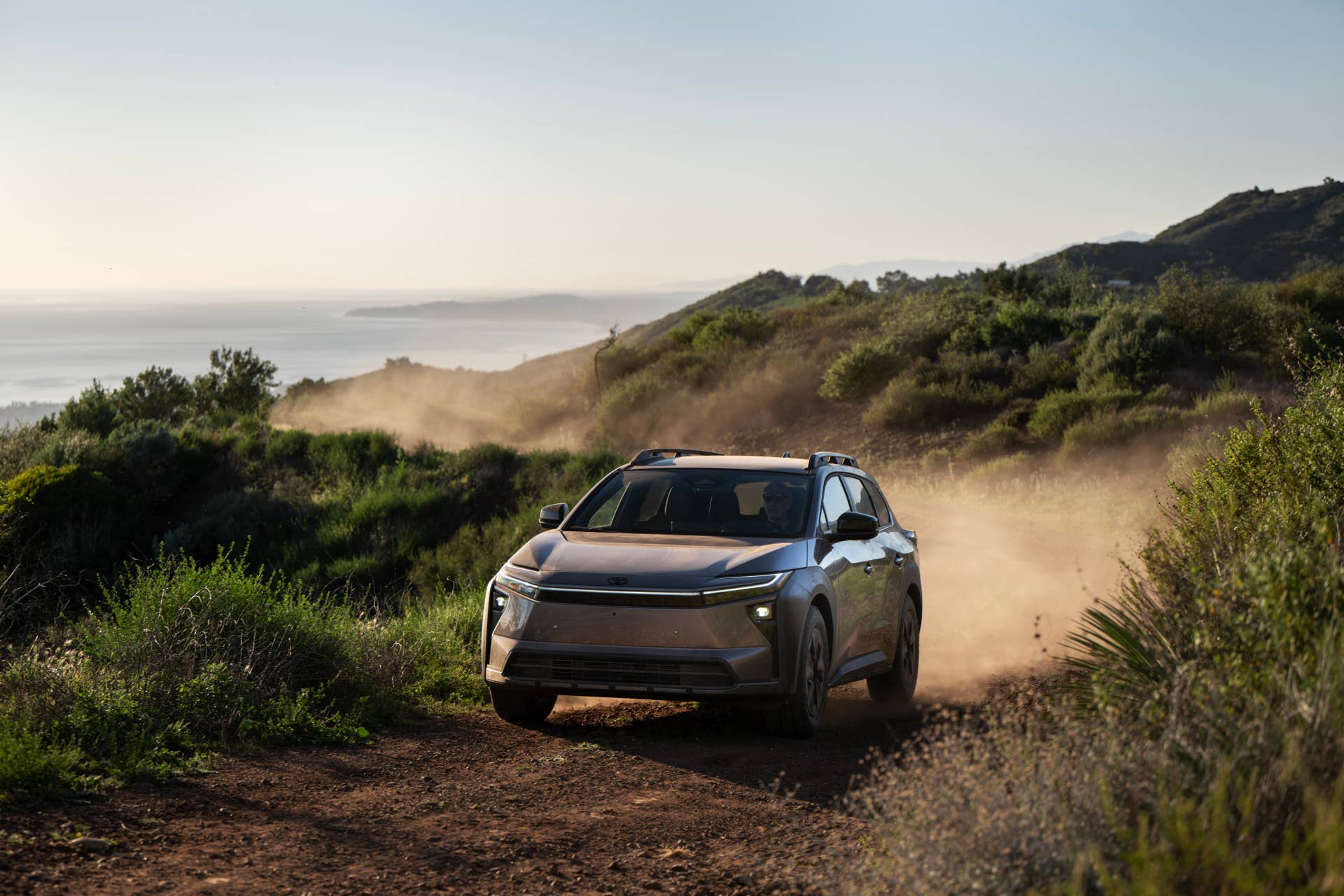
Toyota
Toyota bZ Woodland Premium vs Subaru Trailseeker Touring: How Do The Top Trims Compare?
At the top end, the gap narrows, but Subaru still looks strong. The Toyota bZ Woodland Premium adds JBL 9-speaker audio, ventilated front seats, a radiant foot-and-leg heater, a driver memory seat, a digital rearview mirror with HomeLink, mirror memory/tilt functions, and a panoramic fixed-glass roof with a power sunshade.
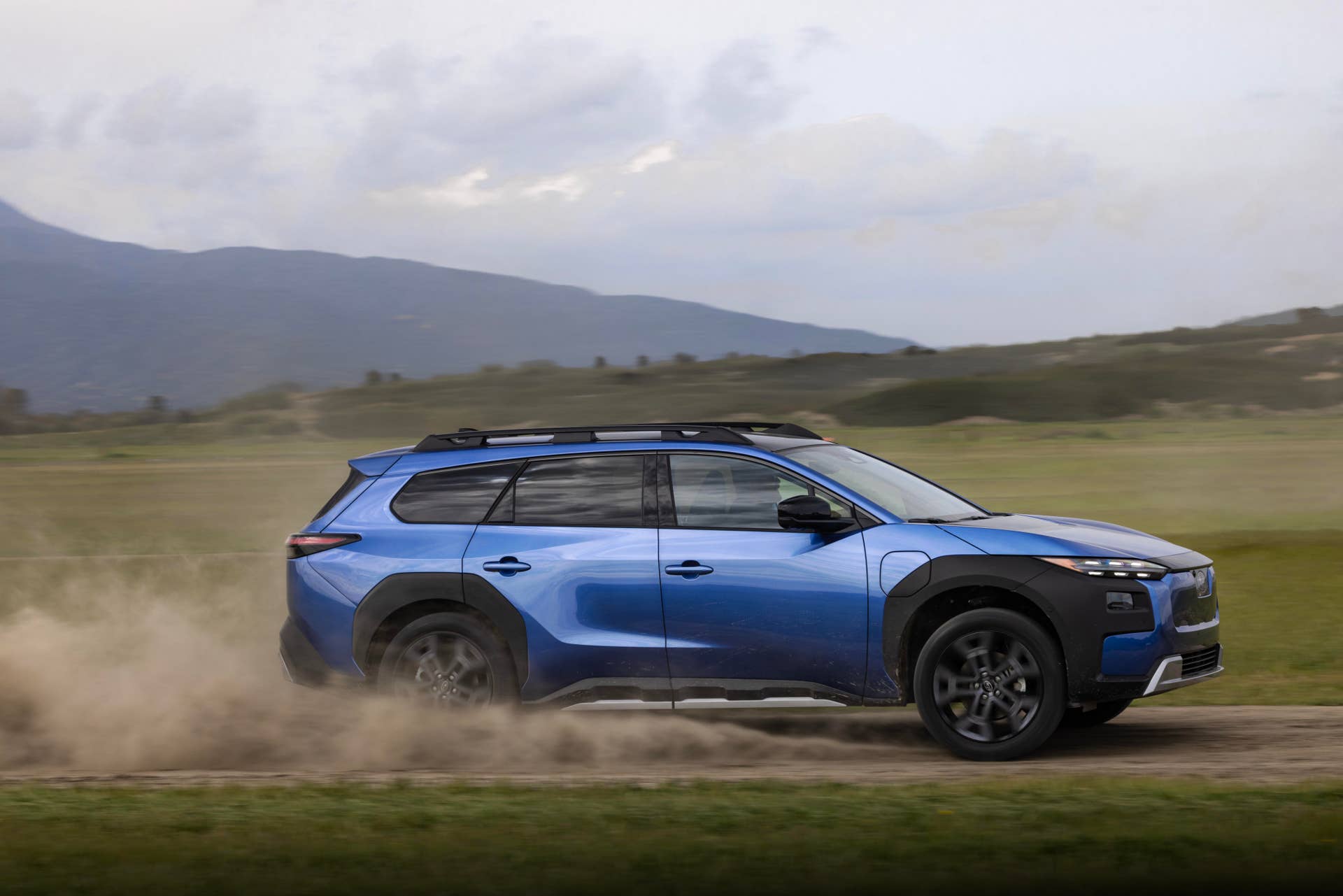
The Subaru Trailseeker Touring, at $46,555, adds a panoramic glass roof with motorized shade, ventilated front seats, radiant leg warmers, and optional blue-and-black leather upholstery over the Limited. Sounds pretty much identical, doesn’t it? So what are you paying Toyota’s extra $845 for at the top end? Mostly: JBL branding on the audio system rather than Harman Kardon (which you’d even get in the mid-grade Trailseeker Limited anyway), a digital rearview mirror, some Toyota-specific mirror and seat-memory details, and Toyota’s version of the trim and materials mix (SofTex).
What Subaru gives you instead is the more appealing interior option you might already prefer: the available blue leather, which arguably makes the cabin feel more special than anything Toyota offers here. And if you spec that blue leather for the Subaru Touring at $300, it lands at $46,855, still below the Toyota Premium’s $47,400.
Subaru
So why is Subaru cheaper?
Subaru is willing to sell you the same basic vehicle with fewer niceties at the bottom of the range, and because Toyota likely thinks it can bank a few extra bucks on its badge alone. That is the simplest answer.
The Trailseeker Premium does not try to disguise itself as a heavily-equipped luxury trim. It gives you the things that matter most in the brochure war—power, AWD, range, big screen, safety, roof rails, charge-port access, and adventure pretensions—then stops short of piling on every unnecessary comfort feature just to pad the spec sheet. Toyota, by contrast, appears to have decided that the Woodland should feel more upscale from the start. So even the base car gets features that Subaru makes you step up to Limited for, and in some cases, Touring-adjacent ambience. That is not inherently cynical; it’s just a different product-planning decision. But it does mean Toyota’s pricing can feel inflated once you realize just how much shared DNA there is beneath the surface.
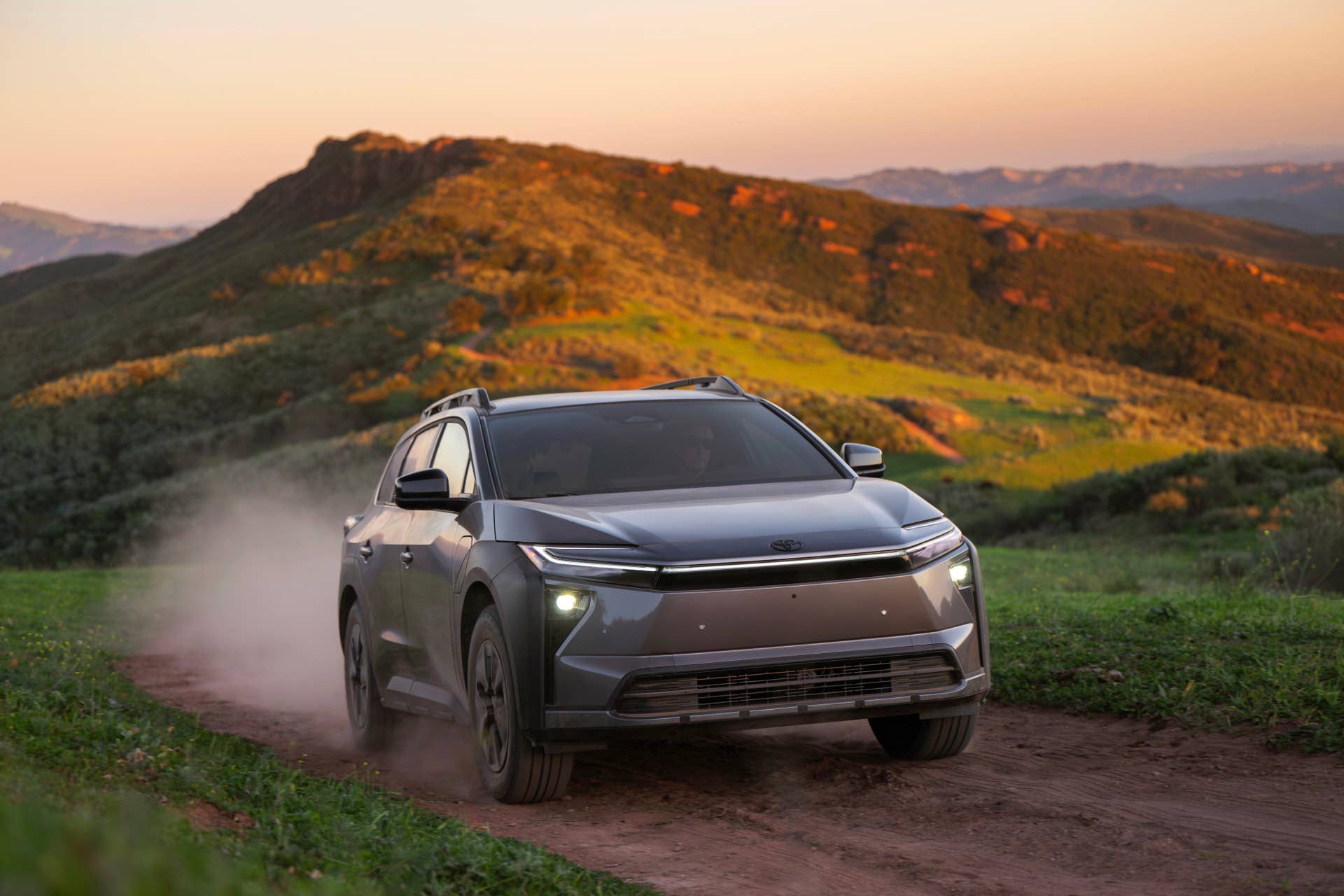
Toyota
Final Verdict
After driving the 2026 Toyota bZ Woodland and 2026 Subaru Trailseeker back-to-back and examining their trims, pricing, and equipment, the conclusion becomes surprisingly straightforward, at least in my mind. These two SUVs share the same bones: the same 375-horsepower dual-motor drivetrain, the same 74.7-kWh battery, nearly identical range figures, and nearly identical capability. The differences largely come down to packaging and price.
Toyota includes more comfort features in its base trim, which partly explains the higher starting price, but once you move up Subaru’s lineup—particularly to the Trailseeker Limited or Touring—you’re getting essentially the same vehicle for less money, often with more personality in the interior. In other words, if you prefer Toyota’s styling or simply trust the brand more, the bZ Woodland is still a solid electric adventure SUV. But viewed through the lens of value and authenticity, the Subaru makes a stronger case. If both vehicles are fundamentally Subaru-built EVs anyway, you might as well buy the one wearing the Subaru badge.
At our partner site, Road Ethos, we tend to believe that the most compelling vehicles aren’t necessarily the ones with the biggest horsepower numbers or the most luxurious interiors. They’re the ones that feel authentic to the idea they’re trying to represent. In this case, both SUVs deliver the same electric adventure formula—but one of them happens to embody its own platform more honestly than the other.