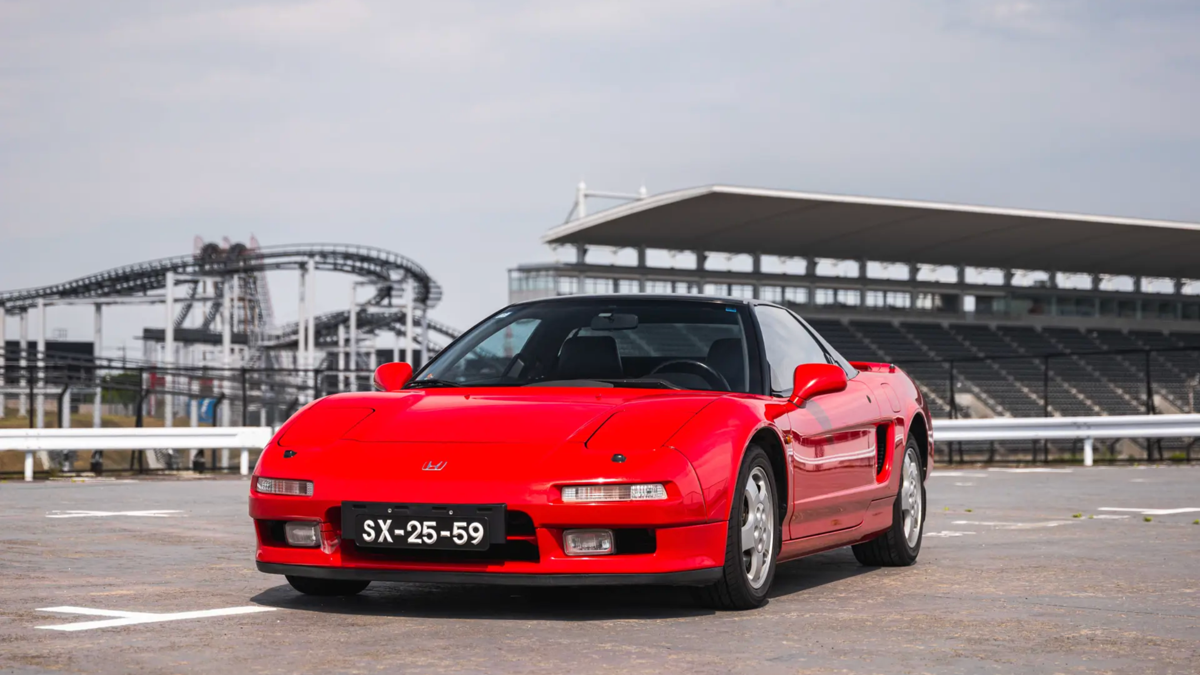
Downsizing has resulted in many of our beloved V8s being shelved in favor of six-cylinder alternatives, some of which have then further shrunk down to four-cylinder motors. Now, with the continual push towards efficiency, three-cylinder cars are becoming increasingly commonplace.
These little motors are no longer just for budget city cars; they have also been fitted to some serious performance machines, too. But how do they compare to the inline-four, and which one is the superior design?
Four vs. Three: Design Comparison
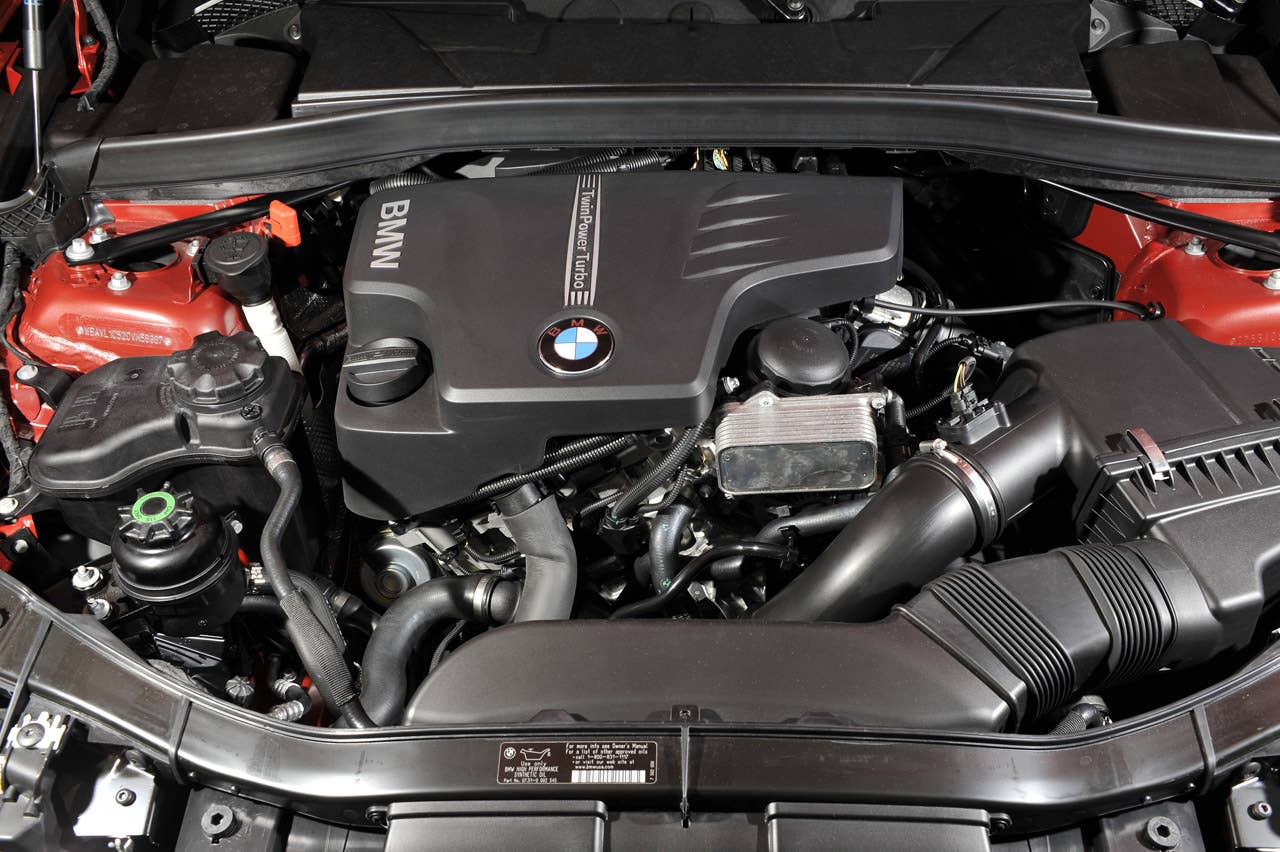
Aside from the cylinder count, the main difference between these two layouts is in the firing order and mechanical balance which gives them their unique character.
An inline-four typically uses a “flat” crankshaft where pistons move in pairs. When cylinders 1 and 4 move up, 2 and 3 go down. This provides excellent primary balance, meaning the up-and-down forces cancel each other out. However, they suffer from secondary imbalance. This is a high-frequency vibration caused by the pistons moving faster at the top of their stroke than the bottom.
An inline-three has a 120-degree crank throw which means the up/down ‘primary’ forces of the pistons are also cancelled out. And, because no two pistons move in unison, they actually have better secondary balance than an inline-four. However, they suffer from a rocking motion because the cylinders are firing in an asymmetrical sequence, causing the engine to want to tilt from end to end.
So, while both designs require balance shafts and weighted flywheels to minimize these vibrations, a four-cylinder engine is smoother overall than a three-cylinder. In terms of performance, the deciding factor is less about cylinder count and more about the underlying technology and engine capacity. And if these are equal, then the power outputs will be very similar. In terms of character, a three-cylinder has a pleasant growly sound to it, while a four-cylinder can sound more rhythmic but less distinctive.
| Feature | Inline-Three | Inline-Four |
|---|---|---|
|
Vibration |
High “rocking” motion; needs balance shafts or heavy mounts |
High-frequency secondary buzz; but smoother at idle |
|
Size/Weight |
Compact and light; improves agility |
Longer and heavier; harder to package in small bays |
|
Efficiency |
Has lower internal friction due to fewer parts |
Less stress on components overall |
|
Sound |
Distinctive, “thrummy” growl |
Uniform, rhythmic hum; can sound “droning.” |
The Downsizing Trend – The Good And The Bad
Six into Four
While manufacturers are increasingly replacing larger engines with smaller, turbocharged units to meet strict global emissions standards, the driving experience doesn’t necessarily suffer as a result . While a V6 is undoubtedly smoother than an inline-four, the transition to turbocharged four potters has resulted in better performance and lower fuel consumption. High-tech transmissions, and computer-controlled engines also help minimize the turbo lag and vibrations, and there have been many vehicles that have benefited from this move:
- Toyota Highlander: These rugged truck transitioned from a 3.5-liter V6 to a turbocharged 2.4-liter inline-four in 2023. While the smaller motor makes a bit less power, it has more torque, better low-end acceleration and markedly improved fuel economy.
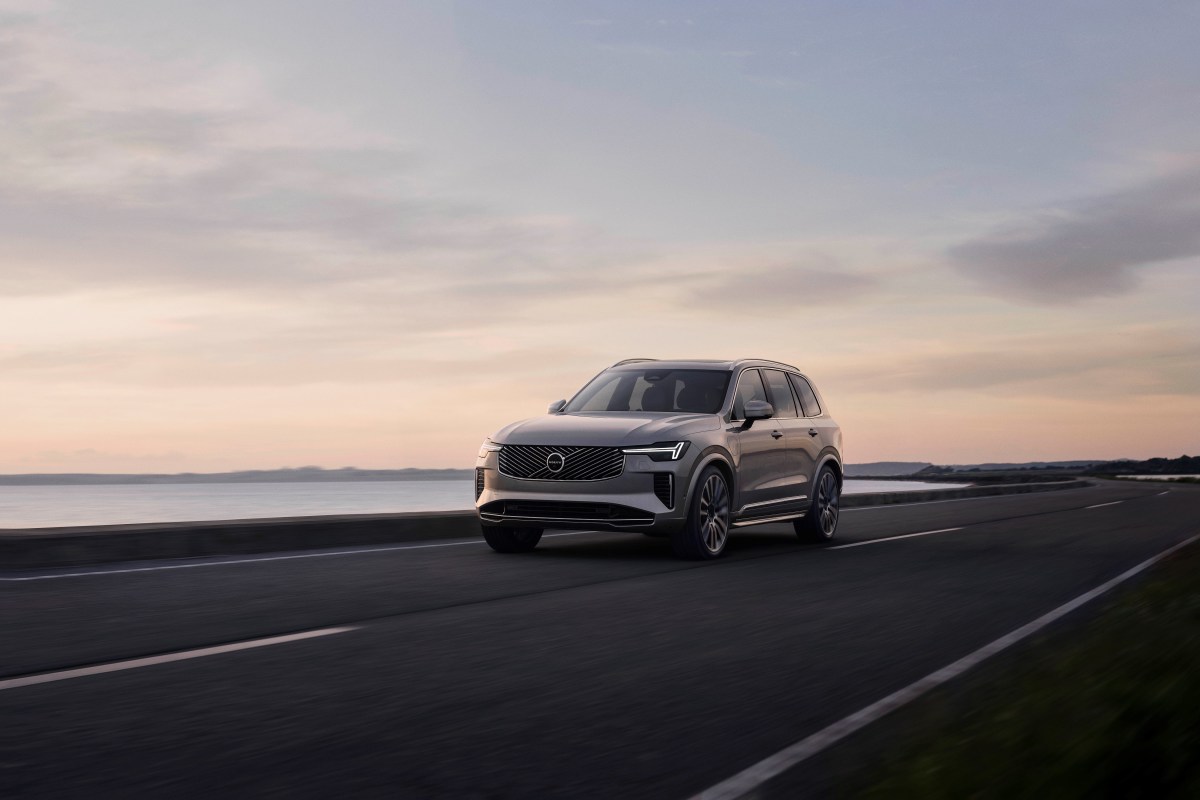
- Volvo XC90: Offered with everything from an in inline-five to an inline-six and even a V8, the XC90 SUV now uses 2.0L four-cylinder hybrid powertrains. This configuration makes it more powerful and efficient than ever before.
Shifting to a four-cylinder layout has not always been met with head-nodding approval, when the Mercedes-Benz C63 AMG ditched its twin-turbo V8 for its complex hybrid four-cylinder engine, sales tanked and fans have been clamoring for a return to the old V8, or even a V6 ever since.
A similar situation transpired when GM phased out the V6 engines in its Malibu, Equinox and Terrain models in favor of a 2.4-liter inline-four. Poor performance and even worse reliability resulted in some very unhappy customers. Modern four-cylinder engines are generally turbocharged to deliver at least as much power as their V6 counterparts, and years of development has made them far more reliable, too. But what about the three cylinder engines?
Four into Three
Kristen Brown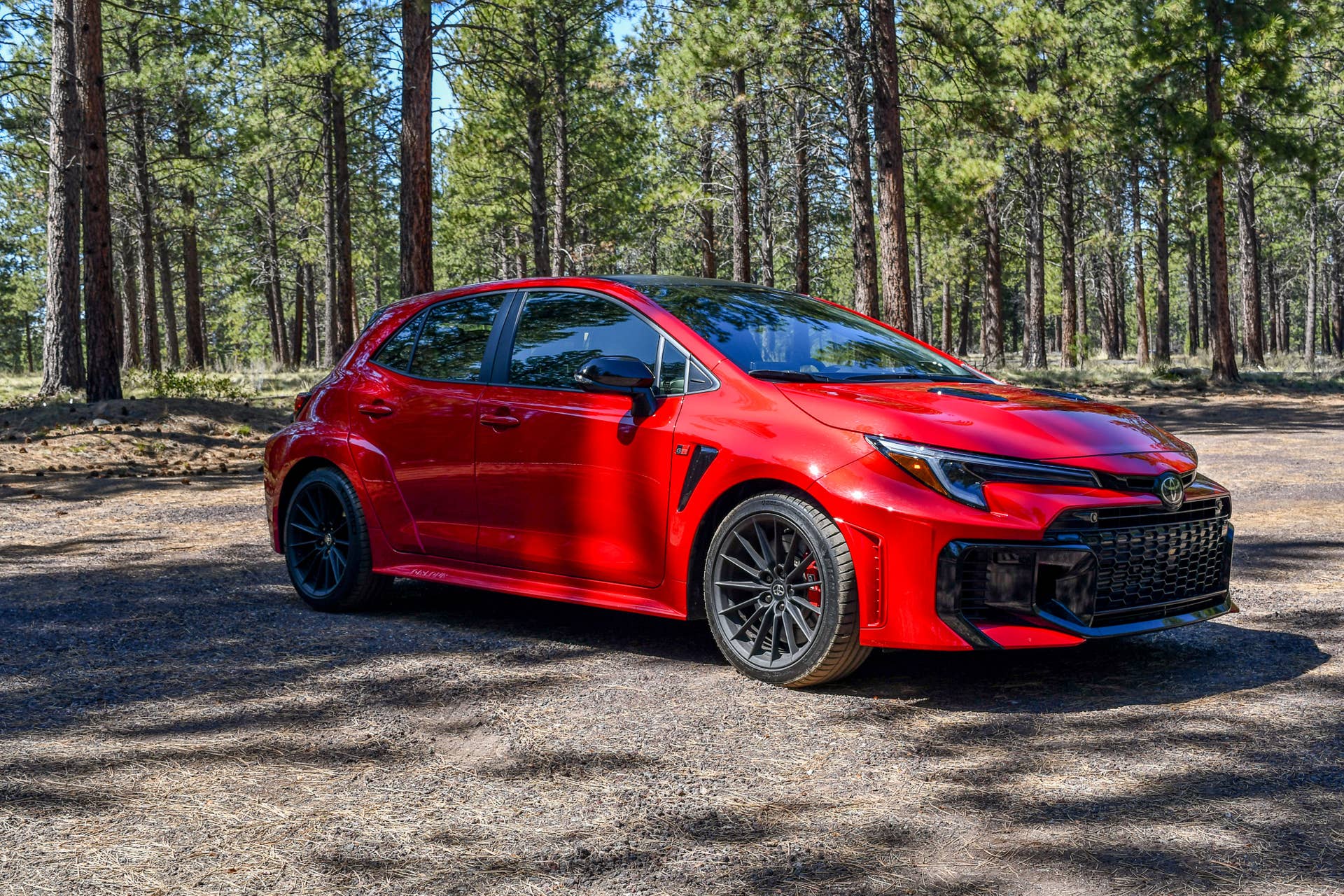
Three-cylinder engines are popular because they are compact, fuel-efficient and cheap to produce. This makes them ideal for entry-level vehicles, and you can find them in cars like the Mini Cooper, Chevrolet Trax and Nissan Rouge. However, they are certainly not just a more efficient alternative to a four-cylinder engine, they have also been used in some high performance machinery, like the 300-hp 1.6-liter Toyota Corolla GR and the BMW i8 hybrid. Even Koenigsegg, the supercar manufacturer, has developed an advanced 2.0-liter three-cylinder engine for its Gemera model, which has camless valve technology and can produce up to 600-hp on Ethanol fuel.
Koenigsegg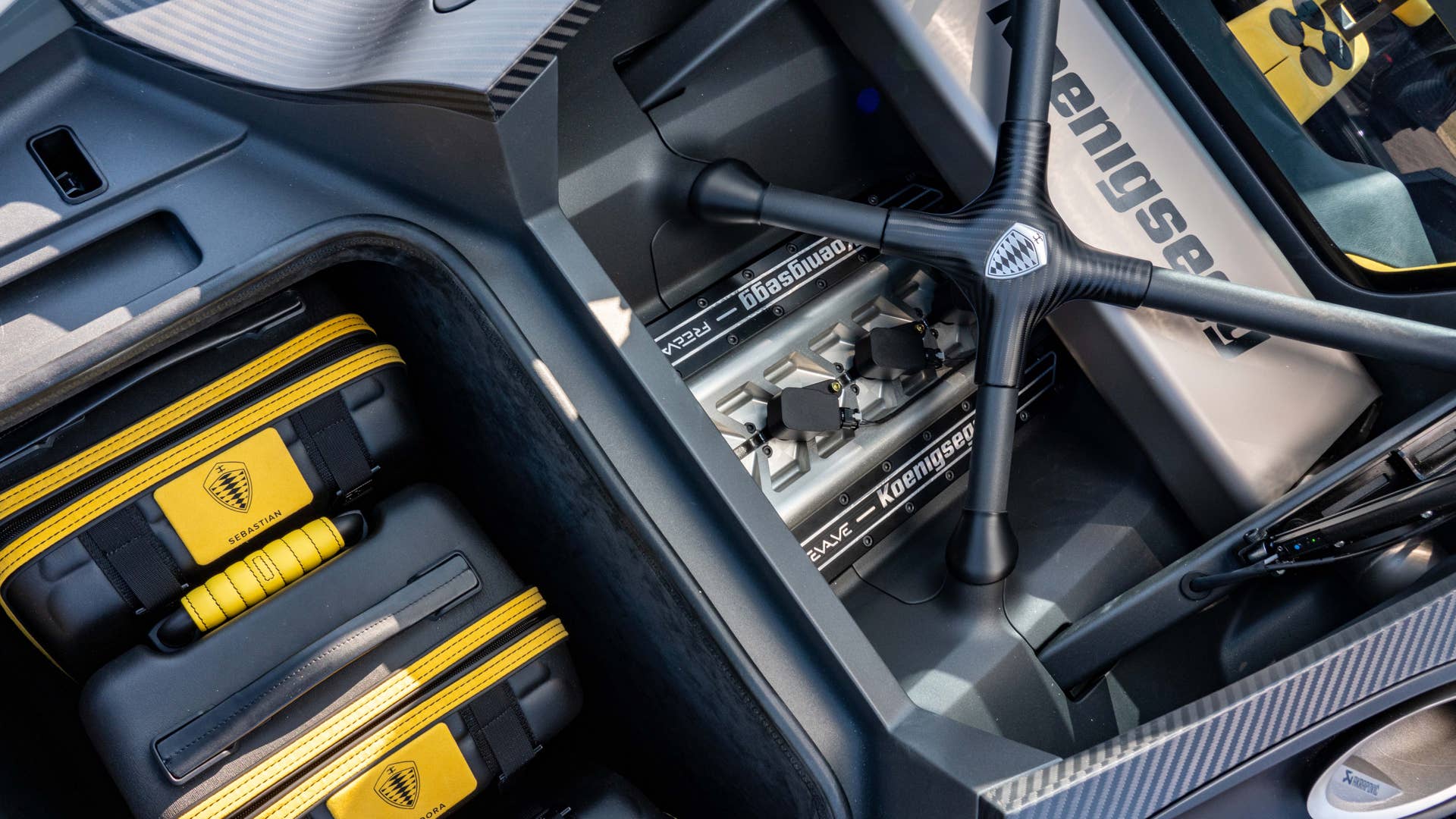
The compact size of an inline-three also benefits overall vehicle weight and handling, but not every downsizing move has been an unmitigated success. The Ford Bronco Sport and Escape models fitted with turbocharged 1.5-liter three-cylinder engines have not proven to be very reliable and tend to deliver worse fuel economy than the older four-cylinder engines because the turbo has to work so much harder to maintain some semblance of performance in such a heavy vehicle.
In the US, a three-cylinder engine will have a hard time shaking off its low-rent image until even the base offerings prove themselves to be reliable and powerful enough for the application. European countries have long since accepted three-cylinder cars due to the fact that the shorter distances and proliferation of small models work in the favor of this engine’s strengths.
So, Which Engine Design is Better?
From a technical standpoint, the inline-four remains the superior choice in terms of refinement and historical reliability. It is easier to make a large, smooth 2.5-liter inline-four than it is to make a 2.5-liter inline-three, that is why turbocharging and high-tech engine design is key in making smaller capacity engines viable. For packaging and efficiency, the inline-three is the future of small-to-medium displacement engines. It offers less internal friction and a lighter footprint, which are key factors as we move toward hybridized and more efficient vehicle designs.