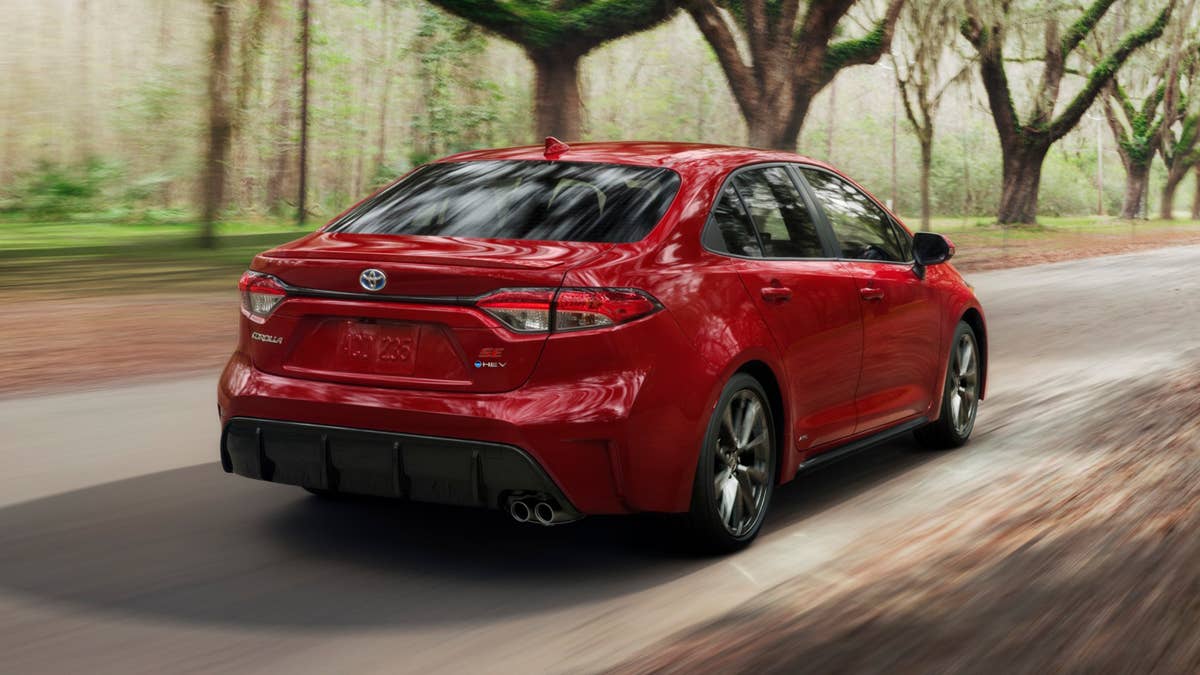
This isn’t the Mustang-versus-Camaro kind of rivalry, nor is it Coke versus Pepsi. Rather, it’s the kind where two almost-identical products exist in the same segment, solve the same problem, and are separated not by better or worse, but by the types of buyers they chase. If you’ve found yourself choosing between the 2026 Toyota C-HR EV and the 2026 Subaru Uncharted, then you might feel a bit confused when it comes time to visit showrooms.
On paper, they’re almost exactly the same. They’re both compact electric crossovers with comparable range, similar power outputs depending on trim, and roughly identical price positioning. Both deliver strong, sub-6-second 0–60 mph performance in their higher trims. They quite literally share the same bones and are both produced in the same factory. These two electric SUVs are so closely matched that crowning a universal champion would miss the point. The real question is simpler, and perhaps more useful: Which one fits you? Let’s break that down.
Cole Attisha
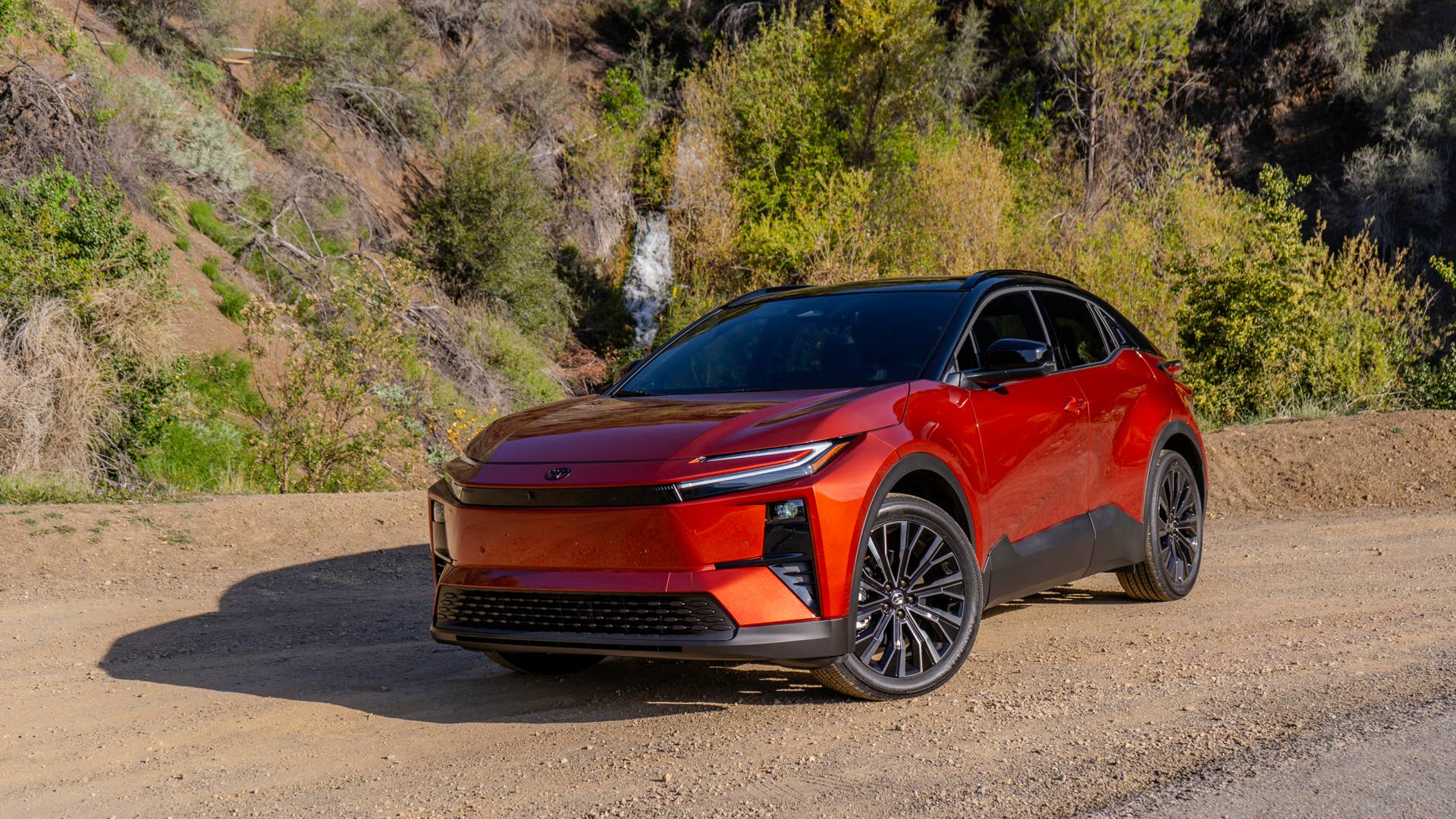
The Toyota C-HR EV: Urban Precision With a Bit of Edge
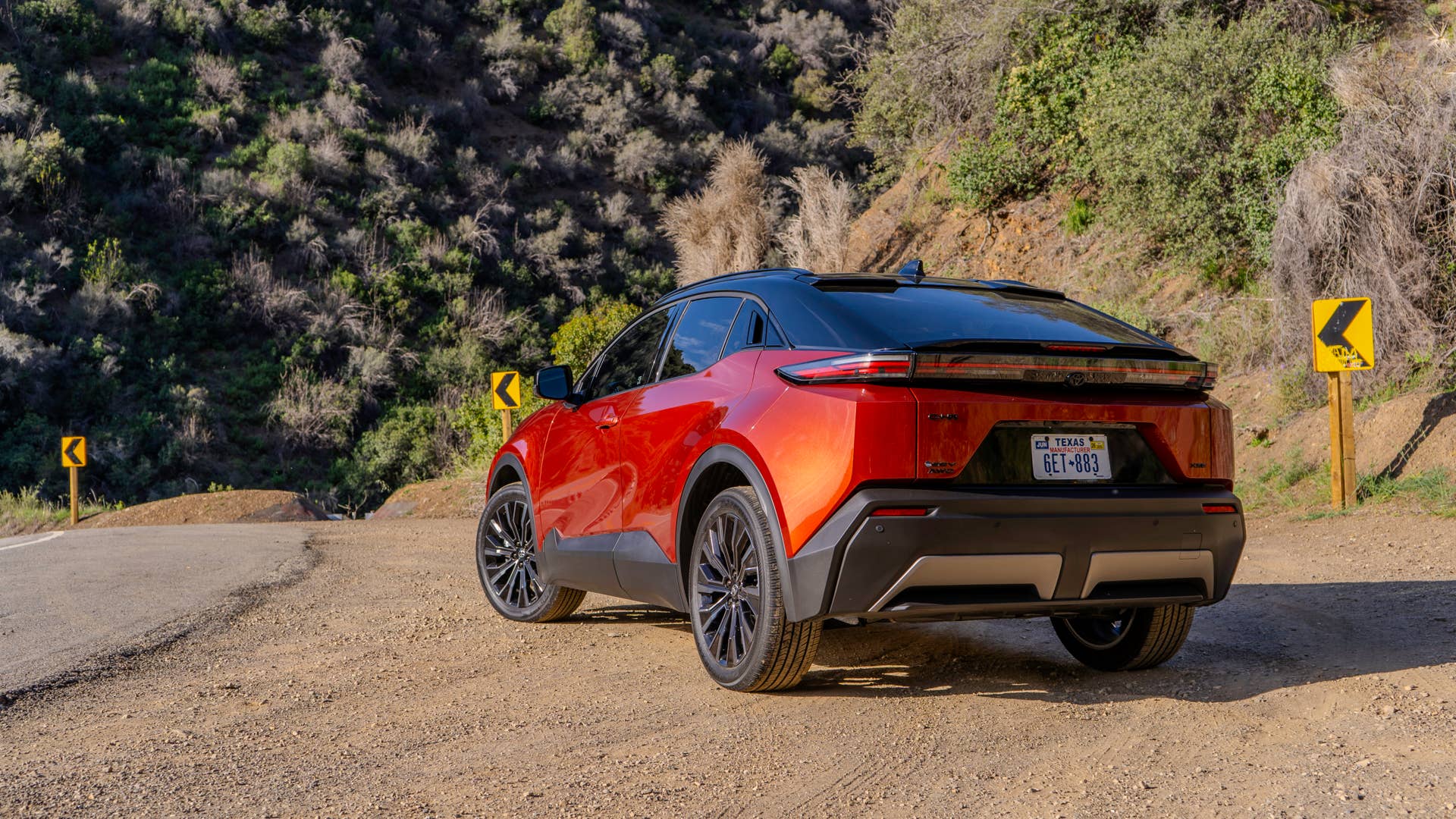
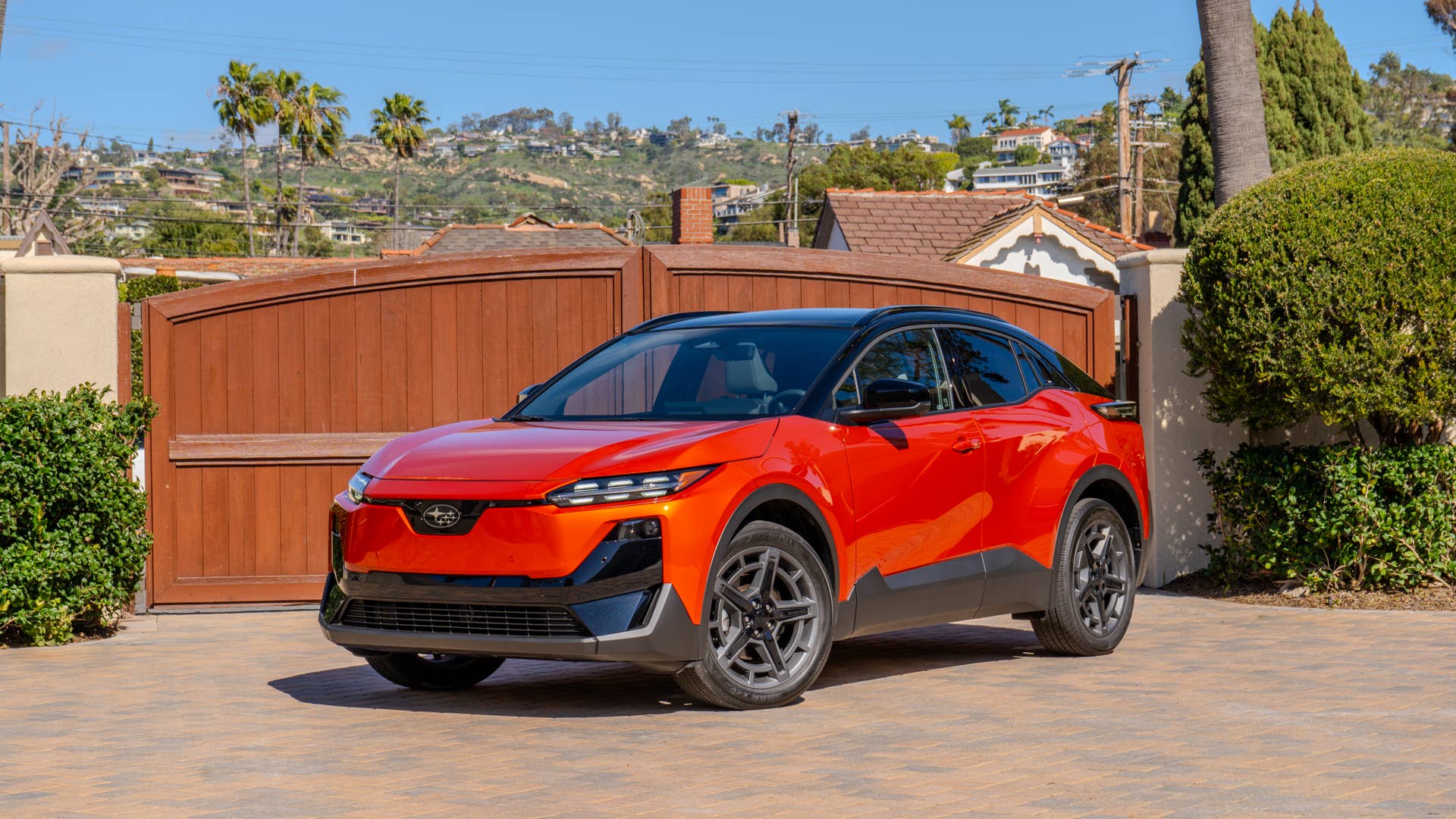
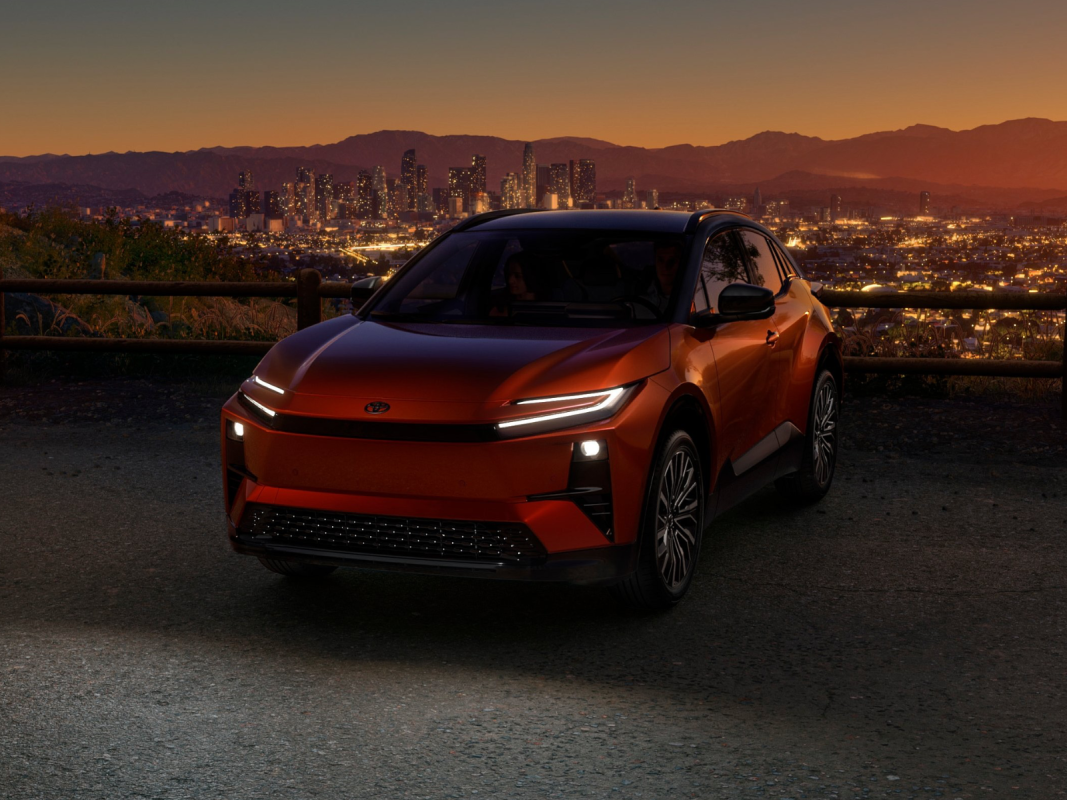
The Toyota C-HR EV hopes to be somewhat of a spiritual successor to the famed Toyota sports coupés of the past. It’s more aggressive-looking than the Subaru, prioritizing visual drama over traditional crossover ruggedness. That intention carries into the way it drives, too. The steering feels heavier and more defined, if only marginally. When you guide it through a series of corners or even just weave through highway traffic, there’s a cohesiveness to the chassis tuning that makes it feel appropriately tied together. It doesn’t pretend to be sporty in the hot-hatch sense, but it does offer the kind of precision and power that made cars like the Celica so enjoyable to drive.
Cole Attisha
The C-HR’s power delivery is immediate, as you’d expect from a modern EV, yet the calibration avoids feeling abrupt or artificial. Instead, it builds smoothly, reinforcing the sense that this is a vehicle engineered for drivers who still care about driving. In day-to-day commuting, that translates to a compact SUV that feels alert rather than sedated. If your world is primarily urban or suburban—if your daily rhythm involves structured roads, tight parking garages, and the occasional spirited backroad detour—the C-HR EV feels tuned with you in mind.
At Road Ethos, we often talk about the idea that engagement doesn’t require excess power; it requires clarity. The Toyota delivers that clarity in small but noticeable ways.
Cole Attisha
The Subaru Uncharted: Adventure Readiness in Electric Form
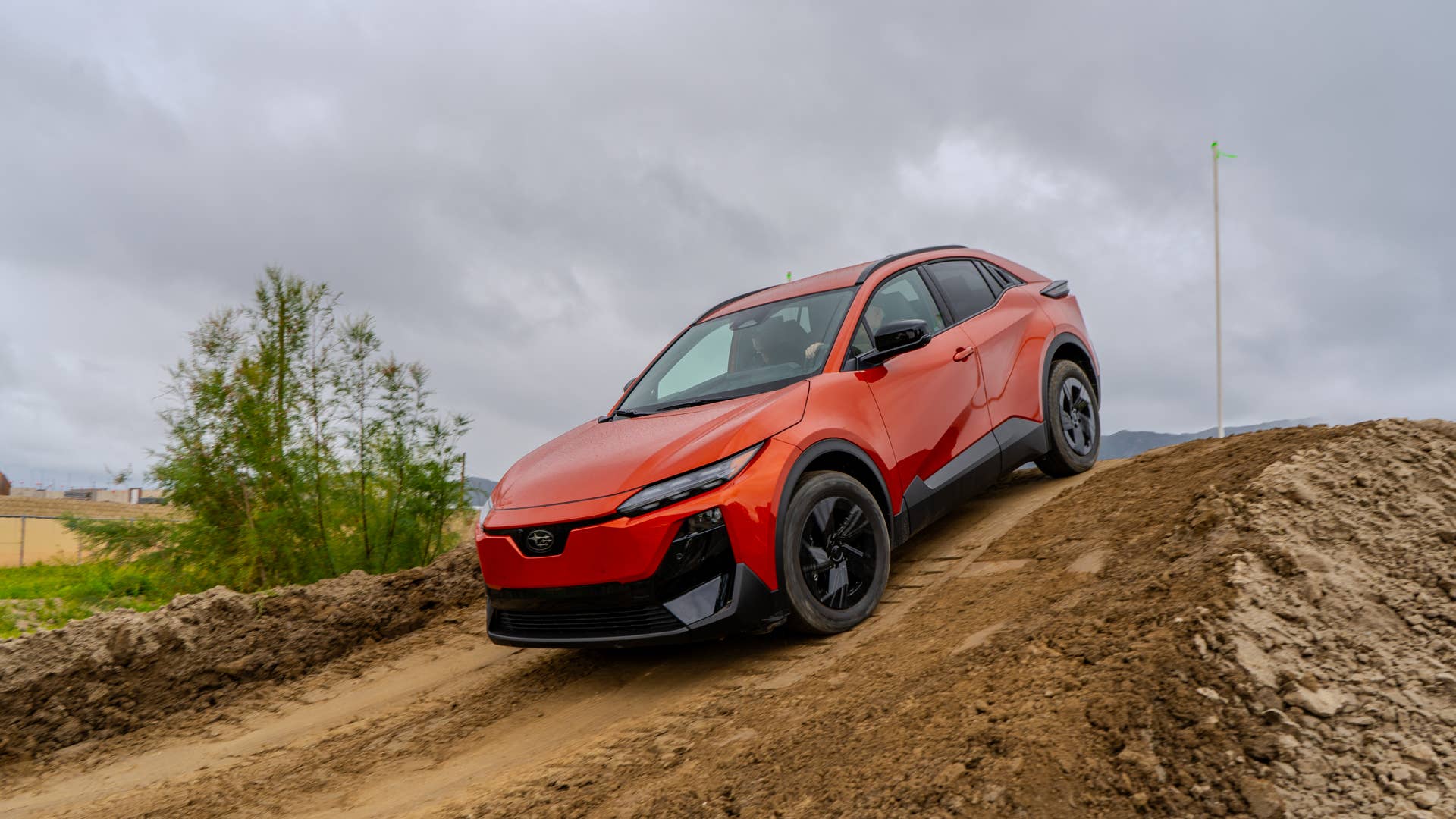
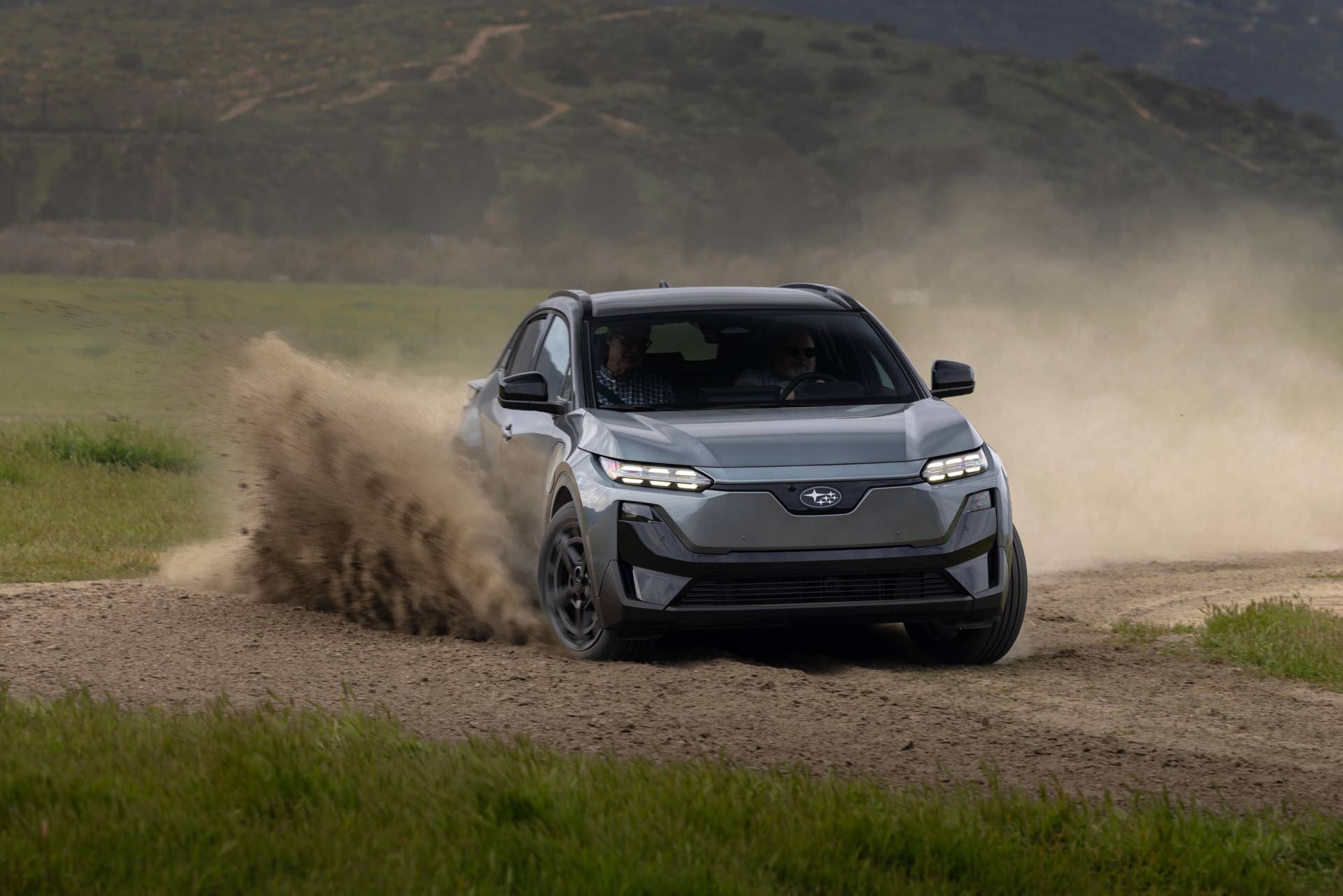
The Subaru Uncharted approaches the same segment from a different angle. Where the Toyota feels urban and design-forward, the Subaru feels purpose-built for people who don’t want their EV to limit where they can go. Subaru’s X-MODE and grip control systems give the Uncharted a genuine edge when conditions deteriorate. Snow-covered roads, muddy trailheads, and steep gravel inclines are environments Subaru has built its brand around for decades, and the Uncharted carries that DNA into the electric age.
Cole Attisha
The Toyota, for all its composure on pavement, doesn’t offer that same depth of terrain-focused calibration. It’s confident on the road, but the Subaru feels confident beyond it. That difference shifts the entire ownership narrative and works in Subaru’s favour, as the brand understands that many of its owners actually do take their vehicles off paved roads. Behind the wheel, the Uncharted still feels quick and modern, particularly in dual-motor configurations, but its demeanour feels slightly more relaxed. The steering seems lighter, the suspension a touch more forgiving, and the overall character more adaptable to unpredictable surfaces. It doesn’t encourage aggressive cornering so much as it projects stability, especially when traction becomes uncertain.
If you live somewhere that sees serious winter weather, or if your weekends involve unpaved roads, mountain passes, or ski resorts where the parking lot isn’t always plowed perfectly, the Subaru’s hardware advantage becomes more than theoretical; it becomes practical.
Cole Attisha
Interior Philosophy: Designed vs Durable
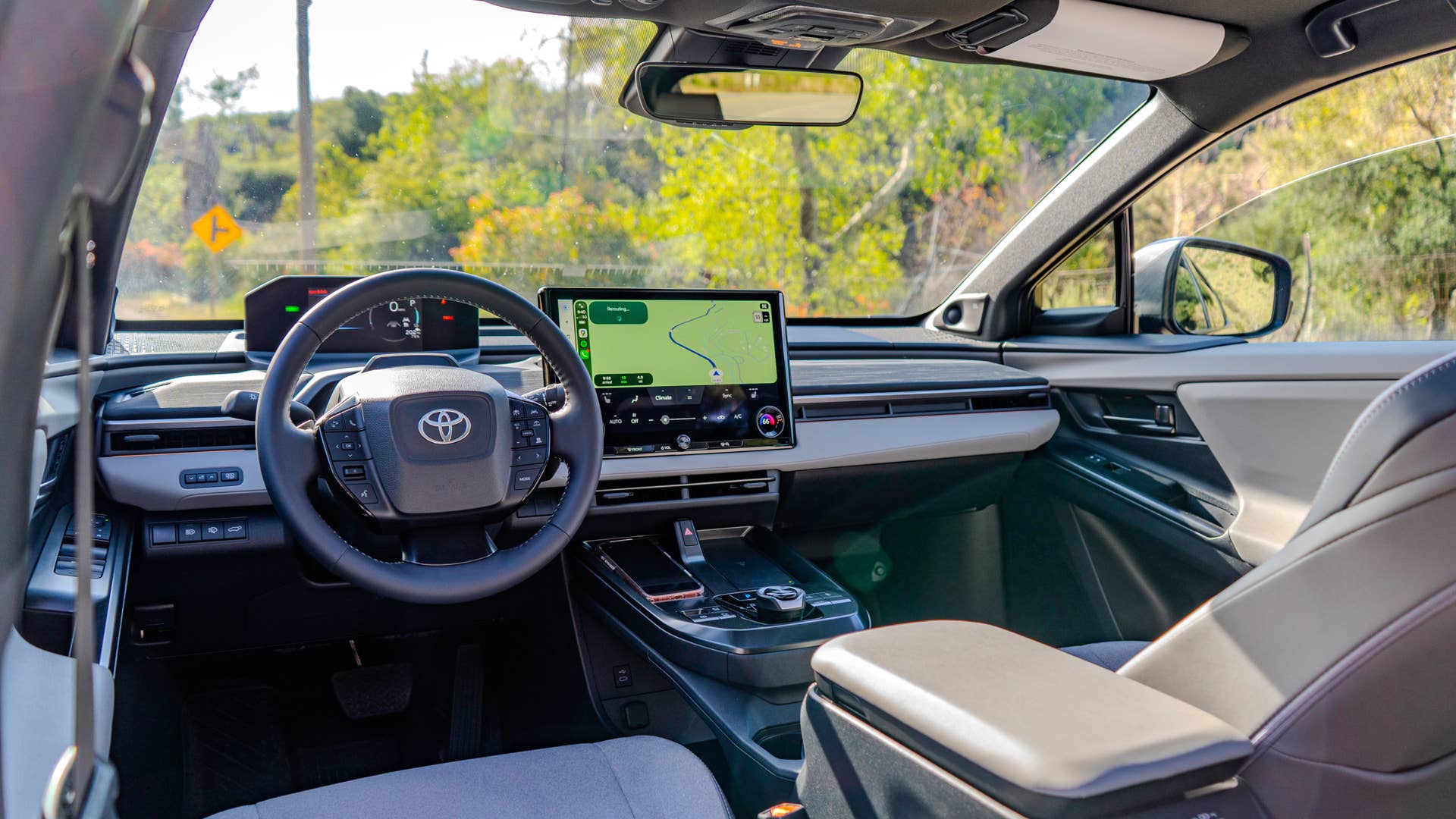
Inside, the philosophical split is subtle but still recognizable. The Toyota’s cabin feels styled with function at the forefront of its mission. The dashboard architecture is horizontal and modern, and the infotainment integration is clean and cohesive. Materials feel solid, and the overall execution suggests Toyota wanted this interior to feel contemporary without veering too far into sterile minimalism. It’s an environment that doesn’t feel flashy, but purposeful instead.
Subaru
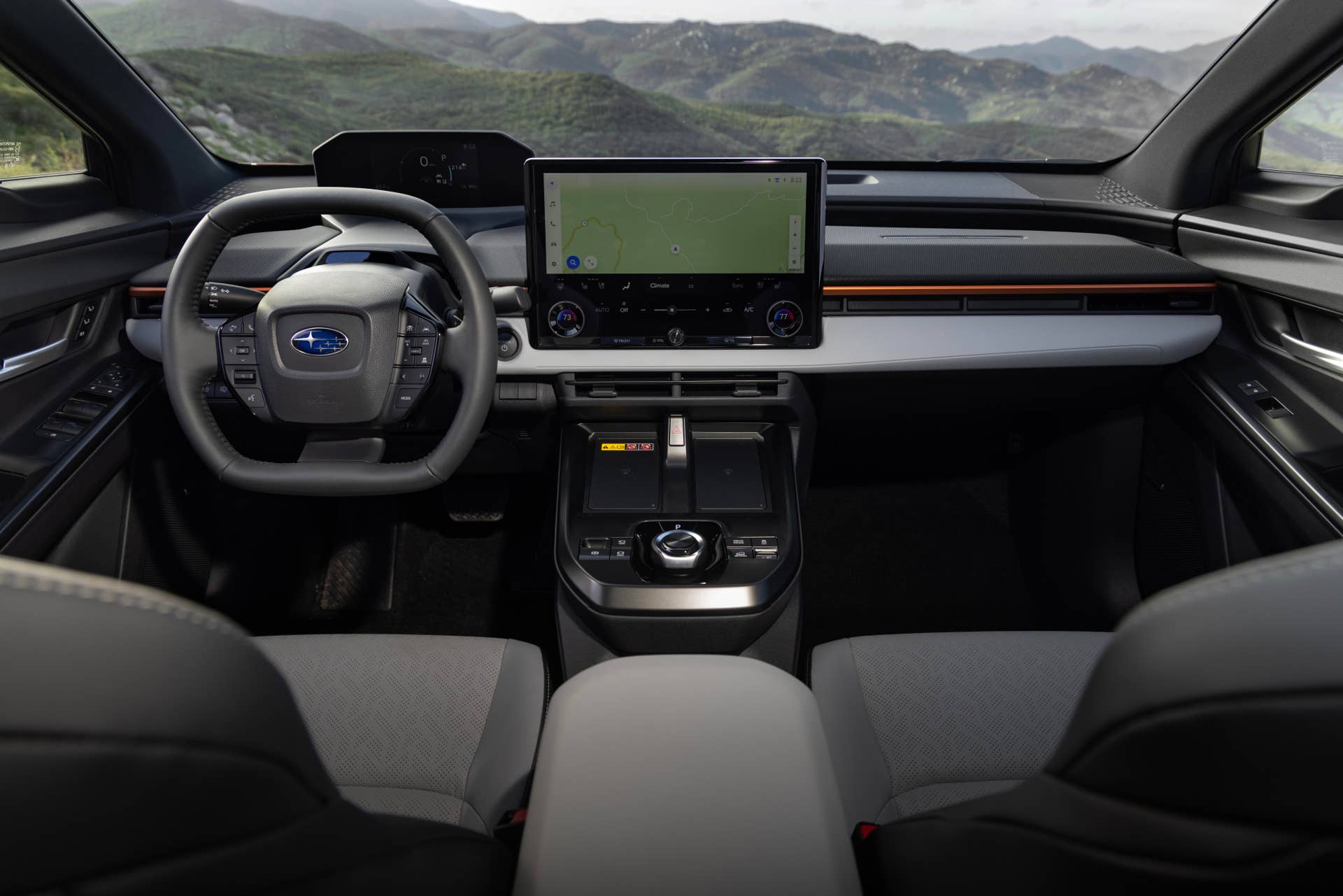
The Subaru’s interior leans more into its own campiness. The layout is straightforward and ergonomic, but minor visual details, such as orange accents, a square-shaped steering wheel, and optional patterned StarTex upholstery, brighten up the space and enhance ergonomics. As I stated in my focused review of the Subaru Uncharted, “If the C-HR’s cabin is a stark dental office where everything is white and silent, the Uncharted feels more like a pediatric one—still sterile and minimalist, but with enough colour and distraction to make the impending root canal feel less terrifying.” Much like the C-HR, the Uncharted’s cabin is designed with functionality first, but Subaru’s efforts to tailor it to the unique needs of their own loyal buyers haven’t gone unnoticed.
In isolation, both cabins are competitive for the segment. In direct comparison, the Toyota feels more function-driven, while the Subaru feels more emotion-driven. Again, neither approach is superior in a vacuum—it depends on what you value most.
Subaru
2026 Toyota C-HR EV vs 2026 Subaru Uncharted: Price Strategy & Packaging Compared
| Model / Trim | 2026 Toyota C-HR EV (MSRP) | 2026 Subaru Uncharted (MSRP) |
|---|---|---|
|
Base FWD EV |
N/A |
$34,995 Premium FWD (221 hp, 308 mi range) |
|
Mid-Level AWD |
$37,000 SE AWD (338 hp, 287 mi range) |
$39,795 Sport AWD (338 hp, 287 mi range) |
|
Top AWD |
$39,000 XSE AWD (338 hp, 273 mi range) |
$43,795 GT AWD (338 hp, 273 mi range) |
As you can see from the comparison table above, pricing and packaging strategy are what most separate the two SUVs. Although the Subaru Uncharted can be had, in base form, for thousands of dollars less than the C-HR, the Toyota offers more heavily equipped trim packages for less than Subaru does. That’s not the full story, though.
Opt for the Toyota, and you’ll quickly learn that additional features don’t come free. Choosing the top-trim XSE comes with the caveat of paying extra for the Cold Weather Package ($450), 9-Speaker JBL Premium Audio ($600), and a panoramic roof ($1,000), bringing the total MSRP to $43,000 when all boxes are ticked. The top-trim Subaru, on the other hand, comes pre-equipped with heated rear seats (most of what Toyota’s Cold Weather Package consists of), a Harman Kardon premium sound system, and a panoramic glass roof. Both SUVs offer premium paint colours at $475-$970. So, in fully-loaded, all-options-ticked guise, the Uncharted costs just $795 more than the C-HR—a price difference attributable to the Subaru’s adventure-ready hardware and drive modes. If you’ll be driving through rough stuff, maybe that’s a worthy price to pay. If not, then perhaps it isn’t. That depends entirely on you.
So, Which One Is Right for You?
If your driving life is centred around pavement—city grids, suburban sprawl, structured roads—and you value steering feel, chassis composure, and a slightly more expressive design language, the 2026 Toyota C-HR EV will likely feel more aligned with your priorities. If your life regularly extends beyond pavement into winter weather, gravel roads, ski trips, or trailhead parking lots, and you value terrain management systems like X-MODE and Grip Control, the 2026 Subaru Uncharted becomes the more compelling choice. The Toyota feels engineered for drivers who want their EV to feel modern and composed, whereas the Subaru feels engineered for drivers who want their EV to feel capable and prepared. Neither dominates the other in absolute terms, but one will make more sense the moment you picture your typical weekend routine.
Final Thoughts
What’s striking about driving these two back-to-back is how mature this segment has become in such little time. There are no glaring weaknesses here, nor are there any dramatic compromises—only philosophical differences. Toyota leaned into on-road refinement and cohesive dynamics, whereas Subaru leaned into adventure-readiness and traction intelligence. At Road Ethos, our very own spin-off publication led by diehard automotive enthusiasts, our writers often believe that the right car reveals itself not in the spec sheet, but in the way it fits into your life without causing friction. In this case, your decision shouldn’t be made by horsepower or charging speed. It should be made based on where you’ll go and how you want to feel getting there.