First Impressions: Volcano Blue and Serious Intent
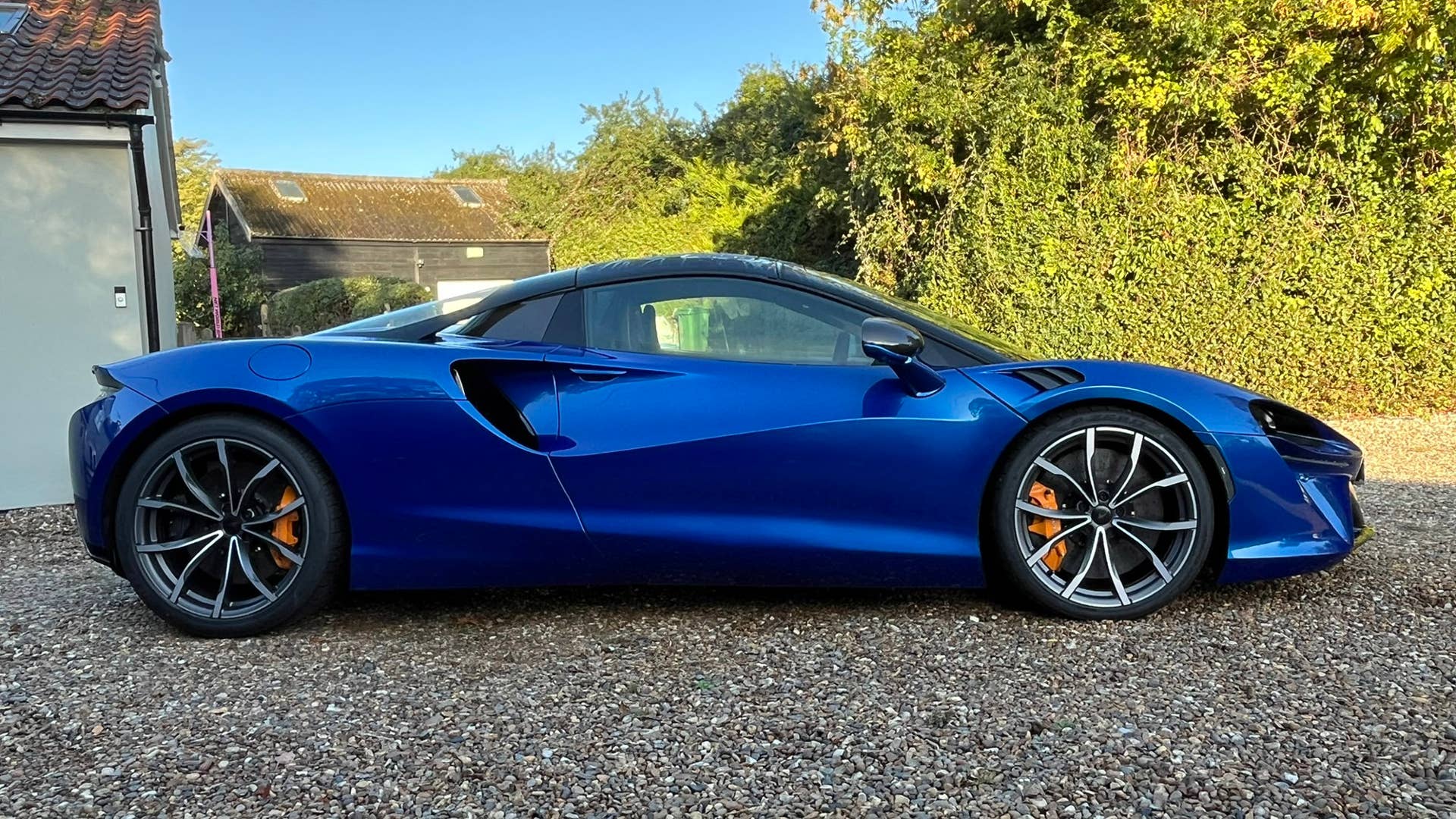
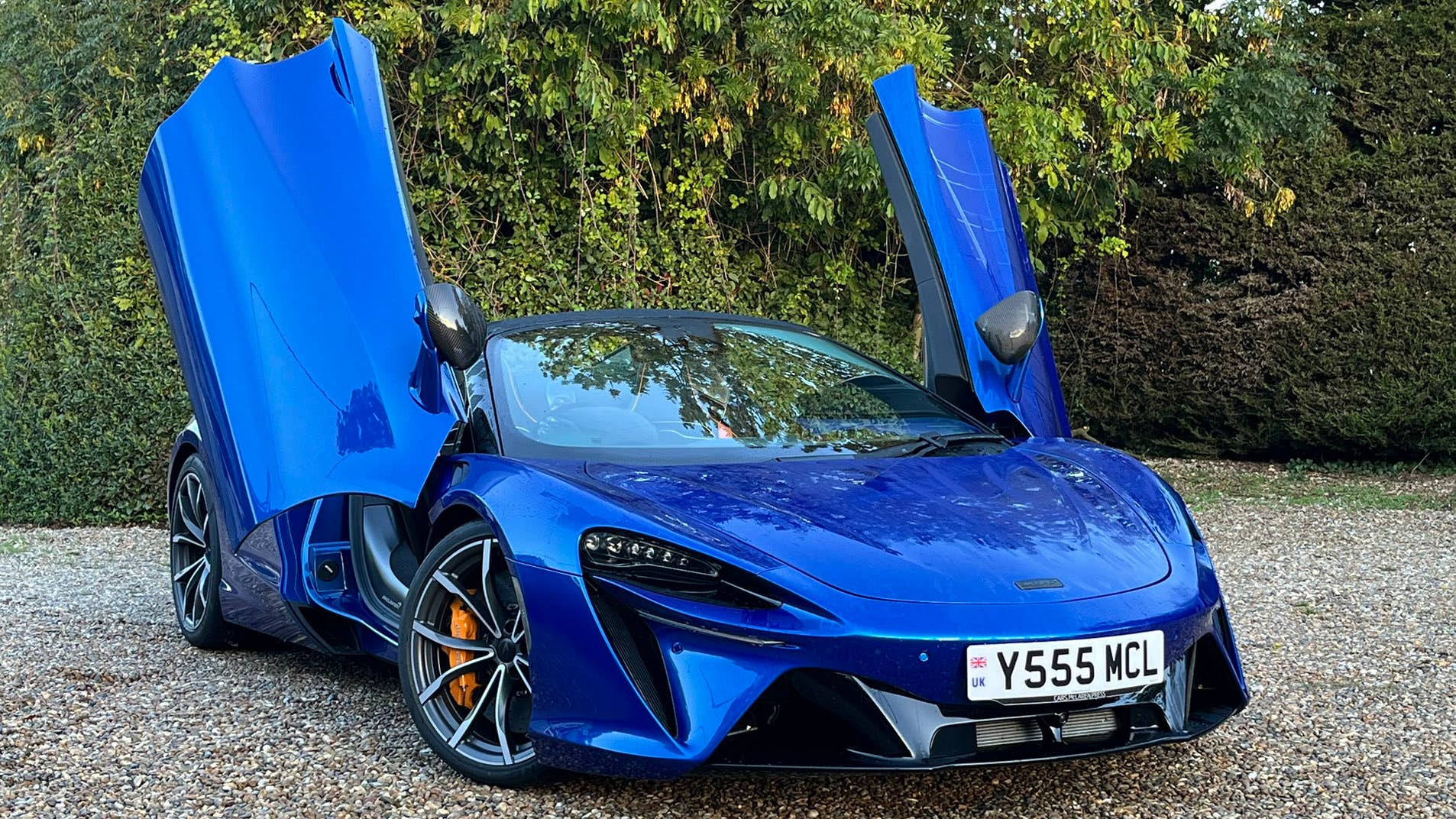
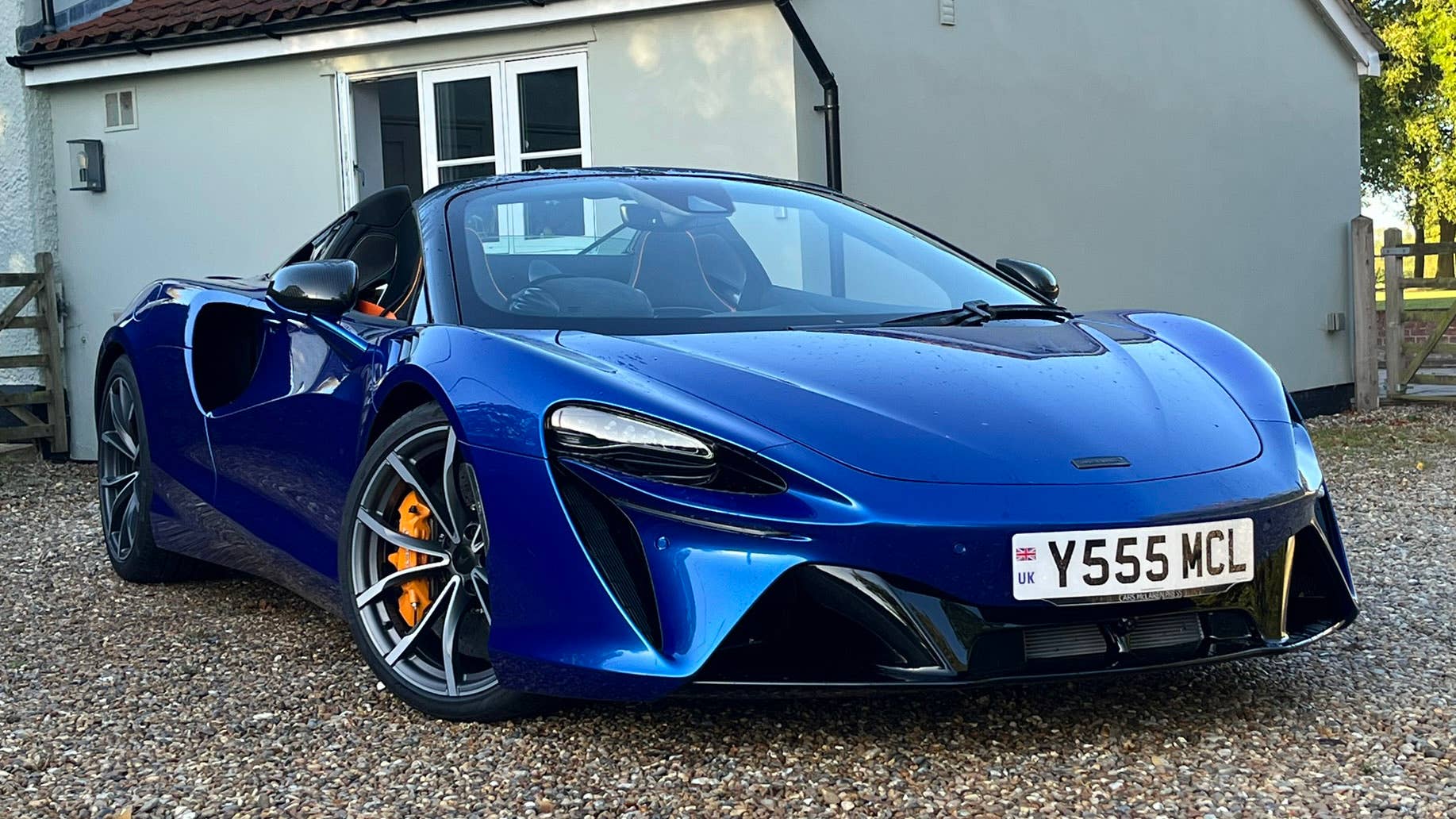
Finished in MSO Volcano Blue, sitting low on Pirelli P Zeros with orange brake calipers flashing through the wheels, the Artura Spider rolled off the delivery truck on a sunny Thursday morning. With the weather forecast calling for a dry few days, I did what any sane person would do and immediately went hunting for the roof button.
I had the Artura Spider for the whole weekend. Not a quick blast followed by a rushed verdict, but proper time: traffic, short city trips, errands, and then a longer run out to quieter, faster roads. The kind of miles that tell you the truth.
More importantly, having been among the first journalists to drive the 570S almost a decade ago, this Spider gave me a clear reference point for how far McLaren has come — not just dynamically, but philosophically.
The Artura didn’t get off to the smoothest start. As the first car on an all-new platform, and McLaren’s first series-production hybrid, early examples didn’t always feel as fully resolved as the ambition suggested.
This Spider does. In fact, in this specification, it feels like the Artura McLaren intended to launch all along.
Related: McLaren 12C’s Surprise Comeback? MSO Might Make It Happen
From 570S to Artura: From Nervous Energy to Confidence
The 570S arrived fizzing with nervous energy. It felt caffeinated — ultra-light, hyper-alert, always urging you on. The steering was vivid, the responses immediate, and there was a constant sense the car was waiting to pounce.
The Artura Spider feels different. With nearly 700 horsepower, over 500 lb-ft of torque, and a 0–60 mph time right around three seconds, it is emphatically quick. But in many ways it is also calmer. From the first mile, the chassis feels settled, as if it’s already found its rhythm rather than waiting for you to unlock it. It doesn’t feel like it’s waiting to bite.
McLaren quietly upgraded output to a round 690 hp, up 19 hp from early cars, and will retrofit the update free of charge. It’s a small detail, but a confident one — the sort of move you make when you know the car is finally where it needs to be.
The new V6 is impressively engineered. It’s light (about 353 lb, roughly 110 lb less than the old 4.0-liter V8), and the 120-degree layout drops the center of gravity. The turbos sit tight in the hot-vee, so throttle response feels immediate, not theatrical. McLaren knows that sharp doesn’t have to mean edgy.
Daily Usability: Where Supercars Usually Fall Apart
Most supercars resent urban driving. Stop-and-go traffic exposes every flaw in calibration, and you often feel like you’re annoying the car just by asking it to behave normally. But the Artura Spider doesn’t mind at all.
Pull-aways are smooth, creeping is drama-free, and the eight-speed Seamless Shift Gearbox no longer fidgets. Revised hydraulic pre-fill brings the clutches closer to engagement, improving shift speed while also making the car feel calmer and more decisive around town.
The hybrid system works quietly in the background. A 94-horsepower axial-flux electric motor is integrated into the gearbox (there’s no reverse gear, the motor handles that) saving weight and complexity. A 7.4-kWh battery mounted behind the seats is good for about 20 miles of electric-only running, which turns out to be genuinely useful for short trips and low-speed errands.
Ride quality matters here. Mid-corner pothole repairs litter the roads in the UK, and thankfully the Artura reacts in a heartbeat, settling itself without drama or aftershocks.
Related: McLaren’s First SUV Arriving in 2028 with Hybrid Powertrain
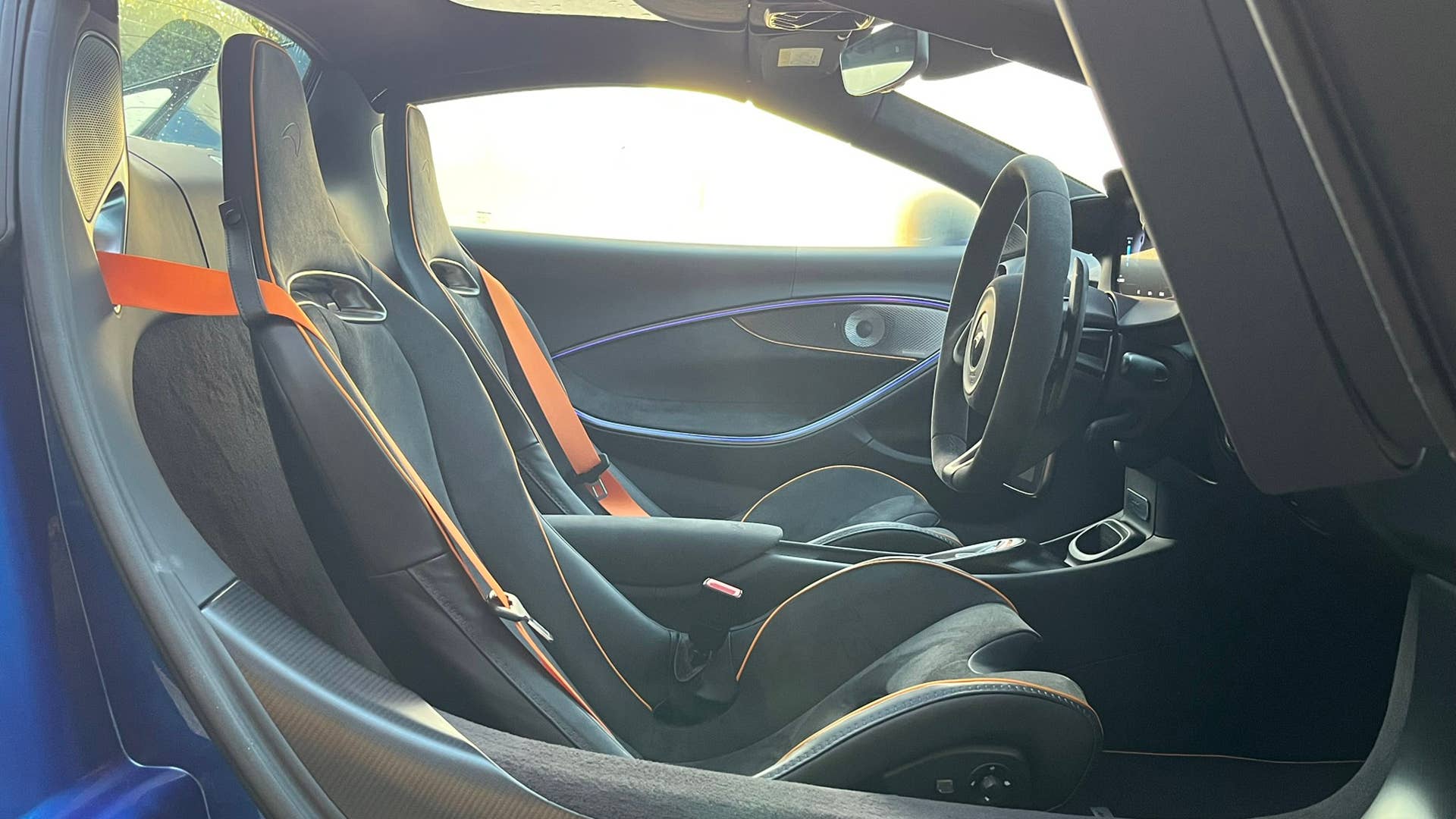
Inside: No Longer a Beta Test
That ease is matched by an interior that finally feels aligned with the way the car behaves.
The driving position is excellent, helped here by the Clubsport seats, which manage to feel slim, supportive, and properly ergonomic without becoming tiresome over longer stints. Visibility is better than expected, and the tech simply works.
An ethernet-based electrical architecture reduces wiring by roughly 25 percent and boosts data speeds, which helps explain why the infotainment finally feels finished rather than provisional. Apple CarPlay is standard, responses are quick, and nothing feels half-baked.
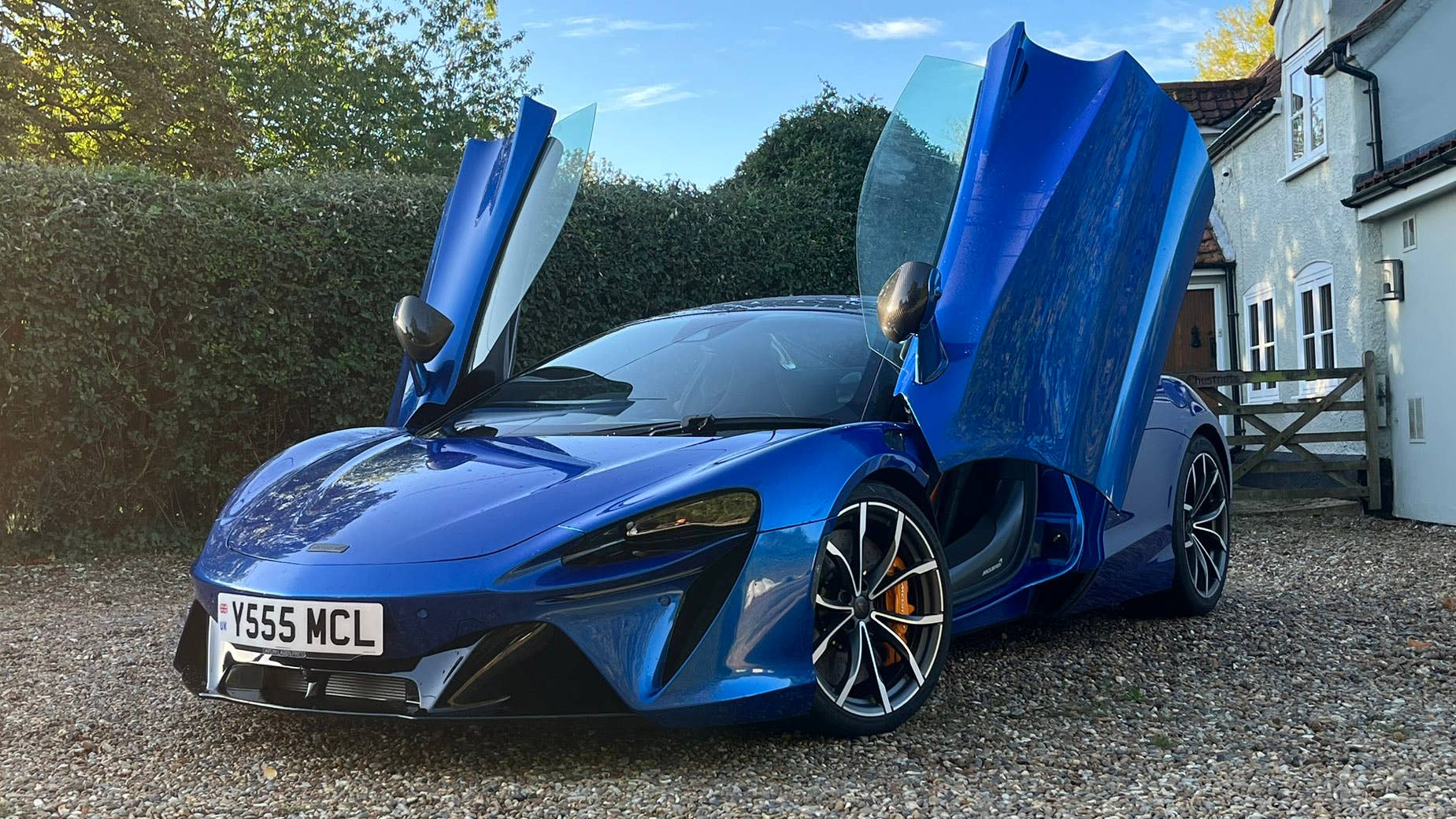
How It Drives: Balance Over Aggression
Once the roads open up, the Artura’s composure doesn’t unravel. Revised adaptive dampers soak up imperfect pavement without fidgeting, letting you focus on driving rather than constantly managing the car.
The steering remains the emotional core of the Artura Spider. McLaren continues to resist electric assistance, and the hydraulic rack, closely related to the one used in the 600LT, is superb. It’s quick, accurate, and deeply communicative.
On narrow, undulating roads, the Pirelli P Zeros inspire confidence quickly, blending strong grip with just enough compliance for imperfect surfaces. You stop worrying about the car’s width and start trusting placement.
Despite being a Spider, rigidity never feels in question. With a dry weight just over 3,200 pounds and only a modest penalty over the coupe, the Artura remains faithful to McLaren’s lightness-first philosophy, even with hybrid hardware and a retractable roof onboard.
New engine mounts limit powertrain movement under load, sharpening responses and reinforcing the sense that the car pivots around you rather than reacting after the fact. Faster damper processing improves body control without harming ride quality.
Where older McLarens demanded constant engagement, the Artura Spider is happy to flow. Turn in, let it settle, unwind the lock. Everything feels in phase with steering, damping, grip, and balance working together rather than competing for attention.
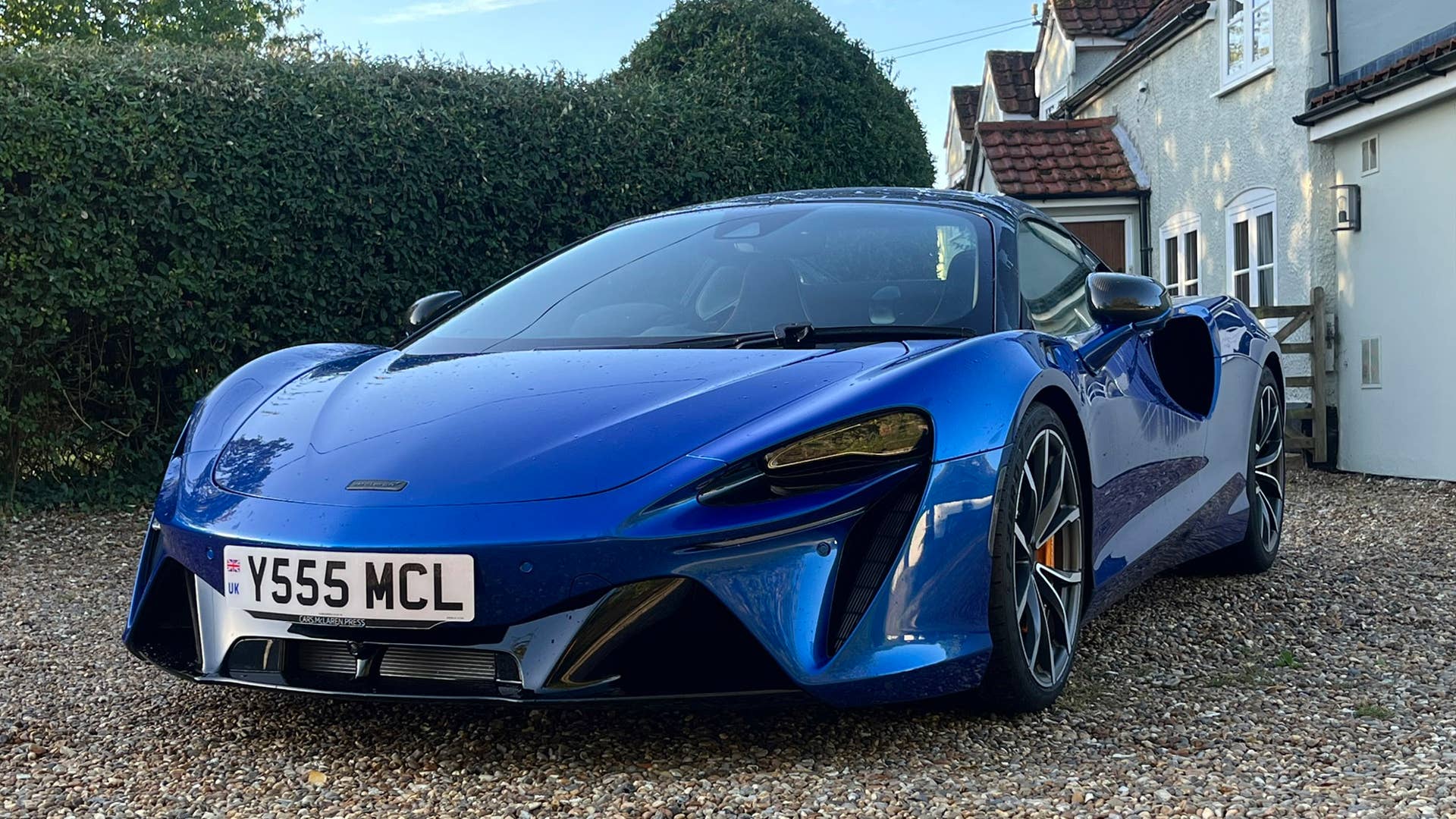
Fast, Quietly
The Artura Spider is extremely fast, but it doesn’t make a spectacle of itself. Hybrid torque fill removes lag so cleanly that acceleration feels instant rather than dramatic.
Speed builds quietly and relentlessly. You look down after what felt like a brisk overtake and see one more digit on the speedometer than expected.
The numbers are serious — 0–124 mph in the mid-eight-second range, quarter-mile in the high tens — but the experience is defined by control rather than theater. Carbon-ceramic brakes deliver a firm, consistent pedal with real feel, with none of the artificiality that can creep into modern systems.
Sound follows the same philosophy. A revised exhaust sharpens the mid- and high-rev note, and roof-down driving adds air and occasion, but this is not a soundtrack-led supercar. It’s fruitier than before, yet restraint remains part of the brief.
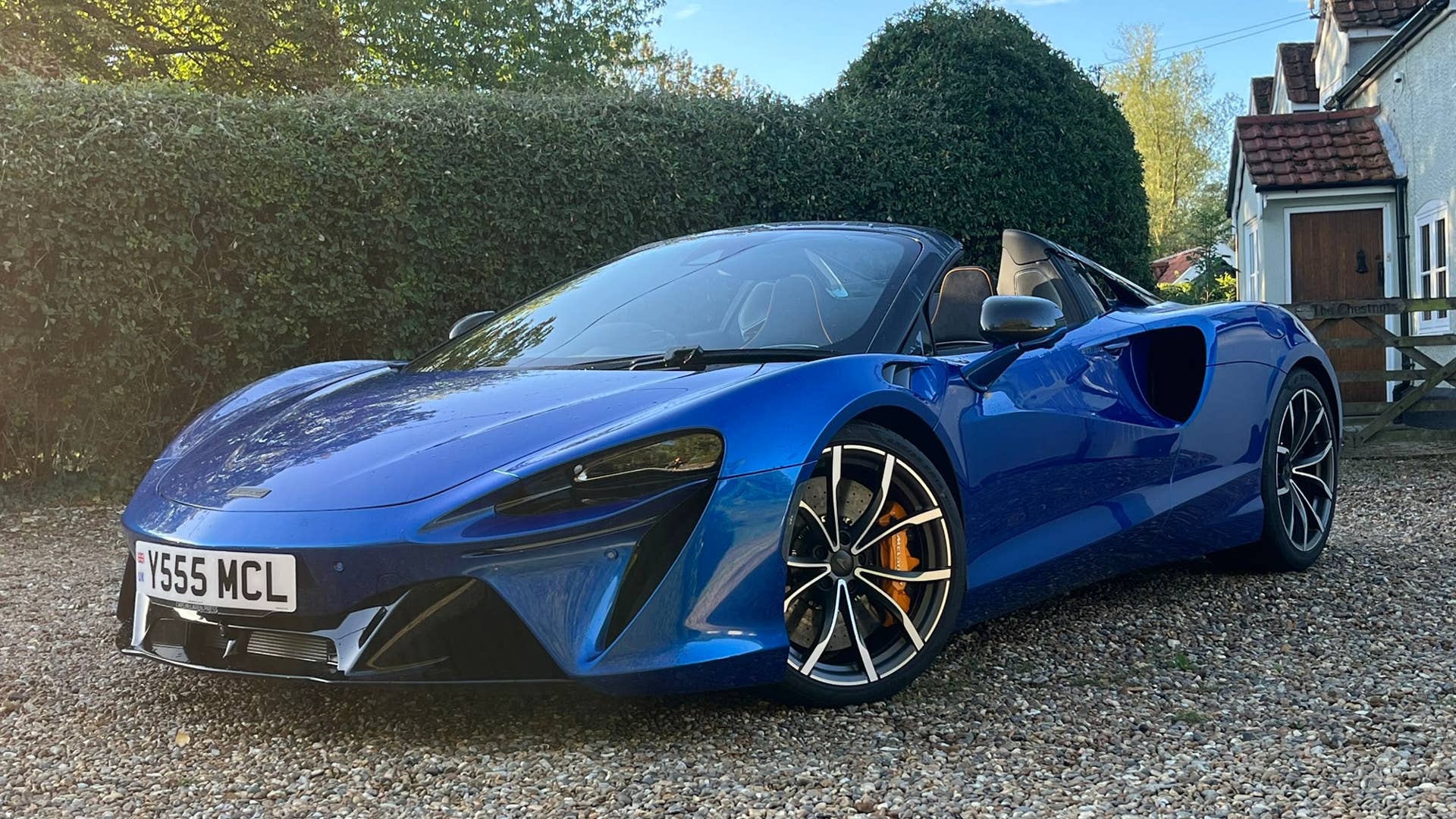
Roof Down, Brain Still On
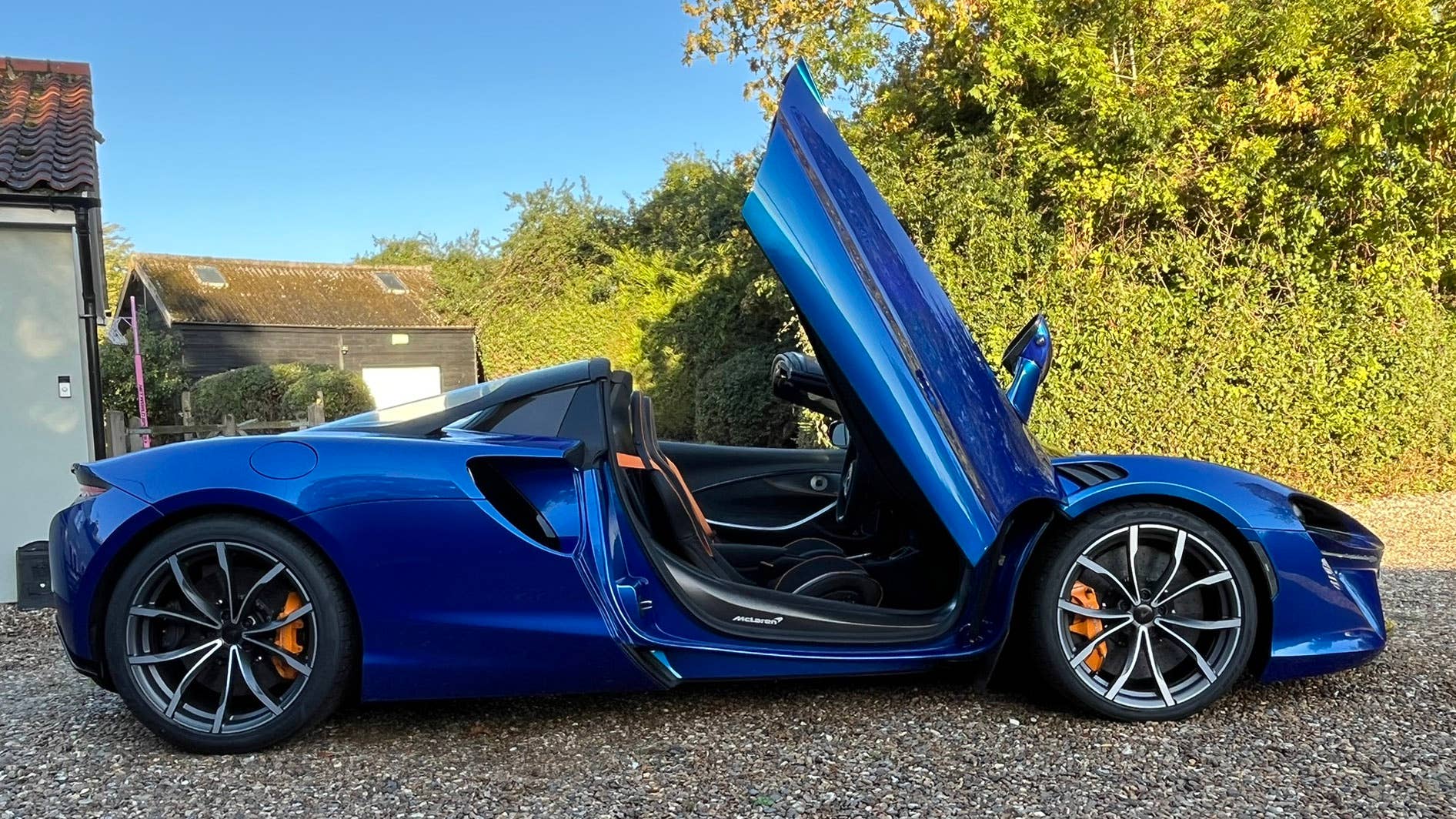
The folding hardtop is a carbon-composite unit powered by eight electric motors. It opens or closes in 11 seconds at speeds up to 30 mph, and revised cooling ducting ensures the engine stays happy with the roof stowed above it.
Glazed rear buttresses improve rear visibility, while subtle reshaping around the windshield reduces buffeting at speed. An optional electrochromic glass panel blocks incoming sunlight at the touch of a button.
It’s a clever, compact solution and crucially, it doesn’t dilute what makes the Artura good to drive.
Against the Competition
The Artura Spider makes its case less through drama and more through fluency. It’s a supercar that prioritizes steering feel, composure, and real-world confidence over constant spectacle.
Against the Lamborghini Huracán Spyder, that means trading noise and extroversion for nuance and balance. The Lamborghini majors in theater; the McLaren prefers precision.
A Porsche 911 Turbo remains brutally effective and devastatingly quick, but it doesn’t offer the same delicacy through the steering or the same sense of interaction at sane speeds.
I haven’t driven the Ferrari 296 GTS, but the Ferrari F8 Spider I did drive was pure theater — thrilling, emotional, and constantly performing. The Artura’s appeal is different. It doesn’t try to impress you every second. It tries to work with you.
Compared with McLarens of the past, the Artura Spider feels less edgy and more resolved. That won’t suit everyone, but it’s clearly intentional.
At around a quarter-million dollars before options — and comfortably north of that as tested here — value isn’t about lap times. It’s about how often the car feels like the right answer. In a class obsessed with being the loudest answer, the Artura Spider is content to be the most usable one. That said, buyers should definitely book in some track time with this car, as you will sample just a fraction of its capabilities on the road.
Verdict: Not Softer, Just Smarter
The Artura Spider doesn’t exist to redefine McLaren performance. That foundation is already well established. What it shows instead is a brand that has learned how to make its engineering work together more cohesively.
It feels calmer because it’s better resolved. The controls, ride and power delivery no longer compete for attention, which makes the whole car easier to trust and more enjoyable to use across a wider range of driving.
The Spider format suits that approach well. It adds a sense of occasion without undermining usability or refinement, and it arguably suits the Artura’s character better than the coupé.
n this Volcano Blue specification, the Artura Spider reflects a car that is confident and properly finished, without relying on excess to make its point.