Out of all the new cars on sale right now, perhaps none has a more interesting history than the Fisker Karma. It originally debuted in 2011, a product of designer Henrik Fisker’s startup brand. It took just two years for that company to go bankrupt, before its assets were purchased in 2014 by a Chinese supplier called Wanxiang Group.
Wanxiang launched a new company using the Karma name, Karma Automotive, a year later. Then, in 2016, it began producing Fisker Karmas of its own, renamed as the Karma Revero. In place of the original car’s 2.0-liter General Motors-sourced inline-four, the plug-in hybrid system in the Revero used a turbocharged inline-three from BMW for a combined output of 536 horsepower (versus just 403 horses for the Fisker version).
Spacer
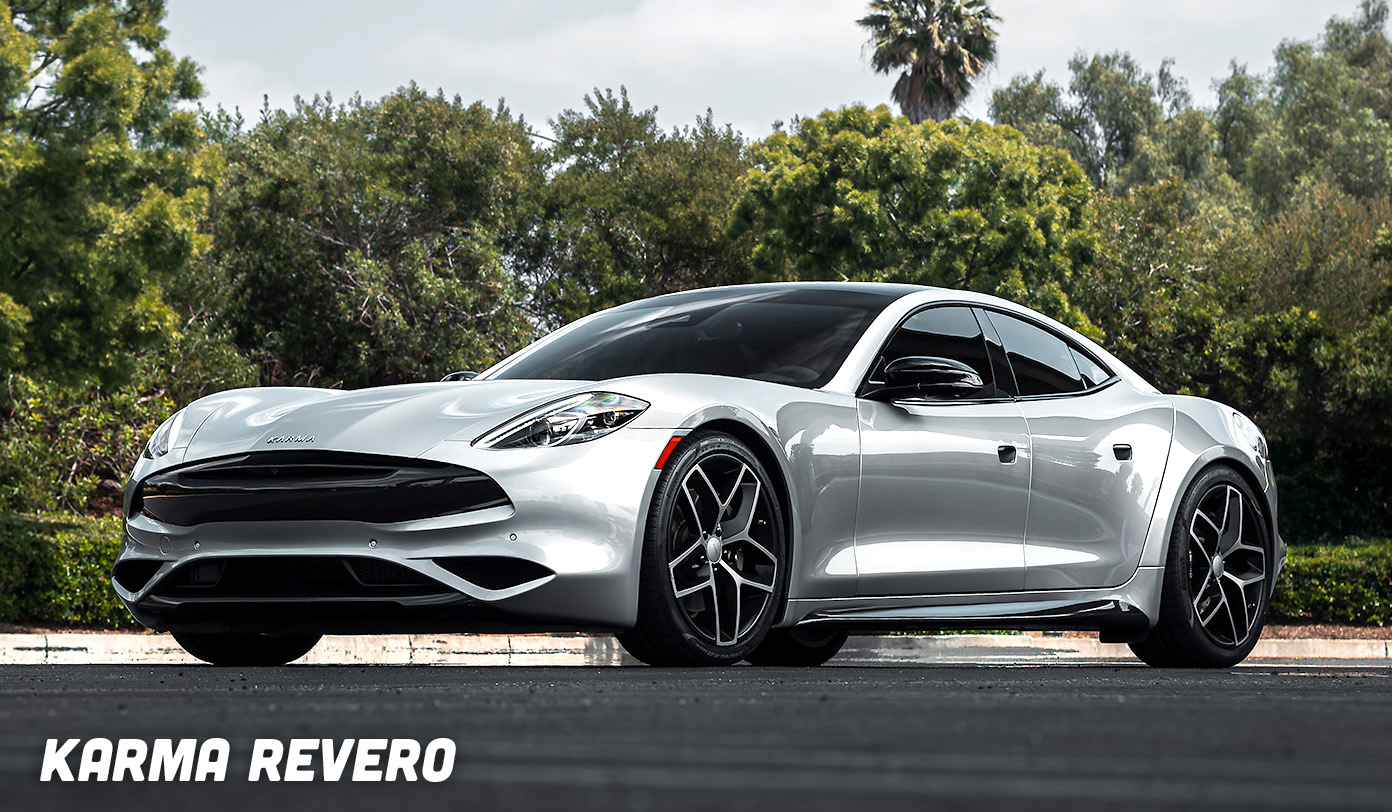
Somehow, Karma has stayed afloat long enough to keep the Revero in production for nearly a decade. The company last week announced it had built the final example, painted in green and dubbed “Aeterna.” But even with the Revero dying, the original Fisker Karma’s bones will live on.
Goodbye Revero, Hello Gyesera
The Revero might be dead, but it’s not really dead. It’s being replaced by a car called the Gyesera, which, as you’ve probably guessed from how the car looks, is basically just a heavily refreshed version of the Revero (which, if you’re keeping track, is a heavily refreshed version of the original Fisker Karma from 2011).
That means come next year, the Karma platform will be 15 years old, which makes it one of the oldest platforms on sale in America today (but still lagging far behind the iconic Chevrolet Express van, which has been on sale virtually unchanged since 1996).
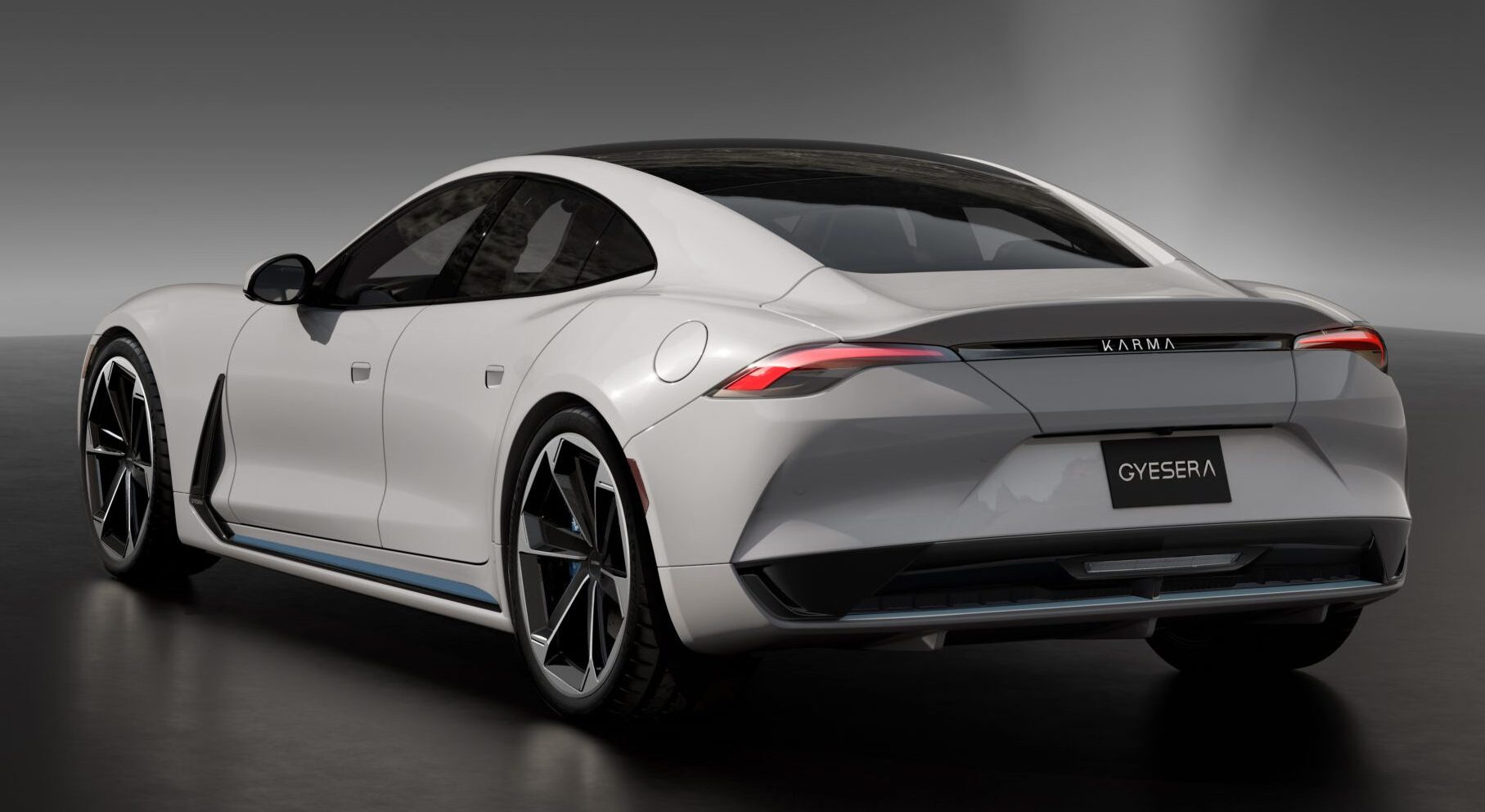
The Gyesera was introduced all the way back in March 2024, but production only started in this quarter (according to Karma, anyway). While it’s not clear how many Reveros were sold over the car’s lifetime, the limited number of used examples listed for sale online right now suggests that number is likely in the hundreds (I’ve reached out to Karma for the data).
So What’s Actually Different Now?
Despite looking nearly identical to the Revero, save for the missing grille, Karma President Marques McCammon told Automotive News last year that virtually all of the body panels are actually new. What’s not new is the aluminum spaceframe underneath, which is a modified version of the one from the Revero.
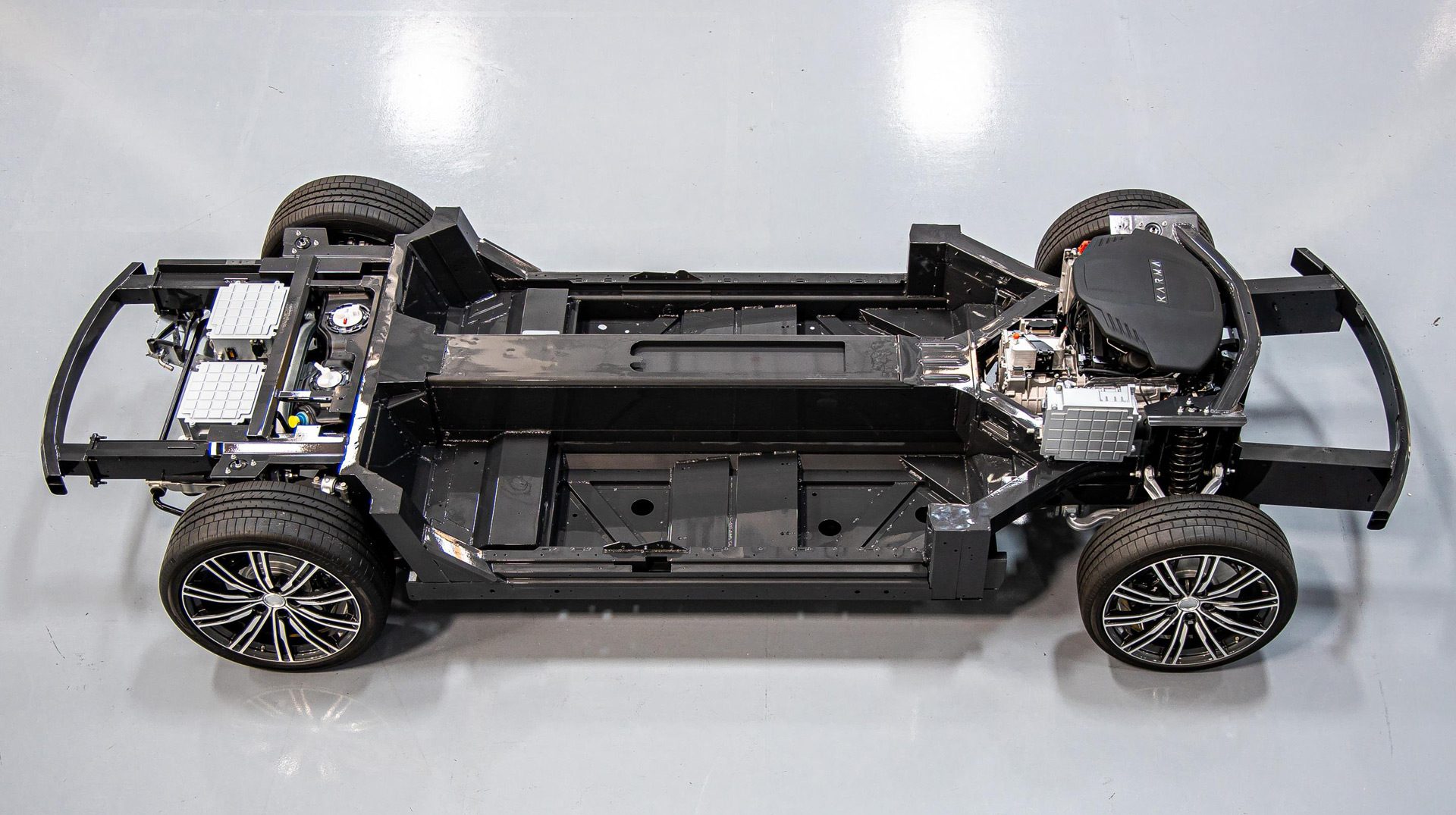
Unlike the Revero, the Gyesera is a fully electric car with no gas-powered range extender. It drops the plug-in drivetrain for a battery that can achieve 250 miles of range. Power is up slightly, to 590 horsepower and 693 pound-feet of torque. McCammon told Autonews that Karma plans to build around 2,000 examples over a four- or five-year period, which equates to around 400 cars a year at minimum.

Whether there’s demand for that many Gyeseras isn’t exactly clear. Demand for electric vehicles in the U.S., where the Gyesera will be built, isn’t exactly so hot right now. The loss of the federal EV tax credit probably doesn’t help things either (not that potential buyers will really mind losing a $7,500 discount from the $175,000 needed to purchase a Gyesera).
Karma Still Has The Plug-In Arena Covered
Even if the Gyesera flops, Karma has another Fisker Karma-based car in the wings: The Invictus. Unlike the Revero, which has a totally new powertrain and a bunch of new body panels, this car uses the same design and the same BMW three-cylinder EREV drivetrain setup.

Essentially a performance version of the Revero, it gets a roof, a hood, and a trunk lid made from carbon fiber, alongside a set of sporty coil-over suspension from Öhlins. There are no performance upgrades to the powertrain; it’s rated at the same 536 horsepower and 546 pound-feet of torque as the normal Revero.
The biggest difference, besides how it gets power to the ground, is its production numbers. Karma plans to build just 30 Invictuses (Invicti?). And since its reveal in November 2024, the company’s been mum on pricing and when production will actually start.
At this point, it feels like the Fisker Karma’s legacy will never die. The original car had a tragically short run before joining the great junkyard in the sky, but Karma’s versions have given it second, third, and fourth lives. I’m personally glad about it, if not just because the cars are so pretty.
Top graphic images: Fisker, Karma Automotive
The post It Feels Like The Fisker Karma Will Never Actually, Truly Die appeared first on The Autopian.