The first time I saw the all-new Range Rover was at JLR’s Gaydon factory, where top executives waxed lyrical about their new money maker. The car had just been unveiled to the dealer network, and loyal customers were buying up allocations sight unseen, hand over fist. It was easy to see why.
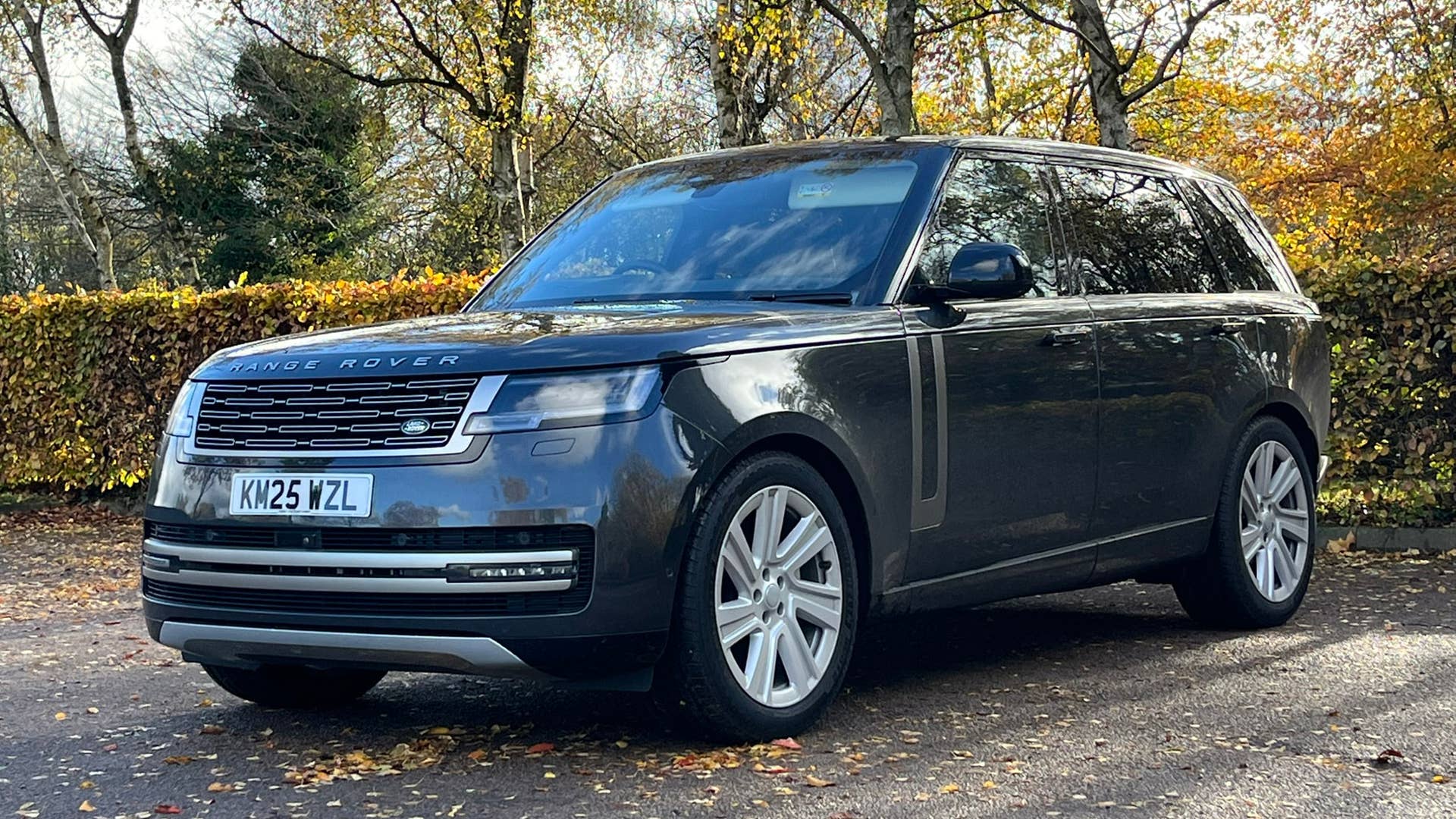
Even then, long before production cars hit the road, it struck me as a design that would age well. Four years later, that instinct has proven right. Few full-size SUVs look this calm or cohesive. There’s no aggression, no ornamentation, just one of the most confident shapes in the luxury SUV segment.
Related: How the Defender Became Land Rover’s Best-Selling Model
It remains a large vehicle by any measure, especially in the UK, where its sheer size feels faintly comical when parked up next to my wife’s Hyundai i10. In the US, it blends naturally into a landscape of Escalades, Navigators, X7s and GLS models. Behind the wheel, though, the experience is consistent in either country: it doesn’t feel daunting to place, and the cabin space is vast enough that you feel a physical gap between the rows — me in the front, my passenger at arm’s length, and my four-year-old daughter seated somewhere comfortably removed behind us.
Design & Presence
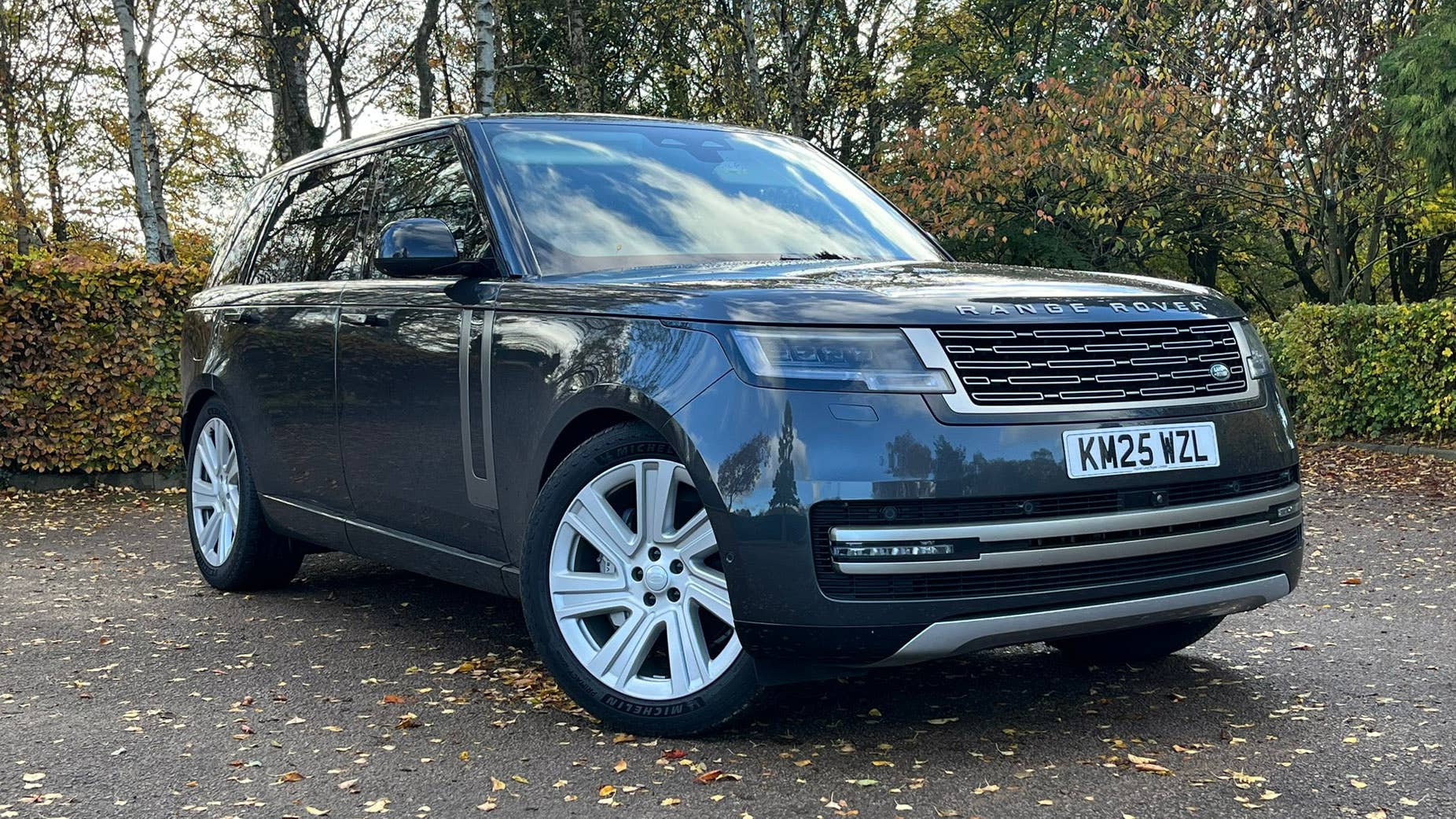
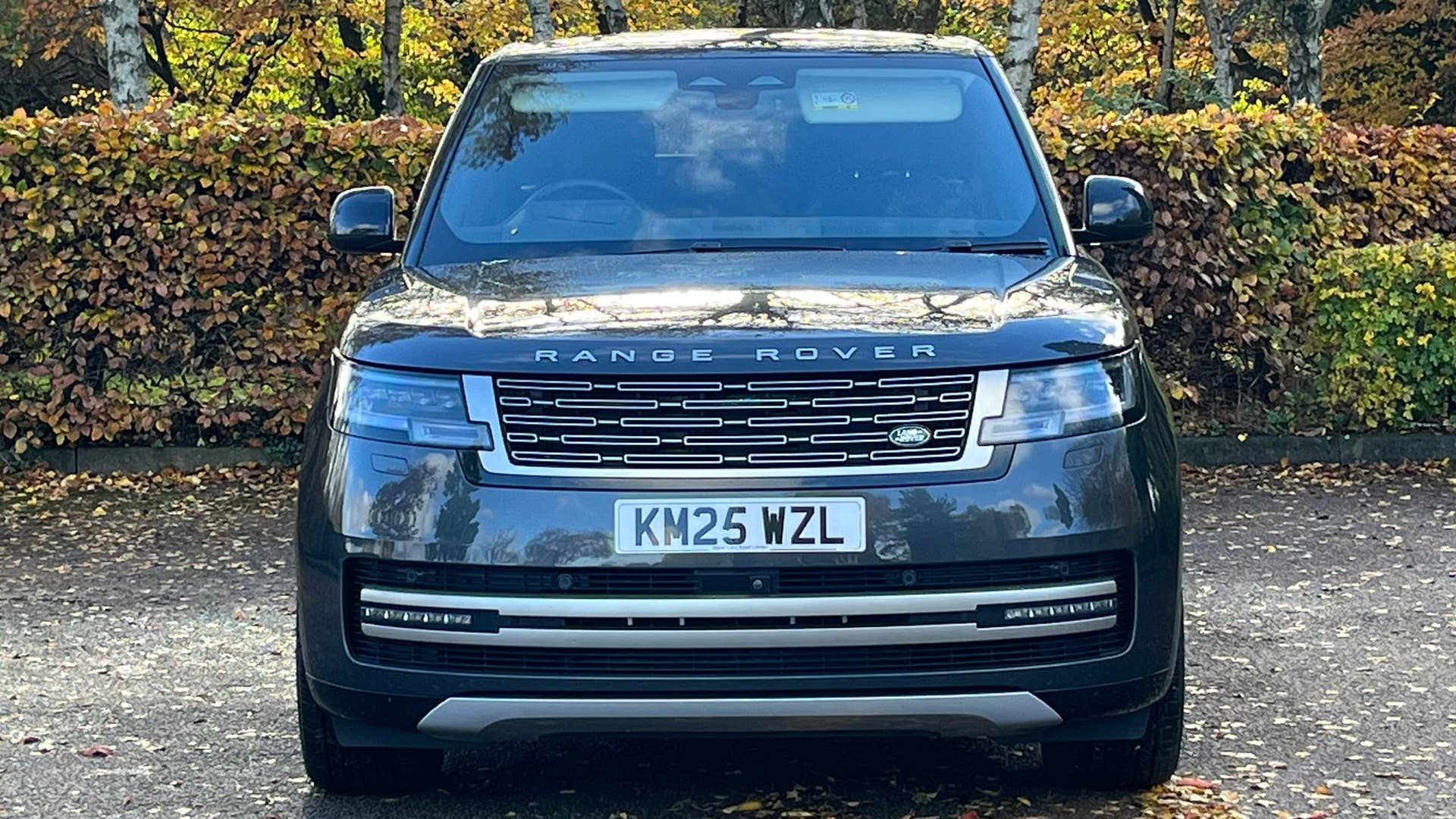
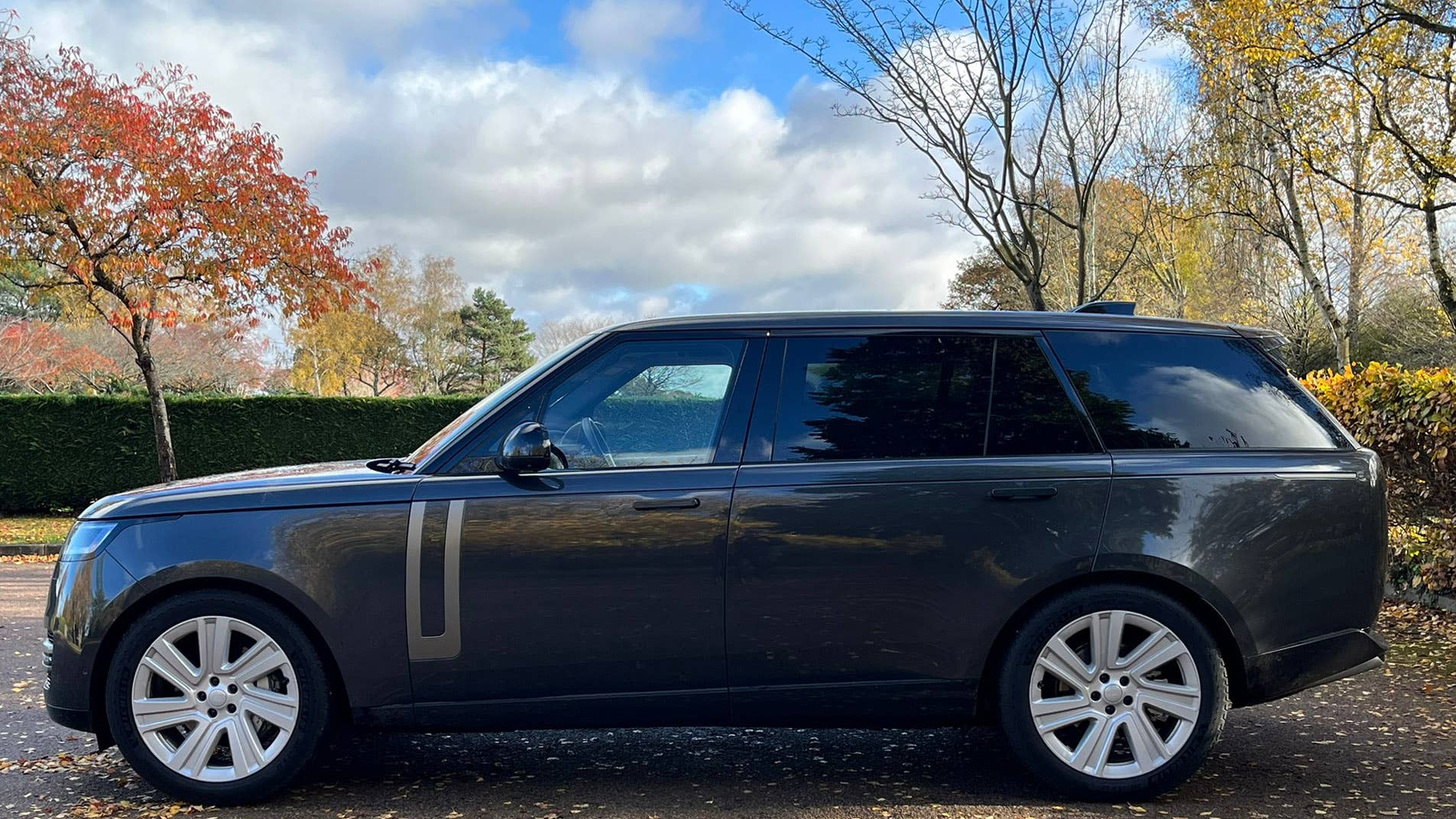
The L460’s reductionist design philosophy is still its strongest trait. Clean surfaces, flush glazing, a single shoulder line running nose to tail. It’s a confident form that doesn’t need jewelry to be interesting.
The L460 platform embodies JLR’s reductive design philosophy better than anything else the British carmaker produces. The flush glazing, clean surfaces, disappearing tail-lights, the unbroken shoulder line all combine for an architectural look that relies on proportion rather than gimmickry.
Compare it to the Range Rover Sport and the difference is immediate. Where the Sport looks purposeful; lower, tighter, more athletic, the full Range Rover takes the opposite approach, communicating comfort and confidence.
On the road, or parked up, it exudes an elegance that draws attention. In a segment crowded with American chrome and German aggression, the Range Rover has an air of British charm and sophistication that is beloved here and across the globe. Just look at its sales numbers if you’re in any doubt.
Powertrain & On-Road Character
A mix up with the press fleet meant my test car was of the oil burner variety. The D350 is not a configuration US buyers are used to. Diesel has all but vanished from American passenger vehicles, which makes this engine feel unusual. But after a week putting a few hundred miles on the odometer, I discovered that it suits the Range Rover perfectly.
There’s a light bit of diesel chatter on cold start and then it settles into a quiet, steady hum. Torque arrives smoothly and consistently. There’s never a sense of strain or urgency, just forward motion delivered with minimal fuss.
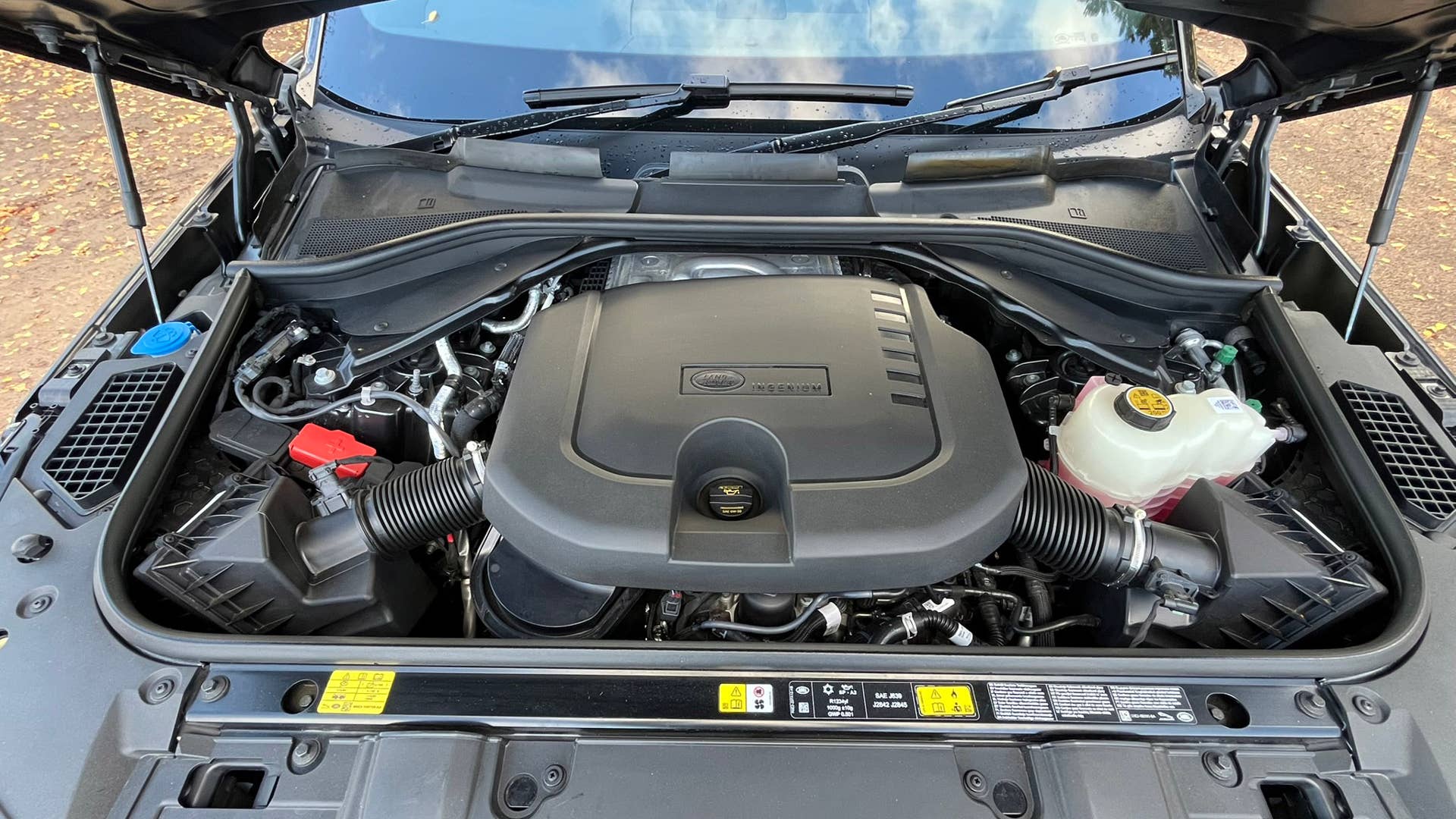
A long trip from London to the Peak District and back underscored what this powertrain is for. On the motorway, the cabin was exceptionally quiet, and progress felt effortless. The serpentine, steeper roads around Buxton revealed another side of the car: not sporty, but extremely well controlled. It stayed composed, followed the line you asked of it, and then quietly returned to being a luxury car as soon as the road straightened. Back in town, rear-wheel steering made tight maneuvers surprisingly simple for something this long.
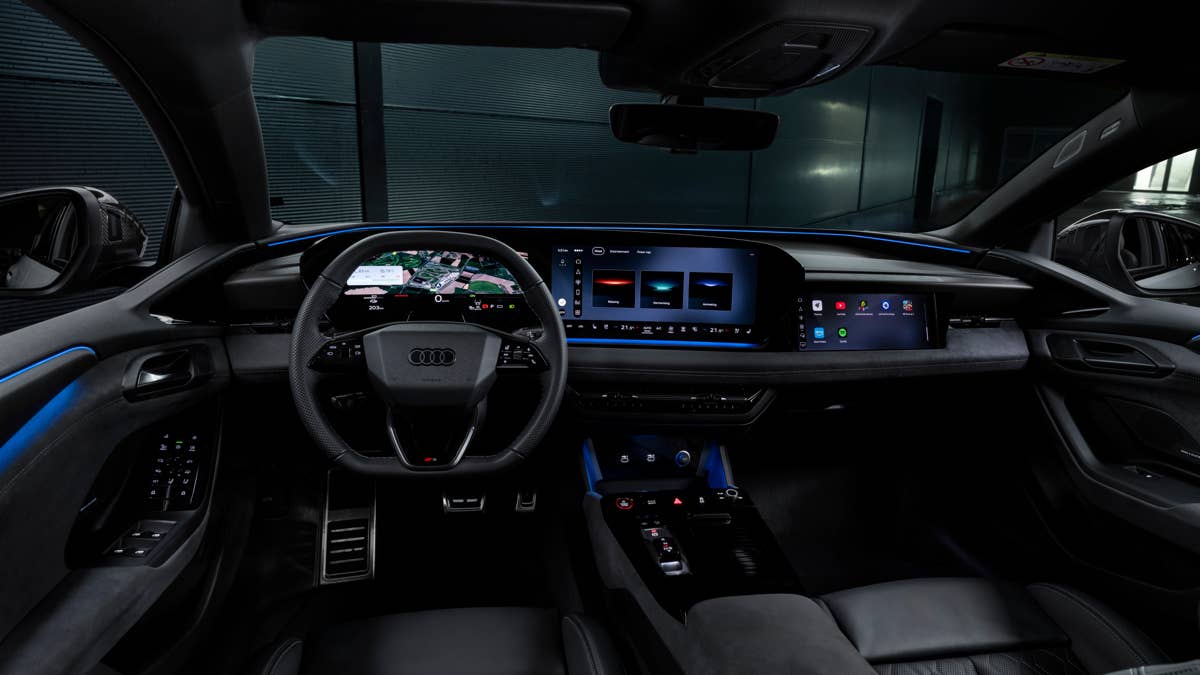
Compared to performance SUVs like the Audi RS Q8, the distinction becomes clear. The Audi wants you to notice what it can do. The Range Rover doesn’t. It prioritizes smoothness over spectacle.
Technology & Everyday Use
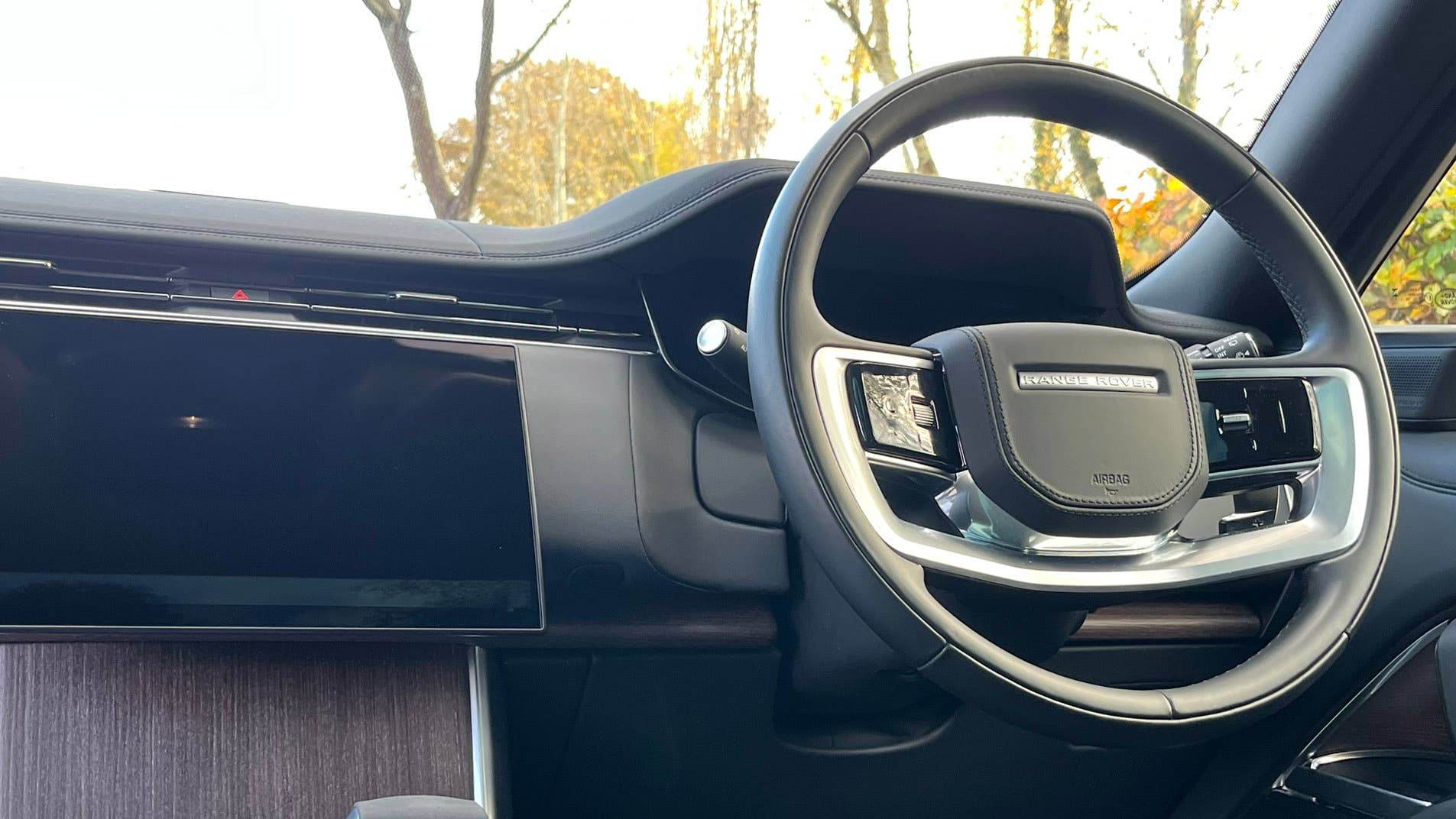
I’m happy to report the Pivi Pro remains one of the clearest and least irritating infotainment systems available. JLR made a significant investment to address what was a weak point of the last-gen Range Rover and it has certainly paid off. The interface is predictable, the controls are logically placed, and it avoids the complexity that plagues many luxury competitors. You interact with it when you need to, and then you forget about it. Which is what you want from a vehicle built around relaxation.
Rear-wheel steering is equally understated. Car parks, tight turns, and suburban driveways are all far easier than you expect in a long-wheelbase SUV. The engineering takes care of the effort, so you don’t have to think about the size.
Interior & Refinement
The cabin is where the Range Rover justifies its price most clearly. The materials feel substantial without being showy, the seating position gives you a clear and confident outward view, and the sense of calm inside the car is something few competitors can replicate.
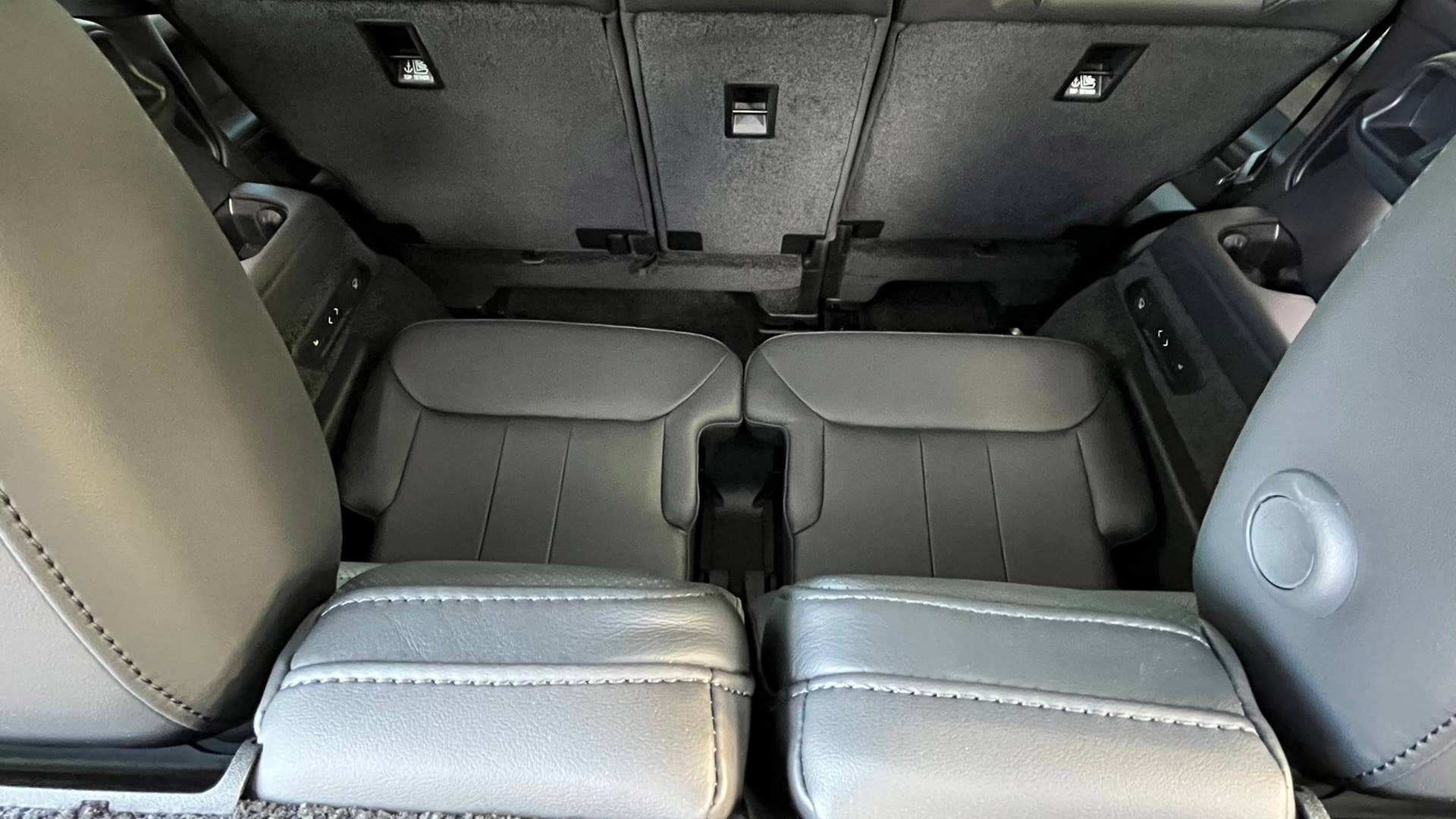
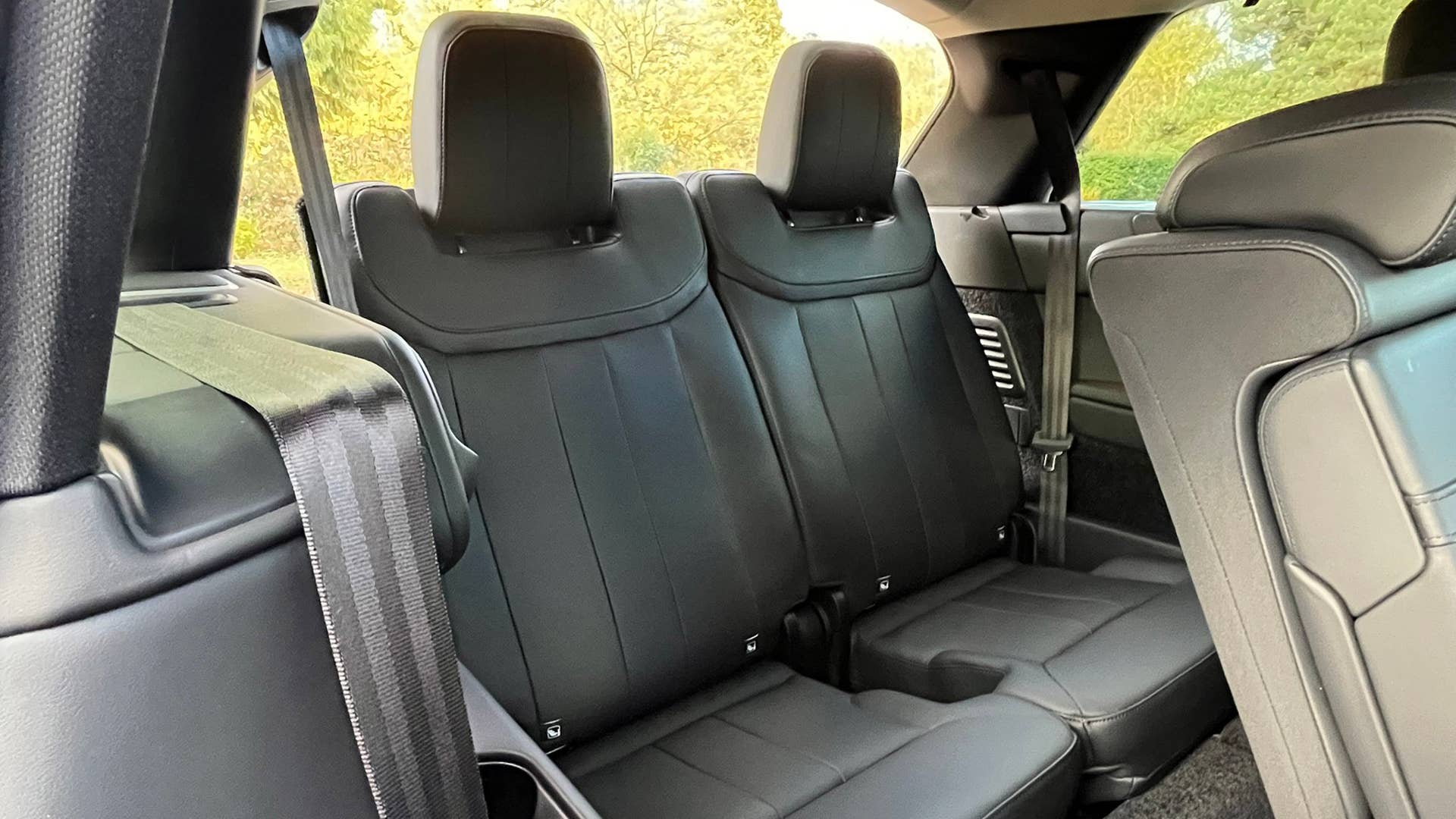
In the long-wheelbase configuration, the rear quarters become something approaching a private suite. Adults can genuinely stretch out. The third row isn’t an afterthought; adults fit there for shorter trips, and children fit there comfortably for longer ones. The difference this makes for families — particularly on long journeys — is significant.
On a wet motorway, the isolation is remarkable. Road noise is minimal, wind noise barely registers, and you notice how little effort the car expends to keep you comfortable. Where the Range Rover Sport has a cockpit-like feel: bolstered seats, a more enclosed driving position, and a sense that you’re in a performance-focused vehicle, the full Range Rover is a lounge with Ebony Semi-Aniline leather, thick carpets, generous glass area, and a relaxing seating position.
Everything feels lighter, quieter, and more spacious. The long-wheelbase format amplifies this: rear legroom rivals executive sedans, and even the third row is genuinely usable for adults on short trips.
Composure & Driving Feel
Driving the Range Rover is defined by one quality above all others: composure. Everything it does — accelerating, turning, braking, absorbing imperfections — is handled with the same steady confidence. Even when you push it harder than you’d expect to, the character doesn’t change. The car remains settled, measured, and unhurried.
It’s not numb, but it avoids the tendency many large SUVs have to fake enthusiasm through stiff tuning or over-assisted steering. The Range Rover’s approach is more honest: it’s a luxury vehicle first, and every dynamic choice supports that mission.
That philosophy sets it apart from performance-oriented alternatives. Vehicles like the RS Q8 are impressive, but they operate with a sense of tension — an underlying eagerness that’s always present. The Range Rover simply goes about its work.
Verdict
The long-wheelbase D350 isn’t a performance SUV, and it isn’t pretending to be. It’s a luxury vehicle designed around refinement, space and ease. For families, long-distance travelers, and buyers who place comfort above theatrics, it delivers an experience that remains difficult to match at any price.
Starting at just over $115,00, it’s expensive. But the reason it costs what it does is clear as soon as you spend any time in it: the quietness, the smoothness, the breadth of ability, the sense of space, the simplicity of its design. It doesn’t try to dazzle you. Instead, it makes every journey easier. And in a world full of SUVs that feel like they’re trying to stand out, the Range Rover stands apart.