As far as car brands go, Smart is definitely one of the more interesting automakers out there. The company is best known in America for its stubby Fortwo city cars that haven’t been sold here since 2019, but still carry a cult following. Our own Mercedes Streeter owned five of them when she started writing for The Autopian a few years back.
Since 2019, when parent company Mercedes-Benz sold half of Smart to Chinese carmaker Geely and moved all production to China, there’s been a big shift in the brand’s offerings. It now sells three crossovers, the #1, the #3, and the #5, none of which are as small or outwardly quirky as the Fortwo. But I’d argue they were still charming and interesting in their own ways.
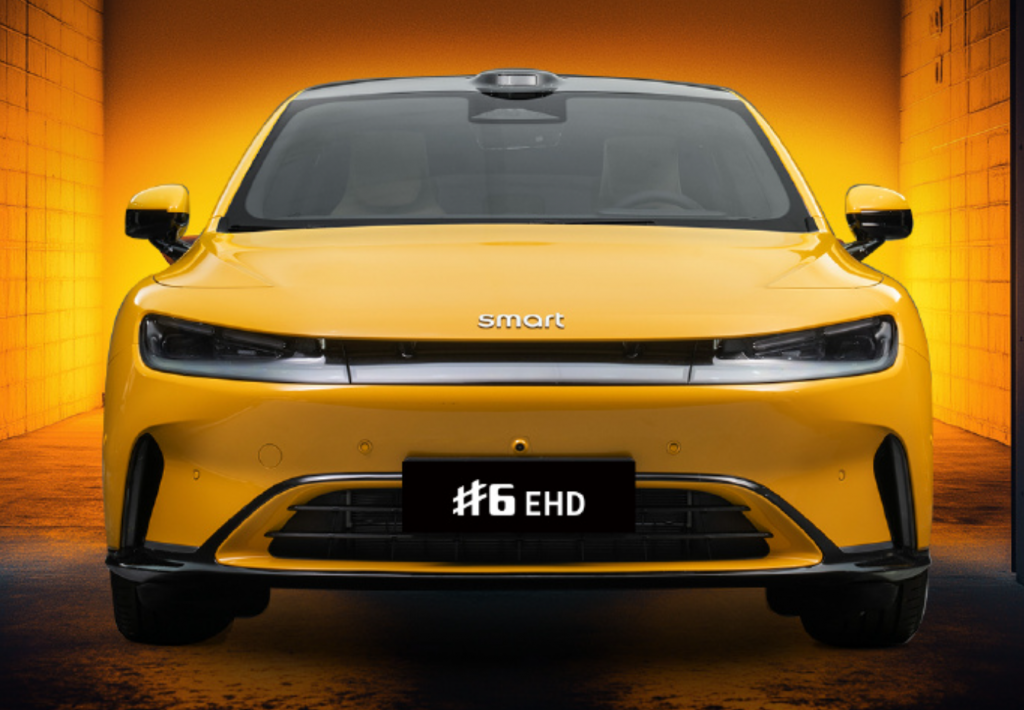
Now, Smart has another new car: The #6. It’s the company’s first sedan, and like its other Geely-manufactured siblings, it’s not nearly as small as the iconic Fortwo. To me, it’s even less compelling than the other new Smart vehicles, because it looks like virtually every other modern Chinese-built sedan on the market right now.
The Wonderfully Small History Of Smart’s Small Cars
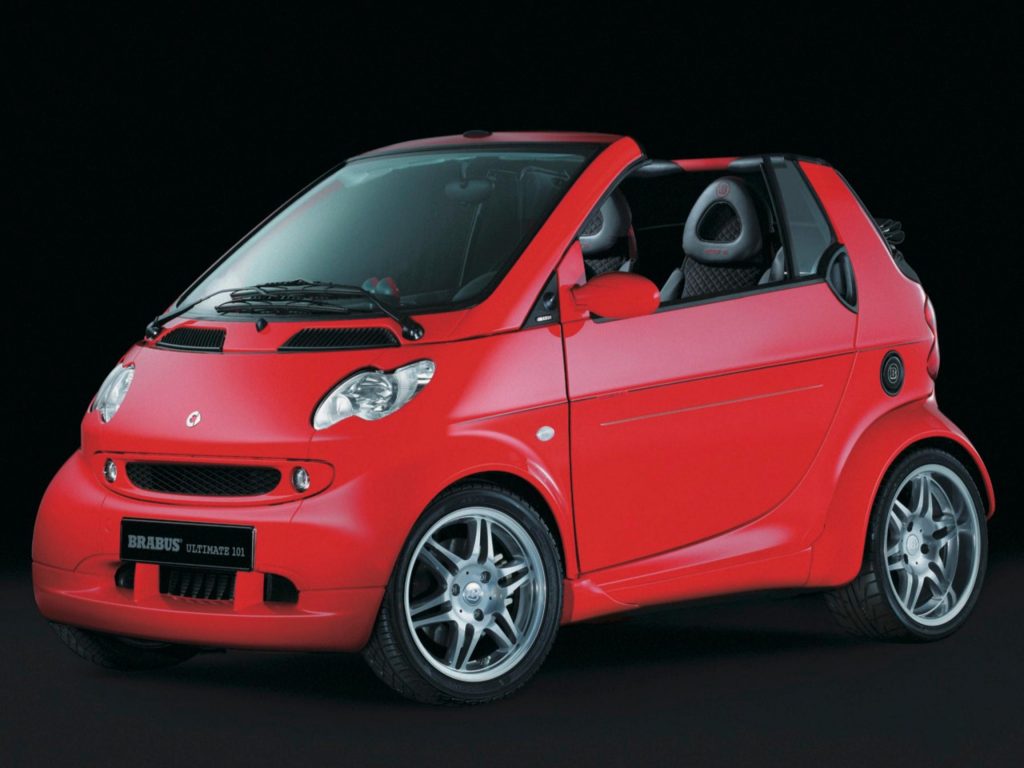
Smart has been around for 27 years, and for most of those years, it has sold two vehicle lines: the Fortwo and the ForFour. The Fortwo microcar was a mainstay of the company’s lineup from the beginning, originally known as the City Coupé and Cabrio. Its incredibly short length (106.1 inches) made it incredibly useful for tight city streets and parking, at the same time immortalizing the car as the butt of jokes for years.
The Forfour, meanwhile, was a four-door with an extra set of seats out back. Though it shared a lot of the Fortwo’s design cues, the first-generation Forfour was actually a Mitsubishi Colt hatchback underneath, using that car’s front-engine front-wheel drive layout instead of the Fortwo’s rear-engine, rear-drive design. Despite not having the Fortwo’s famous Trition safety cell, its body panels reflected a shell with contrasting paint, which made for a weird (and fascinating) design.

Things changed for the second-generation ForFour in 2014, when it used the third-gen Renault Twingo as a base. This car actually had a steel safety cell and looked essentially like a stretched version of the Fortwo. Even looking at it now, I’m not sure which version makes sense, design-wise. That’s what made Smart fun!
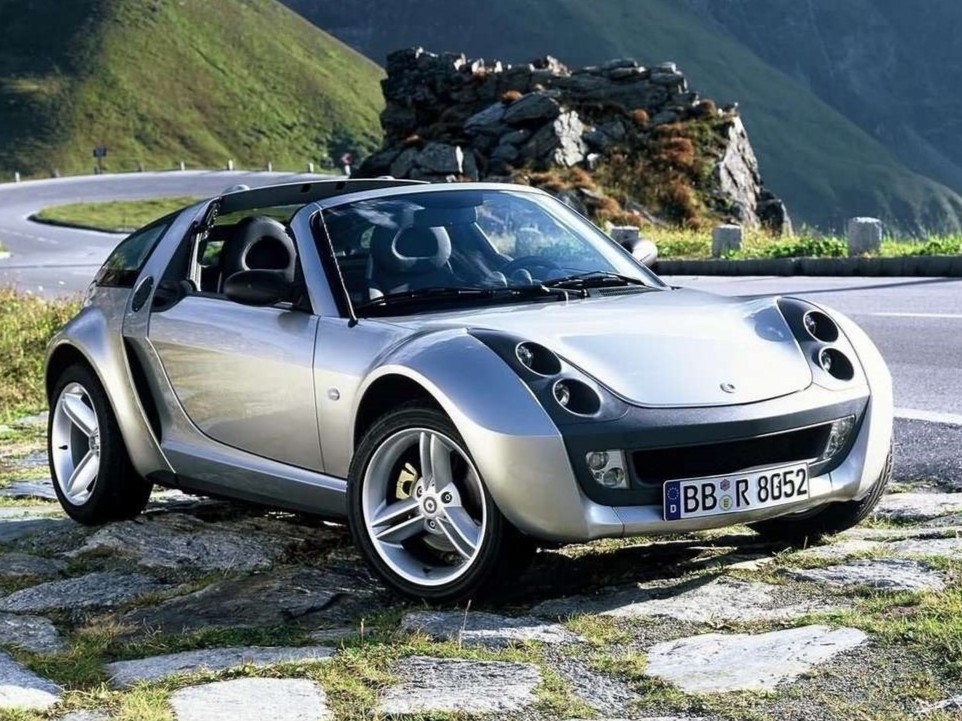
For a few years in the mid-2000s, Smart even made a sports car called the Roadster. While it was less “quirky” and more just downright good-looking, its three-cylinder engine and rear-engine layout made it a funky entry into the small sports car segment. The Roadster’s one downfall? Smart never sold it with a manual gearbox, instead pairing that inline-three to the same automated manual found in the ForTwo. But you could argue that made it even more interesting.
My point is, all of these cars were weird in their own way. Smart could’ve made them less conspicuous, but it didn’t. And because of that, there’s a certain vibe I expect when I hear about a new Smart car. And the #6 ain’t it.
What’s Your Definition Of Small?
Smart has long been associated with selling small vehicles, but that hasn’t really been the case since the Fortwo finally went out of production last year. That doesn’t change with the #6, which comes in at 193.1 inches in length, or the same length as a Kia K5 sedan.
The company’s other cars are similarly sized, but they maintain a level of quirkiness I’d quicker associate with the Smart brand. The #1 and the #3 have interesting profiles and a headlight setup that appears to connect the two lights into one continuous beam, with two bulges on either end. The #5, meanwhile, looks like a mash-up of a Kia Soul and a Jeep Renegade, resulting in a car that feels way cooler than either of those cars ever were.
The #6, though? I’m just not feeling it. This car is missing the fun design cues that defined Smart for the past two-plus decades. There’s nothing here that I couldn’t also associate with a half-dozen other Chinese-designed electric or hybrid sedans currently on the market. If it didn’t have a Smart badge on the nose, there’s no way you’d be able to tell this is a vehicle sold by Smart.
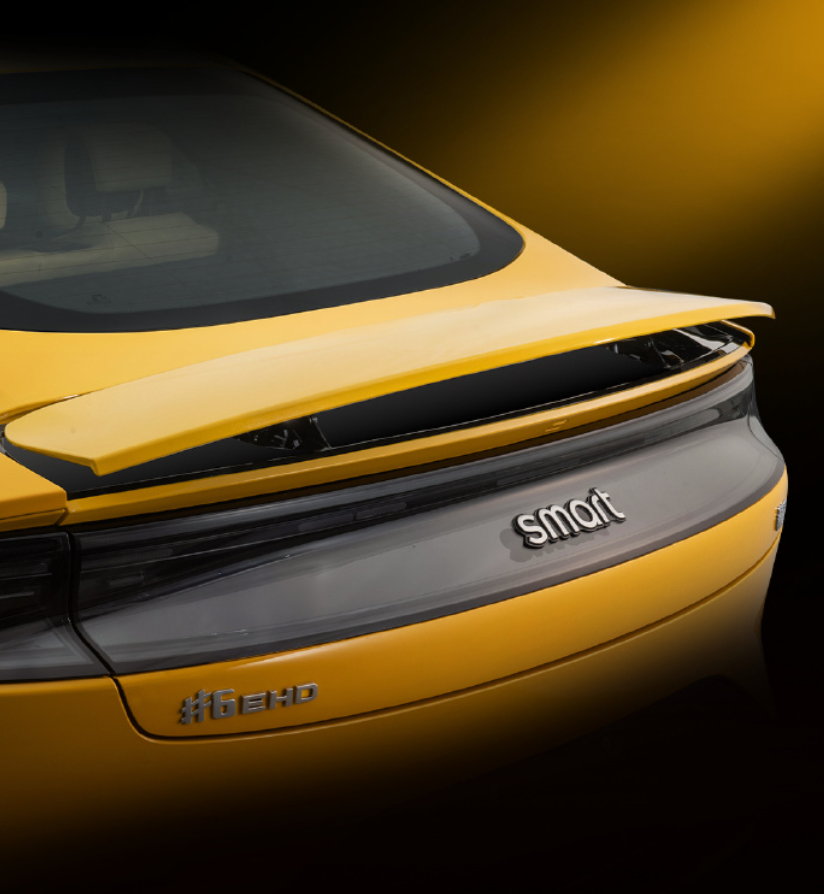
At least it’ll be efficient, according to Smart, anyway. Underneath the skin is a plug-in hybrid setup that pairs a battery and an electric motor to a 1.5-liter gas engine for a combined output of 429 horsepower. With a full tank of gas and a full battery, Smart claims a total range of 1,124 miles, which seems pretty impressive.
The Smart #6 is the latest victim in the blandification of car design, and I’m not really surprised to see it look like this and not something more tuned to Smart’s past philosophy. But it’s still sad. I missed when brands could just get weird with it. That kind of stuff feels rarer and rarer these days.
Top graphic image: Smart China on Weibo
The post The Smart #6 Isn’t Even Slightly Weird, And That’s Sad appeared first on The Autopian.