Can you believe it’s been 19 months since Dodge first unveiled the new Charger? In that time, we’ve seen the electric variant get a somewhat icy reception, the four-door model promise practicality, the six-cylinder Scat Pack model add a dose of real intrigue, and now it’s time for the volume model. Order books for the six-cylinder Charger R/T are open, and Dodge has revealed some new information to go along with that. Unfortunately, if you’re the sort who loves flooring it down an on-ramp, the Charger R/T might not quite be your cup of tea.
Under the hood of the new Charger R/T sits the standard-output twin-turbocharged Hurricane inline-six, making 420 horsepower and 468 lb.-ft. of torque. That’s a decrease of 130 horsepower and 63 lb.-ft. of torque over the Scat Pack’s high-output Hurricane variant. For DIY-ers looking to turn up the wick, it’s worth noting that the new Charger R/T isn’t nerfed solely by calibration tweaks. The base combustion-powered Charger features smaller 50 mm turbochargers over the Scat Pack’s 54 mm turbos, and targets 22 PSI of boost compared to the Scat Pack’s 30 PSI. Further, it only features a single water-to-air charge cooler, and uses cast pistons instead of forged pistons.
With this entry-level engine hitched to an eight-speed automatic and all-wheel drive, Dodge claims a zero-to-60 mph time of five seconds flat and the quarter-mile in 13.6 seconds. While these would’ve been seriously impressive figures in 2005, the new combustion-powered Charger R/T seems to be starting on the back foot considering it’s a performance car. In fact, even with the benefit of an all-wheel-drive launch, it may be no quicker than its predecessor.
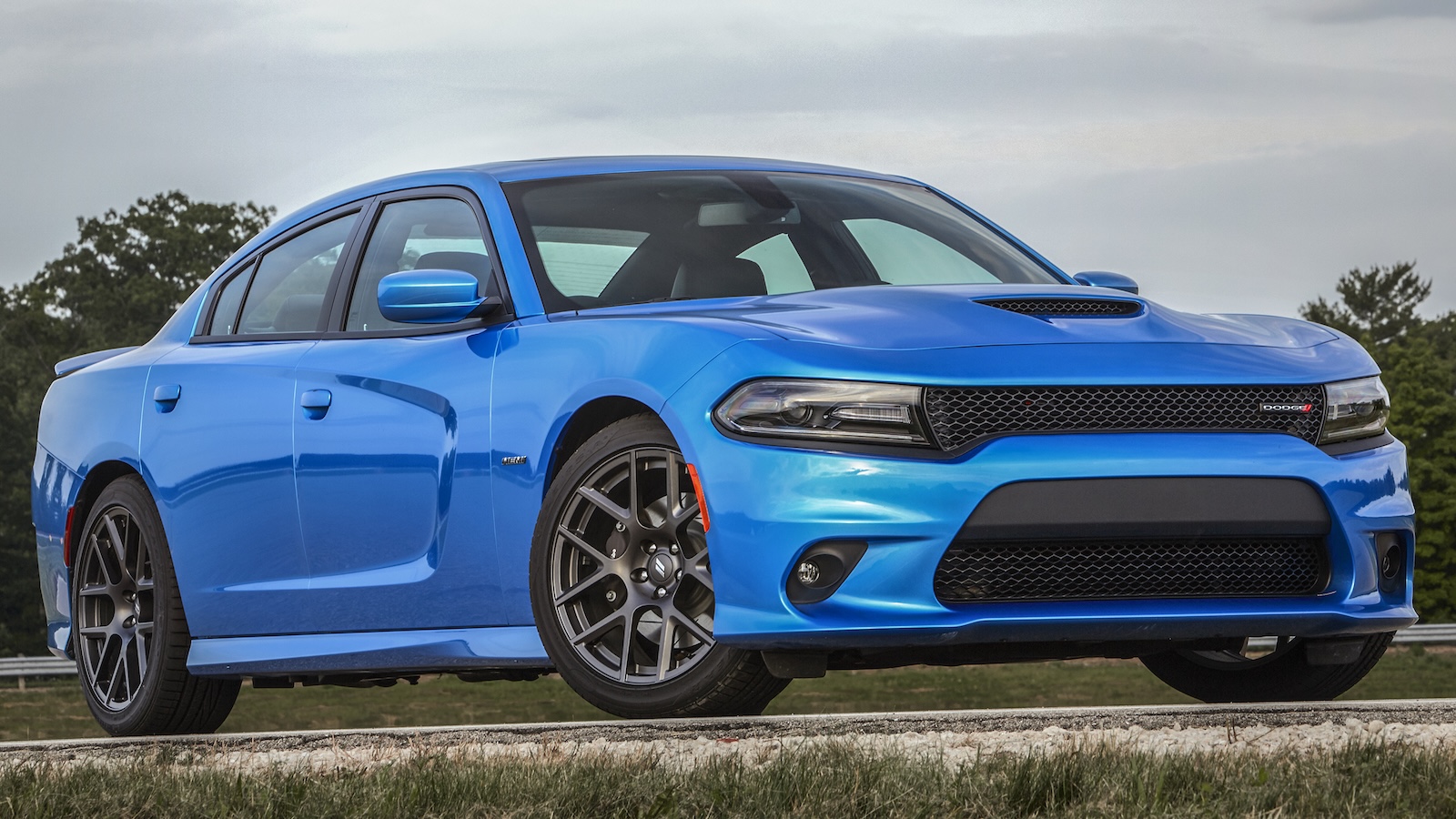
Back in 2019, Car And Driver ran a series of octane-related tests on a variety of cars including a 2019 Dodge Charger R/T with the 5.7-liter Hemi V8. While the old V8 Charger had a recommended octane of 89 AKI, the magazine managed acceleration figures of 4.9 seconds from zero to 60 mph and 13.4 seconds through the quarter-mile on regular 87 octane gasoline. Sure, that’s only a tenth of a second slower from zero to 60 mph and two tenths through the quarter, but between the octane deficit for the old car and the added traction for the new car, what gives?
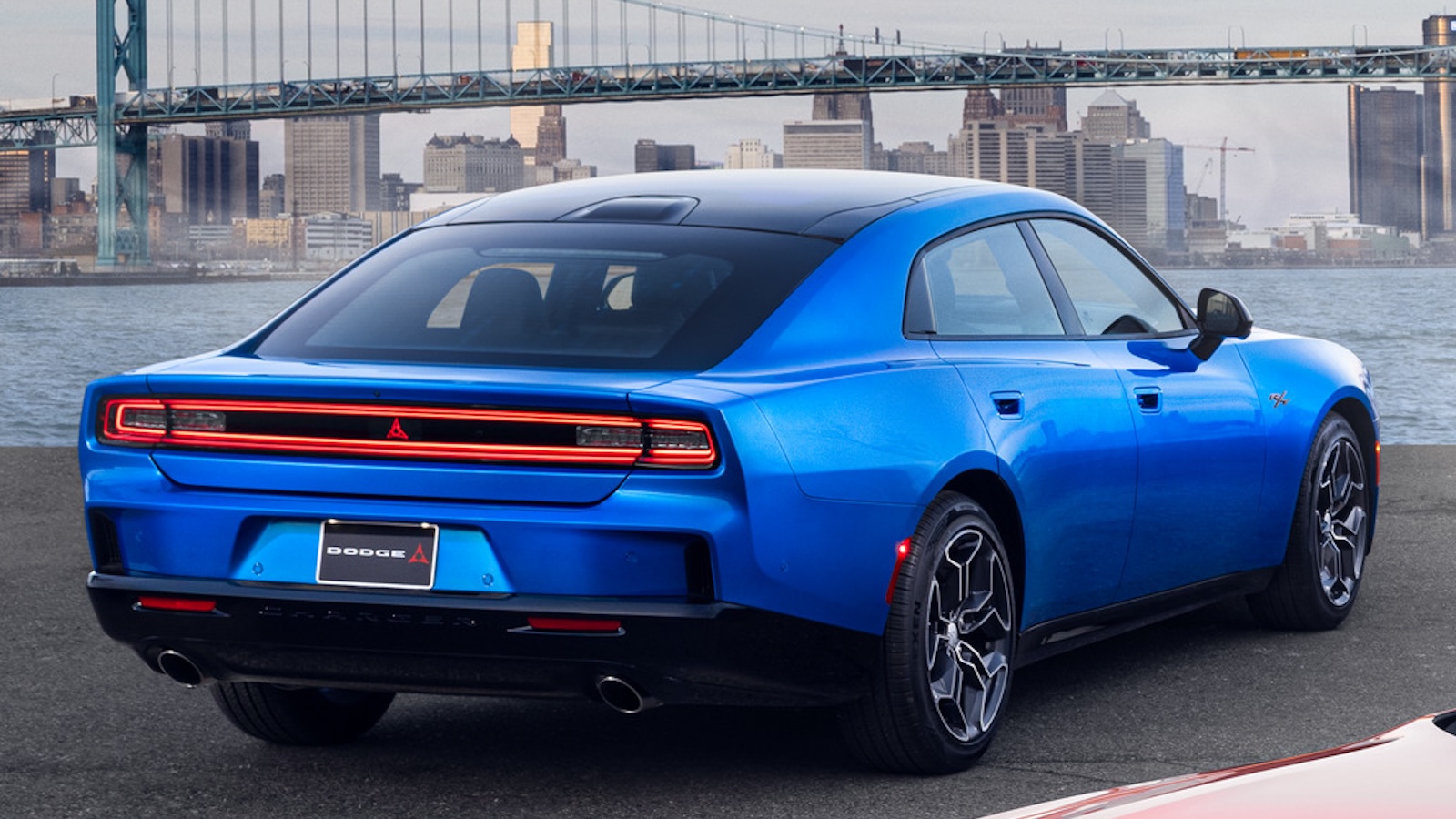
Well, curb weight may play a factor. The old V8-powered Charger R/T carried a base curb weight of 4,270 pounds. Not exactly light, but an understandable amount for a full-sized rear-wheel-drive sedan with a V8. While Dodge hasn’t released a curb weight figure for the new Charger R/T, its high-output Scat Pack sibling tips the scales at 4,816 pounds. Smaller turbochargers and one fewer charge cooler are likely to reduce this figure, but touches like those alone won’t pull more than 500 pounds out of a car. In addition, launch control is optional on the R/T as part of the Performance Handling Group, and simply brake-boosting against the lockup torque converter without launch control may not yield optimal results. It’s also possible Dodge might be sandbagging slightly, although if that’s the case, why cross the five-second barrier?

Things start to get really disappointing when you take a step back and look for more context, however. Remember when Ford released the 2010 Mustang GT with the carryover 4.6-liter V8 then immediately shocked every 2010 owner by dropping in the vastly more powerful Coyote engine for 2011? Well, that 315-horsepower 4.6-liter V8 model should still keep up with a new Charger R/T. Fifteen years ago, Car And Driver pulled a zero-to-60 MPH time of 5.1 seconds and a quarter-mile time of 13.7 seconds out of this mildly disappointing Mustang. Meanwhile, across the Stellantis paddock, the four-cylinder Alfa Romeo Giulia ran a 4.6-second zero-to-60 MPH sprint and a 13.3-second quarter-mile in the hands of Car And Driver. Sure, it’s a much smaller car than the new Charger, but it’s down two cylinders and a turbo, and it starts roughly $6,000 cheaper than the new Charger R/T.
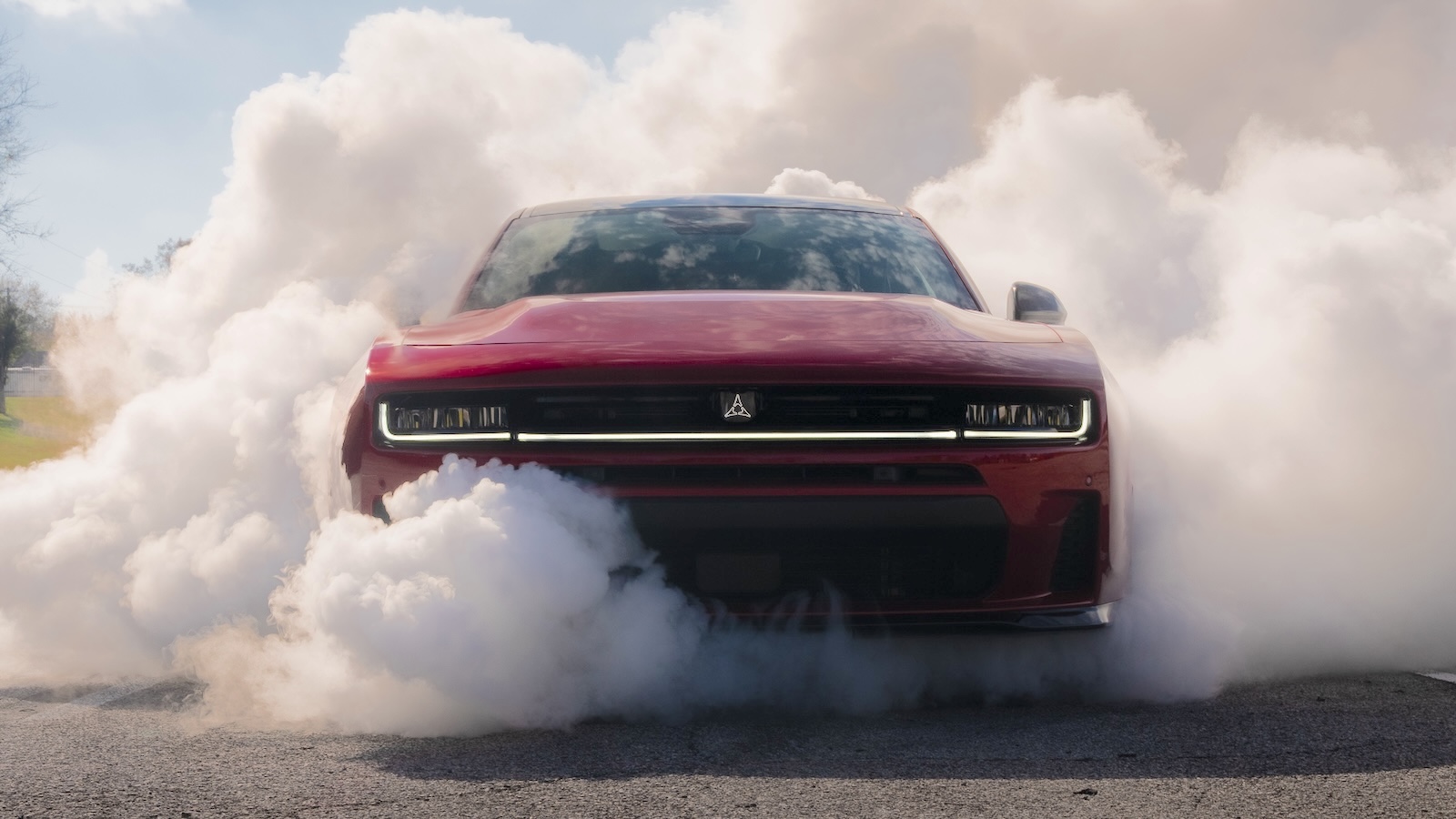
What’s more, the new Charger R/T is only $5,000 less expensive than the 540-horsepower Charger Scat Pack, which claims to run from zero to 60 mph in less than four seconds. Considering the expected bump in resale value that usually comes with a higher trim level, that’s a relatively small premium for such a substantial improvement in acceleration. And since you’re already spending $51,990 including freight on the R/T, spending an extra 9.6 percent on a Scat Pack seems like a more effective use of money than loading up on options, including the panoramic moonroof and blacked-out trim.
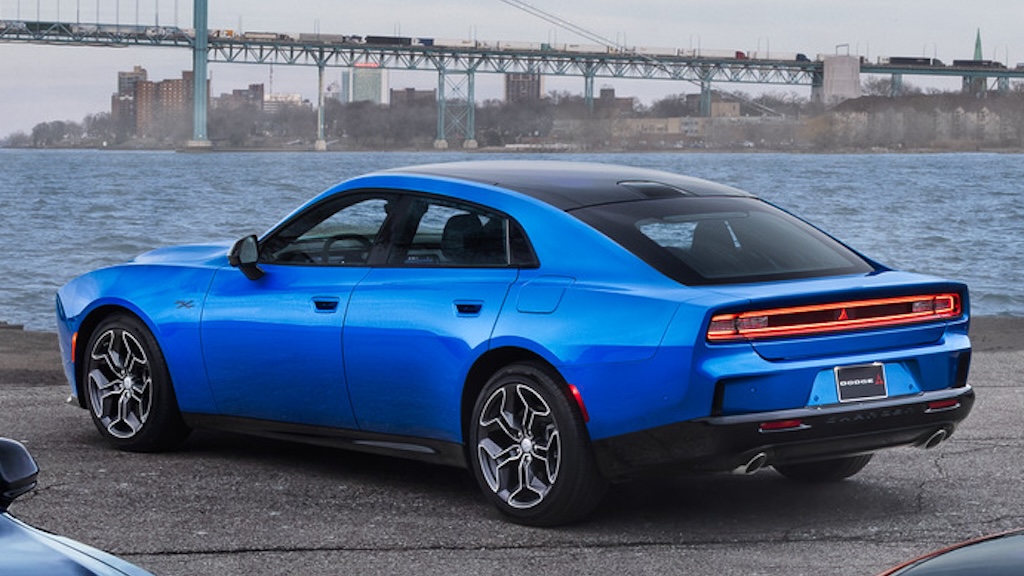
While the 2026 Dodge Charger R/T does promise to be a roomy family liftback, if you’re the sort of person who likes Dodge for the power on offer, you’ll want to spend the extra cash on the Scat Pack model. Shaving more than a second off the zero-to-60 mph time for $5,000 seems like solid value, and if you’re the type to hit up your local quarter-mile every now and then, you’ll probably want something that can decisively outrun a 15-year-old Mustang even if your reaction time is a few tenths off.
Top graphic image: Dodge
The post The 420-Horsepower Turbocharged Dodge Charger R/T Might Be Slower Than The Old V8 appeared first on The Autopian.