Is your car winter-ready?
The holidays are here, which means road trips, family visits, and packed highways. Before you pack the car and start your engine, it’s worth taking a little extra time to make sure your vehicle is ready for the journey. A few simple maintenance checks can prevent a breakdown on the side of the road, save you money on costly repairs, and make your trip safer for everyone in the car.
Even if your vehicle is relatively new, holiday travel adds extra stress: more passengers, heavier loads, and winter weather in many parts of the country. By giving your car a careful once-over before leaving, you can reduce the chances of trouble and enjoy a smoother ride.
Check your fluids
Fluids are the lifeblood of your vehicle, and running low on any of them can lead to serious problems. Start by checking your engine oil to make sure it is at the correct level and hasn’t exceeded the recommended change interval. Fresh oil helps your engine run efficiently, especially during long trips that involve stop-and-go traffic.
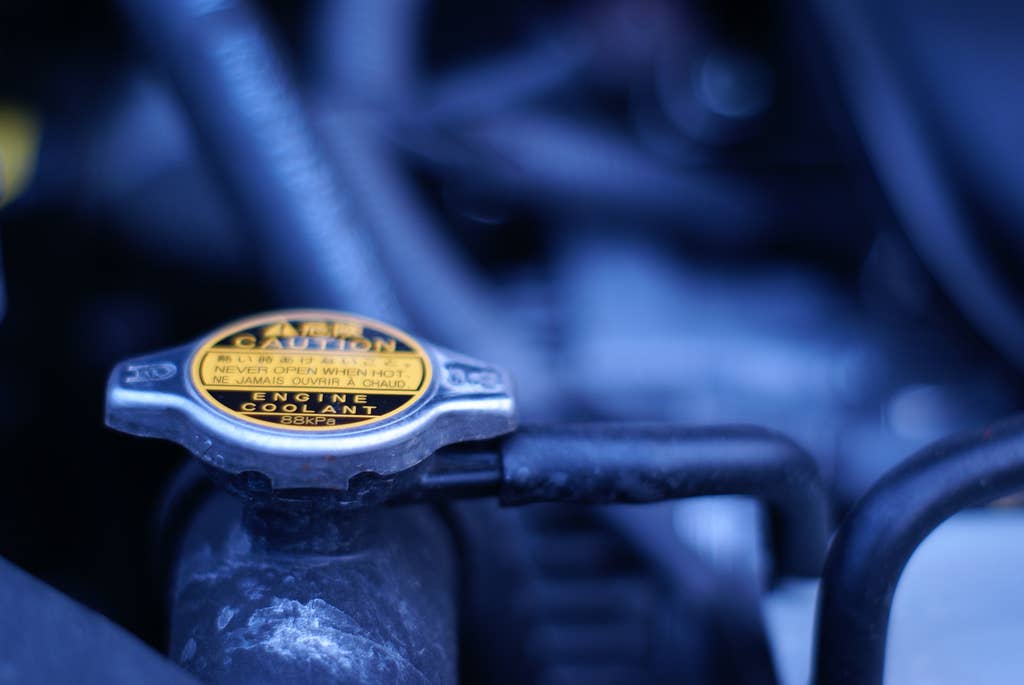
Coolant, or antifreeze, is equally important, as it prevents your engine from overheating or freezing in cold weather. Make sure your coolant levels are adequate and that the mixture is suitable for the conditions you’ll encounter.
Brake fluid is another critical component; low levels can reduce your stopping power, and if the fluid appears dark or contaminated, it may be time for a refill or flush. Transmission fluid keeps your vehicle’s gears moving smoothly, so consult your owner’s manual to verify it is at the right level and in good condition.
Finally, don’t forget your windshield washer fluid. A full reservoir keeps your windshield clean and your visibility clear, which is particularly important in winter weather.
Inspect your tires
Tires are the only part of your car in contact with the road, making them a key factor in safety and performance. Begin by examining the tread depth. If the tread is too worn, the tires will struggle for traction in wet or snowy conditions, increasing the risk of accidents. A visual inspection is also important; check for cracks, bulges, or uneven wear, which could indicate alignment or suspension problems.

Air pressure is another crucial aspect to review. Cold weather can lower tire pressure, affecting handling and fuel efficiency. Make sure all tires, including the spare, are inflated to the manufacturer’s recommended levels. Taking the time to inspect your tires thoroughly can improve handling, fuel economy, and confidence behind the wheel.
Test your battery
A healthy battery is essential, particularly during the winter months and in heavy holiday traffic. If your battery is more than three or four years old, consider testing or replacing it, as aging batteries are more prone to failure. Examine the terminals for any corrosion buildup, which can interfere with the flow of electricity, and clean them if necessary.
If possible, measure the battery’s voltage. A healthy battery should read around 12.6 volts when the car is off and more than 13 volts while running. Ensuring your battery is in good shape can prevent frustrating delays and leave you confident that your car will start when you need it.
Inspect lights and signals
Visibility is critical for safe driving, especially during winter’s shorter days or in stormy conditions. Check that your headlights and taillights are functioning properly and that none are dim or burnt out. Turn signals and brake lights should operate reliably to communicate your intentions to other drivers, reducing the risk of accidents.
Interior lights, including the dashboard, should be bright enough for you to see warning indicators at a glance. Performing a careful inspection of your vehicle’s lights ensures you remain visible to others and alerts you to potential issues before they become serious problems.
Check wipers and defrosters
Rain, snow, and frost can make your windshield difficult to see through, so testing your wipers and defrosters is essential. If your wiper blades streak or skip across the windshield, they need replacing.
Kristen Brown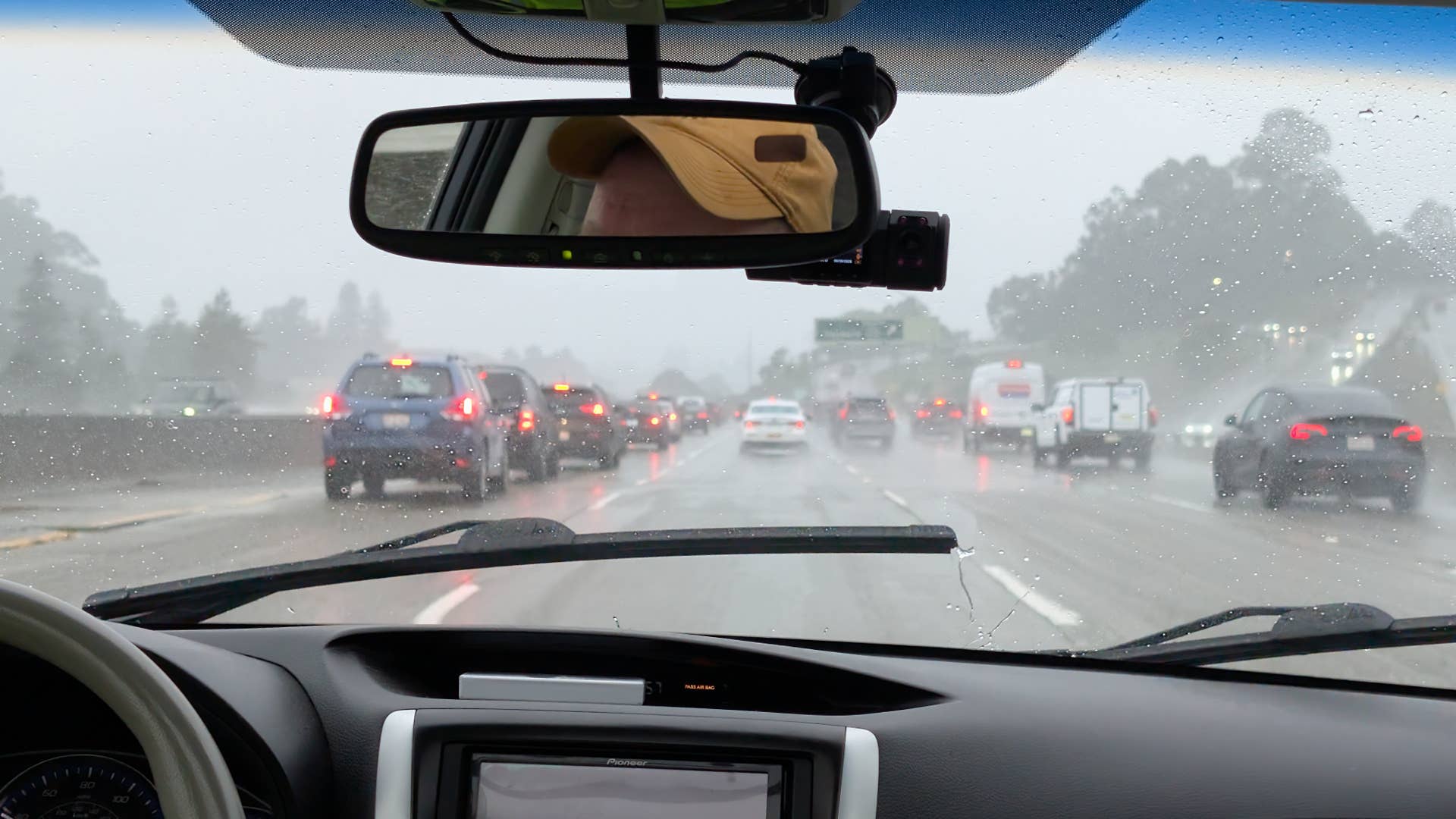
Make sure the washer nozzles spray fluid evenly across the glass and that your reservoir is full. Equally important is your defroster. A properly functioning defroster will quickly clear fog or ice, keeping your windshield clear and improving overall visibility. Ensuring these systems are working well reduces the risk of impaired vision during your drive.
Review brakes
Your brakes are your most important safety feature, especially on icy or congested roads. Listen for unusual sounds, such as squealing, grinding, or thumping, which can indicate worn pads or damaged rotors. Pay attention to how the brake pedal feels; if it feels soft or spongy, or if the car pulls to one side when braking, your brakes should be inspected immediately.
Checking the brake fluid level and quality is also critical, as contaminated or low fluid can diminish braking performance. Even if your brakes appear to be fine, a professional inspection before a long holiday trip is a wise precaution.
Prepare an emergency kit
Even the best-prepared vehicles can run into trouble, so having an emergency kit is a smart idea. Include basic tools such as jumper cables, a tire jack, and a lug wrench. Keep extra fluids like coolant, engine oil, and windshield washer fluid on hand.
If you expect winter driving conditions, pack items like a blanket, gloves, a hat, and sand or kitty litter for traction in the snow. Non-perishable snacks, bottled water, and a first aid kit are also essential in case of delays. Being ready for unexpected situations can save you from being stranded and make you more resilient in challenging conditions.
Check your documentation
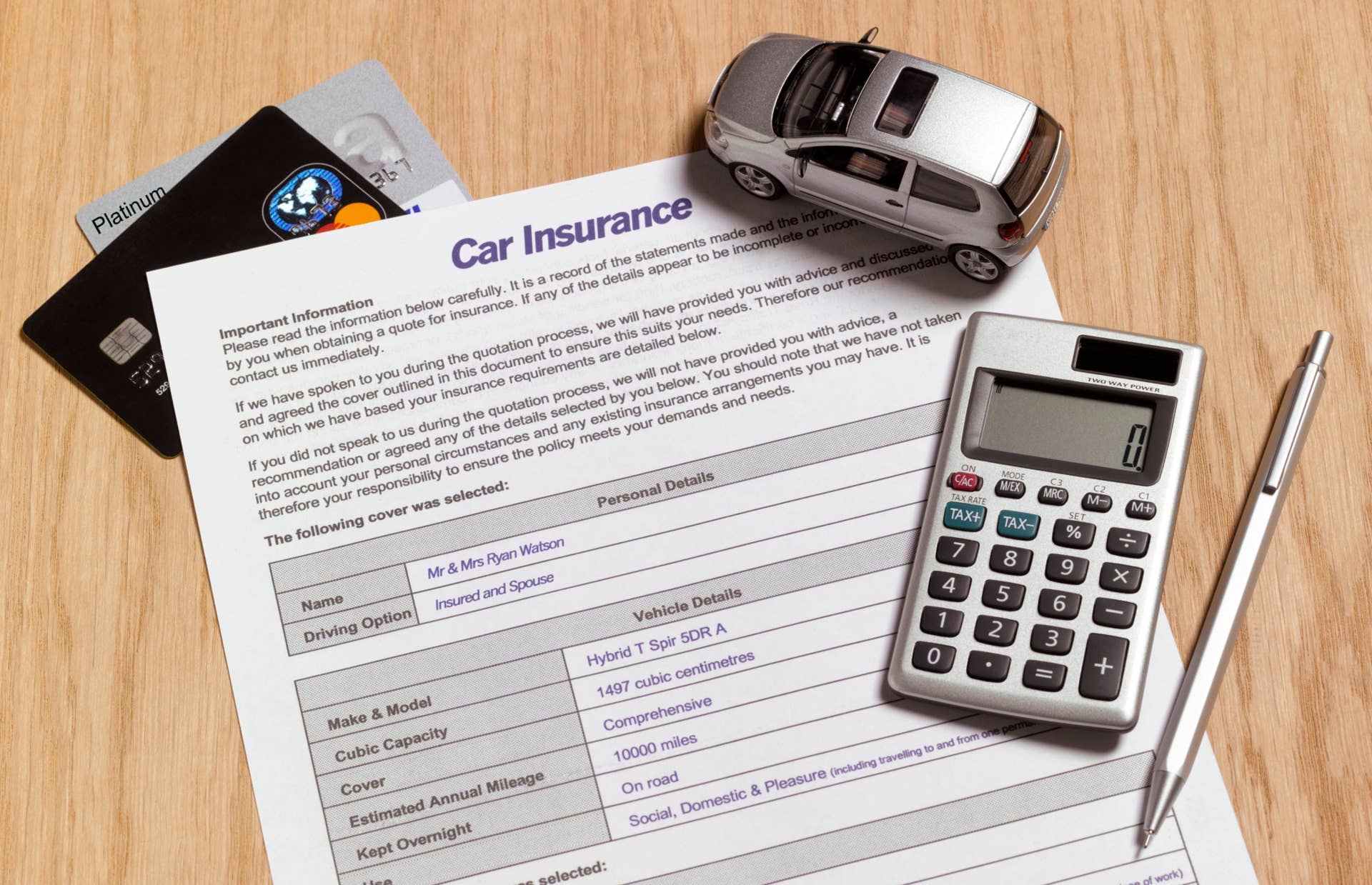
Before leaving the driveway, confirm that your insurance and registration are up to date and accessible. Make sure you have proof of insurance in the car or digitally, and double-check that your vehicle registration is current. If you have roadside assistance coverage, verify that your membership information is correct. Having these documents in order can save time and reduce stress in the event of a mechanical problem or traffic stop.
Plan for the Unexpected
Holiday traffic, road construction, and inclement weather can extend travel times. Planning your route in advance, with possible alternative paths, can reduce stress and help you avoid delays.
Keep your phone charged and bring a car charger, along with a hands-free navigation setup, to keep your eyes on the road. Check weather forecasts along your route, and allow extra time for rest stops, refueling, and meals. Being prepared for unpredictable conditions ensures your trip is safer and more enjoyable.
Do a final walk-around
Before you hit the road, perform a final inspection of your vehicle. Check that doors and windows operate smoothly, mirrors are clean and correctly positioned, and luggage or holiday gifts are secured. Make sure your fuel tank is full, and take a moment to listen for any unusual noises from the engine or tires. A final walk-around may seem minor, but it can prevent avoidable problems once you’re on the highway.
Final thoughts
Holiday travel can be stressful, but proper preparation can make a big difference. By checking your fluids, tires, battery, brakes, lights, wipers, and emergency supplies, you reduce the chances of breakdowns and improve safety for everyone in the car.
Spending a little extra time on maintenance allows you to focus on enjoying your trip, whether it’s visiting family, exploring new destinations, or simply cruising down the open road. With your vehicle in top condition, you can leave worry behind and embrace the holiday journey with confidence.