Safety Concerns
Automotive lawsuits cover a wide range of issues. They are usually filed for faulty products, missing features, or, worst, for vehicle occupant safety being put on the line. The latter is the most concerning, considering that a bulk of the value sold to a customer is the safety features and safeguards installed in the vehicle.
A lawsuit filed against Ford in Arizona belongs in the latter, claiming that a defect in the C-Max Hybrid’s design has some very serious, lethal repercussions.
Ford
Deadly Chemicals
The lawsuit was brought to light by the Jinks Crow Trial Lawyers and Beasley Allen Law Firm, who are representing the plaintiffs – the family of 60-year-old Abimael Feliciano, a Dothan resident who died after toxic fumes filled the inside of his Ford C-Max Hybrid.
According to the law firms, “Feliciano was found unresponsive inside his vehicle at a traffic light in Dothan on August 8, 2023. The Alabama Department of Forensic Sciences later confirmed that he died from hydrogen sulfide exposure, a toxic gas that can be deadly even in small amounts.”
During the investigation, apart from confirming hydrogen sulfide exposure, it was also determined that Ford didn’t properly install the hybrid system’s battery vent tube, leading to toxic fumes leaking into the cabin while the vehicle was being driven under normal conditions.
Ford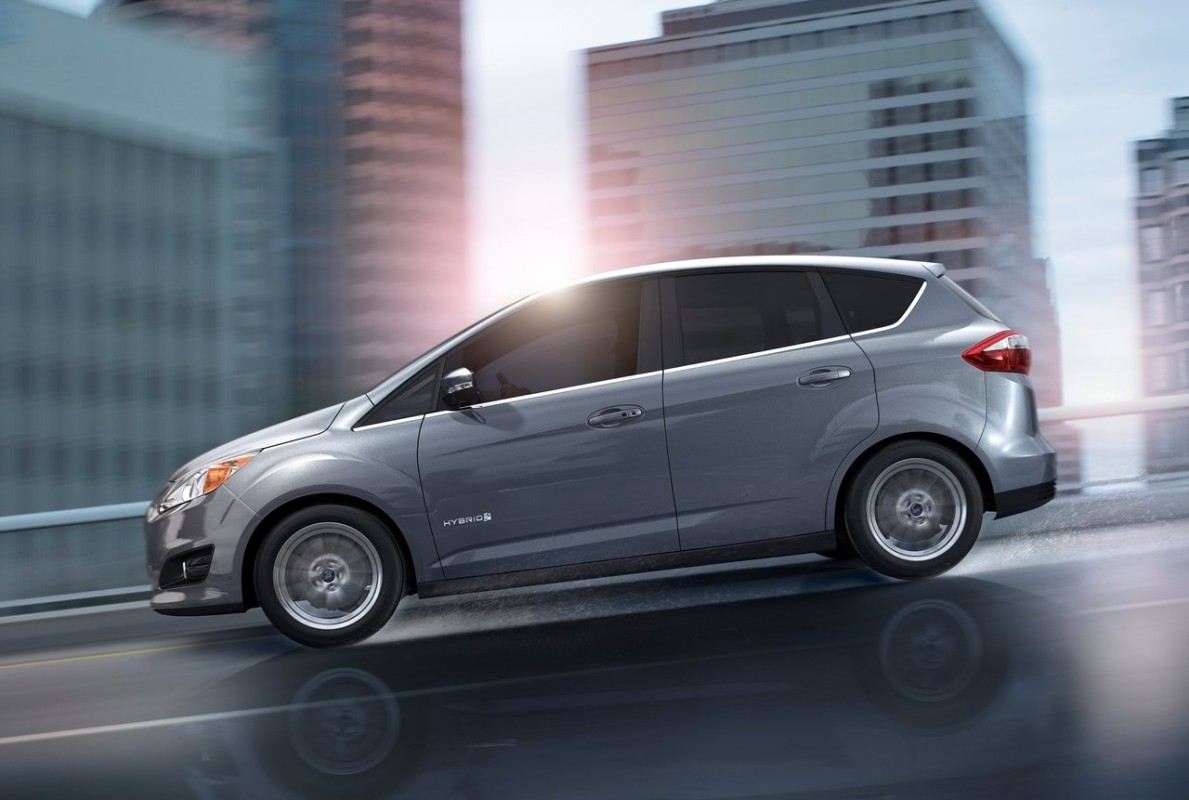
Insufficient Safety Measures and Features
The suit names the Ford Motor Company as the defendant, along with Bill Luke Tempe, Camelback Ford Lincoln, and Sanderson Ford – all Arizona-based dealerships. It claims that the vehicle contained serious defects and that the repairs, warnings, and safety protections intended to protect drivers from toxic gases were insufficient.
In other words, the plaintiff and their lawyers argue that there should be more standard safety features for hybrid battery vehicles to prevent this from happening, and they are also seeking to raise awareness of the issue.
Historically speaking, lawsuits regarding Hydrogen Sulfide poisoning are brought up by factory workers or residents who were exposed to the harmful toxin by being near industrial sites. The fact that it occurred in a vehicle that is supposedly a finished product raises serious concerns for the plaintiffs.
Ford