The Jeep Wagoneer S represents Jeep’s first fully electric SUV—a bold step into the premium EV space. But is something missing?
If you’ve ever spent time in Los Angeles, you probably think of traffic, endless freeway slogs, and parking struggles. But step outside the city center, and you’ll find twisting canyon roads and breezy coastal stretches that are perfect for pushing a vehicle a little harder. That’s precisely what I did in the Wagoneer S, and it turned out to be an incredible (if occasionally confusing) drive.
Jeep 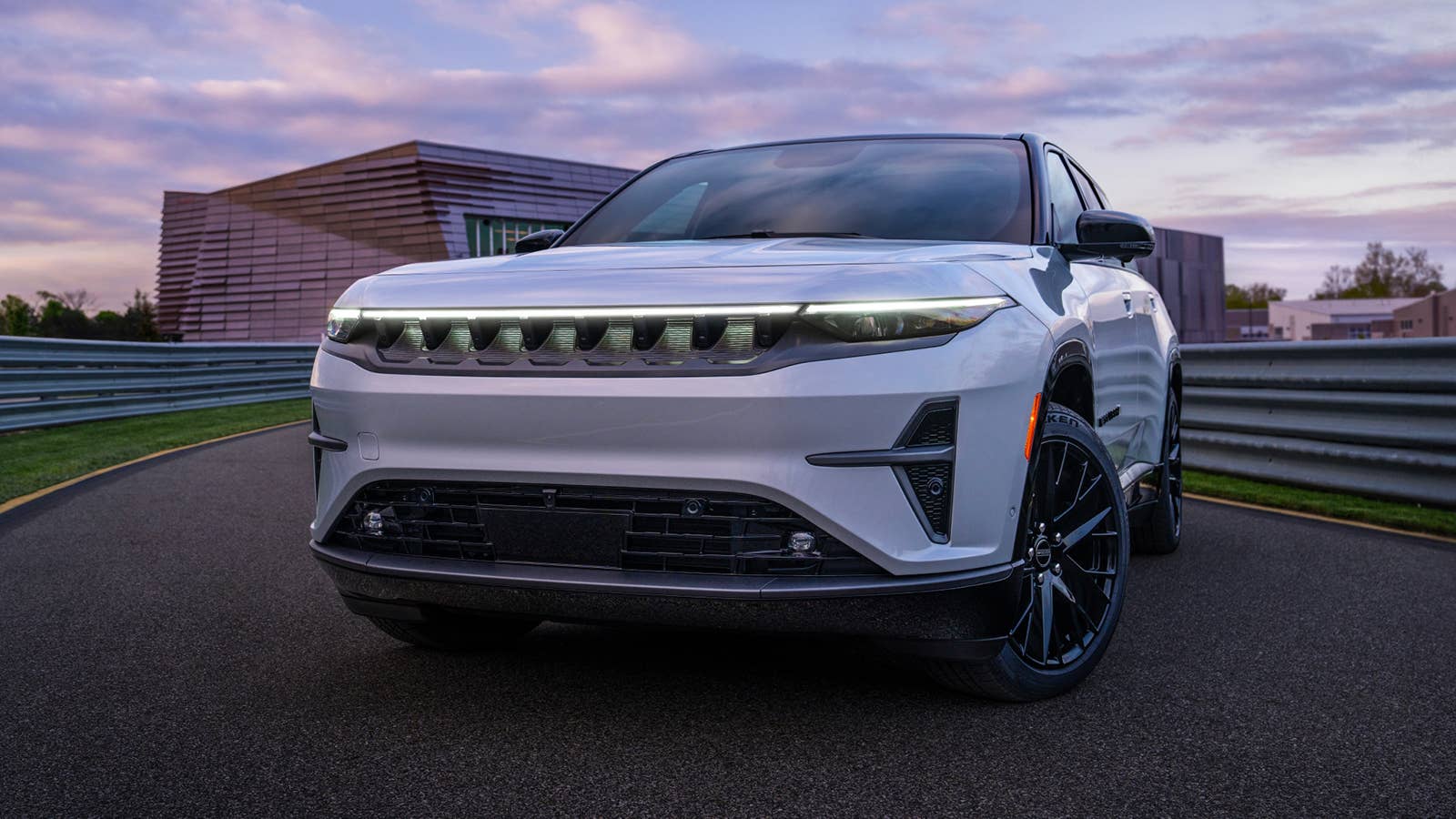
What Is the Jeep Wagoneer S?
Honestly, Jeep needs to sort out its naming conventions. Despite its badge, this all-electric SUV, built on the STLA Large platform, has little to do with the gas-powered Wagoneer or Grand Wagoneer. In fact, apart from its vaguely Cherokee-inspired styling, it doesn’t share much with any other Stellantis model sold in the U.S. – except, perhaps, the Dodge Charger Daytona EV, which I’ll come back to shortly.
Jeep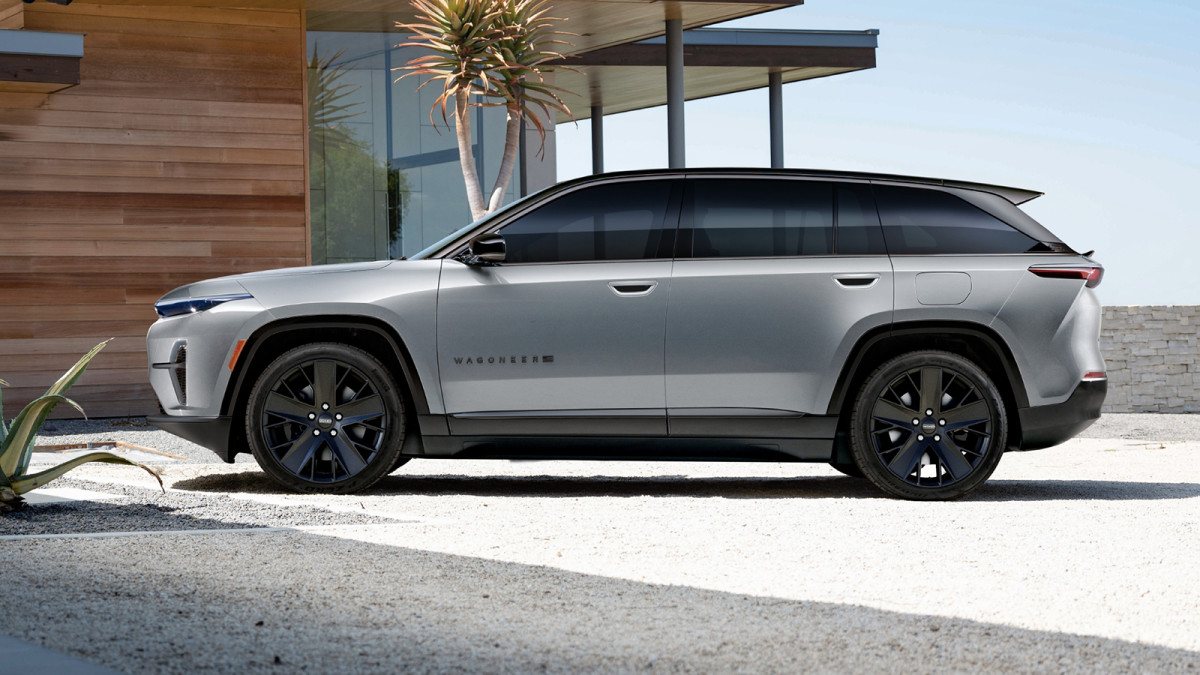
The Wagoneer S Limited starts at $65,200, while the Launch Edition begins at $70,795. Thanks to current Stellantis incentives, pricing for the Limited can dip below $60,000. My test vehicle, the Launch Edition, came in at $72,790 with destination.
Power comes from dual electric motors producing a combined 500 kW (600 hp) and 617 lb-ft of torque, fed by a 100.5 kWh battery pack (93.9 kWh usable). The Range is rated at up to 294 miles EPA, and its 400-volt architecture allows DC fast charging from 20 to 80 percent in about 23 minutes at a peak rate of around 200 kW. Towing capacity is rated at 3,400 pounds.
Jeep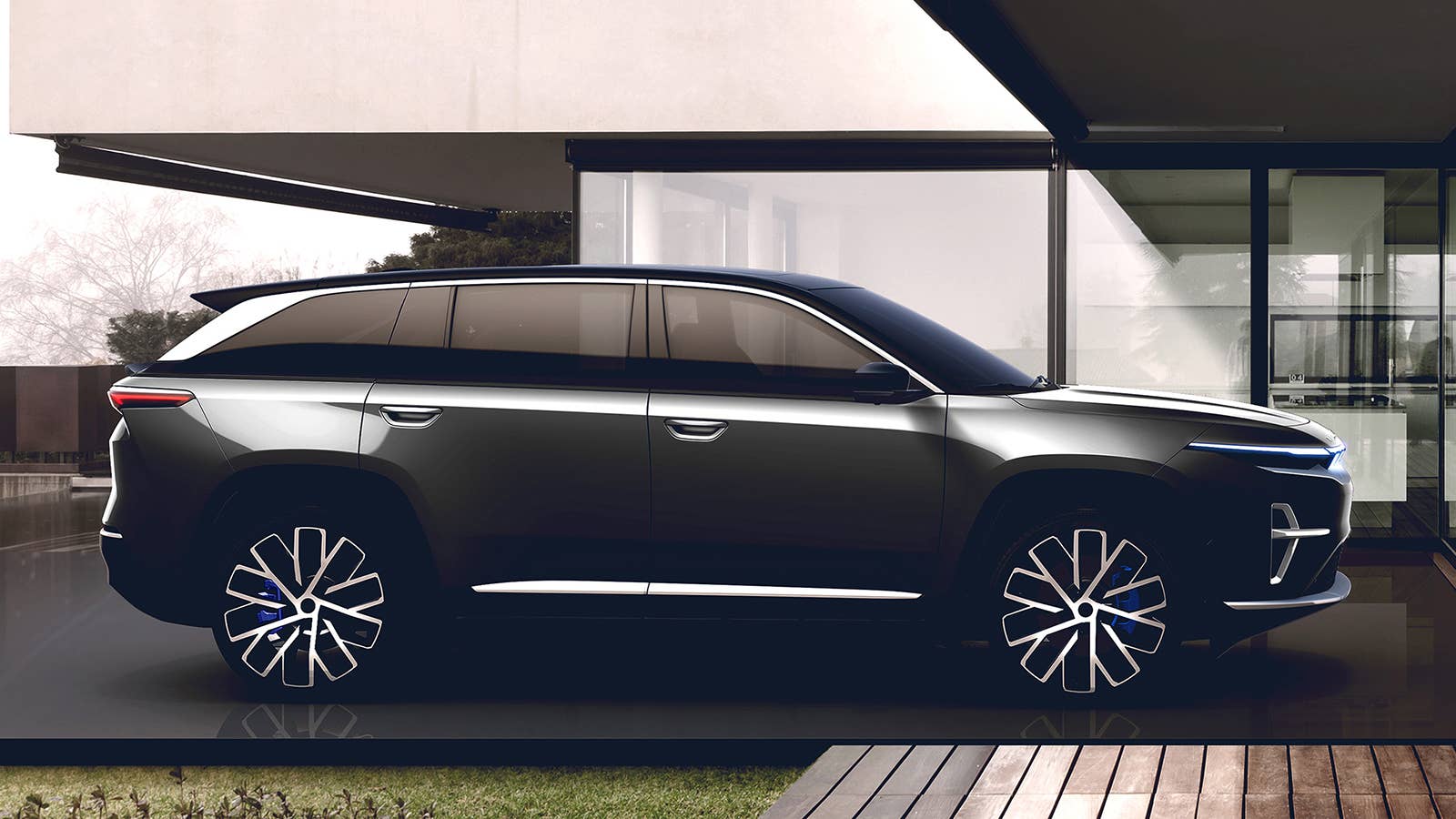
Styling, Inside and Out
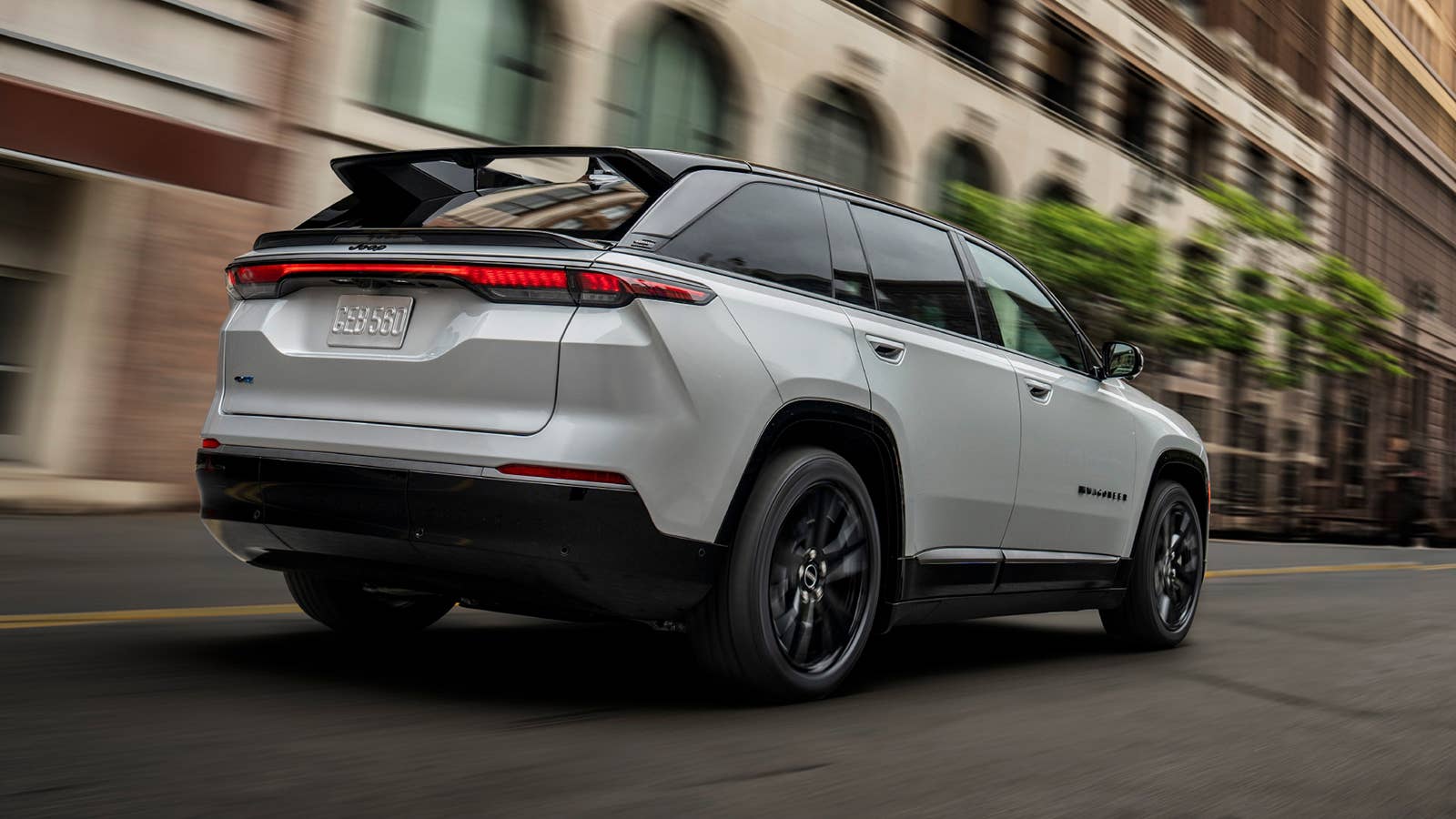
It’s a handsome design, though it looks as if Jeep worked hard to make an electric SUV still “feel” like a Jeep, which, ironically, makes it resemble a Grand Cherokee. The steep rear slope adds sportiness but also eats into cargo space. Meanwhile, the standard 20-inch wheels and relatively low ride height dampen any serious off-road credibility. Still, the available air suspension can lift the body to 10 inches of ground clearance, with 3.6 inches of suspension travel, helping it clear modest obstacles.
Inside, the cabin mixes rugged design cues with modern tech. The twin-spoke, flat-bottom steering wheel wrapped in antimicrobial vinyl features red contrast stitching. Heated and ventilated front and rear seats are standard, with imitation-leather upholstery and decorative metal appliqués accenting the dash. The electronic door releases, a first for Jeep, feel like tech for tech’s sake, but they do add a futuristic touch.
Related: Mazda’s First Born-EV Is Coming in 2027 — and It Promises Classic Mazda Feel
Front head and legroom are generous, while the rear seat area is comfortable but not expansive. Cargo space measures 30 cu-ft behind the second row and 61 cu-ft with it folded, adequate but not class-leading. Up front, a small 3-cu-ft frunk adds a bit of extra utility.
Tech is a strong suit: a 12.3-inch digital cluster, 10.3-inch passenger display with HDMI, and a central infotainment screen dominate the dash. There’s also a 10-inch head-up display, a 10.3-inch deployable lower climate screen, and customizable ambient lighting with 64 colors. The only drawback? The lack of physical buttons may frustrate some drivers.
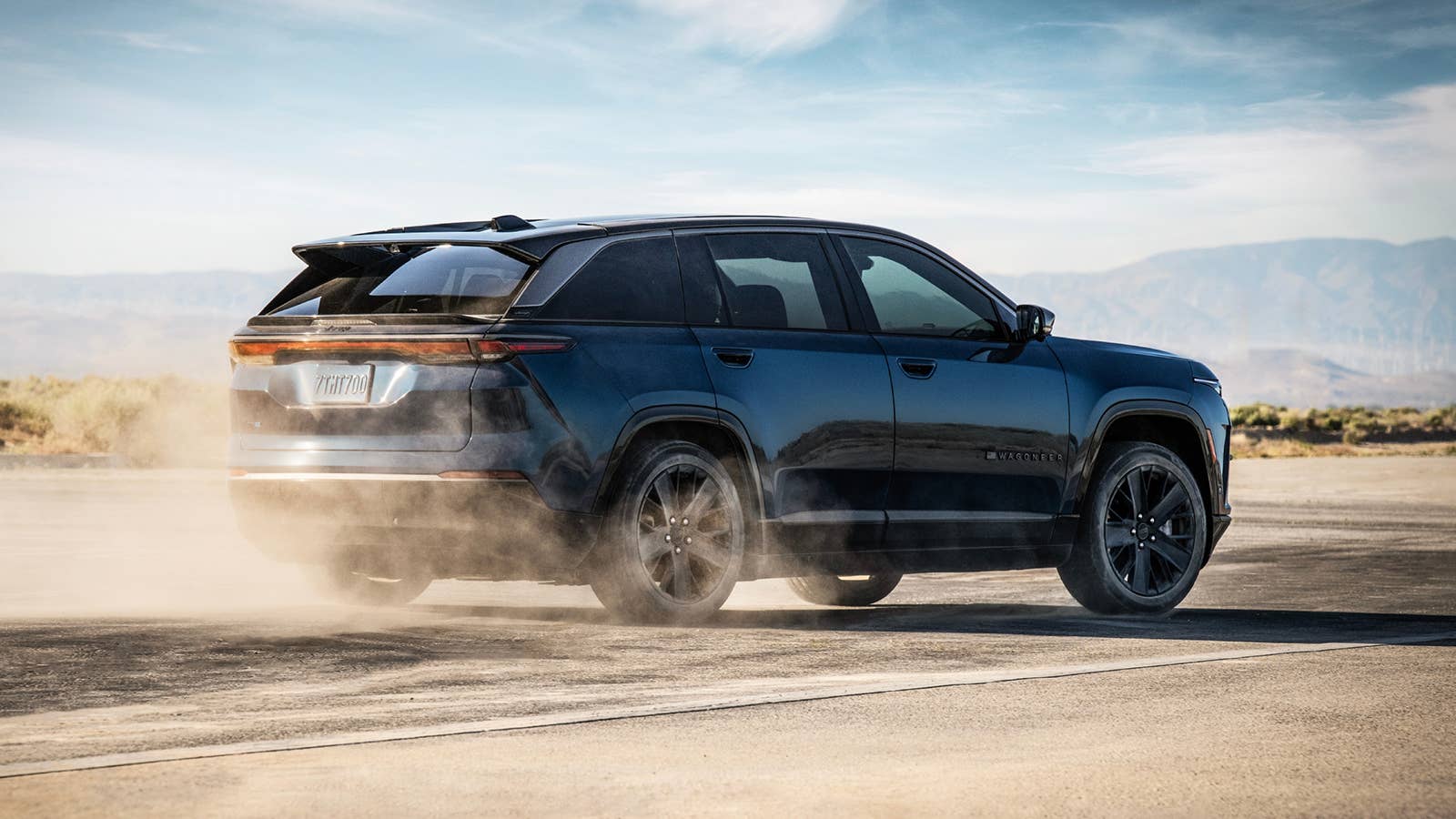
Driving the Jeep Wagoneer S
It hauls—to put it bluntly. Power delivery is immediate and borderline aggressive, with a ride tuned on the firmer side of “sporty.” Steering is quick and accurate, making it feel more like a German sports wagon than an SUV. The regenerative braking system takes some getting used to, but despite its near-three-ton curb weight, stopping power is impressive.
One thing missing is character. The lack of a distinctive EV soundtrack leaves the driving experience feeling clinical, and that’s when it hit me: this feels a lot like the Dodge Charger Daytona EV. In many ways, the Wagoneer S drives like a taller, wagon-shaped version of the Charger Daytona. That’s great news for performance fans, but less so for those expecting the plush composure of a luxury SUV.
The Selec-Terrain system offers Auto, Sport, Eco, Snow, and Sand modes, altering throttle and torque distribution accordingly. Around town, Auto feels well-balanced; Sport dials up throttle sensitivity and stiffness. On the highway, it’s smoother than a Tesla Model Y, but not as refined as a Hyundai Ioniq 5. Parking is straightforward, and sightlines are decent, think early-2000s RAV4, which isn’t bad company.
Final Thoughts
As far as electric SUVs go, the Jeep Wagoneer S is a street performer that can dabble off-road. It’s fast, confident, and engaging to drive, but it doesn’t feel entirely like a Jeep. If anything, its personality leans more toward Dodge or even Chrysler than Jeep’s traditional off-road ethos. It’s not my first choice for driving the streets of L.A. I prefer its cousin, the Dodge Charger Daytona. Still, if you’re a Jeep loyalist eager to go electric, this is your outlet – literally and figuratively.
Related: I Took the 2025 Mercedes-Benz G580 EQ Tech on a Long Road Trip, Here’s How It Did