I find that among car enthusiasts, there are two groups: Those who barely know about TVR, and those who know absolutely everything about TVR. The small British sports car manufacturer has been around, in one form or another, since 1946, but is currently dead.
So why is a company in America opening a TVR showroom in 2025? Well, it turns out the thrill and passion forged by the company’s cars is far from dead. In fact, it’s alive enough to inspire the in-the-know crowd to launch such a strange venture.
Before getting into why someone would launch a dealership for a dead car brand, it’s important to understand TVR’s origins. Despite its current status, this is a well-loved marque that’s built some truly legendary cars over the years. So how did it end up here?
TVR’s Humble Beginnings
Like most iconic carmakers, TVR started in a shed. Its founder, Trevor Wilkinson, began building cars in 1949 out of a workshop in Blackpool, England, under the name Trevcar Motors. Wilkinson’s first car used a tubular chassis powered by a Ford Flathead four-cylinder lifted from a Prefect, a Ford-badged family sedan sold in the UK in the ’50s.
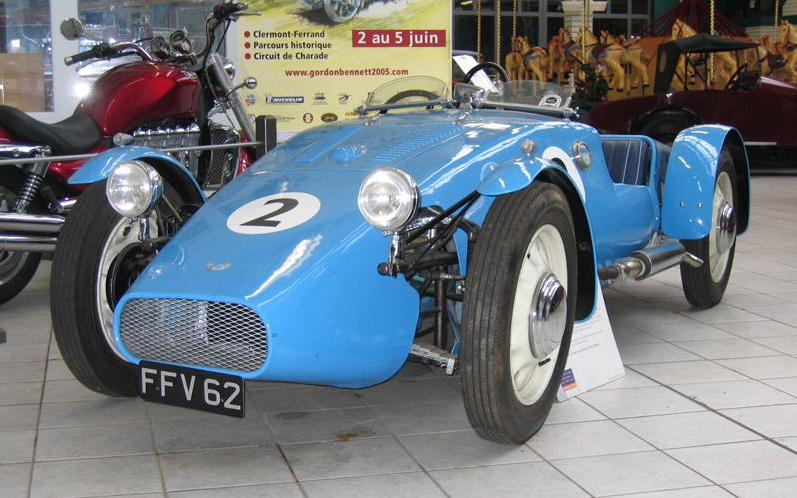
That car was lost to time, but Wilkinson’s second car, TVR No.2, still exists. It shares much of its design with the first car, according to the TVR Car Club, save for a bigger radiator and hub caps. The company’s name was eventually shortened from Trevcar Motors to TVR, adopting letters from Wilkinson’s first name (TreVoR).
TVR’s first few cars used metal body panels, with the company buying bodies from RGS Atalanta, another obscure English brand, to sit atop an in-house designed semi-spaceframe chassis. Wilkinson quickly realized using glass-reinforced plastic (GRP) (also known as fiberglass) for the body was a more cost-effective solution, so he switched to making his own panels in 1958, leading to the introduction of the Grantura.
As is the case with most British sports car makers, TVR quickly fell into hard times. From the company’s website:
[W]ith financial difficulties being experienced, and relationships fracturing, new management, new investors and new approaches were added to the TVR script. In 1960 the controlling interest had passed from Trevor Wilkinson to Keith Aitchison and Bryan Hopton, who managed to increase the order book and who took up an interest in international motorsport with the TVR brand.
Bringing TVR Back To Life
Wilkinson left the brand he founded in 1962, but Aitchison and Hopton didn’t hold onto TVR for long. It changed hands several times until 1965, when the company, known at the time as Grantura Engineering, was acquired by the father-son team of Arthur and Martin Lilley. The story of how it came into their possession was seemingly a case of good timing. From the TVR Car Club:
It wasn’t quite a classic case of “I liked the product so I bought the company”, but it was close. Martin had spent his spare time while studying automotive engineering at college building and preparing cars for racing, predominantly Lotus. But a friend ran Barnet Motor Company, soon to become the TVR Centre and after some successes with the Lotus and then an E Type which apparently he spectacularly put into the Armco on the final bend while leading a race at Silverstone, Martin ended up buying his first TVR, a Griffith 400.
This also suffered damage whilst racing and was returned to Blackpool for repair, just at the time that Grantura Engineering went into liquidation. Martin’s father, Arthur, had just prior to that been left some shares in Grantura so partly to get his son’s car back but also to ensure that he didn’t entirely lose the value of these shares, the pair of them bought the company in November 1965.
The Lilley family would run the company for 16 years, introducing legendary models like the Tuscan, the Vixen, and the M Series. It was during this time that TVR introduced the UK’s first production turbocharged car, the 3000 M Turbo, according to the TVR Car Club. The Lillies were also responsible for famously having nude models pose on the TVR’s stand at the 1971 British International Motor Show to generate publicity.
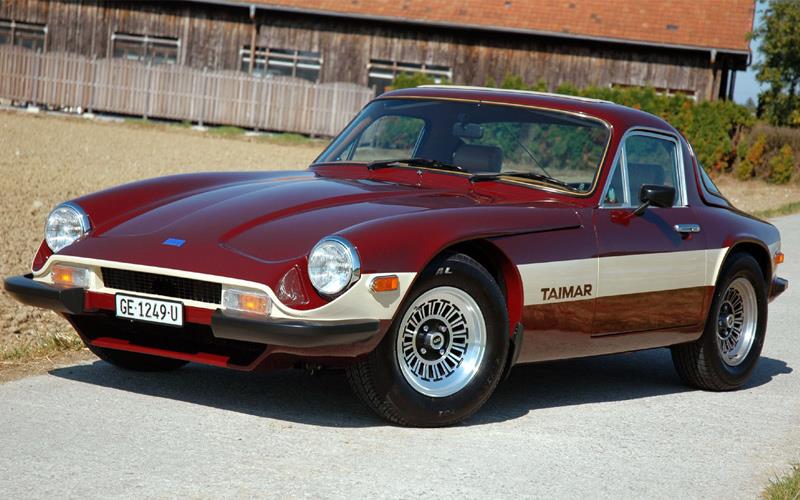
Things were going sort of well, thanks to US exports bolstering sales, but a fire at the factory in 1975 greatly reduced output. Later in the decade, TVR launched the Tasmin, a wedge-shaped car that departed greatly from the company’s usual design, to mixed reviews. A combination of that, a recession in the UK, and stricter emissions controls meant TVR was again in dire straits. So it was sold to Peter Wheeler, a chemical engineer and a Taimar Turbo owner who had a close relationship with the factory.
TVR’s Golden Age
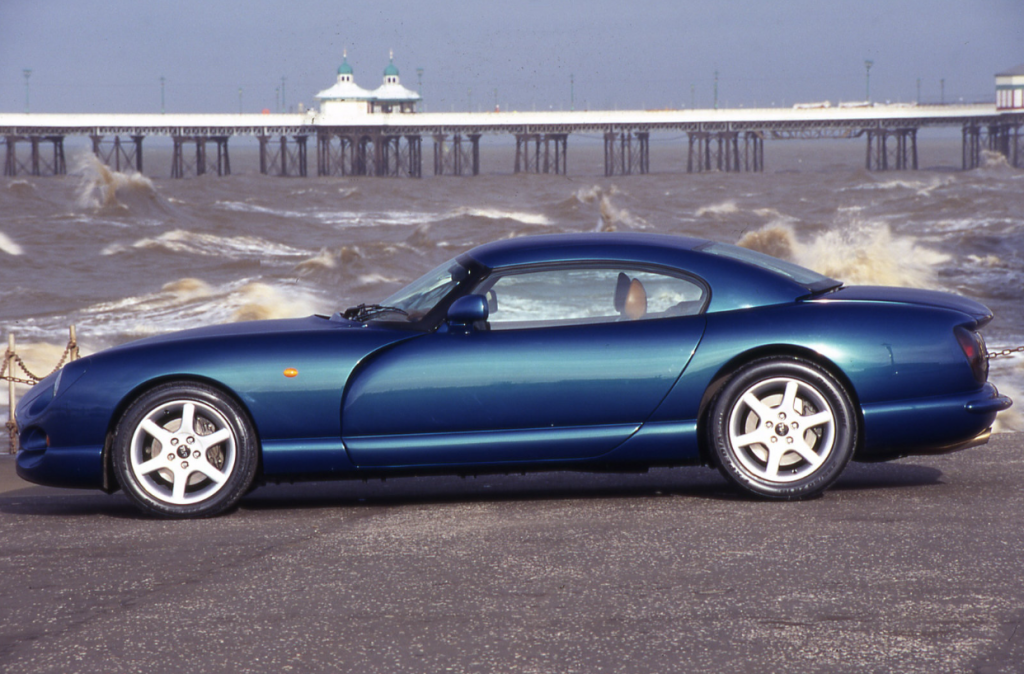
Wheeler, who helmed the company until 2004, led TVR through what I consider the company’s golden age. In addition to making the Tasmin popular with the addition of a Rover V8, he also introduced a number of legendary TVR models, including the reborn Griffith, the immensely popular Chimaera, the four-seater Cerbera, and the stunning Tuscan, which John Travolta famously drove in the 2001 hacker movie Swordfish.
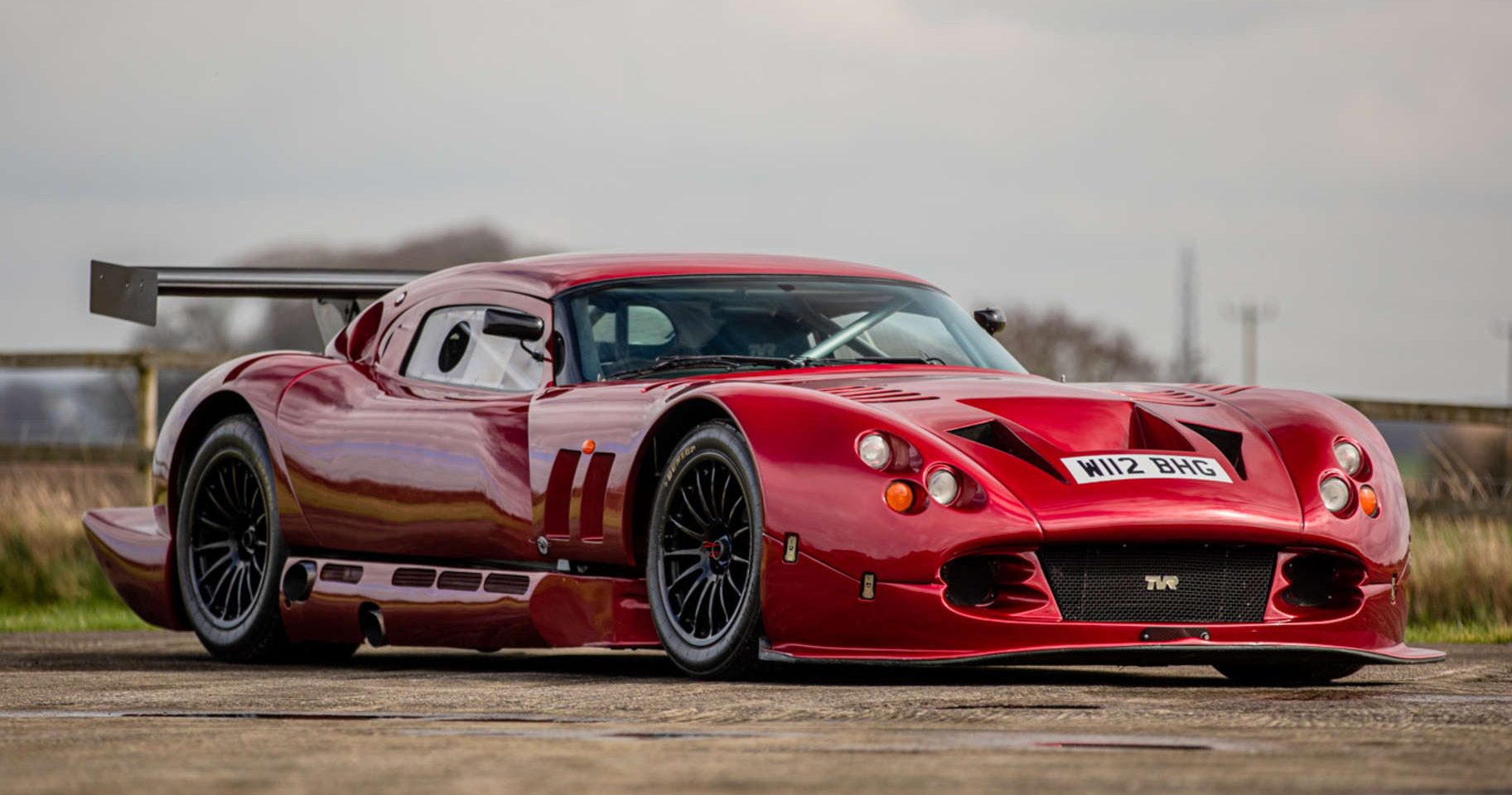
It was during this time that TVR came out with my favorite car from the brand: The Cerbera Speed 12. Unlike the road cars, which used V8s or straight-sixes, the Speed 12 used a—you guessed it—V12 made from two of the company’s straight-sixes mushed together, according to Hagerty. Just one road-going version exists, a result of homologation rules of the early 2000s. It makes over 900 horsepower, and looks absolutely awesome:
Wheeler spent 22 years honing the TVR brand before selling it to a Russian investor named Nicolai Smolenski. Shortly after, sales fell off, with Smolenski eventually breaking the company up to components. That didn’t really help, according to the company’s official site:
Even with difficulties all around, TVR was able to announce the next model would be a 600 bhp supercar called the Typhoon, to be launched in 2007, but in late December 2006 it was announced that TVR had gone into receivership. Nicolai was able to buy back the company from the receivers, and whilst he made another attempt to keep TVR going with a reveal of the Sagaris 2 in 2008, nothing further happened.
A Modern Revival Attempt
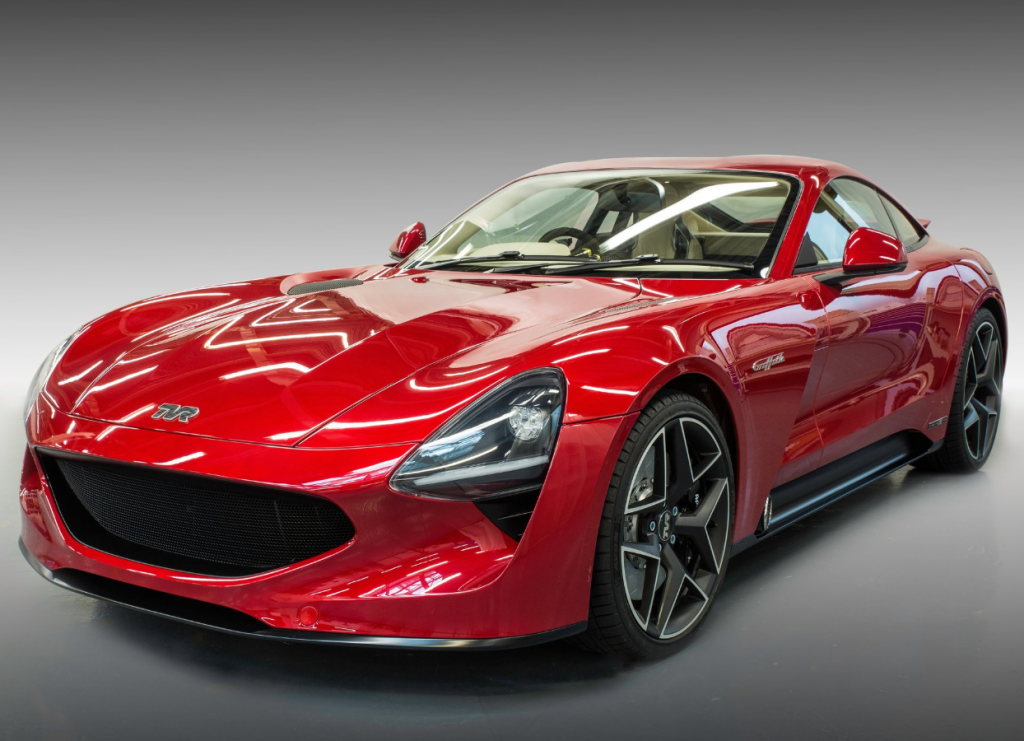
In 2013, a video game tycoon named Les Edgar gathered a group of investors and acquired the brand and its remaining assets, with the goal of bringing TVR back from the dead. It wouldn’t be until 2017 that the company would reveal its first product, which it called the Griffith.
The new TVR Griffith was a front-engine, rear-drive coupe with a design by Gordon Murray and a 5.0-liter Coyote engine lifted from the modern Ford Mustang, tuned to make 500 horsepower. It also used a carbon fiber chassis that promised ground effect aerodynamics to produce downforce.
Except, 12 years after Edgar’s move to purchase the brand, TVR has yet to build a single car. While the company is still listed as active by the UK’s official tracking service, EVO Magazine reported back in July that the company’s CEO, Jim Berriman, quit back in May. Since then, no one’s heard much about the brand.
So, Why Is There A Dealer Opening In America?

TVR stopped selling cars in America in the 1980s, dropping the once-lucrative market over rising emissions and crash requirements. But those Wheeler-era cars have proven so influential that they now have a dedicated following worldwide—even in places where they were never sold new.
This dealer, TVR Garage, isn’t selling new TVRs, of course. Instead, it plans to be the go-to importer for buyers looking to get quality used TVRs from overseas. TVR Garage has existed for years, working with a company in the UK called Str8six to procure cars. But it’s just now partnering with a broker called CarWiz to open a 15,000 square-foot showroom in Las Vegas, Nevada to keep the TVR legacy alive.
Gavin Bristow, Co-founder of TVR Garage said “Our mission is to ignite a lasting passion for TVR in the U.S. by importing only the finest examples, building a strong enthusiast community, and laying the foundation for future expansion into restoration and customization —ensuring the legacy of TVR thrives for generations to come.
While my real wish is to see TVR rise from the dead and build new cars, having a dealer in the U.S. to bring its best models Stateside is a pretty good outcome, too. Sure, you could hire an importer and bring them in yourself, but if you’re not terribly familiar with TVRs, it’s nice to know there’s a company that’ll pick out an example that isn’t falling apart. Now I just have to start saving up for a Cerbera.
Top graphic images: TVR Garage; stock.adobe.com
The post Yes, Someone Is Really Opening A TVR Dealer In America In The Year 2025 appeared first on The Autopian.