Car titles are weird. They’re pieces of paper that grant you ownership of a car, but not necessarily control over its fate. If a car gets damaged to the point where an insurance company says it’s not worth fixing, the title gets a mark on it, and you don’t really have any say in that. Can you still fix the car and go back to driving it? It depends where you are. In some places it’s easy; in others, it’s not possible at all. The whole system feels arbitrary, and it can be maddening when you find an otherwise nice example of a rare car. People can overcome the misadventures of their past; shouldn’t cars be able to, too?
Yesterday was all about overlooking former-owner shenanigans, as we looked at two Toyotas in generally good shape, but with a few yellow flags. The overall condition of that Camry seems to have won over the majority of you, giving it a frankly surprising win over the RWD Cressida wagon. It was the rust on the Cressida, wasn’t it?
And since a couple of you asked in the comments, I’ll tell you what my issue is with motorized seat belts: I don’t need them. I wear my seat belt religiously, unless I’m just maneuvering the car around my own driveway. It only makes sense to do so. But apparently that’s too much trouble for some foolish and stubborn people, so some folks thought it was a good idea to require complicated systems to make them wear one. It’s a bit of complexity, and a potential failure point, that I neither need nor want in my car, that’s only there because someone else can’t be bothered to act properly. It’s not the operation of the system that annoys me; it’s the fact that it has to be there at all. I don’t need to be reminded of other people’s stupidity every time I get in my own damn car, so I simply don’t even consider cars with automatic seat belts.

Whoo! Got a little soapboxy there for a minute. Moving on. If you’re looking for a specific hard-to-find car, especially within a certain budget, you’re probably going to have to accept some compromises. You might not find the color you want, or the right set of options, but it’s worth it to get That Car. But what if the best example you can find has a salvage or rebuilt title? Is it still acceptable? We’re going to look at two rare coupes to see which one you’re willing to accept as “damaged goods.”
1992 Lexus SC 400 – $4,750

Engine/drivetrain: 4.0-liter DOHC V8, four-speed automatic, RWD
Location: Bellevue, WA
Odometer reading: 197,000 miles
Operational status: Runs and drives well
No car category is more ostentatious as the personal luxury coupe. “Look,” it says, “I can afford to drive a big fancy car that’s just for me and maybe one other really special person.” It was only fitting, then, when Toyota launched its luxury Lexus brand, aimed at taking on the best cars in the world, that the lineup include a personal luxury coupe. And like its sister model, the LS400 sedan, the Lexus SC was just about perfect right from the start.
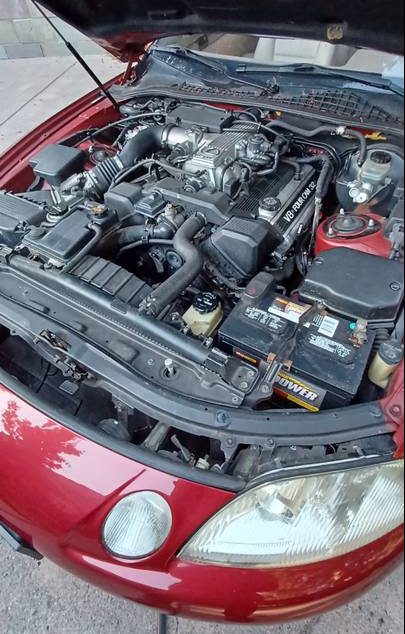
This is the SC 400, featuring Toyota’s 4.0 liter 1UZ-FE V8, a smooth and powerful engine that seems to last forever. You could only get this engine with an automatic; if you wanted a manual SC, you had to settle for the SC 300 with its inline six. This one is on its second owner, and just a little shy of 200,000 miles, with maintenance records going all the way back to the beginning. It runs and drives beautifully, according to the seller, and has had a lot of recent work, including a transmission rebuild, suspension work, and new brakes and tires.
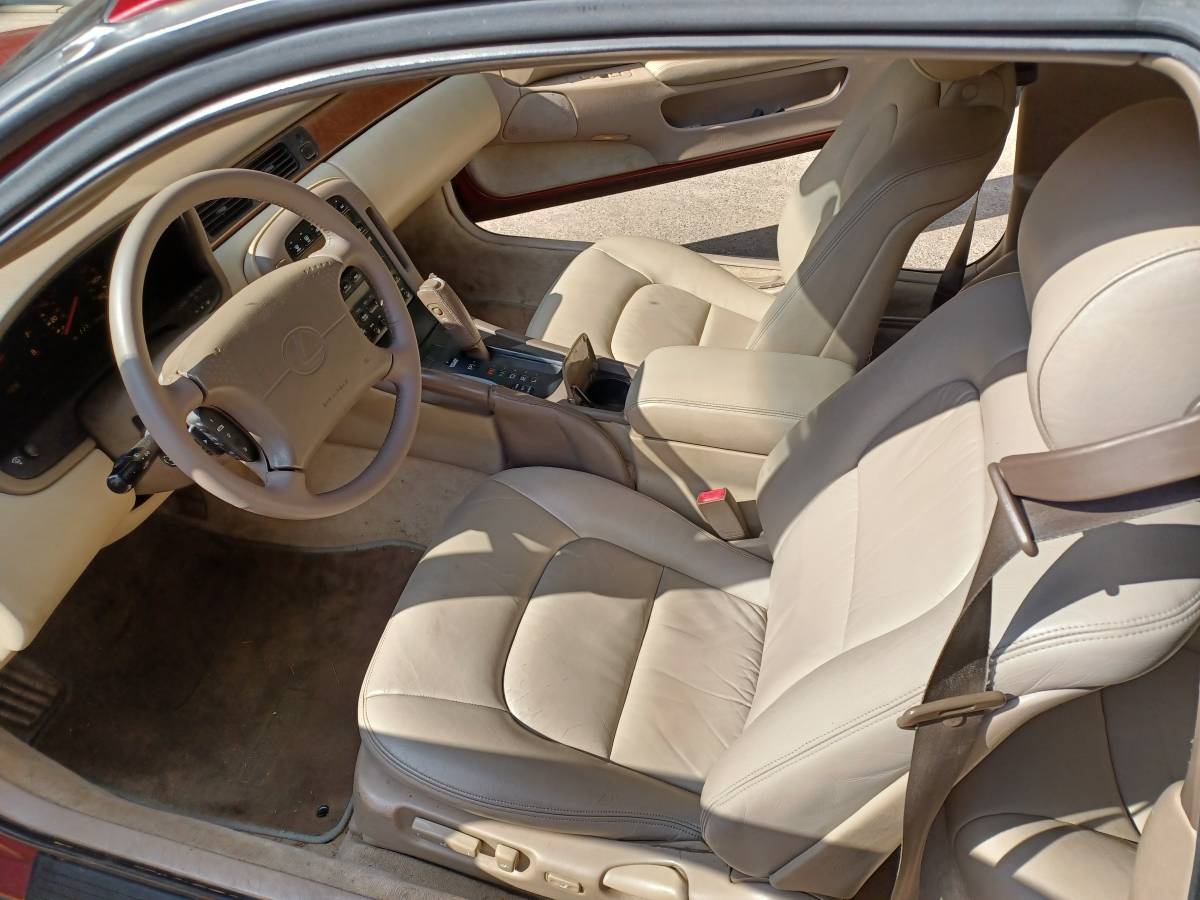
It has also received some love inside, with a reupholstered driver’s seat and a refurbished gauge cluster. No annoying dead dashboard lights here. The seller also says the air conditioning has been “upgraded,” which I assume means a conversion to R134a. It’s a nice contrast to the poorly-maintained cheap cars we often look at. The seller really cared for this car, and it shows.
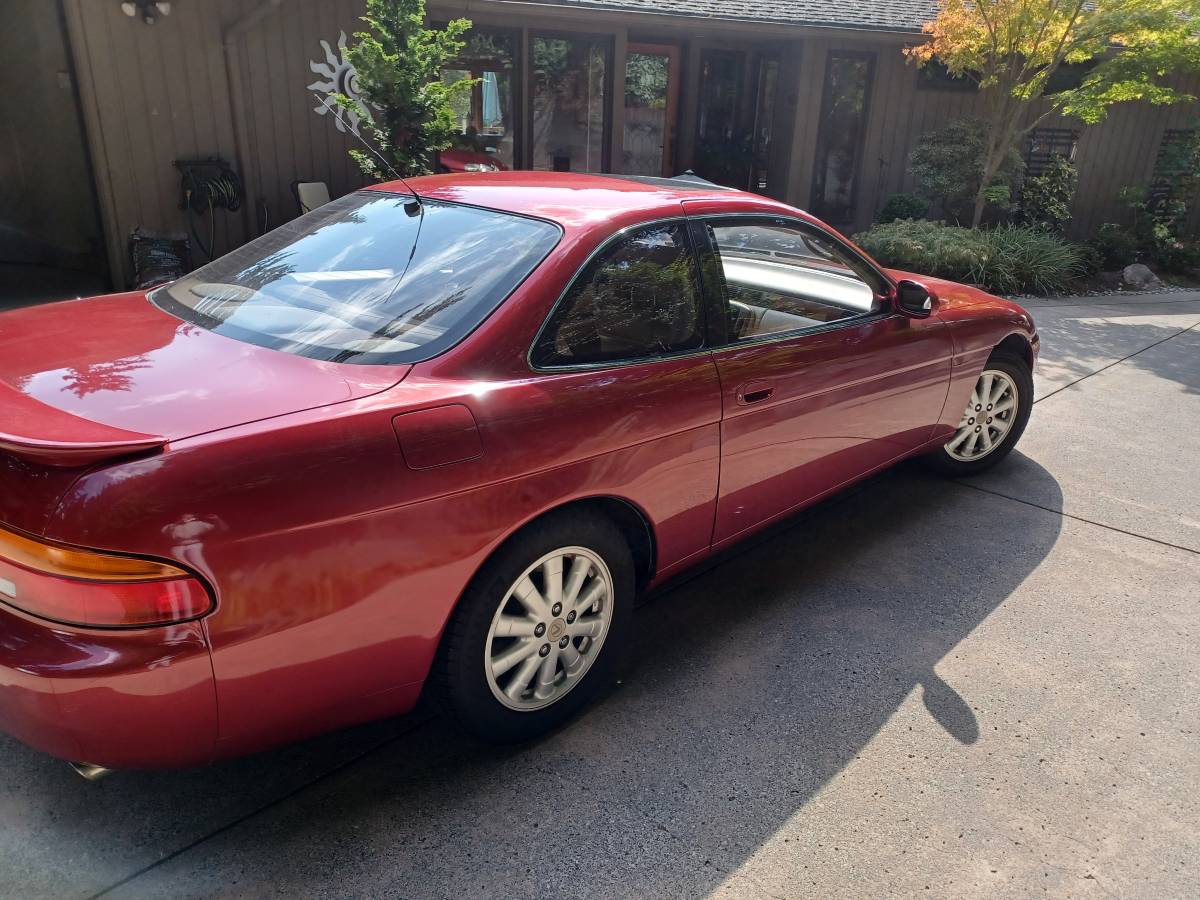
The salvage title was for rear quarter panel damage, which was repaired so well that I can’t tell which side it was on. And it sounds like it happened a long time ago, so any shoddy repair work would have reared its ugly head by now. As it sits, it’s a nice clean car that anyone could be proud of.
2006 Honda Insight – $4,850
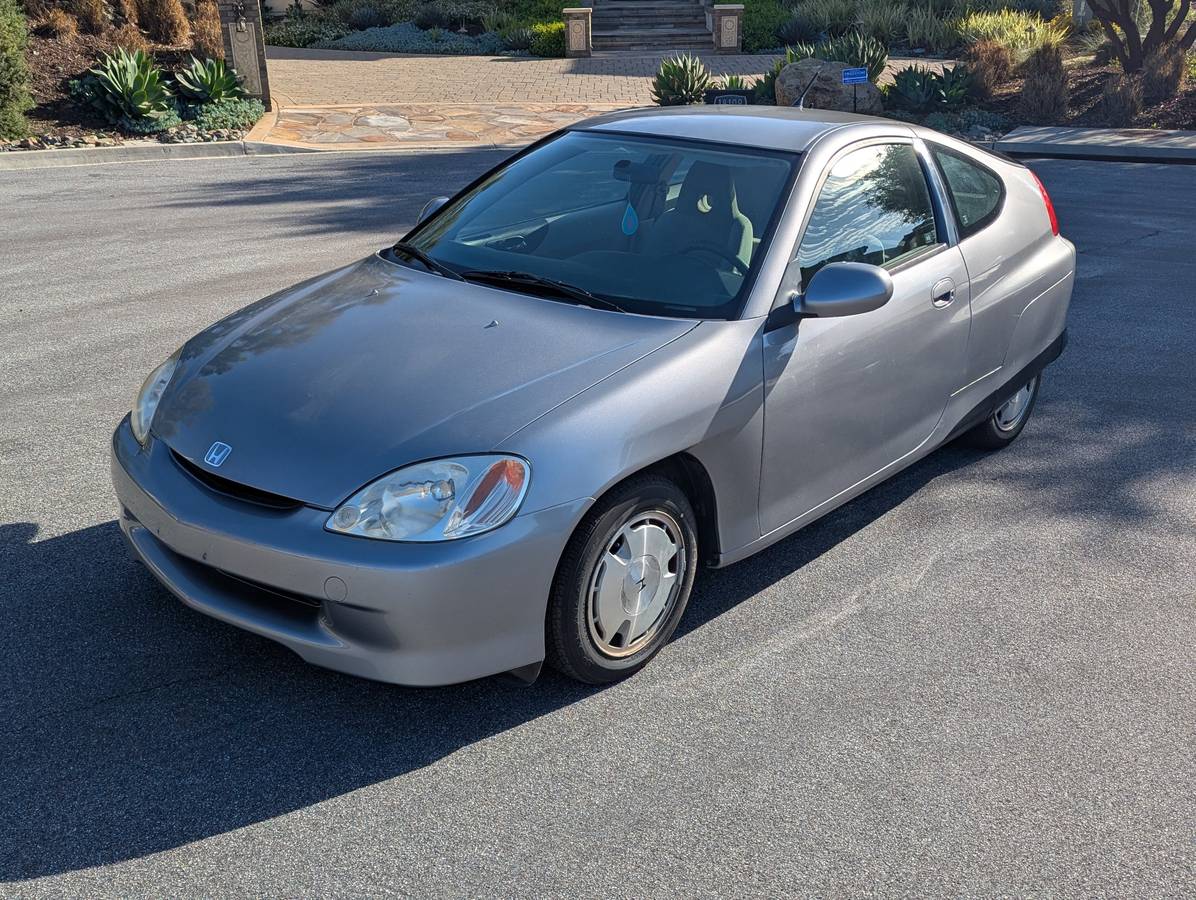
Engine/drivetrain: 1.0-liter OHC inline 3 plus electric motor, five-speed manual, FWD
Location: Rancho Santa Fe, CA
Odometer reading: 192,000 miles
Operational status: Runs and drives well
There are a few ways to make a hybrid car. You can connect both a gasoline engine and an electric motor to the same gearbox and have them work in harmony, like Toyota’s system, or you can not connect the gas engine to the wheels at all, and only use it to generate electricity, like the Chevy Volt or BMW i3. Or, you can make the car primarily still gasoline-powered, and just use an electric motor to provide a little boost, and restart the engine after shutting it down at red lights, like this Honda Insight. The advantage of this system, if you like to drive, is that it still allows the car to use an ordinary all-mechanical manual transmission.
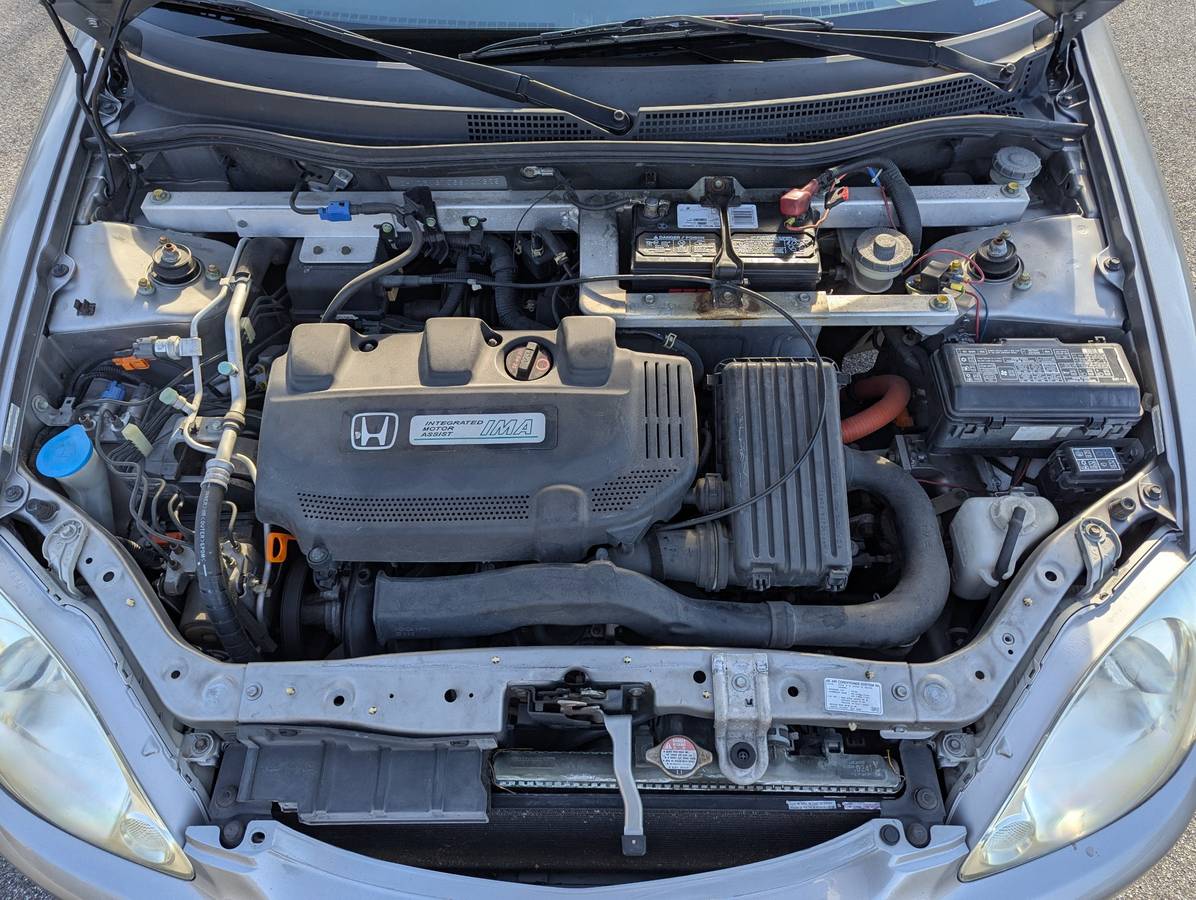
The engine in the Insight is a 995 cubic centimeter three-cylinder, with a big, flat electric motor on the flywheel. That motor provides another 13 horsepower during acceleration, then switches to generator mode to recharge the batteries when you slow down. Stop at a red light, and the engine shuts off to save fuel, and then restarts as soon as you put it in first gear. I’ve never driven an Insight, but I’ve driven a Civic Hybrid with a similar drivetrain and a manual transmission, and while the auto start/stop is disconcerting, it really is a nice car to drive. I can see why these early Insights are still sought-after. The seller says this one runs and drives well, and its nickel-metal hydride battery pack holds a charge like it should.
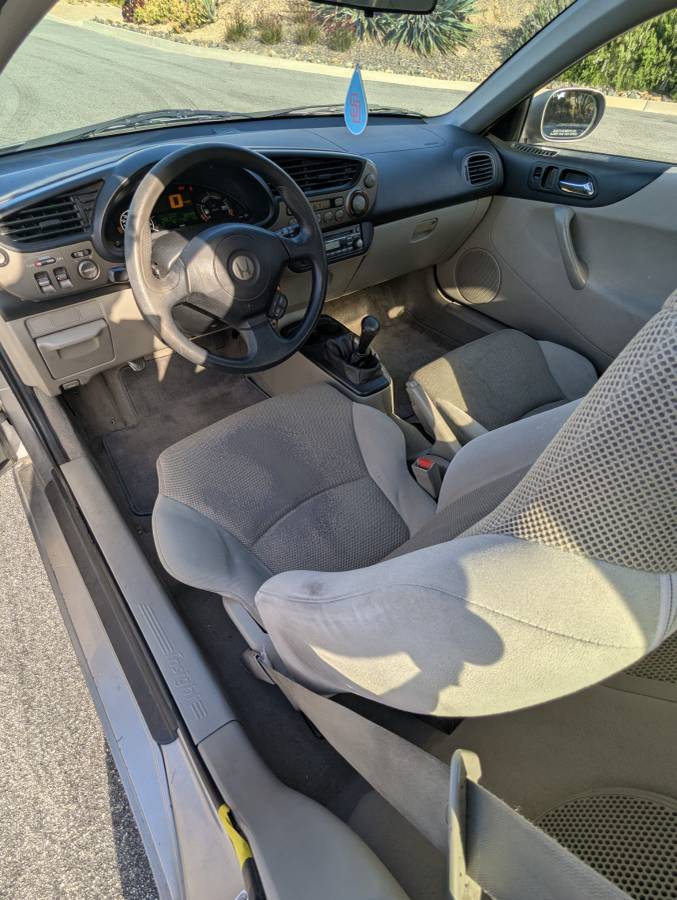
The first-generation Insight is a two-seater, like the CRX and Del Sol before it, and despite being a hybrid, it still weighs less than two thousand pounds. That’s the Geo Metro school of economy: be small, be lightweight, and efficiency comes naturally. This one has air conditioning, and the seller says it works fine. Everything works, in fact, except the interior remote release for the hatchback, and an aftermarket cruise control system that a previous owner installed.
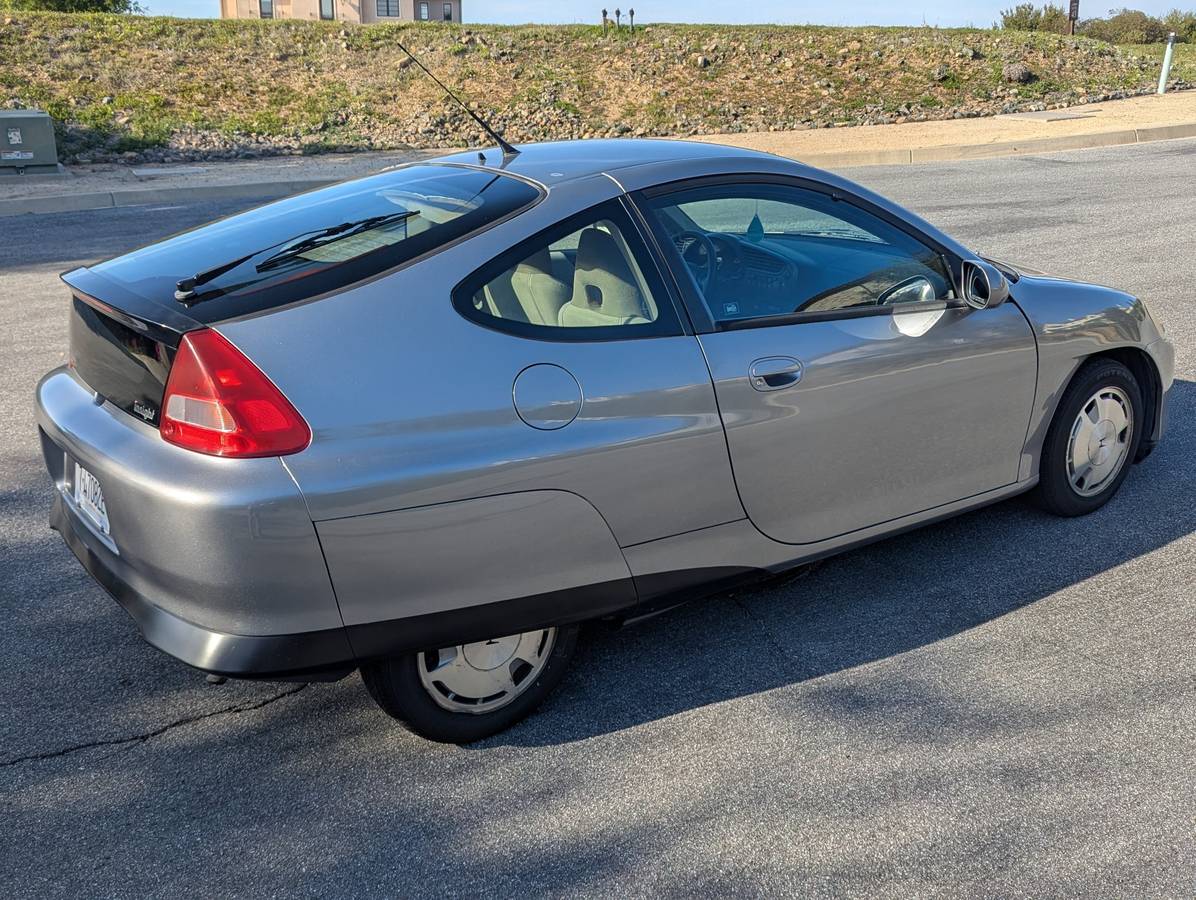
There’s no mention in the ad of the reason for this car’s rebuilt title. It might be important, however, because the Insight’s body structure is aluminum, which is trickier to repair than steel. It’s worth asking what happened, and who repaired it, just to make sure it was done to your satisfaction. It sure looks just fine, though.
Neither one of these cars comes up for sale very often, so if you’re dead-set on finding one with a clean title, you may be waiting a while. But if these are both as clean as they appear to be, I don’t think the title status should dissuade anyone from buying either one. As for the price, I kind of feel like they both should be cheaper, considering their title status, but again, they’re rare. If you want one of these, you have to be willing to pay what someone is asking. So which one of these seems worth it, branded title and all?
The post Which One Is Worth A Branded Title? 1992 Lexus SC 400 vs 2006 Honda Insight appeared first on The Autopian.