Earlier this week, a billboard went up at Fuji Speedway in Japan. Normally, this wouldn’t be huge news, except the billboard featured three cars: The Toyota 2000GT, the Lexus LFA, and a close-up of a supercar we haven’t yet seen undisguised. The Toyota GR GT is almost here, and this billboard gives us a hint of its mission.
When Toyota showed off the GR GT in camouflage at Goodwood, it felt like a debut was imminent. Not only did it run and drive up the hill, the public was allowed to get up-close with the car. That doesn’t typically happen until something is nearly finalized, and it seems like we’ll be seeing a lot more of the car next week.
In this latest teaser, juxtaposing the new supercar against 2000GT and LFA feels intentional. Not just because those were absolute halo cars that now command sky-high valuations, but because their paths have parallels despite being nearly half a century apart.
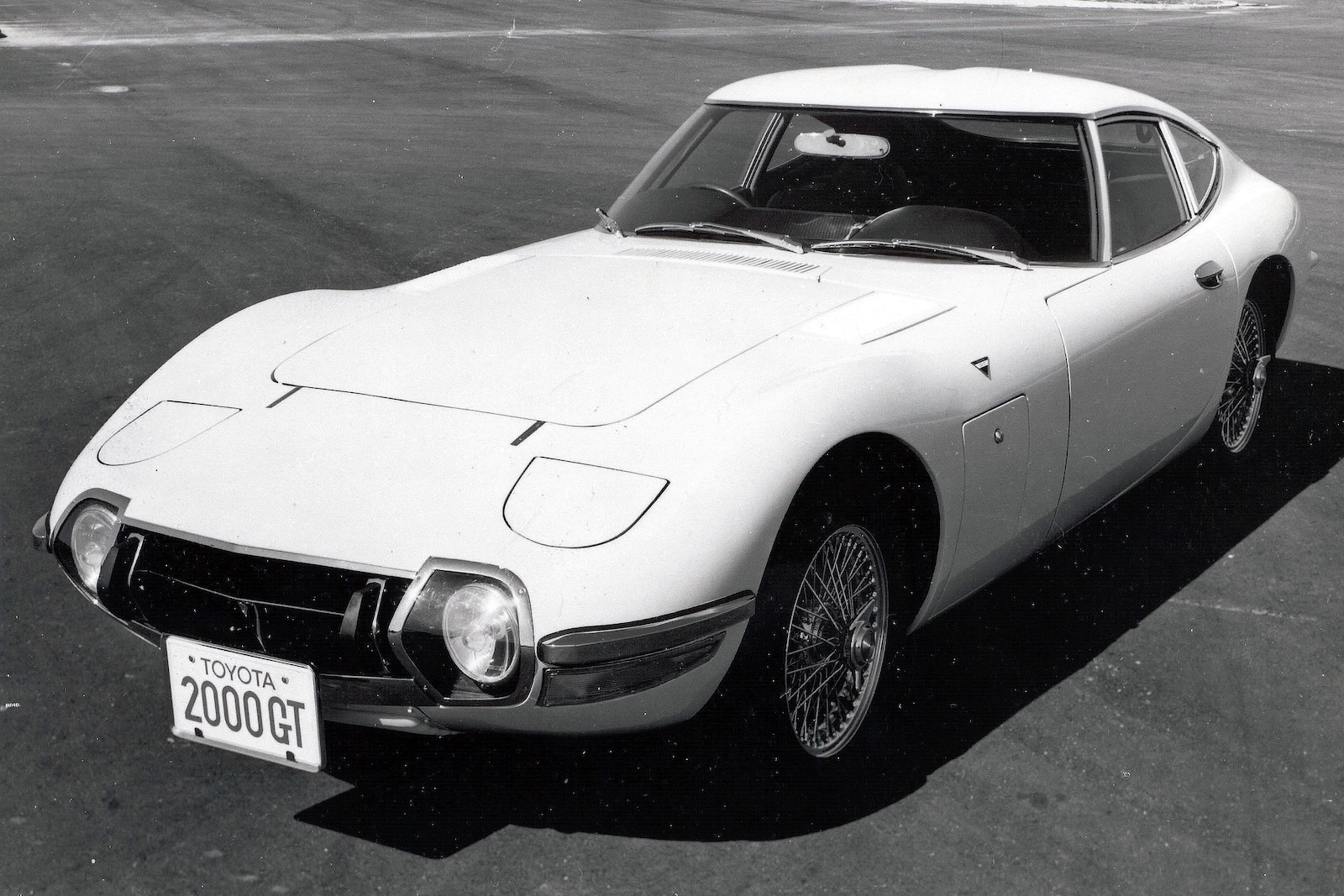
Since the company’s inception, there have been two times when Toyota has built a supercar, and one was before we even had the words to describe this upper echelon of automotive desire. Sixty years ago, Japan’s car industry was exceptionally young. Honda was still primarily a motorcycle manufacturer, the Skyline was a Prince instead of a Nissan, and the Toyota Corolla wouldn’t go on sale for another year or so. However, at the 1965 Tokyo auto show, Toyota showed off something big: The 2000GT.
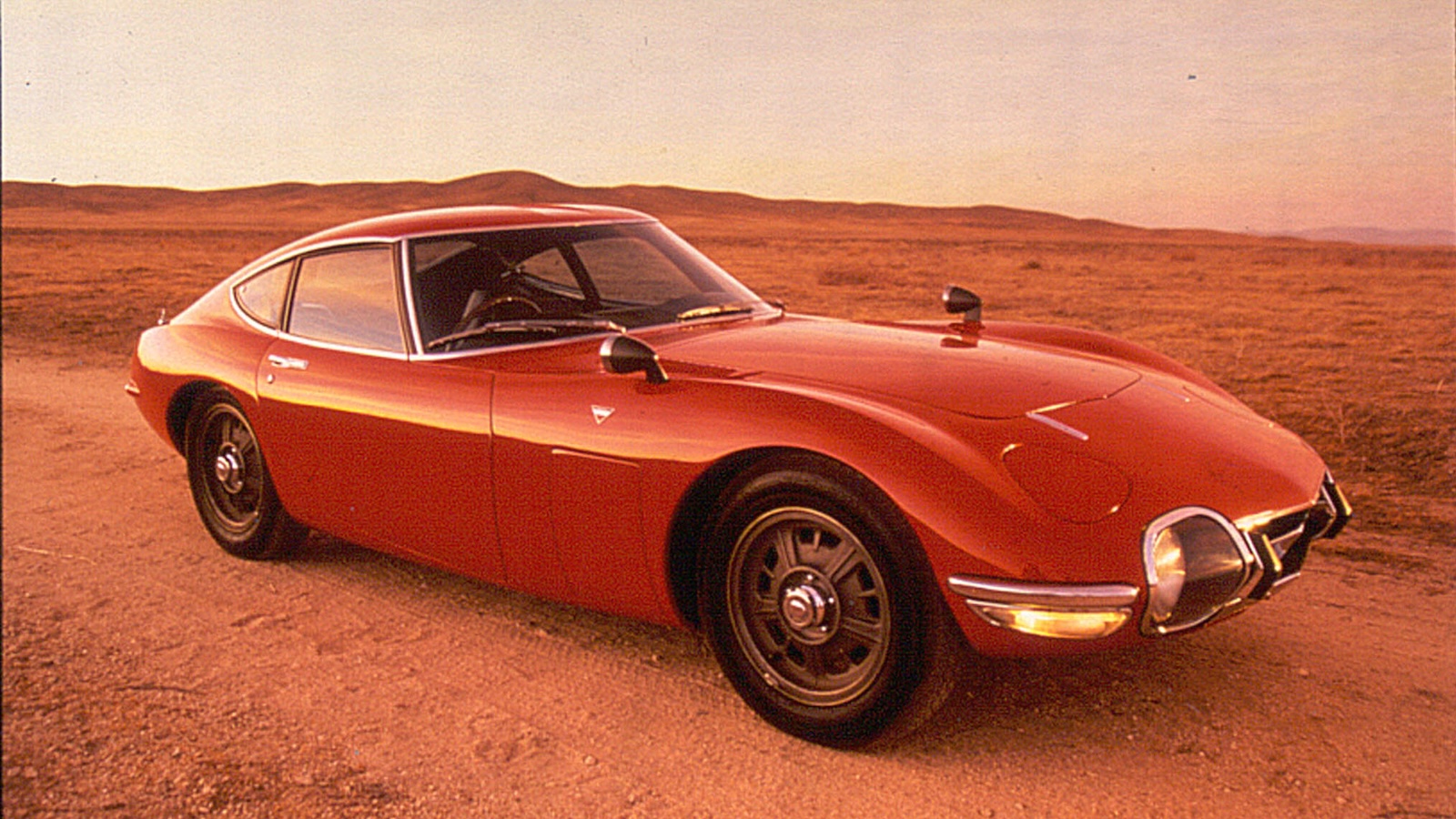
Alright, so it wasn’t all Toyota’s doing, but the motorsports-influenced, Yamaha Motor co-engineered 2000GT was unlike anything Japan had made before, a voluptuous grand touring coupe with world-class engineering. We’re talking independent double-wishbone suspension at all four corners, four-wheel disc brakes, magnesium wheels, a two-liter twin-cam straight-six that made peak power at 6,600 rpm at a time when that was truly exotic stuff, and a five-speed manual transmission when many sports cars were still playing with four. To match the engineering, the 2000GT was beautifully made. Every instrument had a bright bezel, the dashboard facing was available in rosewood finished by Yamaha’s instrument division, and gadgets like an auto-seek radio stood out from the spartan appointments of most period sports cars.
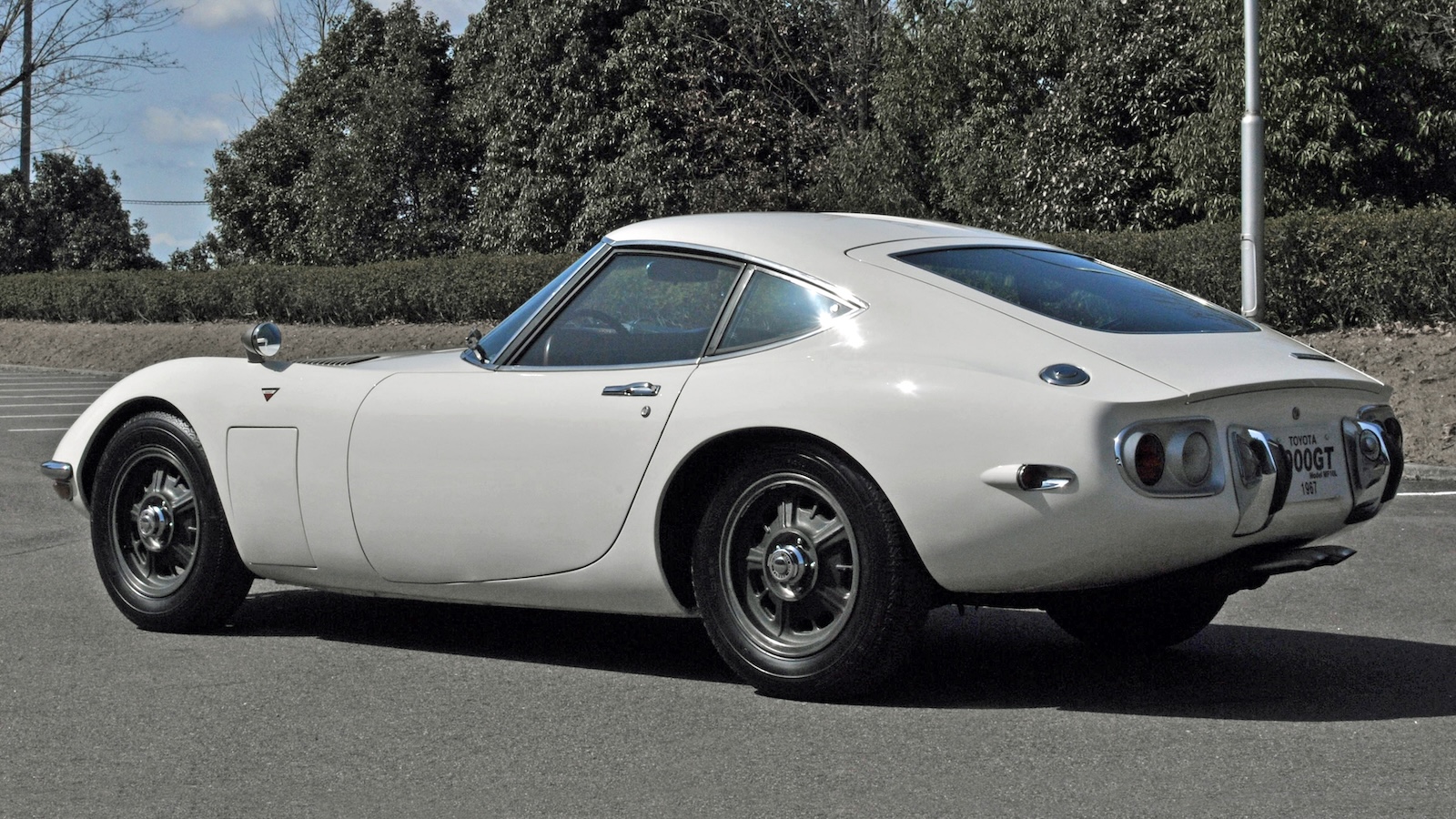
Unsurprisingly, the critics raved about the 2000GT. In April 1968, Car and Driver wrote that “No effort has been spared to provide luxurious comfort with spirited performance,” while Road & Track went even further when the magazine concluded “the Toyota 2000 GT is one of the most exciting and enjoyable cars we’ve driven.” High praise. However, because the 2000GT was so exquisite, it was also expensive. The 1968 U.S.-market 2000GT carried a price tag of $7,150 at a time when you could buy a Porsche 911 for under $7,000 or a Jaguar E-Type for about $5,500. As a result, only 337 production-spec examples were ever built, and it’s likely that Toyota didn’t make much on the project. It didn’t matter, because it raised the bar and sent a message across the entire industry: Any company that could build both mass-market cars and cars like the 2000GT could take over the world.
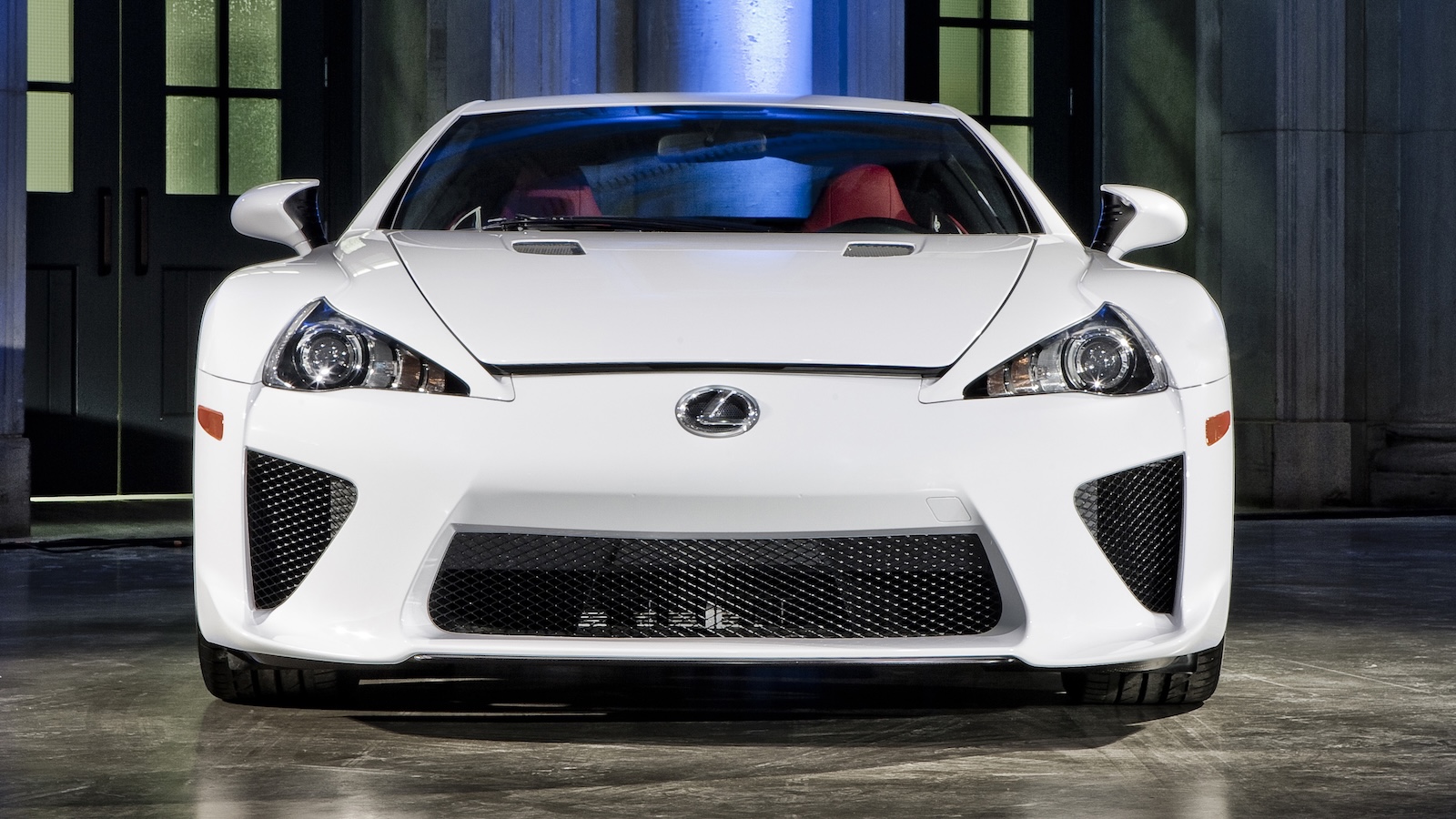
Fast forward to the 2000s, and Toyota had taken over the world. The Corolla became the best-selling car nameplate of all time, the brand had taken a huge chunk out of the Detroit Big Three’s market share, Lexus had gone from idea to actual trouble for Mercedes-Benz and Cadillac seemingly overnight, and Toyota was looking to go big. Lexus needed a flagship, and that flagship was going to be the LFA.
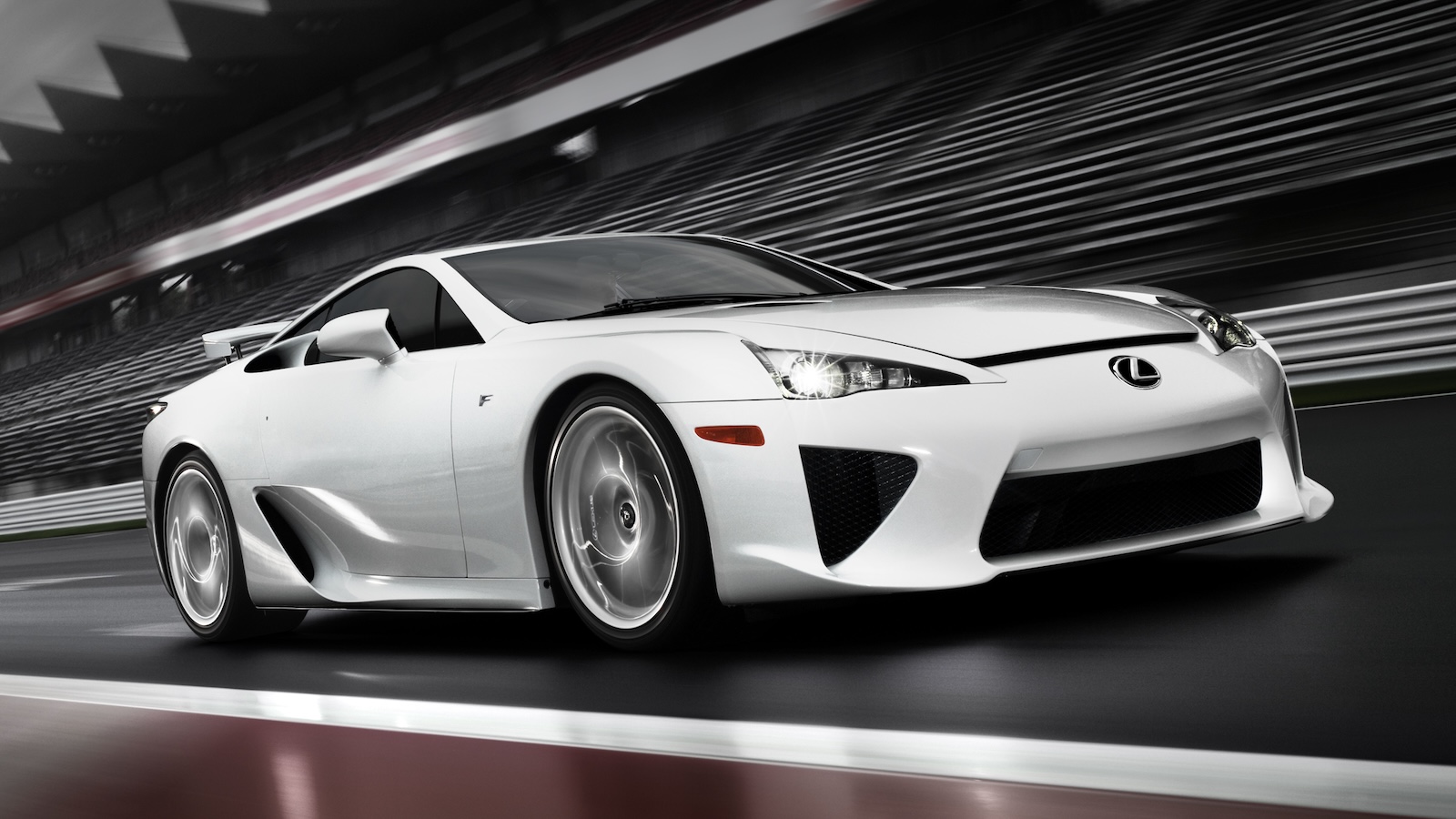
While the development of the 2000GT was speedy, development of the LFA was anything but. Work started on the project of a Lexus supercar in 2000, and the actual production car didn’t debut until 2009. What happened? Well, after testing aluminum-intensive prototypes, Lexus’ engineers decided that carbon fiber would be a better option. Of course, instead of outsourcing a carbon tub to an outfit like Dallara, Toyota built its own circular carbon fiber loom, the first of its kind in the world. It landed on a 72-degree even-fire V10 as the engine, a single-clutch transaxle for torque multiplication, and a sound that is genuinely among the best in the world.
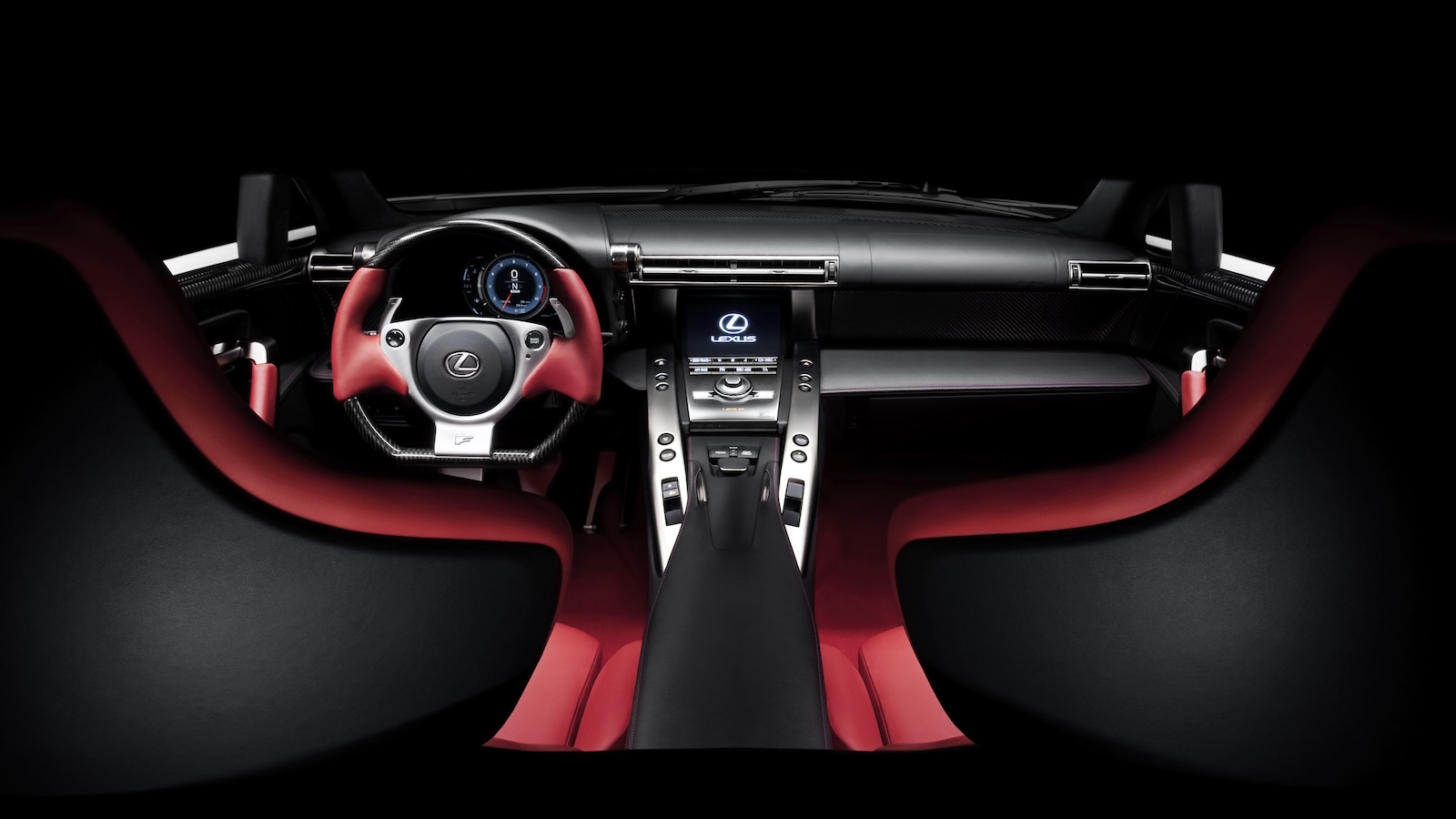
When the critics finally got their hands on the LFA in the early 2010s, they found it beguiling. When Car And Driver compared the LFA to a Ferrari 599 GTB, the verdict was “Out of the box, Toyota’s first supercar beats a Ferrari. Yeah, you read that correctly.” Jeremy Clarkson once said that the LFA was “The best car I’ve ever driven.” The praise came absolutely showering down, but amid the rave reviews, there was a little bit a problem on the consumer end: The price.

When the Lexus LFA launched in America, it started at $375,875. That was about $19,000 more than a Ferrari 599 GTB, about $21,000 more than a Lamborghini Murcielago, and more than $100,000 more than an Aston Martin DBS. From the start, LFA production was capped at 500 units, but such pricing meant it took a while to sell all of them. Even beyond the handful that dealers kept for themselves, it wasn’t uncommon to see an LFA sitting on the showroom floor years after production wrapped.
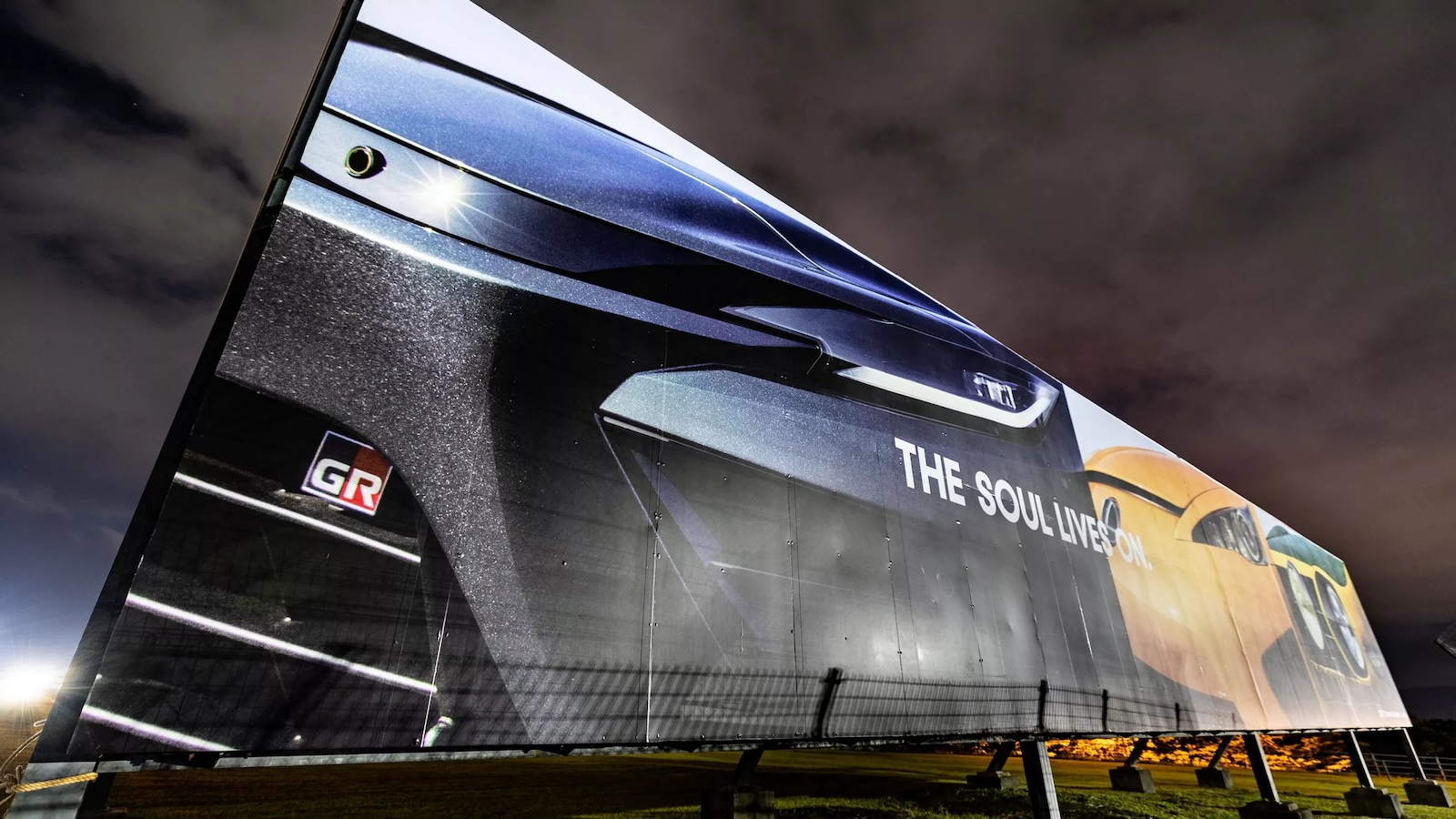
So, where will the Toyota GR GT fall? Will it be an exquisite low-volume masterpiece that the world won’t truly appreciate until after it’s gone, or will it defy convention and sell out almost instantly? Given the billboard that went up at Fuji Speedway, we won’t have to wait long to start seeing where this moonshot goes next. If precedent is anything to go by, it should be amazing.
Top graphic image: Toyota
Support our mission of championing car culture by becoming an Official Autopian Member.
The post Here’s What Toyota’s Last Supercars Can Tell Us About Its New One appeared first on The Autopian.

