I was reminded this weekend that there actually is a point to evaluating inexpensive cars. I tend to dismiss a lot of the low end of the market as “boring,” and therefore not worth my time, but sometimes someone just needs a cheap way to get around, and excitement is the last thing on their mind. So this week, we’re sticking with a strict $2,500 price cap, and searching for some legitimately good deals.
You all certainly had some opinions about Friday’s budget-busters; I don’t think I’ve ever seen that many comments and votes. And a lot of you seemed to be not only disturbed, but actually offended at the price tag on that Jeep. All I can say is, don’t shoot the messenger. I don’t price ’em; I just present ’em.
Needless to say, the Bentley won in a landslide. I’m of two minds about this one. If someone handed me $40,000 and I had to choose one of these, I’d take the Bentley, and enjoy it until something catastrophic went wrong. But if I had eff-you money, I’d buy the Jeep, take it straight to the nearest off-road trail, and text the seller photos of it getting dirty and scratched-up. I would then continue sending such photos, as it accumulated wear and tear, until they blocked my number. This is similar to the fantasy I’ve had about buying some Baby Boomer’s prized, never-driven Corvette and ripping a giant burnout on the street in front of their house as I leave. (It’s probably a good thing I’m not wealthy.)

If you’ve never been in a position where you just needed a cheap car to get yourself around, count yourself lucky. Goodness knows I have, and I have had reasonable success with choosing reliable beaters for myself. But for someone without some familiarity and knowledge of cars, the idea of placing your faith in a cheap old car bought for a couple grand can be terrifying. So this week, we, as car folks, are going to look at eight sub-$2,500 cars, all of which present well and are operational, and decide which one we would recommend to a non-gearhead friend who just needs to get to work. Here is our first pairing, both from just on the other side of the Bay Bridge from me.
2004 Chrysler PT Cruiser – $2,250

Engine/drivetrain: 2.4-liter DOHC inline 4, four-speed automatic, FWD
Location: Baltimore, MD
Odometer reading: 128,000 miles
Operational status: Runs and drives well
The Chrysler PT Cruiser started out as a sensation, then became a punchline. But now that we’ve all heard the jokes a hundred times and gotten used to the weird styling, it’s easier to see it for what it has always been: a pretty decent and useful little wagon. It’s tougher than you think – I have friends who own PT Cruisers with some serious miles on them – and while its gas mileage isn’t what it ought to be, it isn’t bad either. If you need something small on the outside but big on the inside, and don’t have a lot to spend, you could do a lot worse.
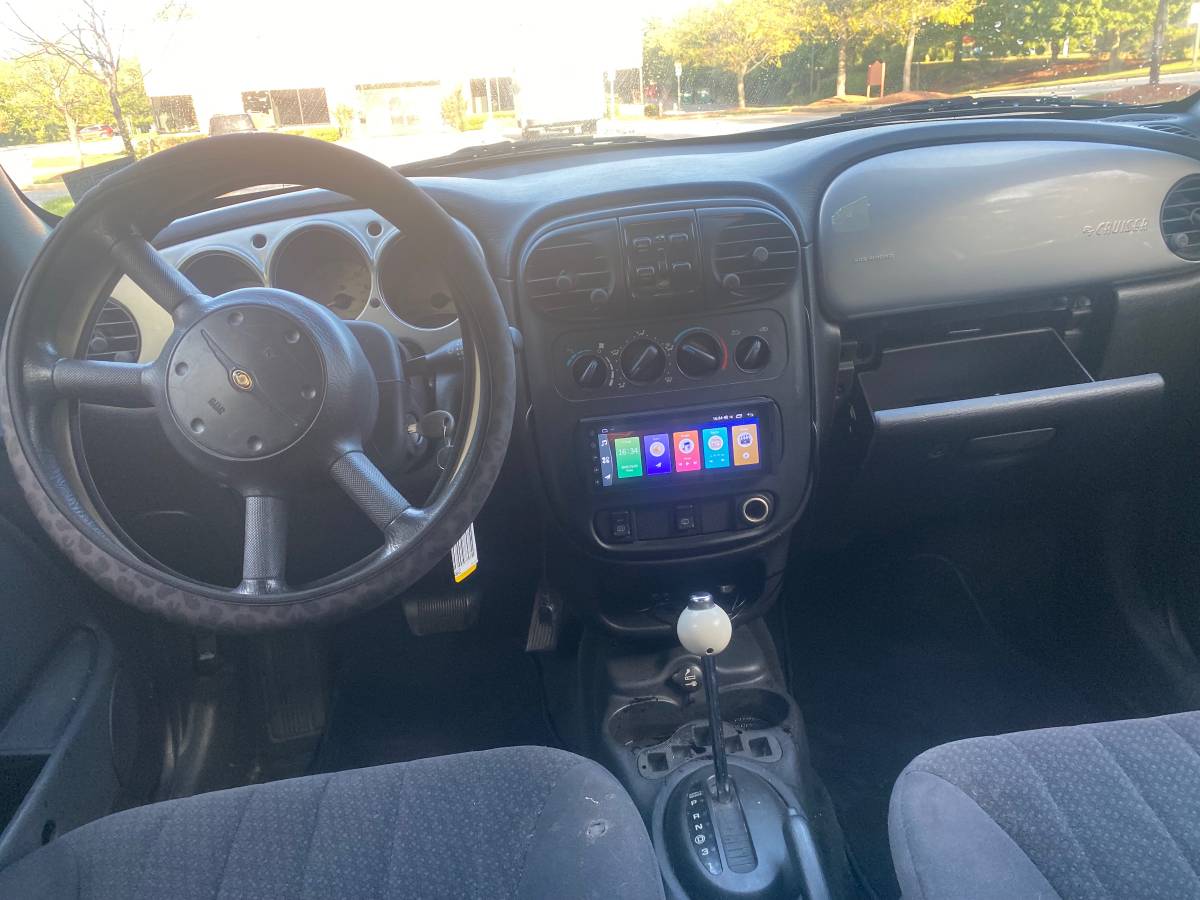
The PT Cruiser was available with two engines, a 2.4 liter four-cylinder and a turbocharged version of the same, and two transmissions, a five-speed manual or a four-speed automatic. This one has the most common and least inspiring combination: the non-turbo engine and the automatic. But the good news is that Chrysler had been building this engine and transmission combo for quite a while by this point, and had ironed out most of the kinks. It’s a fairly reliable setup, and common enough that just about any shop can fix it if something does go wrong. This one runs just fine, and has only 128,000 miles on it.

The PT Cruiser is just as overstyled on the inside as it is on the outside, but it’s reasonably comfortable and offers that nice tall seating position that made small wagons like this so popular. This one is in decent shape, though there’s what looks like a cigarette burn on the driver’s seat. And I’m not sure why the glovebox is open in the photos. Is the latch broken? Or were they cleaning it out and just forgot to close it?

It looks pretty good outside, but I do see a tiny rust spot starting to show on the passenger’s side rocker panel, and a couple of body panels look like they’ve been repainted. And I could have sworn that even the base model PT Cruisers had body-colored bumpers, not black. They don’t look bad painted black, but I’d like to know the story. Still, for the price, you don’t expect perfection, and none of the blemishes outside detract from its usefulness.
2011 Nissan Sentra SR – $1,950

Engine/drivetrain: 2.0-liter DOHC inline 4, CVT automatic, FWD
Location: Glen Burnie, MD
Odometer reading: 200,000 miles
Operational status: Runs and drives well
The Nissan Sentra has been around for forty-three years now, through eight generations and counting, and through all that time, it has been a perfectly acceptable, if forgettable, little car. It’s often overlooked in favor of the Toyota Corolla and Honda Civic, but it’s a good alternative that’s often cheaper. Witness this sixth-generation Sentra, being sold for less than half what you’ll pay for a Civic or Corolla the same age.

This generation of Sentra marked the introduction of the transmission everyone loves to hate: the Jatco CVT. Yeah, I’d prefer a manual too, but I have newfound respect for the CVT after hearing the exploits of our indestructible NV200 taxicab. And having rented both a Versa and a newer Sentra equipped with this transmission, I have to say, it’s not terrible to drive. The engine that drives it is a 2.0 liter four-cylinder shared with Nissan’s French partner Renault. It runs great, and has had a bunch of recent work done to keep it that way. Yes, it has 200,000 miles on it, but think of it this way: that’s only a little over half what that cab had.
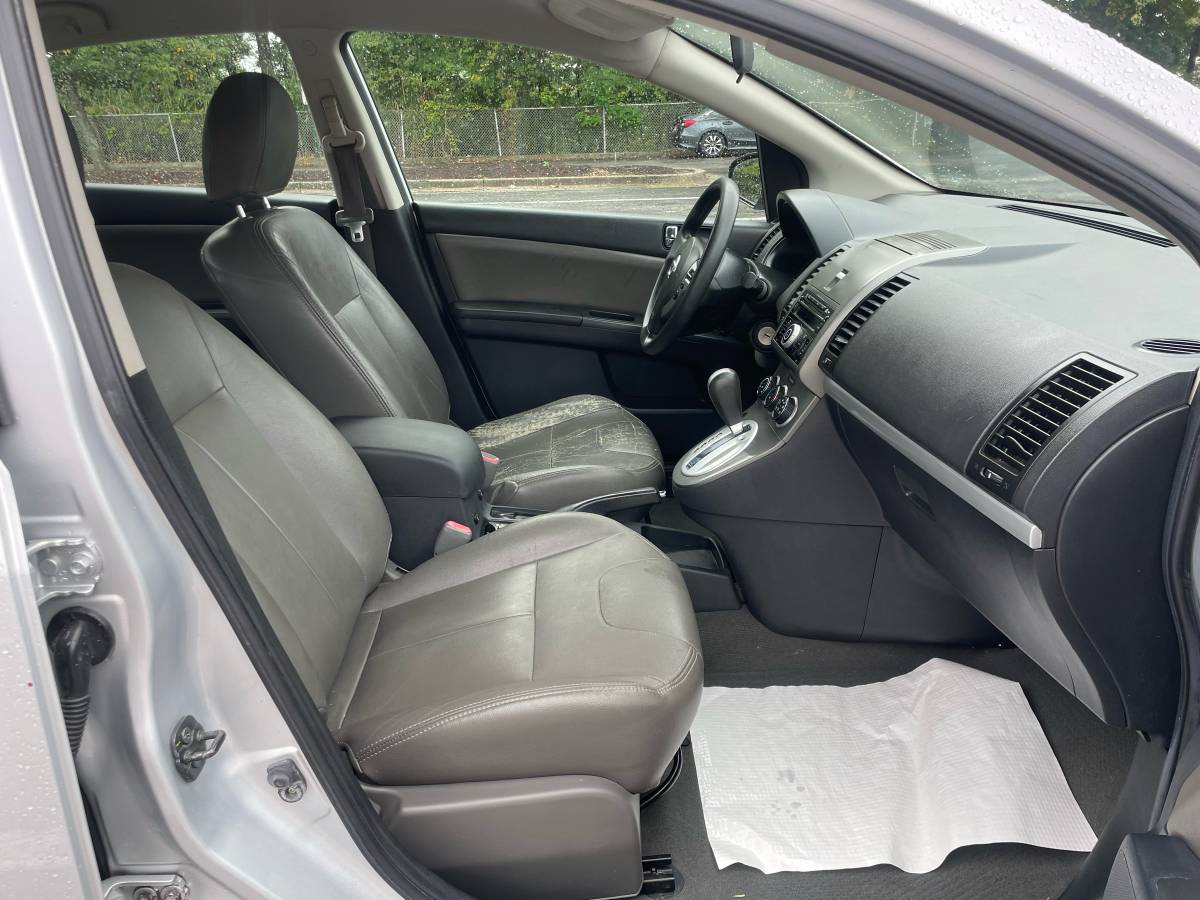
This is a pretty fancy Sentra, with leather seats, alloy wheels, and a rear spoiler, as well as a bunch of buttons on the steering wheel that are probably cruise control and/or audio controls. It appears to be one of those cars that was used expressly for commuting; the only seat that shows any wear at all is the driver’s seat. I’d be surprised if the back seat has ever been sat in at all.
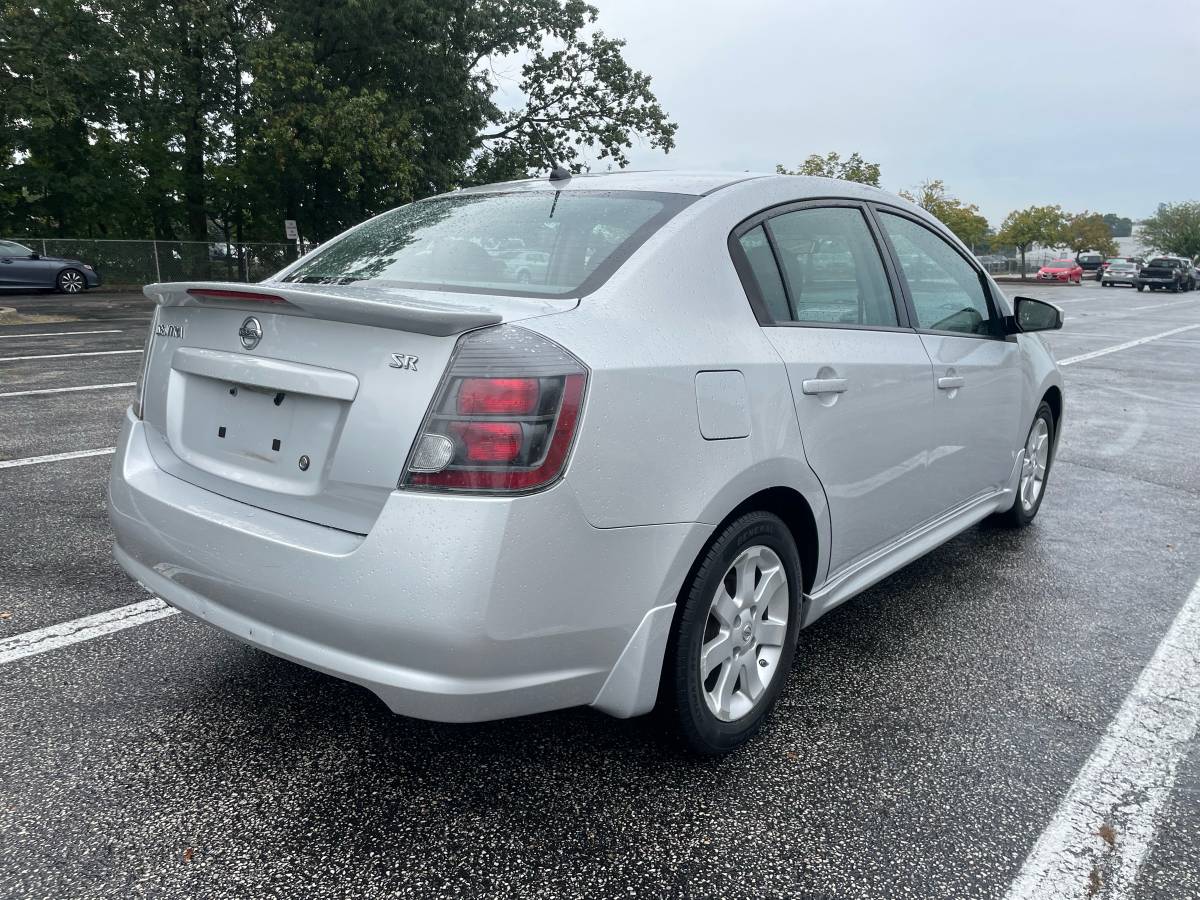
Outside, it looks really good, especially for having battled Baltimore-area traffic for 200,000 miles. Those folks don’t mess around. Maryland does salt the roads in the winter, but it doesn’t snow often, so exposure to road salt should be minimal. Still, it’s worth taking a look underneath to make sure there’s no rust hiding under those plastic skirts.
Any car in this price range is a gamble, but there is a lot you can do to minimize your risks. A common car, that’s easy to find parts for and has a good reputation, is generally a good bet. And looking outside the typical Toyota/Honda realm and its associated high prices can net you some really good deals. These two seem like reasonably safe bets to me. But what about you? Which one would you recommend to a friend who just needs cheap wheels?
The post Which Runabout Would You Recommend? 2004 Chrysler PT Cruiser vs 2011 Nissan Sentra appeared first on The Autopian.

