As an engineer, I hate few things more than wasted time. If I can do something as well or better in half or a quarter of the time — especially if that something is a mindless task that I don’t enjoy — then I’ll pay quite a bit to make that happen. Here’s the thing, though: If you’re a mechanic used to using hand tools, you can save a shit ton of time without even spending $50. That’s the beauty of the impact driver, a tool you simply cannot afford not to have as a mechanic.
When I first learned to work on cars, I was 18 years old, and I’d just purchased a $1400 1992 Jeep Cherokee XJ with 225,000 miles on its odometer. The thing leaked oil, it had a seized brake caliper, there was lots of rust, and pretty much everything needed to be repaired in some fashion. I drove to a neighboring college, where Jake (the brilliant mind behind Out Motorsports) taught me some of the ropes, and after a quick Walmart run, I had myself a basic Stanley tool set.
Something like this:

You can see there’s a screwdriver in that set that comes with a little quarter-inch drive that fits an adapter, which itself fits various bits — torx, flathead, philips head, etc. This is what I used when working on my cars, though eventually I bought a dedicated screwdriver since the adapter in the set above is a bit thick for tight holes.
For years, I undid every screw and small bolt in my car using my right wrist. Interior door panels? Twist of the wrist. 11mm valve cover bolts? Twist of the wrist. That tiny sheetmetal screw holding my fuel filter to the unibody rail? Wristicuffs.
Even years later, after I moved to Detroit, bought a bunch of car projects, and yanked all sorts of parts from my local junkyard pretty much daily: I used a handheld screwdriver. Then a reader and friend named Jamie — owner of a 300,000 mile Mazda MPV — gave me a gift that truly changed my life.
Walmart was having some kind of special on its impact drivers, so he picked up a pair for cheap and gave me one:
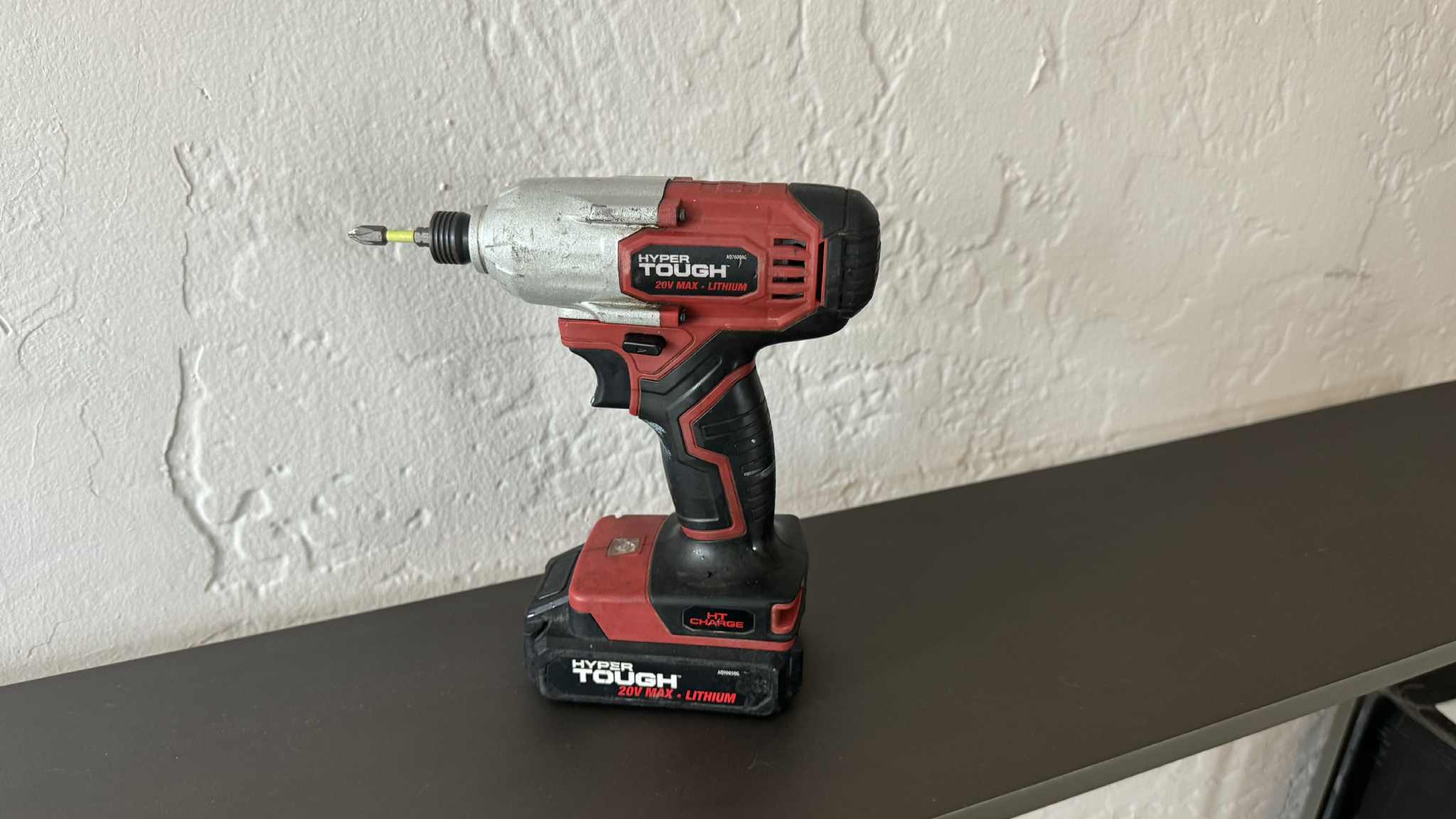
Upon using my new gift, I couldn’t help but place my forehead into my palm and sigh: My God, I wasted so, so, so much of my life using a handheld screwdriver. Spinning each thread out of whatever I was unscrewing — first the initial ones that release the tension holding the parts together, then the next thread, then the next, then the next — and doing it for probably thousands of screws over the years had been completely pointless. I probably lost days of my life just undoing screws, and all because — for whatever reason — I didn’t think to buy an impact driver.
Don’t be like young-me. Go to the store and just buy one. This shed I just put together has tons of awful reviews which said they spent days trying to erect it, almost certainly with a handheld screwdriver:
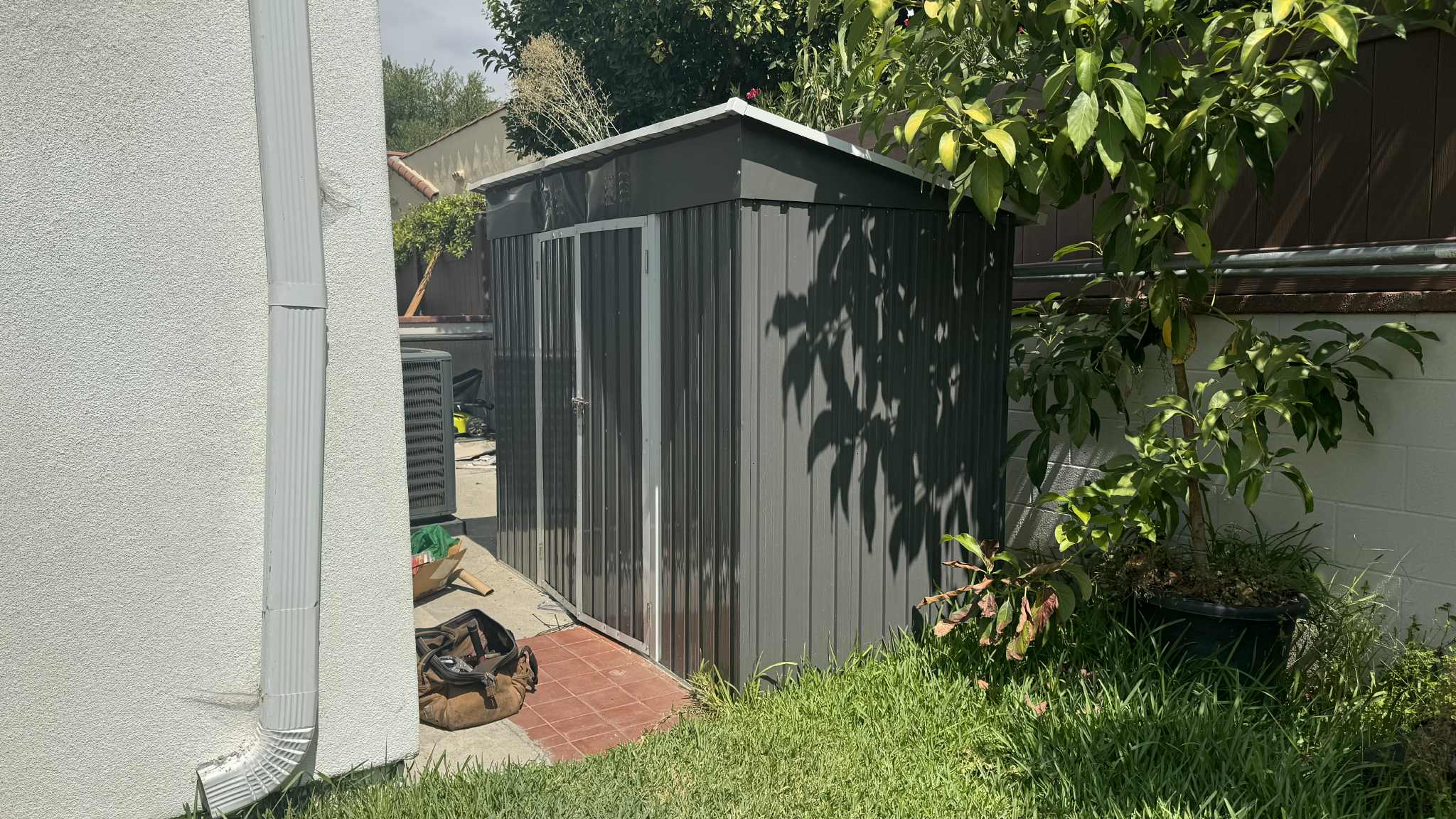
By the way, this shed is freaking incredible, and the candy-asses who paid far-too-little for such a big shed, and are complaining about how thin-gauge the metal is, need to wake up. The fact that this giant shed was flat-packed into a single box, and offers so much stiffness despite the thin gauge of steel — honestly, it’s a marvel of engineering. Somewhere in China, an engineer is reading those reviews, with a tear dribbling down their cheek, wondering what else these ungrateful customers could possibly have wanted.
I, meanwhile, with impact driver in hand, was not at all deterred by the brilliant design’s main compromise of requiring quite a bit of assembly, writing in my review:
I totally get why people gave this shed one star; it’s frustrating to build! But here’s the thing: You bought a dirt-cheap shed, not a high-quality blow-molded plastic one. In order for the manufacturer to keep the price down, they necessarily had to build a structure out of incredibly thin steel that 1. Could be flat-packed into a single box and 2. Could be configured into a shape that allows the thin material to have significant stiffness.
That’s the thing here: If you want something cheap, you have to reduce material cost, and the best way to do that is to rely on clever geometry to give thin-gage material stiffness. And so that’s what you get: Lots of really thin pieces of metal in a single box. As such, you’ve got to screw all that thin metal together into a big shed. It’s a lot of work.
But in the end, you have a shed. A decent shed for the price, actually.
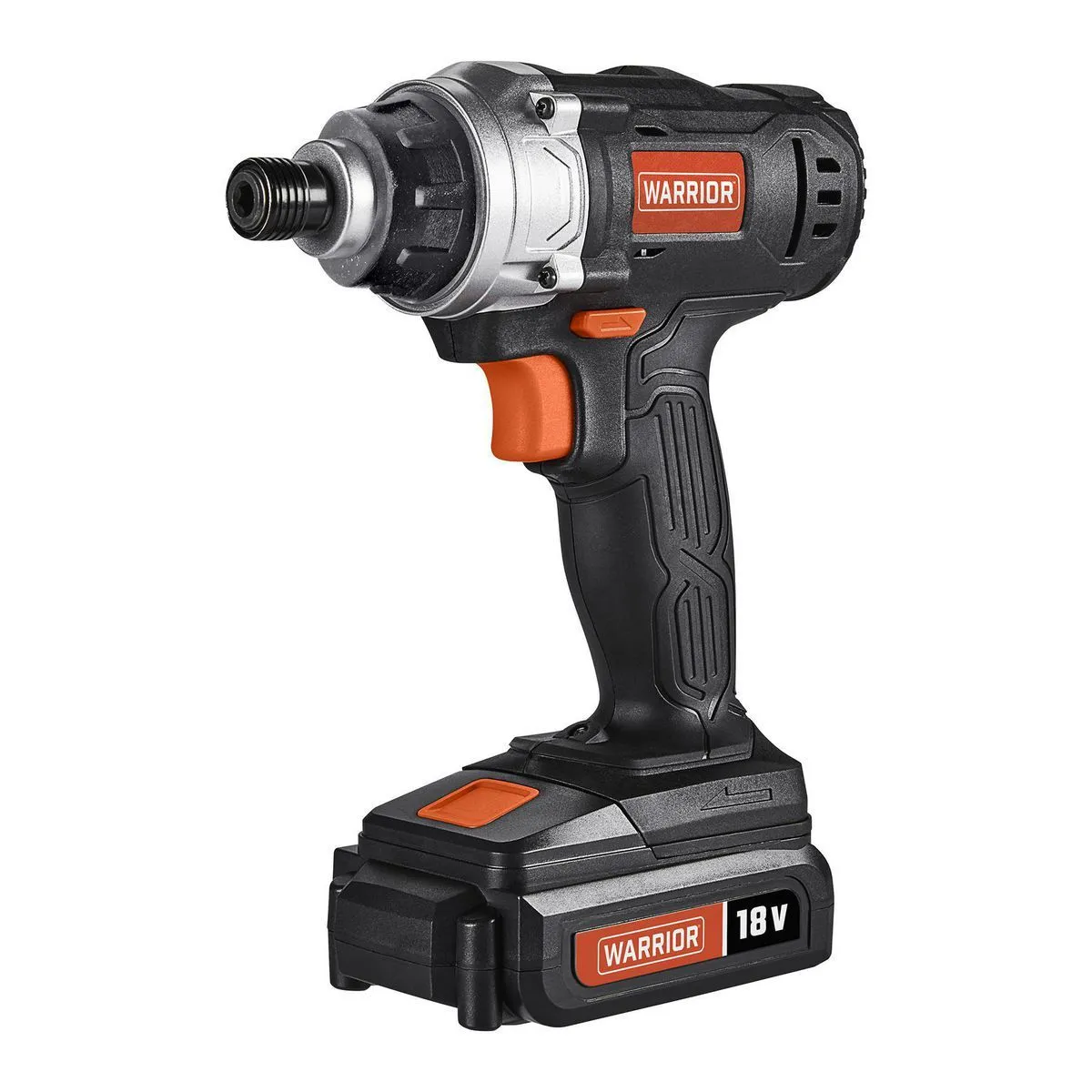
Shed reviews. The Autopian has it all! Anyway, here’s a cheap Harbor Freight impact driver for $40:
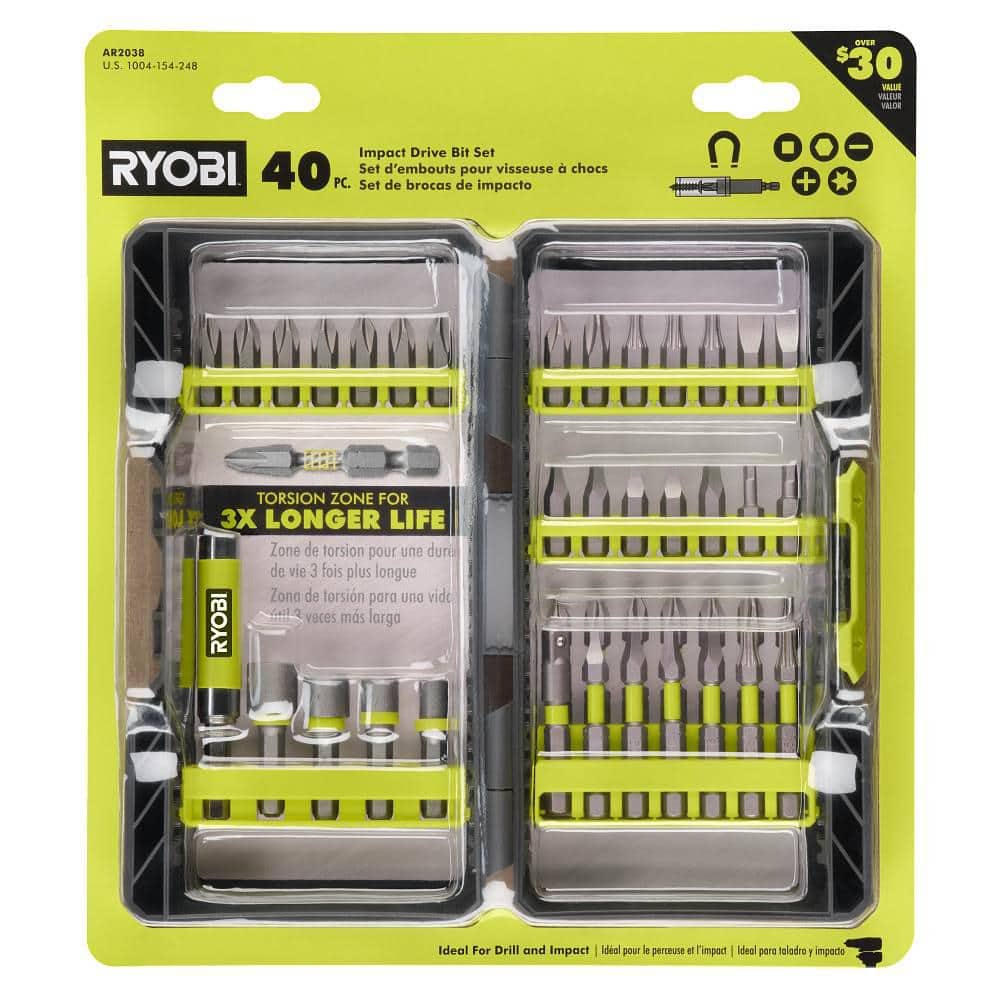
You have to get the socket bits, like this set I own from Ryobi:
And the socket adapters are clutch for low-torque 10mms bolts and such:
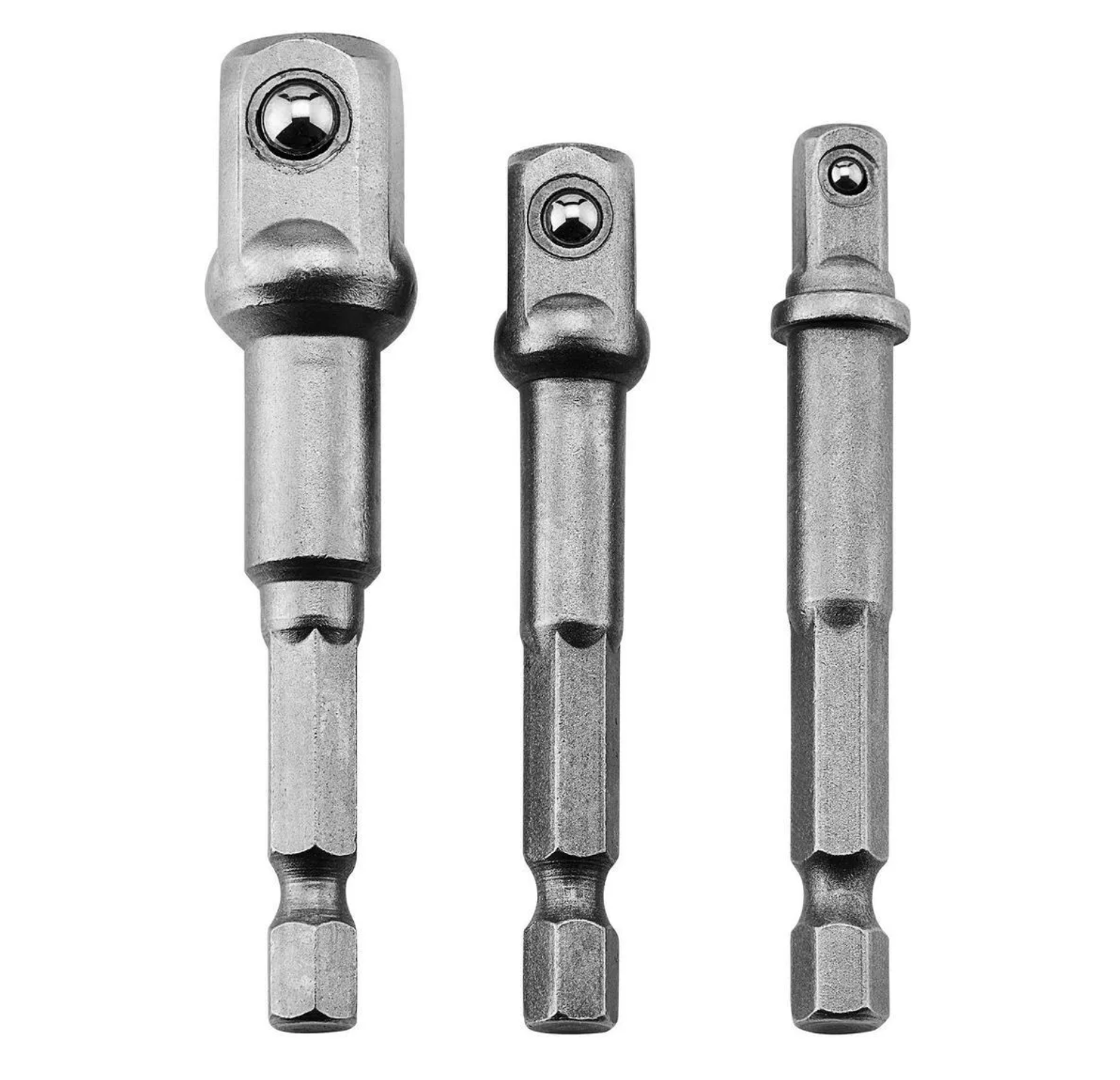
Just trust me on this one. You have other things to do other than twist a handle in a freezing cold junkyard.
Top photo: The Autopian
The post Not Owning An Impact Driver As A Mechanic Is A Great Way To Waste Your Life appeared first on The Autopian.

