Unless you were court-ordered not to have sharp objects around you, I’m pretty confident that the first thing you’d grab to slice through the stringy, fibrous celery that your punk dad and pediatrician keep giving you is a knife, simply because it’s designed to cut things. I’ve tried cutting it with a spoon many times, and I fear it’s just not as effective (although I won’t give up yet!). That same train of thought could apply to cars: why not have the sharpest edges possible so that it can effortlessly cut through the air?
That line of reasoning, spoon and all, was very much the philosophy of midcentury stylists like Giorgetto Giugiaro and Marcello Gandini, as they helped to usher us firmly into the edge age. For decades, we saw concept and production cars alike with such hard angles you could slice your finger on it if you were to delicately caress the thing.
If you ever wanted to learn more about these wedged rides, I’ve got you covered, because the Petersen Museum has me covered, all thanks to their newest exhibit, The Wedge Revolution: Cars on the Cutting Edge.
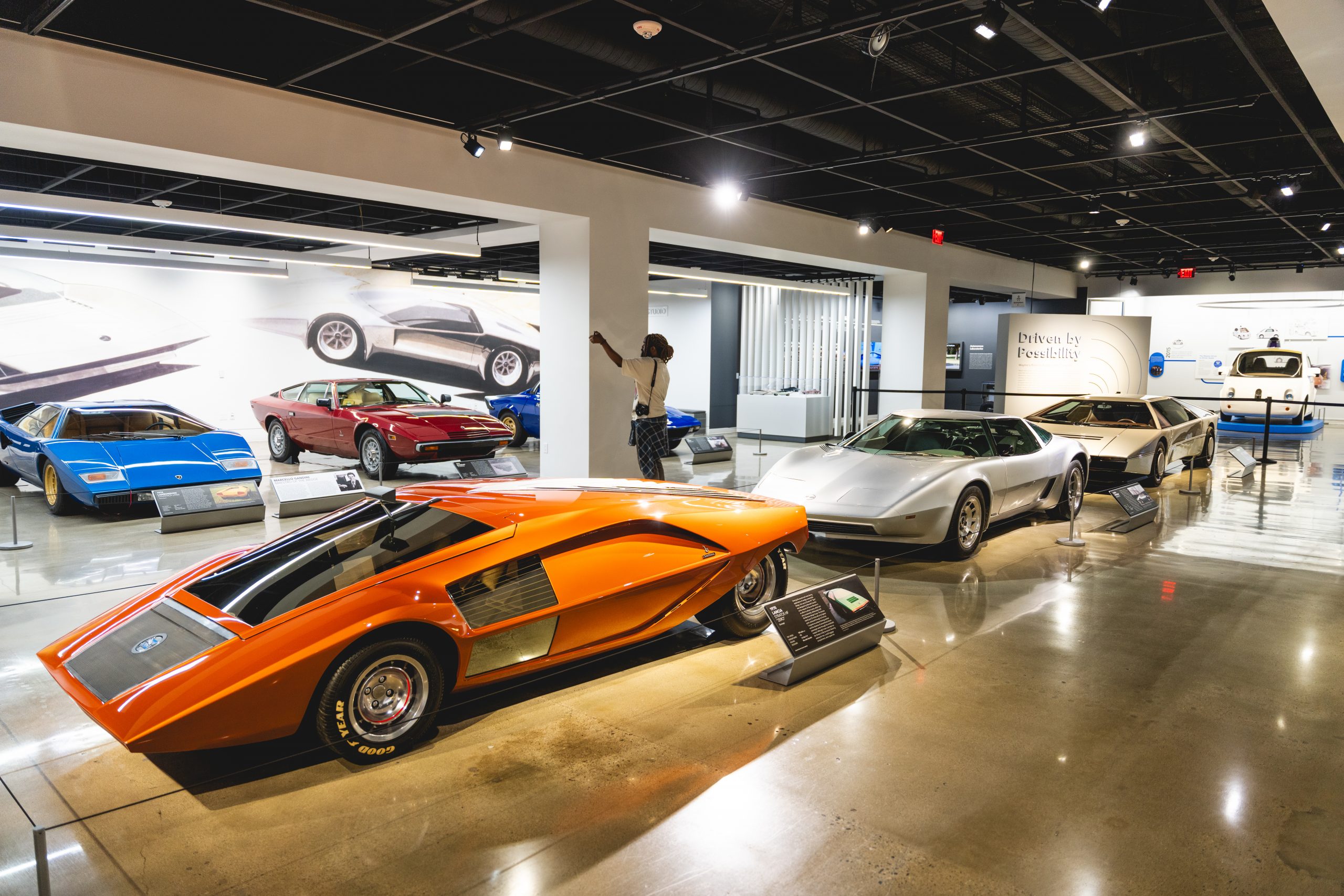

The second-floor exhibit is a dive into a more primitive era of auto design, where aerodynamics were designed more off vibes than they were any meaningful science, thanks to our lack of technology to study and develop towards aero efficiency. Sure, we’ve had fast cars for years, but to illustrate my point, think about the look of every bulbous blob of an EV that seeks to be mighty slippery to maximize the battery’s range, and juxtapose them with literally any car here.

All I’m saying is if a blade-shaped car were the solution to the eternal question of aerodynamics, then the EVs would’ve already coalesced around it, which is an incredible dream that I now have, no matter how futile. Our favorite Autopian imagineer, The Bishop, recently talked about how he’d modernize a Bond Bug wedge car and combine it with the Polaris Slingshot, so all these ideas were fresh in my feeble, acorn-sized mind, and I decided I had to gander at these mighty wedges on display.
The Aerovette
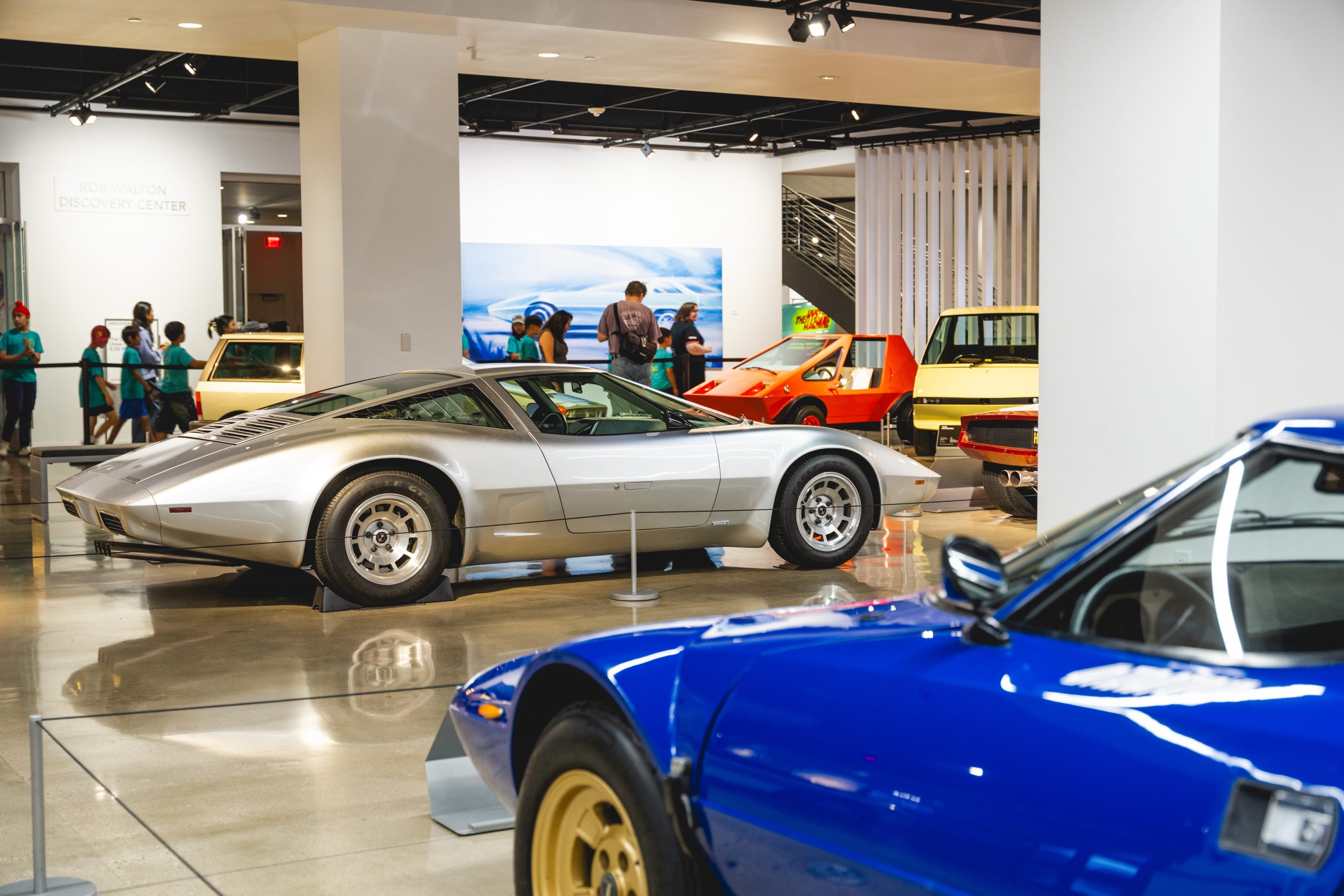
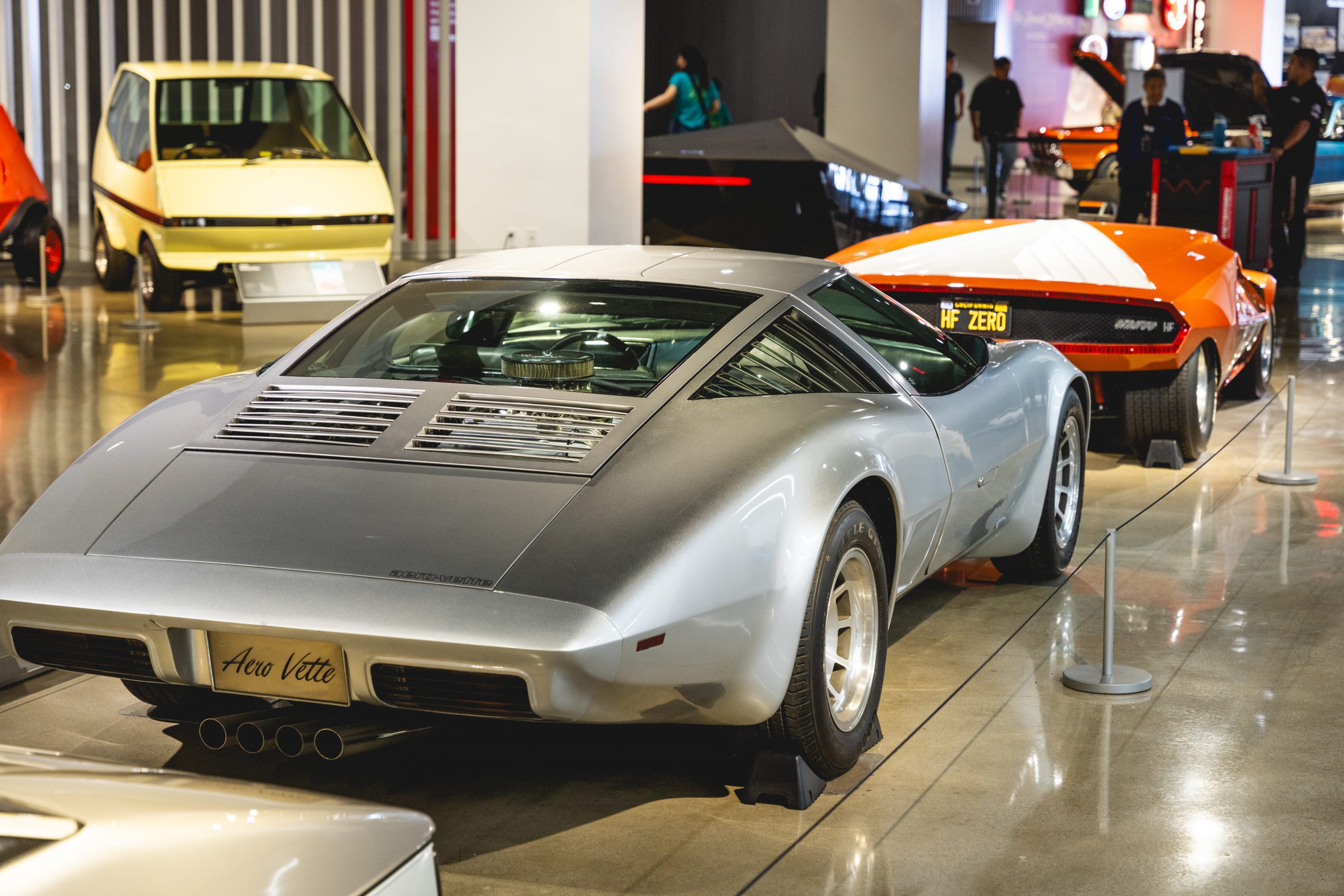
Honestly, I should just stop here because it’s a Corvette and that’s all the conversation that needs to be had. This concept car had a couple of iterations after its build in ‘68, but one consistency was its mid-engine design. Looking at its profile, it evokes a C3 that got a Brazilian butt lift to fit the combustion junk in the trunk, and it works quite well in my opinion.
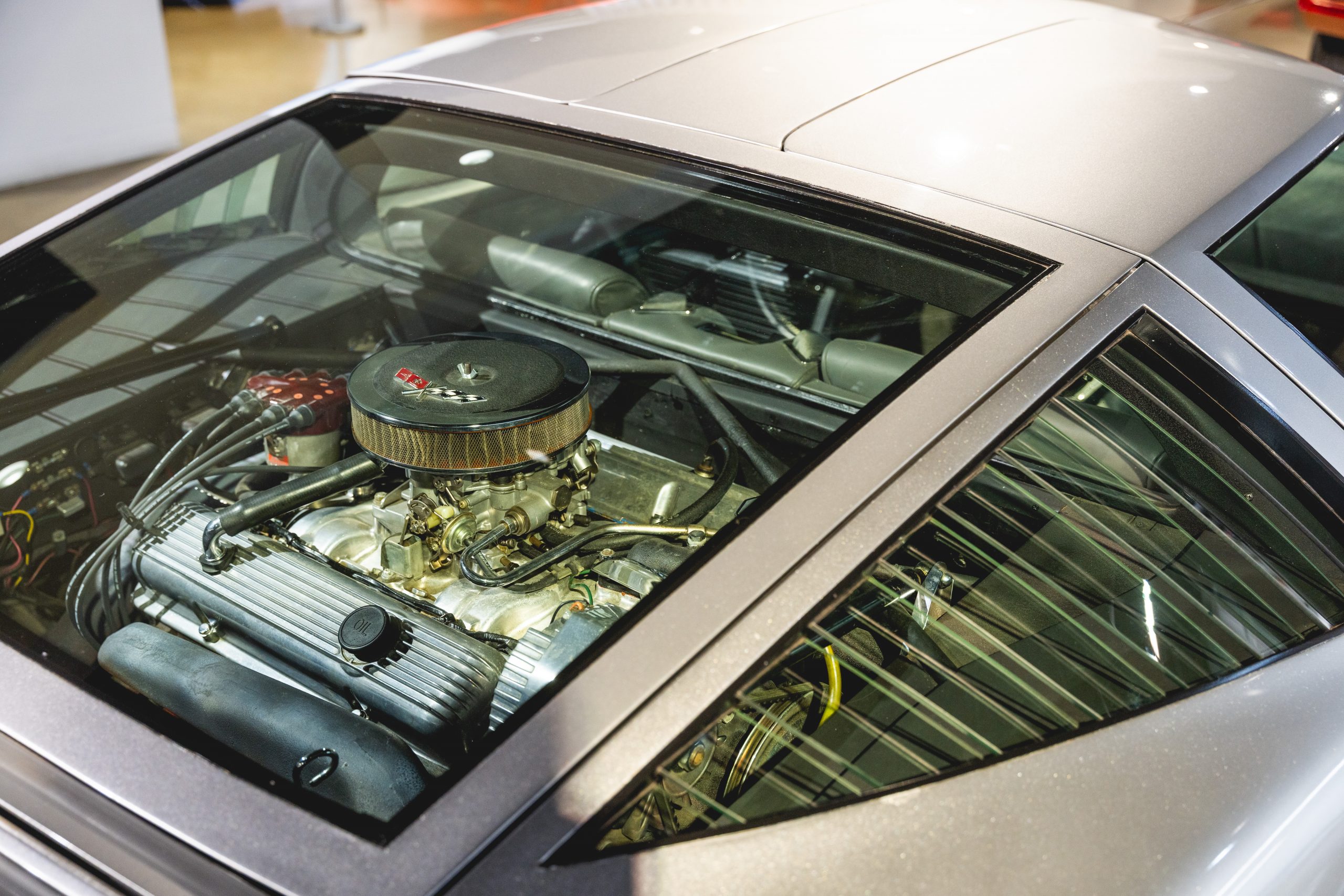
The 1973 iteration of the car had extra refinements to its aero that got its drag coefficient down to just .325, and it had a Wankel engine that GM eventually decided they were bored toying with, dropping it in favor of a classic V8 in 1976.
The Stratos HF

So quick comment about racing before I fully address this one: it’s cool. Seeing folks go fast as hell and experience insane amounts of lateral G as they wrestle a car into a turn flat out is so exciting to see, but so much racing needs to be in perfect conditions for safety. This year’s Indy 500 had a decent delay due to rain, and F1 has no shortage of controversies that are also attributed to the tears from above, but there’s one form of racing that doesn’t give a hoot or holler about any of that, and it’s rally racing.
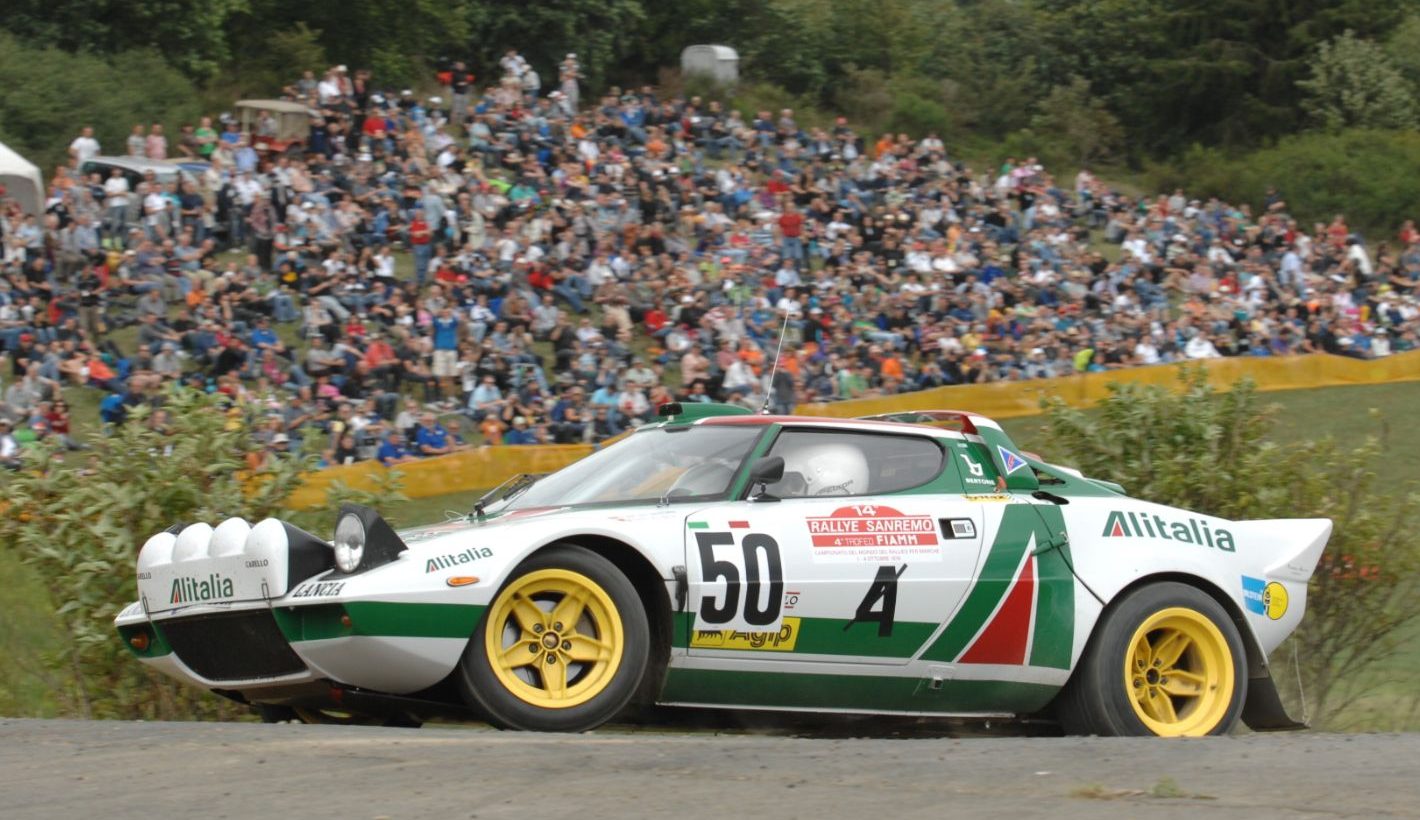
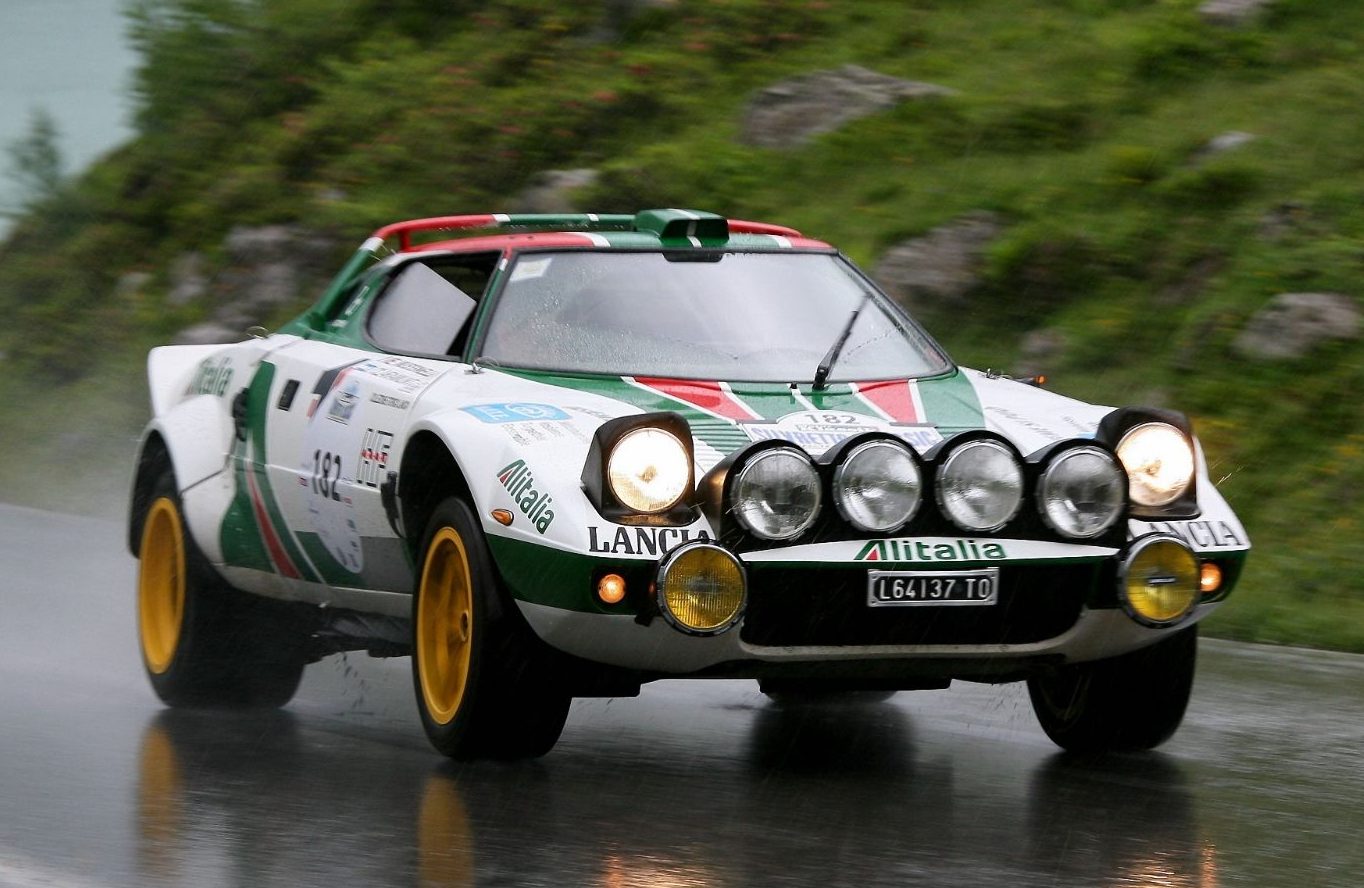
This Lancia Stratos HF is a mid-engine monster of the Group 4 era of the World Rally Championship that combines stunning looks with great performance in its tiny body. It came with a 1.6L V4 that made 190 broncolinies (trying to make that catch on instead of ponies, what do y’all think?) and had a top speed of 144 mph. It wasn’t just rally racing, though: this lil cutie also got second in its class at the 1976 24 hours of Le Mans. Can you imagine a Le Mans car racing in a rally today?

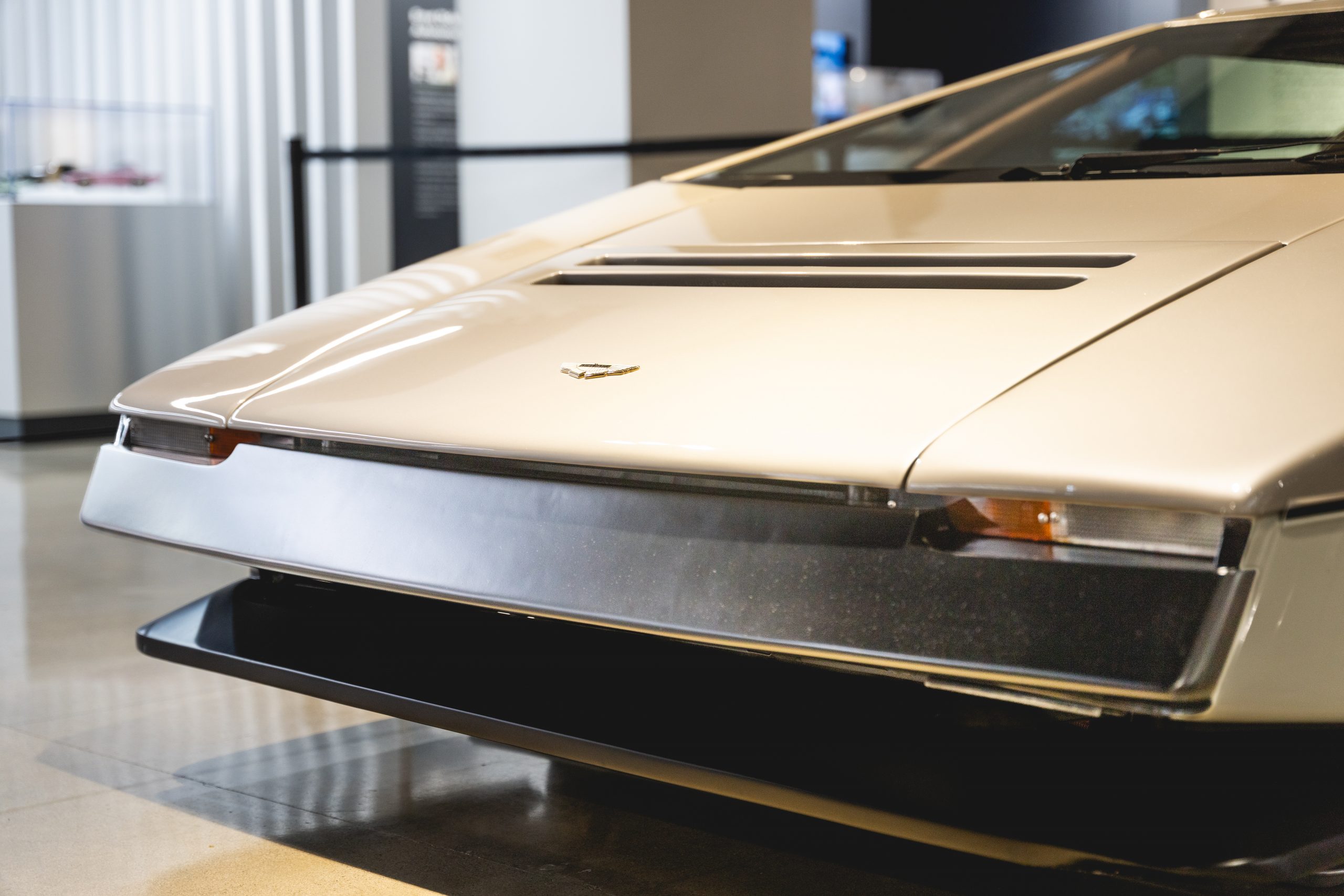
The Bulldog
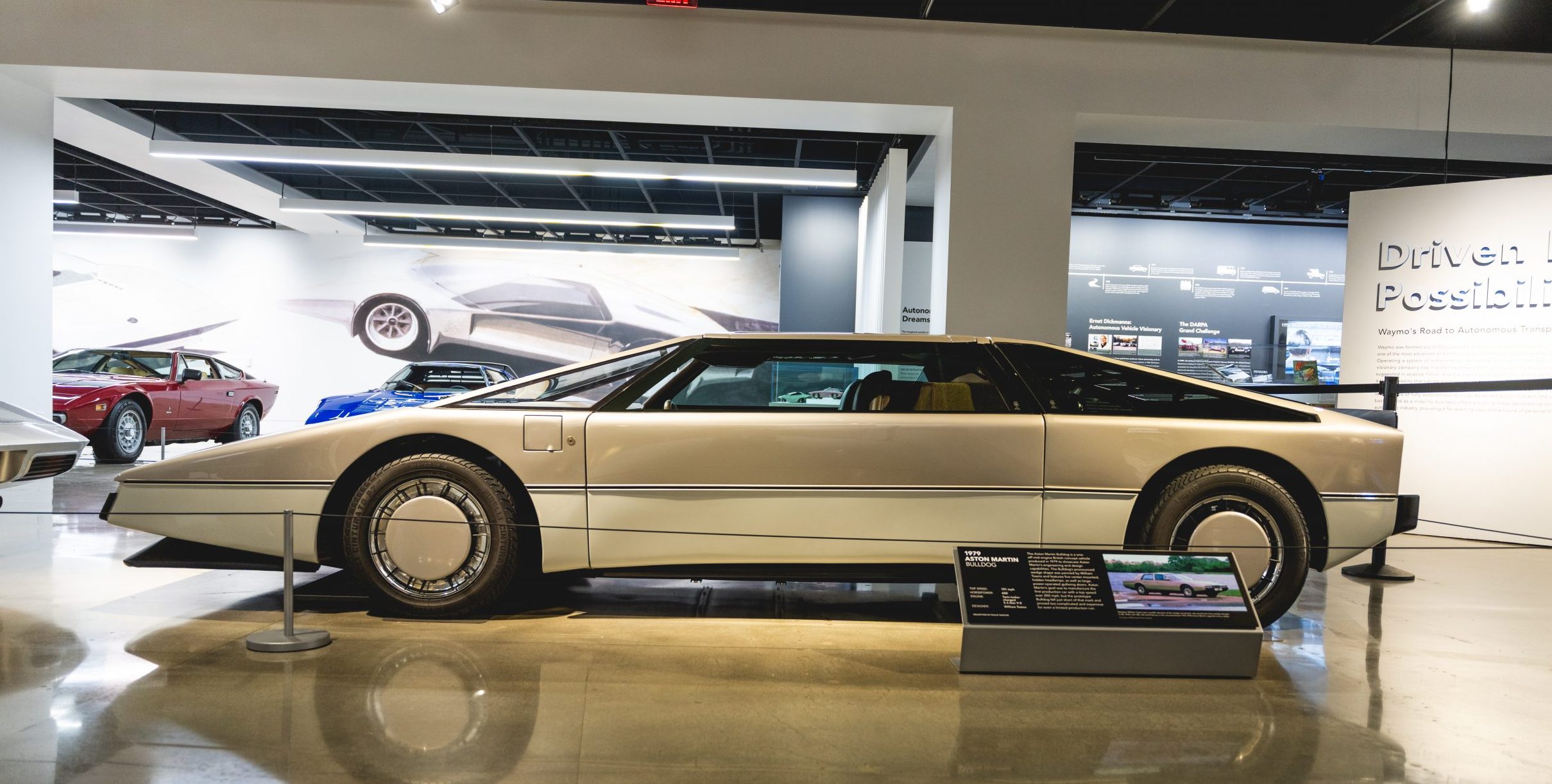
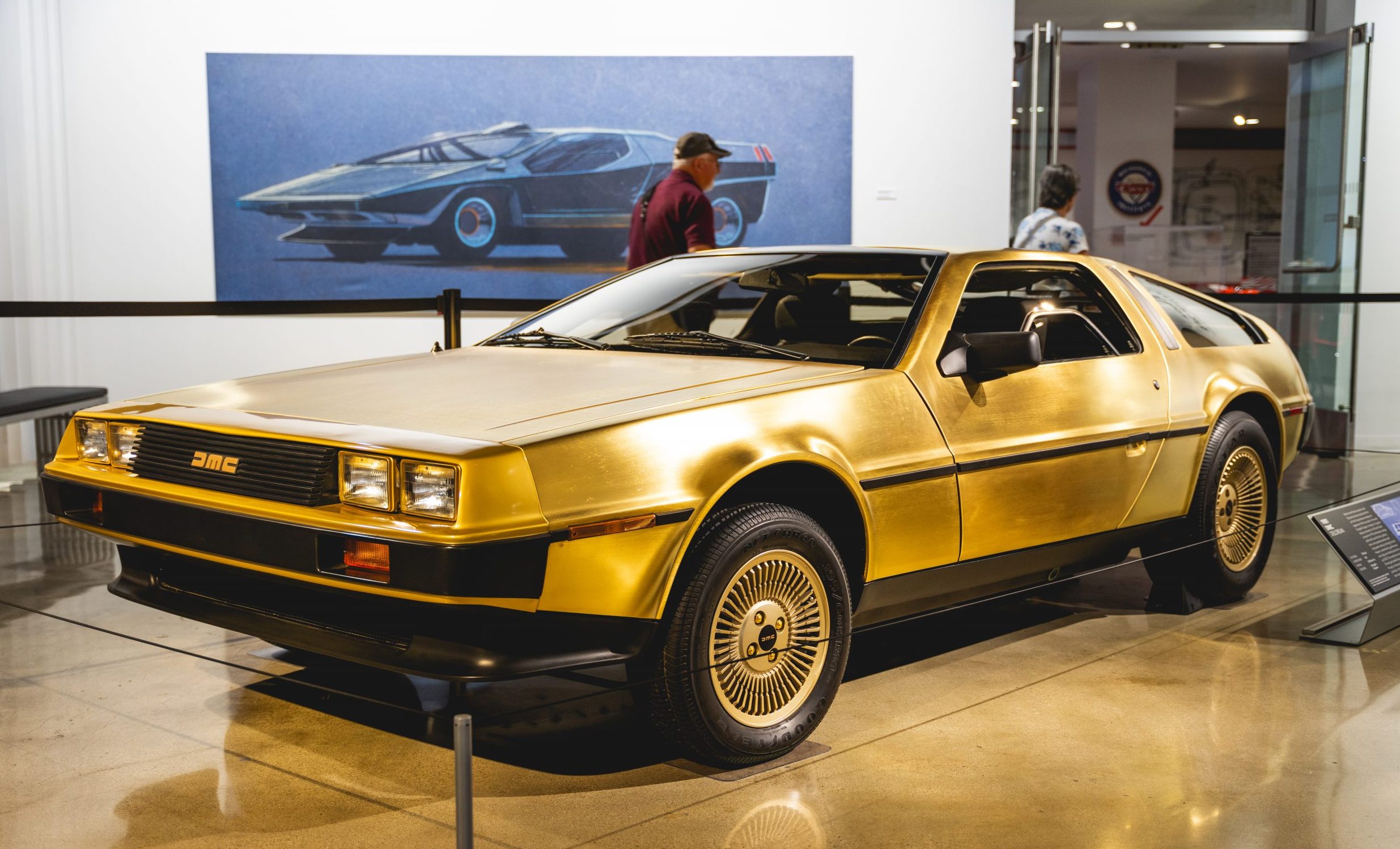
I’m gonna be honest with y’all here, but you gotta promise not to tell anybody this first, okay? Okay…I think this thing is ugly as sin. It’s rough in a way I don’t have words to describe, and while many have said it looks like a DeLorean, I have to disagree entirely, simply because I can dig a DeLorean. Hell, there’s one right across from it!
The Bulldog, though? Doesn’t do it for me. In terms of Bulldog lore, Aston Martin built this to be the first car to shatter the 200mph barrier, but they fell short at just 191 MPH, and it never made production because it was just too expensive.
Another lil fun fact about it: five headlights, all situated next to each other. What do you think of it?

That does it for me! To see a couple more cars, do yourself a favor and watch the video below where I talk some more on display, and to see them all, you just gotta make the trip out to the museum. Cheers.
The post Seeing The Wildest Wedge Cars Of The 60s And 70s All In One Spot Reset My Cool-Carometer appeared first on The Autopian.