Today was a busy day of David and I trying to abuse the Nissan Murano Cross Cab that you may recall from my embarrassing attempt to do some cop hood slides. All this is to say that I ended up quite filthy and exhausted, fell asleep while planning to do Cold Start, woke up with Cold Start somehow unfinished by sleep elves, and now here we are. Luckily, I happened to notice a weird old brochure that got me thinking. Thinking about trunks. And that led me to realize something about an important car, so let’s get to it.
The brochure that started it was one for a 1950 Mercedes 170V, as you can see up there. For a 1950 car, the design is a bit archaic, which is understandable – these W136-series cars were around since 1935, so it wasn’t exactly a cutting-edge design.
But you know what? There was a cutting edge sibling to the 170V! The V there stood for vorn which means front, as in where the inline-four engine was, because there was another, less popular variant, the 170H, H for heckmotor meaning “rear-engined” and that was cutting-edge, for the time.
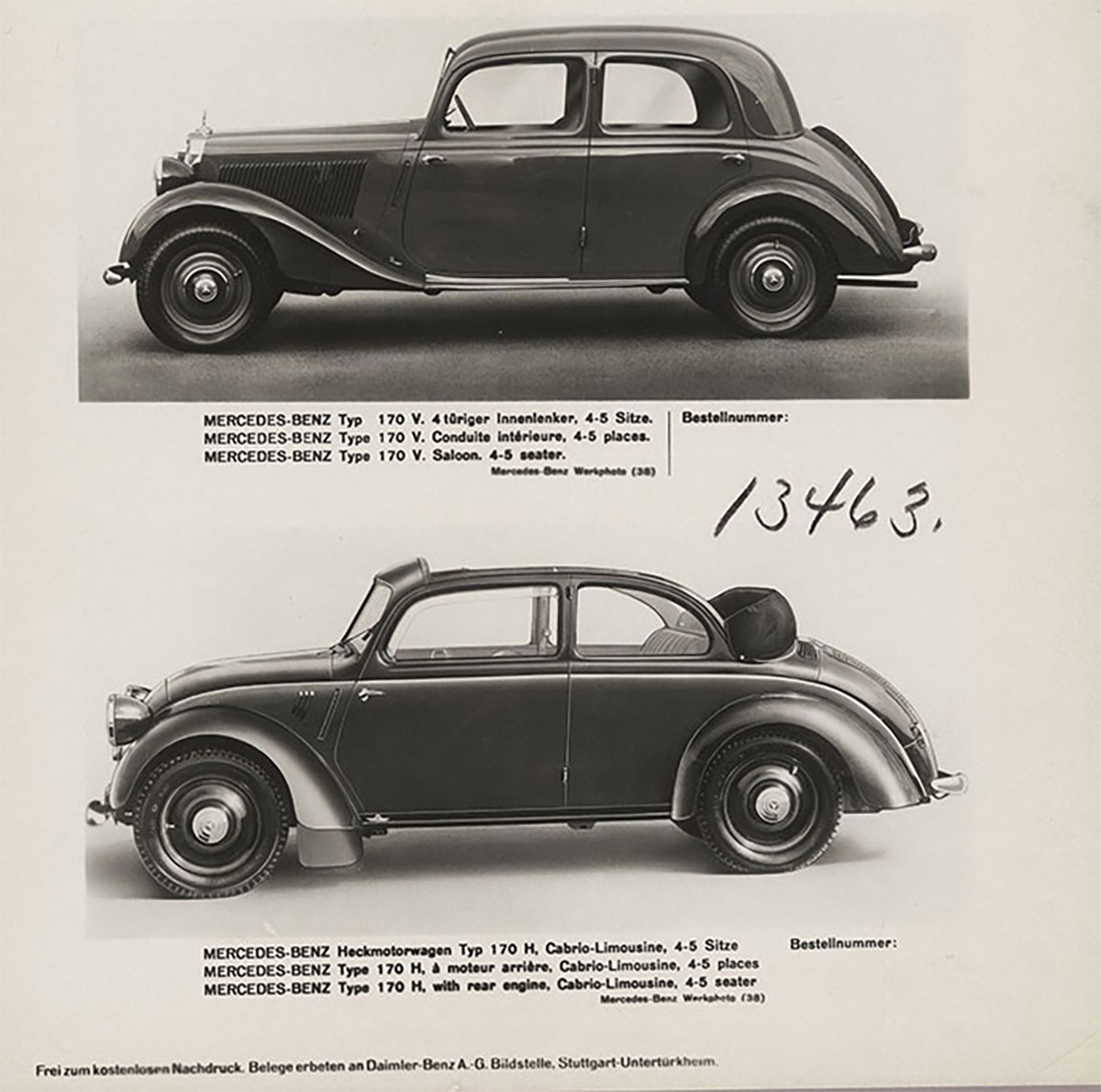
But I’m getting off-track. What I wanted to discuss about the 170V is this:
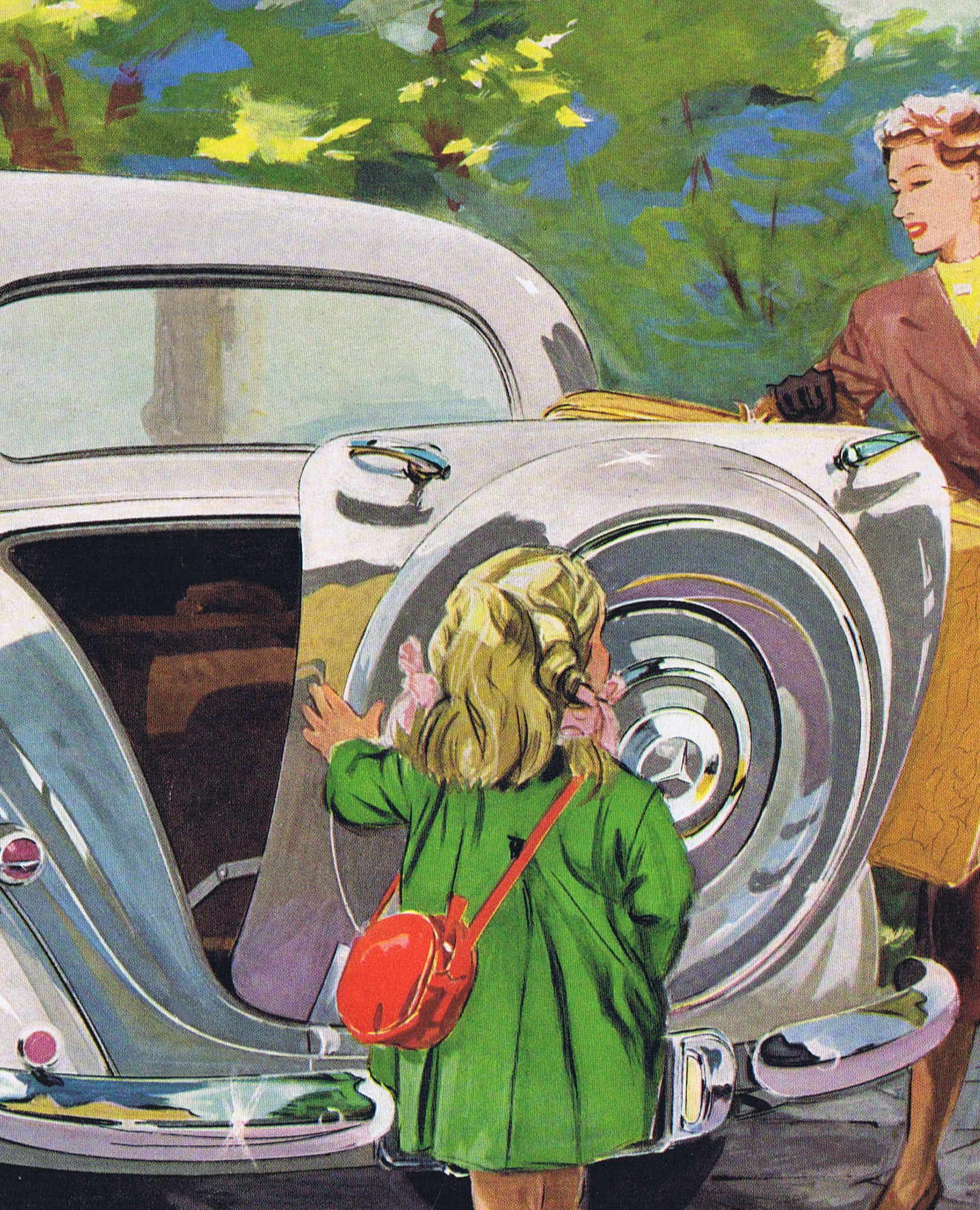
Look how that trunk opens, with the bottom hinge. It seems such an awkward and ungainly way to handle an opening trunk! and that’s about as far as it extends open:
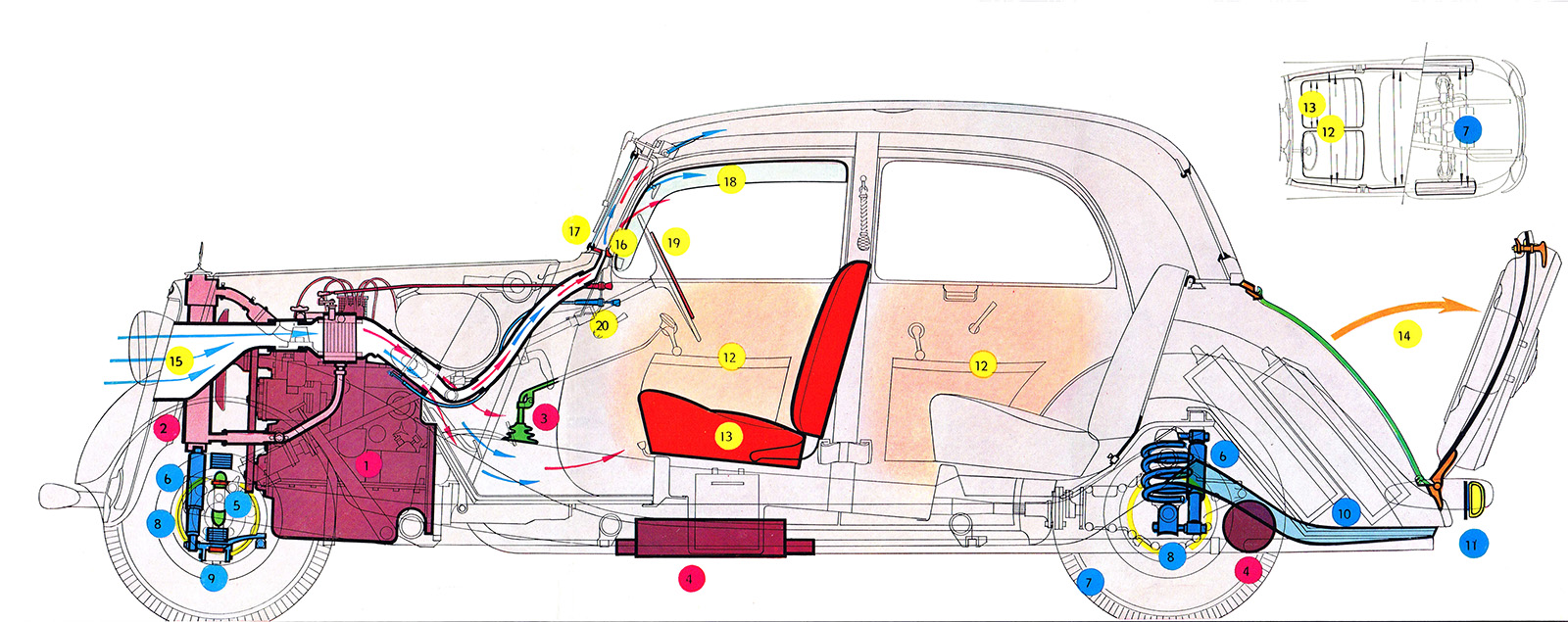
Why did trunks open like this? I really can’t think of a worse way to try and load heavy suitcases into that thing. Was it because the tire inset into the trunk lid made that lid wildly heavy? I’m not sure, but it seems awful. And this wasn’t limited to Mercedes-Benz. Look at this Citroën Traction Avant:
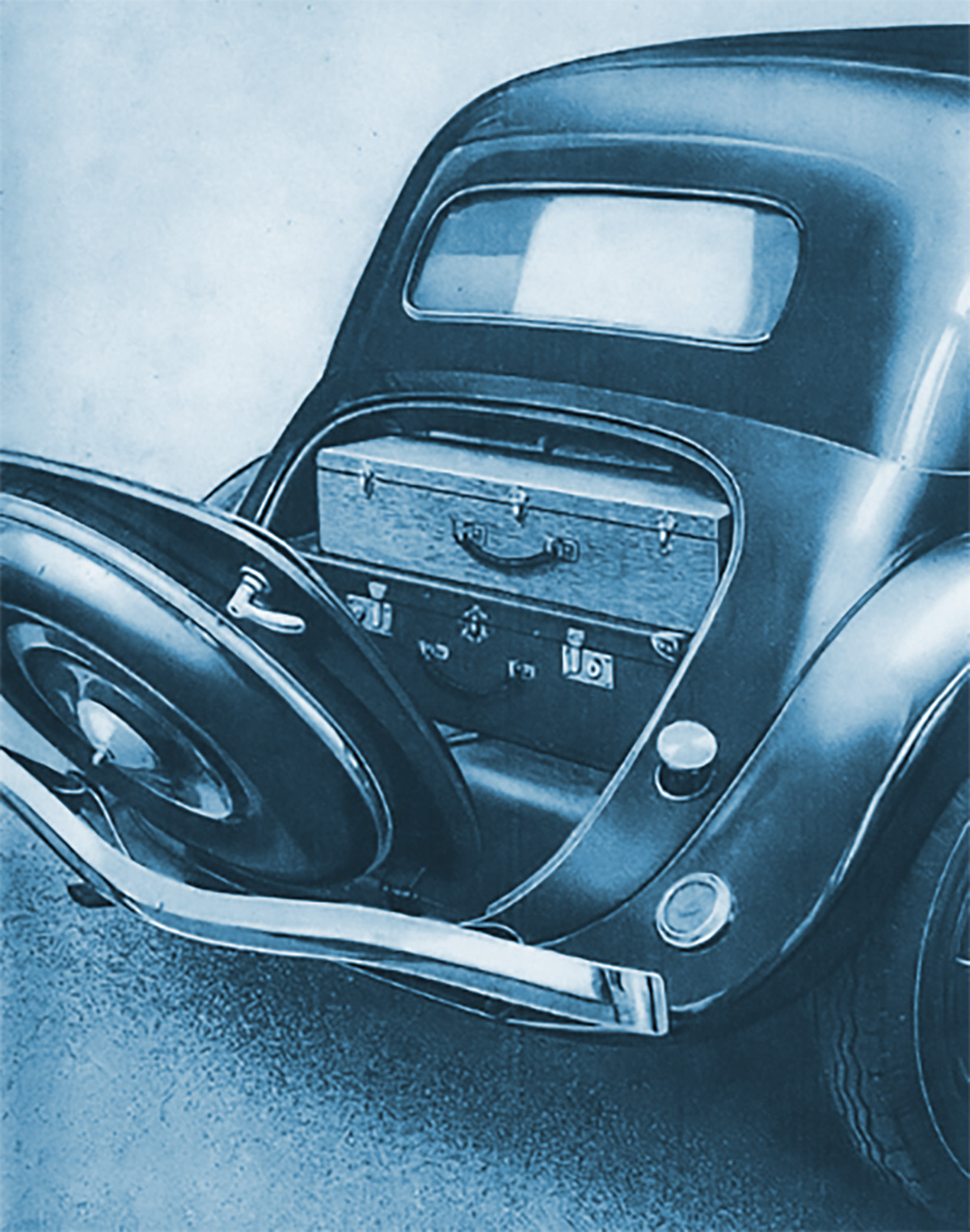
Same madness. It’d be such a pain to get those suitcases into a trunk that opened this way! Why the hell was this such a relatively common design for so long?
So my intent was to kvetch about this lousy trunk-opening method, but then I got sucked down a Traction Avant trunk rabbit hole, because this car seemed to have almost every possible method of getting luggage into the trunk that was possible with the technology of the era.
The first ones had no opening trunk, you had to load everything from the inside, folding the rear backrest, like a Henry J or something. So that’s one way. Then there’s the stupid bottom-hinged trunk we see up there, that’s another.
Then I saw one that had a top-hinged trunk, which makes much more sense:
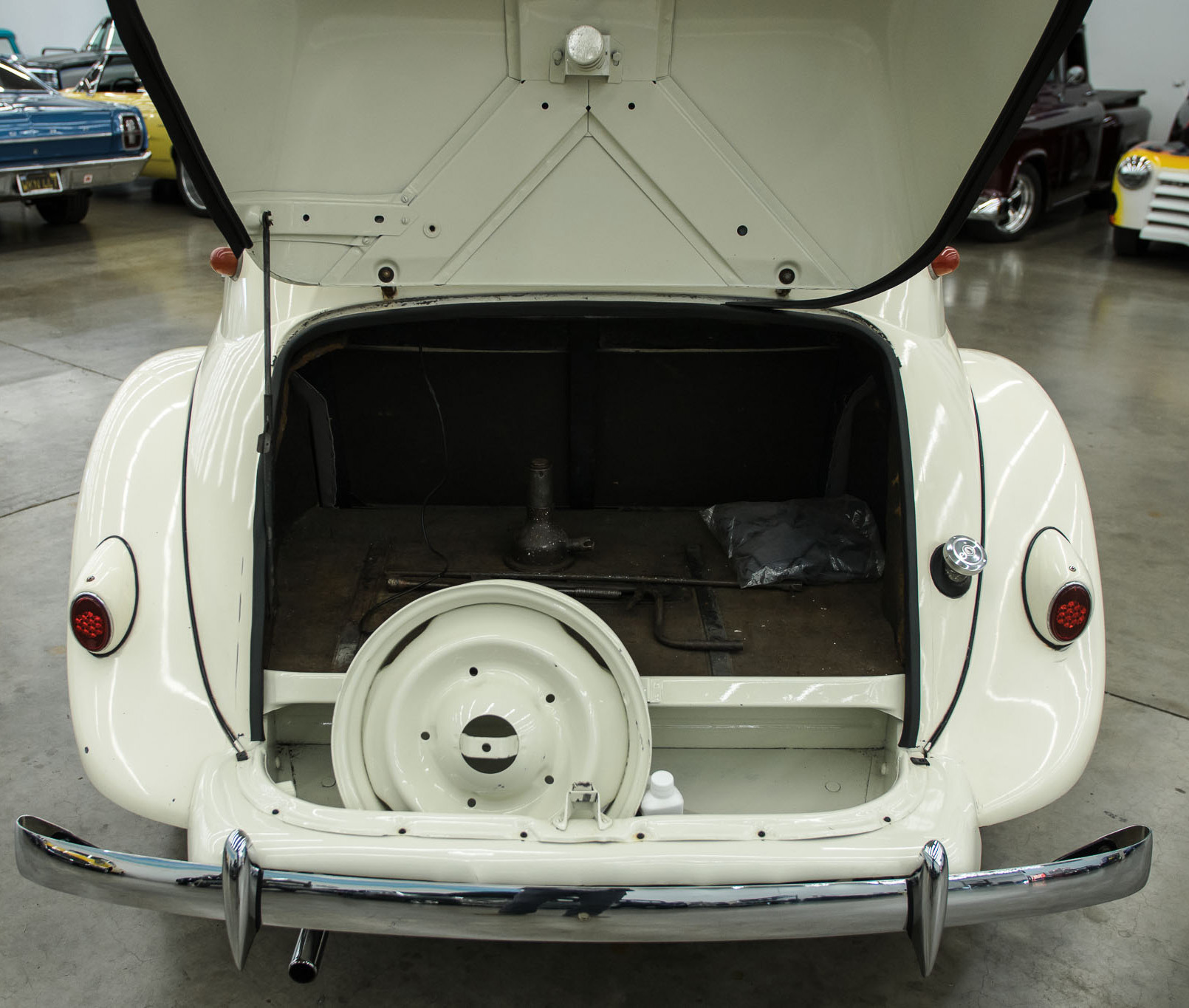
That one also has Volkswagen “snowflake” 1955-1961 taillights, so maybe there’s some shenanigans going on, but still. That top hinge seems to give much better access.
There’s more! There was an early “Commerciale” version where the rear dropped like a true tailgate and there was an upward-opening section, too!
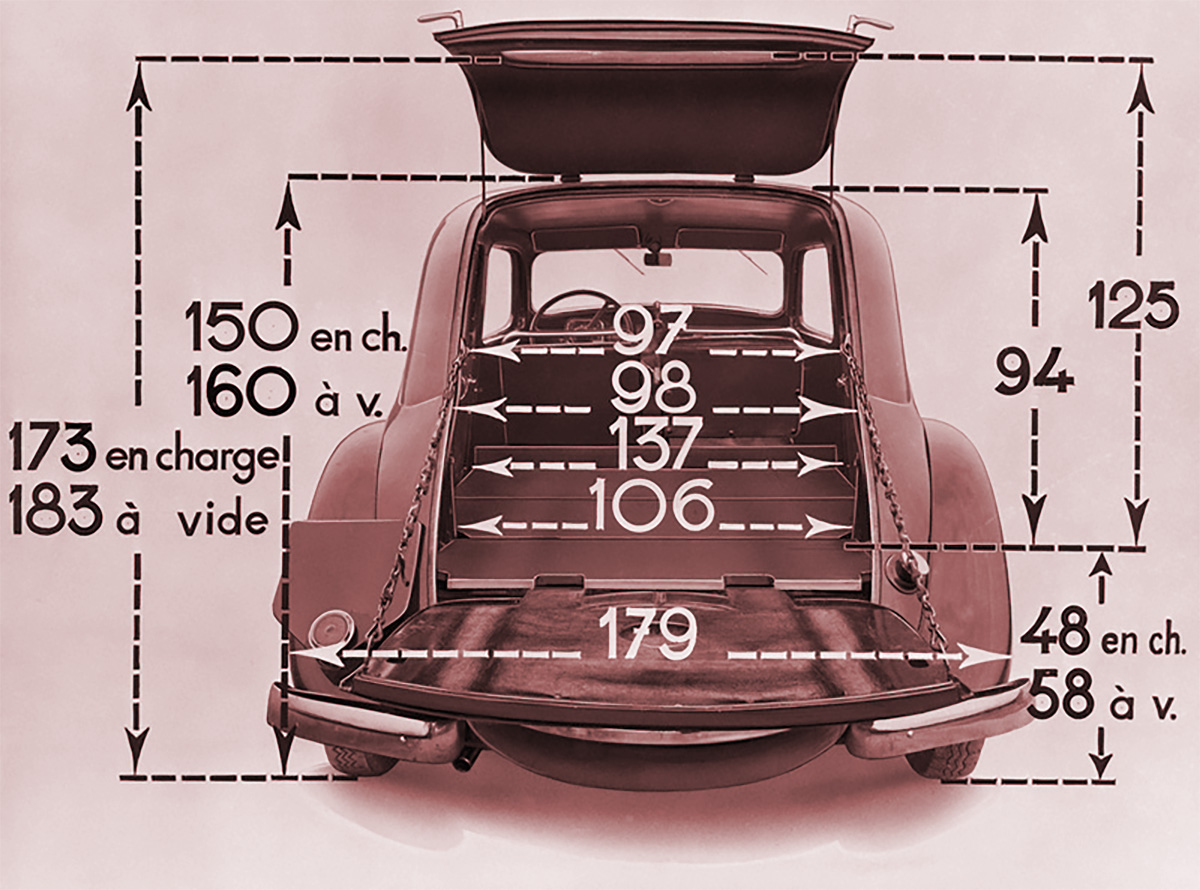
…and after that, there was another Commerciale variant that was, arguably, the first mass-market true hatchback:
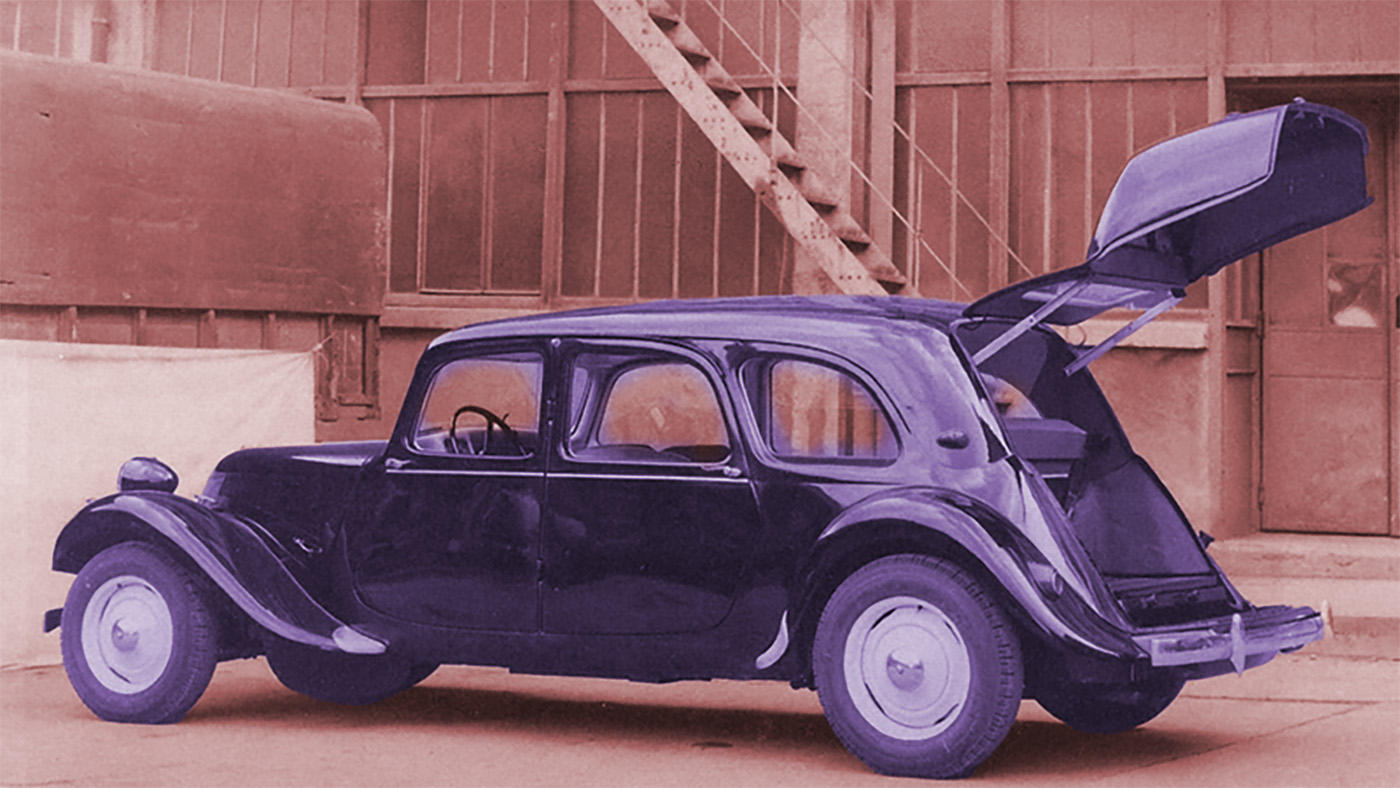
That’s a big deal in the trunk-access community! A true hatchback! But then the idea of a Traction Avant “commercial” vehicle went even further, and in 1949, the Copenhagen Citroën factory offered a Traction Avant van, with this remarkable wooden roll-up door, like a desk:
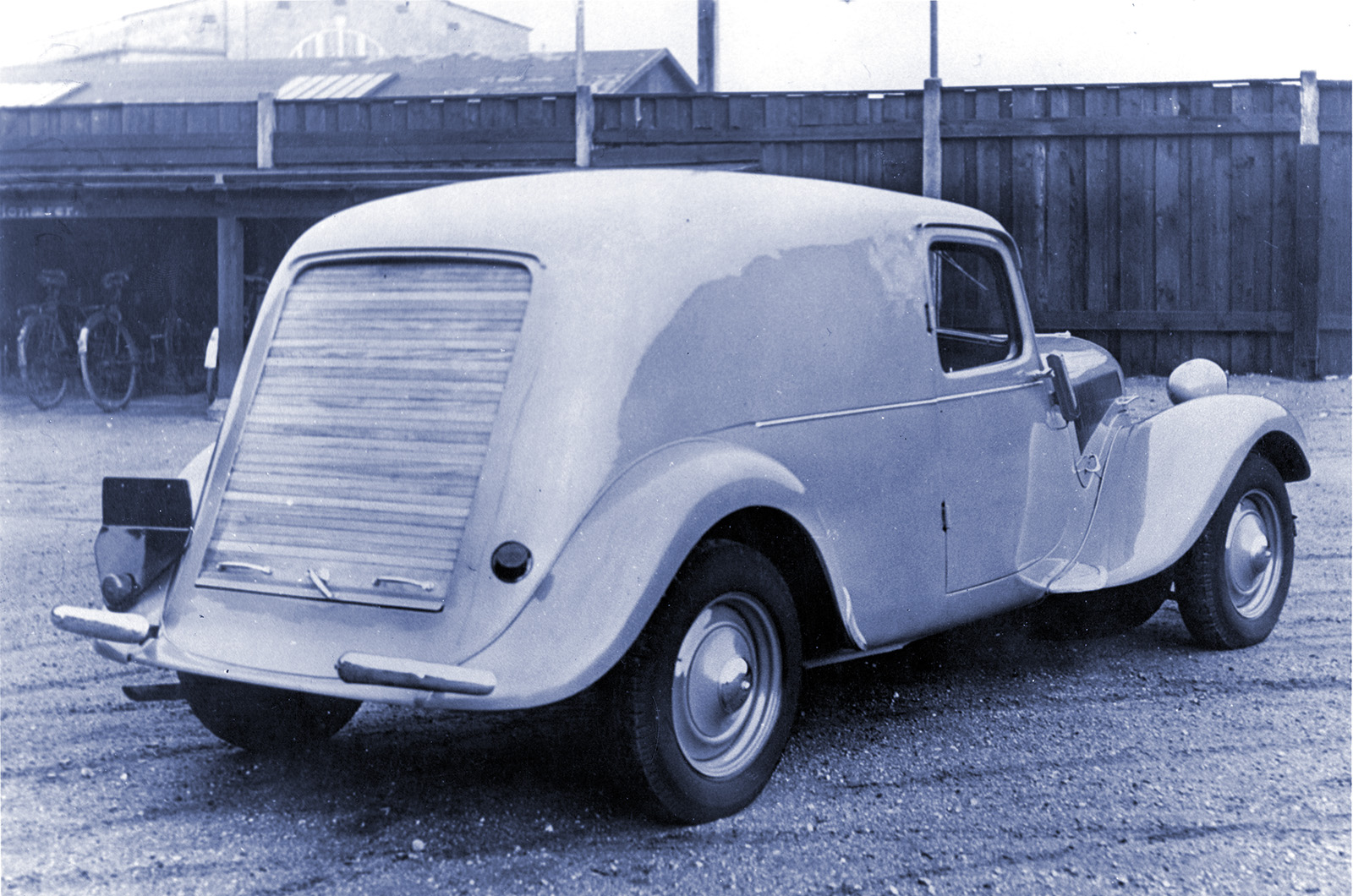
Holy crap, right? Unfortunately that cheap-but-charming wood-slat door would swell in the rain and leak or be hard to open, so finally there was a version with a side-hinged rear door:
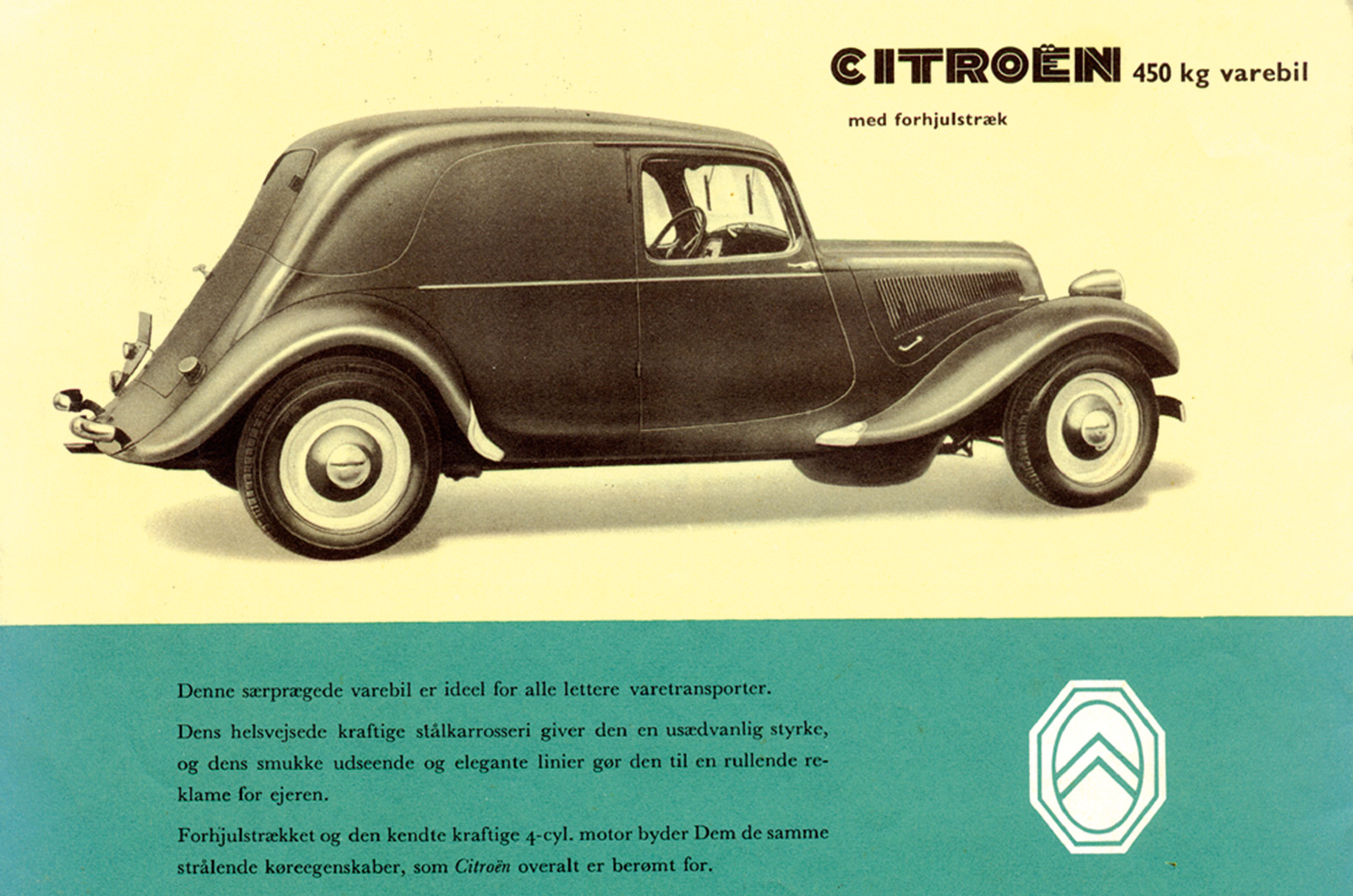
So this all means that Traction Avants had, let’s see, seven different methods of getting access to the cargo area of the car. That’s bonkers.
Okay. Now I’m going to get a little more sleep. My work here is done.
The post Why Did Trunks Open Like This And The Amazing Variety Of Traction Avant Trunks appeared first on The Autopian.