The car market is both better than you’d guess and, if you’re a certain type of car buyer, much, much worse. The impact of tariffs and inflation is very real, but if you have enough cash or a juicy trade-in that you’ve already paid off, then you might be in the catbird seat. If you’ve got negative equity from a car you purchased during the pandemic, well, maybe the seat you’re in is neither cat nor bird adjacent.
A new report out from Edmunds will be the lead feature in today’s Morning Dump, because it shows how buyers of certain cars have found themselves in a fairly awful situation that’ll keep many of them saddled with huge interest payments. If some of those buyers were purchasing GM vehicles, it seems to have worked out for the company, which has posted a huge positive swing in profits.
One quirk might be how a new administration decides to deal with fuel economy rules, which are themselves a little screwy right now. Maybe China can come to the rescue? One Chinese automaker is offering American car companies help.
How Negative Equity is Fueling A New Cycle Of Auto Loan Debt
Didn’t have your morning coffee? No need, here’s a chart that’ll jolt you awake:

The car market has been on a bit of a roller coaster the last ten years. In 2016, carmakers sold more than 17.5 million vehicles, which was an all-time record. Many buyers keep their cars for 3-5 years before trading in for something new, right around the time their car payments are done. Unfortunately, that coincided with a pandemic that removed millions of new cars from production.
This created an unusual outcome. About a third of cars prior to the pandemic had negative equity when traded in, but the lack of new cars meant that the value of reasonably nice used cars skyrocketed, so individuals with trade-ins suddenly realized their cars were worth so much they could roll positive equity into their new purchase. If you timed it out just right, and bought something reasonably affordable, then you could have combined positive equity with low interest rates and saved yourself some money.
Or, as seems to have happened to a lot of individuals, that positive equity didn’t match up to the huge jump in new car prices (caused by low supply due to semiconductor shortages), so you ended up buying something expensive, stretched out your car loan to more than 60 months, and are still very much underwater. Now it’s 3-5 years later again, the market looks very different, and interest rates are going up.
Here’s our pal Jessica Caldwell from Edmunds explaining what it’s like to be one of those buyers now:
The financial consequences of rolling negative equity into a new auto loan have grown considerably in recent years. In Q3 2026, consumers who traded in an underwater vehicle and rolled their unpaid debt into a new loan financed an average of $57,235, up 44.1% from $39,732 in Q3 2019. Their average monthly payment climbed 47.4% over the same period, from $646 to $952.
Higher loan balances and interest rates are also driving up the total cost of borrowing. At an average APR of 8.1%, buyers who rolled over negative equity in Q3 2026 are on track to pay an estimated $16,610 in interest over the life of their loans, up nearly 83% from $9,093 in Q3 2019. Nine in 10 of these buyers (91.2%) financed their purchases over 72 months or longer, extending their payment obligations and increasing the risk of remaining underwater for longer.
The gap between these borrowers and those in the broader new-vehicle market illustrates just how costly rolling over negative equity has become. Compared with the average new-vehicle buyer in Q3 2026, consumers rolling over negative equity financed roughly $12,600 more, paid an additional $165 per month, and were on track to incur nearly $6,700 more in lifetime interest.
As I’ve said a bunch of times, this is all fine until it isn’t, but we’re already seeing signs of downclassing as buyers realize they can’t buy as much car as they thought they could. If we have a huge drop in employment or a prolonged down market, expect people to be talking about a huge rise in subprime and even prime automotive loan delinquencies.
GM Had A Bonkers Quarter, Buys Back Shares

Net income for GM grew by more than 150% in Q3 of 2026, compared to Q3 of 2025. That’s great, and the company expects net income attributable to shareholders to hit $8.9 billion to $9.5 billion this year. The company is still losing money in China, but the combination of earnings from subscriptions (OnStar and SuperCruise) as well as from trucks has helped keep profits up.
Here’s GM CEO Mary Barra in a letter to shareholders:
GM is performing well, and we are working hard to continue our momentum despite growing inflationary pressures through strategic investments in new products and services, and through improved quality and operating efficiency.
Over the next several years, our portfolio will only get stronger as we complete the launches of the all-new 2027 Chevrolet Silverado and GMC Sierra light duty pickups and follow them with our next-generation heavy duty pickups, our next-generation full-size SUVs, all-new Cadillac sedans and crossovers, and more.
Given that trucks and software are helping make money, new trucks with better software seems like a good strategy.
The Board of Directors also approved a $20 billion multi-year share repurchase plan, as the company seems to think its current share price is lower than the true value of the company.
This didn’t make everyone happy, with UAW President Shawn Fain, who sent out a statement (via the Freep) decrying the decision:
“Let’s be clear about what stock buybacks really are. They are a form of legalized mass looting, sending billions of dollars generated by the working class directly to Wall Street investors who’ve never seen the inside of a factory,” Fain said. “Why don’t 80% of GM’s autoworkers have a pension and retirement healthcare, as they did for half a century? Because someone on Wall Street is collecting their pension check in the form of a (expletive) stock buyback. Why is GM nickel and diming their retirees while lavishing shareholders with billions? Because this company has sold its soul to Wall Street.”
GM countered that they’ve invested billions of dollars and also return the highest profit sharing in the industry.
CAFE Rules Are Going To Make Things Screwy
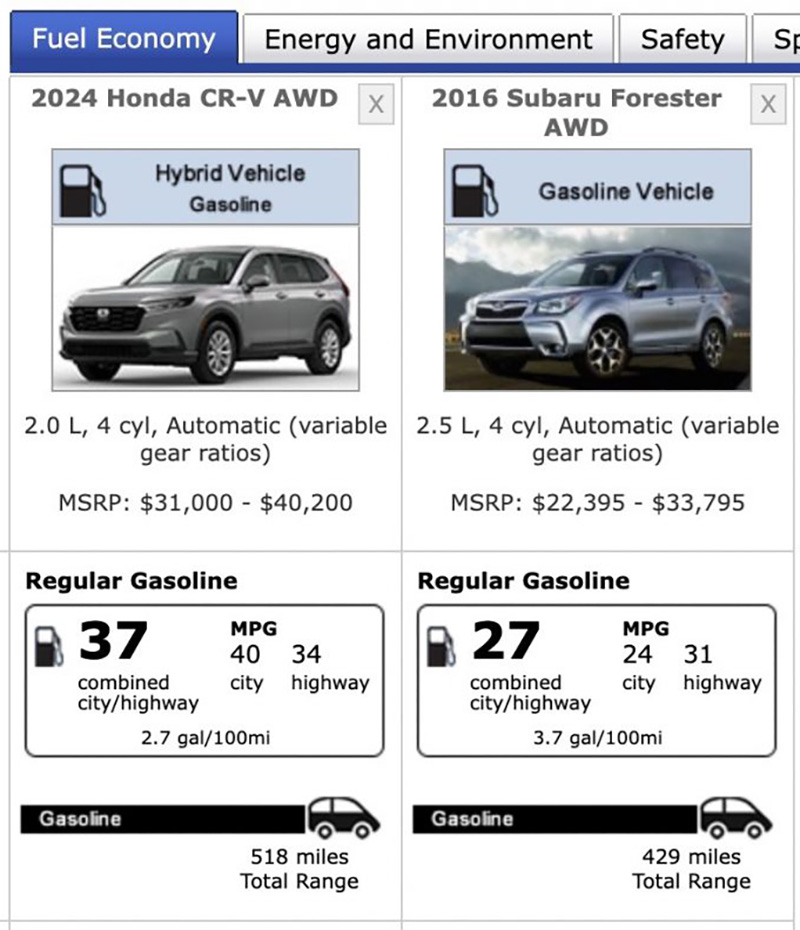
Between the current administration lowering fuel economy standards and Congress essentially removing all penalties for violating Corporate Average Fuel Economy (CAFE) standards, there’s nothing any current automaker probably has to do in order to be compliant. Or, at least, to pay for being non-compliant.
The one change that’s positive, though, is tweaking the rules about what counts as a “passenger vehicle” and what counts as a “light truck.” Starting in 2030, more actual cars will be classified as cars. This will impact everyone, though it won’t impact every car equally, as Automotive News explains:
Unlike the light truck fleet, the agency divides the passenger car fleet into two sections: domestic and imported.
Domestic vehicles have at least 75 percent of the cost to the manufacturer attributable to value added in the U.S. or Canada.
Federal statute requires that domestic passenger car fleets meet a minimum CAFE standard, calculated as 92 percent of the average fuel economy projected for the entire domestic and imported passenger fleet. The imported fleet does not have to meet that floor.
Now that more vehicles will be considered passenger cars, manufacturers will likely be paying even more attention to the stringency of the domestic fleet rule.
Depending on what happens to tariffs and CAFE penalties, does this mean that it’ll suddenly be better or cheaper to build some vehicles outside of the company? Making cars is a headache.
Could Chery Help Automakers In The United States?
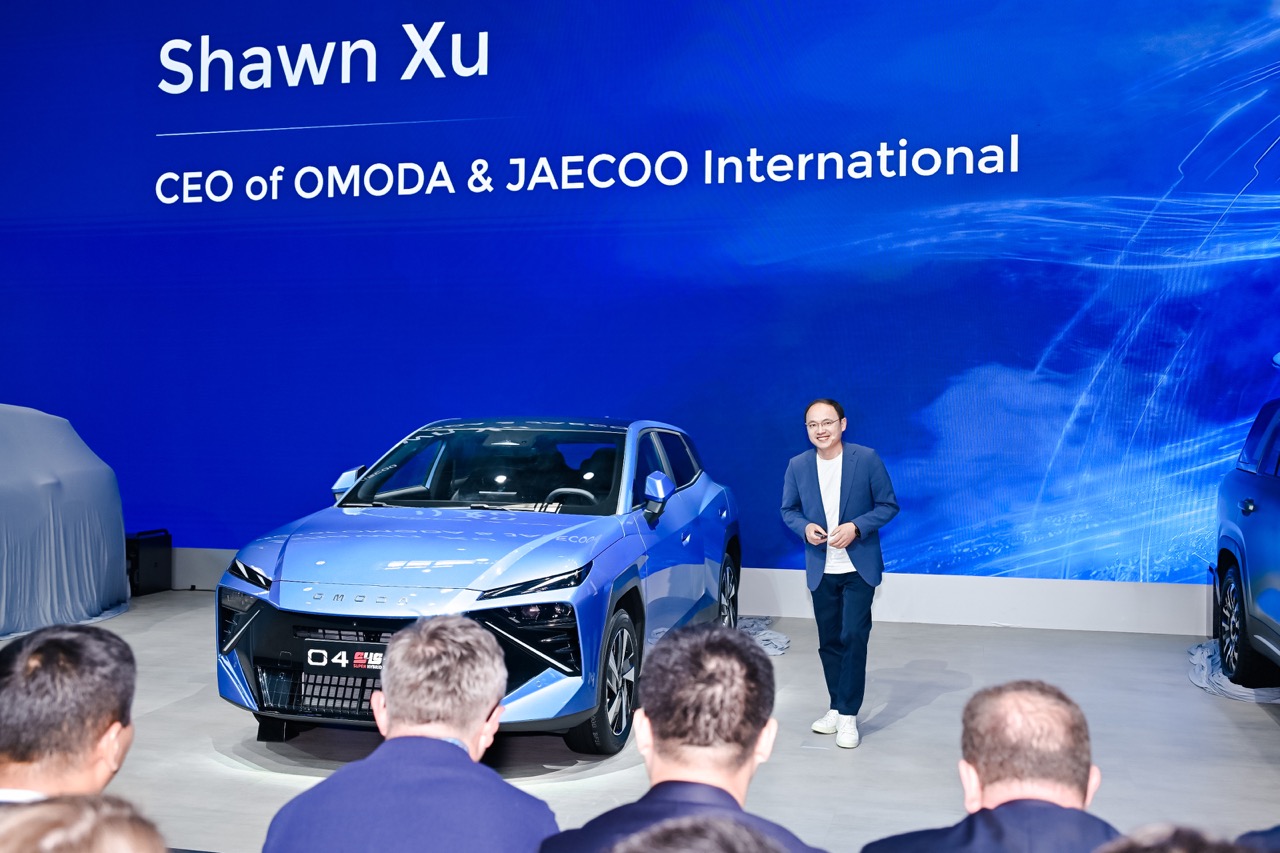
Chery has been one of the more successful automakers abroad, and now even has the honor of making Britain’s best-selling car thanks to the success of the Jaecoo 7. An executive for the company, VP Charlie Zhang, just said, hey, maybe Chery can help out some US automakers.
“The US, obviously, we are trying to look for different options there,” Zhang said, emphasising Chery’s flexibility.
“We’re very open to different options, even a potential partnership with American automakers,” he said. Zhang’s comments are some of the clearest yet about Chery’s American ambitions, although he did not go into specifics about the kind of partnerships he envisions.
Zhang said he was confident that Chery would find a way to target the US, saying it would be possible to build a car that was not reliant on Chinese hardware or software.
“Definitely from a technical point of view, we will be able to find a China-free solution in terms of hardware and software,” he said.”
So, no hardware or software from China … so what is the partnership, exactly?
What I’m Listening To While Writing TMD
SWG sent me an Instagram reel of Ben Folds Five in one of their earliest TV appearances, performing “Underground” on Late Night with Conan O’Brien back in 1995. It turns out, someone has just put a much higher-quality rip on YouTube, so now you can enjoy the whole thing.
The Big Question
What’s the best deal you’ve ever gotten on a new car? What’s the worst?
Top graphic images: stock.adobe.com; DepositPhotos.com
The post The Average Car Buyer With Negative Equity Will Pay $16,610 In Interest Charges Alone appeared first on The Autopian.