Mechanical systems do not operate reliably forever and must be maintained. We know all too well that this is true of our cars and trucks, and proper maintenance can extend the service life of your vehicle significantly. But we’re not all experts, and when a specialist tells you that they can “service” your automatic transmission for say $200 or $250, what do you get for that? What exactly is done and is it enough to give you peace of mind in the long run?
The truth is that there are different types of transmission services, and unfortunately, like many things in life, the cheap fixes often cost you in the long term. Let’s look at the proper way to maintain your automatic transmission, how to know what to ask for, and what difference there is between the different types of transmission fluid changes. We focus on traditional automatic transmissions in this article, but the principles apply to other automatics as well, with the numbers suitably adapted.
Why must I change my automatic transmission fluid?
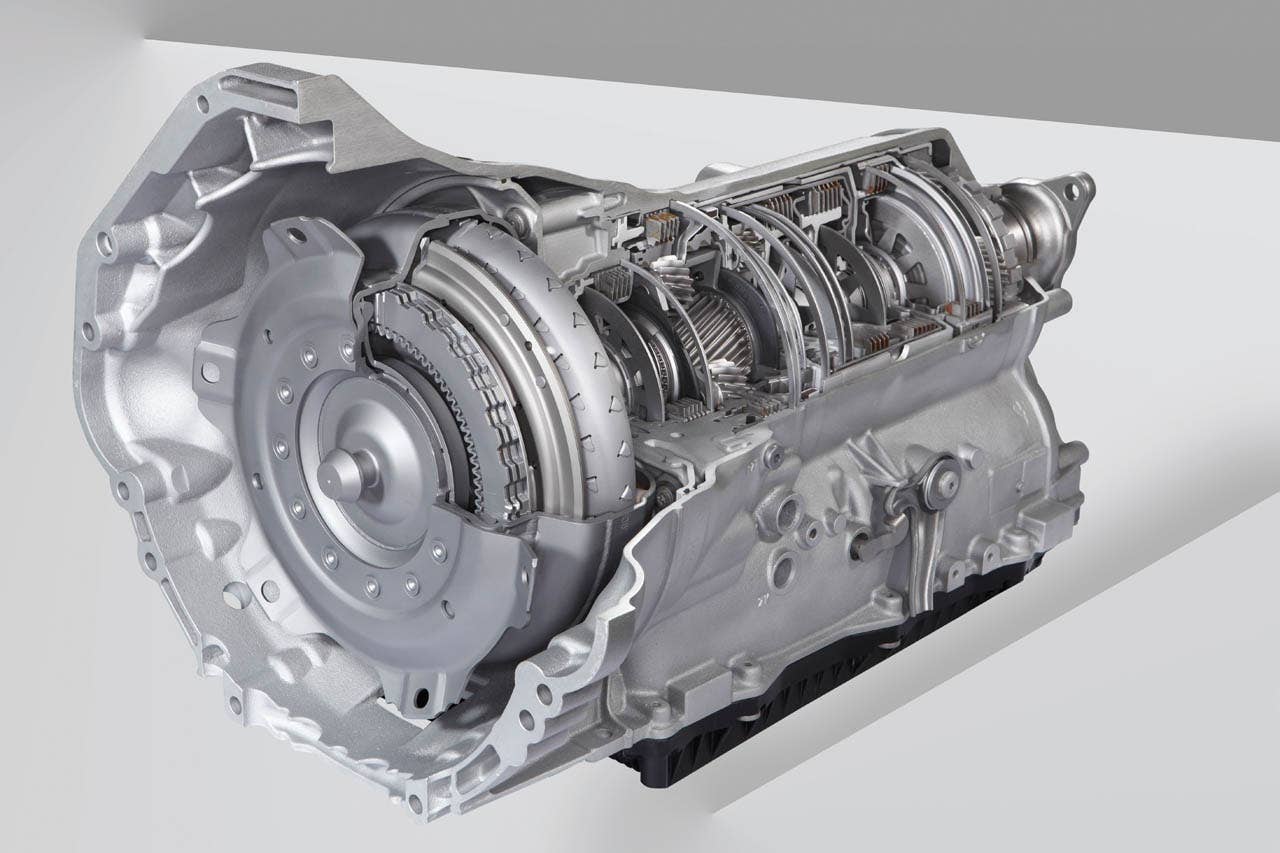
Automatic transmissions have many moving parts, and there are friction surfaces that rub on each other, such as clutch packs and brake bands, giving off particles that become suspended in the oil as these surfaces wear away. Think of it in terms of the black brake dust that is produced when your brake pads wear away in use, only the particles released from the friction surfaces in your transmission cannot be removed in an easy weekly wash like brake dust, but stay inside the transmission, and contaminates the transmission fluid, turning it black.
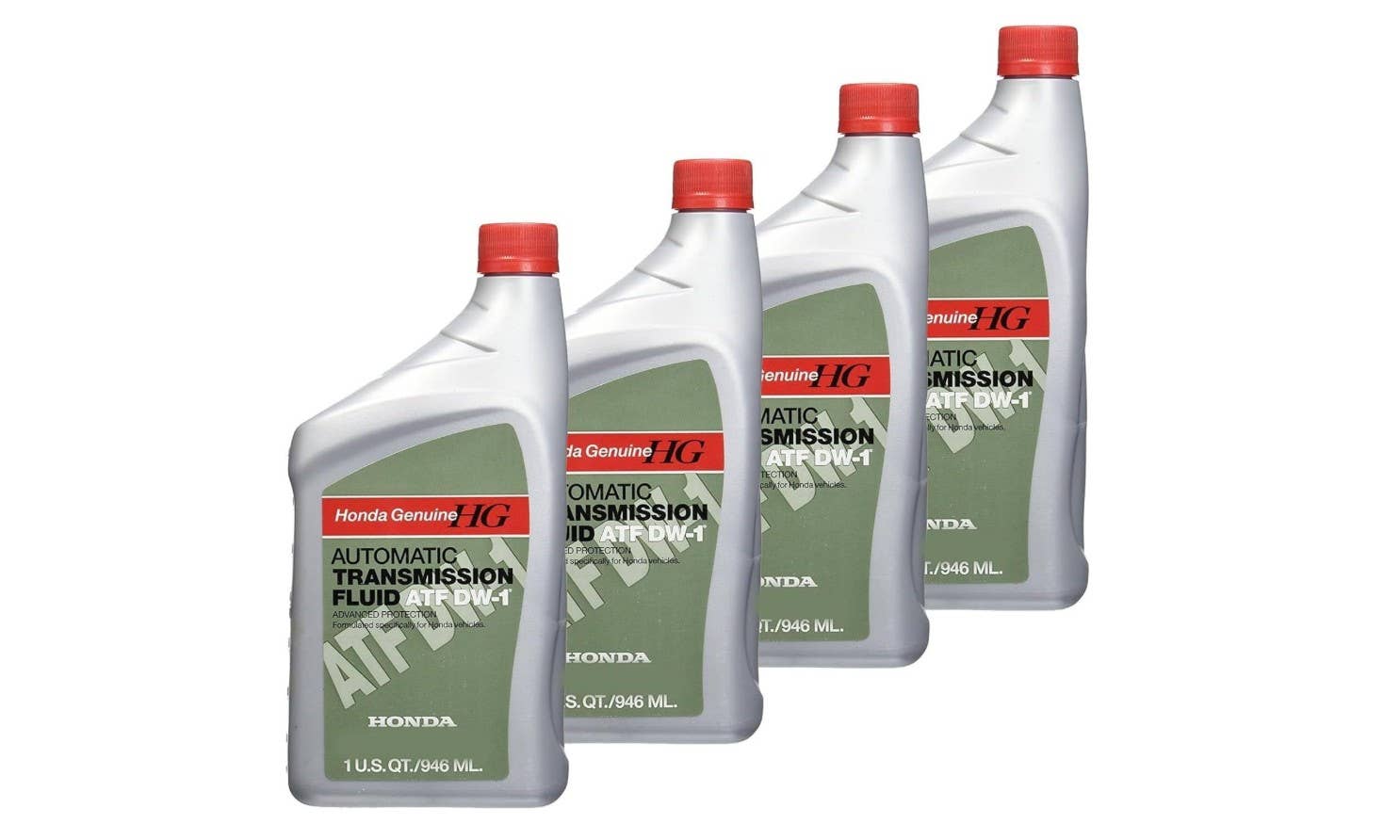
It stands to reason that more and more contaminants get added to the fluid as time goes on and that this fluid will have to be changed at some point. The particles are abrasive and will accelerate wear of the transmission components if allowed to circulate unchecked. Automatic transmissions typically have strainers and filters to catch these contaminants before they can cause harm, but these will eventually become clogged and will have to be replaced as well, alongside the fluid.
The “lifetime filled” lie
Some transmission manufacturers and automakers market their transmissions as “lifetime filled”, but transmission experts across the industry agree overwhelmingly that there is no such thing as a lifetime filled transmission, and that it is a marketing term to sell cars that seem to require less maintenance. The manufacturer may have designed the transmission to survive for say 100,000 or 150,000 miles without any fluid changes, and they may regard that as the typical “lifetime” of the vehicle. But the truth is that many Americans drive their cars and trucks for far longer distances, and the transmission will simply wear out and fail if you never change the fluid. No transmission is filled for life; it’s a lie and a myth.
What is the difference between a drain & fill and a flush?
A drain & fill entails only draining the transmission pan and removing the fluid that will drain from the transmission under gravity only. Only around 30-50% of your transmission’s fluid can be drained this way. You read that correctly – half at most. The rest of the dirty fluid stays behind in the torque converter, valve body, and oil-cooler circuit. This is the cheapest option (usually less than $300), but the filter is sometimes not even replaced. This is often sold to customers as a “transmission service” that gives them peace of mind, but the reality is that you drive away with more than half of your old dirty fluid, as well as, in many cases, the old filter kit.
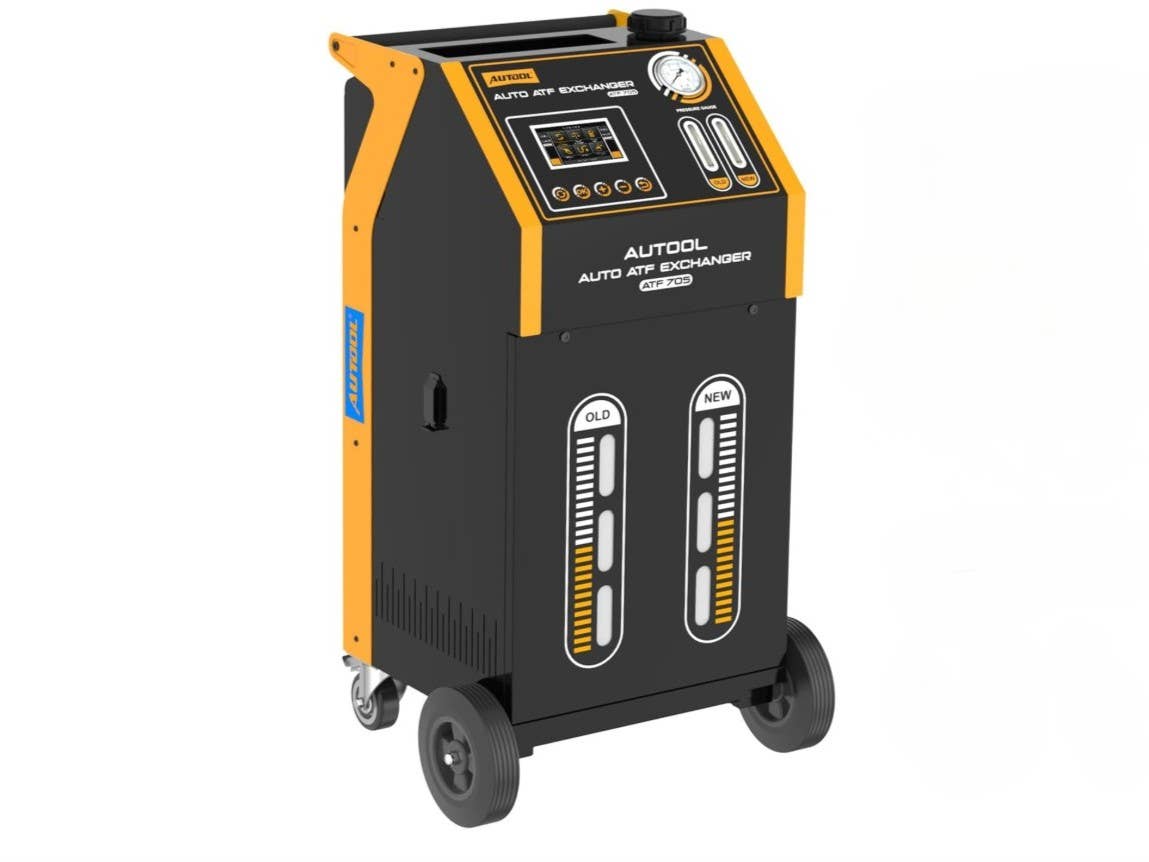
Autool automatic transmission fluid exchange flush machine
A flush (also called a fluid exchange) uses a special machine to pump all of the old fluid out of the transmission, including the oil cooler and torque converter. A special fluid is then pumped through the transmission to flush it before the new transmission fluid is added. This is the most invasive and expensive method and can reach the $400-$700 range, but it includes cleaning the strainer and replacing the filter kit. This is the only effective way to get rid of all the dirty fluid.
How frequently to change your transmission fluid
This is not an easy question to answer and depends on many factors. You can check your vehicle’s instruction manual to see what the transmission service intervals are, but if it says “filled for life”, we already know that you should disregard that. It may state a mileage, but it will be a very optimistic starting point; manufacturers want to sell cars with minimal maintenance requirements. Conversely, our advice is conservative to give you the best chance to keep your transmission trouble-fee, so the manufacturer’s interval should be regarded as the absolute maximum between flushes under ideal driving conditions, not in moderate to severe use.
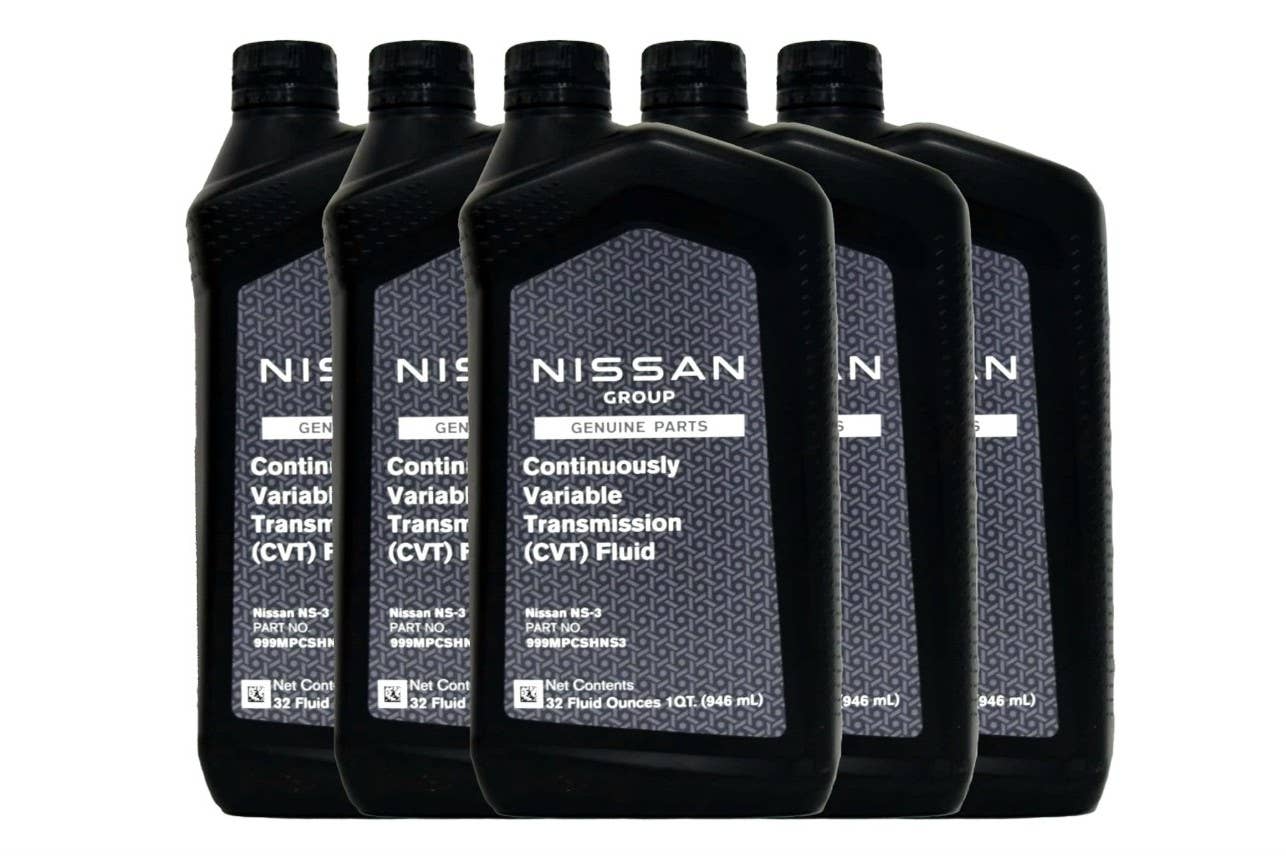
The most coservative practical maintenance regime would be to flush your transmission every 30,000 to 50,000 miles, including a new filter kit. Under the lightest possible use, which would be lots of highway driving and little town driving or towing, this can easily be pushed to around 60,000 miles, and you can do a cheap drain & fill halfway, at 30,000 miles to tide you over until the flush. In severe driving conditions in extremes of temperature and when towing, we would not exceed 30,000 miles between flushes. Keep in mind the the intervals of CVT and dual-clutch transmission are even shorter, and that all CVTs, and ever more so the ones on older Nissans, can be very unreliable if neglected.
Take note that these limits are only a guide, and your manufacturer’s prescribed interval may be even shorter. Volvo burnt its fingers with many transmission failures on old 2000s models with the 5-speed Aisin automatic transmission that was billed “filled for life”, and drastically shortened the interval from “lifetime” to a full flush every 37,000 miles in some markets. This kind of about-face clearly illustrates what can be regarded as a sensible mileage when a manufacturer is finally forced to deal with reality and prescribe sensible intervals.
Final Thoughts
A drain & fill can be considered, at best, a waste of money compared to a proper flush, considering that it will cost you a few hundred dollars anyway, which could have gone to a full fluid exchange that may have been good for 60,000 miles or so. Don’t take shortcuts with your automatic transmission’s maintenance, and don’t be fooled into thinking you can do 100,000 miles on the original fluid, or that it’s filled for life.
Do a flush every 30,000 to 50,000 miles and a good transmission design can last you 200,000 thousand miles or more. And keep in mind that even the cheapest economy car’s automatic transmission will cost you around $2,000 to rebuild, while a big and expensive transmission may be three times as much. Suddenly, that flush looks like pocket change for the peace of mind it can bring.