A Difficult Year for Porsche
It’s been a rough ride for Porsche this year. Global deliveries are down 16% in the first nine months – 178,532 cars handed over, compared to 212,509 in the same stretch last year. Ouch.
What’s causing the slump? The market is tough, there have been supply issues, and sales in China are still slow. Still, Porsche’s top sports cars continue to perform well. Porsche does not plan to chase higher sales numbers just for the sake of it. Instead, the company wants to focus on exclusivity, keep profits strong, and make owning a Porsche feel special.
Porsche
Sales Numbers Show Where Porsche Is Struggling
China saw Porsche’s biggest regional drop, with deliveries falling 33% to 21,493 cars. Overseas and Emerging Markets also struggled, down 19% to 35,048. North America remains Porsche’s largest market, but sales there also fell 13% to 56,088 units.
Europe (minus Germany) saw an 11% dip, with 44,949 cars delivered. Back home, Porsche managed to keep things steadier – just a 7% drop to 20,954 cars.
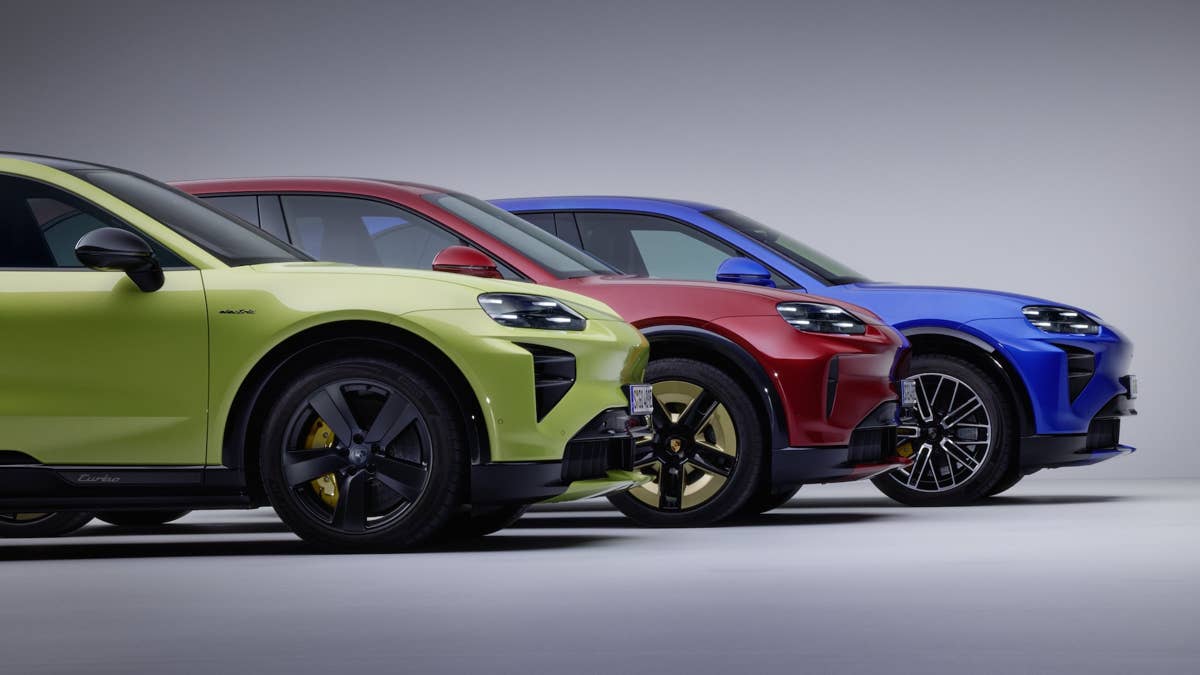
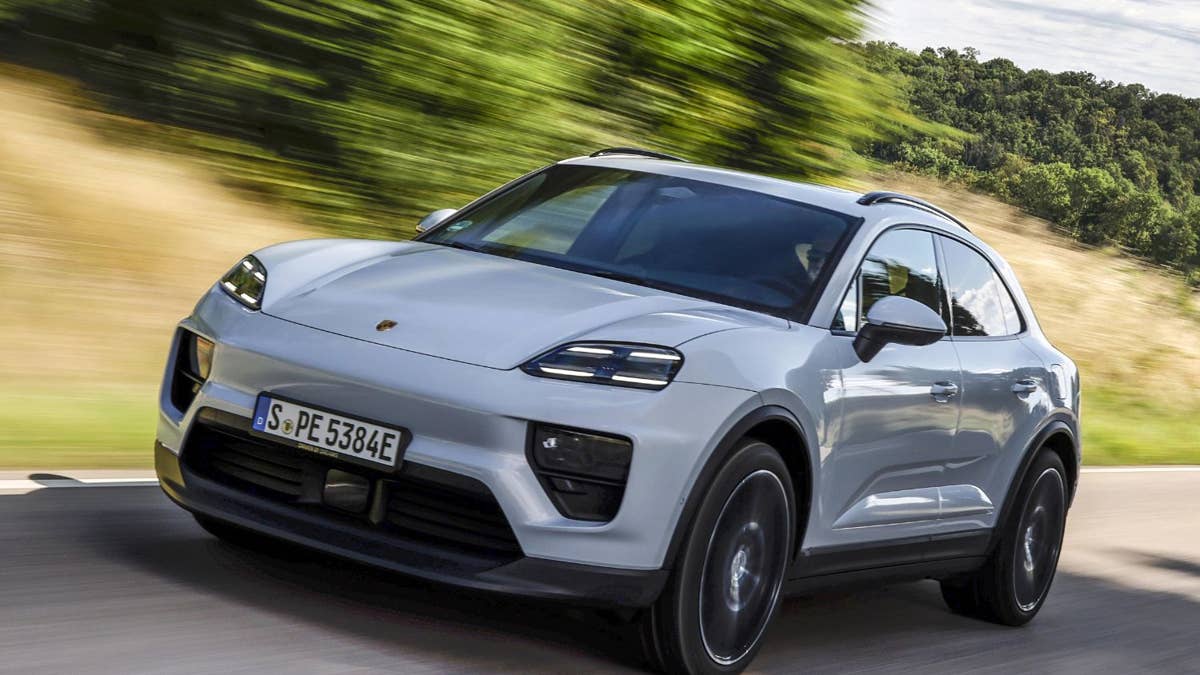
Looking at the lineup, the Cayenne is still king of the hill – 59,586 delivered, only 2% off last year’s pace. The Macan, though, took a bigger hit, down 21% to 51,025 units.
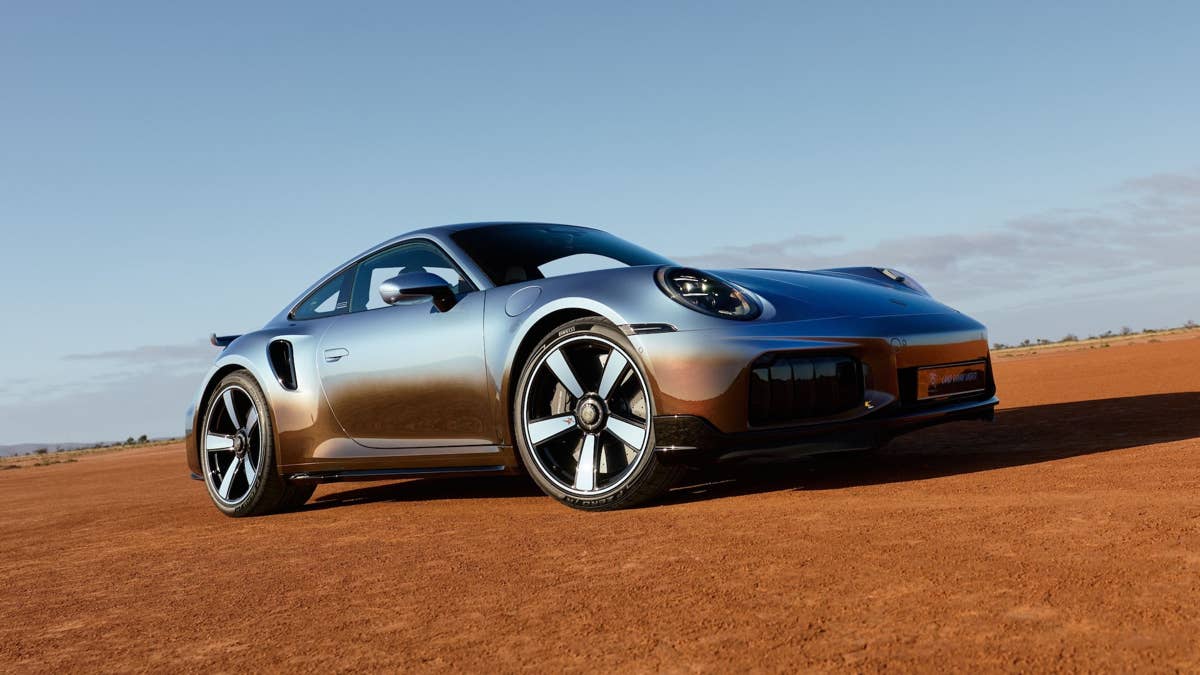
There’s a silver lining: the Porsche 911. Deliveries jumped 12% to 42,217 cars. Porsche’s high-octane GTS, Turbo, and GT models are still flying off the shelves, proving that the most exclusive toys are still in demand.
“Our customers are deliberately choosing the exclusive and most emotionally engaging versions of our sports cars,” said Matthias Becker, Porsche’s executive board member for sales and marketing.
Not every Porsche had a good year, though. Panamera sales nosedived 35% to 13,714, and the Taycan wasn’t far behind, down 31% to 8,699. As for the 718 Boxster and Cayman? Just 3,291 found homes, thanks to production wrapping up last October.
Porsche
Porsche’s Turnaround Plan Looks Beyond Volume
Porsche plans to focus on selling higher-value vehicles while reducing the complexity and cost of its operations. Under Sportwagenschmiede ’35, the company aims to cut its model variants by around 20%, potentially increasing sales per variant by approximately 30%.
The brand also wants to move into fatter profit territory, with an all-electric 718 Boxster and Cayman set to hit the streets in 2028. There’s also a new B-segment SUV coming, expected to make a real splash in 2029.
There’s more in the pipeline: a mid-engined supercar that sits above the 911, and maybe even an SUV that outmuscles the Cayenne. Porsche also wants to offer more custom options and high-value versions to squeeze more revenue out of every car.ar.
Cutting costs is just as important. Porsche plans to slim down its workforce, streamline management, spend less on development, and build cars more efficiently. The goal? Hit a 10-15% operating margin and keep net cash flow between 9 and 12%.
Porsche wants to break even with fewer than 200,000 cars a year, so it won’t have to rely on cranking out huge numbers just to stay afloat.
This turnaround won’t happen overnight, especially with China still in the doldrums. For now, Porsche is gambling that a leaner lineup, more exclusivity, and tighter purse strings will get the brand back on track – without losing its sports car soul.
Porsche