The Family is (Mostly) Complete
Now that BMW has finally unveiled the combustion-powered 3 Series, we can say that the all-new 3 Series family is almost complete. The i3, which made its world premiere six months ago, previewed what we could expect from the gas-powered version, and the world could soon get two distinct versions of this new-generation model.
We say it’s almost complete for one reason: the plug-in hybrid 3 Series hasn’t been revealed yet. It’s coming down the line, as the automaker confirmed, and we pretty much know what it’ll look like anyway. Also, we’re still waiting for the Touring (wagon) body styles for both i3 and 3 Series. Now that’s something we’re pretty excited to see, and hope it makes it to way more markets outside Europe.
BMW
Similar, but Not the Same
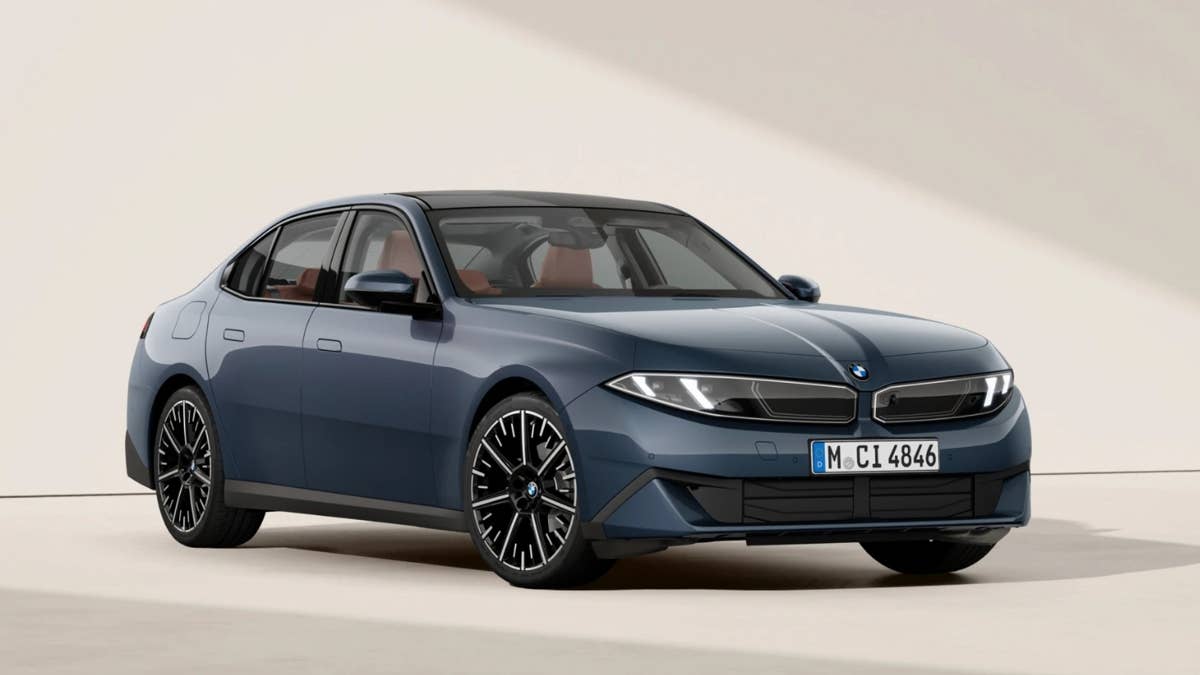
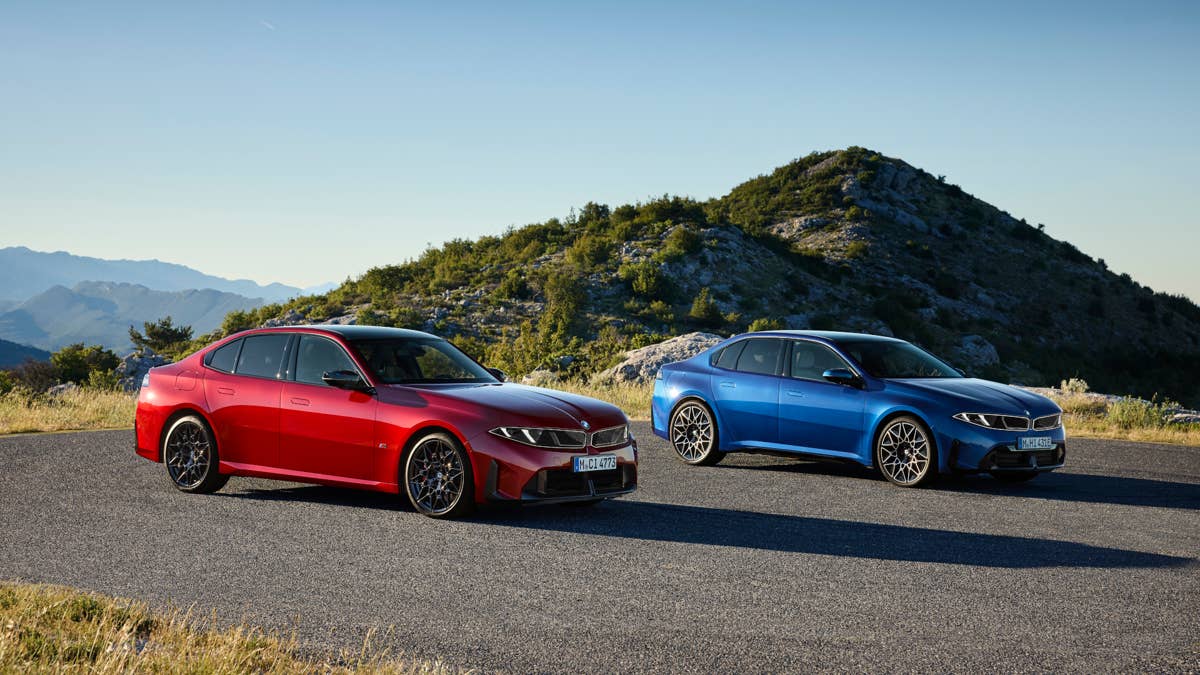
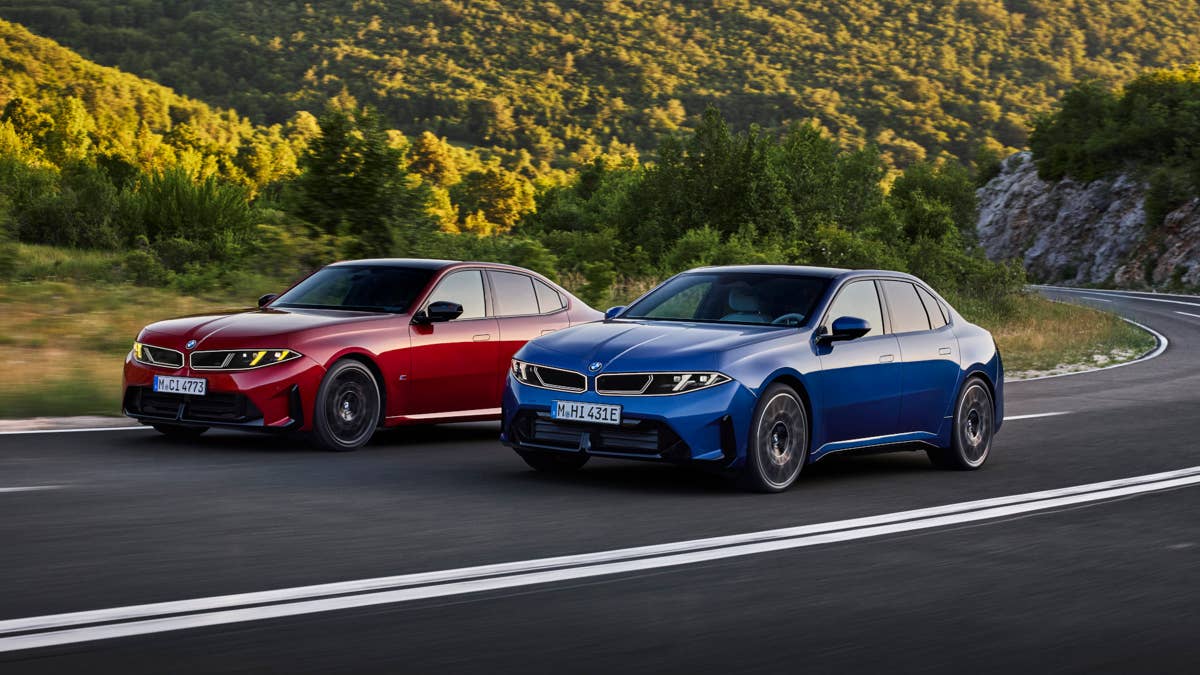
Viewed from the front, the 3 Series and i3 look nearly inseparable. The headlights, ‘grille’, and even front bumpers appear identical, and you’ll need sharp eyes to spot the differences at first glance. However, when you look at both at an angle, you’ll see they aren’t quite the same.
You’ll notice the wheels are further apart on the i3, and the wheelbase is a touch longer on the electric sedan. You’ll also see a longer, lower hood on the 3 Series than on the i3. The simplest explanation behind this is that the 3 Series has to accommodate a straight-six engine, while the i3 doesn’t – obviously. That said, there’s far more to it than just that.
BMW
Different Platforms Underneath
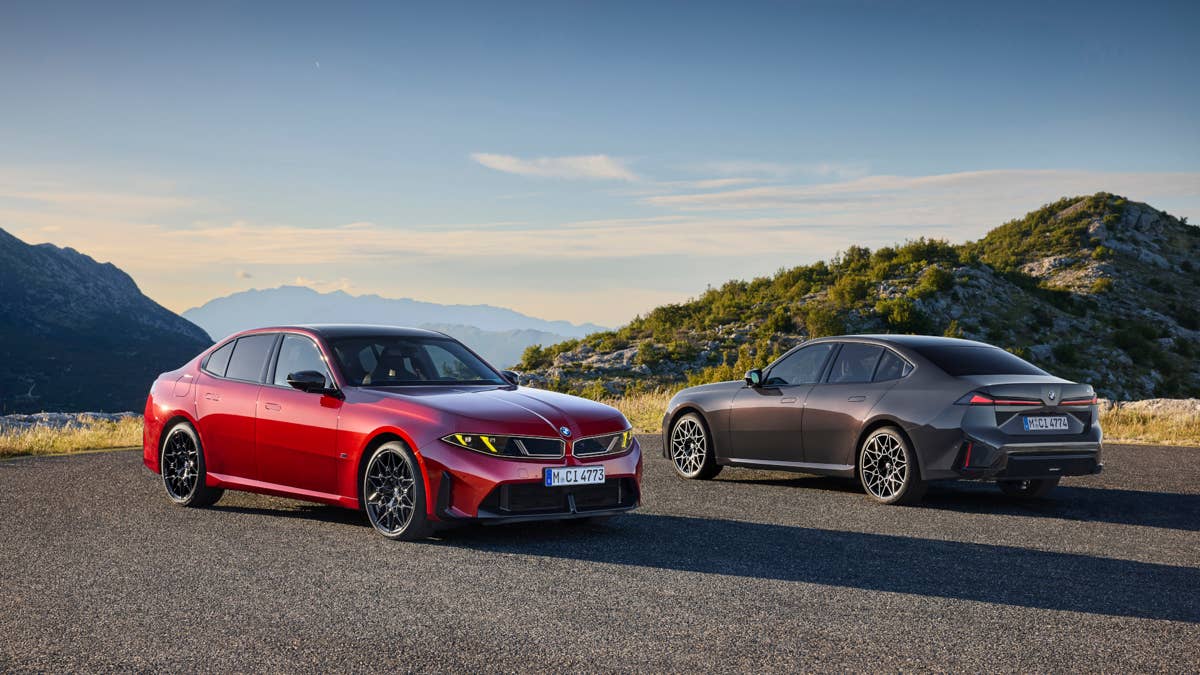
It’s easy to say the redesigned 3 Series is just an i3 with a stretched, longer nose. The thing is, the two couldn’t be more different under the skin. While the new 3 Series looks like a Neue Klasse model on the surface, it feels a little more familiar under the skin.
The redesigned 3 Series rides on the CLAR platform like the outgoing model. But before you say it’s just a reskin, it’s a heavily modified and updated version, so it qualifies as an all-new model. BMW did the same with the 2027 X5, with a dramatic redesign inside and out, but on an evolution of the previous architecture. We wouldn’t call it a bad thing, given how well the G20 drove and rode.
As for the i3, that’s purely a Neue Klasse model, meaning a totally different architecture. That allowed BMW to maximize the interior space of the car, as well as stretch the wheelbase further and accommodate a large battery.
BMW
A Neue Approach
Why did BMW do this instead of combining the EV and combustion chassis into one like Mercedes-Benz or its own 5 Series and 7 Series? We probably won’t know the real score, but it could mean the car would’ve ended up looking too bulky, and there would’ve been compromises in battery size or engines given the car’s smaller footprint.
A good example is the X3 and iX3, as well as the X5 and iX5. The X5 and iX5 have larger dimensions, which may allow BMW to fit both ICE and EV powertrains without much compromise to packaging. But putting all that framework in an X3-sized vehicle would either make it too cramped or limit the iX3’s battery size. It’s likely that the only no-compromise solution was to build new-generation EVs from the ground up, rather than modifying an existing combustion platform.
BMW