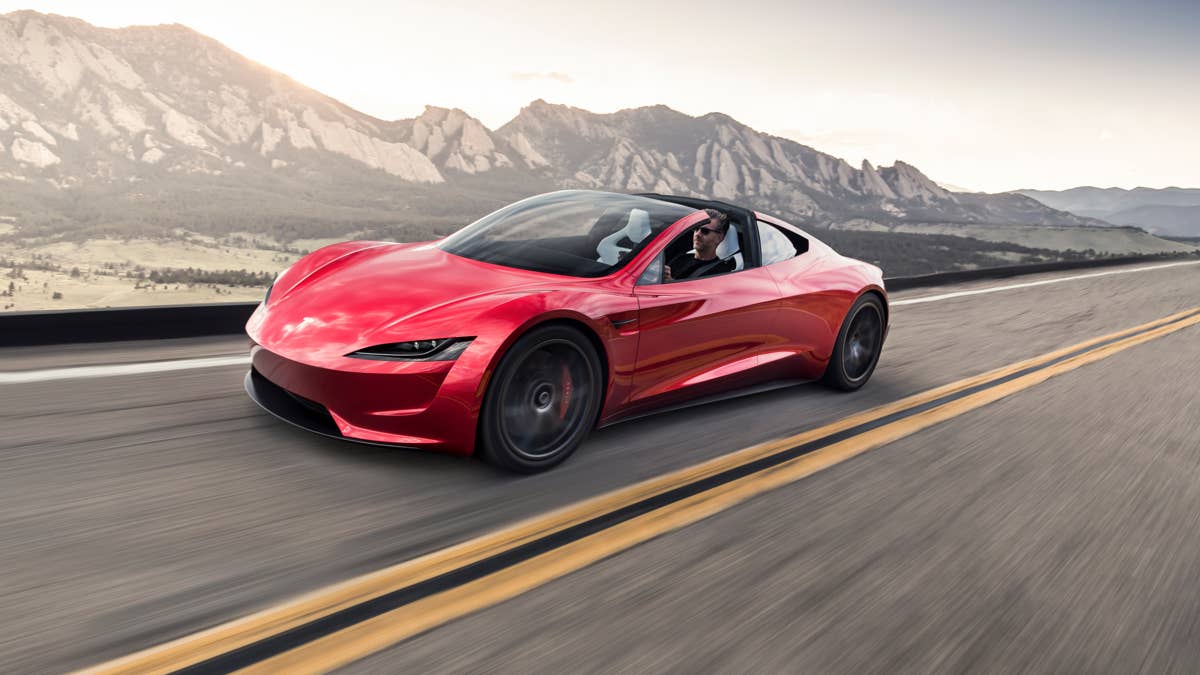
Your Driving Costs
The American Automobile Association has updated its Your Driving Costs (YDC) analysis for 2026. This year marked a lot of changes for vehicle owners, with the rising popularity of electrified powertrains and the rise of fuel prices; owning a vehicle has become more expensive on average.
Fuel prices, depreciation, and finance charges all contributed to a higher average cost of ownership per year versus its YDC analysis in 2025. This year, 2026, the AAA reported that the annual cost to own and operate a new vehicle is $12,863, or $1,071.92 per month. Last year, 2025, the figure was $11,577, or $964.78 per month.
“AAA’s YDC analysis discussed here estimates the cost of owning and operating a new vehicle for personal transportation over five years and 75,000 miles. Actual driving costs vary based on driving habits, location, operating conditions, and other factors.” Seven vehicle categories were analyzed by AAA, and it even takes into account fuel, maintenance, repair, tire costs, license, registration, taxes, depreciation, and finance charges.
Adobe Stock Images
Fuel Prices, Depreciation, and Car Prices
“By looking at EVs, hybrids, and traditional gas-powered vehicles within the same categories, consumers can better understand how total ownership costs vary by powertrain,” said Greg Brannon, AAA’s director of automotive engineering. “Looking at the full ownership picture—including depreciation and other expenses—can help consumers better understand the total cost of each option.”
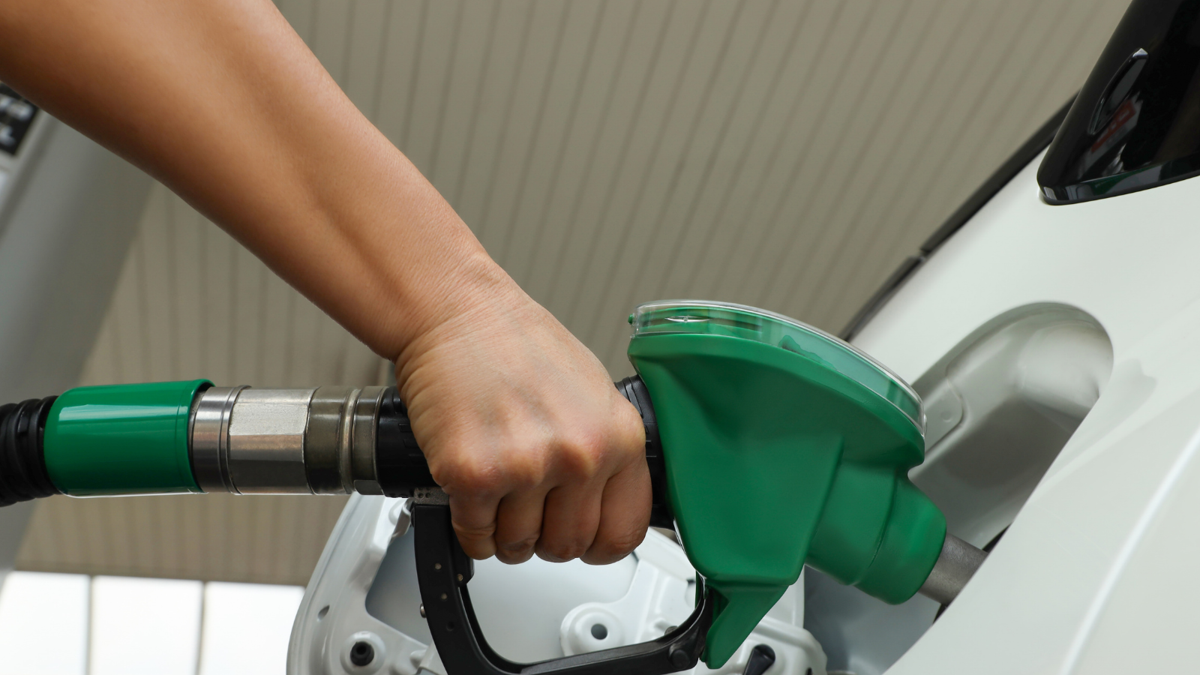
Fuel and electricity prices are up from last year, coming in at 31.8% higher for gasoline and 7.8% higher for electricity, netting an average of $4.152 per gallon and 18.0 cents per kilowatt-hour, respectively.
The biggest factor that affects vehicle ownership costs, however, is depreciation. A car’s purchase price and resale value are the highest costs that an owner faces every year. The AAA found that vehicles lost a weighted average of $4,422 per year in value, taking into consideration ICE, hybrid, and electric vehicles. By far, EVs have the highest depreciation rate, twice that of gas-powered models. Due to this, total ownership costs were pushed 29.1% higher in the category.
Finally, car prices and financing plans are also significant factors in determining yearly ownership costs. The sales-weighted average MSRP of new vehicles in 2026 is $39,376. This figure is up slightly compared to last year, but other things like incentives, demand, and rebates affect the ultimate price of ownership. On top of the MSRP, things like rebates, incentives, and demand are also considered.
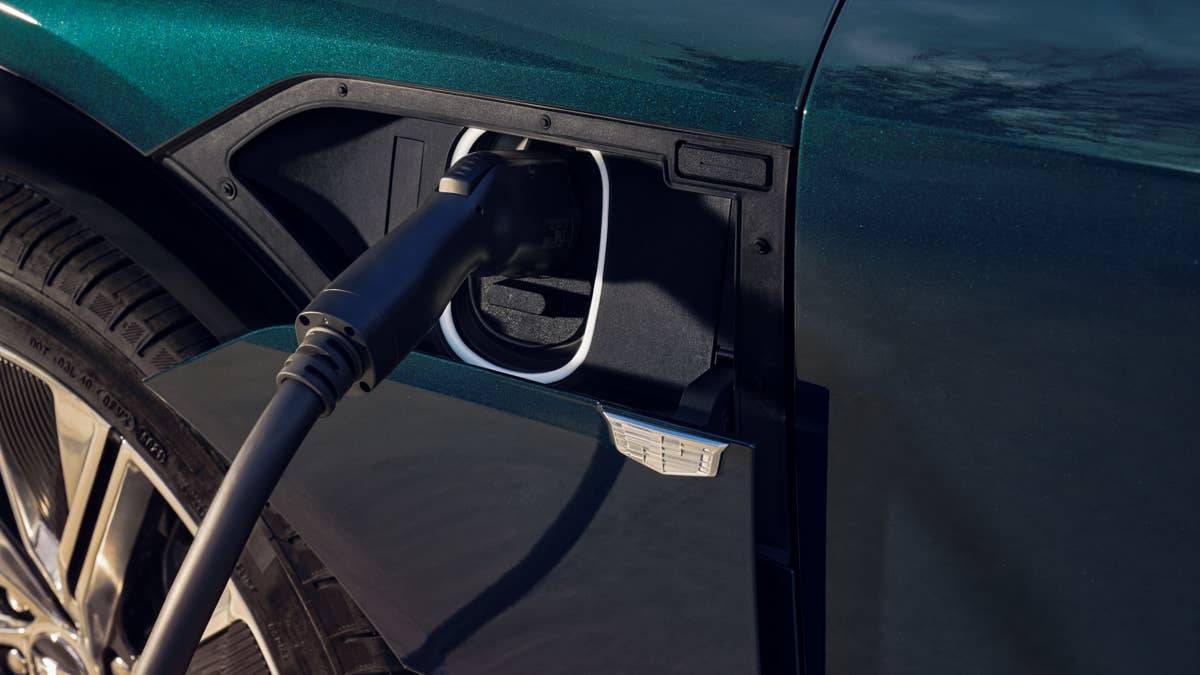
ICE, HEV, EV
The AAA also compared the trio of powertrains: gas, electric, and hybrids. Gasoline-powered vehicles offered savings in some areas compared to EVs and hybrids, even if gasoline prices are high.
You’d think that an EV would be more affordable to own in the long run, but that’s not really the case, even if charging your car can cost significantly less than gassing it up. On average, charging costs are 66%-70% lower than fuel costs, but this is only one part of the equation. Where EVs go up is the higher depreciation rate, fees, and financing costs. With these factors in play, the cheaper charging costs are offset. According to AAA, a medium-sized gas-powered sedan costs $3,080 less to own compared to a similarly-sized EV sedan.
So that leaves hybrids, which, according to AAA, are the most consistently lower-cost alternative to gas and electric vehicles. Hybrids saved more fuel than gasoline cars, and they also carried lower ownership cost tradeoffs and cost less annually than gas-powered models in the medium sedan, compact and medium SUV, and pickup truck segments.
atlasstudio