The pattern comes from a shop owner and Toyota master mechanic, The Car Care Nut, who has diagnosed enough of these failures to spot the common thread across engines that otherwise share nothing — a hybrid four-cylinder, a naturally aspirated V8, and a V6 — beyond the era they were built in and the gasket design Toyota used at the time.
The 2ZR: Coolant Crossing Between Cylinders
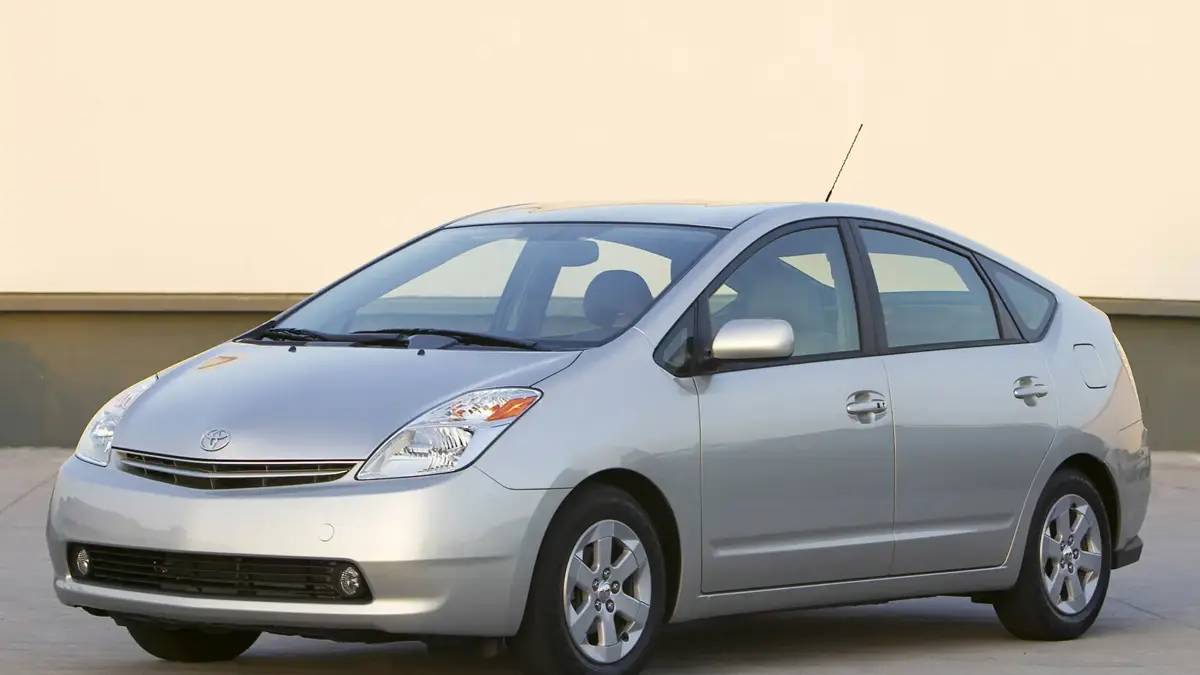
Toyota
The 2010-2013 Prius (and 2009-2010 Corolla and Matrix) with the 2ZR engine develops a well-documented pattern: coolant crosses between cylinders 1-2 or 2-3, showing up first as a rough cold start that clears up once residual coolant burns off, and eventually as visible coolant smoking from the exhaust. Our deep dive into a decade of Prius reliability data flags the third-generation Prius as generally exceptional, but this specific issue is real enough that independent owner analysis on forums like PriusChat reached the same coating-defect conclusion years before this diagnosis.
The Bigger Problem: UR-Series V8 Trucks And SUVs
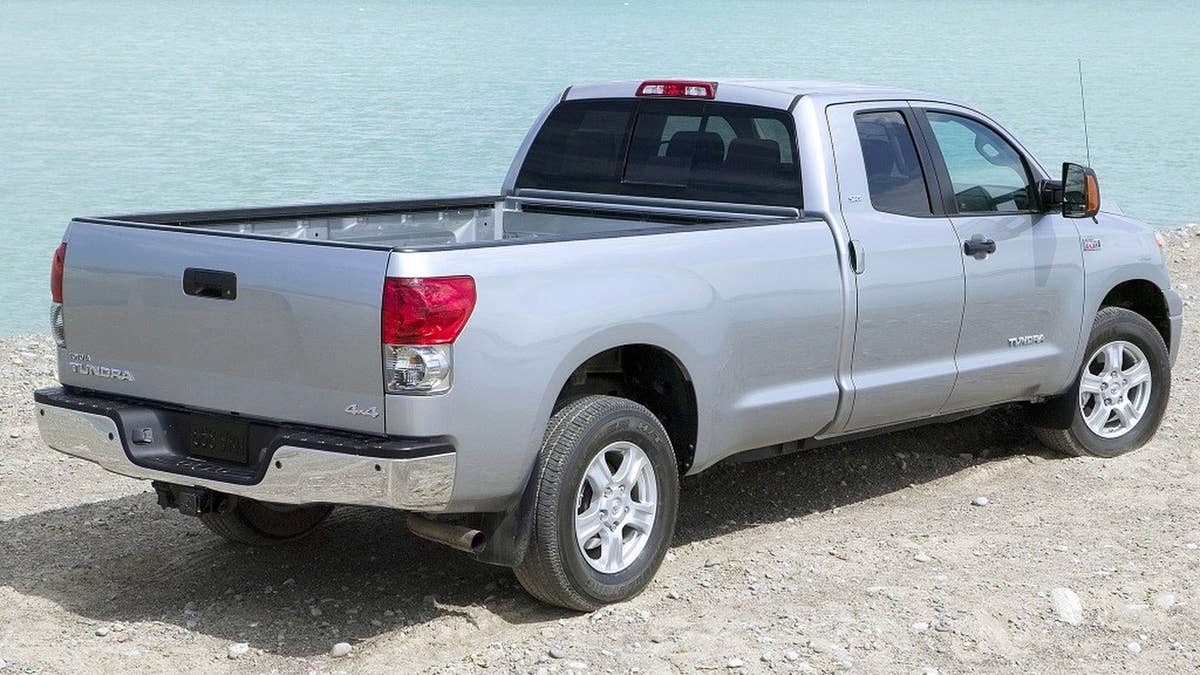
Toyota
The more consequential version of this issue hits the 3UR-FE and 1UR-FE V8s used in the 2008-2013 Land Cruiser and Lexus LX570, the 2007-2013 Tundra (4.6L and 5.7L, not the 4.7L), the 2008-2013 Sequoia, and the 2010-2013 Lexus GX460. Failures cluster overwhelmingly at cylinders 5 and 7, and the GX460’s 1UR-FE appears more susceptible than the 3UR-FE found in the larger trucks. Toyota’s reputation for full-size truck durability is well earned overall, which is part of why this specific failure mode catches so many owners off guard — it doesn’t fit the brand’s broader track record.
The Root Cause Is A Coating, Not Bad Luck
The theory, based on direct comparison of failed gaskets against later designs: Toyota’s earlier multi-layer steel gaskets carried a black coating only around the perimeter of each cylinder bore, leaving the rest of the sealing surface uncoated. That partial coverage creates uneven sealing pressure, and the coating itself is prone to bubbling and flaking — a process accelerated by acidic old coolant that was never flushed on schedule. Once the coating degrades in that narrow coated band, coolant finds a direct path into the cylinder. A separate, less common failure on the 2GR-FE V6 (roughly 2012 and earlier) shows the same coating breakdown, but leaks externally rather than internally, since the vulnerable area sits outside the combustion chamber on that engine.
What Changed In 2014, And What To Do About It
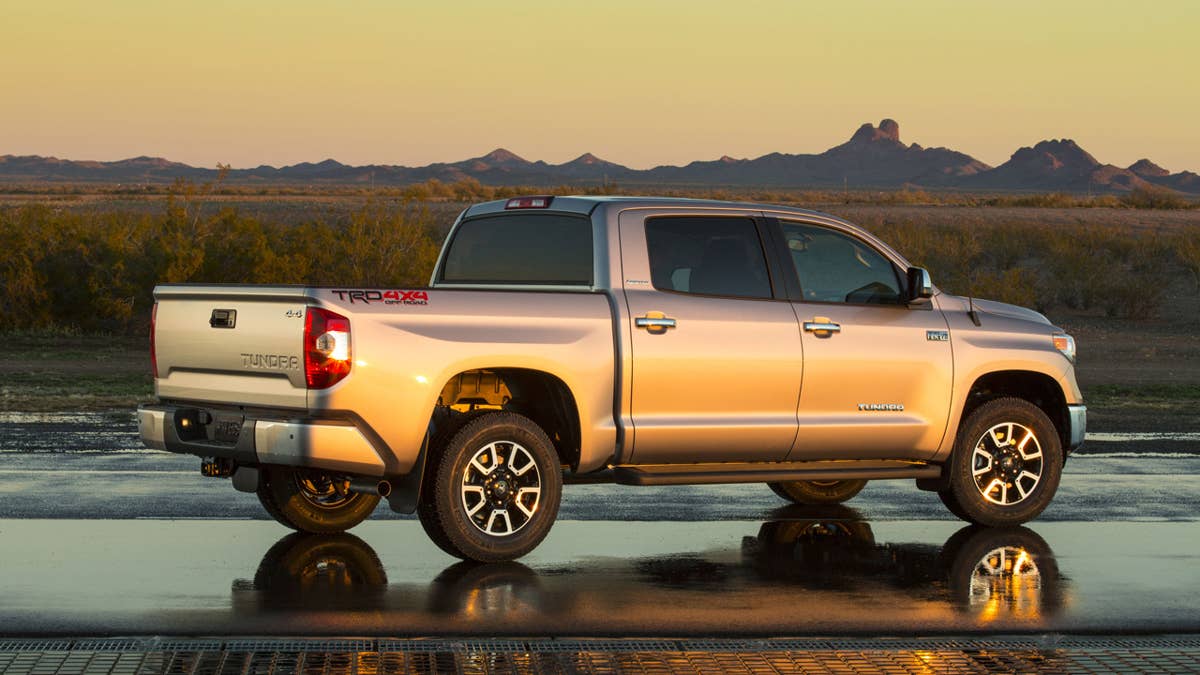
Toyota switched to a fully-coated head gasket design across these engines starting in 2014, and the mechanic reports a sharp, near-total drop in failures on 3UR/1UR trucks built from that year forward. The fix wasn’t announced or recalled — most of these engines simply never failed inside their warranty period, so the change went unannounced. For owners of affected pre-2014 vehicles, the only real prevention is coolant replacement every 50,000 miles or 5 years, since acidic coolant is what accelerates the coating failure in the first place; for anyone shopping used, a car past 150,000 miles with no documented service history is a real risk regardless of how it drives today, and a borescope check through the spark plug holes at cylinders 5 and 7 is a legitimate pre-purchase inspection step on affected V8 trucks.