General Motors’ US market share slipped from 17.6 percent in the first half of 2025 to 16.8 percent over the same period this year, according to Cox Automotive data. Toyota moved in the opposite direction, growing from 15.5 percent to 15.8 percent in that same window — a modest-sounding shift that adds up to real ground lost and gained between two direct rivals fighting over the same buyers. GM is quickly realizing its misstep.
The Numbers Behind GM’s Slide
Chevrolet
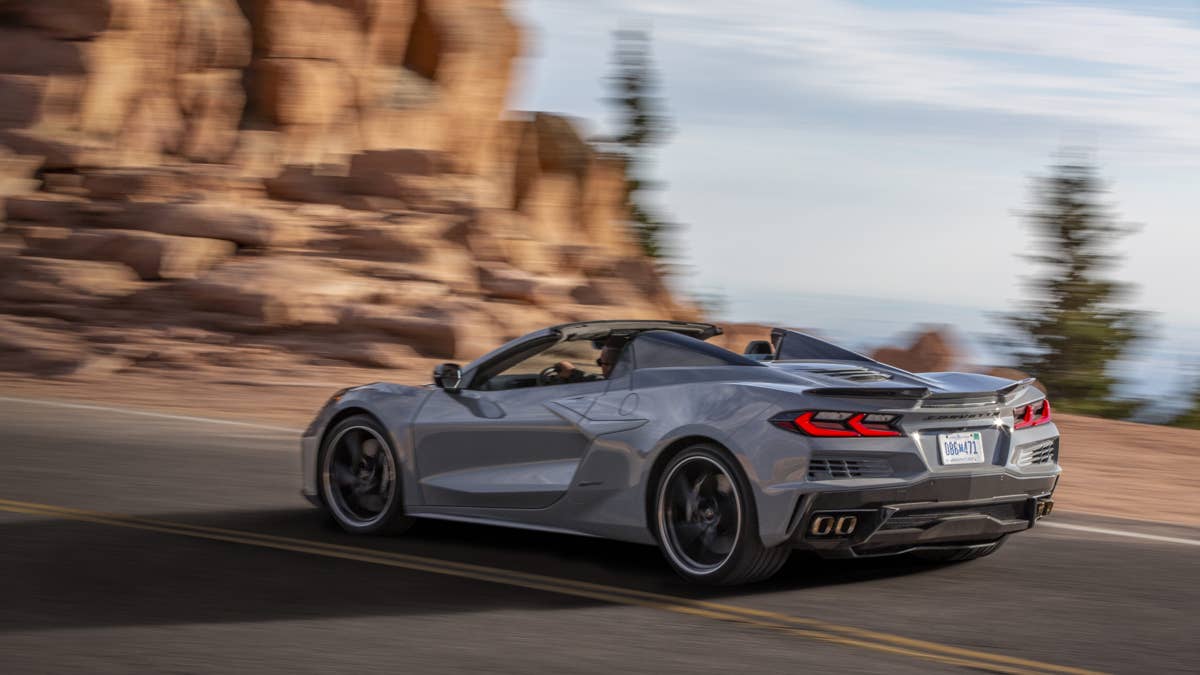
The mechanism is straightforward: hybrids are having a moment, and GM has almost nothing to sell into it. Hybrid share of the overall US market climbed from 16 percent in February to 19 percent in August, driven largely by gas prices spiking after the Iran war began, with one analyst projecting hybrids could reach a 34 percent share by 2031. Toyota captured 49.2 percent of that hybrid market in the first quarter alone. GM’s entire US hybrid lineup, meanwhile, consists of two Corvettes — the $111,000 E-Ray and $227,000 ZR1X — neither remotely aimed at the mainstream buyers actually driving the hybrid surge. Reuters industry sources say GM showrooms could stay effectively hybrid-free in that mainstream sense until near the end of the decade, even though GM has acknowledged the gap and promised change since January.
VW’s Version Of The Same Mistake
Volkswagen Group’s US EV numbers across all brands cratered even harder: first-quarter BEV deliveries in the US fell 80 percent year-over-year, dropping to just 4,000 units from 19,900 a year earlier, according to the company’s own delivery report. Unlike GM, VW’s problem isn’t a hybrid gap; it’s slowly closing — the VW brand currently sells zero hybrids of any kind in the US, a genuinely unusual position for a company competing directly against Toyota and Honda’s hybrid-first lineups. That’s finally starting to change: Volkswagen announced just over a week ago that it will accelerate hybrid versions of the Tiguan, Atlas, and Atlas Cross Sport as part of what it’s calling a dedicated North America strategy.
Why Hybrids Specifically, Right Now
Unlike hybrids, the EV side of this story cuts the opposite way from what many expected. US EV market share actually fell from 14.4 percent in September 2025 to 7.1 percent this May, following the elimination of federal EV tax credits. Europe, facing similar gas-price pressure, has moved the other direction entirely — one in four new cars sold there is now an EV, a reminder that policy environment, not just fuel prices, is steering which electrified technology actually wins in a given market.
Both Companies Are Now Reversing Course
Neither GM nor VW is ignoring the problem; they’re just starting from a deep hole. GM CEO Mary Barra has remained personally skeptical of hybrids even while her own company plans plug-in hybrids for North America, telling reporters earlier this year she still believes EVs will win because they’re simply “better vehicles.” That’s a notably different tone than the company she runs is now taking in its own product planning. Toyota’s advantage traces back to a much older decision: it never treated hybrids as a stopgap in the first place, a patience that’s now paying off against rivals racing to catch up on a technology they spent the better part of a decade treating as obsolete.