The Delay
Two extended-range vehicles are on the way, but are taking their sweet time. Stellantis is delaying the launch of the Jeep and Ram range-extended models that were supposed to be launched in May 2027. Now, that schedule has been pushed back 6 months for one model, and up to 9 months for the other. According to the report, the delay is because Stellantis wanted to “ensure they go smoothly.”
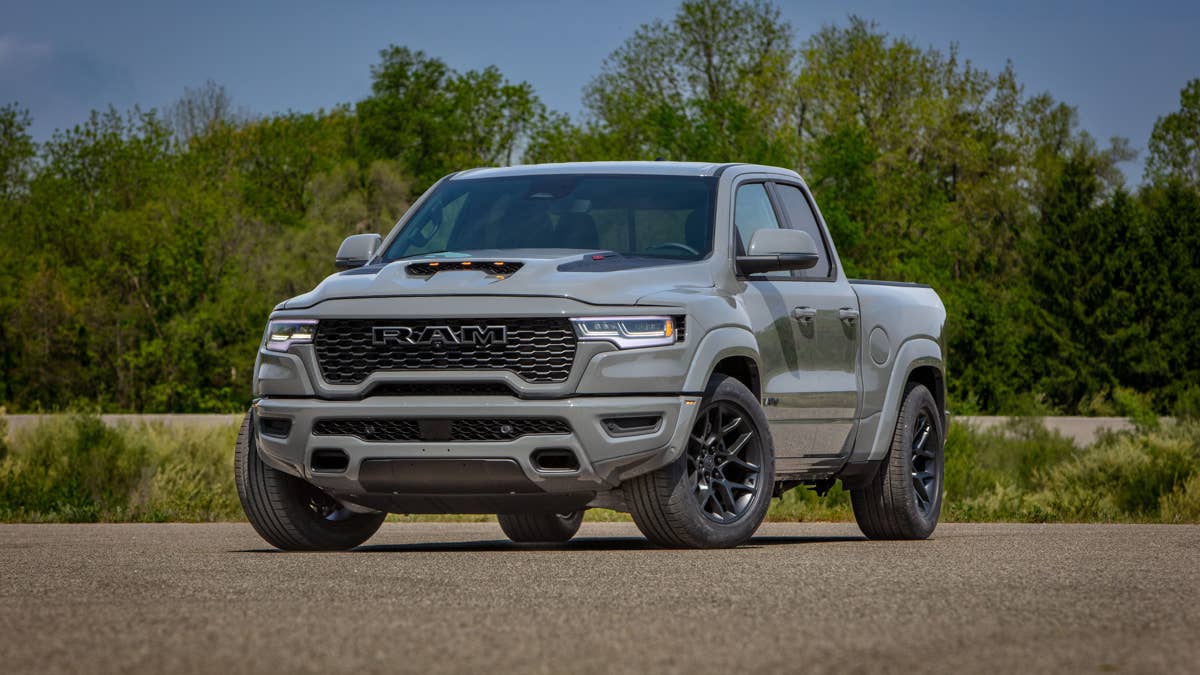
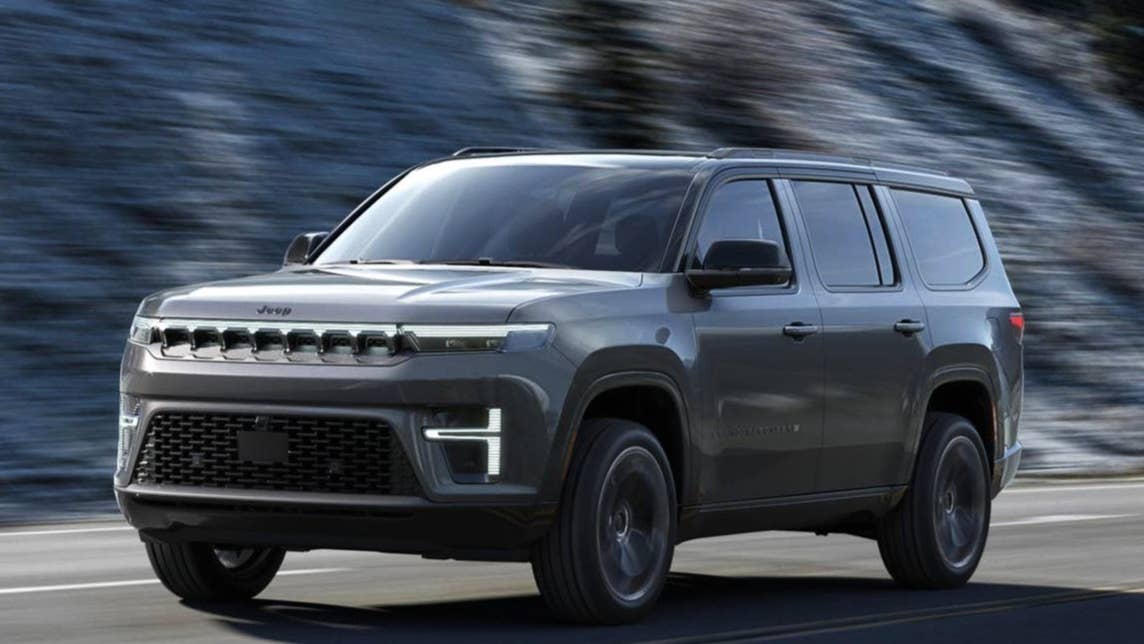
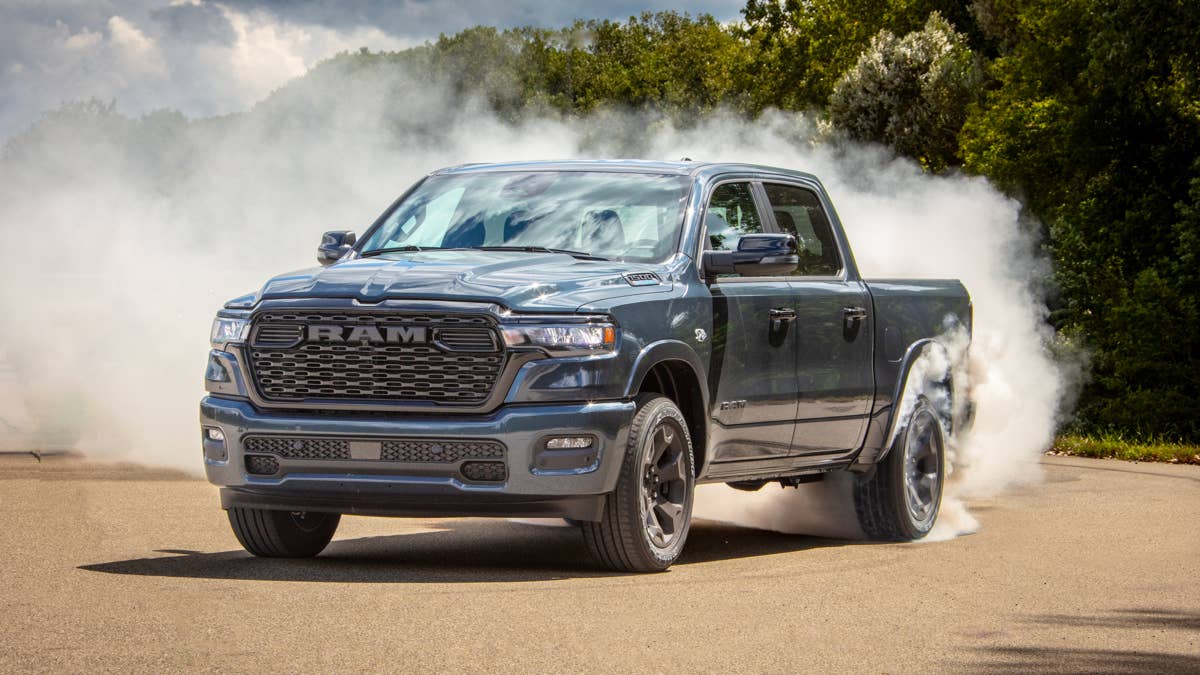
In a memo sent to suppliers, the new Jeep Grand Wagoneer REV is now set for production in November 2026, in contrast to the initial plan that was set in May 2026. Also, yet another range-extended model will be delayed: the Ram 1500 REV. Meanwhile, this model is planned for production in mid-April 2027. That’s a jump of 9 months from the original plan.
Stellantis
“Ensure they go smoothly”
Stellantis has been moving a lot since it realigned its strategies to pay more attention to hybrids and other consumer preferences moving forward. The Ram 1500 REV, originally supposed to be called the Ramcharger, was initially scheduled for launch in 2025, but eventually got hit with delay after delay. The prospect of an extended-range pickup truck from Stellantis could have caused a buzz back in 2025, might still do well in 2026, but could ultimately lose steam if Stellantis continues to blue-ball the market. The same sentiments extend to the Jeep camp, as the range-extended Grand Wagoneer should come sooner rather than later before the competition gets too intense.
Automotive News got this scoop when they reviewed the aforementioned memos and got to talk to two supplier executives who said that the “vehicles have been pushed back to ensure smooth launches for the unique propulsion system, which uses a 400-volt battery, Pentastar engine, and onboard gasoline-powered generator.” I guess that’s corporate and PR speak for we’re still ironing out the kinks and avoiding problems, lawsuits, and recalls among many other things.
While I jest at Stellantis’ delays, credit where credit is due for making sure that their first cracks at a range-extender system go off without a hitch. Extended-range EVs are nothing new in the market, but they are to Stellantis, so props to them for taking the extra time to get things right.
Competition is Getting Stiff
However, Stellantis should probably get a move on unless it likes getting left behind. Currently, hybrids are still the main consumer preference, while extended-range EVs are still something that’s not commonplace in the U.S. Chinese manufacturers have been quick to release EREV/PHEV after EREV/PHEV, and let’s just say that the stuff coming out of China is quite impressive in its own right.
Not only that, but other companies like Ford have already put into motion plans to revive the F-150 Lightning as an EREV. Volkswagen is also considering the EREV setup for its cars as a propulsion system in the United States and Europe.
Being the first to the market is one thing, but making sure it’s a well-working and reliable product is another. Stellantis is taking precautions by delaying its products, but will it ultimately be too little, too late with the current schedule? Only time will tell if the other rivals will get their EREV plans going faster than Stellantis will.
Stellantis