Luxury EVs have finally reached that awkward stage of adolescence. Most of them are fast enough to embarrass old super sedans, quiet enough to make a library sound like a boiler room DJ set by comparison, and packed with enough screens to feel like a machine straight out of The Jetsons. Yet many of them still struggle with the same fundamental problem: once the novelty of instant torque and long range fades away, what’s supposed to make you keep caring?
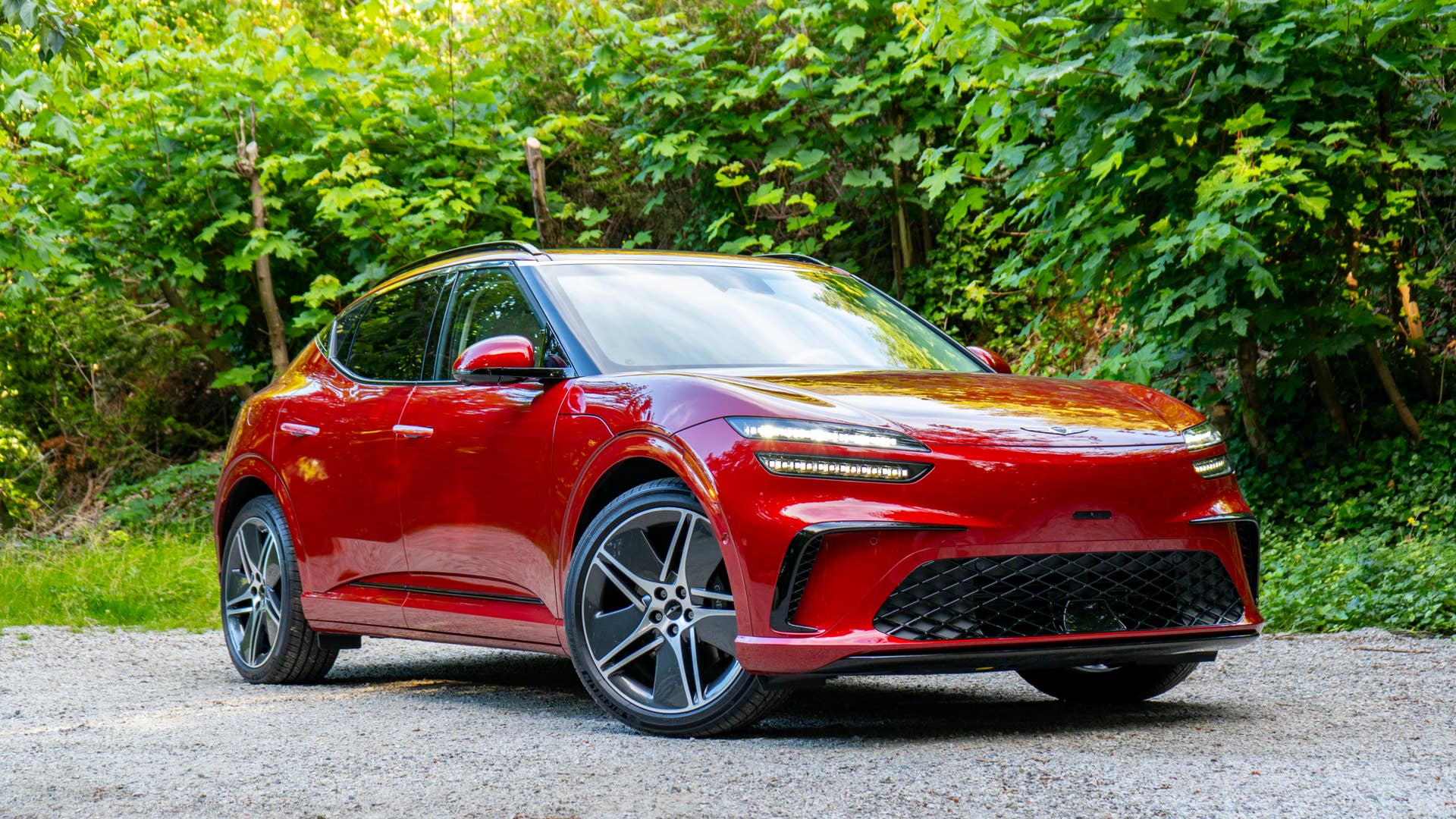
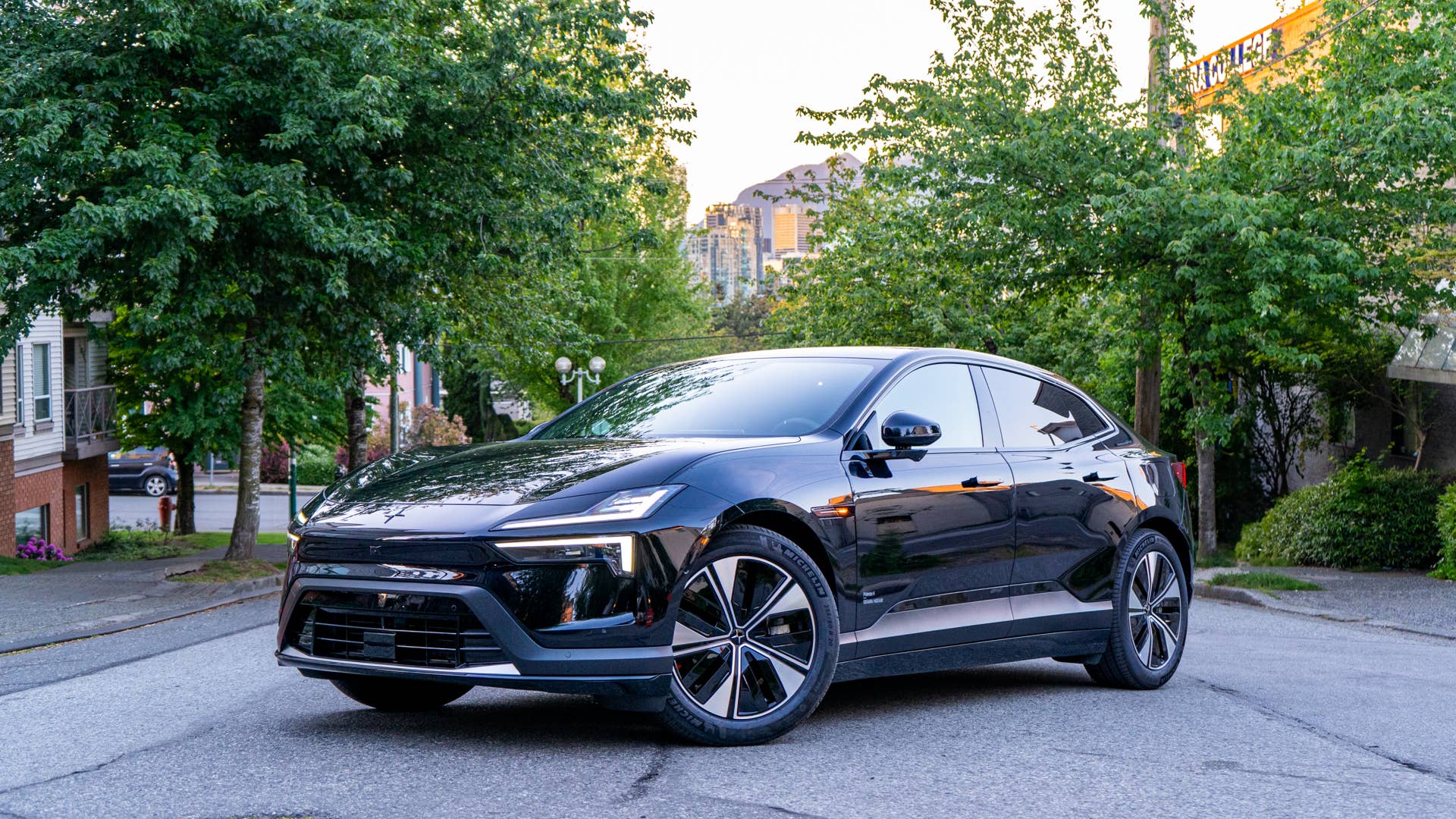
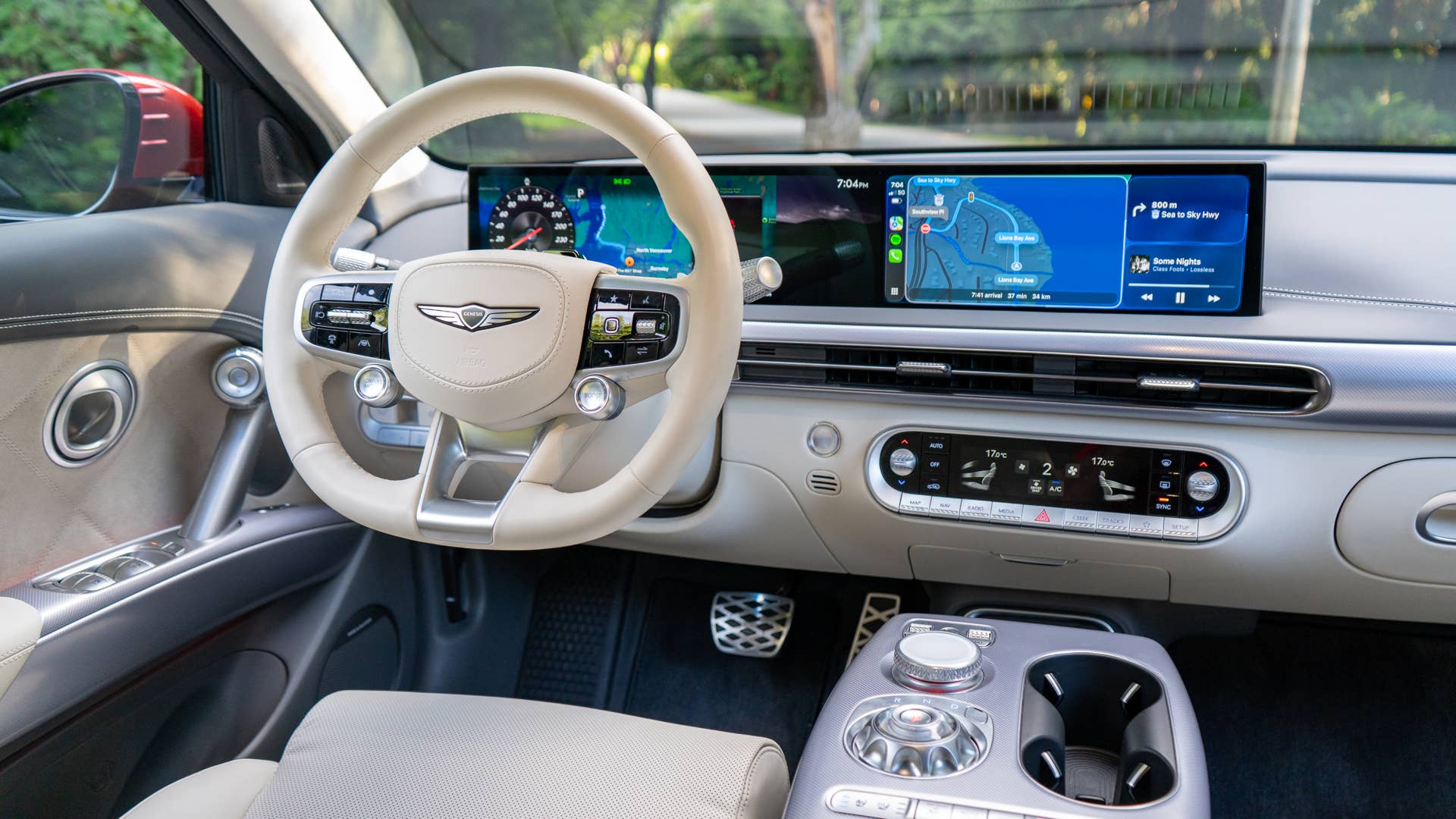
That’s where both the Genesis GV60 Performance and Polestar 4 are uniquely interesting. Neither chases success in the electric luxury SUV battlefield by simply building a smoother, quieter EV than segment benchmarks like Teslas and Toyotas. They’re both trying to give the modern luxury EV a pulse, but do so in very different ways. The Genesis is warmer and more theatrical, with plush materials, a glowing Crystal Sphere shifter in the centre console, and a cabin that treats weirdness as an integral part of the luxury experience. The Polestar is colder and more disciplined, with sharper road manners, cleaner design, and the controversial audacity to delete the rear window entirely.
They are similar enough to compare directly: both are dual-motor luxury EV crossovers, both are quick, both are similarly expensive, and both are aimed at buyers who want something more interesting than the default electric appliance. But they both still have very different M.O.s. So this comparison isn’t about determining an objectively “correct” answer, because the beauty of these vehicles lies not in their objectivity, but rather in their innately subjective humanness. Instead, it’s about figuring out which kind of luxury EV personality holds up better depending on what kind of person will sit behind the wheel: Genesis’ strange, generous sense of occasion, or Polestar’s cooler, sharper sense of control.
Cole Attisha
Genesis GV60 vs. Polestar 4 Specs
| Spec | 2026 Genesis GV60 Performance | 2026 Polestar 4 Long Range Dual Motor |
|---|---|---|
|
Drivetrain |
Dual-motor AWD |
Dual-motor AWD |
|
Battery |
84 kWh |
100 kWh |
|
Horsepower |
429 hp / 483 hp in Boost Mode |
544 hp |
|
Torque |
516 lb-ft |
506 lb-ft |
|
EPA range |
252 miles |
280 miles |
|
0-60 mph |
3.7-4.0 sec |
3.7 sec |
|
DC fast charge |
10-80% in 18 min |
10-80% in about 30 min |
|
U.S. Starting MSRP |
$71,875 |
$62,900 (+$10,000 for Premium & Performance Pack) |
Thinking about selling your car? Get an instant cash offer online now. Click here to get started.
Cole Attisha
The Polestar Is The Better Driver’s EV
The Polestar 4 isn’t just quicker on paper—it shares its platform DNA with the Lotus Emeya and has an eagerness in the way it drives that the Genesis doesn’t quite match. Its 544-hp dual-motor setup delivers the kind of rolling thrust that makes full-tilt highway overtakes feel casual, and because the chassis feels so composed, the power feels usably integrated rather than purely theatrical.

Cole Attisha
The GV60 Performance, on the other hand, certainly isn’t slow. Far from it, in fact. With Boost Mode engaged, which momentarily ups power from 429 hp to 483 hp, it delivers a wonderfully silly burst of acceleration, the kind of shove that has the potential to rearrange organs. In normal driving, the Polestar feels more readily potent, even through lateral movements. More importantly, it feels more tied down. The steering is better, the body control is more confidence-inspiring, and the entire car feels more keen to be driven quickly. The Genesis, by contrast, is plush, quiet, and comfortable, but it can feel heavy and tipsy through corners, with steering that remains a bit vague even in Sport Mode.
Cole Attisha
The Genesis Has The Plusher Cabin
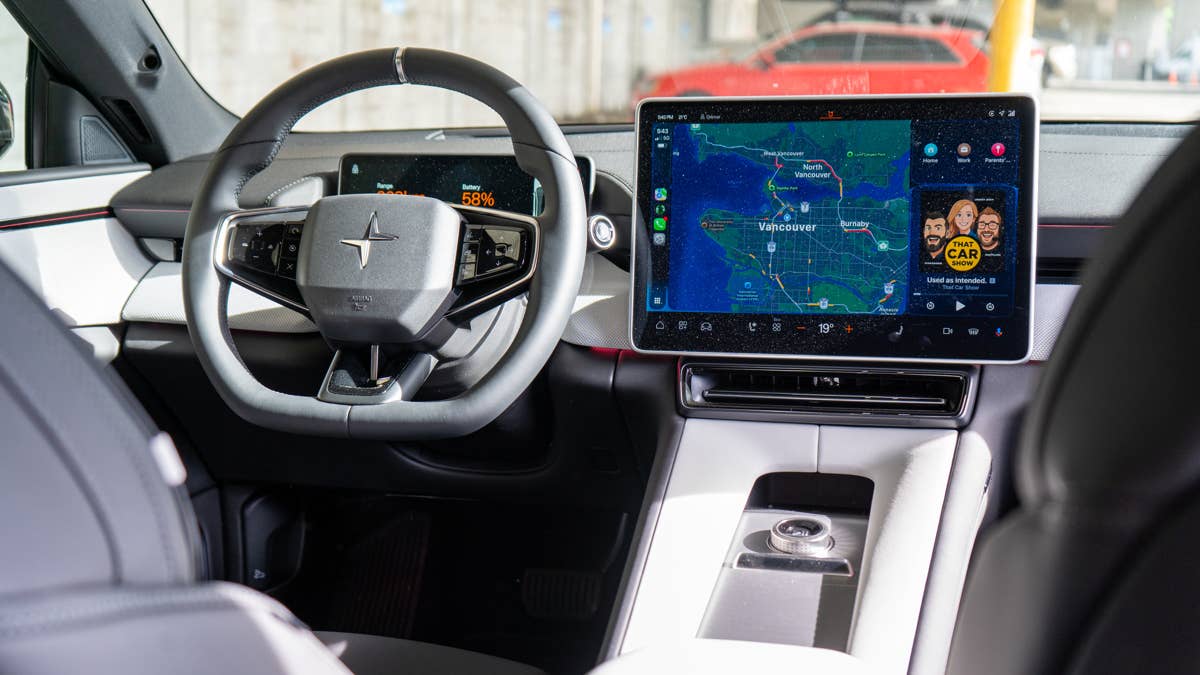
When you climb inside both, the Genesis’ comparative appeal becomes obvious. The Polestar 4’s cabin is clean, modern, and heavily restrained, but it can also feel a bit sterile. Nearly everything runs through the central screen, which makes simple tasks feel more complicated than they need to be. The lack of a rear window is also something you can adapt to, but adaptation is not the same thing as affection. The digital rearview mirror works, but it remains an annoyance dressed up as innovation.
Cole Attisha
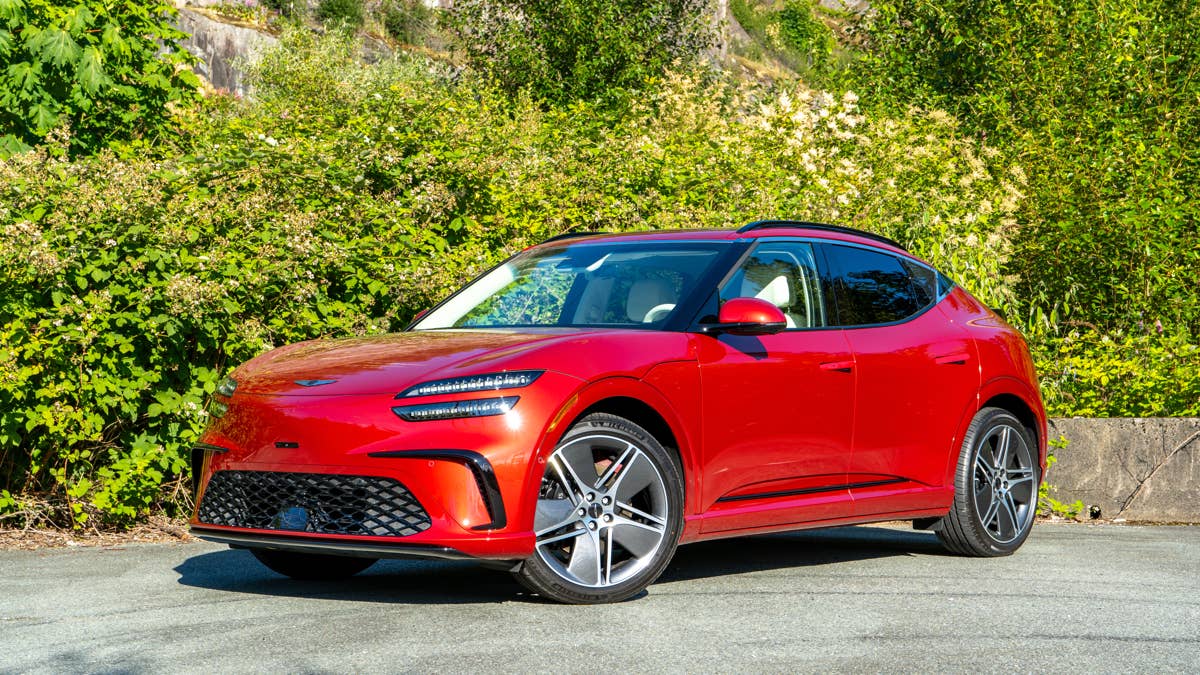
The GV60 feels materially richer and more luxurious. The ambience is warmer, the atmosphere is more inviting, and Genesis’ 27-inch OLED display is far easier to live with because fewer basic functions are buried in screen menus. The Crystal Sphere shifter is a bit gimmicky, yes, but it is also charming. In an EV segment where so many cabins feel as if they were designed by people allergic to joy, I will gladly accept a little bit of gimmicky nonsense in the name of quirkiness.
Shopping for a new car? Click here to get a great deal on your next vehicle. Powered by Carvana, no haggle pricing, 100% online.
Cole Attisha
Two Very Different Kinds Of Memorable
The hard part is deciding which one leaves the stronger impression, because both do, but for different reasons. The GV60 is materially memorable. You remember the glowing shifter, the plushness, the excellent audio, the screen, the softness, the way Genesis refuses to confuse minimalism with luxury. It feels like a compact luxury EV that wants to make the ownership experience feel slightly ceremonial.
Cole Attisha
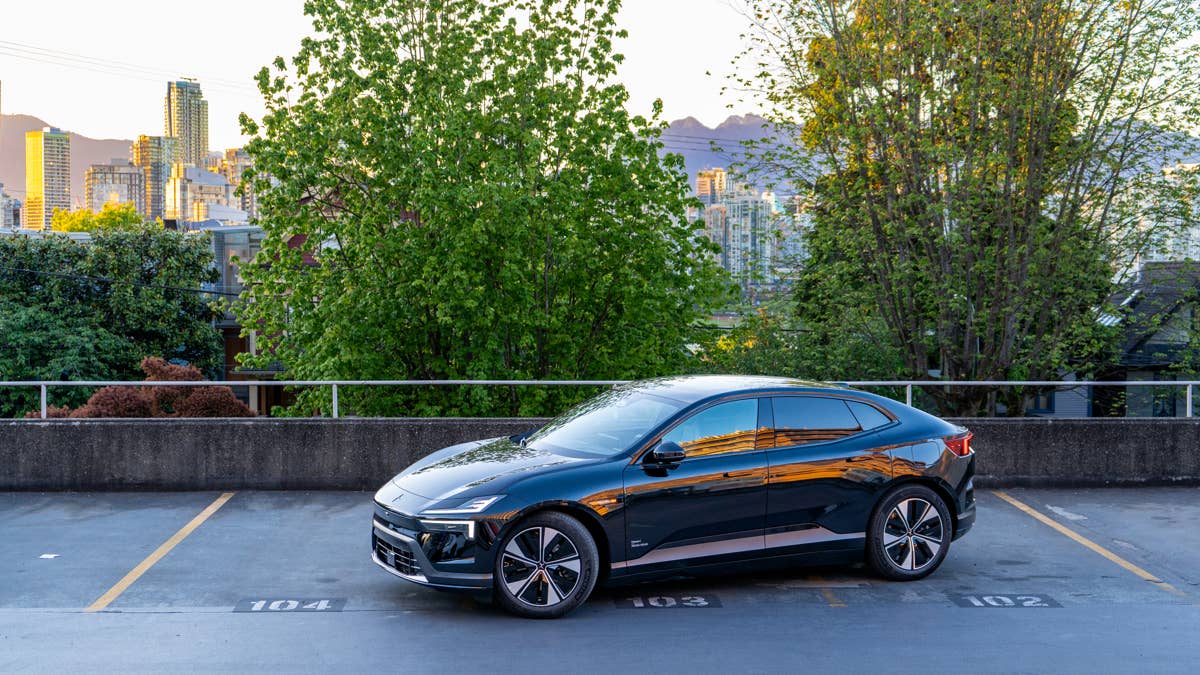
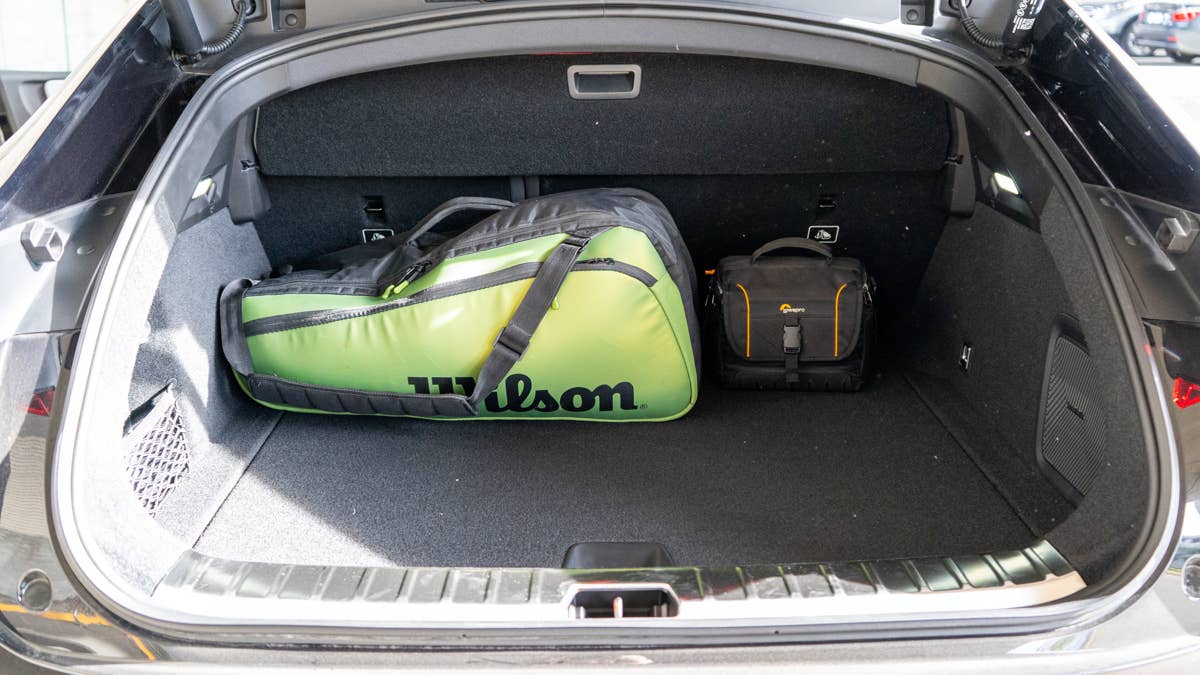
The Polestar 4 is dynamically memorable. You remember the way it drives, the way it carries momentum around corners, and the way it makes its considerable size and weight feel almost nonexistent. You will also remember that it has no rear window, though not always fondly.
Cole Attisha
Cole Attisha
Practicality And Daily Use
| Measurement / Feature | Genesis GV60 Performance | Polestar 4 Long Range Dual Motor |
|---|---|---|
|
Length |
178.9 in |
190.5 in |
|
Wheelbase |
114.2 in |
118.1 in |
|
Max cargo space |
54.7 cu-ft |
54.2 cu-ft |
|
Cargo space behind the second row |
24.0 cu-ft |
18.6 cu-ft |
|
Cabin controls |
Better blend of screen and physical inputs |
Nearly all screen-based |
|
Charging access |
Fast 800V charging, native NACS compatibility |
Slower 400V charging, native CCS compatibility |
|
Front headroom |
39.0 in |
40.2 in |
|
Rear headroom |
38.1 in |
37.8 in |
|
Rear legroom |
37.6 in |
36.6 in |
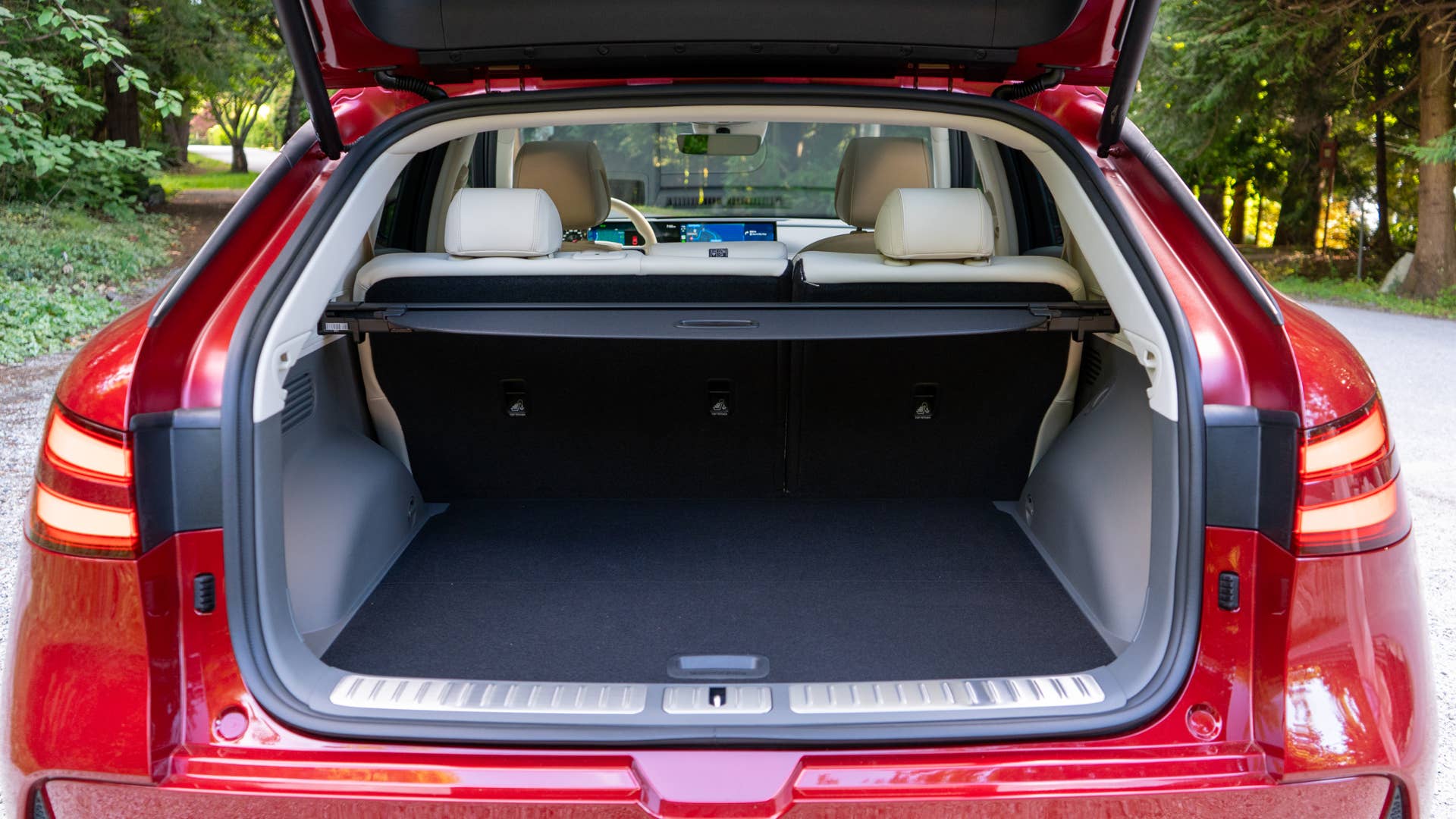
Despite the Polestar 4’s larger proportions, the Genesis GV60 beats it in cargo space and some cabin dimension categories, but its 280-mile EPA range beats the GV60 Performance’s 252-mile figure. But the Genesis is easier to charge, thanks to its 800-volt architecture and native NACS compatibility. Its cabin controls are also more intuitive, and its conventional rear visibility avoids one of the Polestar’s most polarizing design choices.

Cole Attisha
Verdict: Warm Weirdness Or Cold Competence?
The Genesis GV60 Performance and Polestar 4 are both luxury EVs with more personality than most, but they express it differently. The GV60 feels richer inside, more charming around the edges, more playful in its design, and more attuned to the necessity of showmanship in a luxury automobile. It’s also softer, less composed, and less athletic than its Performance badge might suggest.
Cole Attisha
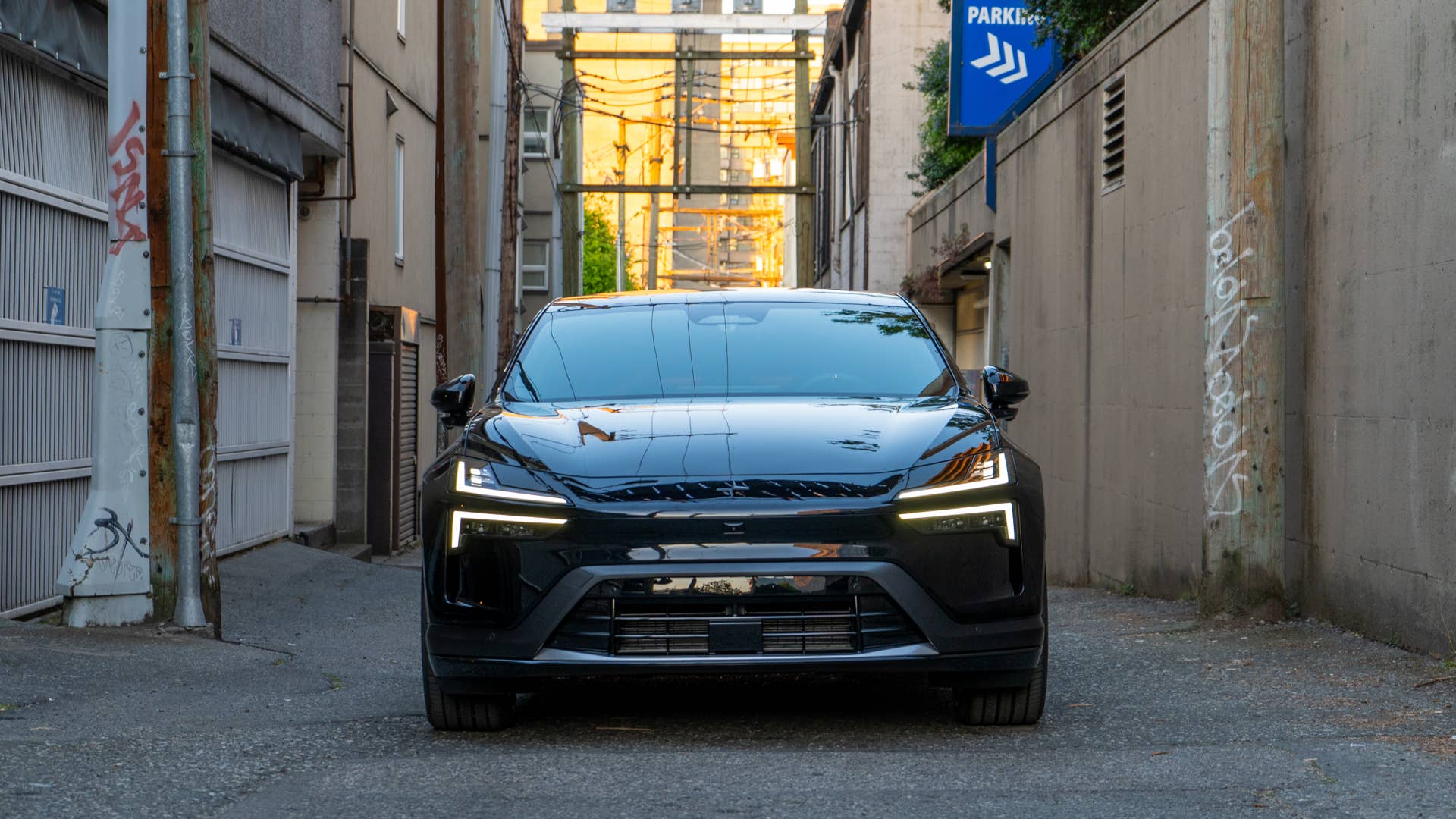
The Polestar 4 is the more dynamically satisfying machine for the driving enthusiast. It handles better, feels quicker more often, and carries itself with a cool, Scandinavian seriousness that gives it a clear identity of its own. But its screen-heavy cabin and rear-window deletion ask more compromise from the driver than they should. The Polestar 4 is the better driver’s EV and feels more serious in its composition, whereas the Genesis GV60 feels more cheerful and alive in its overall attitude.