In February 2026, the Supreme Court invalidated significant portions of the tariff framework imposed under the International Emergency Economic Powers Act, declaring them unlawful. The ruling invalidated much of the sweeping tariff regime the Trump administration had put in place from early 2025, including levies on Canada, Mexico, and China, and opened the door to potential refunds of up to $175 billion in tariffs already collected. For Toyota, one of the most import-dependent automakers in the U.S. market, the fallout was severe. Despite record-setting revenue and an 8.5 percent jump in North American vehicle sales, the impact of US tariffs erased all of Toyota’s profits in the region for fiscal year 2026, resulting in a rare operating loss of $1.9 billion.
What the Lawsuit Actually Claims
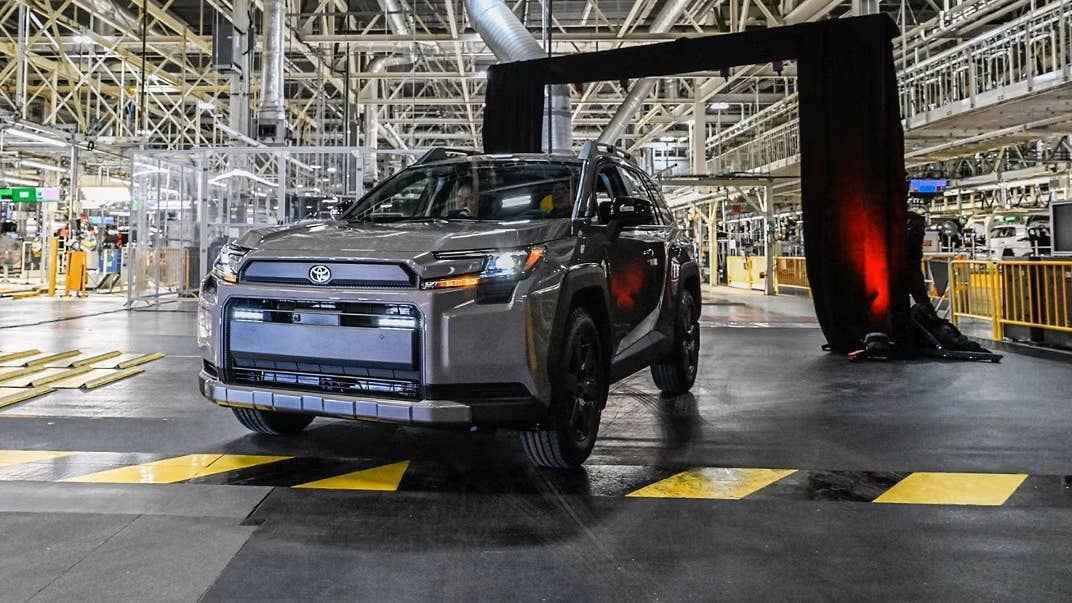
Now, a California consumer argues that Toyota’s customers are entitled to compensation, out of whatever the company gets back. Filed in the US District Court for the Central District of California, the class action lawsuit targets Toyota Motor North America over what it calls “windfall proceeds tied to tariffs.” The lawsuit contends Toyota paid roughly $9.7 billion in tariff costs as a result of its reliance on parts and production from countries including Japan, Canada, and Mexico, and that those costs were passed directly on to consumers. The plaintiff argues that because buyers effectively funded Toyota’s tariff bill through higher vehicle prices, they are entitled to a proportionate share of any government refunds Toyota recovers, plus interest.
Toyota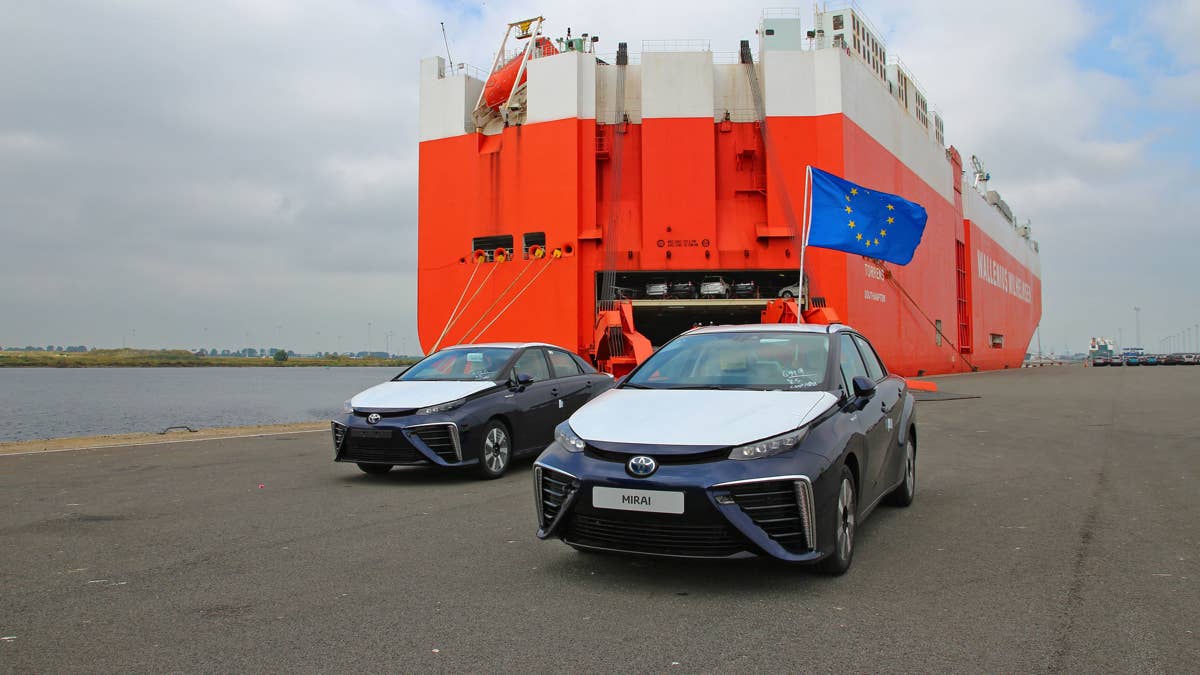
Does It Have Legs?
Skeptics might dismiss this as opportunistic litigation, but there is genuine precedent here worth paying attention to. More than 2,000 lawsuits seeking IEEPA tariff refunds have already been filed at the Court of International Trade, with major companies including FedEx, Costco, and Nissan North America among them. FedEx has already stated it will return any refunds it receives to the customers who paid the tariffs, suggesting the logic behind the Toyota lawsuit is not without merit. Any effort to calculate consumer damages would likely require proving how much tariff exposure was embedded into individual vehicle pricing. Toyota has made no public statement on how it intends to handle any refunds it receives. That silence may just be the whole problem.