Geely Is Betting Big on Hybrids
The mood inside China’s auto industry has changed fast. A few years ago, every conversation was about fully electric vehicles and who could build the next Tesla rival. Now, after slowing EV demand in several markets and growing concerns around charging infrastructure, brands like Geely are starting to revisit the same formula that turned Toyota into a global powerhouse. Hybrid technology is back at the center of the conversation.
During my time in China, testing several Geely models, executives repeatedly pointed to hybrids as the realistic middle ground between gasoline and full electrification. Geely Auto International vice president Alex Gu even claimed the company’s incoming i-HEV system improves on Toyota’s long-established hybrid formula by offering better acceleration and smarter integration.
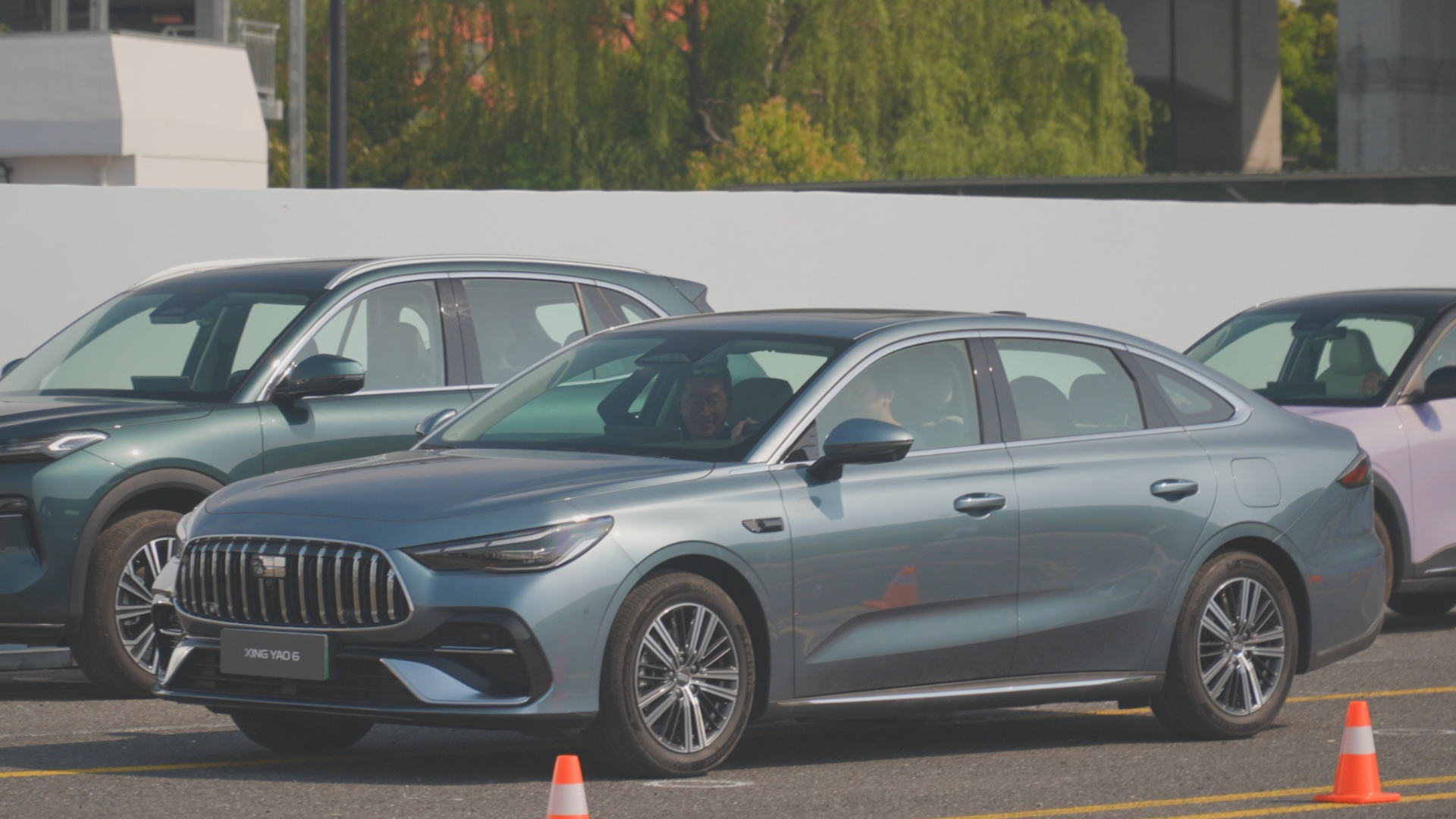
Unlike Geely’s existing EM-i plug-in hybrid setup, the new i-HEV system is a traditional self-charging hybrid that never needs to be plugged in. The setup combines a highly efficient gasoline engine with dual electric motors and an 11-in-1 electric drive unit producing up to 308 hp. Behind the wheel, the emphasis felt less like an economy car and more like a proper performance-oriented hybrid. Geely says the system will soon arrive in the Monjaro SUV, Starray SUV, and Emgrand sedan, all of which are expected to play a major role in the company’s international growth plans.
Leroy Marion / Autoblog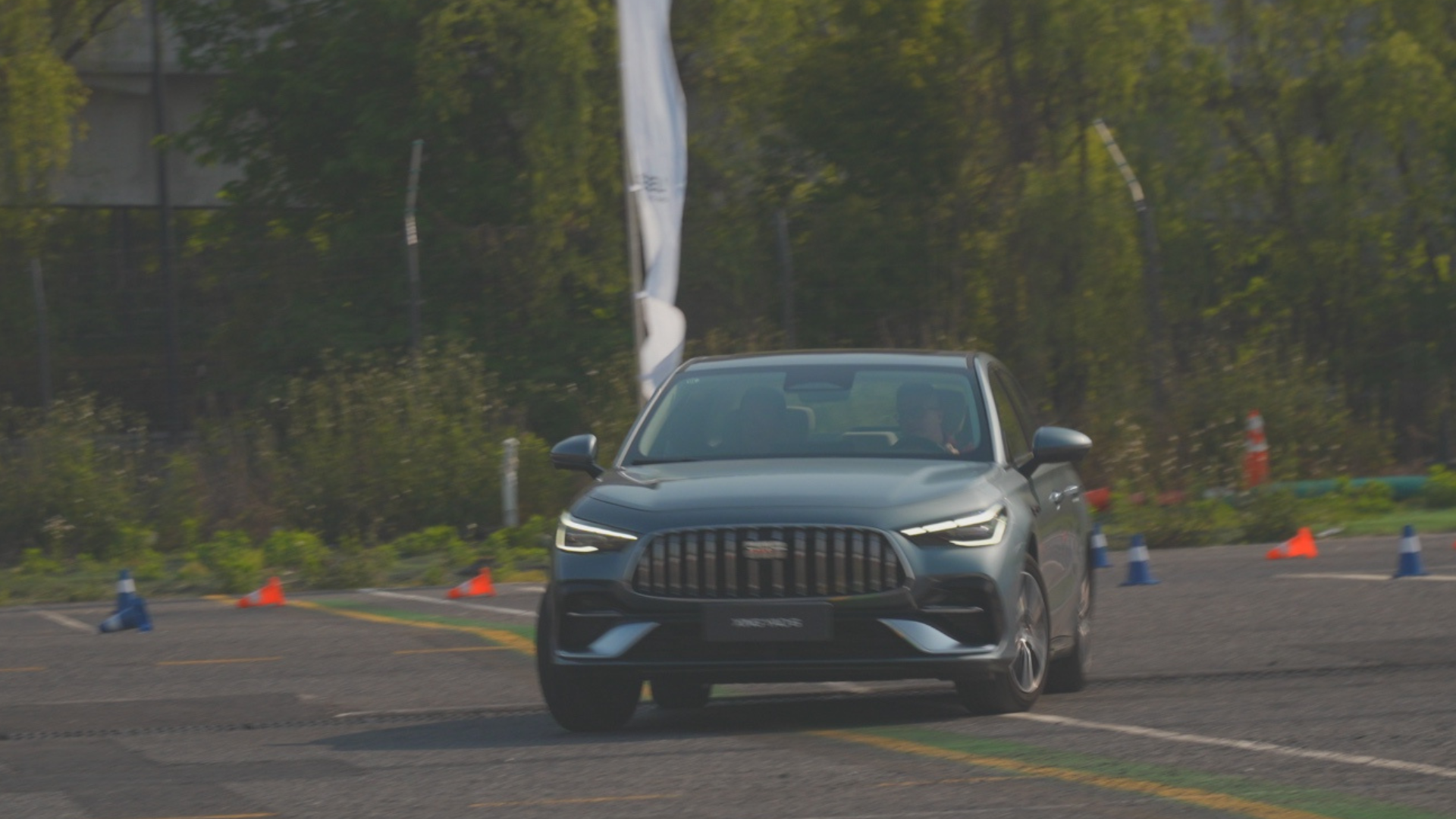
One of the Most Efficient Hybrid Engines Ever
The technical details behind the new i-HEV system are genuinely impressive. At the core sits a gasoline engine with a claimed 48.4 percent thermal efficiency figure, placing it among the most efficient combustion engines currently in production.
Geely achieved this using Miller-cycle combustion, 500-bar fuel injection, friction reduction measures, and a very high 15.5:1 compression ratio. Engineers I spoke to in China stressed that efficiency was only part of the mission because the company also wanted these hybrids to feel genuinely engaging to drive.
That explains the inclusion of both a P1 generator motor and a P3 drive motor. The gasoline engine can generate electricity while the traction motor powers the wheels independently, resulting in smoother acceleration and stronger response than many traditional hybrids currently on sale.
The headline figure grabbing attention is a reported 105 mpg fuel consumption result achieved during a fuel economy test using an Emgrand i-HEV. Even if official numbers settle closer to 75 mpg, Geely would still undercut several Toyota hybrids on paper while giving buyers the feeling of driving a proper gasoline-powered car instead of a purely efficiency-focused appliance.
Leroy Marion / Autoblog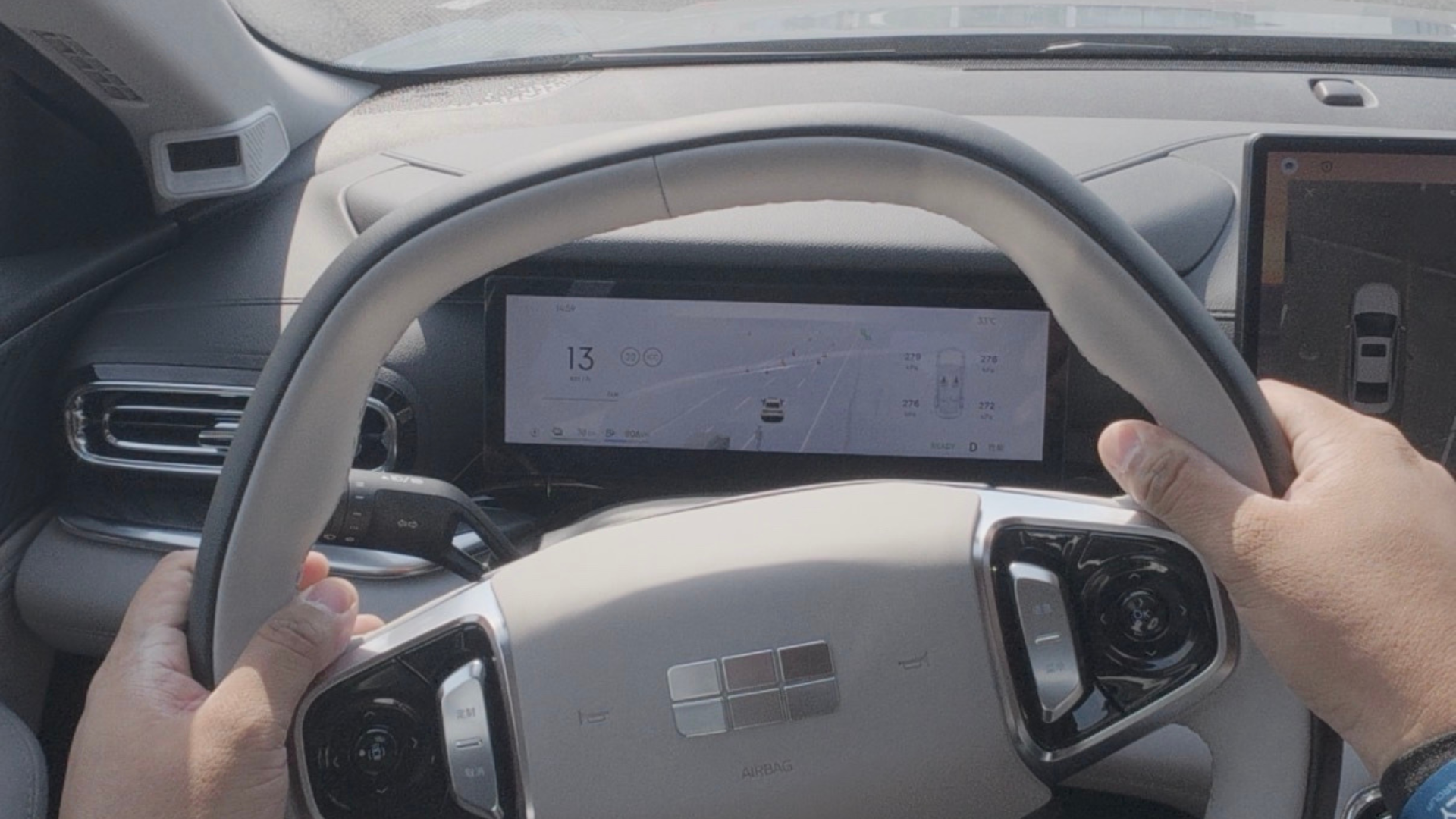
No Longer Stripped-Out Budget Cars
The bigger question after driving these cars in China is simple. When are we finally getting them on our side of the pond? Chinese automakers are no longer building stripped-out budget transportation. Many of these new hybrids feel refined, quiet, and surprisingly premium inside.
If the Geely Preface i-HEV is any indication, the gap between Chinese brands and established global automakers is shrinking much faster than many expected. More importantly, Geely appears serious about challenging Toyota directly in the hybrid space rather than simply competing on price alone.
That conversation becomes even more interesting when you consider Geely’s close relationship with Volvo Cars. Volvo’s CEO recently suggested the company is open to building more affordable Chinese-developed vehicles for global markets, opening the door for Geely-developed hybrid technology to spread far beyond China.
After spending time around these vehicles firsthand, it is clear that Geely is no longer chasing Toyota. It genuinely believes it can beat Toyota at its own game. If these efficiency claims hold up in real-world testing, we cannot wait to see these hybrids finally reach our shores.
Leroy Marion / Autoblog