The Future Of Speed Just Got Schooled By Students
In a competition that has quietly become a pipeline for fresh talent, Stellantis has named Felix Bucaro, a Wisconsin high school senior, as the grand prize winner of its 2026 Drive for Design contest. This year’s brief, “Design the Future of Fast,” pushed students to reinterpret performance through the lens of SRT using brands like Dodge, Jeep, Ram, and Chrysler.
Bucaro’s concept stood out among a competitive field, signaling both technical understanding and a strong sense of identity. He is joined by Owen Bronson of Michigan in second place and Javier Espino in third, with Bronson notably extending a three-year streak in the top three.
Now in its 14th year, the program expanded beyond its traditional high school scope by introducing a junior division. Younger winners included Jaxon Brobst, Richie LeBlanc, and Catherine Codouni, reflecting Stellantis’ push to cultivate design thinking earlier.
Beyond recognition, the rewards are substantial. Bucaro earns eligibility for a summer internship with the Ram and SRT design studio, while finalists receive mentorship and scholarships to the College for Creative Studies. Winners will also participate as judges at the EyesOn Design, reinforcing the program’s real-world integration.
Stellantis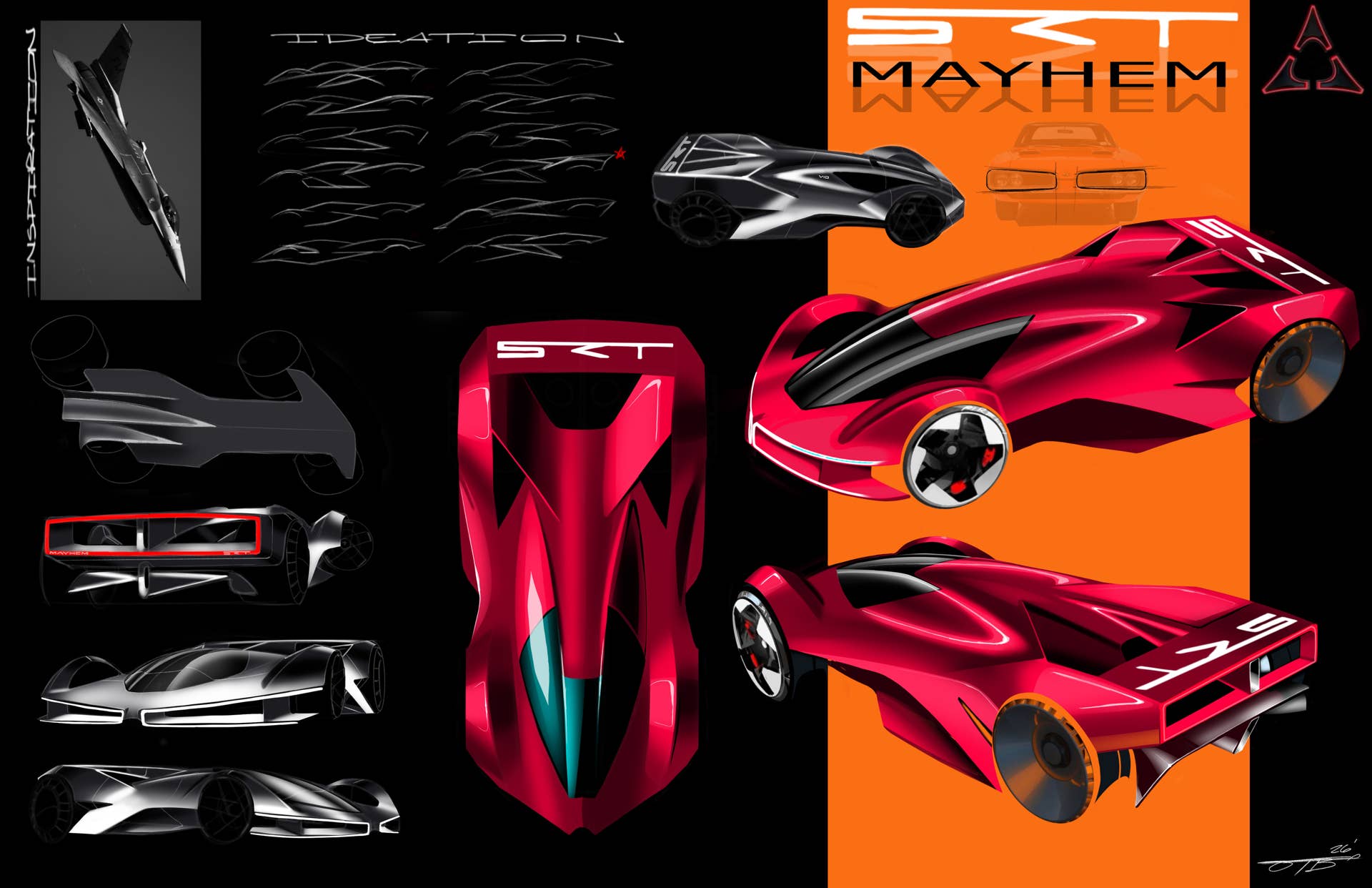
Automakers Are Letting The Next Generation Shape Performance Cars
Automakers are increasingly tapping younger voices to shape long-term design direction, especially as electrification and software redefine performance. Stellantis’ leadership acknowledged that shift directly. “The imagination and talent we’ve seen over the years was seriously notched up with the SRT design theme,” said Mark Trostle, vice president of Ram Truck, Mopar, and SRT exterior design. “It adds to the excitement of the return of our in-house performance division for the next generation.” That sentiment mirrors a broader industry trend in which bold, unconventional thinking is no longer optional but necessary.
The contest has also proven its credibility as a talent incubator. Past winners like Ben Treinen and Dongwon Kim have transitioned into real roles within Stellantis studios, demonstrating a tangible pathway from sketchpad to production pipeline. For younger winners, prizes such as studio visits and art support may seem modest, but they offer early exposure to a highly competitive field. As the definition of speed evolves beyond raw horsepower, these students are already exploring new visual and experiential cues that could define tomorrow’s performance cars.
Stellantis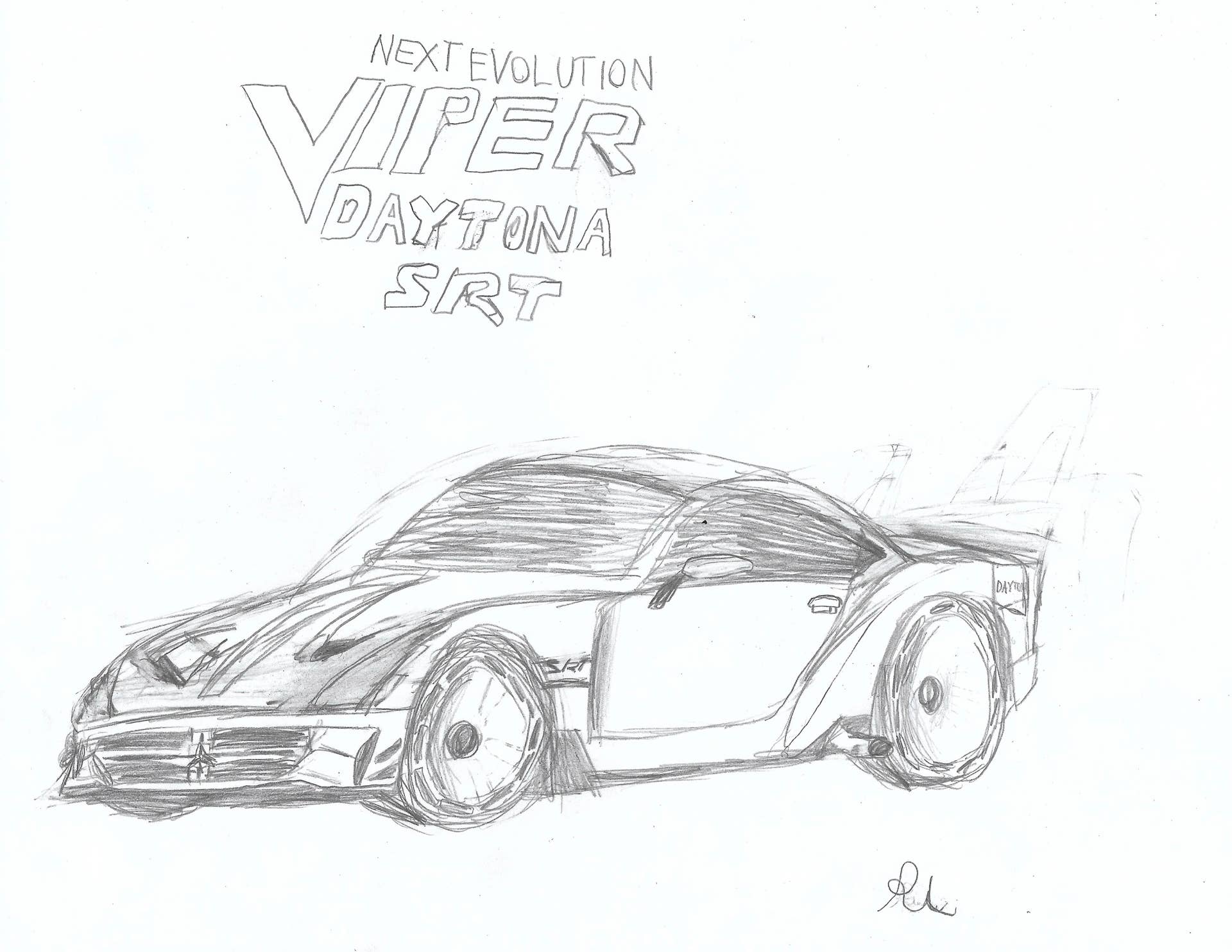
The Lowdown – The Kids are Alright
Designing cars is like toeing a tight rope between fantasy and reality, and when Stellantis asked some promising students to design what the future of the company looks like, I think the future is going to be alright. Even as AI tools begin to accelerate design workflows, the core of automotive creativity still rests on human imagination.
Programs like Drive for Design show that the next generation is not short on ideas or ambition. If anything, the bar is rising. Looking at where past winners have landed, and how current finalists are already thinking, it is hard not to conclude that the future of car design is in capable hands.
YouTube: @ThrottleHouse