My daughter is currently obsessed with the musical Hamilton, so I’ve got the songs constantly running in the background of my day. I think it’s a fun way to get people into history and I try not to be bothered by the way some convenient breaks in the timeline are used to bring Alexander Hamilton and his main antagonists together. History is just a set of lies agreed upon, anyway, right?
I do think James Madison gets a bit shortchanged, mostly because having to include both him and James Monroe is too confusing, so we get a bit of a convenient conflation (or maybe it’s Monroe who gets the short shrift). When the history of this era is written, will Nissan’s decision to sell a bunch of body-on-frame vehicles be seen as a response to the Trump Administration’s defanging of fuel economy standards, or was this just a thing that was going to happen anyway? Is the new Xterra the poster child for a new reality? In Europe, it’s a different world, and Nissan will sell a new Juke. I’m a big fan of how it looks.
Back in the United States, BMW sets itself apart from Audi by only losing a small number of sales, although Lexus is right there. Some of this is just because of the loss of the EV tax credit, although this loss doesn’t seem to be stopping used EV sales.
The New Xterra Is The First Of Many Body-On-Frame Vehicles
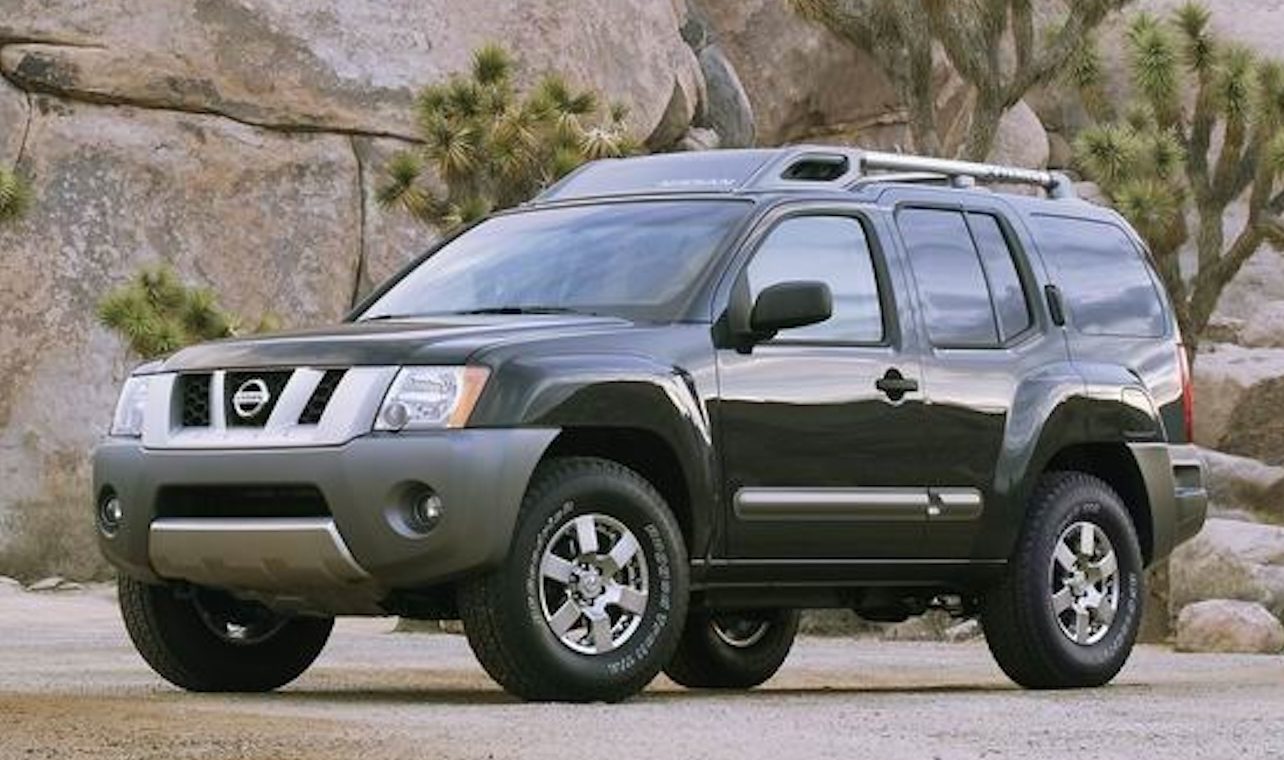
Last night’s big Nissan news, if you’re a normal person, is that the 2027 Nissan Rogue ePower is going fully hybrid. It’s an interesting system, being a series hybrid instead of parallel hybrid (or the weird Honda combo). Like pretty much every modern crossover, it’s going to be unibody. A body-on-frame vehicle in this class doesn’t make any real sense.
There was some talk of AI-defined Vehicles (AIDV) as a next-gen substitute for Software-Defined Vehicles (SDV). As an enthusiast, I’m less-enthused by that, and it’s very much a believe-it-when-I-see-it situation.
I was chatting with an old colleague of new Nissan CEO Ivan Espinosa, and what he wanted to impress upon me was that Espinosa was a legit enthusiast and it would be good for the company. Last night’s event included a little view of that with the new Skyline teased and, for America, the return of the Xterra.
Here’s what Nissan said:
The all-new rugged SUV will be produced in the United States, further strengthening Nissan’s manufacturing footprint and capability offering for North American customers. The launch is targeted for late 2028.
Nissan is exploring a family of five U.S.-built models on a new body-on-frame platform including the all-new Xterra, with potential expansion to pickups and multi-row SUVs across Nissan and INFINITI brands.
Giving customers more capability, versatility and choice across key segments, the model family will also feature V6 or new V6 Hybrid powertrains.
Five body-on-frame vehicles built in the United States? That’s a lot of BOF. Reading between the lines, here’s a rough guess for what that looks like:
- Xterra
- New Nissan pickup (probably a Frontier developed with Mitsubishi)
- Three-row SUV built on the same platform
- Infiniti two- or three-row
- Infiniti truck?!?
This follows Hyundai showing off the Boulder Concept in New York as a preview for a future series of vehicles built on its upcoming body-on-frame platform.
Is this newfound love of body-on-frame vehicles a reaction to the delaying of the EV dream and everyone’s overreaction to electric cars? Is this an overreaction itself? BOF vehicles are, historically, heavier and less efficient than comparable unibody vehicles. While modern BOF trucks ride and driver better than past versions, they’re still trucks.
My guess is that some of this is a result of the new relaxing of environmental regulations and, specifically, it has to do with the One Big Beautiful Bill getting rid of corporate average fuel economy penalties by setting the fine to $0. A new administration could quickly reverse that if it had the votes, though I’m not sure it would be the first thing on the agenda.
A big part of this is just a response to demand. American consumers like big SUVs, whether unibody or BOF. Additionally, Nissan execs have been begging for a new Xterra as a way to compete with the popular 4Runner, Wrangler, and Bronco.
One of the other things Nissan talked about was cutting the number of models and thinking more about architectures than individual cars, which is something most automakers do well but Nissan has historically been bad at implementing (because it keeps merging with different companies). As Nissan says in a different press release:
As part of the vision, Nissan is transforming its industrial model through the Nissan Product Family strategy.
This will move the company’s focus from model‑by‑model optimization to architecture‑led development built on shared platforms, powertrains, and software.
Nissan will concentrate development around three core product families that will account for more than 80 percent of global volume, increase volume per model by over 30 percent while accelerating development speed and technology rollout.
By aligning product design and industrial execution from the start, Nissan strengthens quality, improves cost discipline, and enables faster, more competitive product launches at scale.
If Nissan launches this vehicle, it needs to build a bunch of other things on the same platform, so SUVs just make sense. Does an Infiniti truck make sense? Probably not, but I want one to exist.
So, to get back to the original question, is this a reaction to the reduction of environmental standards? My sense is that it’s only in scale. Nissan is planning to offer these either with a V6 or a hybrid V6 and not the return of Nissan’s big V8. Both of these powertrains will probably be net more efficient than whatever it is they’re replacing.
CAFE is an average and the popularity of a bunch of trucks would require a lot of other offsets in the past. The EPA under Biden respected the endangerment finding that said that car emissions contribute to global warming. This EPA has tossed that (pending litigation). Some of this will probably come back under a future administration, just in a different way.
The old environmental regime didn’t stop Ford from selling Broncos, Braptors, Rangers, Ranger Raptors, et cetera. The difference is that Ford and Stellantis had to pay for those vehicles, usually in an offset payment that went to Tesla. That’s probably not easy for Nissan to do, and now it doesn’t have to worry about it.
Hyundai and Nissan were probably always going to wind up in this place, but now there’s less of a need to offset those big BOF trucks with something else, giving automakers a chance to build more variants without thinking about it too hard.
Oh, Hi! It’s A New Nissan Juke

We all liked the Nissan Juke, even if it only survived one generation in the United States. Ok, well, maybe SWG didn’t like the Juke as much as the rest of us.
There’s a new one for not-America and it seems pretty cool:
Agile, compact, and unmistakably Nissan, this first-ever EV Juke carries personality and emotion into the EV era, reimagining one of Europe’s most distinctive compact crossovers. It forms part of Nissan’s broader strategy to offer an electrified powertrain for every type of customer today.
Since its original launch in 2010, JUKE has captured the imagination of 1.5M customers across Europe, reshaping the compact crossover segment with its daring and unconventional design. The new JUKE retains that character while introducing a fully electric powertrain, supporting Nissan’s journey towards to zero-emission mobility.
EV-only, Europe-only (for now), and built in the UK.
BMW Crushes Audi, But Lexus Isn’t Far Behind
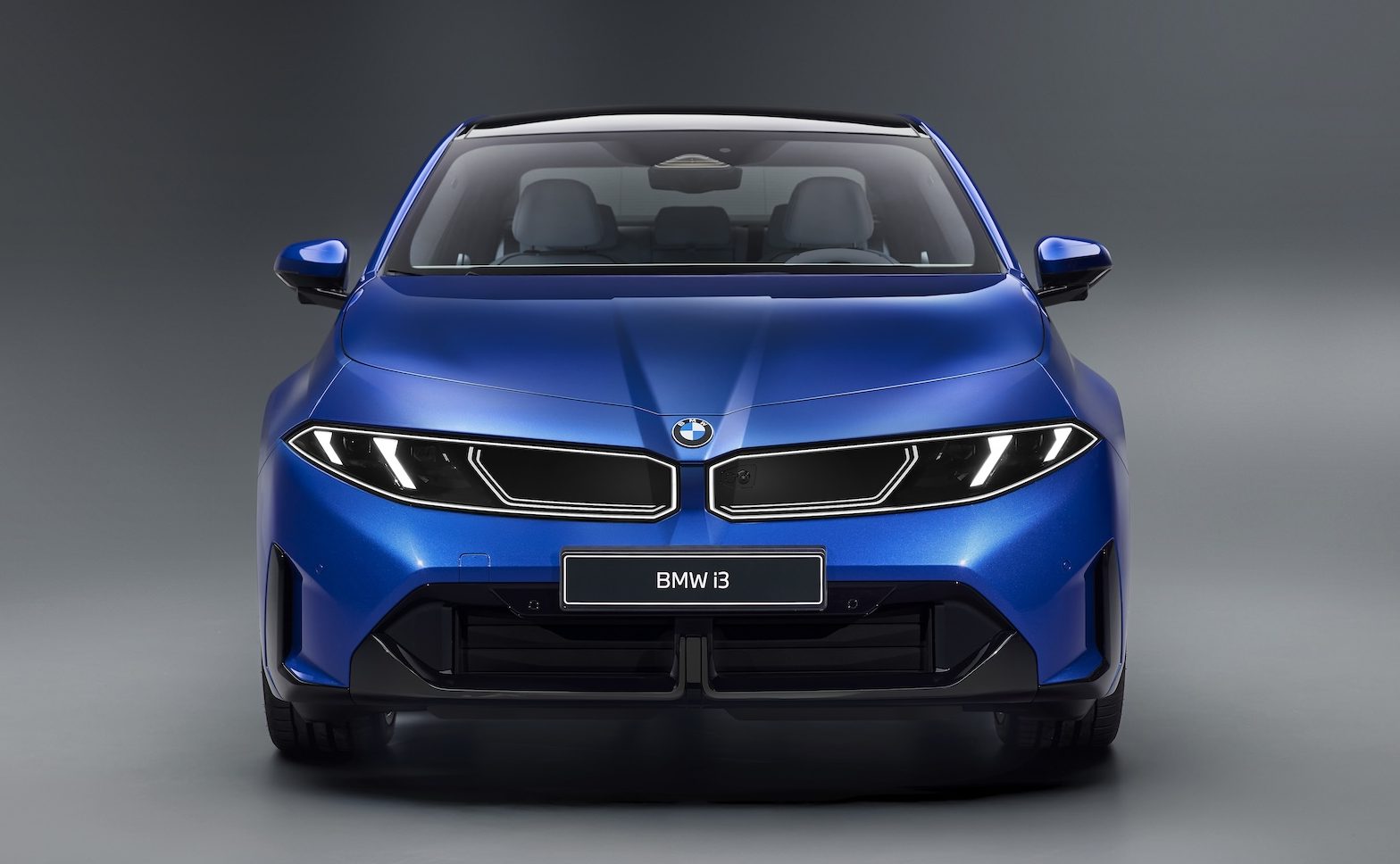
BMW is one the European luxury brand in the United States that seems to have paced its EV rollout fairly well. Sales were down a bit in Q1, though not by a huge margin. BMW saw a drop of about 3.9% quarter-over-quarter to 87,615 cars delivered.
That probably means share growth for BMW, because in the same quarter Mercedes saw its US sales drop by about 3% to 78,500 (including vans), but Audi plummeted by a wild 30%. Yikes!
Curiously, there’s another luxury automaker who also is doing relatively well. Lexus saw its sales only drop by 2.5%, meaning its 80,952 sales put it in striking distance of BMW. That’ll be fun to watch.
‘That Never Used To Happen’ Used Buyers Seem Cool With EVs
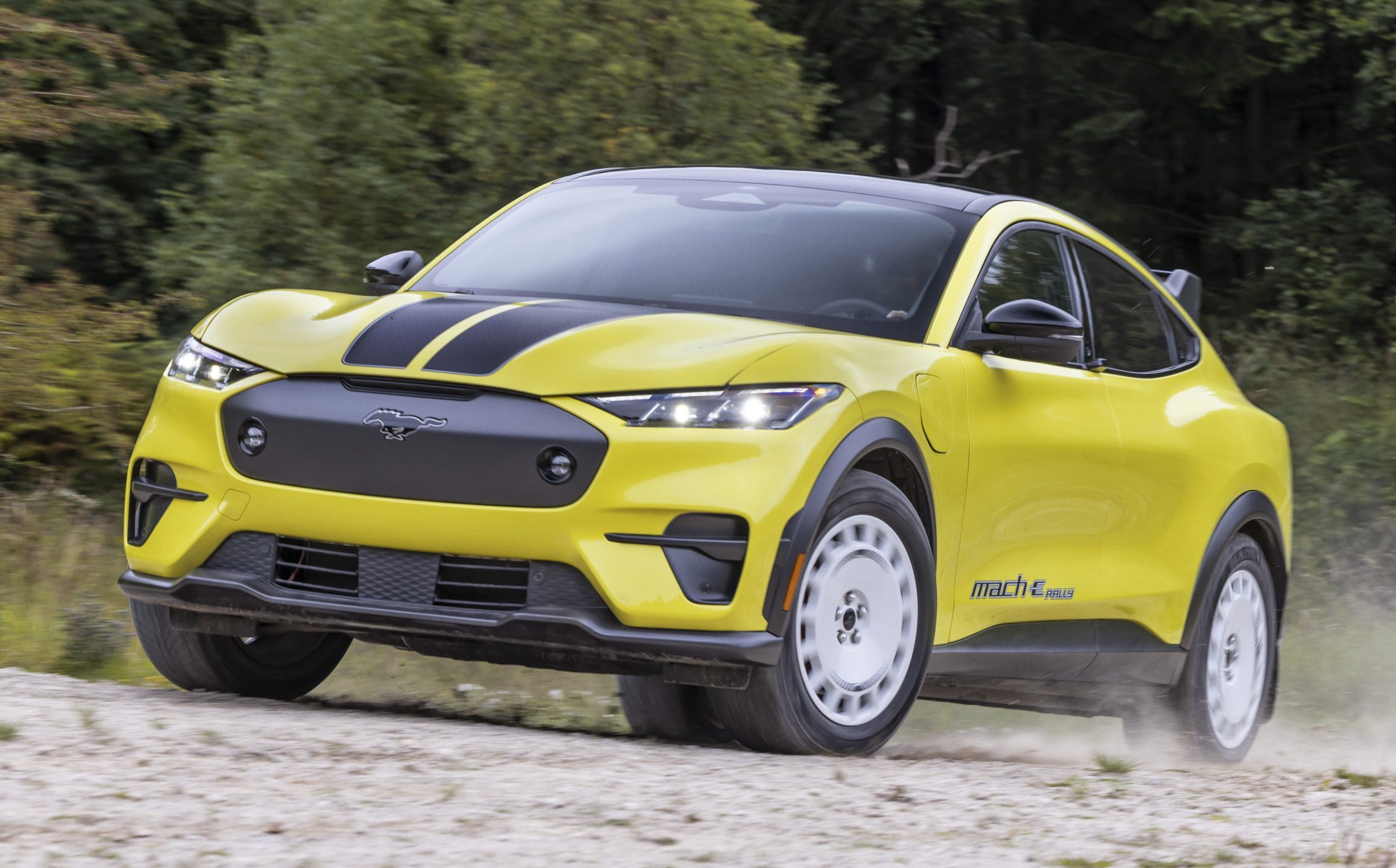
If I was in the market for an off-lease EV would I consider a Mustang Mach-E Rally? Definitely. The huge number of electric cars coming off-lease in the next 2-3 years is going to be a boon for consumers, and some of the upside is starting to appear right as gas prices climb.
There’s a good piece from my buddy Kyle Stock over at Bloomberg about this sudden rise in affordable used EVs, and I thought this quote was interesting:
“Overall, the skepticism on the EV segment is all but gone,” said Steve Renard, executive manager of Infiniti of Tacoma at Fife. “Now, it’s not that difficult to show an EV to a gas customer; that never used to happen.”
If you’ve got $20,000 for a used car and your choices are a relatively old Honda Accord or a certified Hyundai Ioniq 5 I bet it’s hard to buy the Honda.
What I’m Listening To While Writing TMD
There are too many noteworthy performances in Hamilton to isolate one, and a lot of the songs tend to bleed into one another given its libretto-ish style. The one that stands alone and that I never get mad about hearing is Jonathon Groff’s mad (er, upset) King George doing “You’ll Be Back.”
The Big Question
What should the BOF Nissans and Infinitis be?
Top photo: Nissan
The post How Much Of Nissan’s Move To Sell A New Xterra And A Bunch Of Body-On-Frame Trucks And SUVs Is A Reaction To Weak Environmental Laws, And How Much Is It About Overwhelming Demand? appeared first on The Autopian.