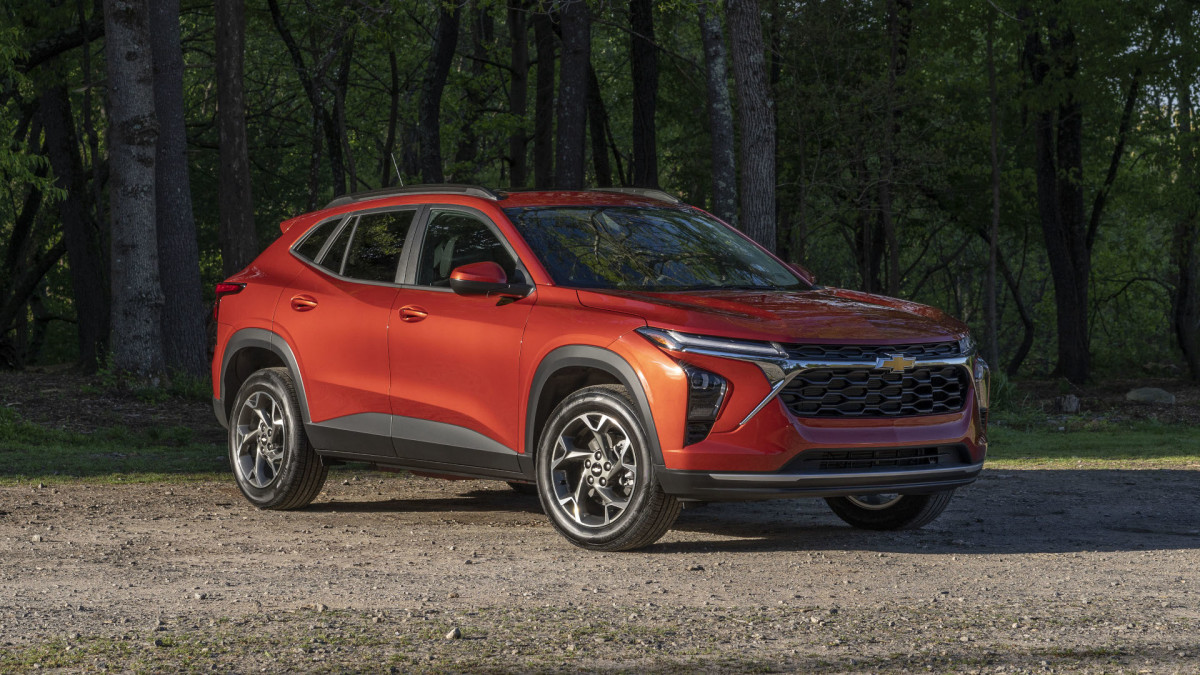
A Small Engine With Some Big Questions
The redesigned Chevrolet Trax has earned its share of praise for being affordable, practical, and well-equipped for its size. But the spotlight is now shifting to what’s under the hood.
The Trax runs on a 1.2-liter turbocharged three-cylinder, shared with the Buick Envista, Encore, and Chevrolet Trailblazer. On paper, the compact power plant promises a blend of efficiency and everyday performance, all while keeping costs down.
For most owners, it seems to deliver as promised. But some drivers have started noticing odd knocking or thudding sounds from the engine – enough for GM to issue new service guidance for technicians. According to the bulletin, however, those sounds can be considered normal operating characteristics and may not require repairs.
Some owners remain unconvinced by GM’s explanation. Two Trax owners whose vehicles stalled believe the noises indicated a more serious problem and have chosen to pursue legal action.
Chase Bierenkoven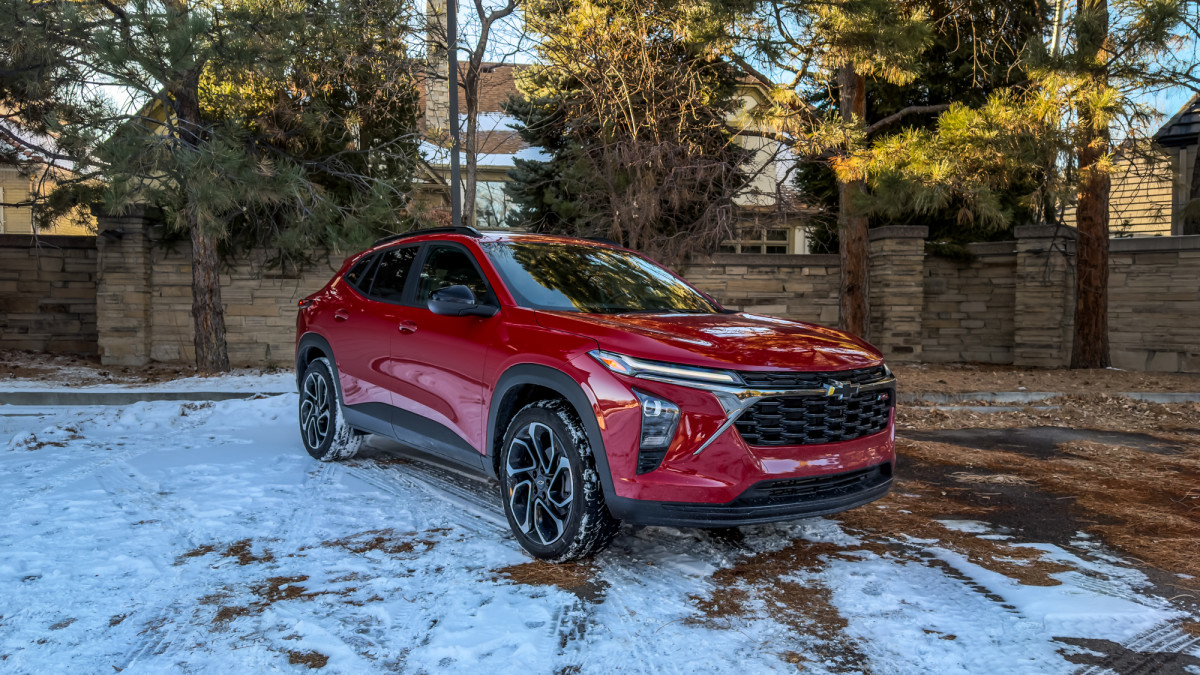
The Lawsuit and the Alleged Failure
Just last week, California plaintiffs Samantha Cook and Donna Cook filed a class action lawsuit against General Motors after purchasing a new 2024 Chevrolet Trax.
According to the complaint, Samantha Cook was driving the vehicle on January 25 when a reduced engine power warning appeared on the dashboard. The SUV stalled soon after she was on the road. The lawsuit claims the engine began knocking loudly as she pulled the vehicle to the side of the road. At that point, the Trax had roughly 11,581 miles on the odometer.
Once the Trax made it to the dealership, technicians found a broken connecting rod had damaged the engine block. The fix? A full engine replacement. But with replacement engines on backorder, the SUV was left sitting at the dealership while the owners waited for parts.
According to the lawsuit, the 1.2-liter turbo engine is prone to internal failures involving connecting rods, bearings, oil flow, and more. The plaintiffs also claim GM knew about these issues from dealership reports and technical bulletins.
The case, Cook et al. v. General Motors LLC, was filed in the US District Court for the District of Delaware and seeks class action status for owners of affected vehicles.
Chase Bierenkoven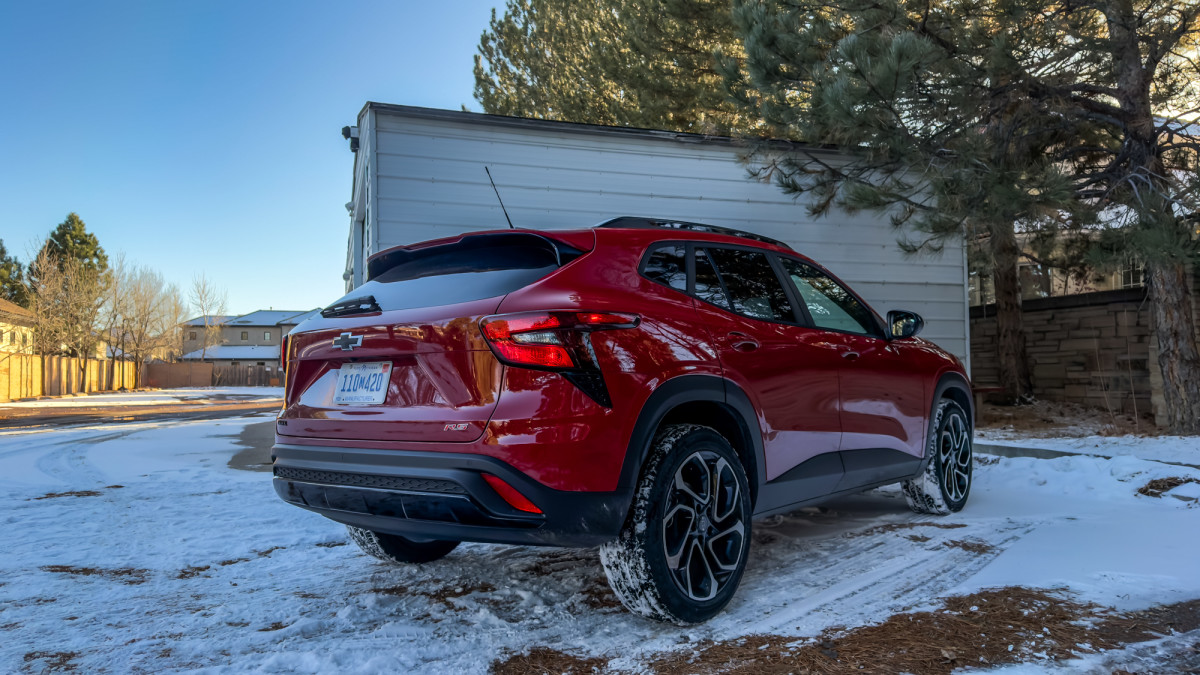
What Happens Next
Right now, these are just allegations – the court hasn’t weighed in yet. The case still has to clear the usual early legal hurdles before anything moves forward.
If the court gives the green light for a class action, the next step is discovery. That’s when attorneys dig into internal documents, engineering reports, and dealership communications to see what GM knew and when.
The plaintiffs hope discovery will show exactly when GM first learned about the alleged defect – and how the company responded to early complaints. For now, vehicles named in the lawsuit remain covered by GM’s five-year or 60,000-mile powertrain warranty, along with the standard three-year or 36,000-mile bumper-to-bumper coverage.
Whether this lawsuit leads to repairs, compensation, or nothing at all will come down to how the court weighs the claims and evidence in the months ahead.