This past Friday, January 23, a Waymo robotaxi, driving near an elementary school in Santa Monica, California, struck a child who was attempting to cross the street during normal school pickup hours. There’s an NHTSA investigation currently pending, and happily the child’s injuries were only minor. Because this was an automated vehicle, this story is news, and it should be. It also brings up an interesting question: is it reasonable to expect an automated vehicle to avoid accidents that a human would likely have had? Is our standard that they should never get into any accidents? Is that reasonable?
I don’t have the answers to these questions exactly, but they’re questions worth asking. Based on the description of what happened, I think a human would likely have hit the child as well. Here’s how NHTSA describes what happened:
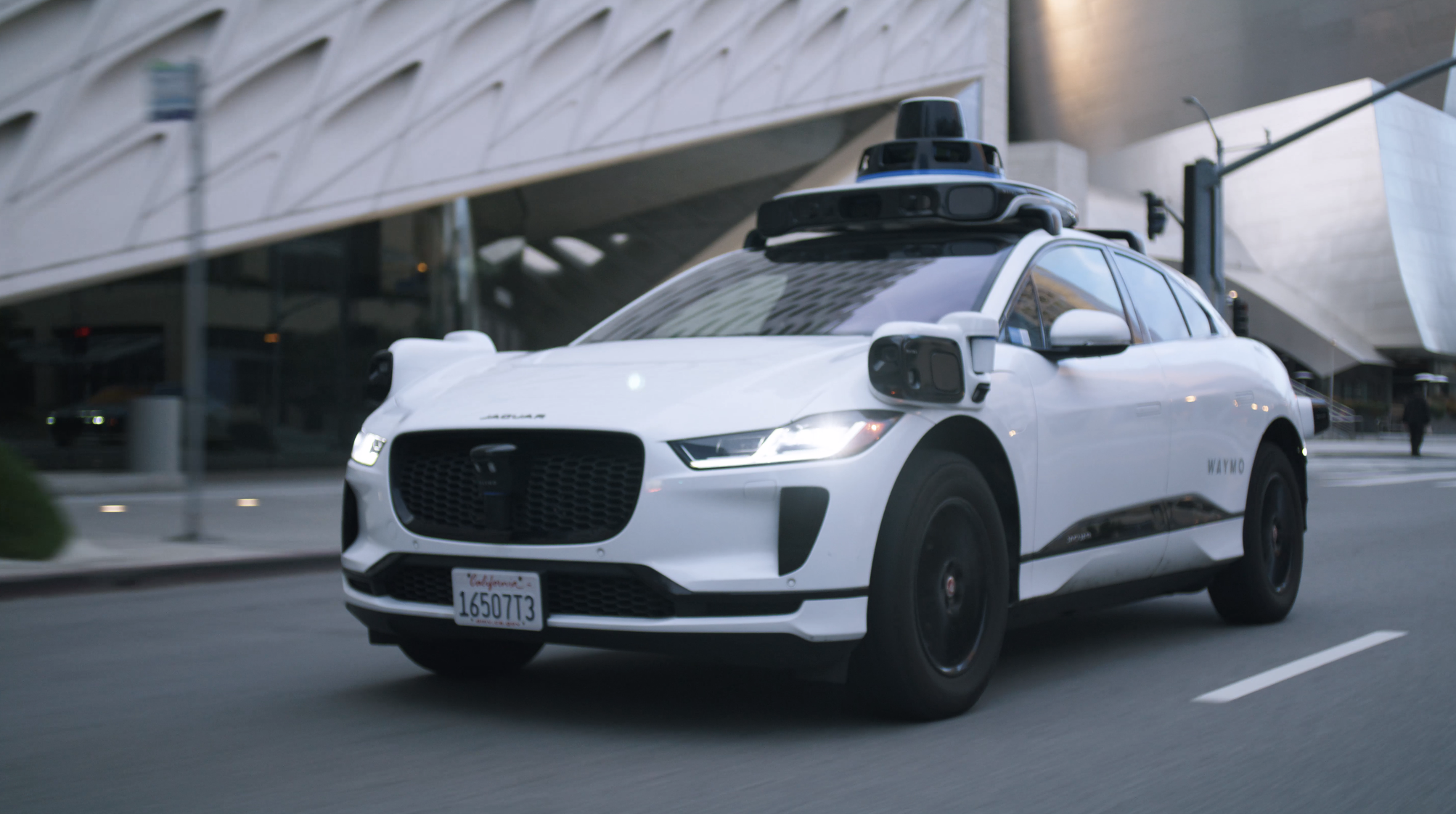
NHTSA is aware that the incident occurred within two blocks of a Santa Monica, CA elementary school during normal school drop off hours; that there were other children, a crossing guard, and several double-parked vehicles in the vicinity; and that the child ran across the street from behind a double parked SUV towards the school and was struck by the Waymo AV. Waymo reported that the child sustained minor injuries. Investigation: PE26001 Open Resume Page 1 of 2 At the time of the incident, the Waymo AV was operated by Waymo’s 5th Generation Automated Driving System (ADS). No safety operator was present in the vehicle.
… and here’s how Waymo describes it, from their blog post about the incident:
The event occurred when the pedestrian suddenly entered the roadway from behind a tall SUV, moving directly into our vehicle’s path. Our technology immediately detected the individual as soon as they began to emerge from behind the stopped vehicle. The Waymo Driver braked hard, reducing speed from approximately 17 mph to under 6 mph before contact was made.
So, it looks like a kid walked into the street, and was obscured by a big SUV. If the Waymo was actually going 17 mph, that’s well below the California school-area speed limit of 25 mph. This feels like the sort of situation that would end up badly for any driver, human or machine: a kid walked in front of a car. The Waymo did what it was supposed to do, stop as quickly as possible once the kid was spotted, just like a human would.
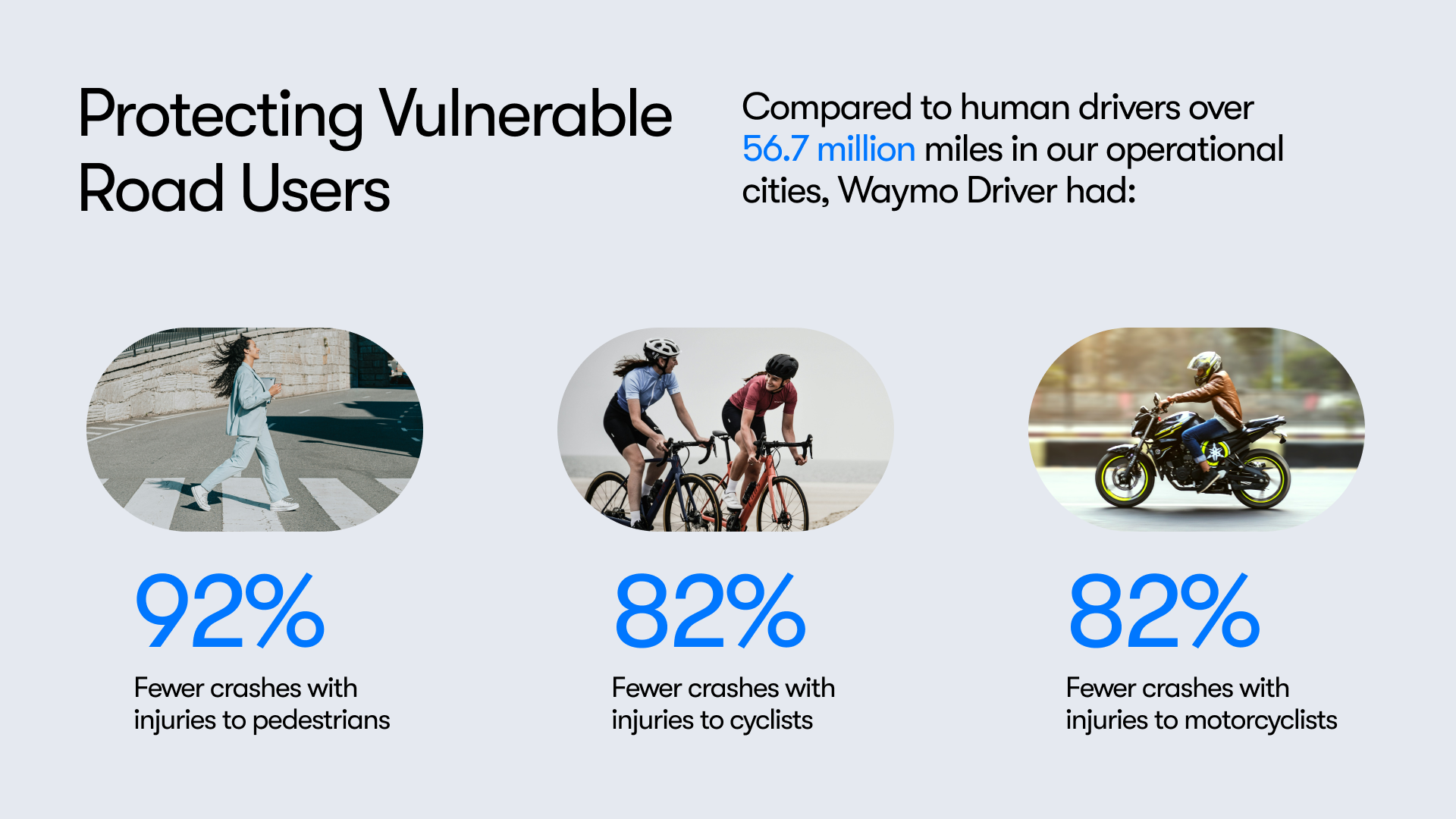
Did the Waymo do any better or worse than a human? I don’t have enough information to go on. But what I think I do know is that not every crash that happens is avoidable. The NHTSA is right to investigate this, but for all of our criticisms of automated driving and robotaxi issues, I don’t think this particular event is necessarily an indicator of some bigger systemic problem as much as it is a reminder of a bigger systemic question: what do we expect from AVs?
If we are to believe that they will make driving safer for everyone, we still don’t really have enough data to show that’s the case. There’s some evidence they’re safer in some situations, but worse in others, but overall, I think the jury is out. And in this particular case under investigation now, I think the Waymo handled itself as well as it could have, given the situation.
What could have made this better? Could there be even more awareness when the car is known to be in a School Zone at a time when kids will likely be on the street? If so, how could the car’s behavior adapt? Go even slower? Honk every 20 feet? What’s the balance between safety and acceptable behavior?
Assuming we don’t have tech to see through cars, perhaps a robust car-to-car network could help here. If there were a standardized, widespread communications system for cars to inform one another about their surroundings, a car that had passed by the child before they attempted to cross the street could have made the Waymo aware of the child’s presence even if the Waymo’s view of that kid was obscured. Such a network does not currently exist, but could with enough effort and resources, and will, but is that the level we should be aspiring to?
I mean, ideally it is, right? If we’re going through all of this effort to make self-driving cars, shouldn’t we be doing all we can to make sure they’re actually safer? Or is this all just about people who want to look at their phones and sleep while being driven places? The tricky part is that a lot of what it would take to really, genuinely make AVs safer than humans will require large-scale cooperation between companies and governments and everyone, because it’s an overall system that will bring real safety benefits more than technological tricks in individual cars.
I’m curious to see what the findings of this investigation are, and people’s reaction to it. If the child had been more injured, I suspect the narrative around all of this would be very different, and understandably so. There will always be wrecks that can’t be avoided; that’s just the nature of physics when you’re moving around thousands of pounds at pretty much any speed. It’s how we choose to accept this notion, and what we do with that acceptance that matters, and I think we’re just at the beginning of that process.
Top graphic image: Waymo
The post A Self-Driving Waymo Hit A Kid. The Kid Is Okay And There’s An Interesting Lesson Here appeared first on The Autopian.