Finding your way through the noise
Upgrading your car’s audio setup isn’t just for bass-obsessed drivers or audiophiles with golden ears. A good system can make long commutes feel shorter, road trips more fun, and even help reduce fatigue by giving you clearer, cleaner sound at lower volumes. But once you start digging into speakers, amps, head units, wiring, and tuning, the process can go from exciting to overwhelming fast.
Here’s a practical guide to help you understand the essentials, avoid common pitfalls, and build a system that truly matches your needs—not the loudest thing your cousin’s friend can install in a backyard garage.
Start with your goals (and your budget)
Before buying anything, be honest with yourself about what you actually want from an upgraded system. For some drivers, the goal is simply clearer, more detailed sound—better podcasts, smoother vocals, and crisper highs. If that’s you, upgrading your speakers should be the first step. Factory speakers are usually thin paper cones with minimal power. Aftermarket components instantly give you better clarity and tonal balance, and for many people, that’s already most of the improvement they were looking for.
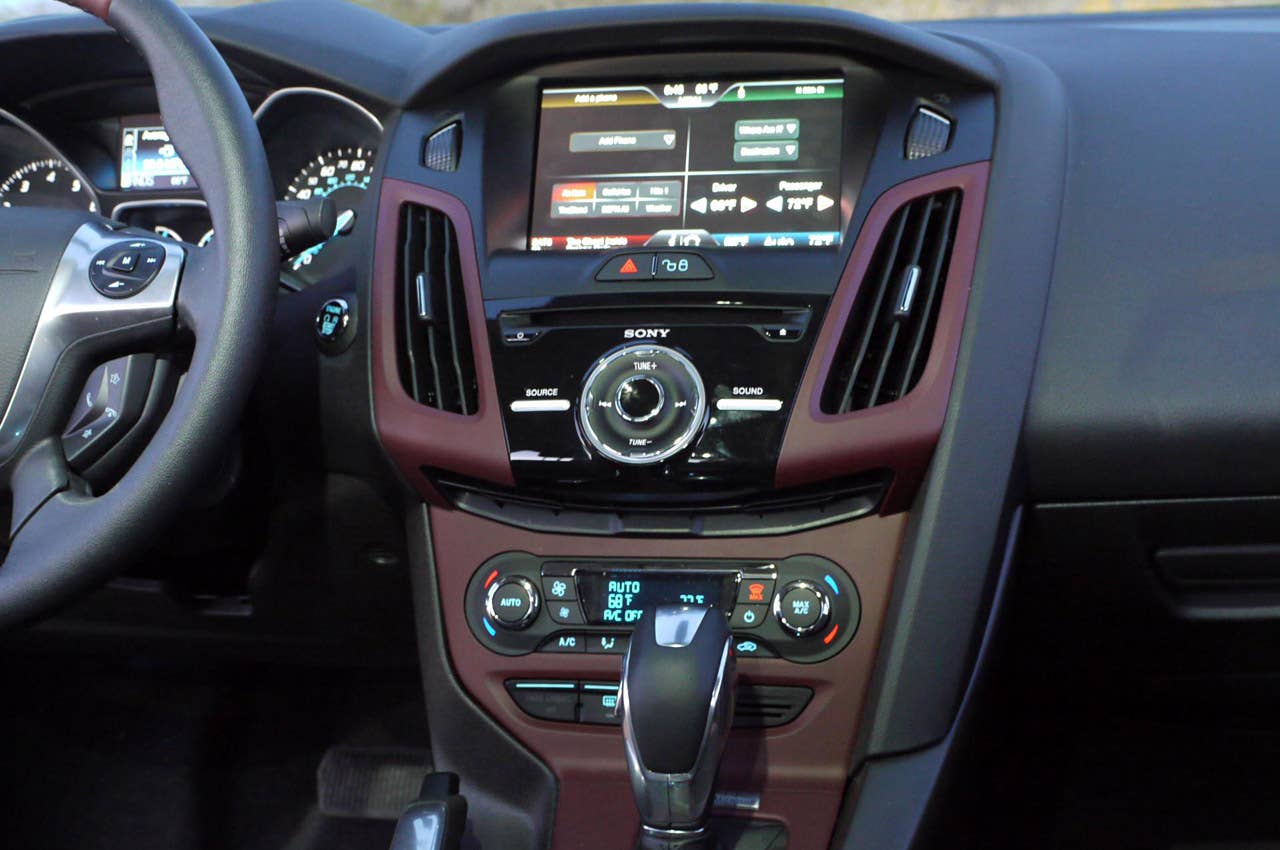
Other drivers want more low-end punch. If your playlists lean toward hip-hop, house, or any bass-driven genre, adding a subwoofer will make the biggest difference. That doesn’t mean your whole car has to shake; subs can add warmth and fullness without drawing attention.
Some people upgrade for convenience more than sound. If you’re tired of relying on a phone mount or dealing with dated infotainment, a new head unit with CarPlay or Android Auto can transform everyday driving and give you far more audio control. Of course, there are those who want serious volume—systems built for high output and big projection. That’s a more involved project requiring amps, upgraded wiring, and often some sound deadening. Deciding which camp you fall into prevents you from throwing money at every part of the system without knowing what actually improves your experience.
Speakers: The foundation of good sound
If money is tight or you want to start simple, new speakers should be your first upgrade. They’re the backbone of any audio system, and even modest aftermarket sets blow past what most factory setups can do.
Gabriel Ionica
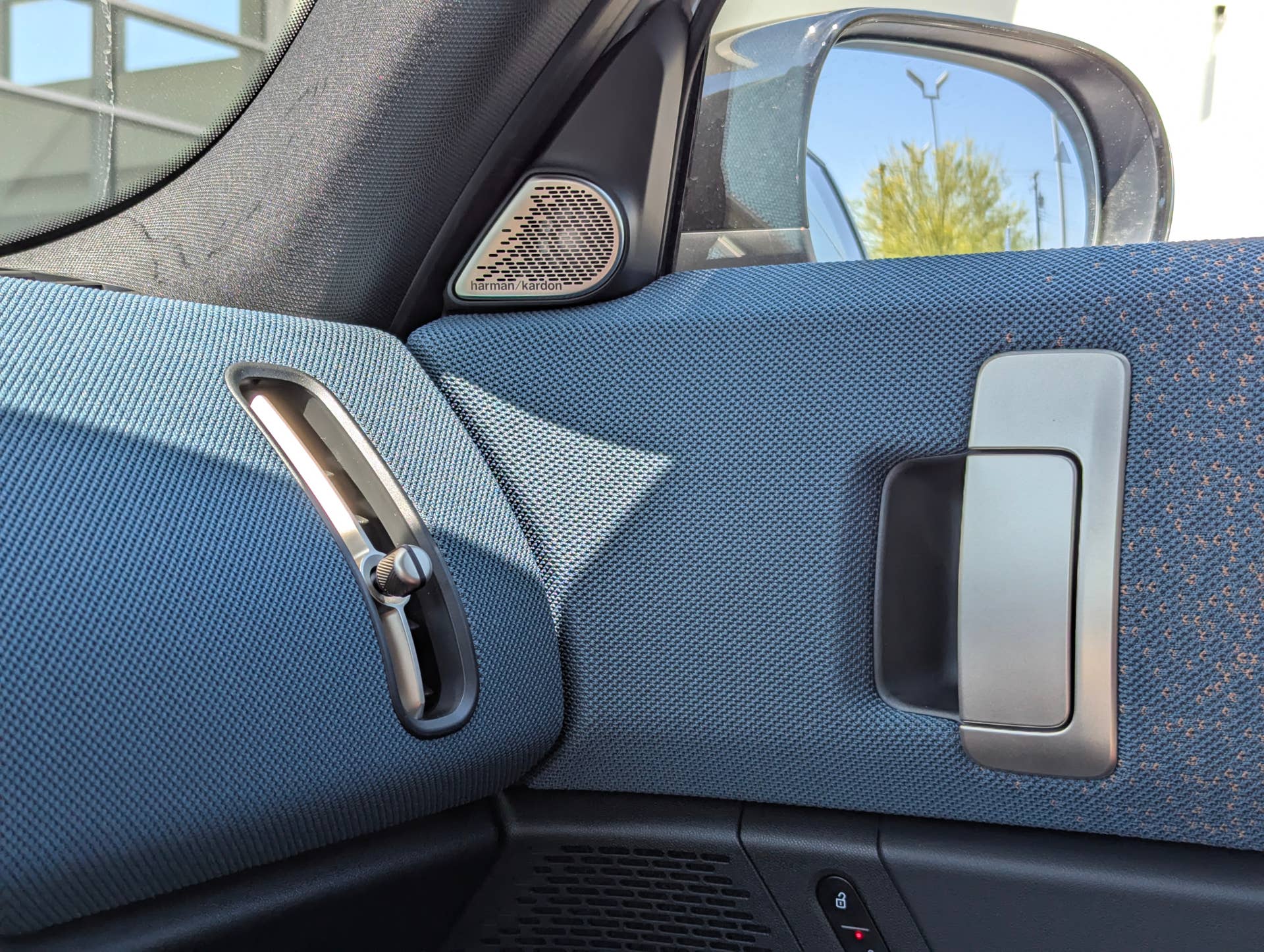
You’ll generally choose between coaxial and component speakers. Coaxial speakers pack the woofer and tweeter into one unit, making them easy to install and ideal for budget or beginner builds. Component speakers split those elements into separate pieces and use an external crossover, giving you more precise imaging and richer detail at the cost of a more involved install.
Regardless of style, stick to reputable brands—Alpine, JBL, Focal, Hertz, Infinity, and Rockford Fosgate are reliable, well-reviewed options. Keep in mind that aftermarket speakers often crave more power than your stock head unit can deliver. You can run them off factory power, but they really shine once you add an amplifier.
The subwoofer question: Do you really need one?
A subwoofer isn’t just for people who want to announce their presence at every stoplight. Even low-profile, subtly tuned subs can add warmth and depth that door speakers simply can’t reproduce. They handle deep frequencies far more efficiently, which takes strain off your main speakers and leads to cleaner overall sound.
James Ochoa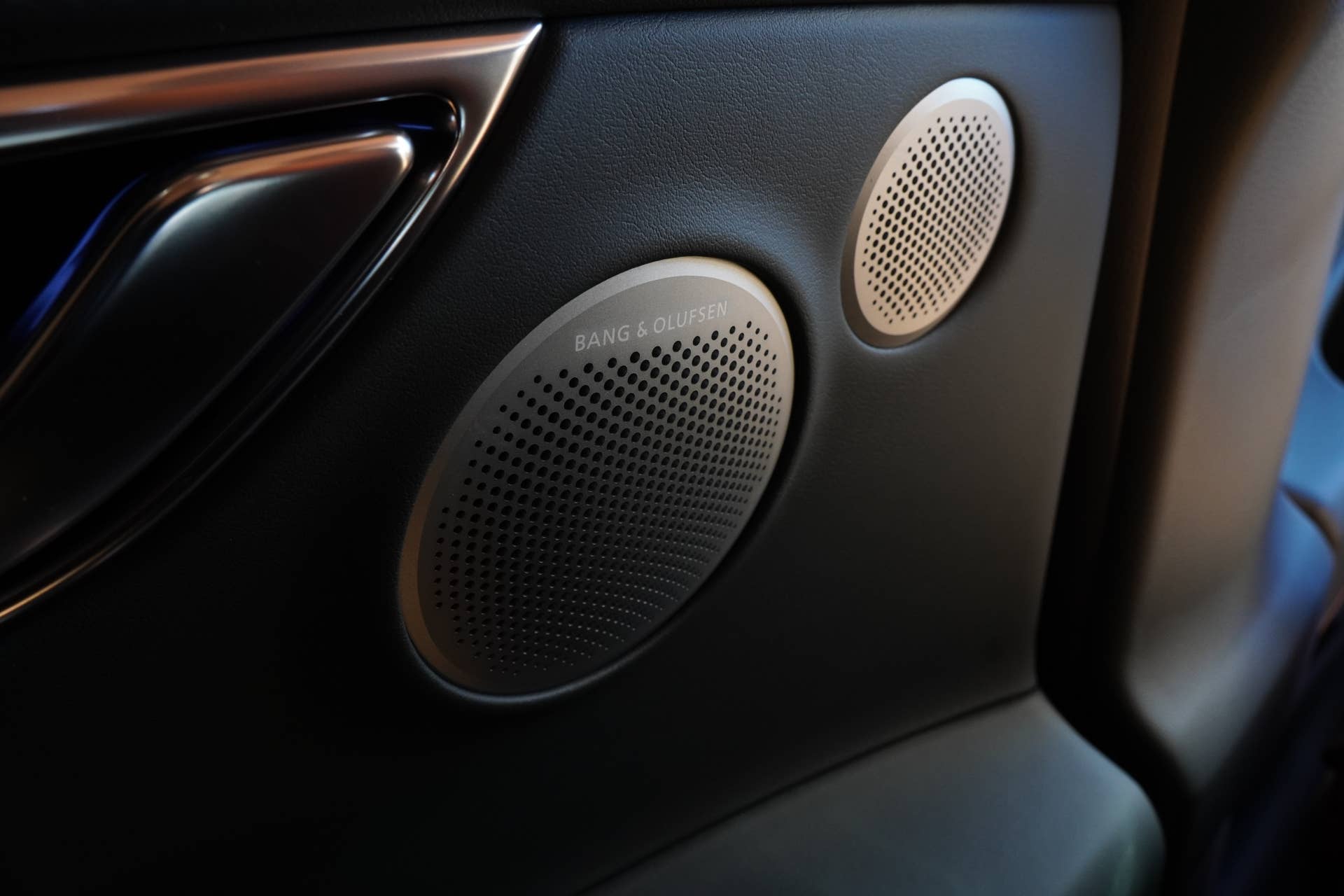
You can choose a powered subwoofer, which includes its own built-in amplifier and saves space, or a passive one, which requires an external amp but typically performs better. For tight cabins or small trunks, under-seat or spare-tire subs add balance without sacrificing cargo room.
Enclosure type also matters. Sealed boxes give you tight, accurate bass, while ported enclosures get louder but can sound boomier. If you’re unsure, installers can guide you based on your vehicle and preference.
The head unit: Modern convenience meets better sound
In older cars, the head unit is often the weakest link. Swapping it out can transform the entire driving experience. Modern units offer CarPlay, Android Auto, Bluetooth that actually sounds good, and detailed audio controls that let you shape your system more precisely.
A new head unit also sends a cleaner signal to your amp, and if it has strong preamp voltage—ideally 4 volts or more—you’ll get lower noise levels and better dynamics. Just make sure your car can accommodate an aftermarket stereo. Many newer vehicles integrate climate controls or cameras into the factory system, so you may need special kits to maintain those features.
Patrick Ernzen / RM Sotheby's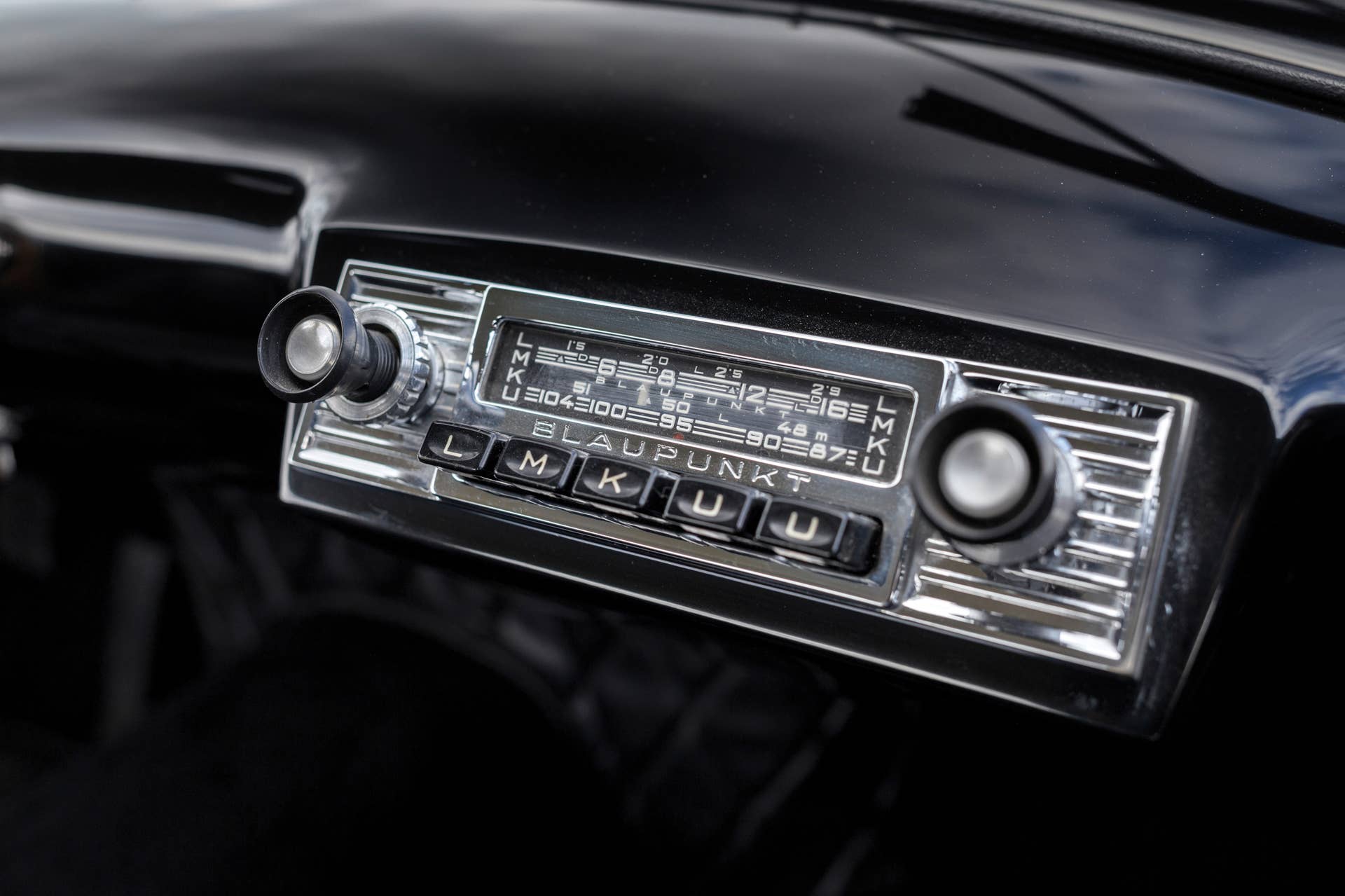
Amplifiers: The secret to unlocking better sound
You don’t need a trunk full of amps to have a great system. A single, modest 4-channel amp can dramatically improve your speakers’ clarity and control. Factory stereos often push only 15 to 25 watts per channel, which means aftermarket speakers never reach their potential without an external power source.
You can use a four-channel amp for your main speakers, a mono amp for your sub, or a five-channel amp to power everything with one footprint. More power doesn’t automatically mean louder sound—it means cleaner, more stable power at all volumes.
Wiring and system layout: Don’t skip the essentials
Wiring isn’t glamorous, but it’s critical. Cheap cables or sloppy grounding can introduce buzzing, whining, or interference that ruins an otherwise good setup. A proper amp wiring kit gives you the right power cable, ground cable, fuses, and RCA lines to keep your system clean and safe.
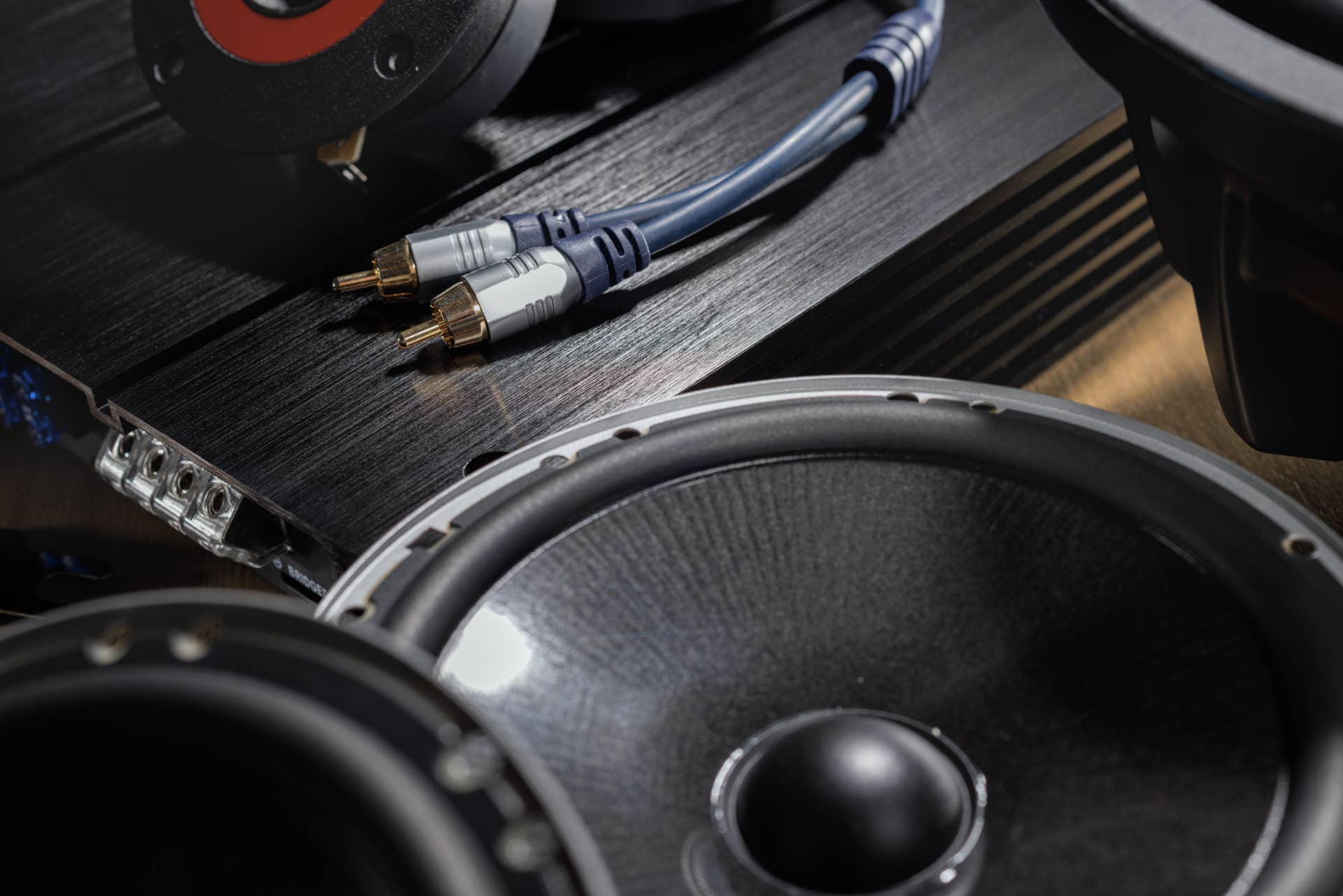
If you’re adding a subwoofer and amp, the installer will likely run a power cable from the battery. Positioning that cable correctly and grounding the system properly prevents most noise-related problems people run into.
Tuning: The step everyone forgets
You can buy top-tier components, but without proper tuning, your system won’t sound right. Tuning involves adjusting amplifier gain, setting crossover points so each speaker handles only the frequencies it should, and balancing levels so nothing overpowers anything else.
Many modern head units come with digital signal processing, and pros often use dedicated DSP units for even more precision. A thoughtful tune can make a mid-range system sound shockingly good—and a poorly tuned expensive system sound muddy or harsh. If you’re doing a DIY build, spend time learning gain setting. It keeps your equipment safe and dramatically improves sound quality.
Professional installation vs. DIY
DIY installation is completely doable for basic speaker or head-unit swaps, especially if you’re comfortable with tools and patient with trim panels. But amps, DSPs, and custom wiring can get complicated quickly, especially in vehicles with factory premium systems like Bose or Harman Kardon.
Professionals bring experience, clean wiring, proper tuning, and a better chance that everything will work without rattles or gremlins. If you’re planning a bigger build, having a pro handle the complex steps may be worth every dollar.
Sound deadening: The underrated upgrade
If you’ve upgraded your system but still hear rattling or road noise, sound-deadening material inside your doors and trunk panels can make a huge difference. It improves mid-bass, reduces vibration, and helps your upgraded speakers do their job more effectively. It’s especially helpful in older cars with thin door metal.
Final thoughts
Upgrading your car audio system doesn’t have to become a massive project. Start with your goals, improve components step by step, and listen closely after each upgrade. The best systems aren’t always the biggest or the most expensive—they’re the ones built thoughtfully, with an understanding of how each piece contributes to the sound.
A balanced, well-planned system delivers richer audio, more enjoyable drives, and a setup that fits your life instead of overwhelming it. Whether you’re adding a touch of bass or planning a full custom build, a smart approach will reward you every time you start the engine.