I bet this has happened to all of us, probably multiple times: a crazed millionaire, in a tattered dinner jacket, askew top hat, and monocle dangling by a ribbon, approaches you in the street, one fist clenching wads of crumpled $100 bills and what looks like a pair of someone’s unmentionables. The plutocrat then grabs your forearm with his free hand and grips with an unexpected strength, like a chimp seizing a large hoagie. “Tell me,” the wealthy man growls at you, breath stinking of laudanum, “the name of a carmaker that has a logo that looks strikingly like the Coca-Cola logo, and I’ll give you all the money in my hands!”
Then they usually laugh loudly and wetly, inches from your face, showering you in toxic saliva, confident that you won’t guess, and they’ll be free to mock your ignorance, pirouetting away with their money, the only evidence of their presence a torn and discarded spat and your sense of defeat.
Well, I’m here to solve problems and chew gum, and while I have plenty of fresh, delicious, chewy gum, I’m capable of doing both things simultaneously. Which is why I’d like to introduce you to the small Belgian carmaker VanClee, which started in 1969 making Volkswagen Beetle-based dune buggies, one of the many Meyers Manx knockoffs.
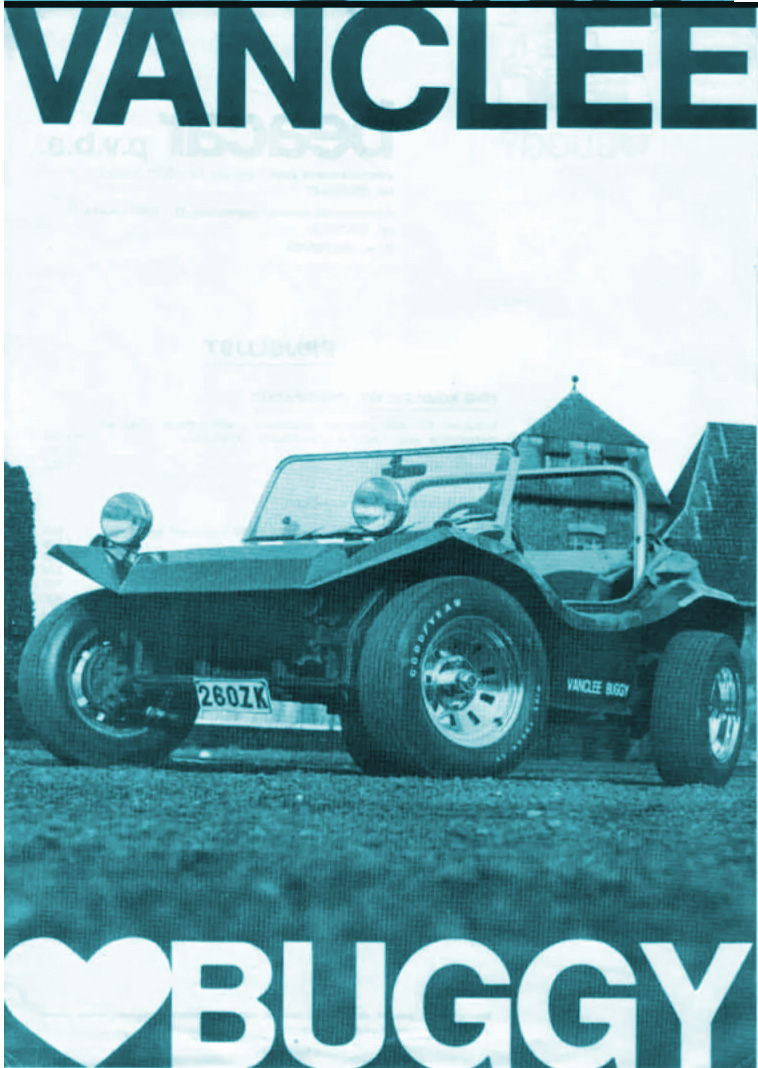
Later, they moved into building Citroën 2CV-based utility vehicles like the Mungo, which they made until 1989. But first you need to see their logo:

I mean, that’s a lot like the traditional Coca-Cola script. Now, a logo with script like this isn’t too surprising, as there are a number of companies with similar sorts of script-type logos. Take Ford, for instance:
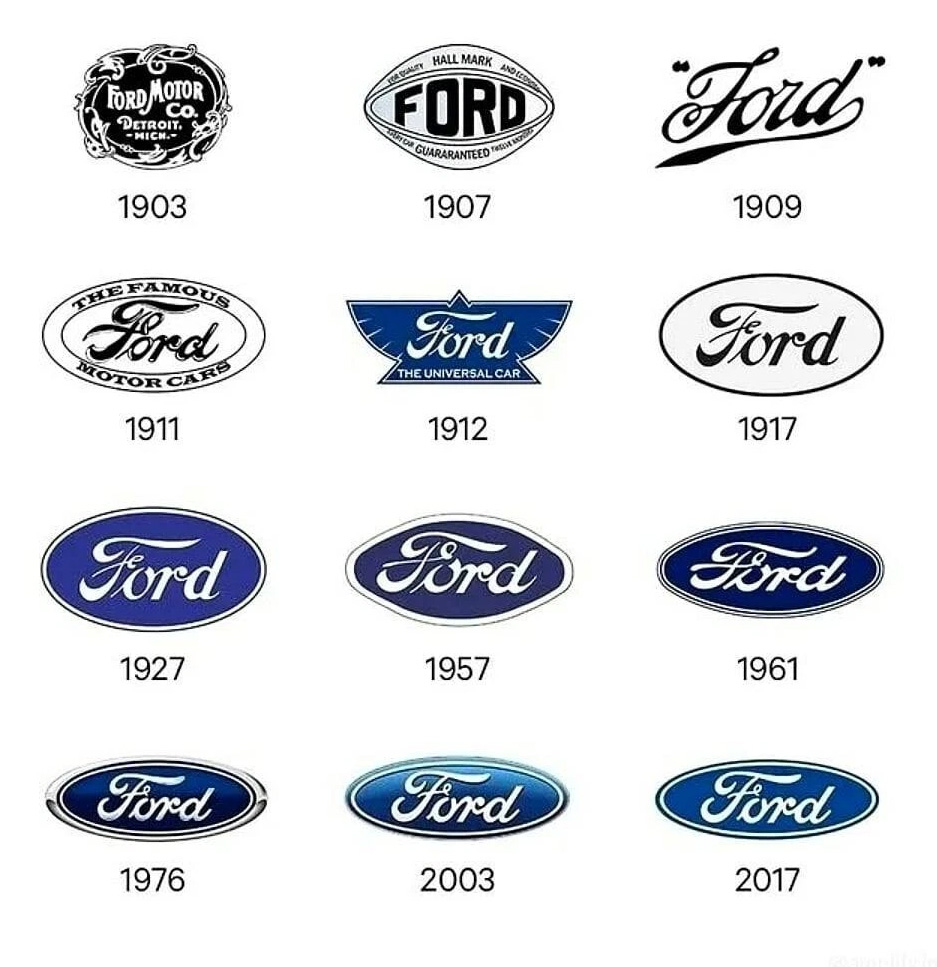
…of course the difference here is that Ford’s script logo appeared around 1909, and Coca-Cola’s hails from 1903, but VanClee (the name is formed from a portmanteau of Eric Vandewall and Georges Cleririnckx’s names) was officially formed in 1969, long past when the trend of script logos like these would have ended. So I suspect that their logo was designed to “feel” like the famous Coke script, maybe to play up American/dune buggy associations?
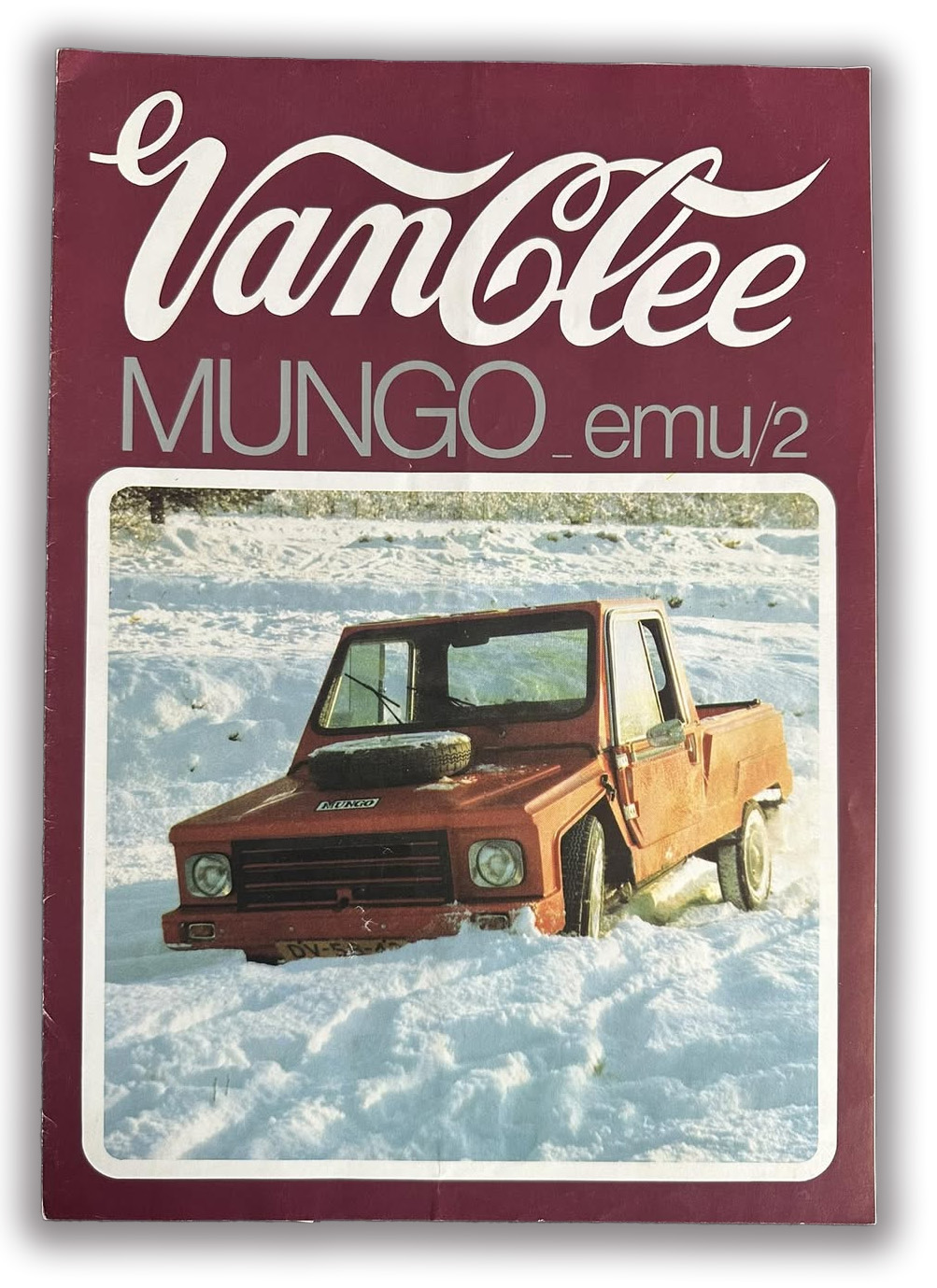
Of course, their later Citroën-based cars seemed a lot more like Citroën Meharis than dune buggies, so I’m not sure how effective the logo really was if that was the goal.
VanClee built cars with polyester bodies, which meant you never had to iron them, which is a nice perk. Their early VW-based cars started out as Meyers Manx-type buggies, as I mentioned before, but they also produced some really interesting designs, like the Highway: 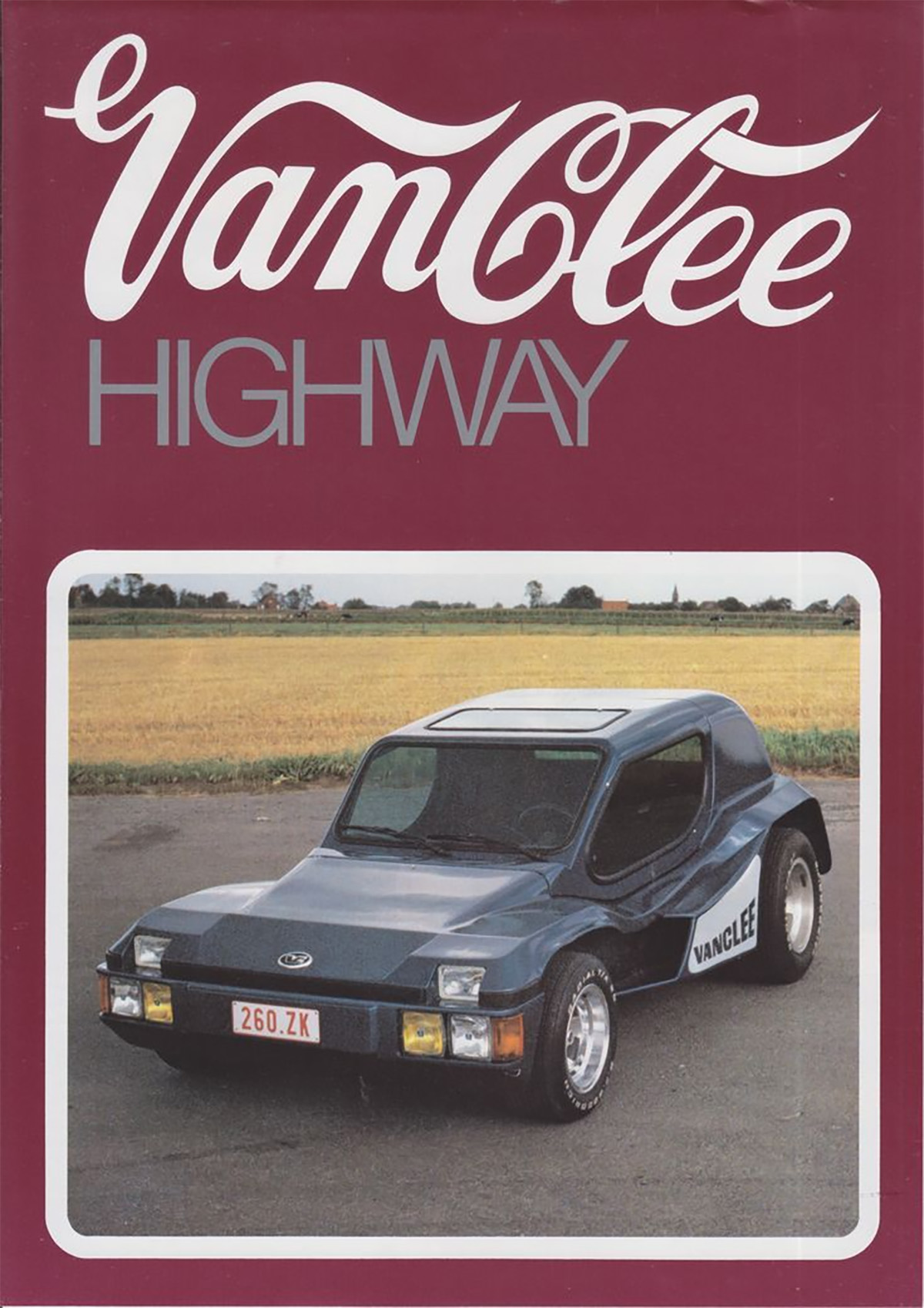
The Highway was a VW-Based buggy, but not really off-road use, but more for on-road cruising, as the Highway name suggests. The design is quite striking, significantly widened compared to a regular Beetle or buggy, with much wider tires, which likely helped with handling and roadholding.
It’s very ’70s-modern and cool-looking, with an opening canopy, a wedge-type profile, big side air intakes, and it’s extremely well-lit, with six large lamps up front, two headlights, two white driving lamps, and two yellow foglamps. It has a real Hot Wheels car brought into reality sort of feel to it, and I love it.
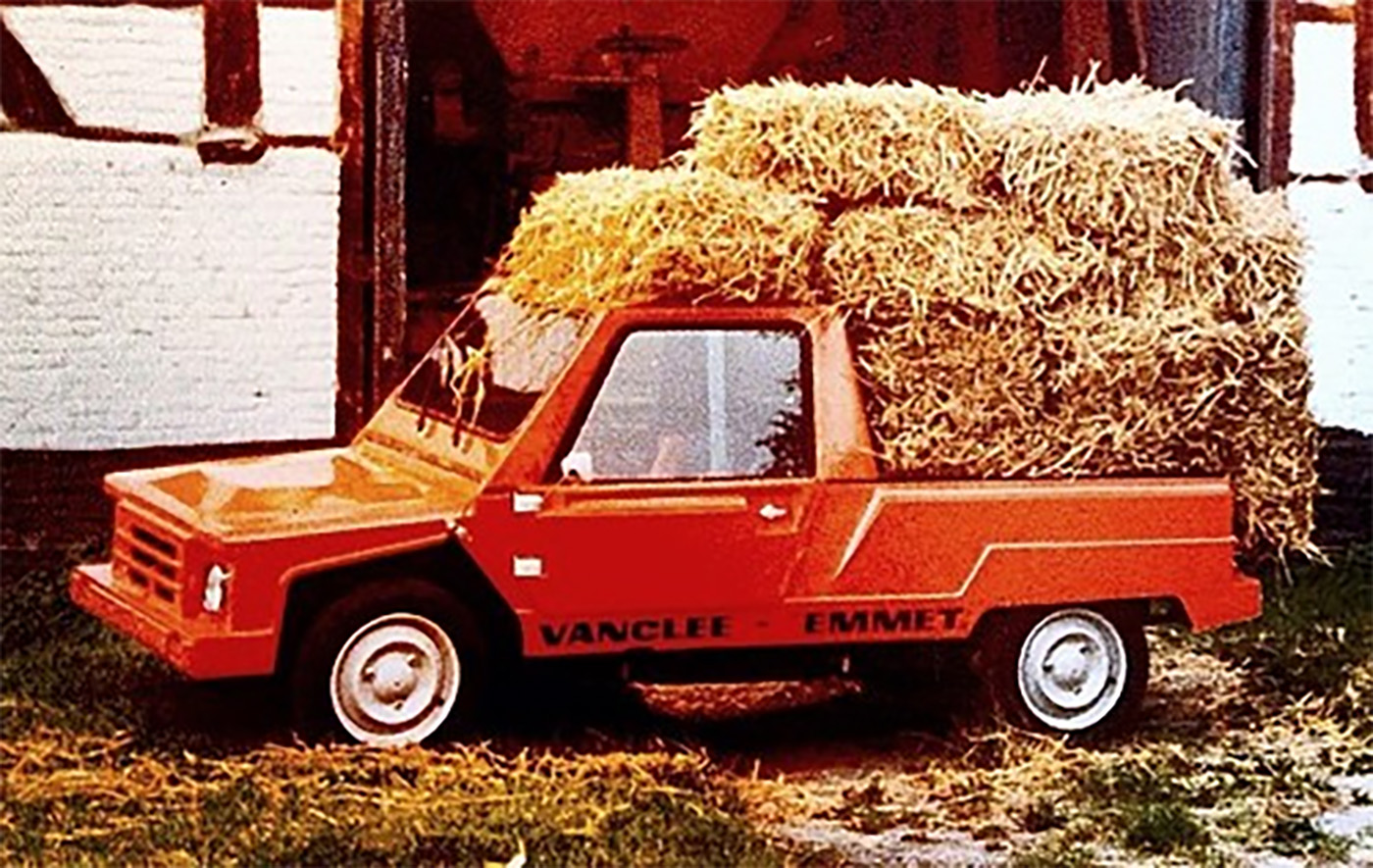
Their 2Cv-based cars were of a more utilitarian bent, starting with the Emmet, which really was a lot like Citroën’s own Mehari. The Emmet had a very flexible and reconfigurable design, being very adaptable into a pick-up truck or, with an add-on hardtop, a more passenger-oriented configuration.
The Emmet was updated and evolved into the very similar Mungo, still using the Citroën air-cooled flat-twin drivetrain, and parts-bin stuff from all across the Peugot-Citroën lineup, like Peugeot 205 taillights and Citroën Visa door latches and so on. Here’s a nice one for sale!
These were mostly sold in Benelux countries and Greece, but “sold” is pretty generous, as the production numbers only seem to be in the hundreds. Still, their logo looks a lot like the Coca-Cola logo, and if that gets you the wads of cash from a feral millionaire, it’s worth it.
The post If You Desperately Need To Know Of A Carmaker That Had A Logo Surprisingly Like Coca-Cola’s, Boy Do I Have Good News For You appeared first on The Autopian.