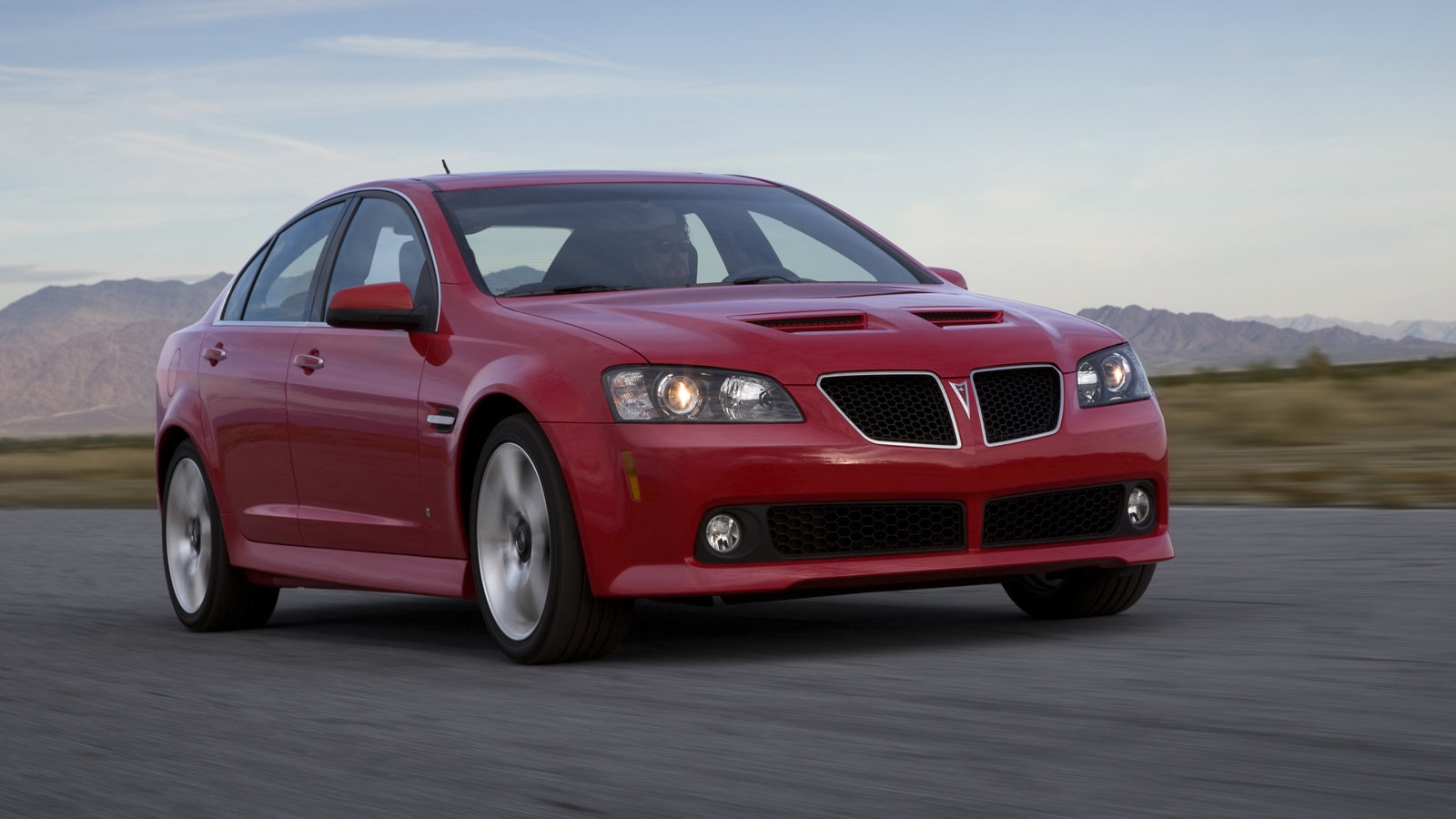
Every so often in the annals of automotive history, you come across a pinch-me moment of “whoa, they sold that here?” From the insane Mercedes-Benz R63 AMG minivan to the petitioned manual V10 BMW M5, sometimes the car world serves up an unexpectedly excellent dish from abroad. It doesn’t happen often with American brands, but it happened with the Pontiac G8.
It wasn’t the first time GM tried selling a Holden in America, but after the somewhat tepid sales of the 2004 to 2006 Pontiac GTO, it’s somewhat amazing that General Motors tried again. More importantly, this was technically the last all-new rear-wheel-drive Pontiac ever. How’s that for a title?
Unfortunately, the Pontiac G8 was also the victim of some of the worst automotive timing ever. It launched just in time for a world-altering event, was only sold for two years, and as a result, has a somewhat complicated legacy thanks to a future that never happened. So, what happens if we go back in time?
From Australia, With Love
Flash back to the mid-2000s, and while Detroit was moving in all sorts of directions, Chrysler was the big image maker when it came to passenger cars. Words almost can’t describe how big a deal the 2005 Chrysler 300, the 2005 Dodge Magnum, and the 2006 Dodge Charger were. After decades of front-wheel-drive vegetables, here was an American automaker serving up rear-wheel-drive steak with V8 rub to the masses. It was a move that caught everyone else flat-footed, especially as sales exploded. In 2006—the first full year of the three LX cars—Chrysler sold 297,943 of the things in America alone. More importantly, the cars were cultural phenomena. They were hot, driven by celebrities and dads alike, and nothing else out of Detroit could touch them.
Unsurprisingly, GM wasn’t about to be caught lacking forever. The corporation’s Australian division had been building the Holden Commodore, a rear-wheel-drive sedan with V8 power, for ages. Once the VE model dropped, it was time to bring it to America, both as a successor for the Monaro-based Pontiac GTO and as a Charger competitor. Of course, it also helped to have a huge performance car proponent in the C-Suite, thanks to Bob Lutz’s position as Chairman of GM. While rumblings of a Zeta-based U.S.-market GM sedan had been going on for a while, details were shrouded in reasonable secrecy until January 2007, when Maximum Bob let the cat out of the bag to the Sydney Morning Herald.
“We are seriously planning to import a lot of Commodore SS sedans as Pontiac G8s,” Mr Lutz said, adding that Holden could export up to 50,000 Commodores a year if the model was priced correctly.
Ah. Turns out that wasn’t public information at the time, as the G8 wasn’t supposed to debut until the 2007 Chicago Auto Show. Still, two months later, the G8 was one of the show’s big hits. Here was a large, reasonably priced rear-wheel-drive sedan with either a 3.6-liter V6 or a 361-horsepower six-liter V8, a true blue-collar performance sedan for the GM fan. Sure, the production car would lose the show car’s wheels and certain other accoutrements, but the next year, this love letter from Australia would arrive on North American shores essentially as-promised.
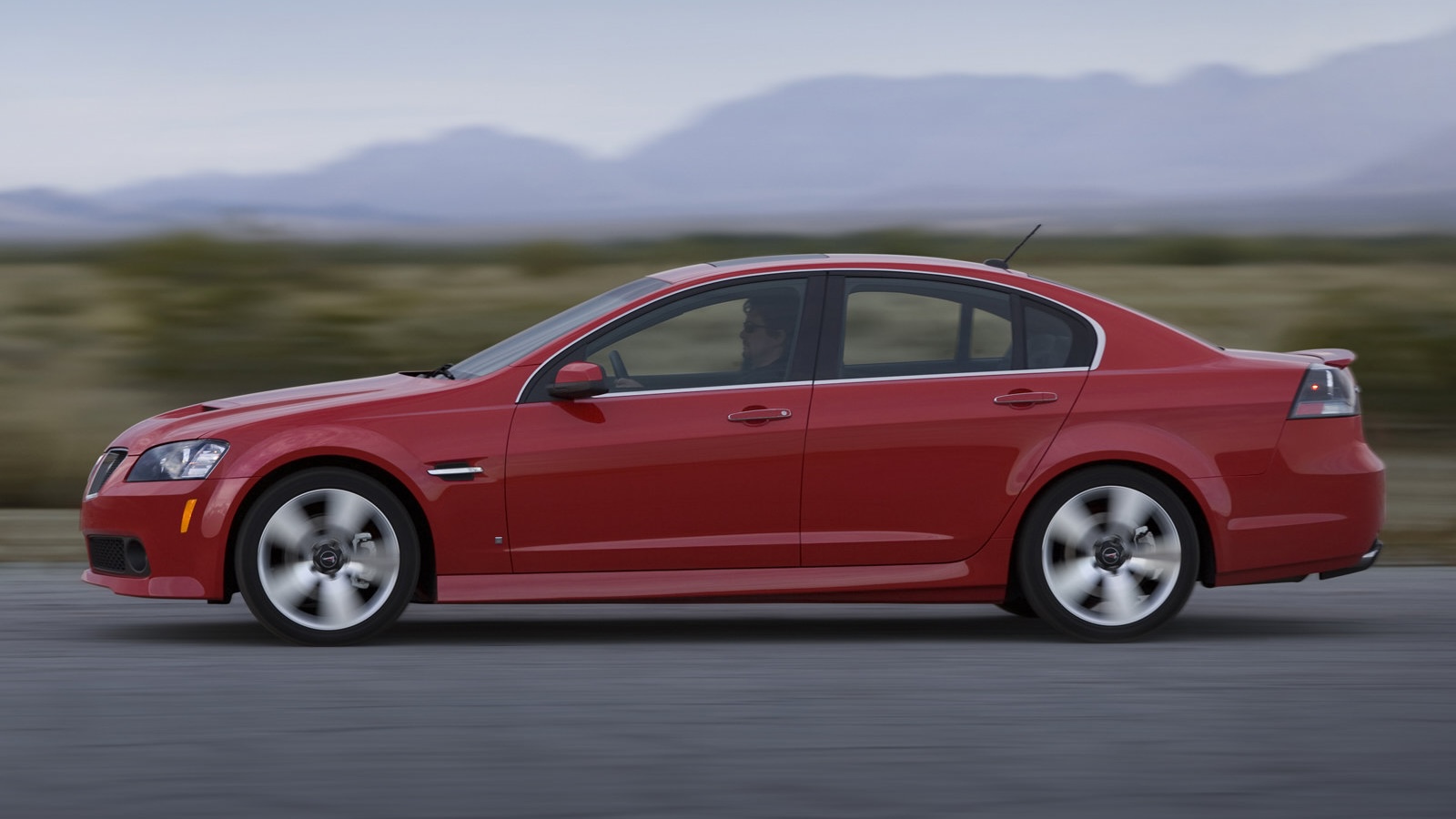
Alright, so the only transmissions available at launch were automatics, but everything else checked out brilliantly. With a starting price of $27,595 for the V6 model, you got a far more sophisticated interior than Chrysler’s LX cars had, and plenty of toys. Power front seats, a Blaupunkt seven-speaker sound system, a remote starter, the sort of stuff that would normally be optional equipment at the time. Want V8 punch? The $32,745 G8 GT didn’t just add a thumping six-liter, it gained a limited-slip differential, dual-zone climate control, an 11-speaker sound system, and six forward ratios to the V6 model’s five. That’s within shooting distance of the Charger for a car that could sprint from zero-to-60 mph in a shade over five seconds, incinerate its rear tires on command, and feel more sophisticated than its rival from Auburn Hills. When Car And Driver pitted a G8 GT against a Charger R/T, the Pontiac won thanks to it being sensational to drive.
Once inside, with the 6.0-liter V-8 strutting its stuff, the G8 seduces the pilot with its grunt, its poise, its eager responses, and the confidence it inspires in decreasing-radius turns with blind entries, or hold-your-breath sweepers, or 100-to-0-mph stops. Like the Charger, the G8’s defining dynamic trait is mild understeer, right up to the limits of adhesion. But the G8’s limits are higher, the steering is more tactile—as well as nicely weighted—and the certainty that goes with high-speed driving on mountain roads is sensational. BMW might do it better, but not by much. And not for this kind of money.
Indeed, what Pontiac had by borrowing Holden’s work wasn’t so much a family muscle sedan, but instead something more like a cut-price 550i. A slice of performance family sedan excellence offering a taste of the sweet life without much of a penalty. The only way to top that would be to offer something like a cut-priced M5. Oh, wait.
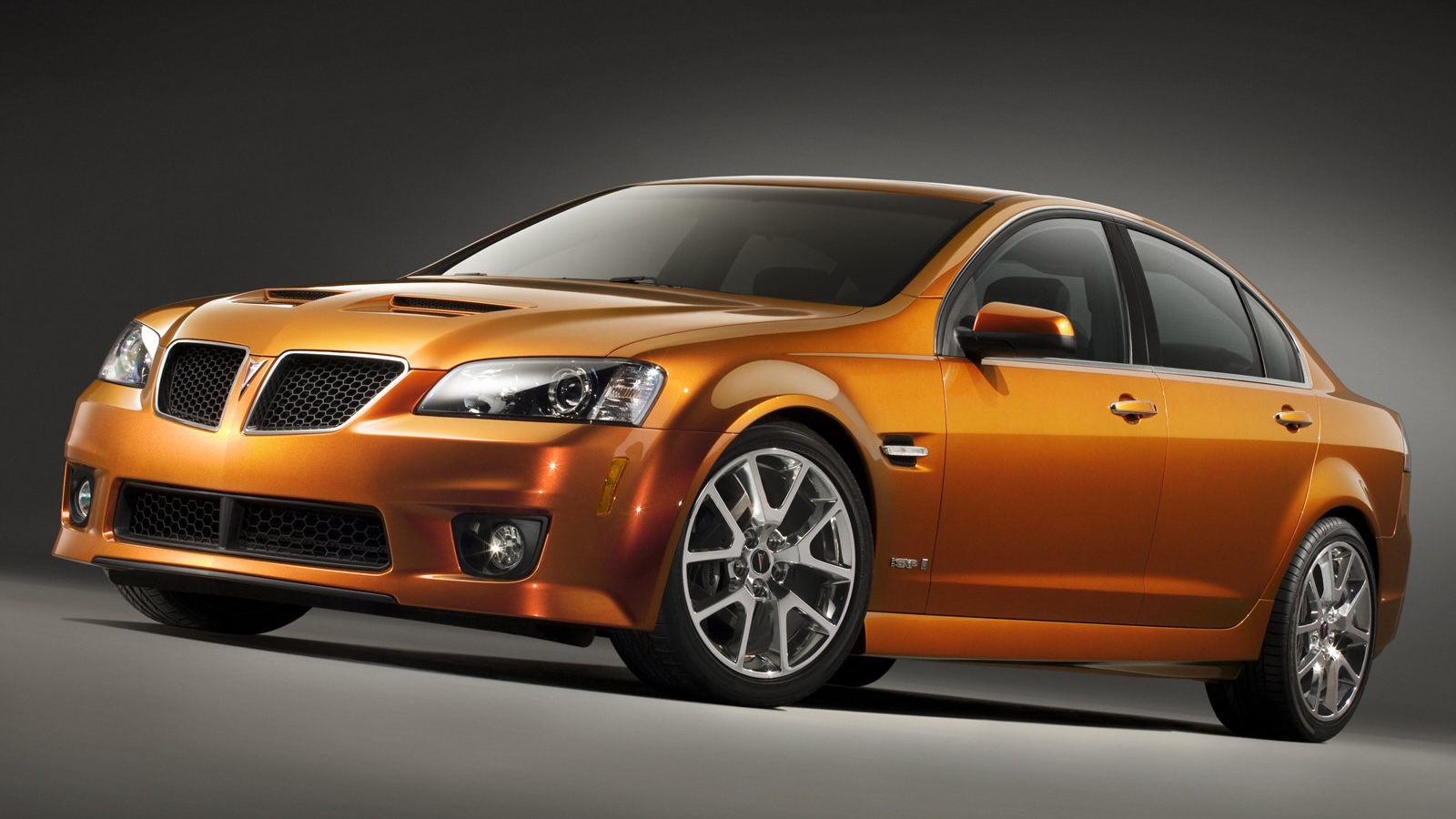
Want to know how to elicit maniacal laughter? Take the same excellent bones underneath the G8 GT, throw away the six-liter L76 V8 and 6L80-E automatic transmission, and install a 415-horsepower 6.2-liter LS3 V8 and a Tremec TR-6060 six-speed manual transmission. From there, tune the suspension on the Nürburgring, slap on some big ol’ Brembos, and deliver a $40,060 king hit to German sports sedan royalty. The result was the sensational G8 GXP. We’re talking zero-to-60 mph in around 4.7 seconds, the quarter-mile in the low 13s, and the footwork of a boxer. As Car And Driver wrote:
The steering is lighter and less communicative than the best racks from, say, BMW, but it still manages to instill confidence in hard corners. Placing the nose is easy and reassuring as the compliant suspension soaks up bumps and pitching pavement without disturbing the body, which is well disciplined by the shocks to remain steady. Grip from the conservatively sized tires is unexpectedly good, no squealing or understeer to report; we recorded 0.85 g on the skidpad. Lurid slides of oversteer are only summoned with a heavy right foot, and then easily controlled.
We’re looking at the most powerful stock Pontiac production car ever made, but one with a tragic ending. Only 1,829 of these four-wheeled highlights were made before the G8 GXP, and indeed the entire G8 name, came crashing to a halt.
Timing Is Everything
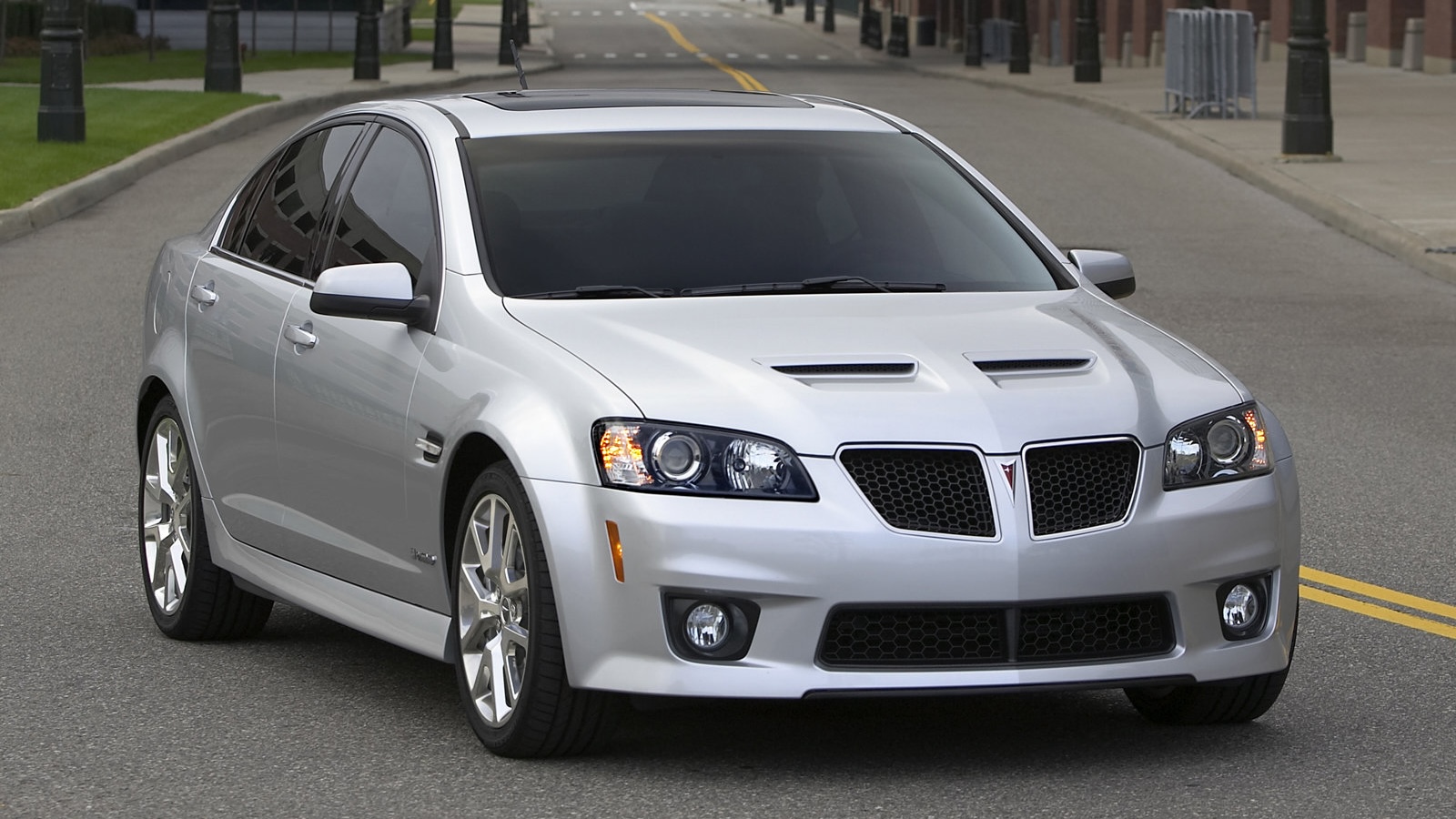
Remember how the Pontiac G8 launched in 2008? Well, something else happened in 2008, and it led to lots of people having no money. That’s right, GM rolled this South Australian bruiser out just in time for the Great Recession, the firm’s own bankruptcy, and $4-a-gallon gas prices. Oof. As a result, not only did sales fall short of expectations with 15,002 sold in 2008 and 23,157 sold in 2009, but we also lost the entire Pontiac brand and several interesting G8 variants with it.

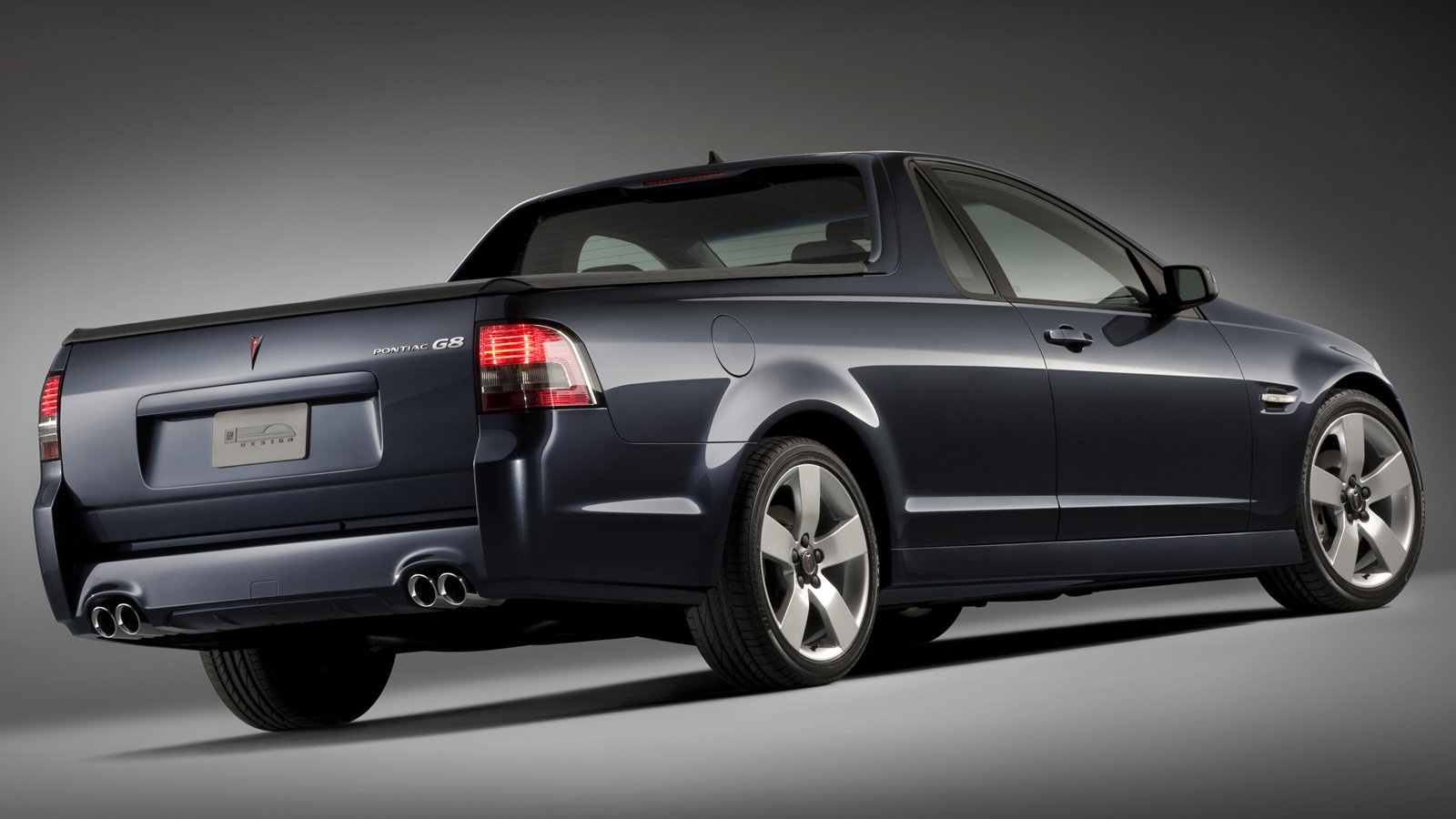
The one that everyone remembers was the G8 ST, the second coming of the El Camino. It was a Holden Ute SS-V in Pontiac garb, which meant it was mechanically identical to the rubber-burning G8 yet sported a practical bed out back. Unveiled at the 2008 New York Auto Show, it immediately whipped the internet up into a frenzy before being canned just a few months before release. The cancellation of this alone feels like one of GM’s biggest misses, partially because it could’ve resulted in the hilarious spread of bogan culture across the Pacific. The other variant to have been canned was a G8 wagon. Yep, Holden made a Commodore Sportswagon, so why not also badge it as a Pontiac? Well, weak demand for the Dodge Magnum likely played a factor, but at least America eventually ended up with a V8 GM wagon thanks to the unhinged, beguiling Cadillac CTS-V wagon. You know, family car perfection.
By the end of 2009, the writing was on the wall. Pontiac had to go as part of GM’s restructuring plan, and the G8 bowed out after just two model years. While GM tried a U.S.-market Commodore again with the Chevrolet SS years later, it never saw the marketing push of the G8 and thus never achieved the same sales figures.
What Even Is A Hit?
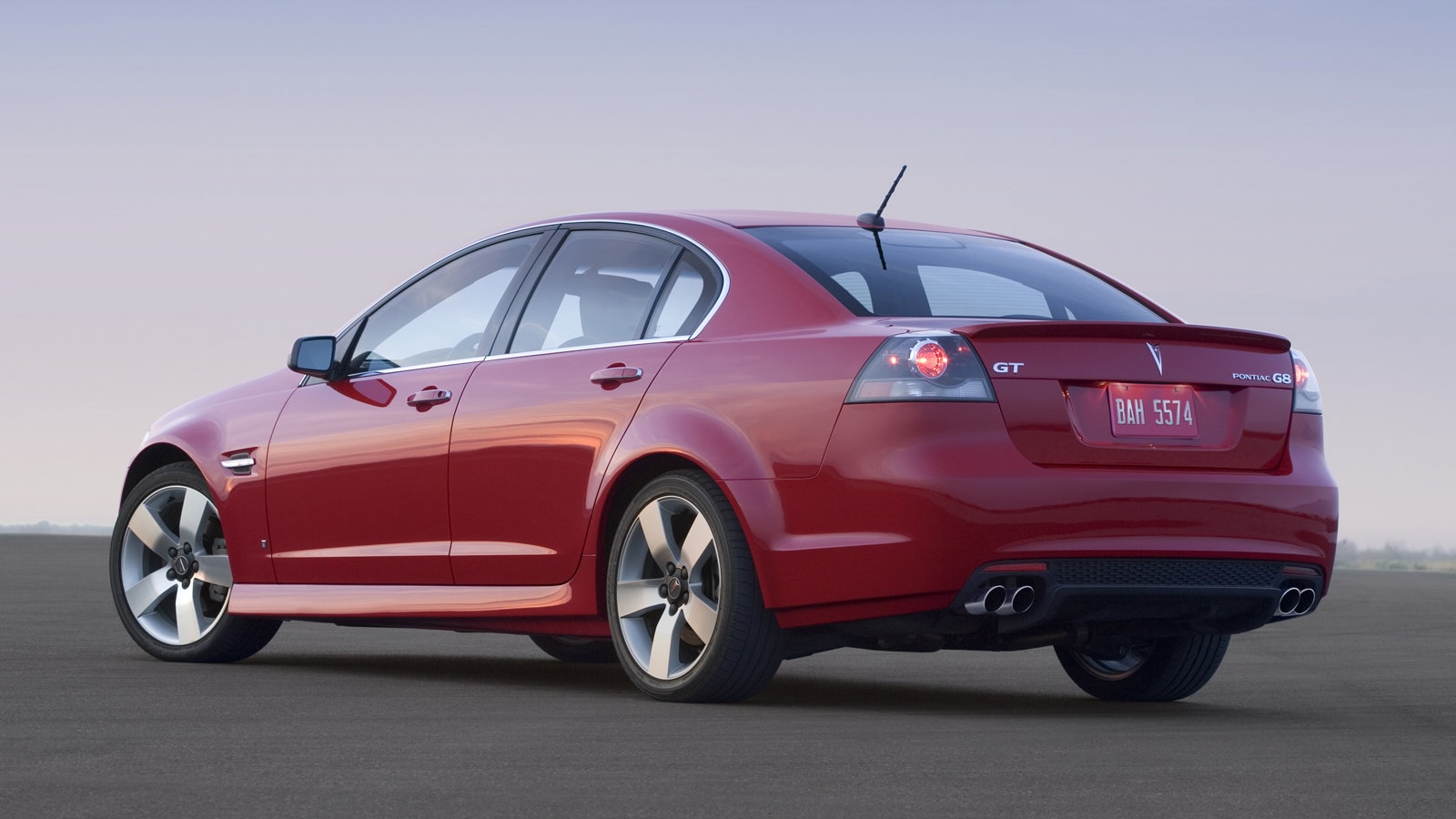
If you’ve been reading this series for a while, you’ll know this is the point in the article where we made a judgment call: Hit or miss? The problem is, how do you quantify a hit? If we just look at sales, the G8 didn’t do spectacularly well, but it did outsell Pontiac’s previous flagship, the Bonneville. At the same time, everything was stacked against this car. The economy, gas prices at the time of its launch, the longevity of its own brand, the lot. While the G8 might not have met its initial sales targets or seen enough volume to warrant production in Oshawa, it outsold its closest spiritual successor, and it was an awesome car.
So yeah, I’d call the Pontiac G8 a hit for those reasons, plus as the final new Pontiac to launch, it really ended things on a high note. Maybe if it had a future, Holden would’ve had a future, but maybe it was just too good for us.
Top graphic image: Pontiac
Support our mission of championing car culture by becoming an Official Autopian Member.
The post The Pontiac G8 Was Genuinely Too Good For Us appeared first on The Autopian.