As long as there has been more than one version of the Miata, there have been people arguing about which Miata is best. The NA is the purest and simplest, so it must be the best. The NC is affordable yet modern, so it must be the best. The ND is the newest and best-performing, so it must be the best. Every version of the Miata is great in its own way, so you could make an argument for any generation to take the crown.
Of course, choosing any of the above Miatas would be choosing the wrong one. There is one version of the Miata that stands above the rest, delivering the perfect blend of purity, ease of use, affordability, modernity, performance, and yes, even beauty. And that Miata is the NB.
After having driven dozens of Miatas of every generation over my nine years in the business, and owning an NB for the past year, it’s clear the second-generation MX-5 Miata, sold between 1998 and 2005, is the ultimate expression of Mazda’s iconic roadster.
The Driving Purity
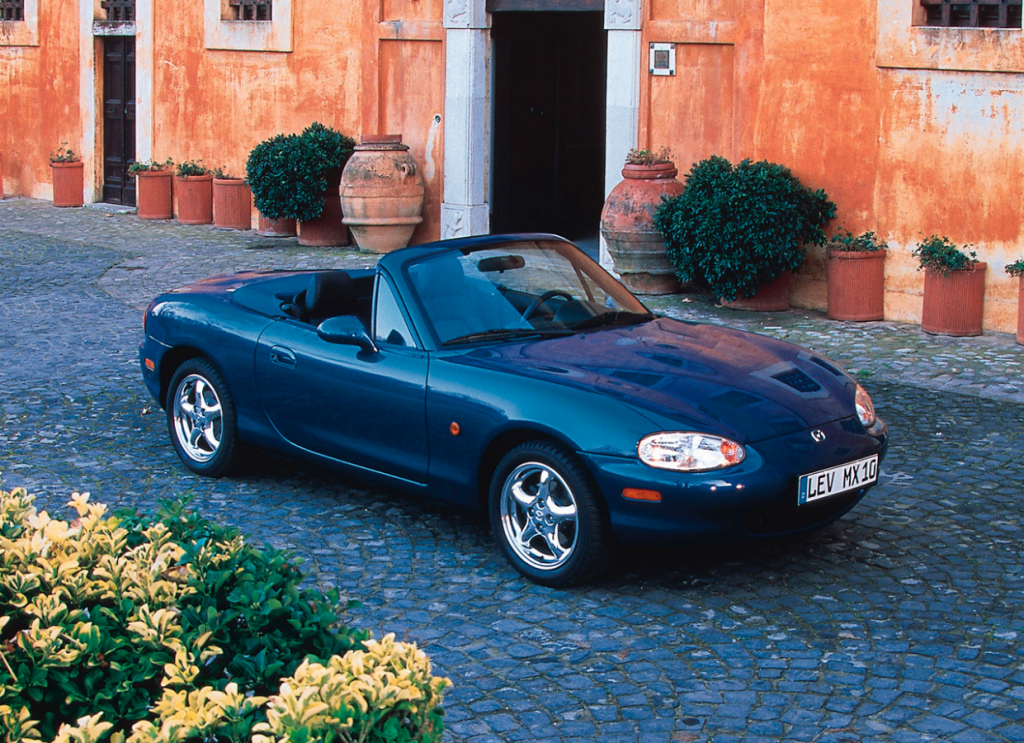
One of the NB’s best attributes is its NA bones. Immediately giving props to the previous-gen car might sound weird, but because the NB is largely based on its predecessor, it didn’t grow much in size or weight (the Miata gained around 200 pounds in the switch from NA to NB, thanks to added chassis stiffening and other useful reasons I’ll mention later).
Because of this, the NB drives incredibly well. The balance of the chassis and the feel of the steering are, like the NA, some of the absolute best I’ve come across, anywhere. The shifter is as close to perfection as you’ll find in any car under six figures. The pedals are aligned perfectly for constant, comfortable heel-toe action. As wonderfully as the NC and the ND drive, they just can’t match this car. Even after driving numerous sports cars from brands like Porsche, BMW, and Toyota, I always seem to refer back to an NB for a true gauge of what a good sports car should be. It’s an excellent reference point if you drive a lot of different cars like I do.

Does the NA drive slightly better than the NB? Maybe—I’ve never driven two stock examples back to back, so it’s tough to tell (I have driven NA and NB Spec Miatas back to back, though, and I much preferred the NB). The NA’s lighter weight would suggest it has the edge, but I also feel like the NB is more dialed, despite its extra heft. My point is, the two drive closely enough that, to me, it’s always worth springing for the NB. It delivers the same (if not an extremely similar) driving experience, but adds a whole bunch in the world of livability. With used prices hovering at similar numbers for both cars, it’s tough to choose the NA.
It’s Just Nicer To Live With
Even if you prefer the design and the lightweight purity of the NA, there’s no denying the NB is just a way better car when it comes to day-to-day usability. The interior is more modern and cohesive, and later versions got usable cup holders built into the center console (compared to NA cupholders, which are too shallow to hold anything other than the smallest McDonald’s soft drive cup). The steering wheel is a sweet three-spoke Nardi item that’s far better to hold than the NA’s wheel, which was just a gigantic square-shaped airbag with some leather attached. (The base-model NB also briefly got a four-spoke wheel before being phased out, but we don’t talk about that.)

There’s a little net behind the seats on the rear bulkhead that’s useful for holding stuff, and the trunk is far more spacious because Mazda figured out how to store the spare tire and the battery correctly. In the NA, the spare tire bulges out into the storage space, while the battery takes up all of the space under the right rear quarter panel. In the NB, both the tire and the battery are tucked under the carpet floor.
While you could option stuff like air conditioning and cruise control in the NA, that tech is far more common in the NB, and, in my experience, more likely to function properly (presumably since NBs are just newer cars). Believe it or not, the earliest NAs are now 36 years old. Age takes its toll on everything, from bushings to plastic panels to electrical connections. Because the NB is newer, it’s less likely you’ll have to deal with repairing that sort of stuff (all other factors, like previous owner care, being equal).
The NC and the ND are, of course, even more pleasant to live with day-to-day, but like I said earlier, they can’t match the NA or NB’s transcendent driving experience. The NB delivers that perfect blend between modern usability and lightweight excellence in a way the NA can’t.
Three Excellent Engine Choices
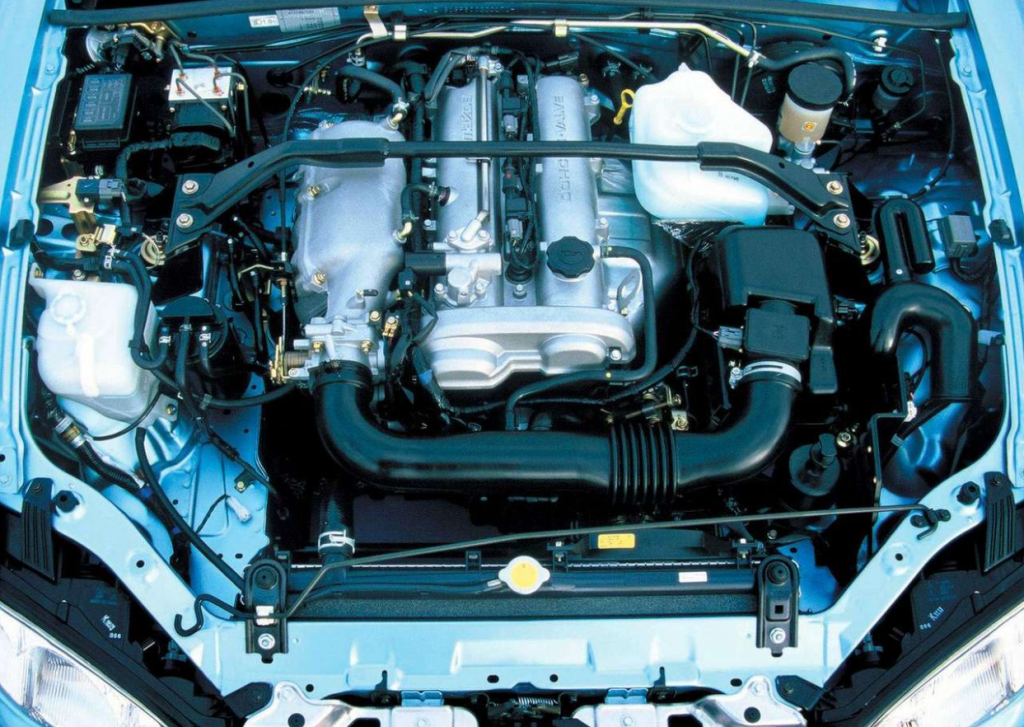
It’s not just cabin niceties where the NB shines. It’s also far more pleasant to use in modern traffic. Early versions of the NB used the NA’s 1.8-liter inline-four equipped with a new cylinder head, netting seven extra horsepower, for a new total of 140 horses. That might not sound like a huge jump, but it meant a 7.9-second 0-60 time in Car and Driver testing—0.3 seconds better than any NA it had tested previously. In a small car, every horsepower counts, especially when it involves merging onto 80-mph highways.
Mazda gave the NB a refresh in 2001 that made the engine more appealing, adding variable valve timing on the intake side and slightly more compression (10:1 versus 9.5:1 for the outgoing four-cylinder). The result was 155 hp and 125 pound-feet (six more lb-ft than before). My 2003 Special Edition model uses this engine, and I absolutely adore it. Having also owned an NA Miata, there’s a measurable and incredibly useful difference between the two powertrains when it comes to low-end torque and overall delivery. With the NA, getting up to highway speeds meant flat-footing the throttle and several trips to redline. With my NB, though, merging with faster traffic is a breeze.
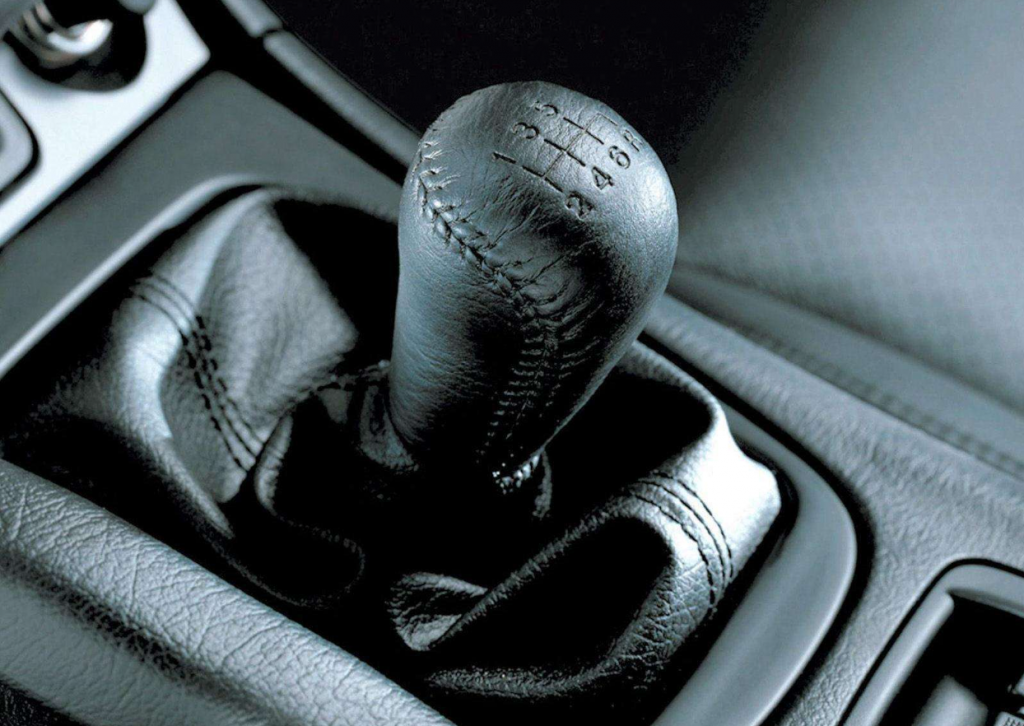
It also helps that my car has the NB’s available six-speed manual. While NAs could only be had with a five-speed (or a four-speed auto), buyers could opt for an extra forward gear in the NB starting in 2001, which rests in the gate you’d normally find reverse on the five-speed. There are endless threads online arguing about which gearbox is better, so let me save you the trouble: Though it’s a little tricky to find reverse sometimes, I find the six-speed equally as pleasant as its five-speed counterpart. Slotting into each gear feels exactly the same, and I have no trouble finding gates, whether I’m shifting leisurely or divebombing into corners and heel-toeing like my life depended on it. According to Road & Track, the six-speed is geared slightly shorter, which means it’s quicker to accelerate (as proven in Car and Driver’s instrumented test of the car in 2001).
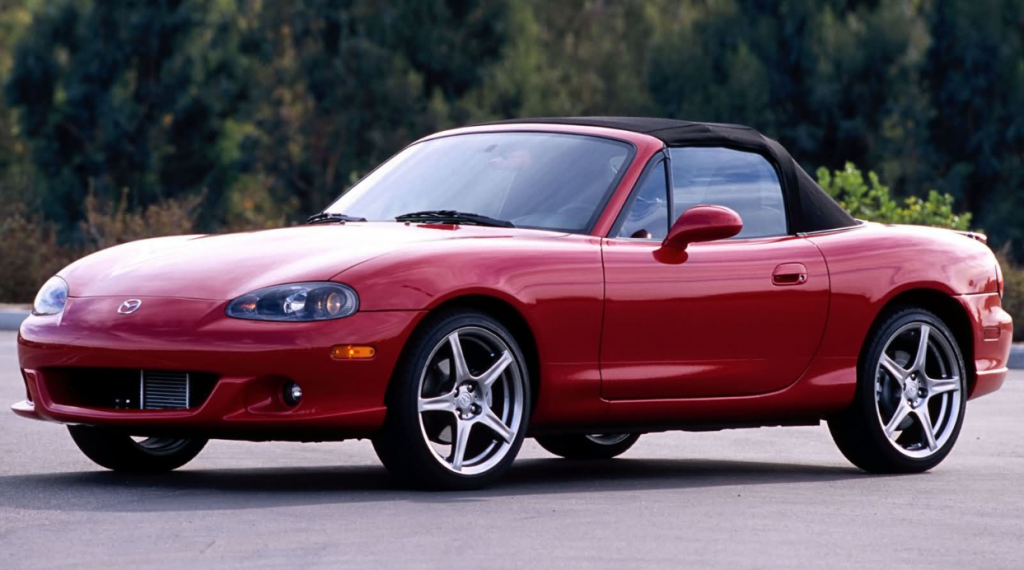
Towards the end of its lifecycle, Mazda gave the NB a trim with a turbocharged engine, the sought-after Mazdaspeed Miata. Thanks to 8.5 psi of boost, the car was rated at 178 hp—23 more horsepower than even the early ND Miata. It also got a host of suspension upgrades, including bigger sway bars, stiffer springs, and retuned Bilstein shocks. One of our awesome contributors, Emme Hall, owns a Mazdaspeed Miata and argued last year why she wouldn’t trade it away for a brand-new model. Though I’ve never driven one myself, I’d probably hold the same position. In addition to being cool as hell, they’re also pretty rare; Mazda built just 5,428 examples out of the one million-plus Miatas built since its introduction.
Then There’s Those Looks

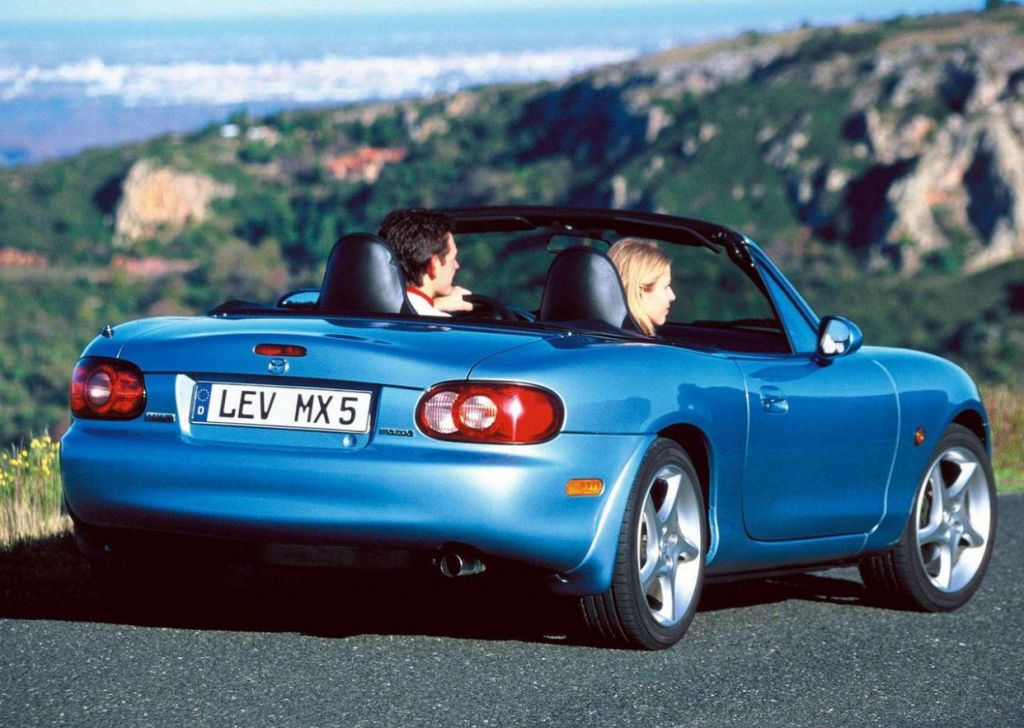
Okay, this is one area where I might concede the NA (and maybe even the ND) might have a leg up on the NB. When I first started getting into cars, I dismissed the NB based on its looks alone—the early car’s resemblance to a catfish is uncanny, after all. But it’s grown on me deeply after having owned one. The more I look at mine, the more it reminds me of the first-generation Dodge Viper. That’s no coincidence, according to Road & Track. While the late Tom Matano led the design work for the NB, a designer named Ken Saward actually worked on both cars:
Saward was a member of the design team for the first Viper concept, where he did a lot of work on the car, including the interior. Mazda hired him before it went in to production in 1989, where he started working on the Miata. Saward was a key member of the team responsible for the redesign of Mazda’s first roadster.
The redesign eliminated the admittedly very cool round pop-up headlights, which was a shame. But it also brought a number of aero improvements, some of which might actually be responsible for why I prefer how the NB drives. From Car and Driver’s original road test:
We like the overall shape better, and so does the airstream; the drag coefficient drops to 0.36 from 0.39. In a deft bit of aero tailoring, lift has been reduced in front and slightly increased at the rear, so that both ends of the car now lighten their tire loads at nearly the same rate as speed climbs; handling changes less with speed now.
The post Actually, The NB Is The Best Miata appeared first on The Autopian.

