I’ve driven a lot of cars in my time as an auto journalist, but the lowly BMW E30-generation 3 Series is still among my favorites. Its torquey inline-six, timeless design, and light weight combine to create a rear-wheel-driven bundle of joy that’s tough to find anywhere else.
A lot of what makes the E30 great are its touch points. The things you interact with when you drive the car. The pedals are perfectly spaced for heel-toeing, and the shifter is slick and direct, without being too tough to use (gates on the five-speed Getrag 265 are legitimately impossible to miss, provided your shifter bushings aren’t falling to pieces). Then there’s the steering.
Good steering is tough to define, but you know it when you feel it. The E30 has great steering. Whether we’re talking about the hydraulically assisted racks sold in America or the manual steering setup sold on some E30s in the rest of the world, you’ll be hard-pressed to find something this level of linearity and feeling without spending a ton of money on an exotic from the same era. So why are some people chucking the stock setup for an aftermarket, electrically assisted steering system?
Electric Power Steering Is More Popular Than You Think

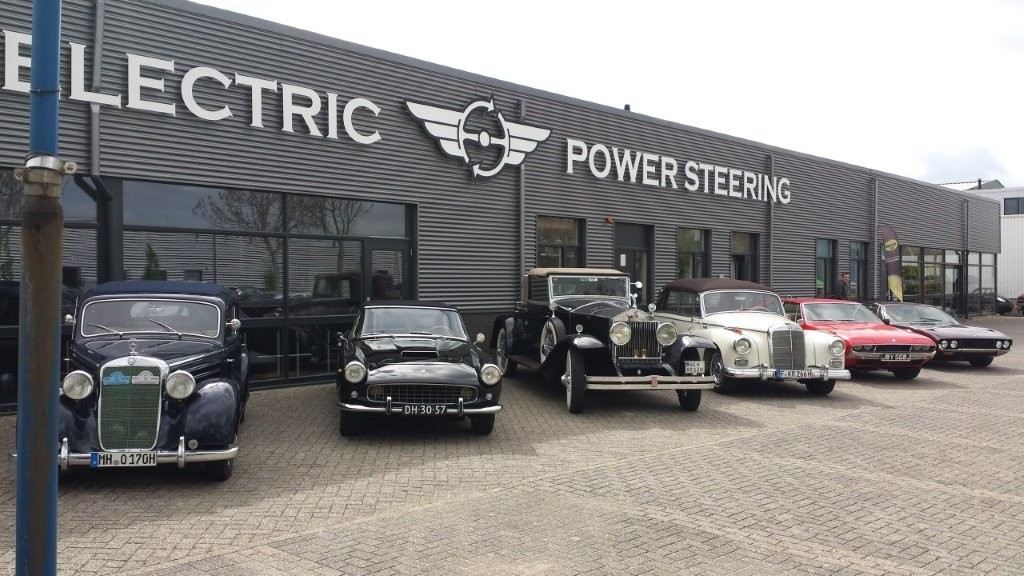
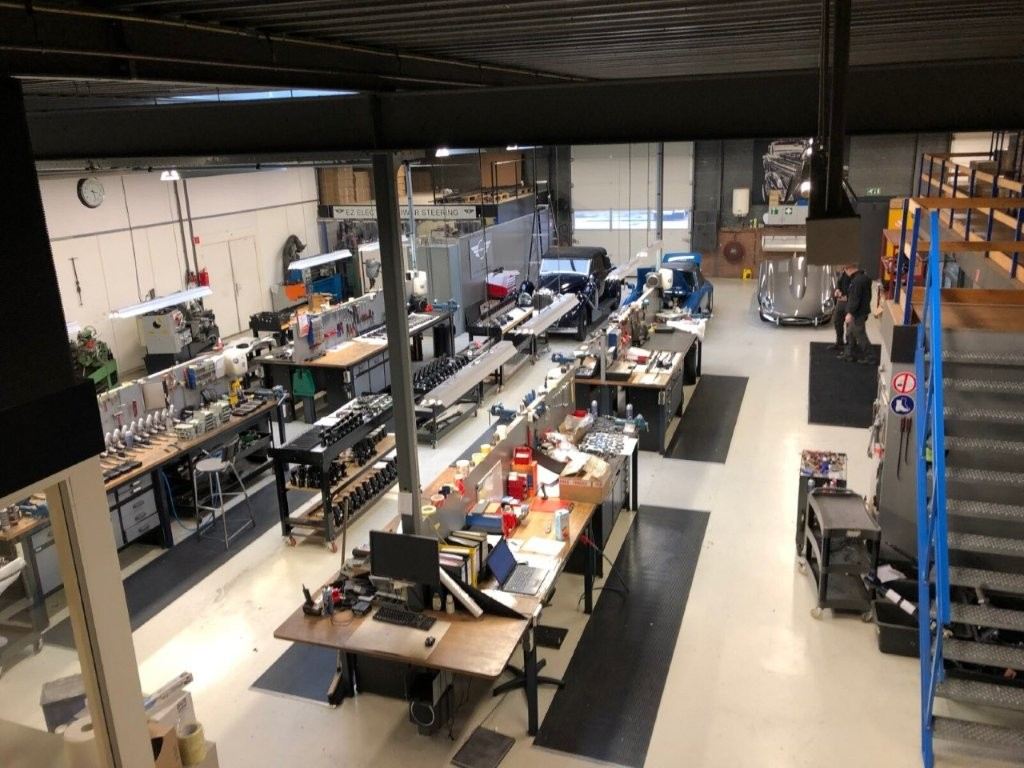
I’ve been browsing forums and Facebook Groups for years, and every once in a while, someone brings up the topic of an electric power steering conversion kit sold by a company called EZ Electric Power Steering. Turns out the Netherlands-based company has been building conversion kits for all sorts of vintage cars since 2006. So I spoke to one of the founders to learn more.
Ruud Jong and his partner, Roger Reijngoud, founded the company after recognizing the demand for straightforward, reversible conversion kits on classics that never came with power steering in the first place. “We started with Volvos and Jaguars,” Jong told me over the phone.
The company’s offerings have grown considerably in the last 19 years. EZ Power Steering now sells conversion kits for around 350 different models, and sells between 2,500 and 3,000 kits per year. Jong told me the company started making kits for BMW 2002s in 2010, before the first requests for E30s began coming in 2015.
Back in 2012, Harry Metcalfe of Evo Magazine and YouTube fame criticized his Countach’s “ridiculously heavy” unassisted steering as “draining to live with” in an article written for the mag in 2012. So he took it to EZ to a conversion, describing the results in the most cheerfully British way imaginable:
Having lived with the system for a couple of months now, I’m chuffed to bits with it. Not only has it made parking easier, but I can push the chassis that bit harder too, because the weight of the steering is no longer intimidating.
[…]
The biggest difference of all is that I now find myself driving the Lamborghini even more. Whether this is a good thing is debatable, as the petrol bill is proving horrific. Still, as the saying goes, you only live once. And after all, the Countach is one hell of a way to travel…
Purists may recoil at Harry’s decision, but I get it. If you’ve ever driven a sports car with huge front tires and no power steering, it’s a huge pain in the ass to maneuver, especially at low speeds. And, as Metcalfe points out, it’s a lot tougher to find the limit when you have to focus all your efforts on turning the wheel.
“In Europe, a lot of these cars have manual steering racks,” Jong tells me. “And for some people, they want to have a bit of comfort in the car, and they choose the electric power steering.”
It’s not just easier behind the wheel. As BMW E30s age, the original power steering systems start to go bad. Seals fail, hoses crack, belts snap, and pumps wear out. The system itself is as straightforward as any hydraulic power setup, but replacement parts are getting harder to find every day.
I once owned a 1991 318i sedan, and while I loved it, I didn’t love the manual steering conversion done by the previous owner. It felt great when I was on the move, but street-parking in New York City, where I live, was annoying as hell. I considered adding the power steering back in, but I couldn’t find all of the parts I needed without having to spend an insane amount of money. One of these conversion kits would’ve made my life a lot easier.
The Conversion Is Also Simple
Going by videos online, the kit looks relatively easy to install (at least into E30s). The genius of EZ’s conversions is that most of them (60 percent of those offered) come with a new steering column that replaces the one in the car. The new column has an electric motor attached to it, which powers the steering via a worm gear. The other 40 percent require the buyer to send in their original column for the conversion. In either case, the motor is hidden under the dashboard or above the driver’s legs, giving little indication that anything’s been modified. And because the conversion retains the car’s stock steering rack, the steering ratio and all of the tie-rod geometry remain the same.
The kit runs on 12-volt power, and it’s a bolt-in for most cars. That means it’s totally reversible. You don’t have to worry about cutting up your precious classic just for a bit of comfort at low speeds, and when you go to sell your car, you can remove everything and reinstall the factory steering column, like nothing ever happened.

“It’s also adjustable,” says Jong. “A hydraulic system is not adjustable.” Each conversion kit is available with a knob that the driver can spin to adjust the level of assistance required, to the point of being able to switch it off altogether. That means you can flip it to maximum assistance for parallel parking, then flip it off to reclaim the purity of a manual steering rack. In theory, it’s the best of both worlds. If you don’t like how electric power steering feels, you can just turn it off. This is how I imagine most people use these setups, and certainly how I would.
There are a few other upsides, too, for cars like the E30. Because there’s no power steering pump belt to spin, you actually free up a bit of power from the engine. Deleting the pump, the fluid, and all of the hoses saves you a bit of weight on the nose. Sure, you add back a bit of that weight with the e-motor and some wiring, but that mass is farther back in the car (not like most people would be able to feel a few pounds here or there, but for internet bragging rights, it’s worth mentioning).
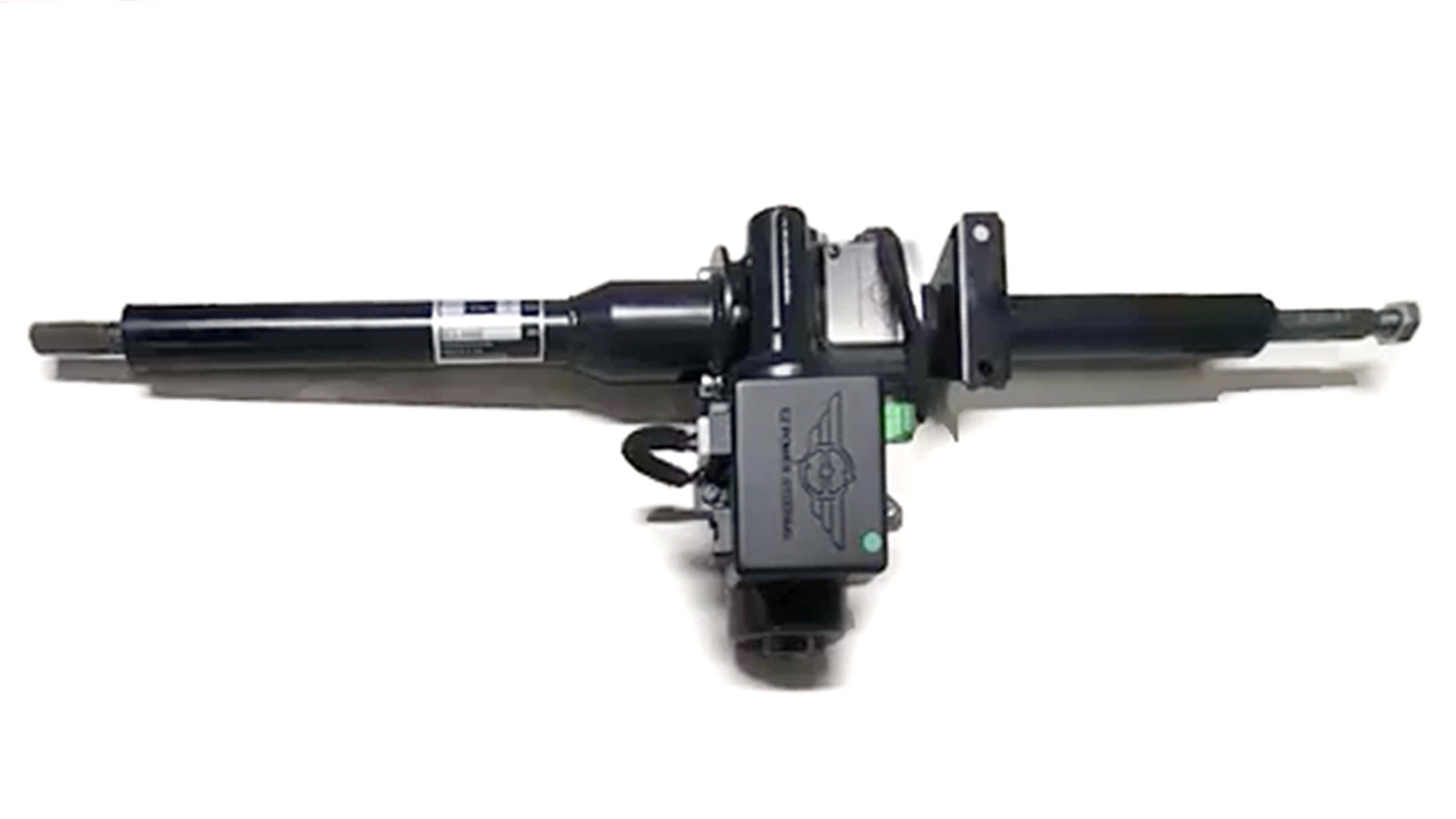
EZ’s conversion kit for the E30 is priced from €1,550 (just over $1,800 at current exchange rates) before taxes and import fees. Considering I’ve purchased whole-ass, running, driving E30s for around that price in the past, it’s not exactly a cheap upgrade, at least from my perspective. But knowing what I know now, I’ll definitely be considering something like this next time I buy an E30 (or any other old car with heavy steering).
Support our mission of championing car culture by becoming an Official Autopian Member.
The post Vintage Car Owners Are Adding Modern Power Steering To Their Cars. Here’s Why That’s Not Weird appeared first on The Autopian.