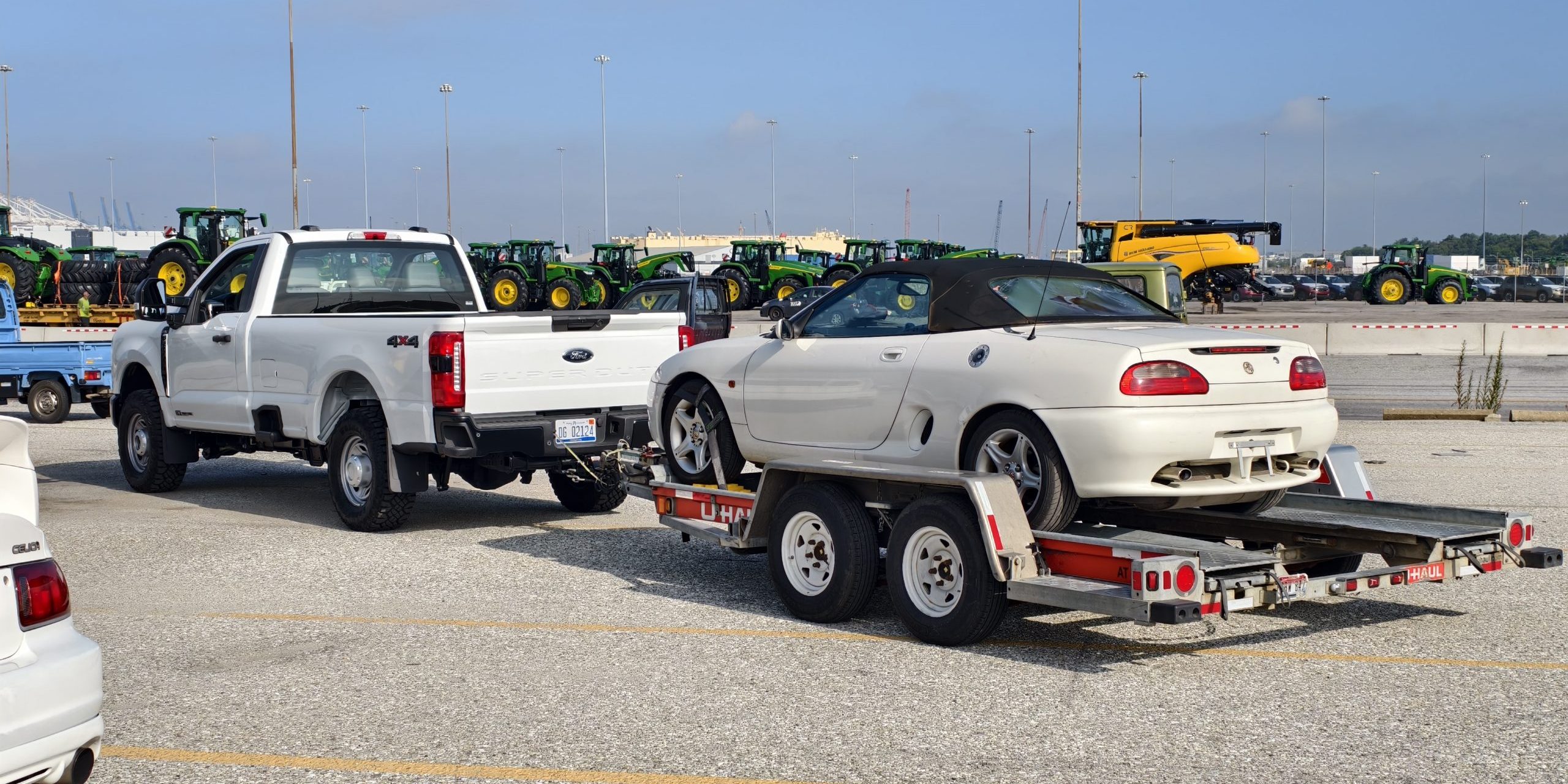
Importing a car is a surprisingly thrilling experience. You get the rush of the search, the gratification of finding your ride, and the surprise of seeing your car for the first time. Yet, many importers are missing out on an awesome experience, and it’s physically going to the port to pick up your car. America’s ports are secretly car enthusiast paradises, and it’s not even hard to join in on the fun.
Most importers just have their cars shipped from the port to their home or business. There’s nothing wrong with this! Your nearest port might be over 1,000 miles away from you. Picking up your own car means taking off from work, having a truck, and taking a road trip. Or, maybe you’ll fly out and drive home. Either way, it’s an involved process, and it’s just easier to hire a shipping company, especially if you import more than one car.
If you have the time, I highly recommend picking up a car yourself. I just got back from a road trip to pick up my new-to-me 1998 MGF roadster that I imported from Japan. You’ll hear about the car and the truck that hauled it in really soon. But first, I want to talk about an experience that most car enthusiasts miss out on.
Buried In Paperwork
Your port adventure begins right before the ship that your car is on leaves its departure port. If you’re importing something from Japan and you bought your car from an exporter, an auction agent, Car From Japan, Be Forward, or similar, you’ll be handed tons of paperwork. You’ll have the Bill of Lading from your carrier, which contains declarations, as well as details about what you’re shipping, what ship it’ll be loaded on, what port it’s going to, and more.
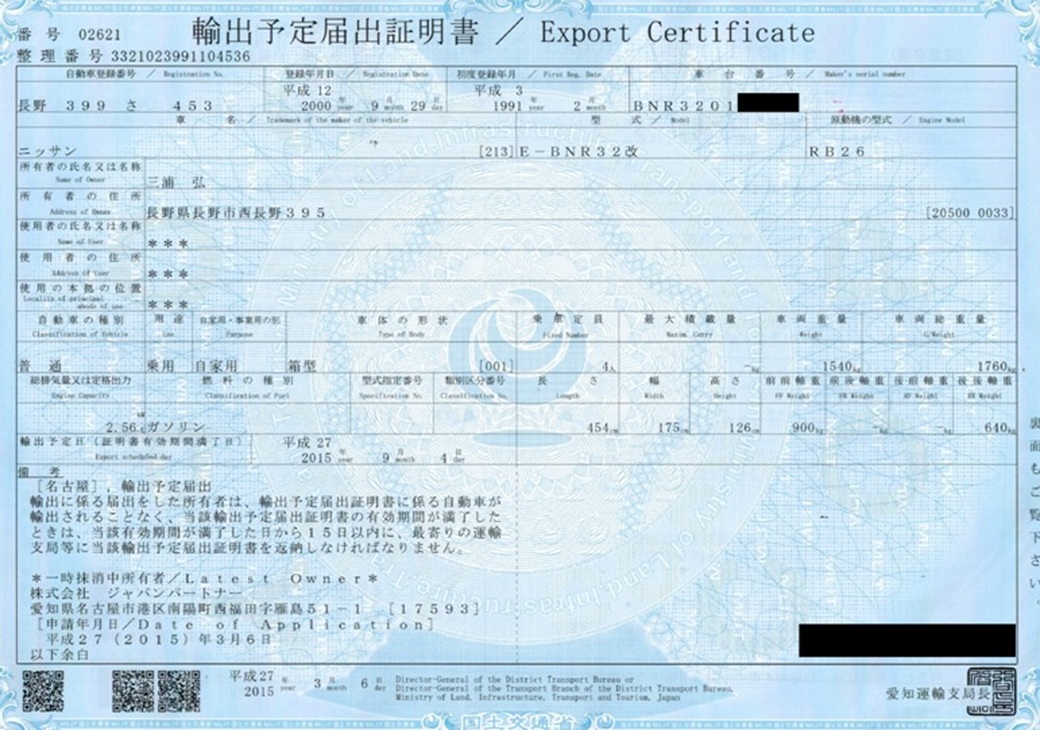
You’ll also get the vehicle’s export certificate and an English translation of its export certificate. You will also likely have an invoice from the firm that you bought your car through. In my case, I received physical documents that were sent to me from Japan, but also digital copies.
This is when you want to file your Importer Security Filing, also known as the ’10+2′, which informs U.S. Customs and Border Protection about what you’re sending to America. The ISF is pretty easy to do yourself, and there are plenty of websites to help you. This time around, I used TurboISF, which guides you through the entire process. You should be able to file your ISF in minutes! In my case, I needed a copy of my invoice from Be Forward, a copy of my driver’s license, my Social Security number, and a power of attorney form.
What happens next is a long wait. If you’re like me, you can use one of the many online tracking tools to see where the ship is at any given moment. If you’re shipping to Jacksonville, Baltimore, or a similar eastern port, you can expect a transit time of roughly a month or so.
Around a week before your ship lands, you will receive an Arrival Notice from your carrier. This notice will contain details like where in the port your car will be offloaded to, what fees you may owe to the carrier and to the terminal, and who to contact if you need information about pickup times, the status of your cargo being released by the shipping line, and other port details. The contact in the Arrival Notice will likely be a port logistics services company like Norton Lilly International. Here’s where the fun begins.
A lot of mechanisms begin turning after the Arrival Notice. The port services company may require you to overnight your original Bill of Lading before the vehicle can be released by the shipping line. So, you’ll end up sending that document off while paying any fees that may be due. I’ll break down the costs in another piece, but in my experience, these fees have always added up to under $200.
You’ll also want to get the Customs clearance process started. Now, you can either do that yourself by following the brilliant guide that I’ll link here, or you can pay someone to do it for you. I have always taken the latter option. I noticed that TurboISF also has a Customs clearance service, so I sent TurboISF the arrival notice email and a digital copy of my export certificate.
Once your vehicle is both line released and cleared by Customs, you’ll get a bunch of paperwork. You’ll get a Delivery Order, CBP Form 3461 Entry/Immediate Delivery, CBP Form 7501 Entry Summary, and EPA Form HS-7. You’ll need the CBP and EPA forms to register your car, and the Delivery Order is your ticket to actually picking the car up.
Port Quirks
Once you have your line release, Customs release, and Delivery Order, you’re clear to pick your car up, which means extra fun. You’ll have to check with the port about pickup times, number of free days, and when the port is even open. You have a limited number of days to pick up your car before the port starts charging you daily for storage. Thus far, the three cars I have picked up from Baltimore have had seven days of free storage.
Exact details will vary between ports, and what you’re reading here relates to my experiences in picking cars from Baltimore.
One of the quirks that you’ll learn pretty quickly is that the port is open for pickup only during certain hour windows and only during business days. If you’re like a typical American and have the weekend off from work, that’s not going to help you here because not only is the port not open for pickup, but if you call a terminal operator — Ports America, in this case — you are unlikely to get anyone on the phone. So, if you have any questions about exactly where your car is in the port, what times you can pick it up, or other details, you have to call during the workweek.
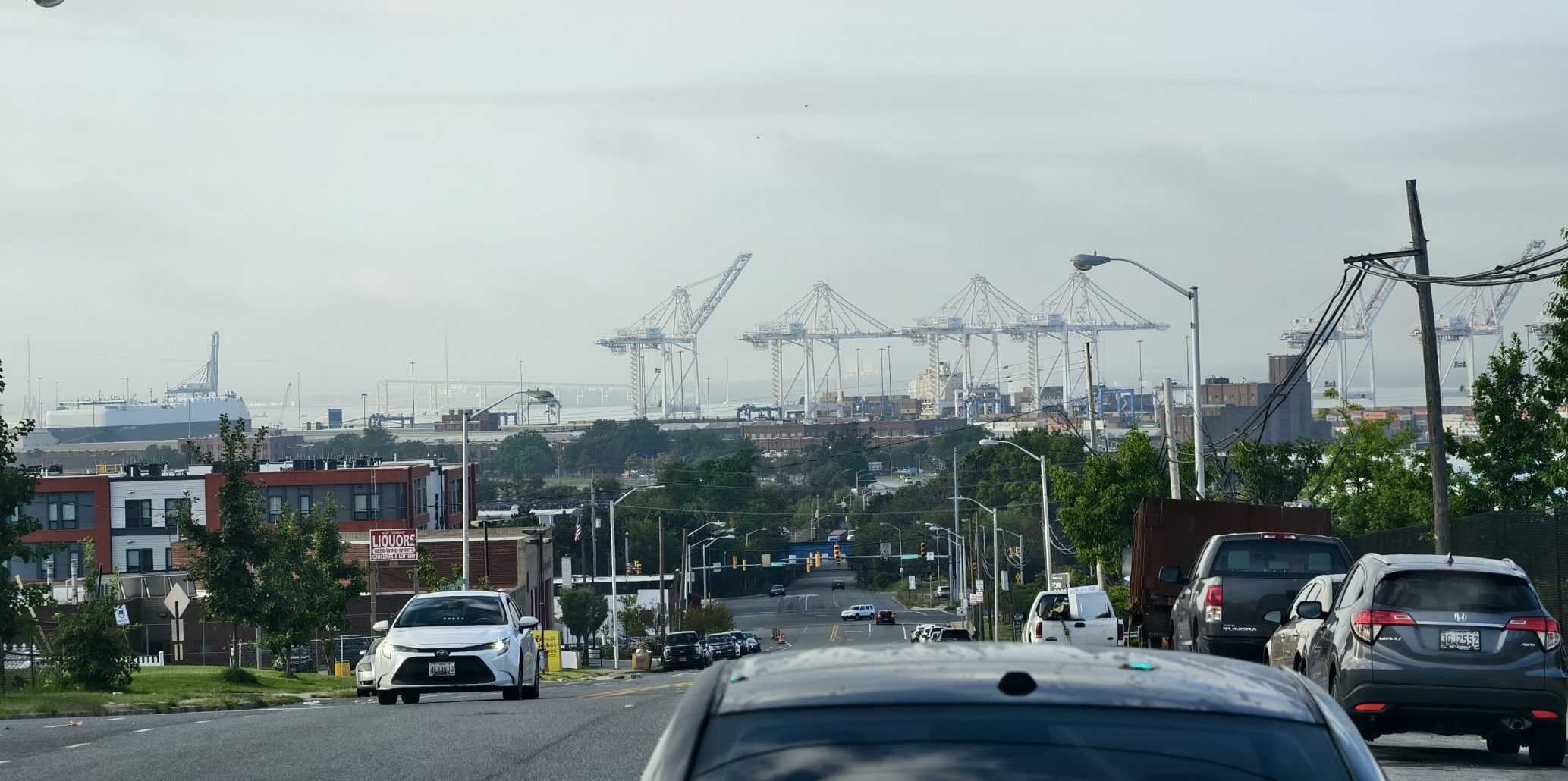
Otherwise, now it’s time to hitch up and drive out to the port. For now, just focus on getting there!
Once you get to the port, you’ll find one more funny quirk, and it’s that you’ll need a Transportation Worker Identification Credential (TWIC) to get through the gate. Now, if you plan on visiting the port often or are a trucker, it’ll probably be worth going through the application process to get a TWIC card. Otherwise, you can hire a port escort, or someone who has a TWIC card whose entire job is to essentially babysit you while you’re in the port.
These escorts aren’t just there for people picking up loads, either. If someone has to come into the secure area of the port to repair something and they don’t have a TWIC, they’ll hire an escort, who will just sit there while they work. Yesterday, a call came over my escort’s radio about someone who needs to spend about five or six hours fixing something in the port. Yep, the escort assigned to that client will just sit around, essentially doing nothing for six hours, and get paid to do it.
Anyway, I’ve been hiring A-1 Escort in Baltimore for this purpose since 2021, and the company has always been great to me.
If having all of this paperwork and having to hire an escort wasn’t crazy enough for you, then there’s the whole time window. In my case, I picked up my car from Shed 12 at the Dundalk Marine Terminal, which is operated by Ports America. The port allows pickups from 8 a.m. to 3:30 p.m. each workday, with ga ap between 11:45 a.m. and 1 p.m. for lunch. This results in a mad rush in the morning and the afternoon as shippers and importers try to pick up their goods in the narrow windows. All this really means for you is that you might have to wait an hour or so before an escort will become available to take you into the port. I recommend getting to your escort before the port opens and being at the gate at 8 a.m. sharp to avoid the lines.
The Payoff
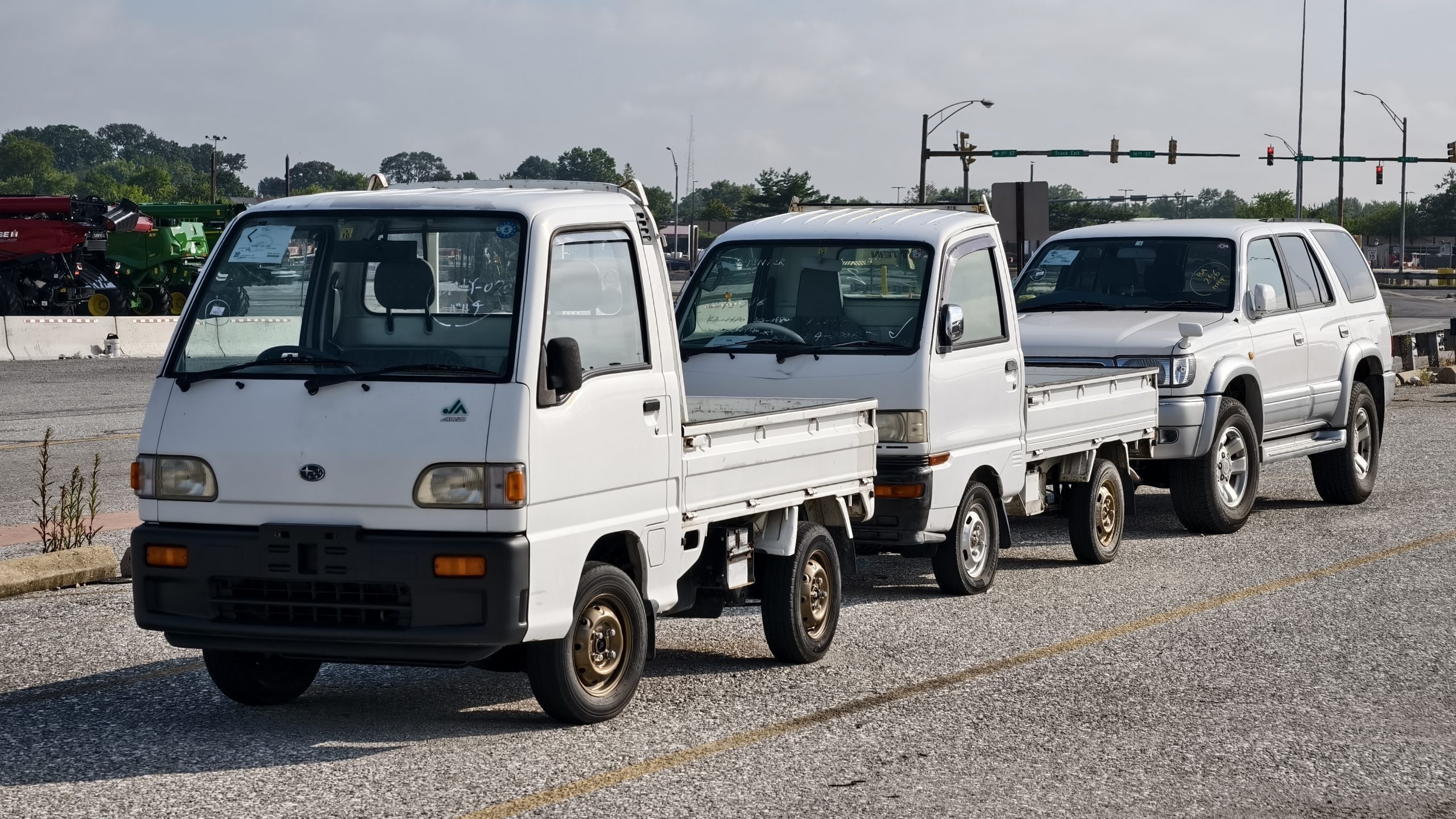
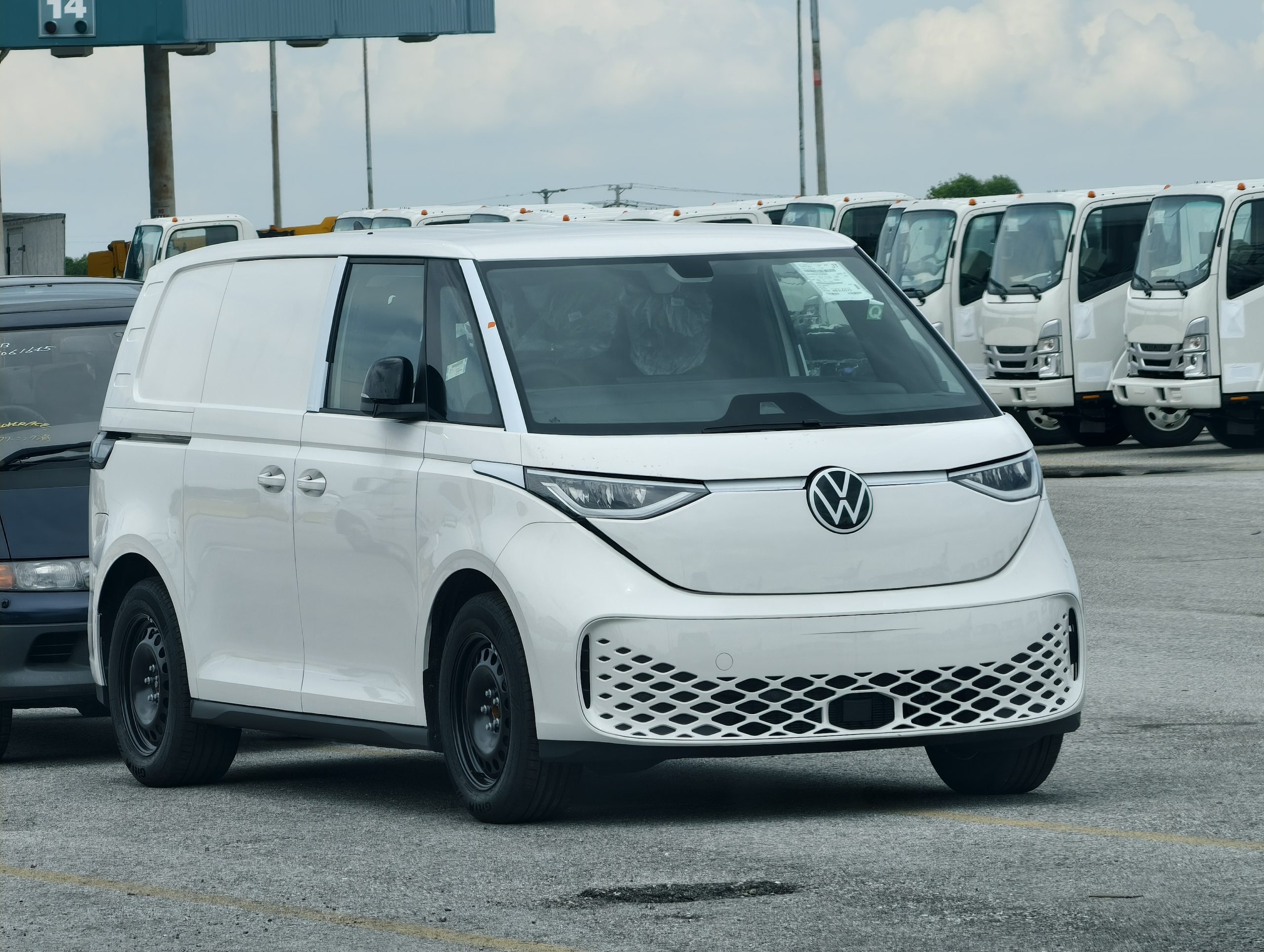
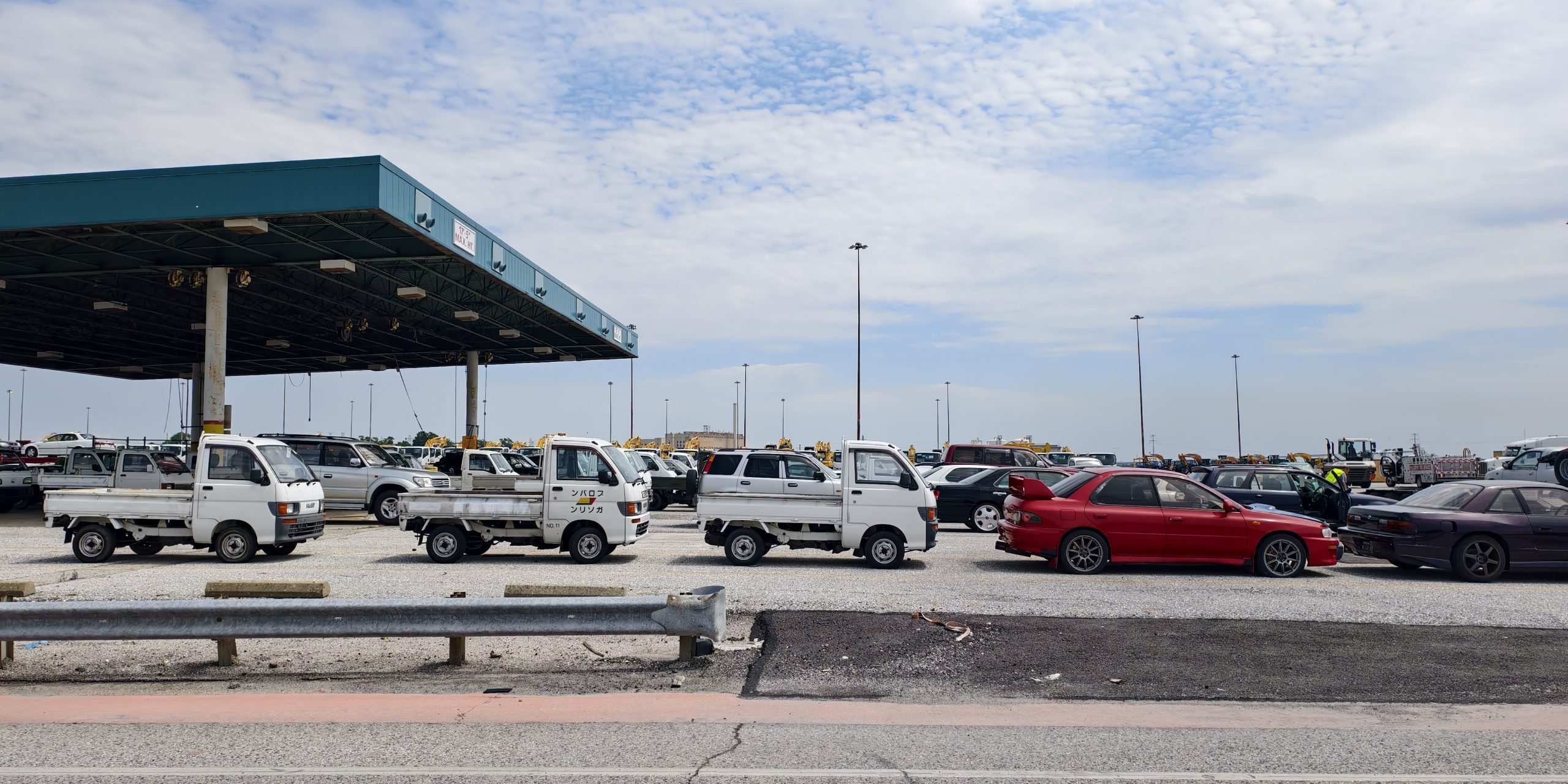
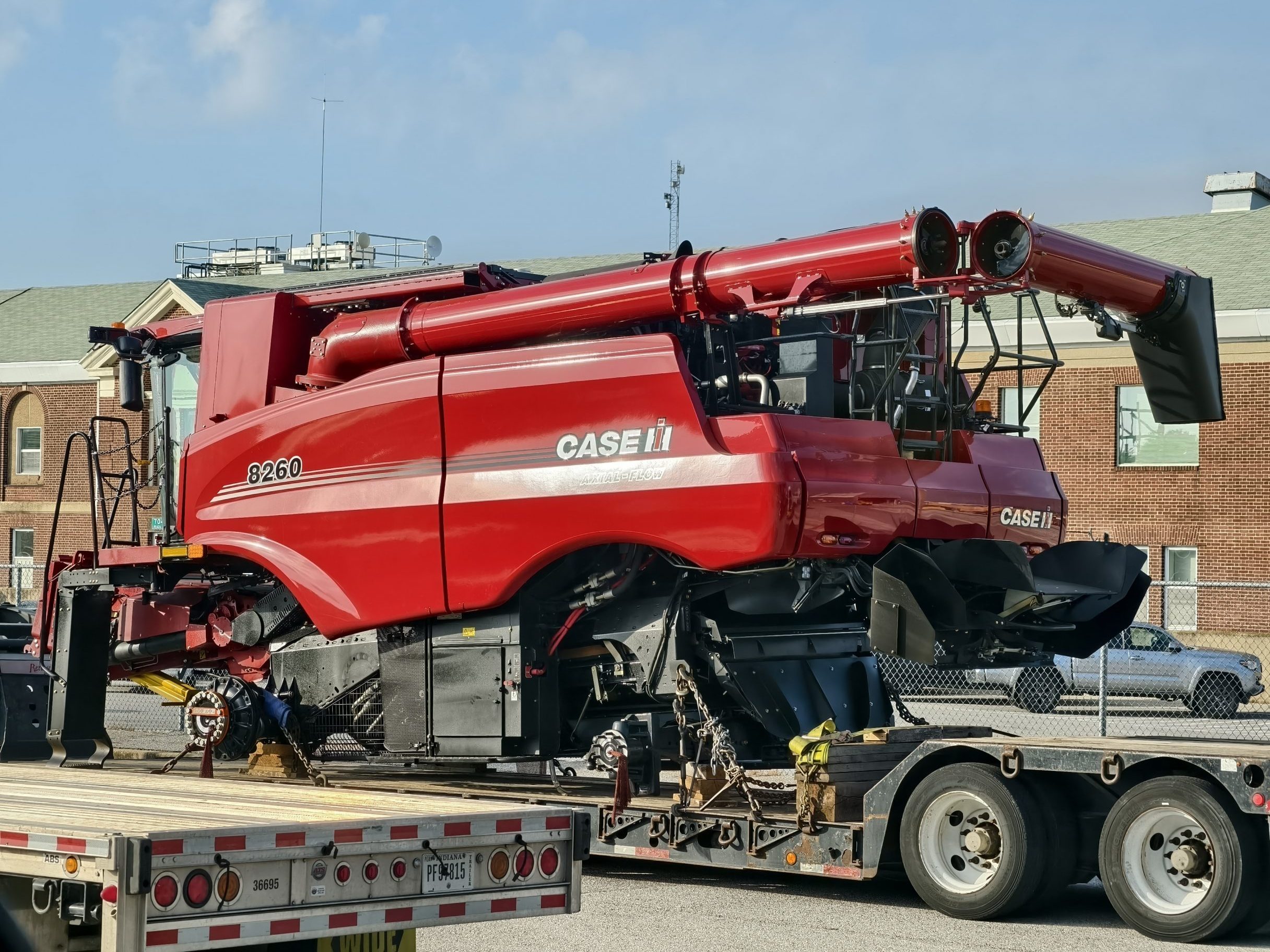
Once you’ve gone through all of these hoops, you’ll finally get into the port, where you’ll feel like a kid in a candy store. It’ll be easy to get distracted by the endless rows of brand-new cabover trucks, glistening tractors waiting to be sent off overseas, and all kinds of new cars that are fresh off the boat and ready to be shipped to dealers.
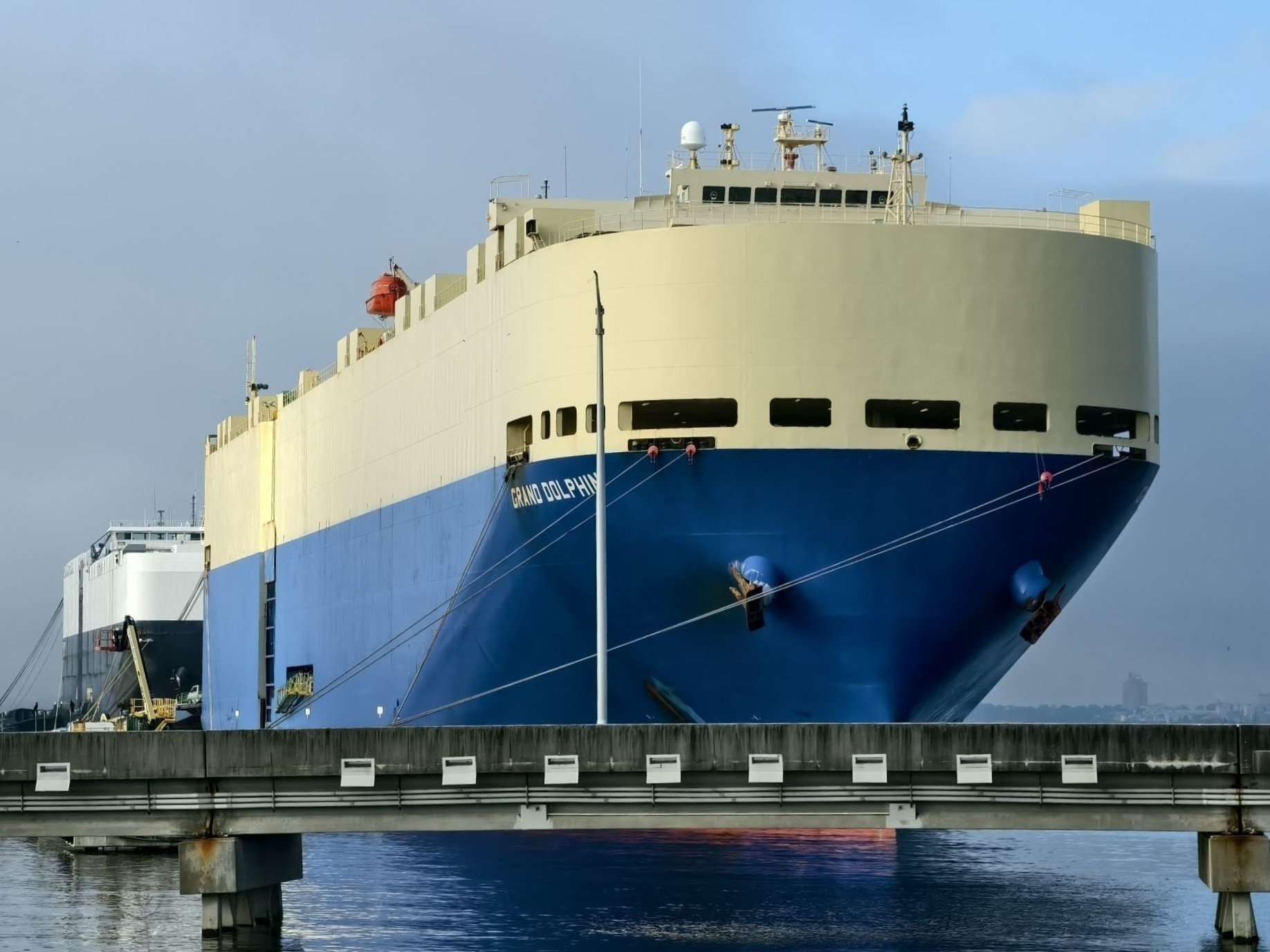
If that wasn’t distracting enough, then you get to see the majestic ships that are responsible for much of global trade. Lots of these ships will be your standard container ships or roll-on roll-off vessels, but you might spot an oddball or a few. This really neat ship is the Grimaldi Lines Grande Lagos. This ship is designed as a container roll-on roll-off ship, also known as a ConRo. These ships try to be the best of both worlds as they have the ability to carry both vehicles and standardized containers.
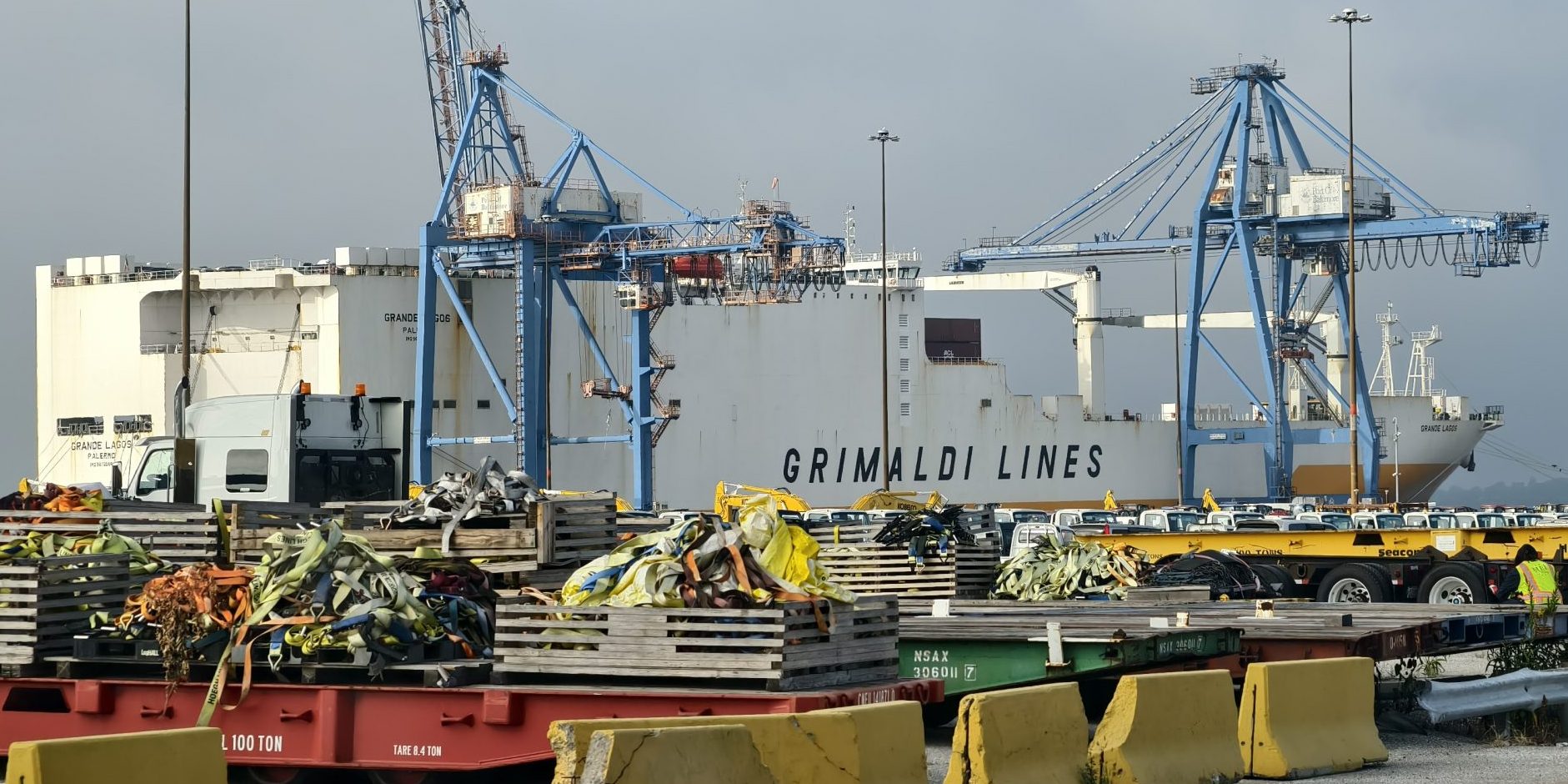
The ConRo is a versatile ship, but it has a couple of limitations. These ships are most efficient when they arrive at ports that can deal with both roll-on roll-off cargo and container cargo from the same ship. ConRos also cannot carry nearly as many vehicles or containers as dedicated ships can. These ships can often be found serving island nations, short sea shipping, or other scenarios where there is a demand for mixed cargo.
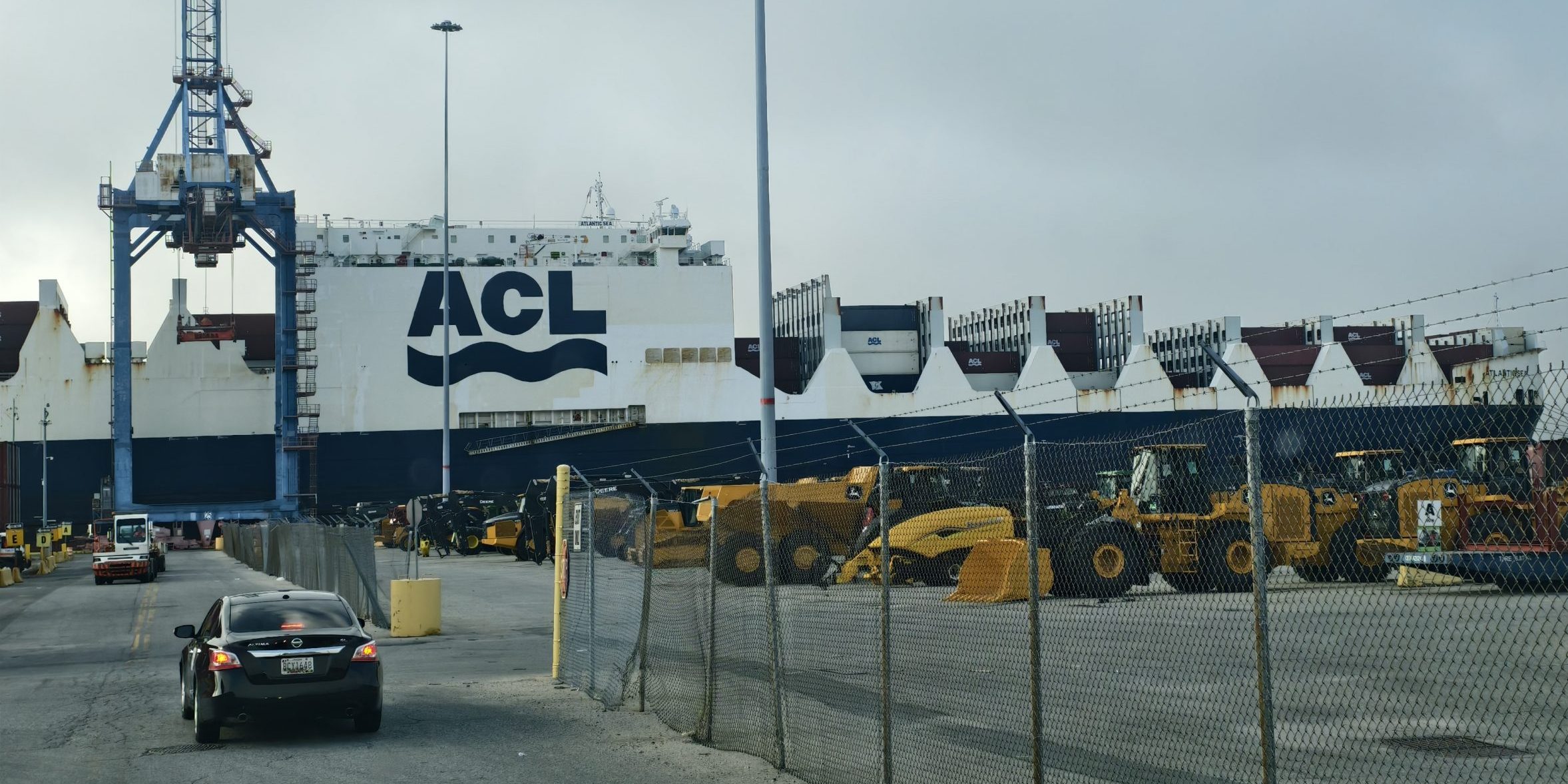
What’s also interesting is that these ships don’t always look the same. Also at the port was the ACL Atlantic Sea, which is a ConRo, but one where its main freight is containers. The cars are stored below decks. If you’re lucky, you might get to witness stevedores driving cars onto the ship!
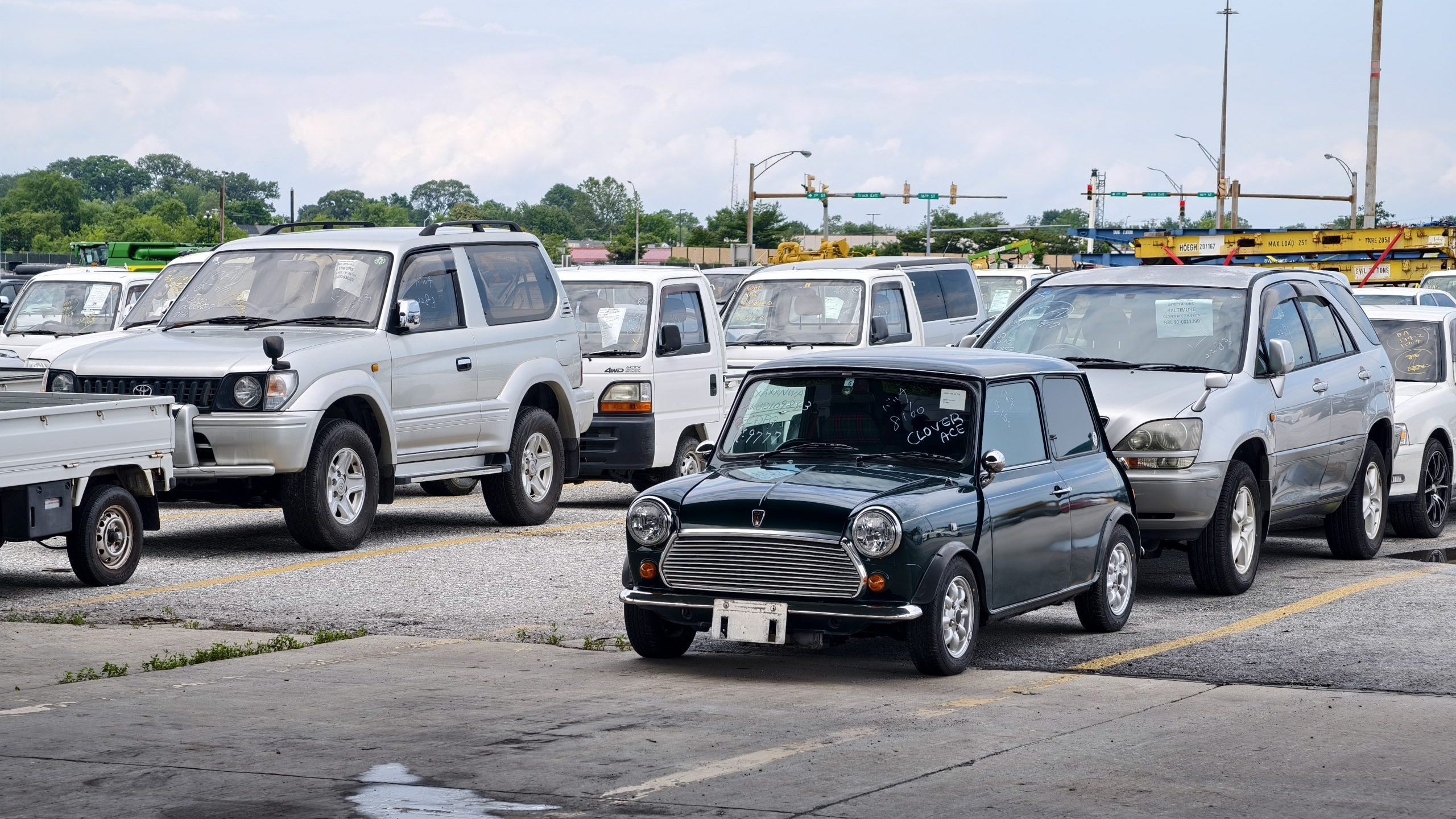
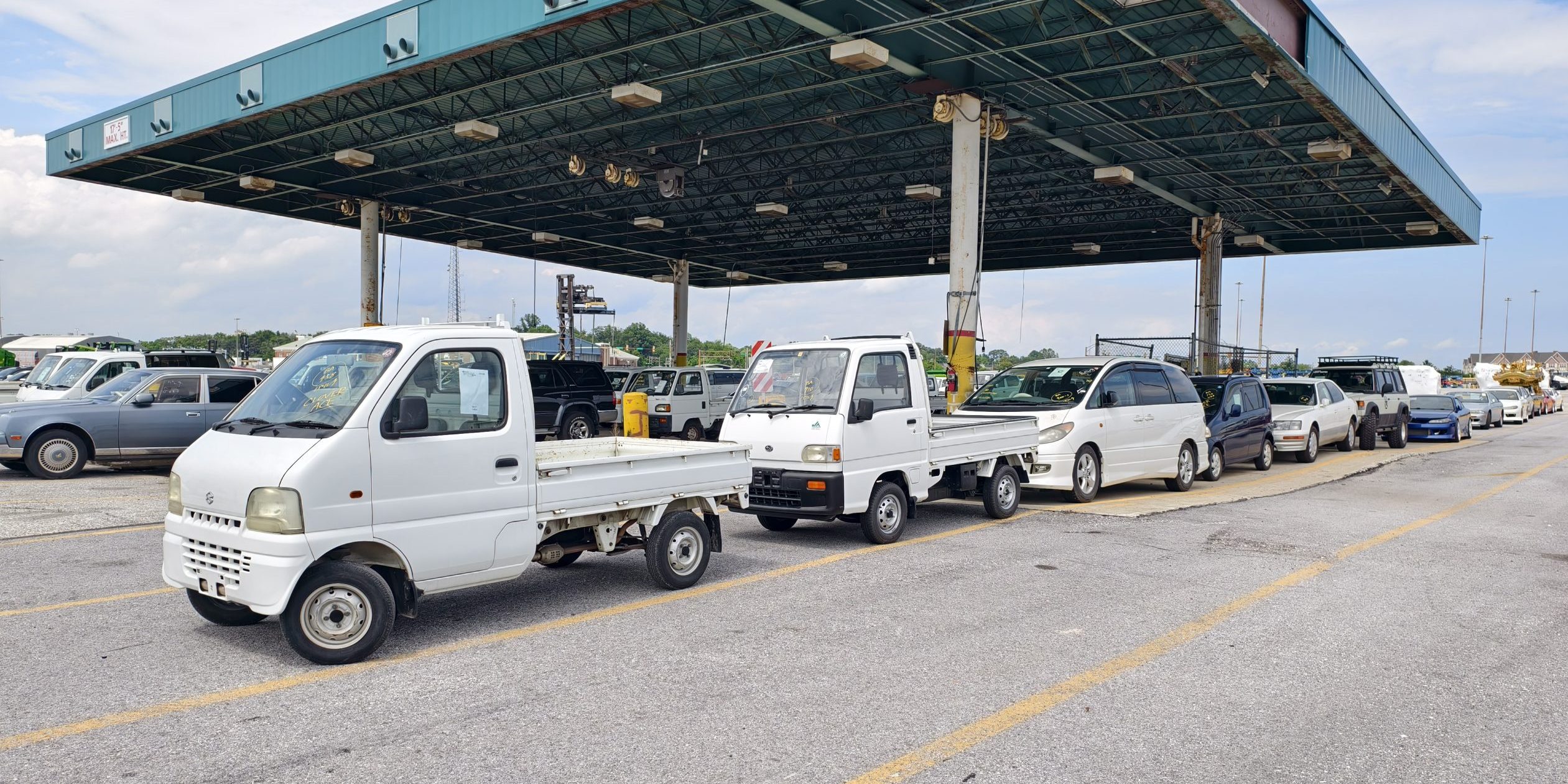
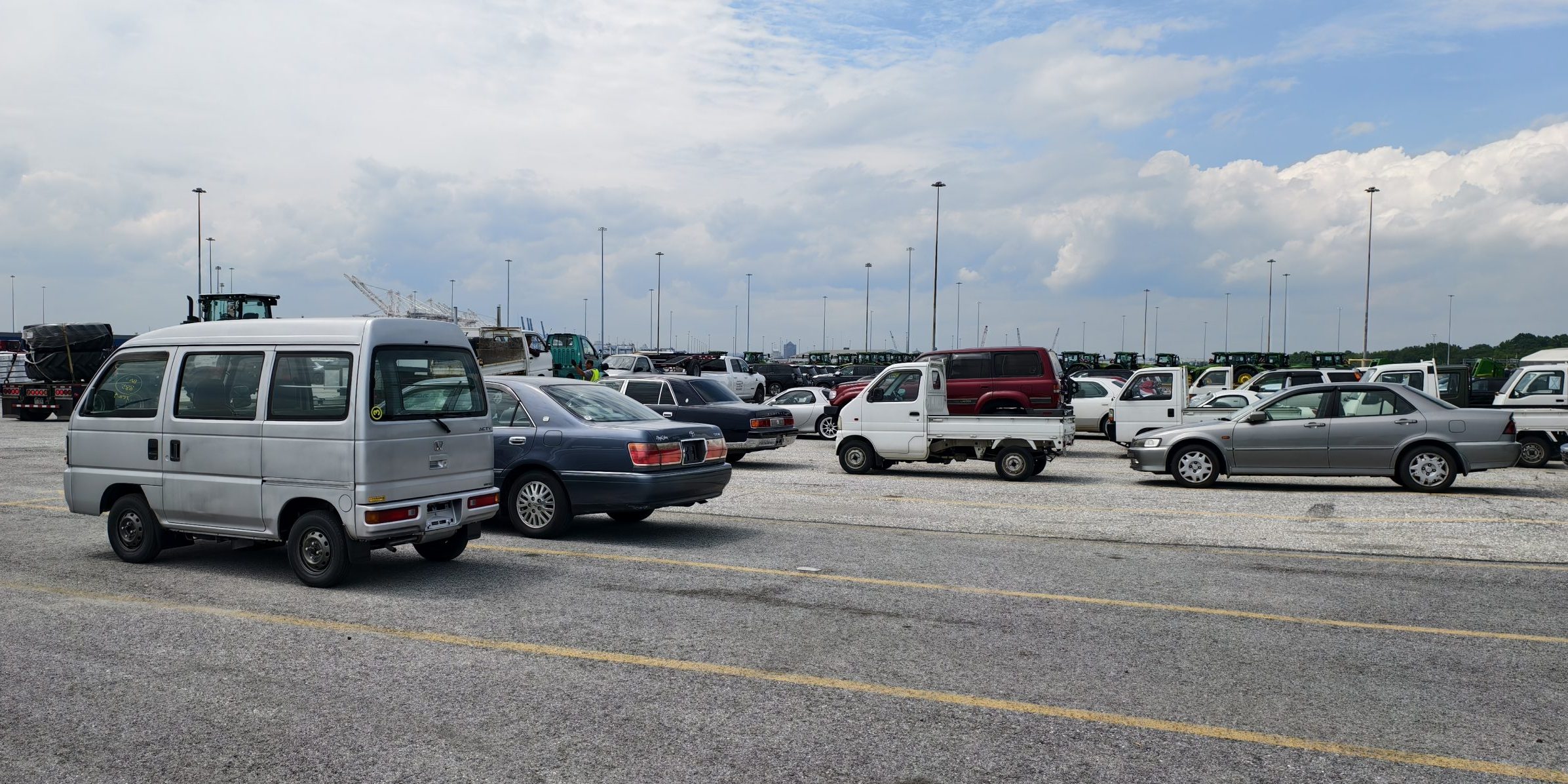
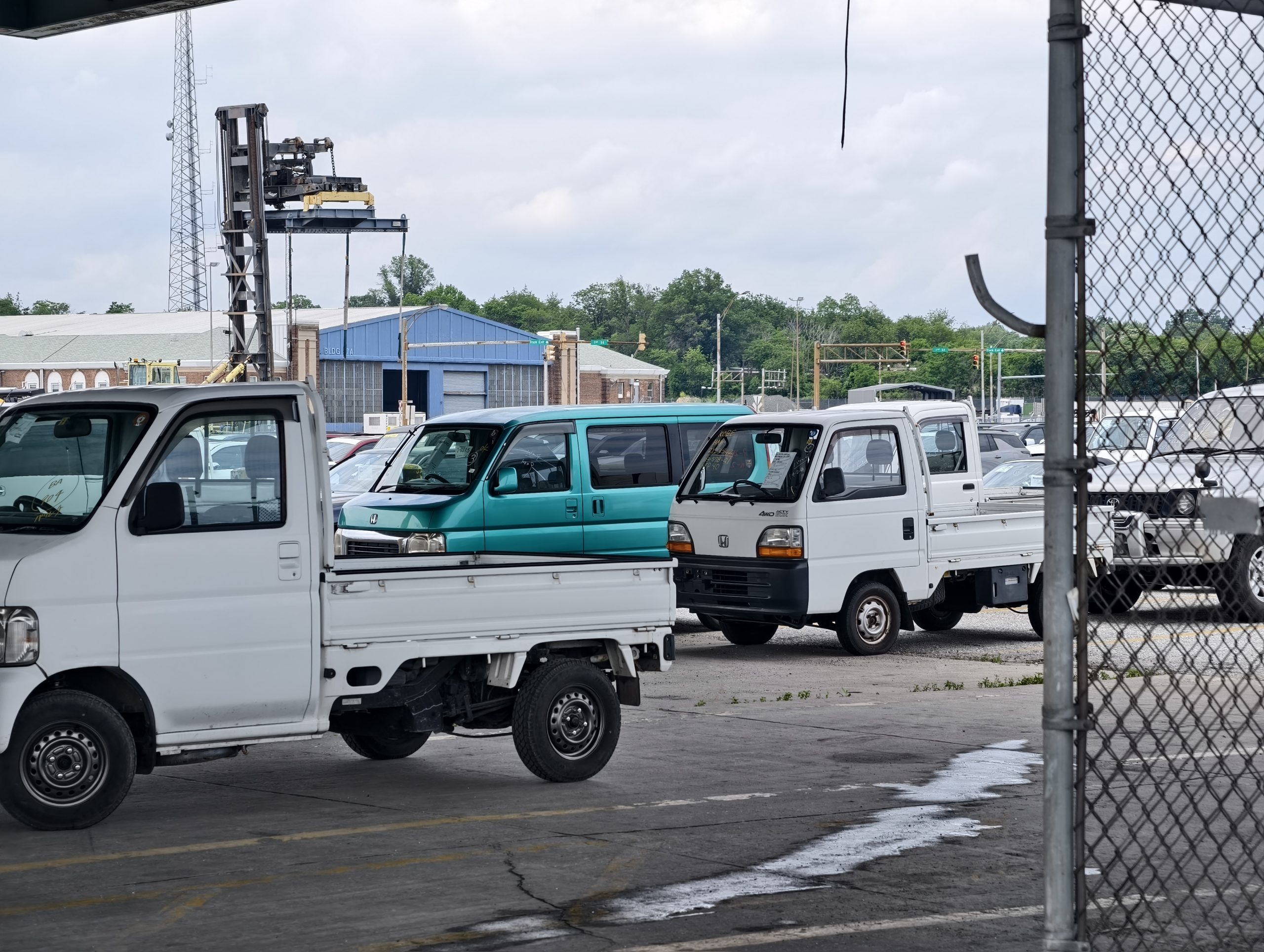
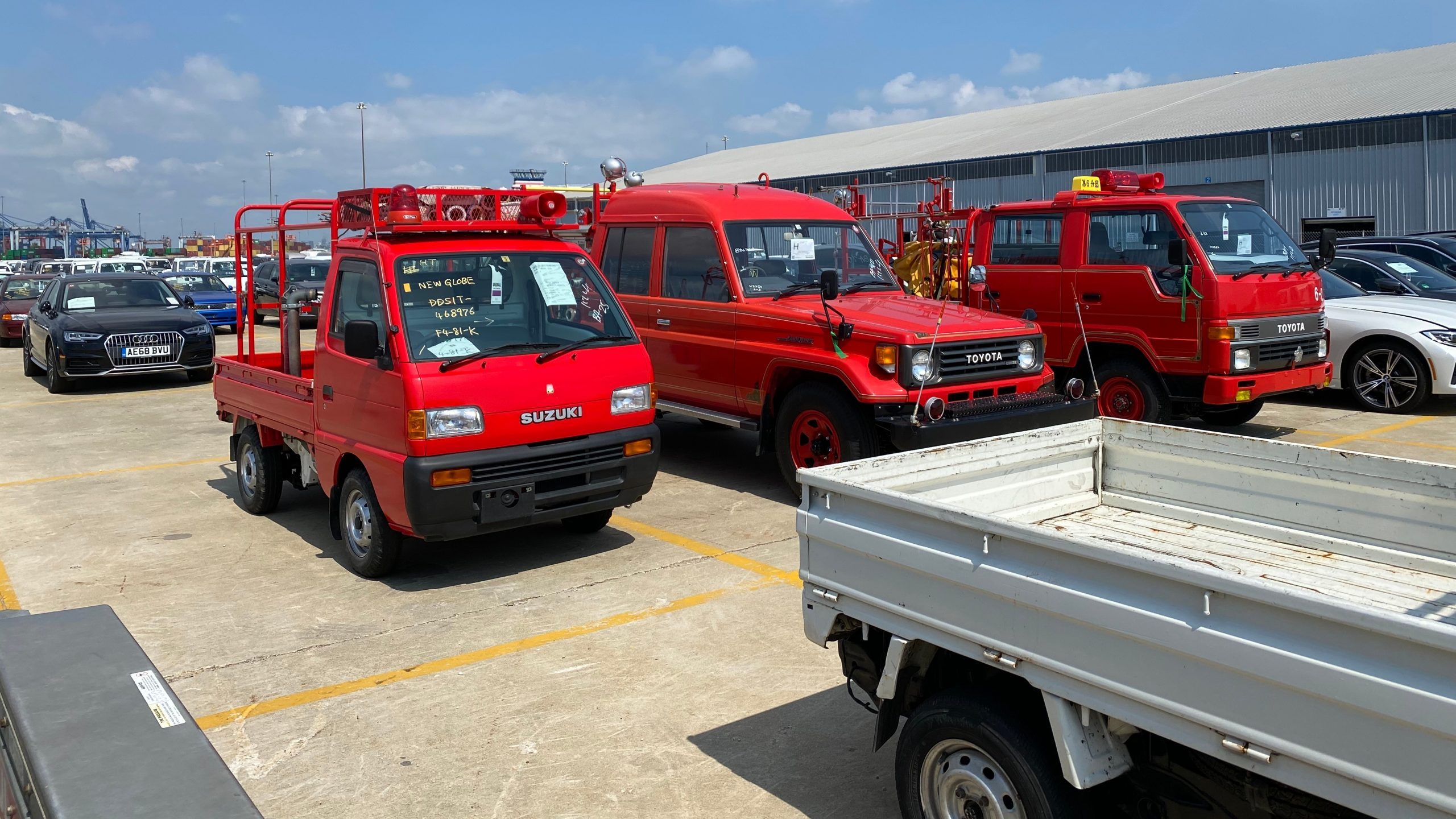
Once you’ve had enough of staring at the massive ships, you get to look at sweet imported cars. There are car lots all over the port, and the one at Shed 12 was actually one of the smaller ones.
This area is truly something exciting. You get to see all of the cool cars that people have imported, and honestly, the variety is amazing.
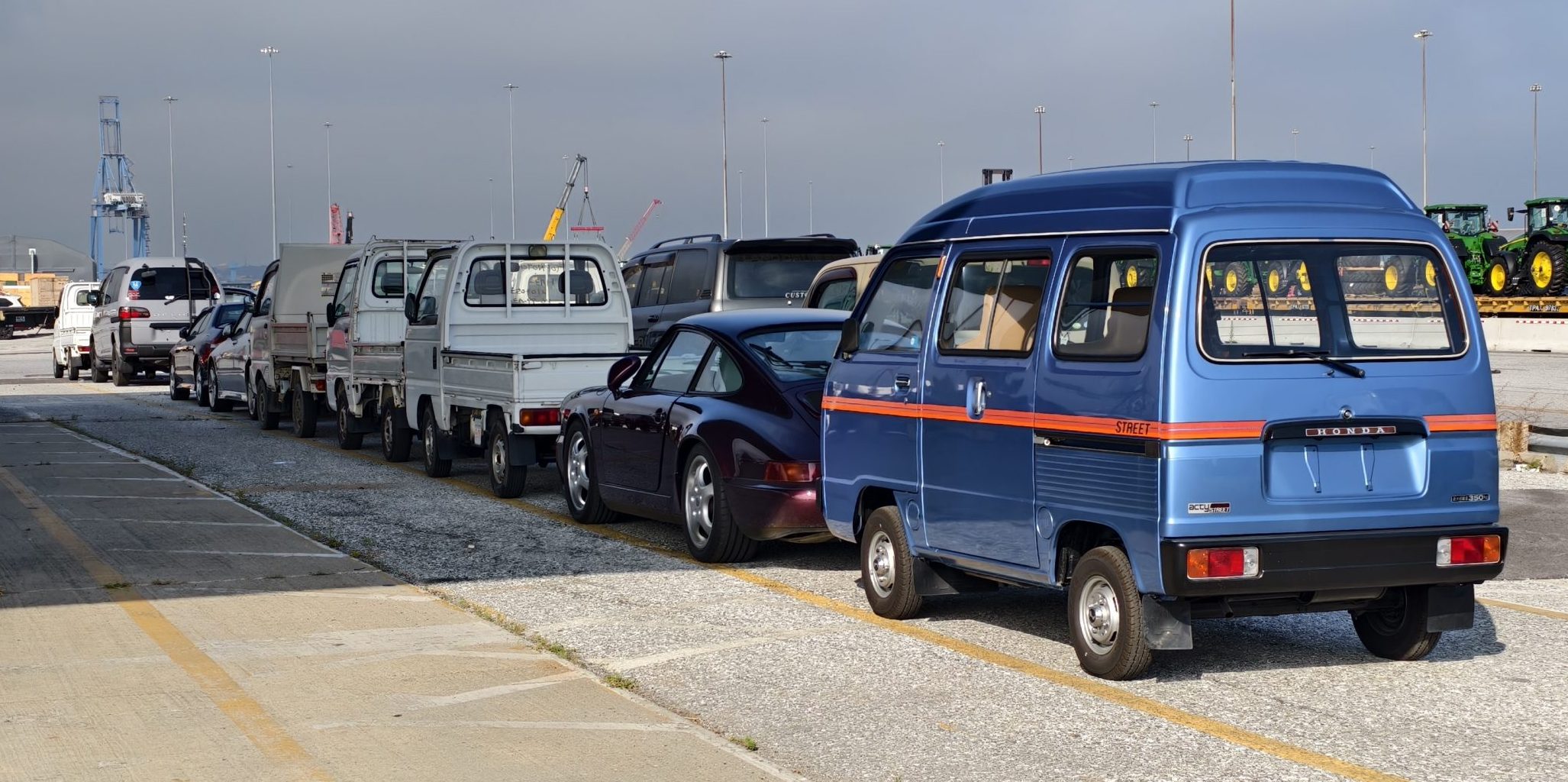
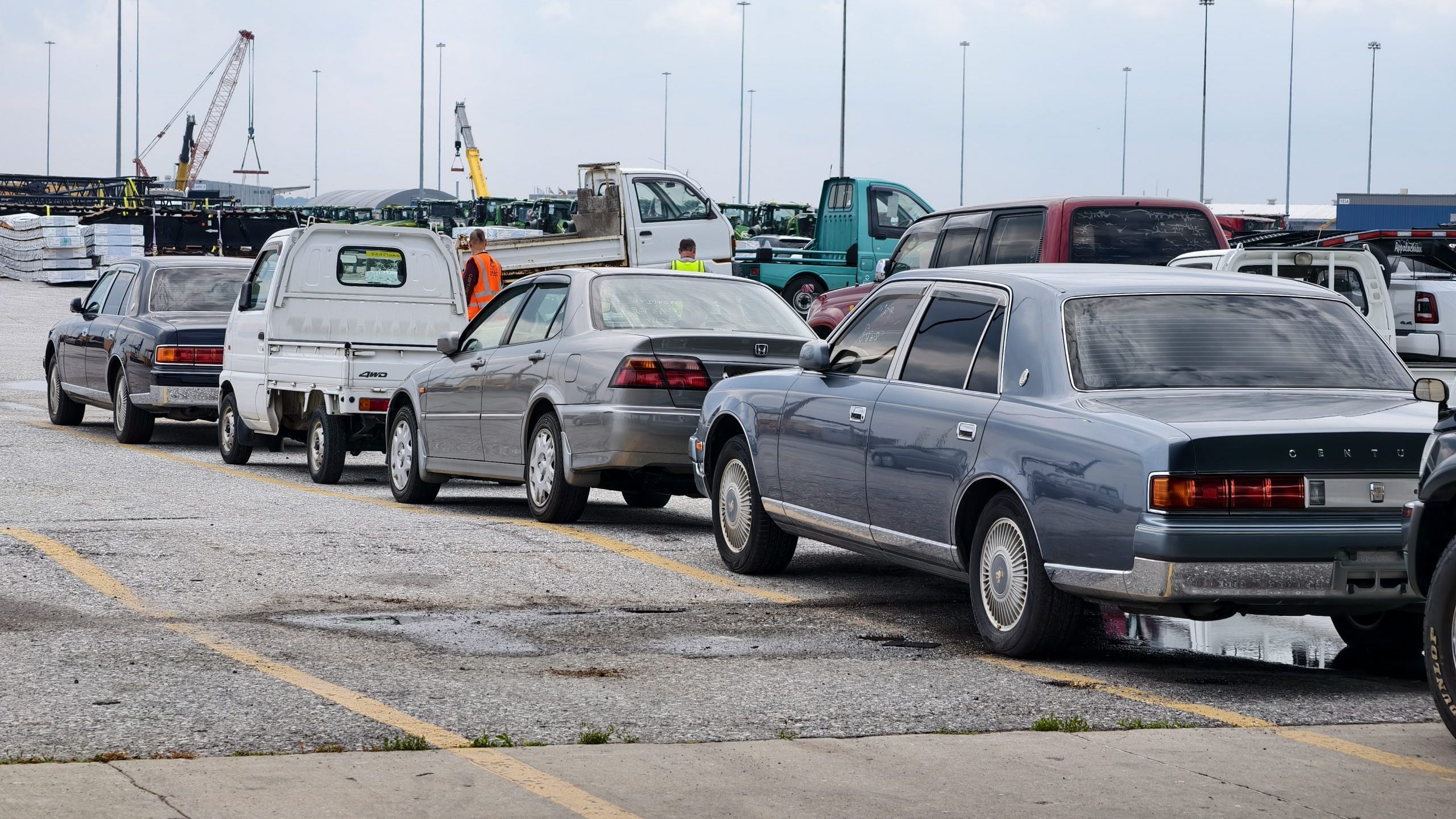
Sure, you’ll see the usual suspects like the Toyota Crown, Toyota Century, Nissan Skyline, and countless Kei trucks, but then there are some real oddballs.
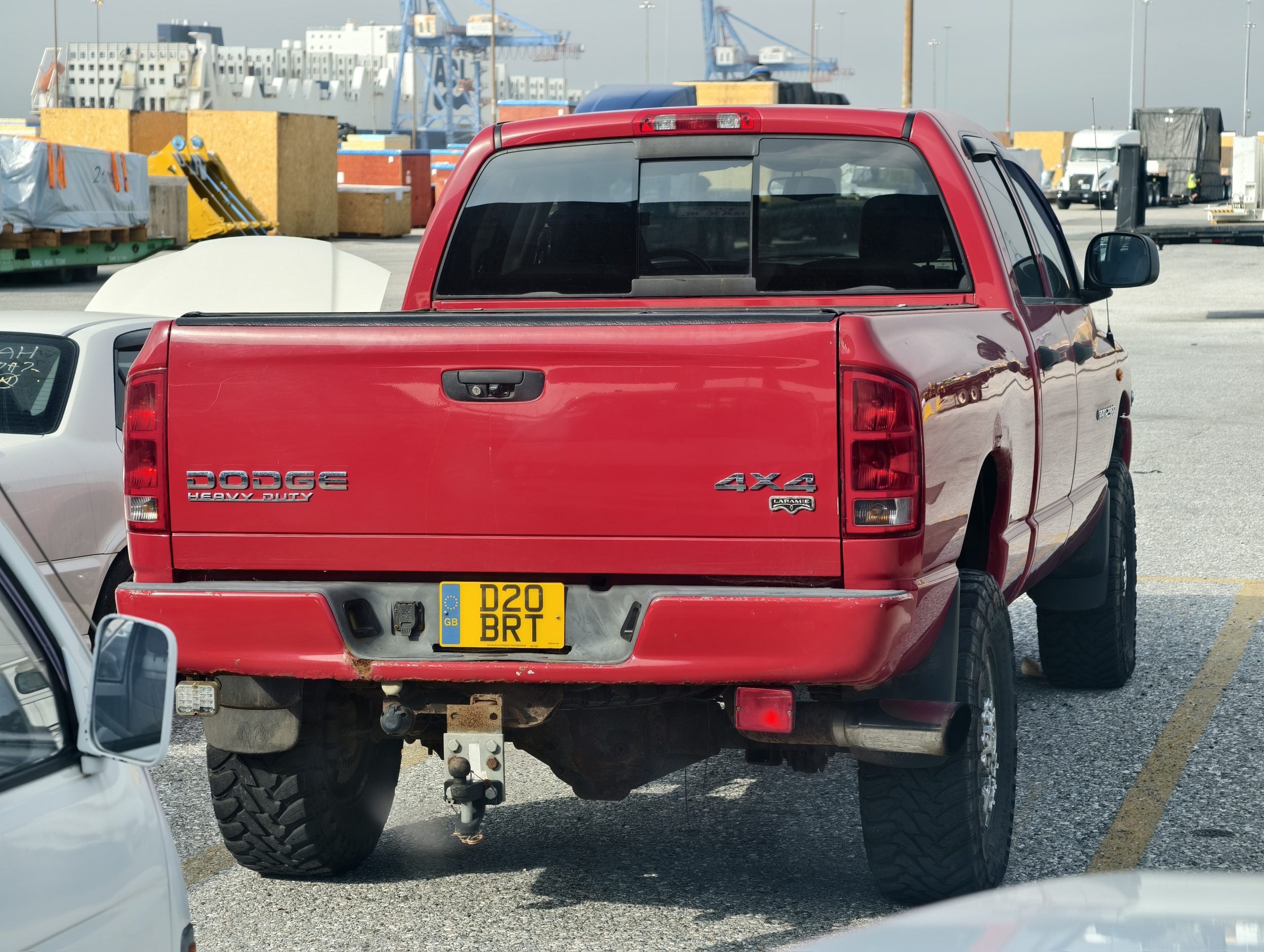
Check out this rusty Dodge Ram 2500, which came from the United Kingdom. Note how the original reverse lights were converted into amber turn signals.
Then there’s this Japanese market Nissan Cube!
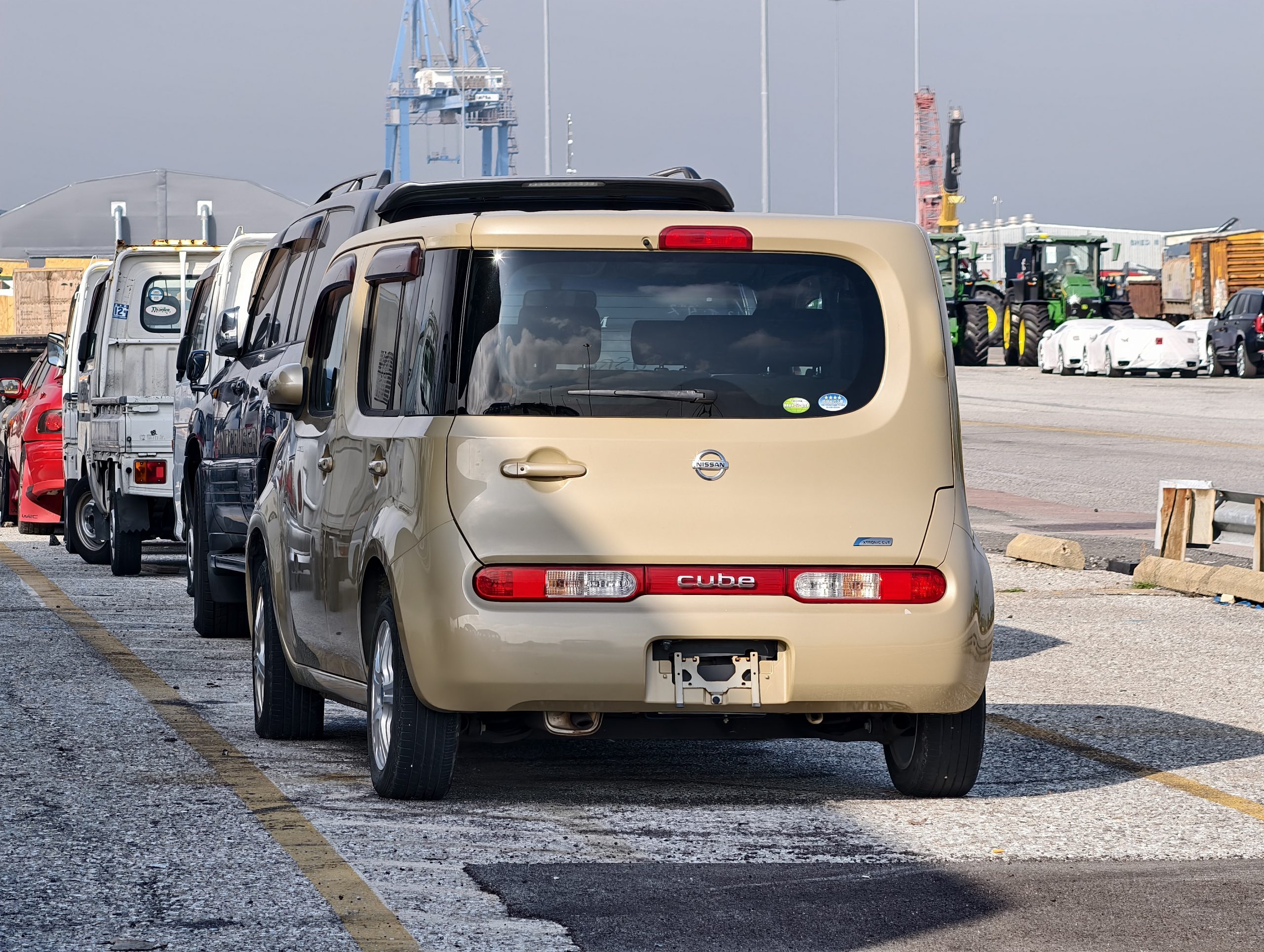
My photos show that this car was parked at the Shed 12 lot back in May when I picked up my Honda Life. I wonder why it’s still here? The second-generation Cube launched in 2008, so I wonder if this car’s legality might be up in the air.
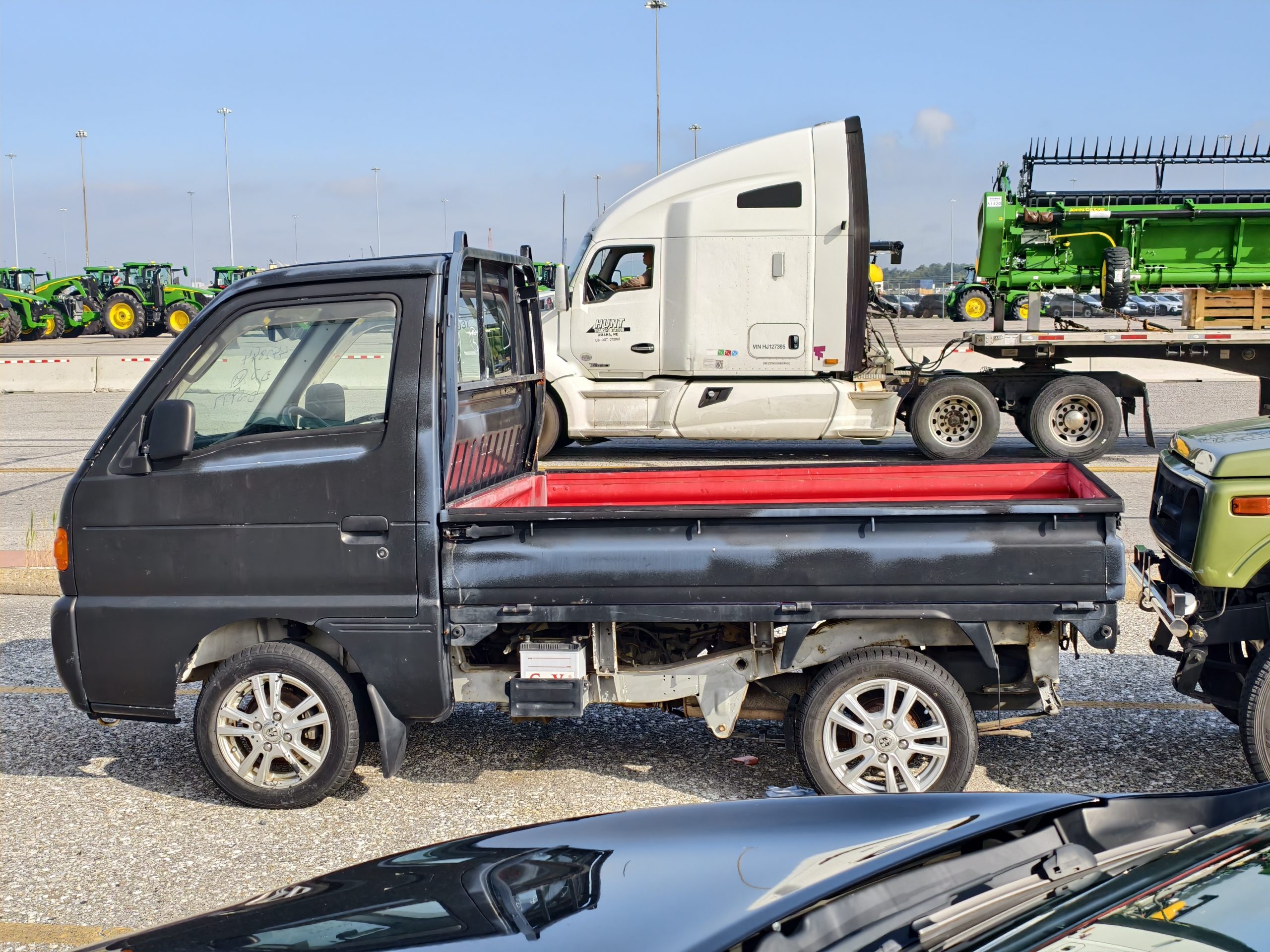
This Suzuki Carry has also been sitting in the port for quite a while.
Most of the cars in the lot are going to be JDM stuff, but there’s also usually a smattering of Euro fare, usually Minis, Porsches, Ferraris, and the occasional Fiat.
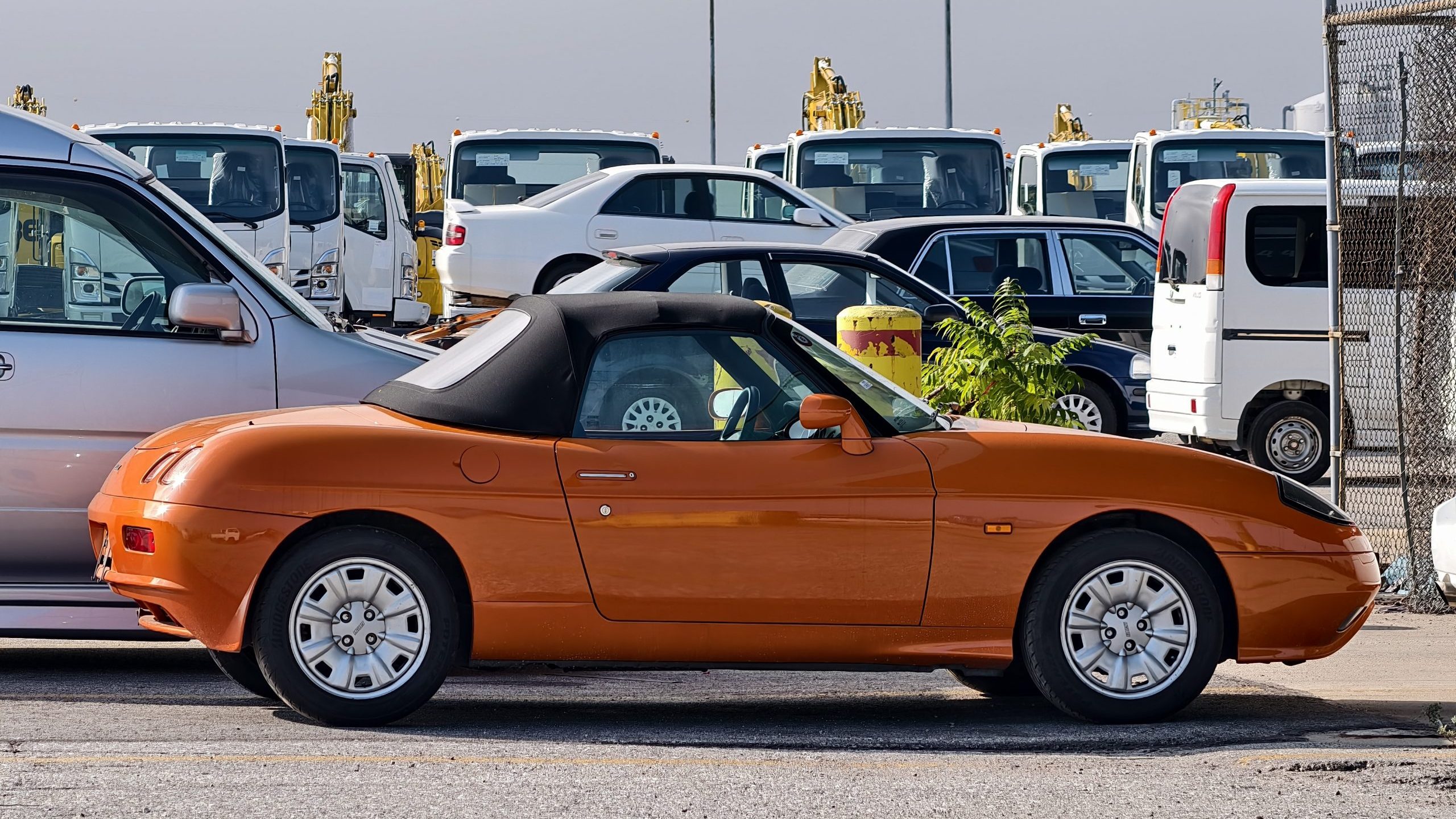
Now, you may wonder about how these cars are spaced. The stevedores sometimes pack these cars in like sardines, and I bet you’re wondering how you’re supposed to get your car out. The simple answer is that this is really easy because all of the cars are unlocked and the keys are in them. If a car is blocking your way, you just hop into it and move it.
Ideally, this isn’t a problem because the general public doesn’t have any access to this area. However, in practice, any yahoo picking up their car can hop into the car that you just imported and bump it into another car while moving it. Theft is also rampant in the yards, with people snatching shift knobs and other interesting parts. If you’re shipping a car with some sort of easily removable and desirable part, it’s probably best to have that part removed and shipped separately before your car is loaded onto a ship.
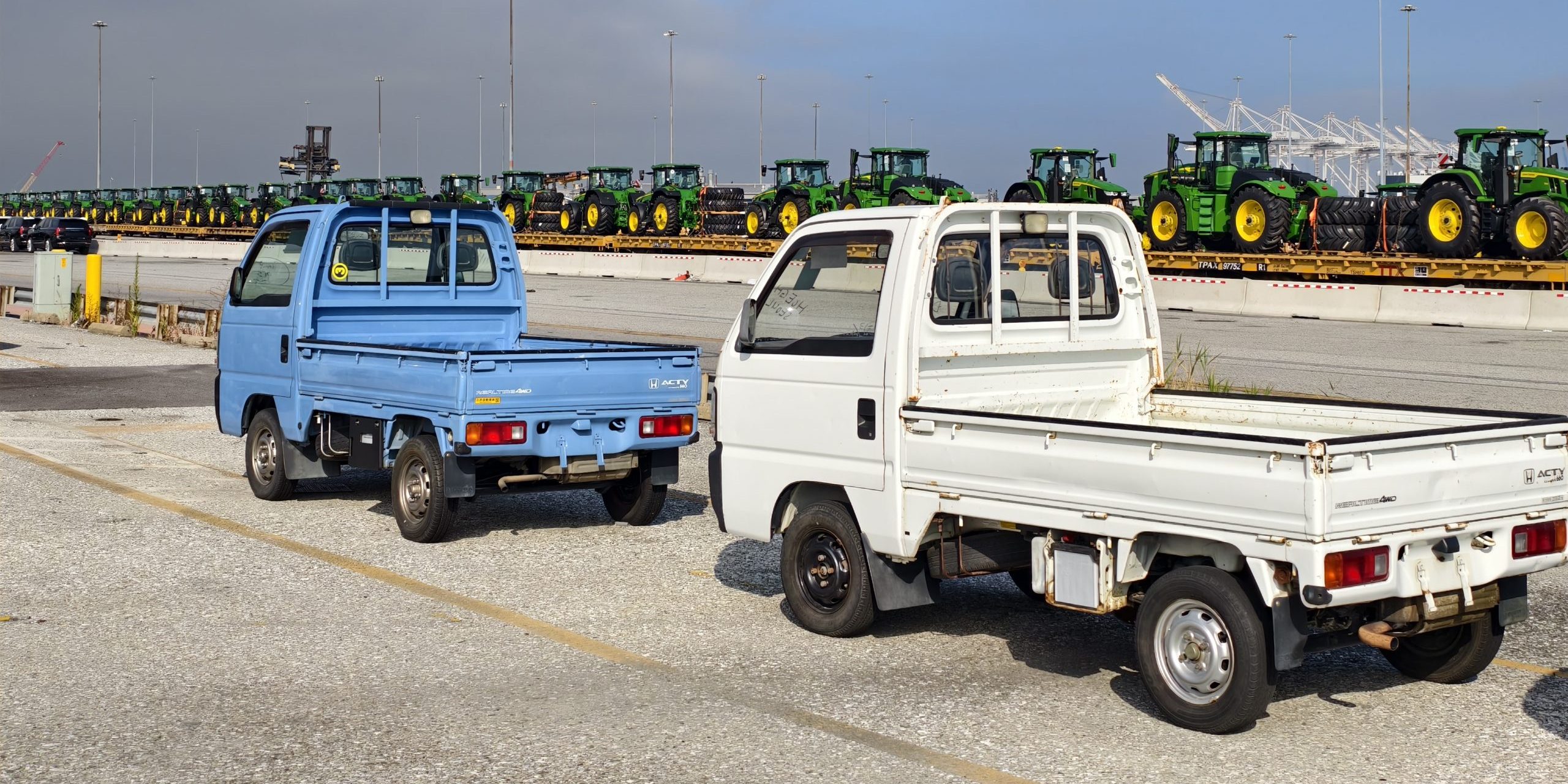
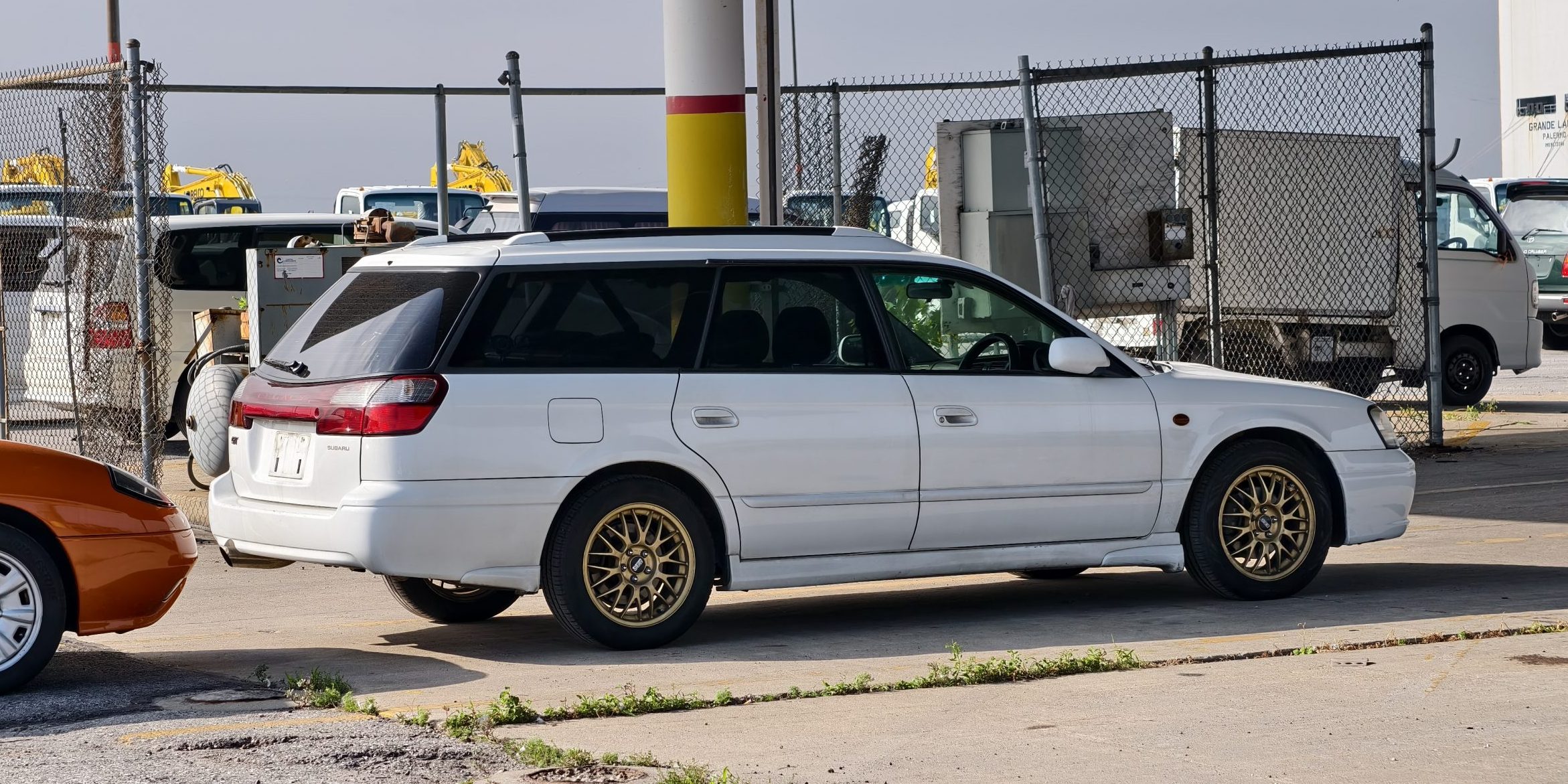
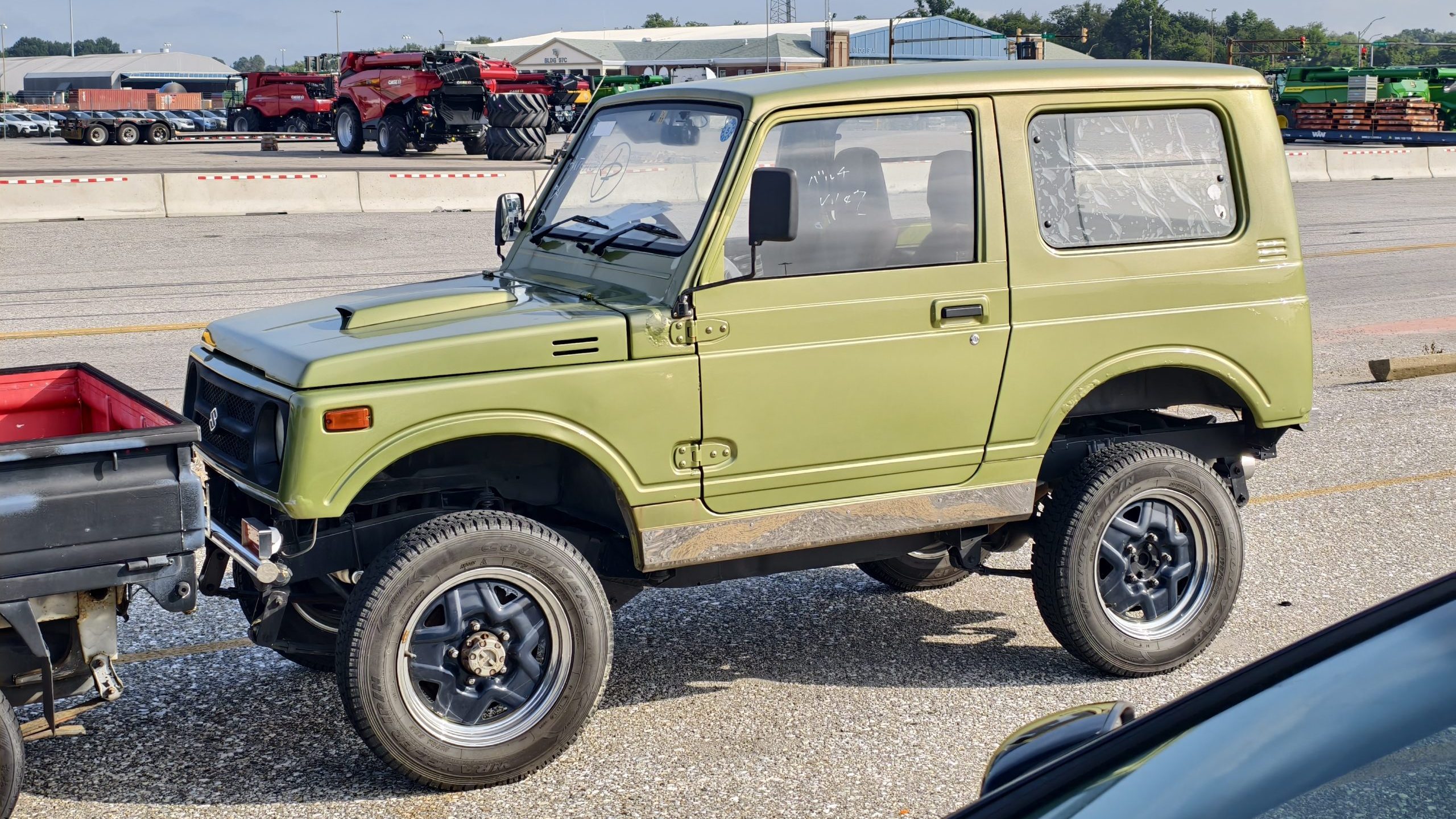
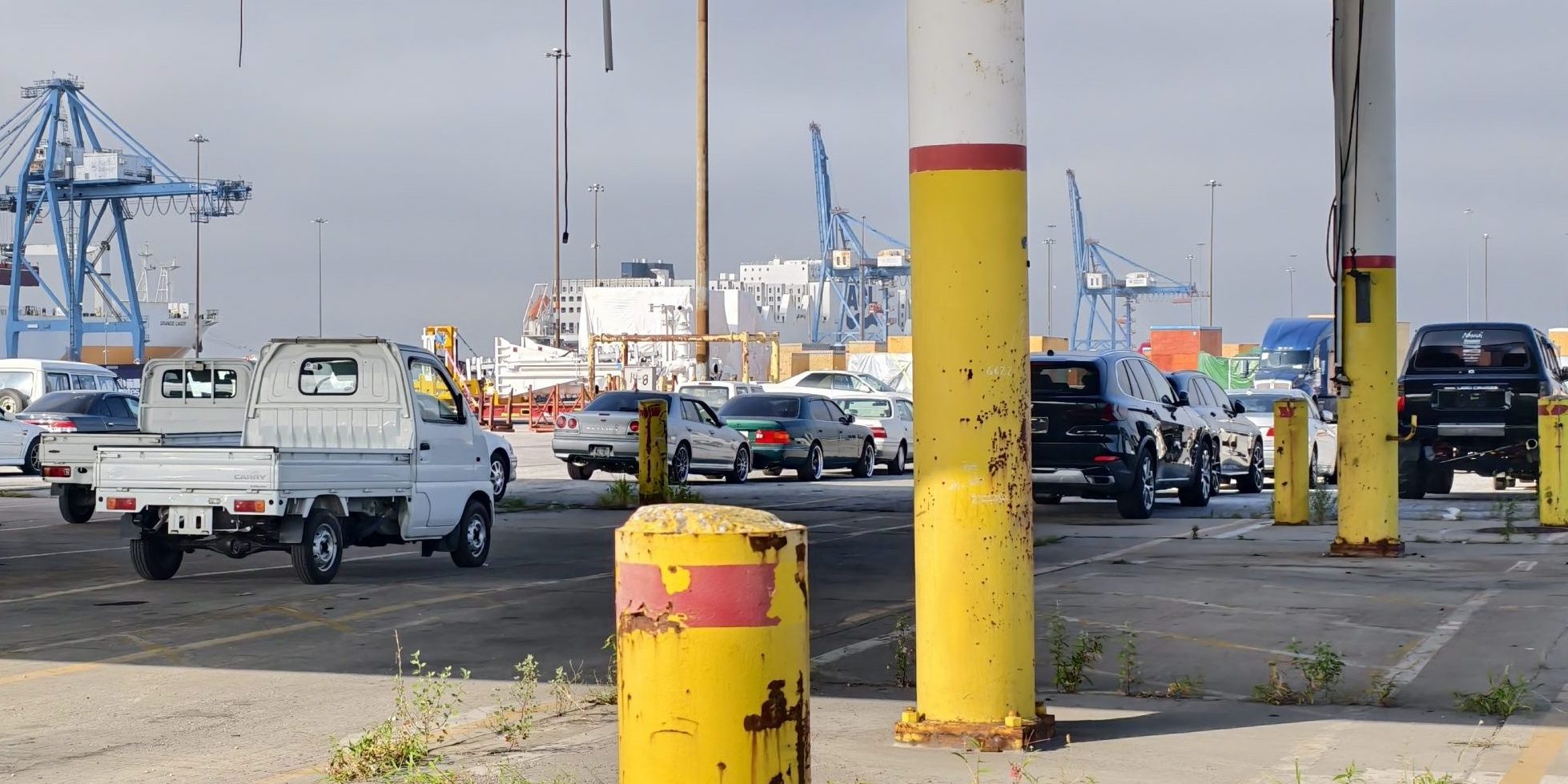
What I found at Shed 12 this year was cool, but what I found back in 2021 at the other side of the Dundalk terminal was even cooler. Check these out:
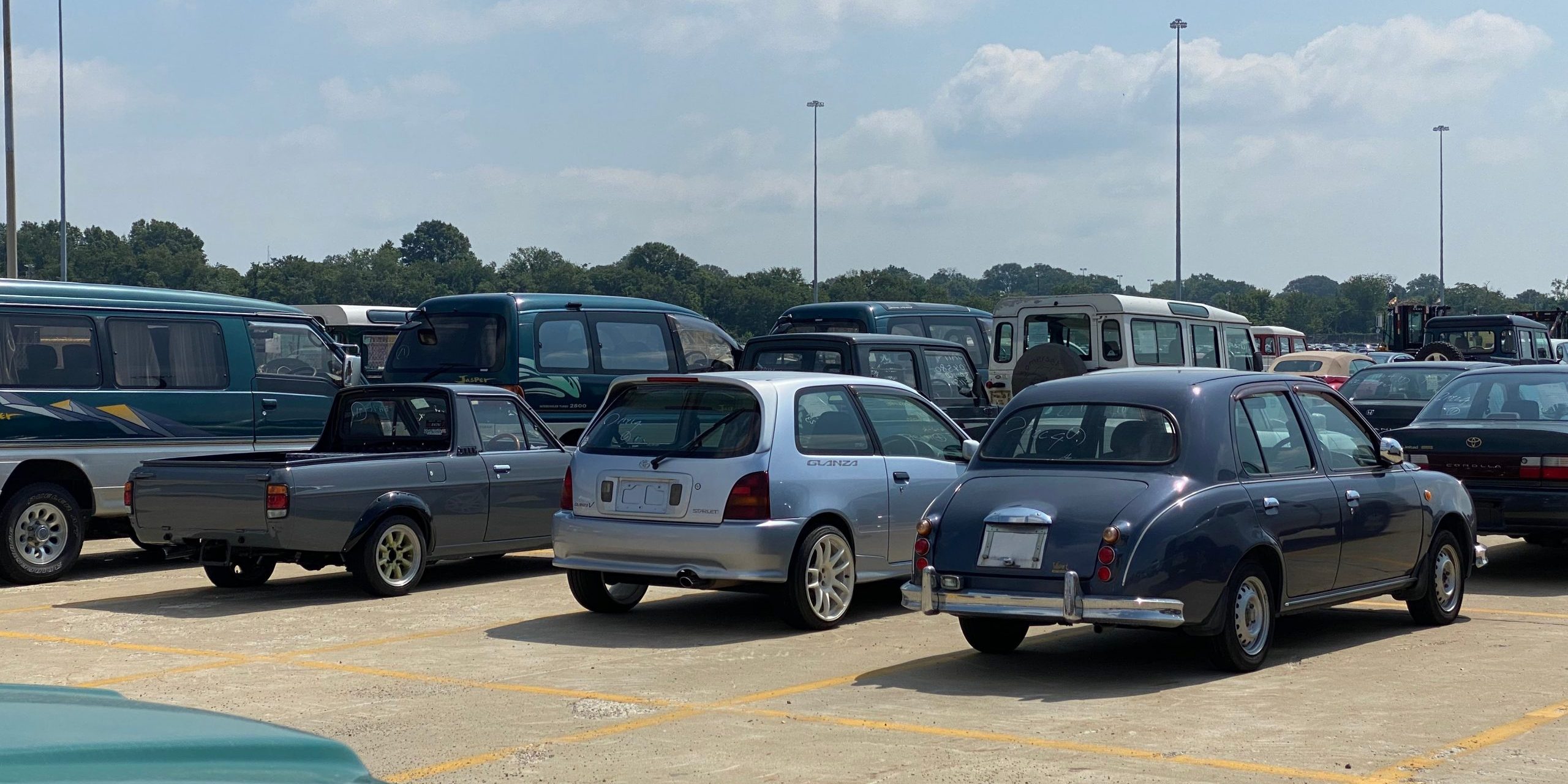
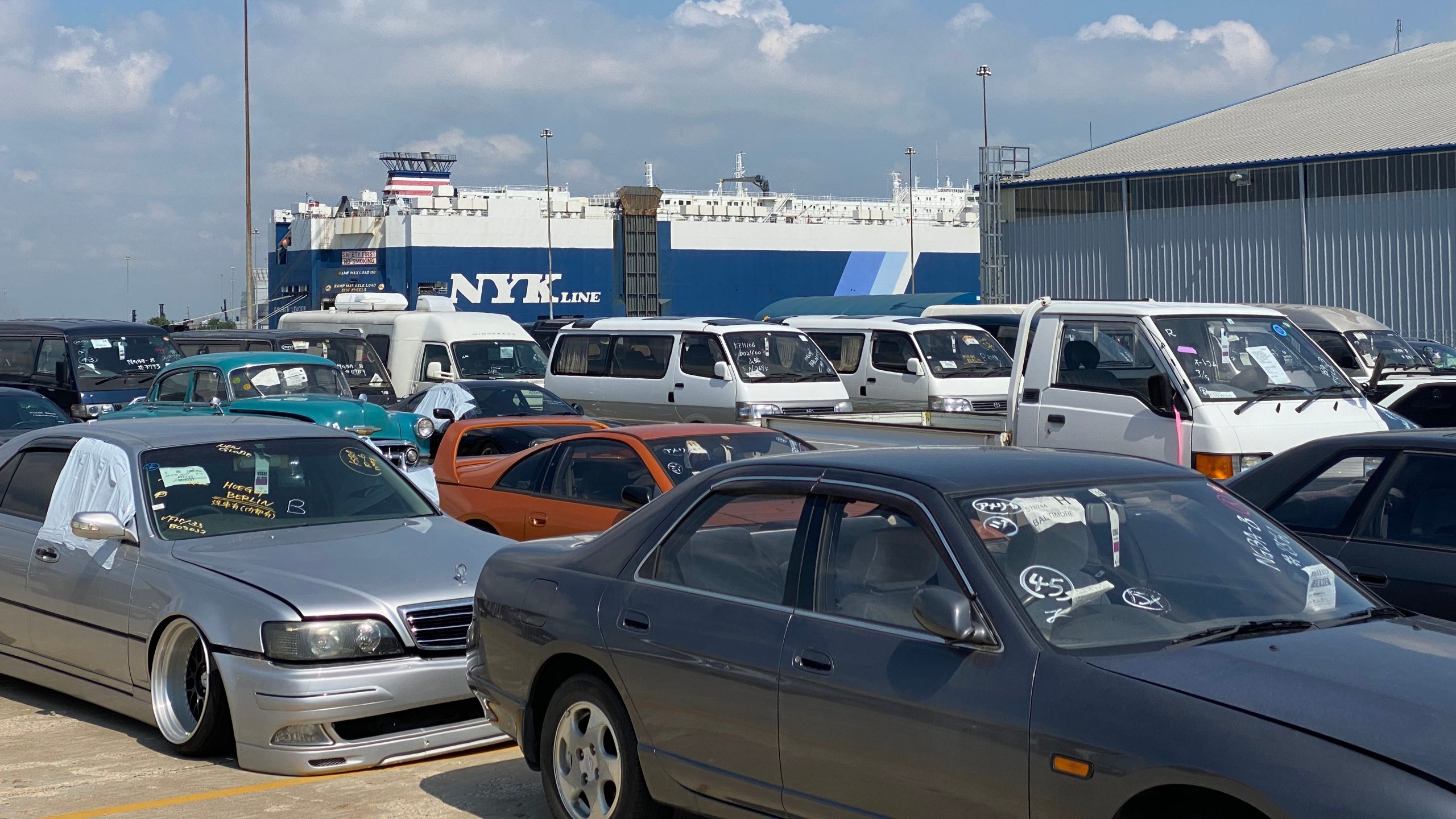
You may also wonder why I have only rear-end shots for some of these cars, and that’s due to time. You’re on a timer when you’re in the port, and you’re paying your escort for their time. You’re not really supposed to be messing around and going carspotting, but loading up and getting on your way. The timer doesn’t stop until you’re ready to leave. Remember, your escort is probably going to go on another call immediately after you’re outside of the gate, so the more time you spend messing around, is more time someone else has to wait. I’ll snap a few pictures while I’m loading up, but I’m not going to walk around the lot with my camera.
One more note I have is that you shouldn’t be surprised to find your car covered in dirt and with a dead battery. Remember that while your car is given a very basic exterior cleaning at its departure port, it’s going to sit in a ship for a month and then sit in the port. It’s going to get dirty, and depending on your car, sitting in a ship for a month will be long enough to kill its battery. Thankfully, you are allowed to bring tools into the port, and the port also has guys driving around with jump packs and other basic tools.
Every Enthusiast Should Go To A Port
The whole port experience is absurd when you think about it. There’s a mountain of paperwork, everyone wants money out of you, someone has to babysit you while you’re in there, and you’re picking up a car that, until that moment, you have likely seen only in low-resolution photos. You have to do all of this in a short timeframe, too. It’s enough to stress anyone out.
Yet, I think going to the port is an amazing experience. You get to witness the mechanisms of global trade with your own eyes. You get to look at huge ships and cool cars while working with folks who honestly have some really awesome jobs. My escort told me that there’s always something awesome going on in the port, from people importing racing boats to people importing cars you’ve never seen before.
Really, going to port is an experience that perhaps most car enthusiasts should go through at least once. It’s so fun and so different than anything else that it’s something that you won’t forget. The next time you import a car, forget about paying a shipper, go to the port yourself!
The post I Just Picked Up My Cheap British Roadster And Found Out America’s Ports Are Secretly Car Enthusiast Paradises appeared first on The Autopian.