I like to refer to the cars people need just to get to work every day (sometimes affectionately) as “toasters.” Appliances. So many people don’t care about cars the way enthusiasts do, and they want in a car what enthusiasts want in a good dishwasher: ease of use, reliability, practicality – the boring stuff an appliance (hence toaster) needs to be good at. Some automakers have really nailed the boring stuff. It’s clear that, at least in the case of the 2027 Bolt, Chevrolet has. I’m not sure why Chevy ever opted to kill this, or why, if you just want a car to go to work in, you wouldn’t be looking at this incredibly cheap EV.
Under The Hood Of The Latest Bolt
Chase Bierenkoven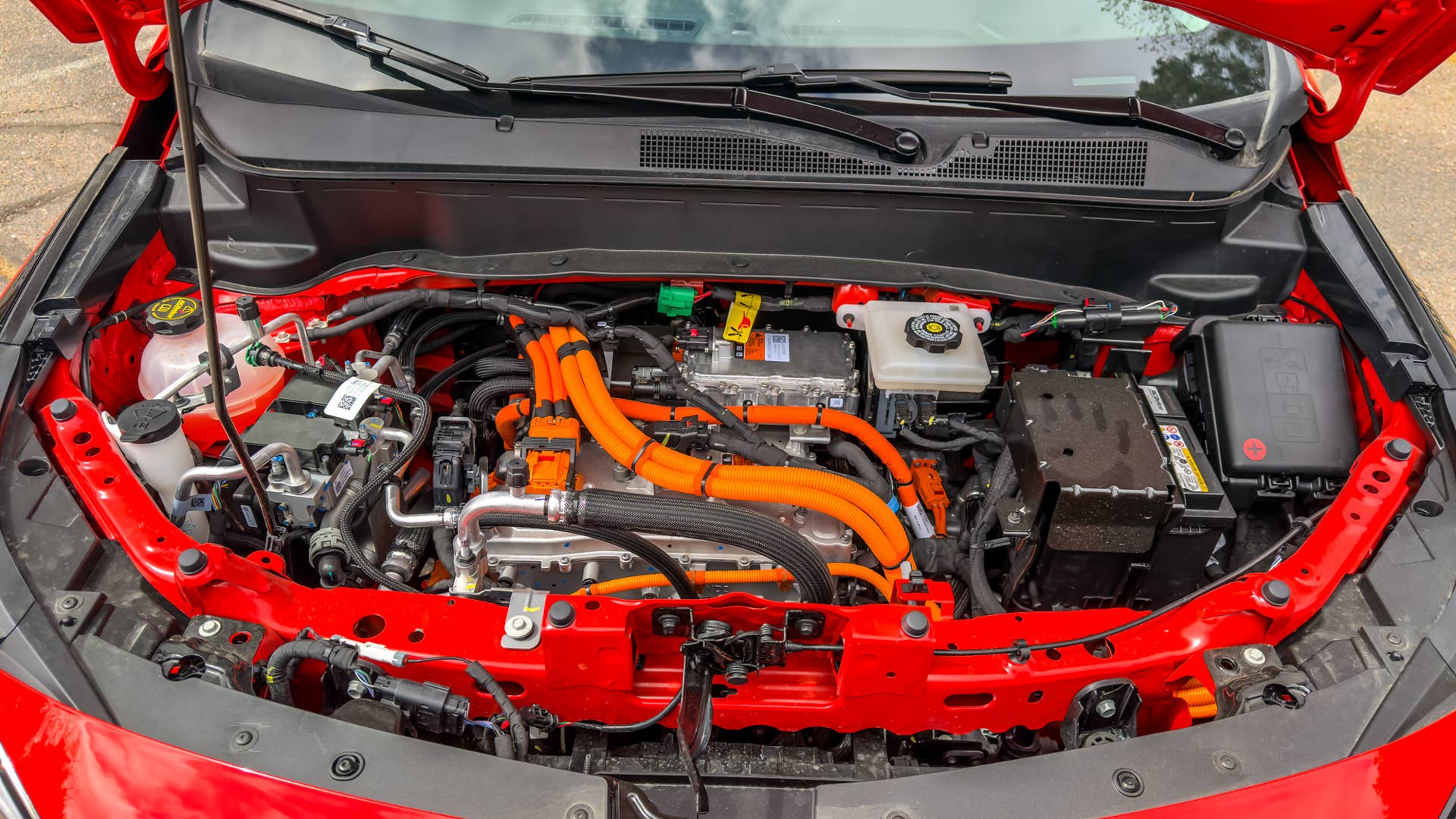
Part of the Bolt’s new, much-improved redesign is what’s under the hood. The Bolt’s 210 horsepower doesn’t sound like much, but it’s hot-hatch-fast. The instant torque is excellent, and spins the front wheels exclusively. The Bolt is downright fun to drive, and feels like the first Chevy economy car I’ve driven that actually earns the RS badge on its flanks. The car allows for three levels of brake regeneration, too, which allows for one-pedal driving. It’s great for traffic, but GM’s hands-free Supercruise is a (pricey) option if you’d like to drive even less.
Chevrolet says it offers around 262 miles of range on a charge through the 65-kilowatt-hour battery pack. The biggest benefit, though, isn’t range. The new Bolt brings with it improved charging. At a DC fast-charging station, the battery pack can go from 10 to 80 percent charge in just 26 minutes. By the numbers, that’s a maximum of 150kW in peak charge speed, up from 55kW in the outgoing model. It’s a massive improvement. Chevy also includes a Tesla-style NACS adapter, which enables charging across the Supercharger network.
The Chevrolet Bolt Is America’s Cheapest EV, But Doesn’t Feel It
Chase Bierenkoven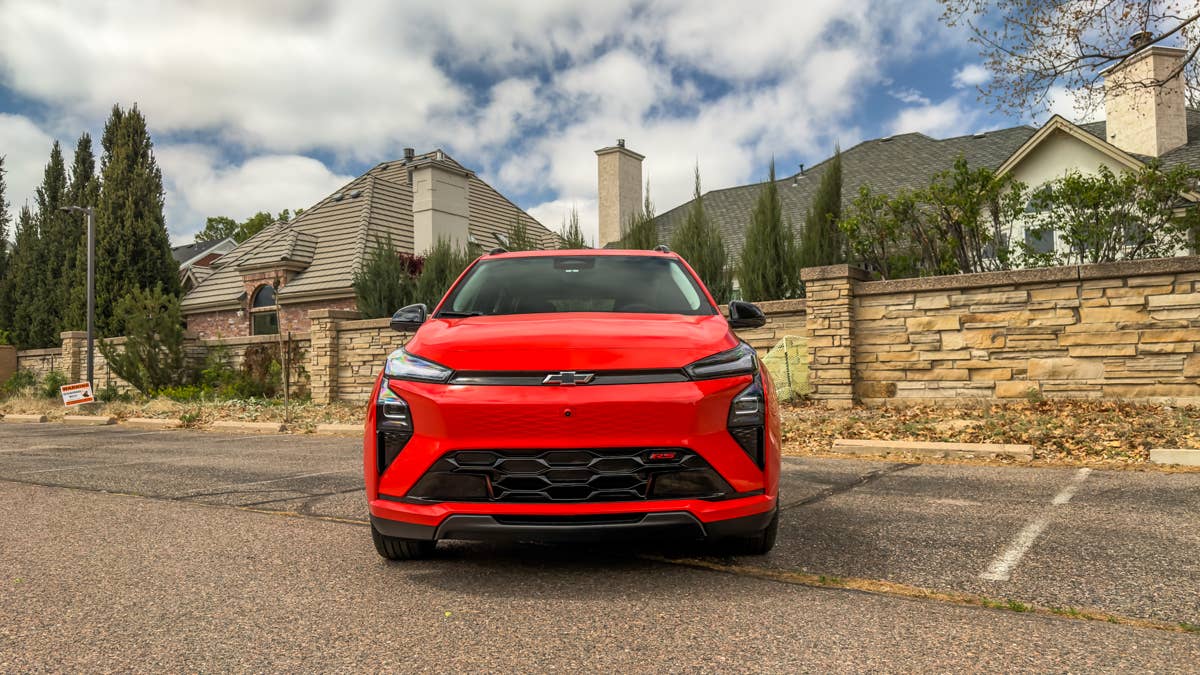
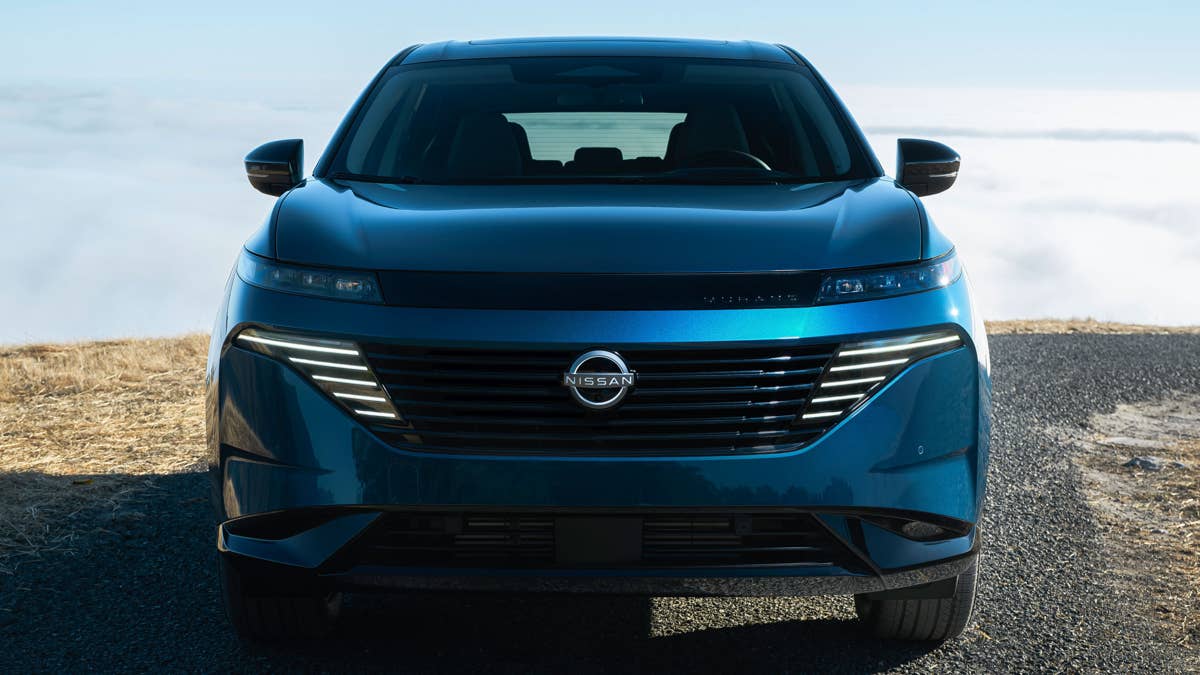
Starting at $28,995, the Bolt is America’s cheapest EV, beating out the Nissan Leaf, which starts at $31,535. We sampled a loaded RS model, which nets you a few improvements for $32,995. By and large, what Chevrolet is doing here is encouraging buyers to get the RS by packaging many of the LT’s optional packages into the upper trim as standard. That includes a comfort package, with items like a heated wheel and seats, an auto-dimming mirror, and a powered driver’s seat. An Evotex package adds ventilated seats and other luxuries to that, while a sunroof package is still optional.
As for RS models, these offer an additional Tech package that includes a wireless charger, digital rearview mirror, surround-view camera, and automatic wipers. You’ll have to order that if you want Supercruise. Regardless, though, the new Bolt feels like a tremendous value. Even with all the goodies, our Bolt came to just $36,725 with destination charges. It’s seriously cheap, and largely, upper trim models don’t feel it. There are, however, some notable caveats to this.
Need New Tires? Save Up To 30% at Tire Rack
Find the perfect tires for your exact vehicle and driving style. Click here to shop all top-tier brands, including Michelin, Bridgestone, and more, directly at Tire Rack.
The Bolt’s Biggest Weakness Is Tech
Chase Bierenkoven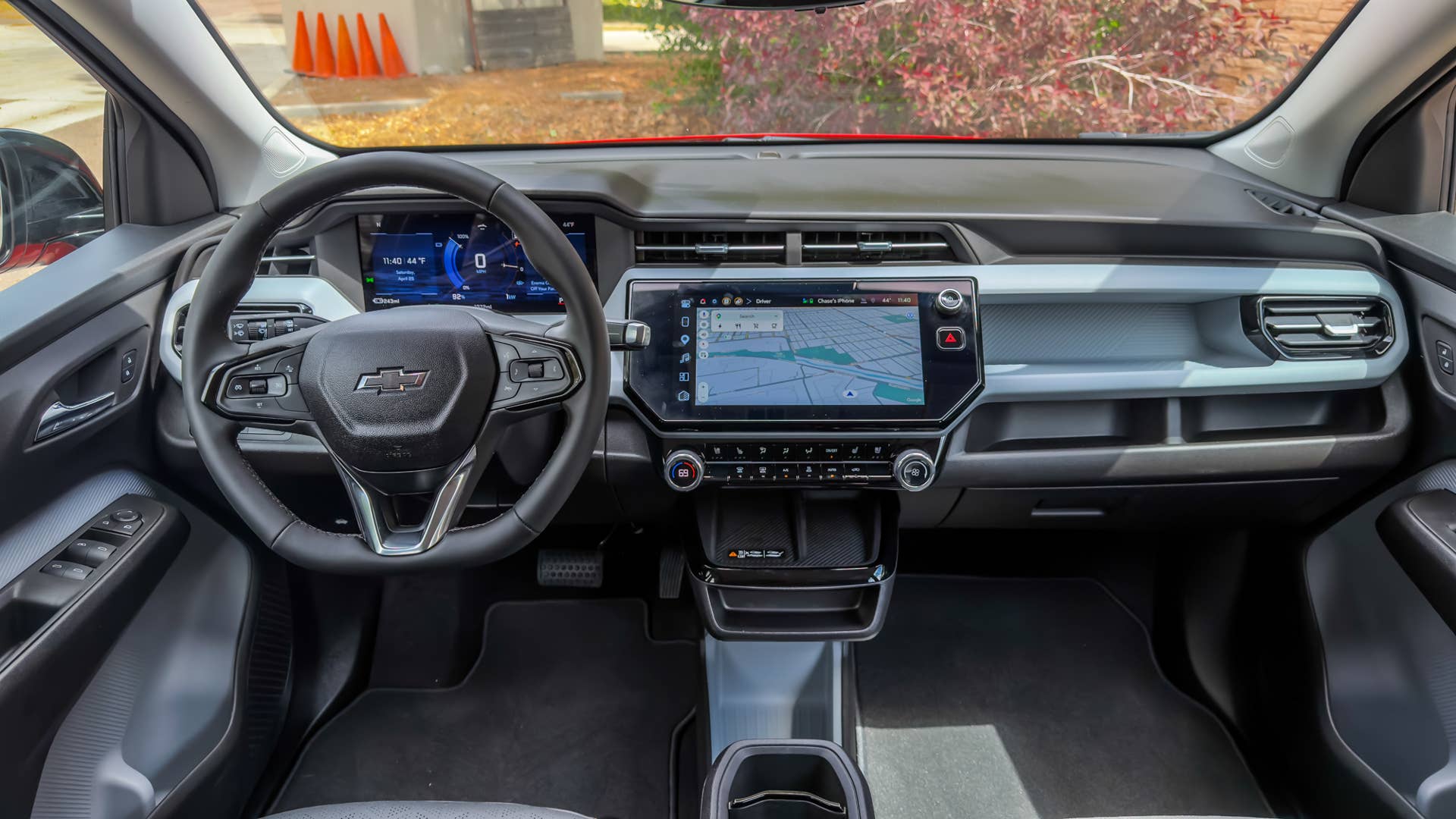
Chevy falls flat on tech. To get a car this cheap, corners have to be cut somewhere. Here’s the problem: Chevy has ditched third-party phone projection like Carplay and Android Auto. That means you’re left with whatever metadata the system can scrape off your phone when you want to view messages, take calls, or interact with your phone hands-free. It feels like stepping back a decade or so. Names sometimes don’t look right in call logs, texts are read through in an overtly robotic voice, and the lack of familiar controls meant I just ended up picking up my phone half the time to get around it. All this isn’t great, and it’s topped off by a glossy, cheap-feeling screen that’s angled, for some reason, skyward. Your view of the screen will primarily be the following: full of fingerprints and glare.
Chase Bierenkoven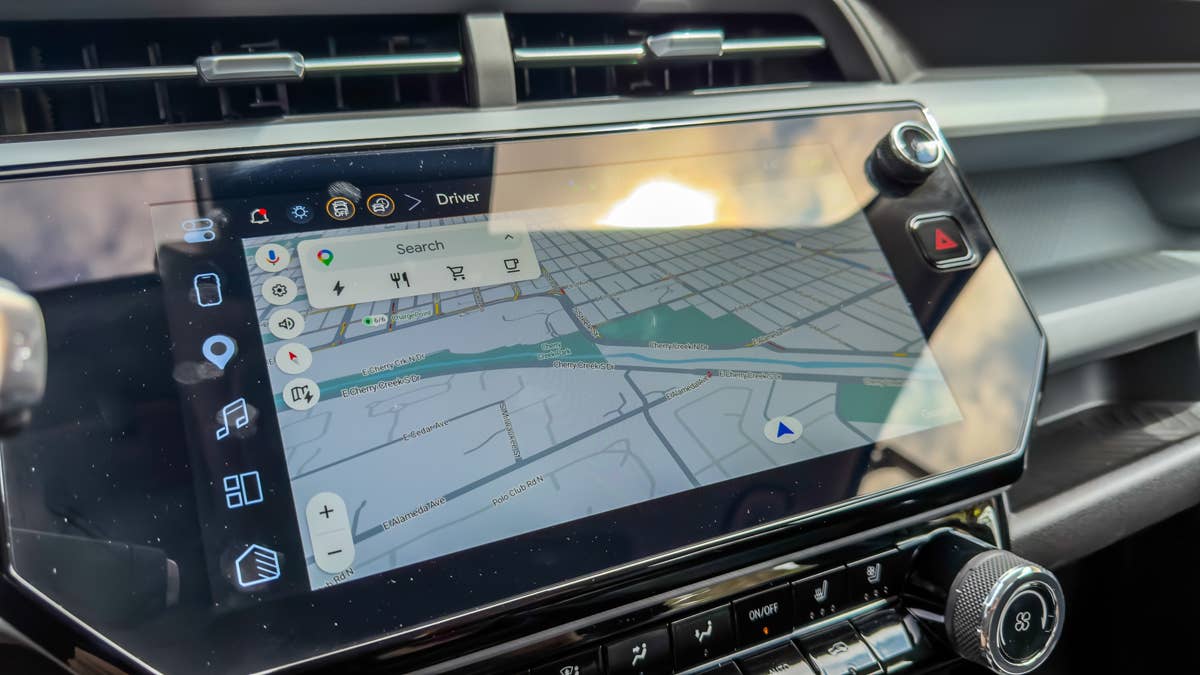
Chevy also guts many of the car’s auxiliary controls and moves them to the screen. There’s no button to start your car. It’s infuriating in a sort of Cyberpunk 2077-Bladerunner-iRobot kind of way. The missing $3 button that got left at the factory in Michigan means it requires multiple taps of the sometimes laggy screen to get the car to stay on, so your passenger stays warm while you run inside to FedEx, or while you hop out to go put something in the back seats, or in any number of other circumstances you just want the car to stay on. Light controls and one-pedal driving are also buried behind menus. At least there are buttons for everything else, because without those and the native Google Maps, this thing would be hopeless.
This EV Is Massively Practical For So Small A Car
Chase Bierenkoven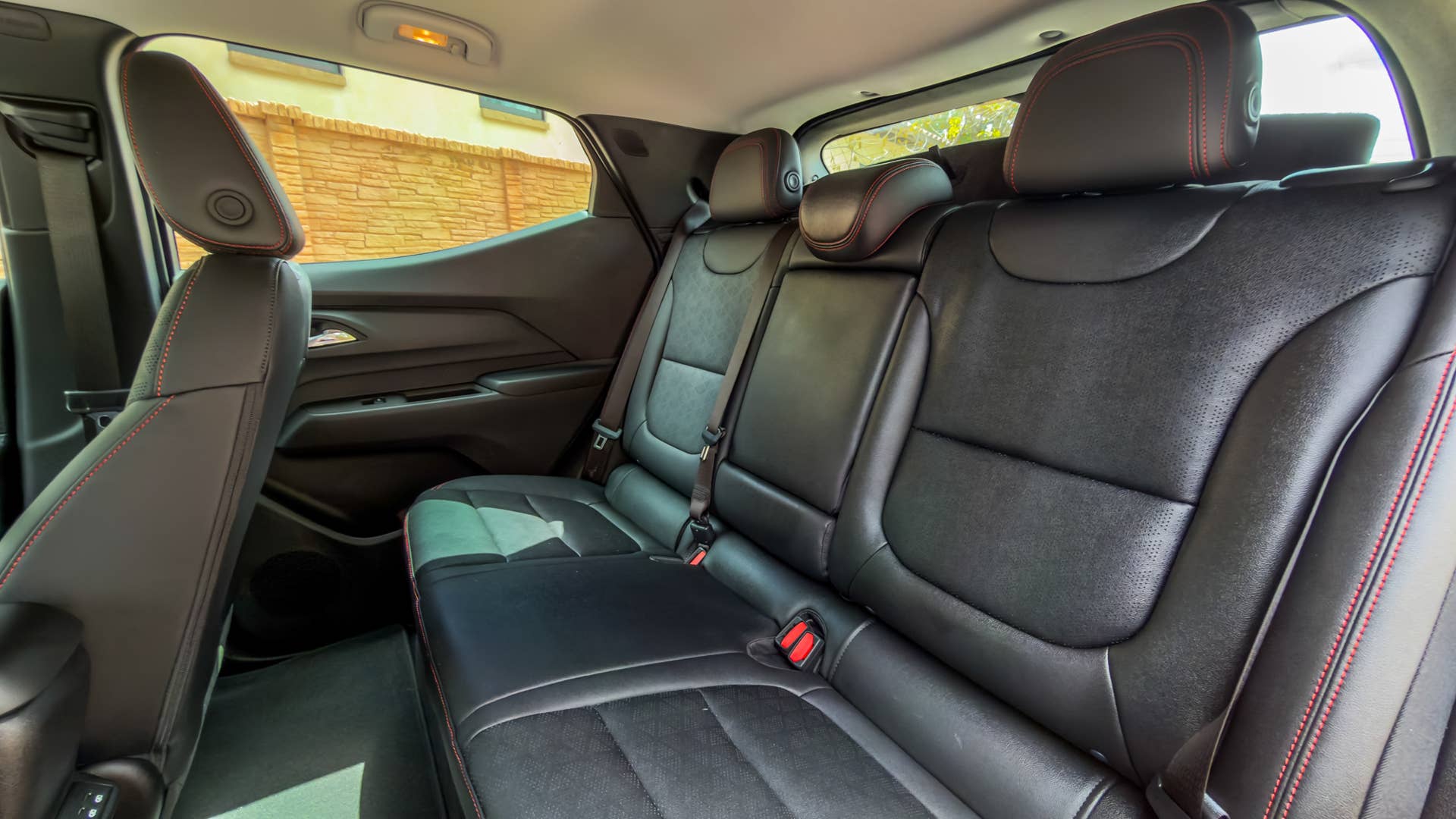
Put up with the shoddy tech GM will no doubt backtrack on within a decade, and what’s left is an abundantly practical interior that’s a truly nice place to spend time. With a comfy ride and seats, the EV experience made me never want to commute in a gas car again. There’s also storage, and lots of it. The Bolt’s trunk has a false floor, letting you stow seriously huge items in the trunk, which belies its modest 16-cubic-foot stat line. The floor is flat in front of the passenger seats, too, which makes fitting longer items easy. The dash is full of cubbies, too, so the small things stay in place. It’s a thoughtful interior that makes you wonder what everyone else is doing.
We Need More Cars Like The Bolt
Chase Bierenkoven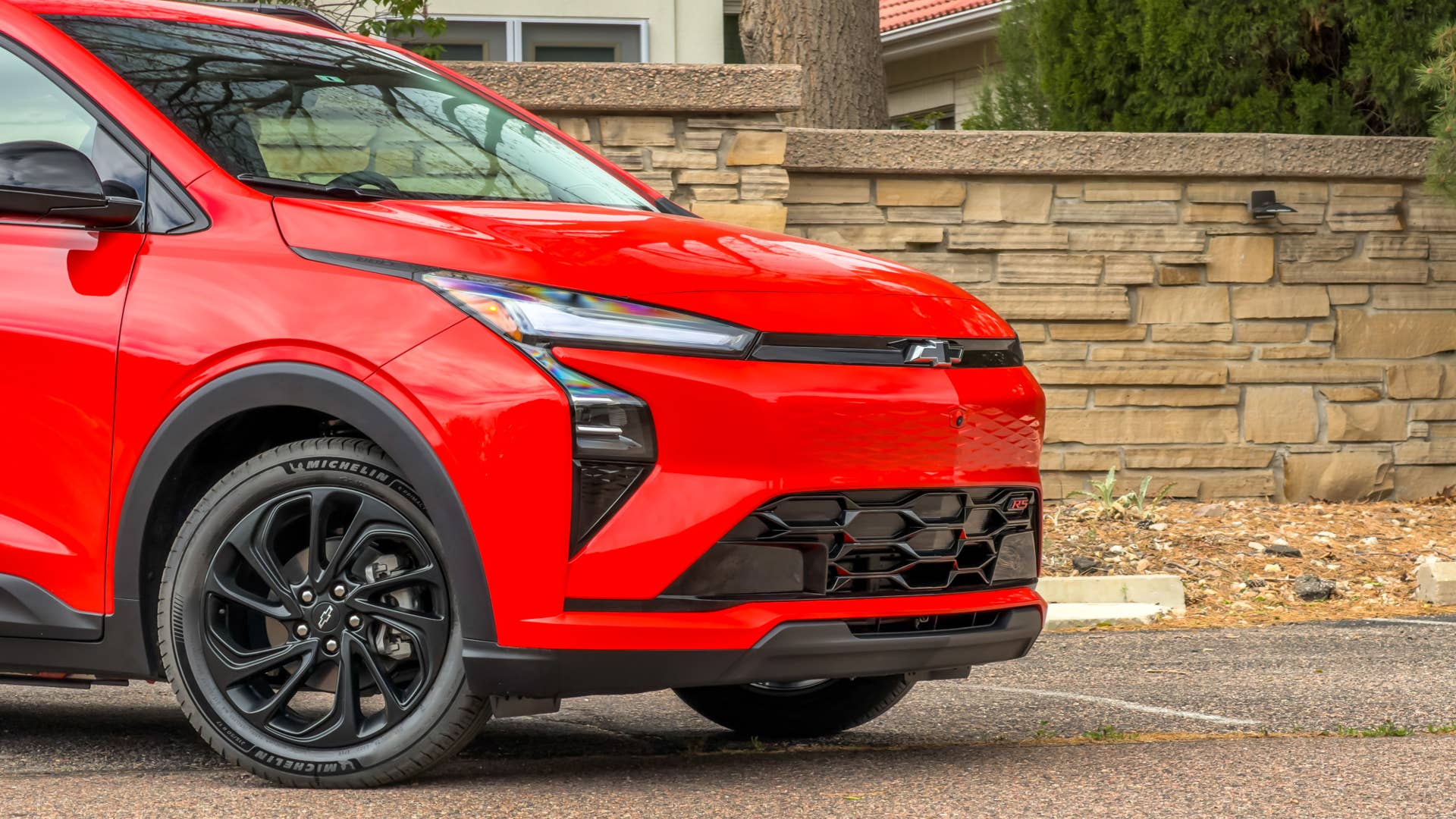
I fail to see why everyone in a Toyota RAV4 from five years ago isn’t in one of these. Does your state not have incentives? Do you not care about the environment? Are you scared to plug the car in? Quit screwing around. $35,000. That’s like, free, in the grand scheme of new car pricing. It’s not actually, but it’s still darn cheap. Chevrolet hasn’t hit a home run like this in forever, and I fail to see why we aren’t all commuting in little electric toasters (term of endearment now) just like this one.