This year’s storm season has been rather explosive. In the past few days alone, more than 35 million Americans from Texas to Wisconsin have been hit by both tornado warnings and actual tornadoes. If you didn’t get hit by a tornado, there’s also been more than enough rain to cause destructive and hazardous flooding. I’ve been visiting my local storm shelter so much that I’m getting tired. I’ve even been caught in a car when the tornado sirens blared.
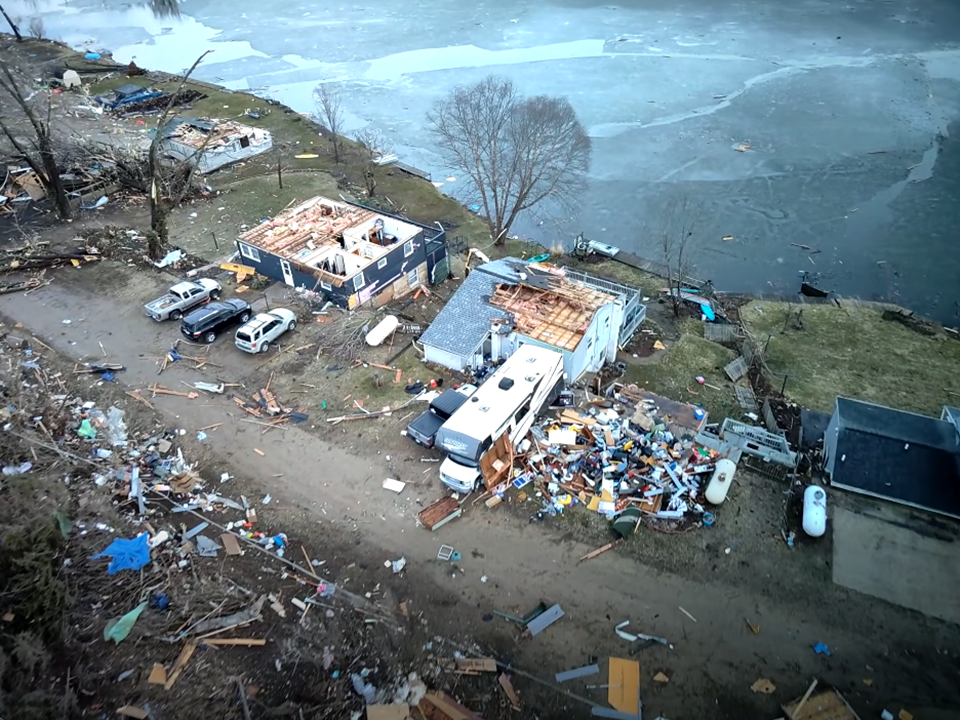
The midwestern storm season has been fierce. The National Weather Service in La Crosse, Wisconsin, issued 26 tornado warnings on April 17. The station says that’s the most tornado warnings it’s issued in a single day since the office was built in 1995. That storm produced 10 recorded tornadoes on that day, marking the area’s largest April tornado outbreak. A total of 20 tornadoes hit Wisconsin last week, four of which were in the southeastern part of the state.
Illinois has been hammered by storms worse than anyone this year. NBC 5 Chicago reports that Illinois has logged over 300 storm reports this year, including 115 reports of hail and 59 tornadoes. That report was written on April 11, before an additional 29 tornadoes touched down in Illinois on April 17 alone. Many Illinois residents who have thankfully dodged these tornadoes instead have to deal with flooding. I’m local to the areas covered in this CBS Chicago report below (click here if you cannot see it):
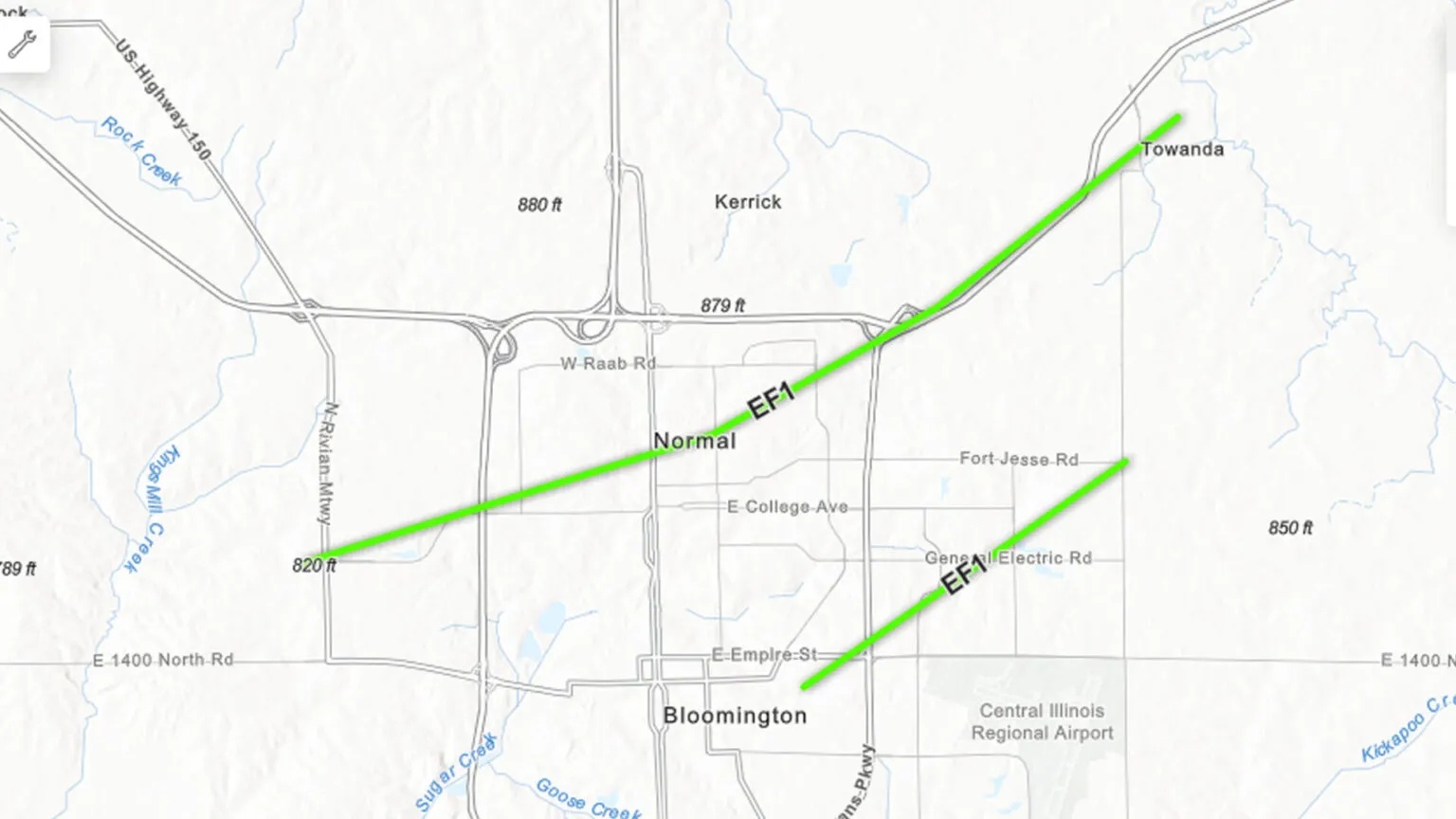
Yesterday, a bunch of reports indicated that Rivian’s plant in Normal, Illinois, had been hit by an EF1 tornado during the April 17 outbreak. Specifically, a parts storage area for the Rivian R2 production was damaged. The tornado that struck the plant was on a path that was up to 2,400 feet wide and produced winds up to 110 mph. It traveled 10.3 miles, going right through the heart of Normal. Another EF1 struck Normal’s sister city of Bloomington.
Thankfully, Rivian reported zero injuries, and while Rivian had to stop operations for the R2, that part of the plant is expected to come back online this week.
While awful, this year’s tornado season hasn’t toppled the Super Outbreak of 2011, when some 367 tornadoes spawned between April 25 and April 28, with 223 of those tornadoes occurring during a 24-hour period on April 27 alone. The 2011 storm season was the same one that produced the tragic EF5 tornado that devastated Joplin, Missouri, on May 22.
Tornado Safety
Storm safety is important, no matter the size of the outbreak. Tornadoes don’t just bring damaging wind, but also debris that flies through the air so fast that it could pierce through buildings. Tornadoes can and do level homes, and your car, even if it’s a pickup truck, can get tossed like a toy. Tornadoes will even derail trains. Look no further than this video from the early days of YouTube (click here if you don’t see the video):
The National Weather Service generally recommends responding to a tornado by getting as low as you can. If you’re in the Midwest, there’s a chance you have a basement, so go there.
In lieu of a basement, get to the lowest floor of your property, stay away from windows, and put as many walls between you and the outside as possible. Go to a small room like a closet, bathroom, or hallway. Don’t bother opening windows because that actually won’t help the structure. If you have time, cover yourself with a heavy table, blankets, or something else to protect you from debris.
If you’re in a tent, camper, or a mobile home, get out and find a sturdy structure. If you’re already in a car, it’s daytime, there’s no traffic, and you can see a distant tornado, drive away from the tornado at a 90-degree angle. Ideally, find shelter, and that shelter should not be an underpass. If you’re in a car and it’s nighttime or you can’t see the tornado, find the closest shelter. Even going into a ditch is better than staying in your car.
Many Americans who live in “Tornado Alley,” the loosely defined region of the central plains encompassing Nebraska, Kansas, Oklahoma, South Dakota, and Texas, are used to performing tornado drills, having proper storm shelters, and being prepared.
Illinois Has Been Wild
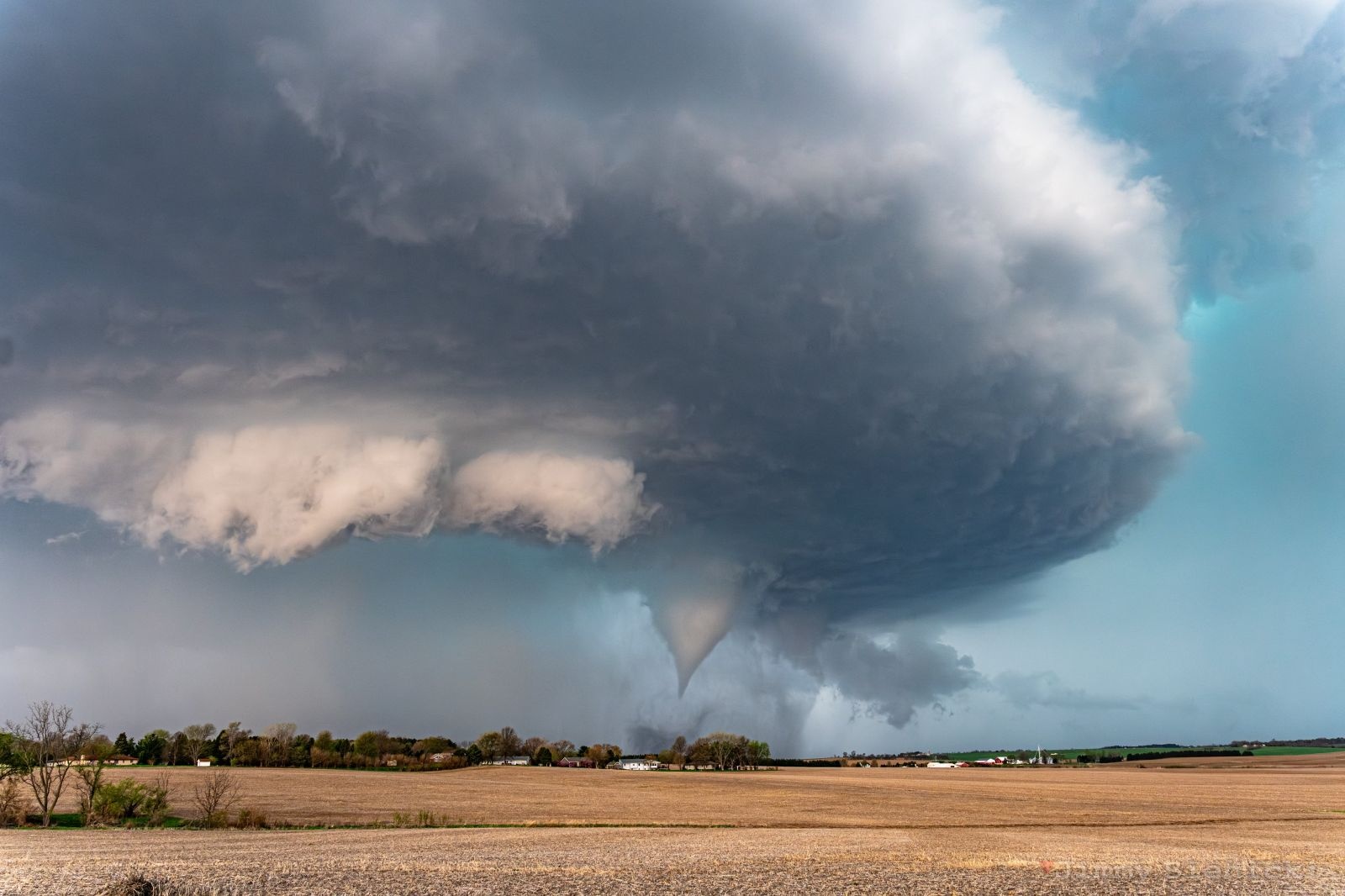
That’s not really the case up here in northeastern Illinois. Many of us haven’t seen a tornado for several decades. Indeed, while I have experienced several tornado warnings and have even seen my share of funnel clouds, I have only seen a single tornado on the ground in my entire life. When I was a teenager, there was even a bit of an urban legend that circulated in the local area. The speculation was that we don’t get tornadoes because we’re too close to Lake Michigan. Another story I’ve heard is that Chicago doesn’t get tornadoes because of all of the skyscrapers and the lake.
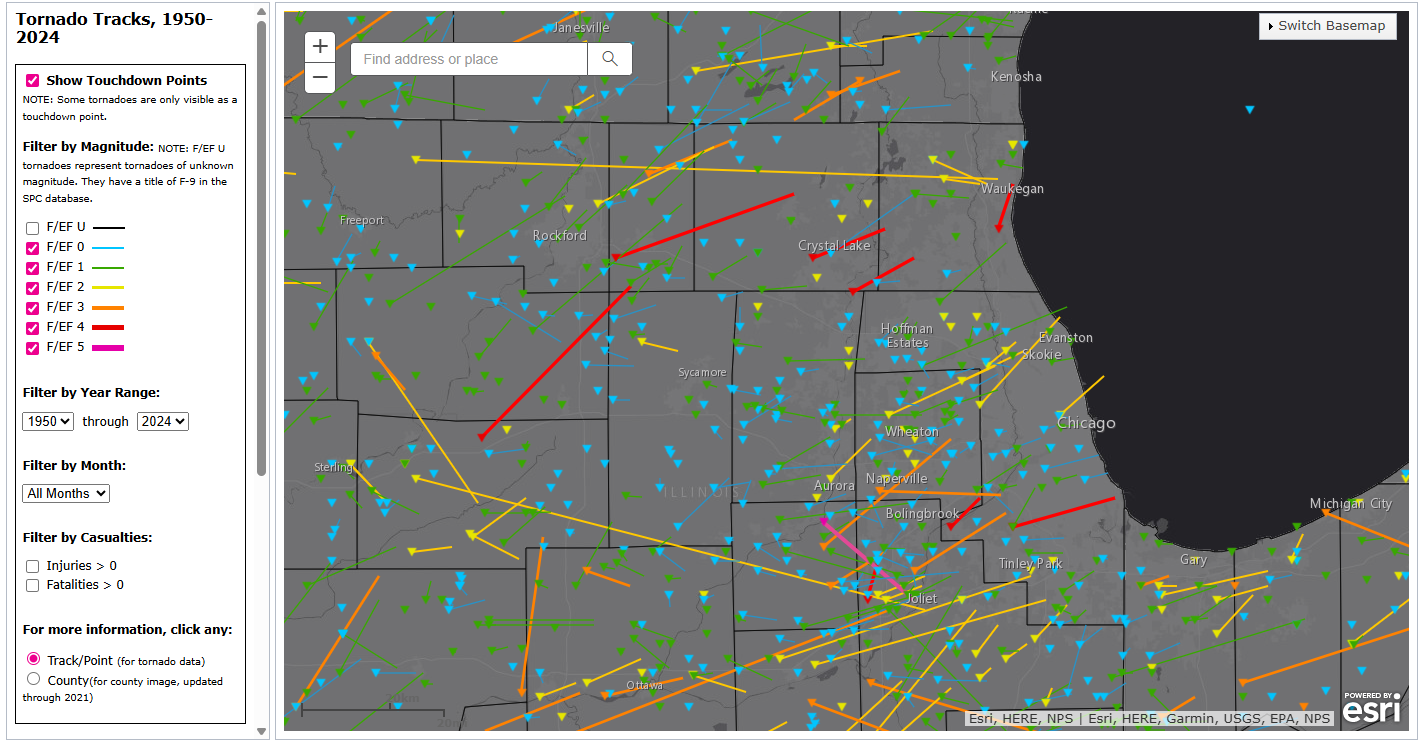
Taking a year and a half of Meteorology in college was eye-opening. A lot of that class was awesome, like getting taught how to predict the weather by hand. But then there was the history of tornadoes in Illinois. One of the charts that we were introduced to was produced by the Midwestern Regional Climate Center. At the time, the chart displayed the track of every reported tornado from 1950 to 2012. Nowadays, it goes as far as 2024. The chart alone dispels so many myths.
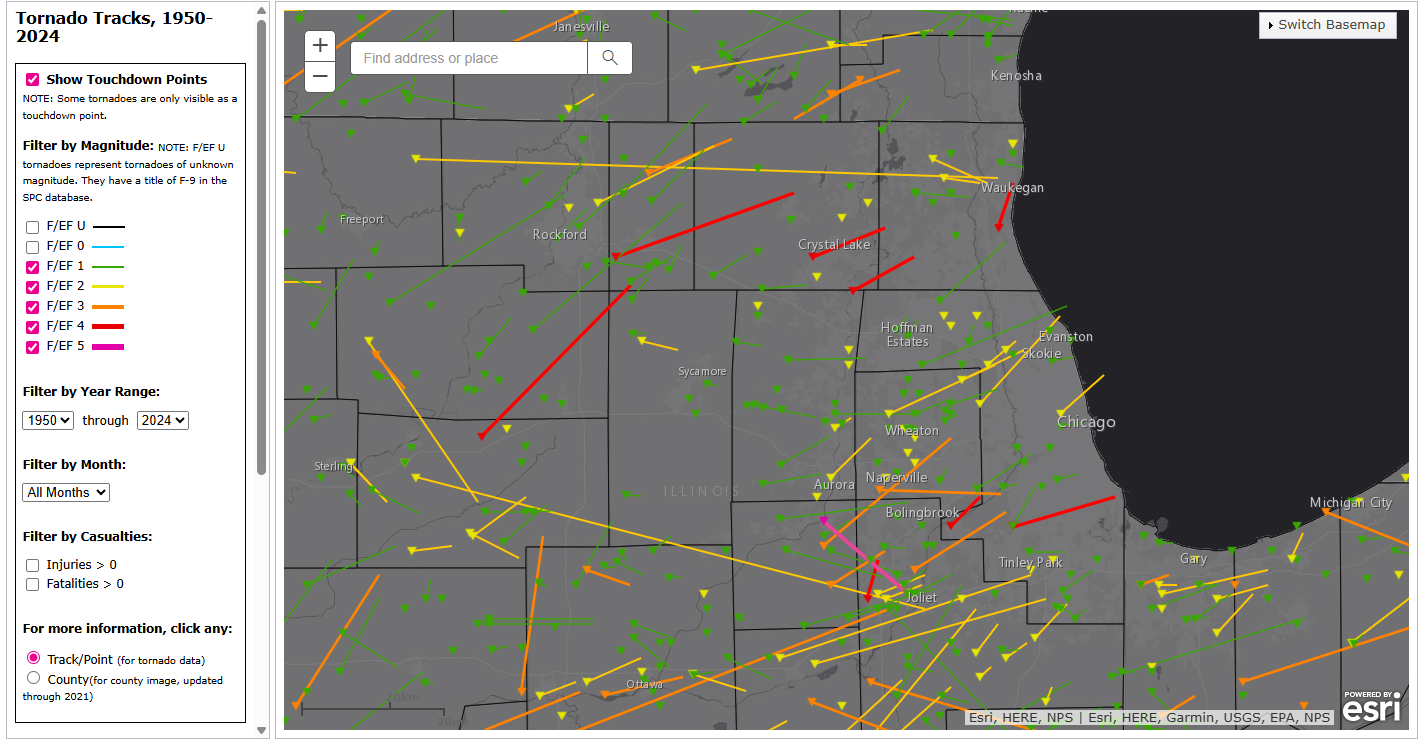
If you set the chart to display the tracks of F/EF 1 to F/EF 5 tornadoes, you’ll see that Illinois’ largest northern cities, including Chicago, Evanston, and Waukegan, have all been hit by tornadoes right there along the lake. A couple of those tornadoes were even F4s in decades past. Some of the tornado tracks even reveal that some tornadoes went right into Lake Michigan.
If you expand the list to include F/EF 0 tornadoes, you’ll see that most towns and cities in Illinois have been hit by a tornado at least once.
Back in 2021, I even drove my 2002 Nova Bus RTS-06 in the trail of the infamous EF3 tornado that struck Naperville on June 20. That tornado was the first and only tornado I have seen in person, and I didn’t even realize I was looking at and technically chasing a tornado until my bus went through the tornado’s debris field.
Yet, throughout my entire life, I have witnessed so many Illinoisans ignore tornado warnings and sirens.
It’s one thing when people stand outside to try to film the tornado. Look, I live in the Midwest, some of us try to crack open a beer and watch a tornado for fun. Even I’m guilty of that. But I’ve seen so many people just ignore the warning entirely and keep on playing video games, driving, watching TV, or working. Many of the companies I’ve worked for here in Illinois had no policy on what to do during a tornado. It’s just not something people worry about.

Some municipalities here in Illinois are trying something a bit different to get residents’ attention. Instead of just firing tornado sirens for tornado warnings, they’ll also blow the sirens when a storm is “tornado possible,” from NBC 5 Chicago:
According to the NBC 5 Storm Team, while tornado sirens are sounded when there is a warning issued, either because a tornado is on the ground or because rotation has been detected within a thunderstorm, some municipalities will sound sirens when there is a threat of a tornado as well.
Several of the NWS alerts, including one for McHenry, Lake, Kane and DeKalb counties, were tagged as “tornado possible” storms, meaning that while there wasn’t strong enough rotation to issue a warning, there was a possibility that the storms could spin up a tornado quickly.
Therefore, the sirens were sounded to alert residents to that possibility.

I’m Getting Used To Being In A Storm Shelter
In practice, this has more or less meant that this year, I’ve heard a tornado siren at the beginning of every severe thunderstorm. I am a resident of McHenry County, and the sirens have gotten a lot of exercise each year.
The quirk is that the sirens that blow for a “tornado possible” storm are the same ones that sound for an actual tornado. Also, I’ve noticed that I do not always get a notification on my phone when a tornado warning is in effect. I’m left Googling if the siren is for a real tornado warning, which would eat up valuable time in a real emergency. So, I just treat all sirens as if a tornado is on its way.
This, admittedly, has gotten a little tiring. I have a whole system in place for tornado response. I grab my Green Cheeked Conures and place them in their travel backpack.
Then, I grab the small fireproof safe that has all of my car titles and keys in it. Finally, I nab some water and first aid before running for the lowest level of my apartment complex. Part of why I grab titles and keys is because, in the event that a tornado plows through my apartment but not through my cars, I don’t want to imagine the nightmare of having to replace 20 sets of titles and keys. Especially since some of my cars have modern security systems.

For the past eight years that I’ve been living here, I’ve usually chosen to stay in the hallway. But I am concerned that, in a truly strong tornado, this building isn’t going to do much. There’s no basement, no concrete stairwells, and even giant windows in the sizable hallways.
This year, I’ve learned that there is a storm shelter in the community center in my neighborhood. The catch is that the shelter is about a one-minute drive from the apartment, or a two-minute run. But it is a real storm shelter. I discovered it when, one night earlier this spring, I found myself in the Autopian’s Nissan Murano CrossCabriolet with the tornado sirens on full blast.

The fascinating thing was that I was the only person taking cover. I watched my neighbors continue to watch TV, arrive home from work, cook, and just live out their lives. It seemed like I was the only one hearing a tornado siren. Even in the community center, there were people lifting weights and running on treadmills without a care in the world. My birds and I were the only ones in the shelter.
The “tornado possible” sirens don’t appear to have made a difference. Even when I decide to hunker down in the lowest floor of my apartment building, I’m the only one doing it. We got a real tornado warning siren on April 17, and I did my normal routine, this time with my wife. A neighbor returning home from work even looked at me like I was crazy. Are the tornado sirens all in my head or something? Why aren’t people reacting? Am I overreacting?

But I feel myself getting worn out. I don’t plan on ignoring the sirens anytime soon, but the process of upending everything and hiding for 15 minutes is getting old. Even if I treat the “tornado possible” sirens as more of an audible Tornado Watch and don’t act, it’s still tiring. There’s a lot of energy to be spent worrying about losing everything to a tornado. There’s an emotional toll to worrying about whether my birds and my wife will be okay.
Real Life Isn’t Twisters, Be Careful!
I know this story is really only tangentially related to cars, but it’s one of those weird situations where an Autopian writer is being directly impacted by something outside of the usual. Something that I’m sure a lot of our readers in the Midwest are also dealing with.

The next time a tornado warning is issued in your area, remember that your car is a terrible shelter. A tornado can toss it, and that can be a fatal event. Likewise, running from a tornado in your car works until it doesn’t. Tornadoes are not concerned with downed trees, traffic, or really any other obstacle. Yep, the tornado will have no issues crossing a river, a lake, or a city. So, above all else, find sturdy shelter.
Also, with lakes and rivers currently busting their banks, remember, turn around, don’t drown. It doesn’t take a lot of water to wash your vehicle off a road. Good luck, everyone, and stay safe. I hope to see more people in the storm shelter next time.
Top graphic image:
The post Illinois Has Been Hit By 88 Tornadoes This Year And It’s So Bad I’ve Spent Considerable Time In A Storm Shelter With My Parrots And Car Keys appeared first on The Autopian.