The modern diesel engine is a marvel of engineering. You could walk down to your local Ford dealer and drive out in a pickup truck that has 500 horsepower and 1,200 lb-ft of torque right from the factory. However, that truck will also be laden with complex emissions systems designed to make all of that power easier on everyone’s lungs. These systems are sometimes problematic and expensive to repair. The U.S. Environmental Protection Agency wants to change that by rolling back diesel emissions rules, and, if several members of Congress have their way, making diesel truck emissions deletes legal on the federal level. One of the rollbacks is already happening. Let’s take a look.
This news comes to us in two parts that happened roughly at the same time. On the federal level, U.S. Environmental Protection Agency (EPA) Administrator Lee Zeldin announced that, in an effort to eliminate limp modes and power derates from emissions system failures, the EPA is no longer requiring Diesel Exhaust Fluid (DEF) urea quality sensors on any equipment powered by diesel engines.
At the same time, U.S. Representative Mike Collins (R) of Georgia has introduced the Diesel Truck Liberation Act into the House. Companion legislation of the same name has been proposed in the Senate by U.S. Senator Cynthia Lummis (R) of Wyoming. The Diesel Truck Liberation Act calls for a stunning unraveling of emissions regulations. The proposed Act says that, if enacted, it would remove the federal government’s power to regulate motor vehicle emissions. Then, it goes a huge step further, saying that any federal law against the tampering or removal of emissions equipment would be repealed.
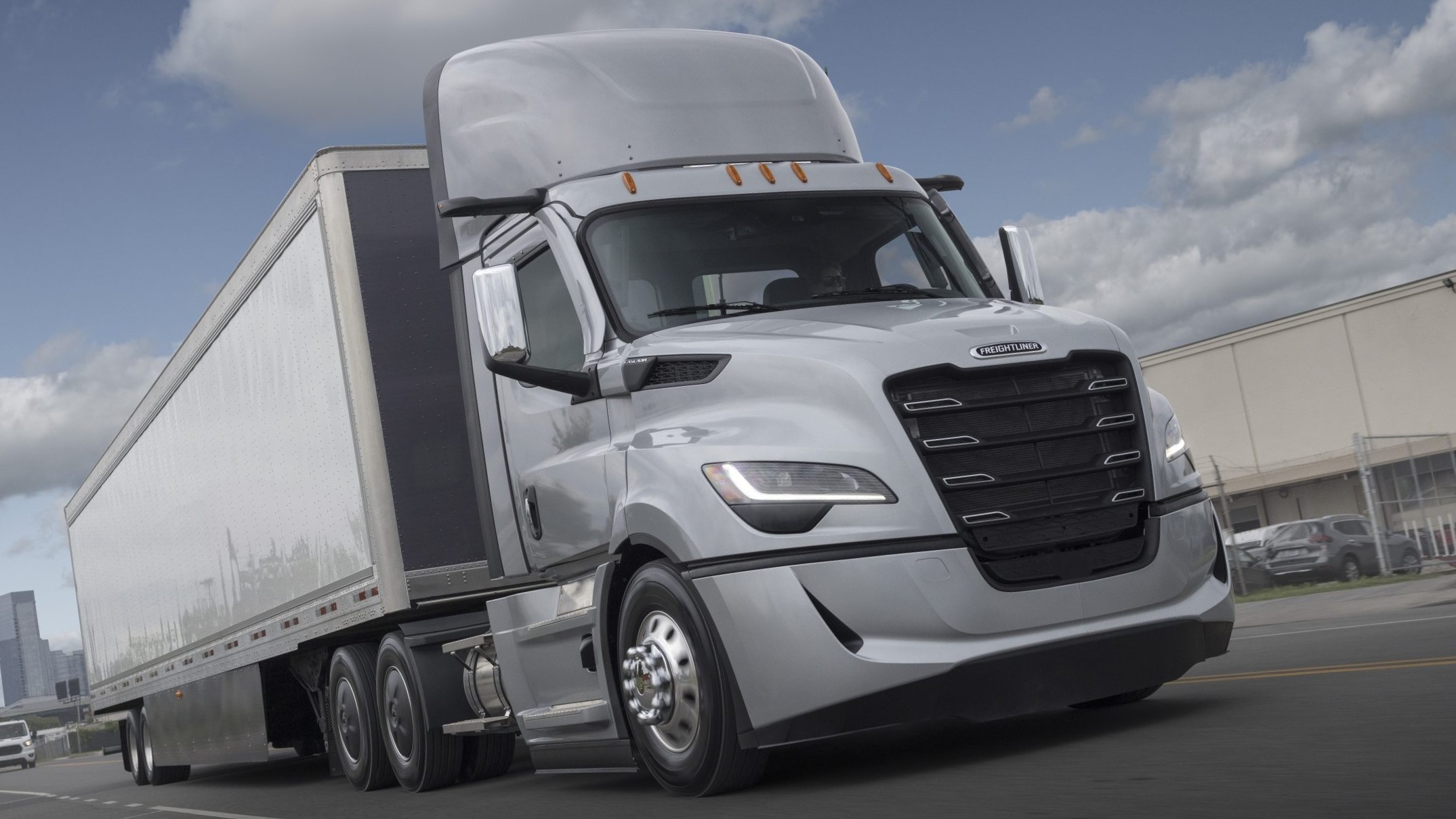
Both of these actions follow earlier announcements regarding diesel emissions. In August 2025, EPA Administrator Lee Zeldin told manufacturers to stop forcing trucks into immediate limp modes for low DEF levels. Back in January 2026, the U.S. Department of Justice said that it would no longer pursue criminal charges against those found tampering with vehicle onboard diagnostics systems. In February, the EPA said that it was seeking to hold manufacturers accountable for foisting unreliable DEF systems on consumers. It was around that time when the EPA also openly considered just getting rid of emissions-related limp modes entirely.
So, these two new updates are really only a continuation of what we’ve been seeing in this current presidential administration. In essence, multiple parts of the federal government are trying their hardest to remove as many regulations from diesel engines as possible. But why? What’s with this obsession with DEF and legalizing emissions deletes?
Modern Diesel Emissions Systems Do Hard Work

What engineers have achieved with modern diesel emissions systems is impressive. Let’s go back to that Ford Super Duty that I talked about in the opener. Not only can the top spec of that truck tow a 40,000-pound trailer with relative ease, but it will do so without black smoke and without a pungent smell. You can walk right up to the exhaust, take a big whiff, and not detect the smell of diesel.
If you haven’t read my previous coverage on diesel emissions and their regulations, here’s a quick review of how far we’ve come, from my previous coverage:
According to Diesel Power magazine, the implementation of diesel emissions equipment was gradual. Back in the 2000s, buyers of trucks found an Exhaust Gas Recirculation (EGR) system in their engine bays. EGR systems reduce emissions by recirculating a portion of an engine’s exhaust back into the intake. Even your modern gasoline-fueled car has an EGR system. Next came the Diesel Particulate Filter (DPF), which is an exhaust aftertreatment system designed to trap particulate matter before it leaves the vehicle.
As emissions requirements demanded diesels to run even cleaner, emissions equipment evolved. The Selective Catalytic Reduction (SCR) was an important advancement in diesel emissions reduction technology. 2010 model year heavy diesels have SCR to meet the EPA’s strict regulations. Any light-duty diesel that didn’t already use SCR phased in its use during the early 2010s.

SCR uses an aqueous urea solution, DEF, fired into the exhaust to convert NOx into nitrogen and water. DEF is 32.5 percent formaldehyde-free low biuret urea and 67.5 percent deionized water.
The diesels found in today’s passenger vehicles, pickup trucks, semi-trucks, and farming equipment use multiple methods to ensure what comes out of the tailpipe is cleaner. The use of SCR has been reported to reduce nitrogen oxide (NOx) emissions by as much as around 90 percent.
Engine Derates Because Of DEF Issues

DEF system tanks have to be periodically refilled. In the past, not refilling your DEF system led to a torque derate or limp mode. A derate or limp mode also occurred if a sensor failed and your truck was no longer able to tell that there was DEF in the tank, or if the truck incorrectly believed that you had diluted the DEF.
This has been an annoyance for many truckers, pickup truck owners, and farmers because not every diesel engine manufacturer has implemented this technology in a reliable manner. The aggravating thing is that you could have an entirely full DEF tank and still go into limp mode because of a sensor failure. If the diagnostics system believes the issue to be severe, the limp mode could be as bad as leaving the engine at idle speed.
This was the impetus for the EPA establishing a grace period for DEF-related issues, be it an empty tank or faulty equipment. A semi-tractor operating under the new rules would be able to drive 650 miles or 10 hours before a 15 percent reduction in torque. A pickup truck will enter a 45 mph limp mode 4,200 miles or 80 hours after the detection of a DEF issue. Click here to read my previous story for more about the grace period.
The EPA Wants To Eliminate A Failure Point
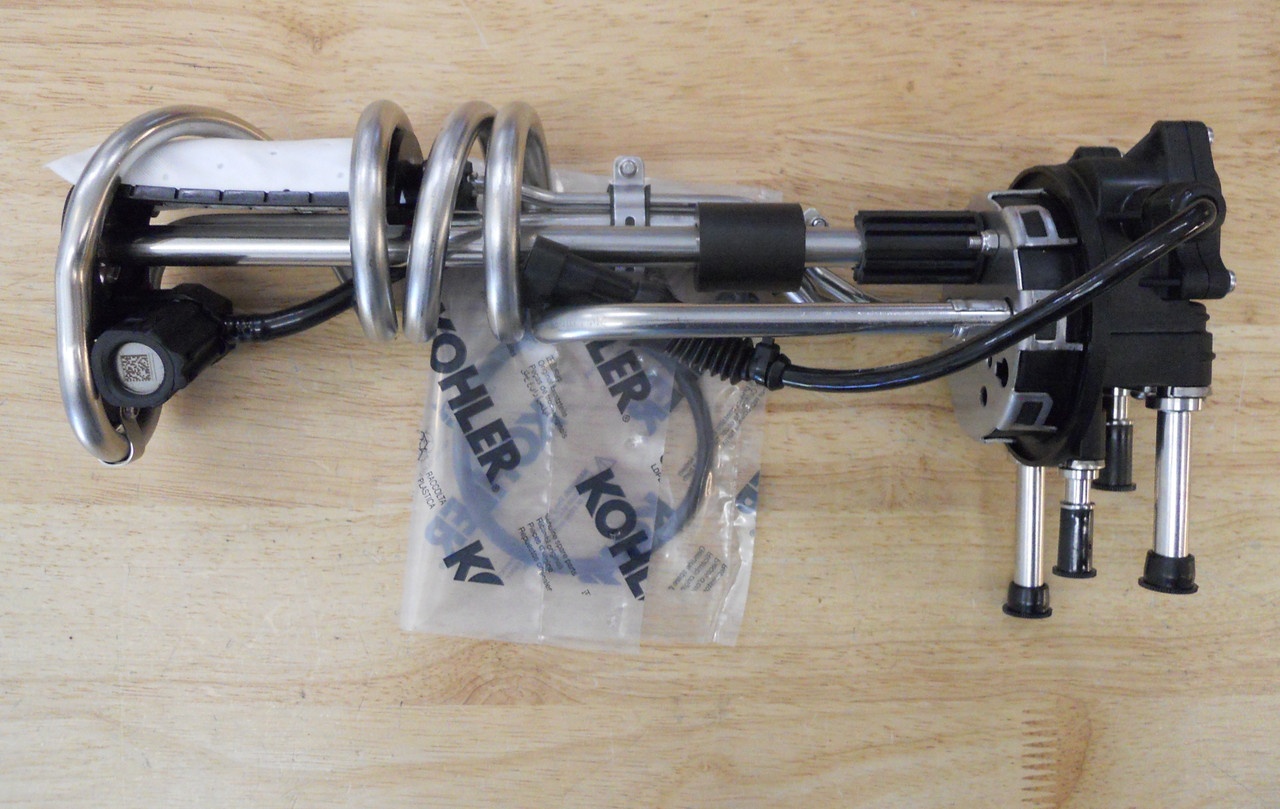
Now, the EPA is taking this idea even further. What if your truck couldn’t go into limp mode because the failed sensor just didn’t exist anymore? On March 27, the EPA announced:
Today, at the White House Great American Agriculture Celebration, President Trump announced another decisive action U.S. Environmental Protection Agency (EPA) Administrator Lee Zeldin has taken to address nationwide concerns from farmers, truckers, motor coach operators, and other diesel equipment operators regarding Diesel Exhaust Fluid (DEF) system failures by removing the DEF sensor requirement for all diesel equipment. EPA understands that sudden speed losses and shutdowns caused by DEF system failures that compromise safety and productivity are unacceptable and problematic. While EPA continues to pursue all legal avenues to address Americans’ complaints, today the agency is implementing another part of Administrator Zeldin’s plan to help keep American operators from losing days in the field or on the road because of faulty DEF systems. EPA’s new guidance, which removes DEF sensors, will provide immediate relief and save billions of dollars in repairs and lost productivity. According to the U.S. Small Business Administration (SBA), this guidance will save farmers $4.4 billion a year and this action will provide $13.79 billion a year of savings to Americans.
[…]
“Failing DEF systems are not an east coast or west coast or heartland issue; it is a nationwide disaster. I have heard from truck drivers, farmers, and many others complaining about DEF and pleading for a fix in all 50 states I visited during my first year as EPA Administrator,” said EPA Administrator Zeldin. “Americans are justified in being fed up with failing DEF system issues. EPA understands this is a massive issue and has been doing everything in our statutory power to address this. Today, we take another step in furthering our work by removing DEF sensors. Farmers and truckers should not be losing billions of dollars because of repair costs or days lost on the job.”
The EPA says that, following its February promise to hold manufacturers accountable for emissions equipment failures, 11 out of the 14 diesel engine manufacturers that represent 80 percent of the diesel market have provided data about system failures and warranty claims. This new action is based on the preliminary findings from this data.
According to the EPA, one of the most common failure points in DEF systems is the Urea Quality Sensor (UQS), which detects if the DEF is diluted or is otherwise not up to standard. If this sensor fails, the diesel engine may derate. This sensor is typically found somewhere in the DEF tank. So, the EPA is just getting rid of this sensor entirely and wants to have manufacturers switch to nitrogen oxide (NOx) sensors.
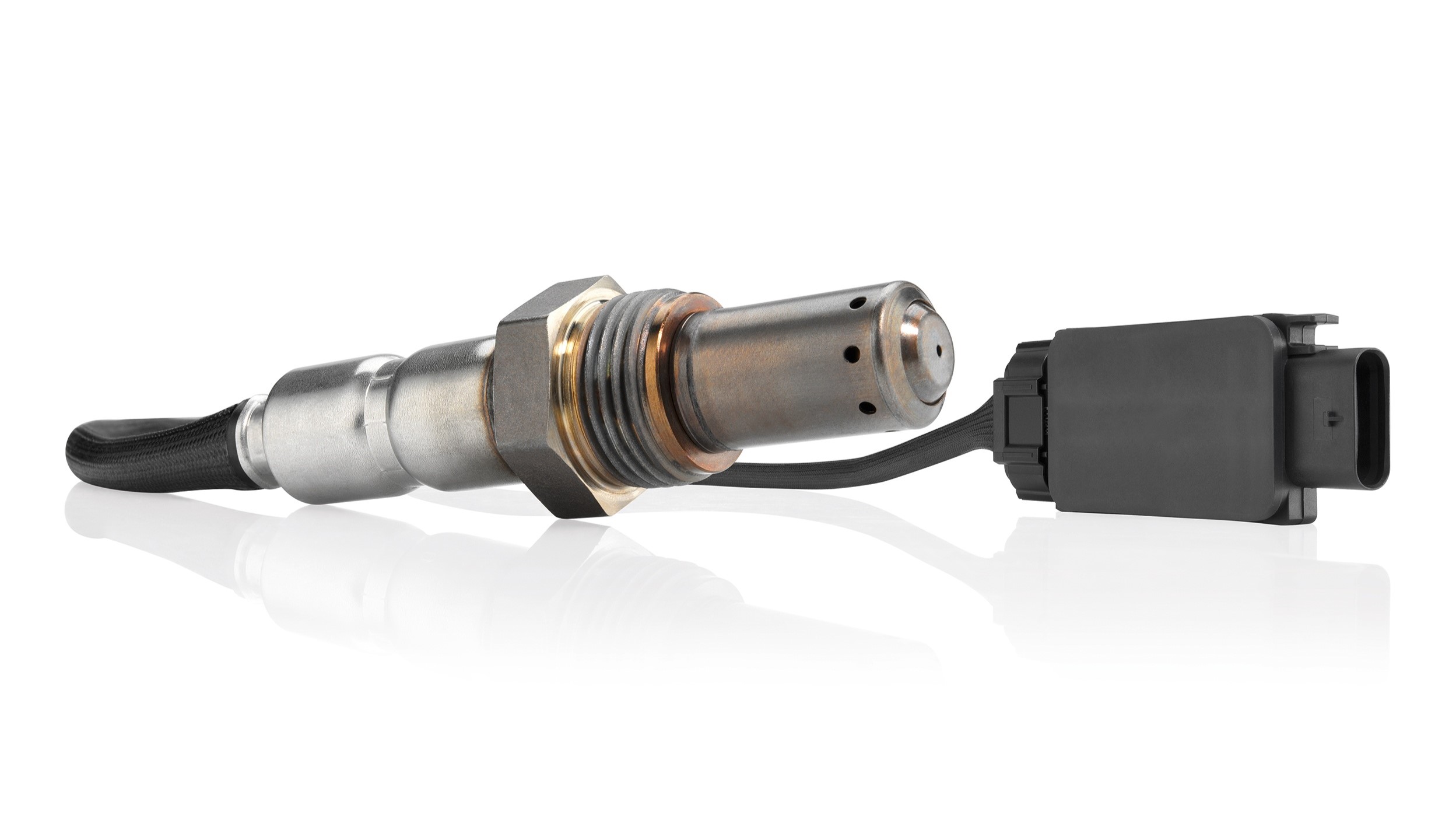
Here’s how the sensors can be used to detect DEF quality issues, from the EPA:
These strategies monitor NOX concentration in the exhaust stream and determine SCR catalyst efficiency by measuring changes in NOX across the catalyst. Significant deviations in NOX conversion across the SCR catalyst from the expected or modeled conversion rate can be an indication of poor DEF quality. In most applications, NOX sensors have been able to detect poor DEF quality for many, but not all, DEF dilution scenarios.
The EPA says it’s still studying the data from the diesel engine manufacturers to come up with permanent fixes. But for now, it thinks that just getting rid of the sensor entirely will save farmers $4.4 billion a year and “$13.79 billion a year of savings to Americans.”
What is notable is that, at least for now, the EPA’s thought about just getting rid of derates entirely hasn’t happened. Also, even with the removal of the UQS, you’ll still be required to use DEF, and your truck will still have to be equipped with its emissions system.
Legalizing Diesel Deletes?
But there’s another line of thinking among some minds in the U.S. government right now. There’s a more aggressive idea out there to just take diesel emissions regulations out of the control of the federal government while also legalizing emissions deletes.
On March 26, U.S. Representative Mike Collins (R) of Georgia introduced the Diesel Truck Liberation Act. In his press release, the Representative said:
Today, Representative Mike Collins (GA-10) introduced the Diesel Truck Liberation Act, legislation that will stop the Environmental Protection Agency (EPA) from criminalizing family farmers and truckers through federal emission mandates that do little to help the environment while driving up costs for Americans.
[…]
“American truckers and farmers are the backbone of this nation, but the EPA has treated them like criminals for maintaining their own equipment,” said Rep. Mike Collins. “The Diesel Truck Liberation Act codifies the work of EPA Administrator Lee Zeldin to free farmers and truckers from the radical federal emissions mandates of past Administrations and end the bureaucrats’ war on the working class. I am proud that we have an administration focused on delivering for the working class and putting common sense first.”
Alright, so what does this Act propose? The press release keeps it simple:
Federal agencies like the Environmental Protection Agency (EPA) have piled emission mandates onto diesel trucks and equipment in the name of environmental stewardship. However, these mandates have done little to improve the environment while saddling American workers with ridiculous costs to repair and update vehicles. Truckers and farmers who cannot afford such updates are forced to sideline their vehicles, leave the business altogether, face penalties, or even go to jail.
The Diesel Truck Liberation Act is common sense legislation that looks out for the American worker by:
– Stopping federal agencies from requiring manufacturers to install or maintain emissions control devices or onboard diagnostic systems.
– Removes the EPA’s authority to enforce Clean Air Act requirements related to vehicle emission controls.
– Protects individuals sued or prosecuted under federal law for tampering or improving emissions equipment.
– Codifies the work of Representative Mike Collins and EPA Administrator Lee Zeldin to ensure that no matter who is in the White House, truckers’ and farmers’ livelihoods are protected.
There is companion legislation in the Senate. S.3007 – Diesel Truck Liberation Act of 2025 was introduced by U.S. Senator Cynthia Lummis (R) of Wyoming. Rep. Collins is joined by cosponsors Rep. Anna Paulina Luna (FL-13), Rep. Barry Moore (AL-01), Rep. Dave Taylor (OH-02), Rep. Harriet Hageman (WY-AL), Rep. Mike Ezell (MS-04), and Rep. Tony Wied (WI-08). Meanwhile, Sen. Lummis has support from Sen. Dan Sullivan (R) of Arkansas and Sen. Pete Ricketts (R) of Nebraska.
The companion bill from Sen. Lummis states:
(a) In general.—Notwithstanding any other provision of law, including title II of the Clean Air Act (42 U.S.C. 7521 et seq.), no Federal law (including regulations and Executive orders) may require a manufacturer, importer, or distributor of motor vehicles or motor vehicle engines to install, certify, or maintain any emissions control device or onboard diagnostic system on any motor vehicle or motor vehicle engine.
(b) No authority.—The Administrator of the Environmental Protection Agency may not promulgate or enforce any requirement under the Clean Air Act (42 U.S.C. 7401 et seq.) (including a regulation promulgated under that Act) or any other Federal law (including regulations) that requires the installation or maintenance of emissions control devices or onboard diagnostic systems on motor vehicles or motor vehicle engines.
(c) No liability.—Notwithstanding any other provision of law, no person or entity shall be subject to civil or criminal liability under any Federal law (including regulations) for the manufacture, sale, importation, purchase, use, or modification of a motor vehicle or motor vehicle engine that does not contain an emissions control device or onboard diagnostic system.
(d) Repeal of regulations.—Any regulation promulgated under the Clean Air Act (42 U.S.C. 7401 et seq.) or any other Federal law related to the installation, modification, or removal of emissions control devices or onboard diagnostic systems on motor vehicles or motor vehicle engines shall have no force or effect.
(e) Vacatur; expungement.—With respect to any of the conduct described in this section for which criminal or civil liability has attached—
(1) any criminal penalty of imprisonment shall be vacated; and
(2) any record of a finding with respect to that criminal or civil liability shall be expunged.
That’s a big deal. Put simply, these senators believe that the federal government shouldn’t be able to regulate emissions and cannot do anything if you tamper with emissions equipment. This bill makes the EPA’s current actions look tame in comparison.
If you enjoy the thought of hazes of smog not returning to American cities, the good news is that there’s been a lot of talk about the Diesel Truck Liberation Act, but not a whole lot of progress. On October 14, 2025, the day Sen. Lummis filed the bill, the bill in the Senate was referred to the Committee on Environment and Public Works, where it remains today.
Meanwhile, Sen. Lummis and Sen. Dan Sullivan also introduced the Cold Weather Diesel Reliability Act, which seeks to eliminate DEF-related derates in temperatures below 32 degrees and exempt vehicles that operate north of 59 degrees north latitude from being derated. This bill recently had a hearing at the Committee on Environment and Public Works, but has otherwise not gone very far yet.
What Does The Future Of Diesel Look Like?
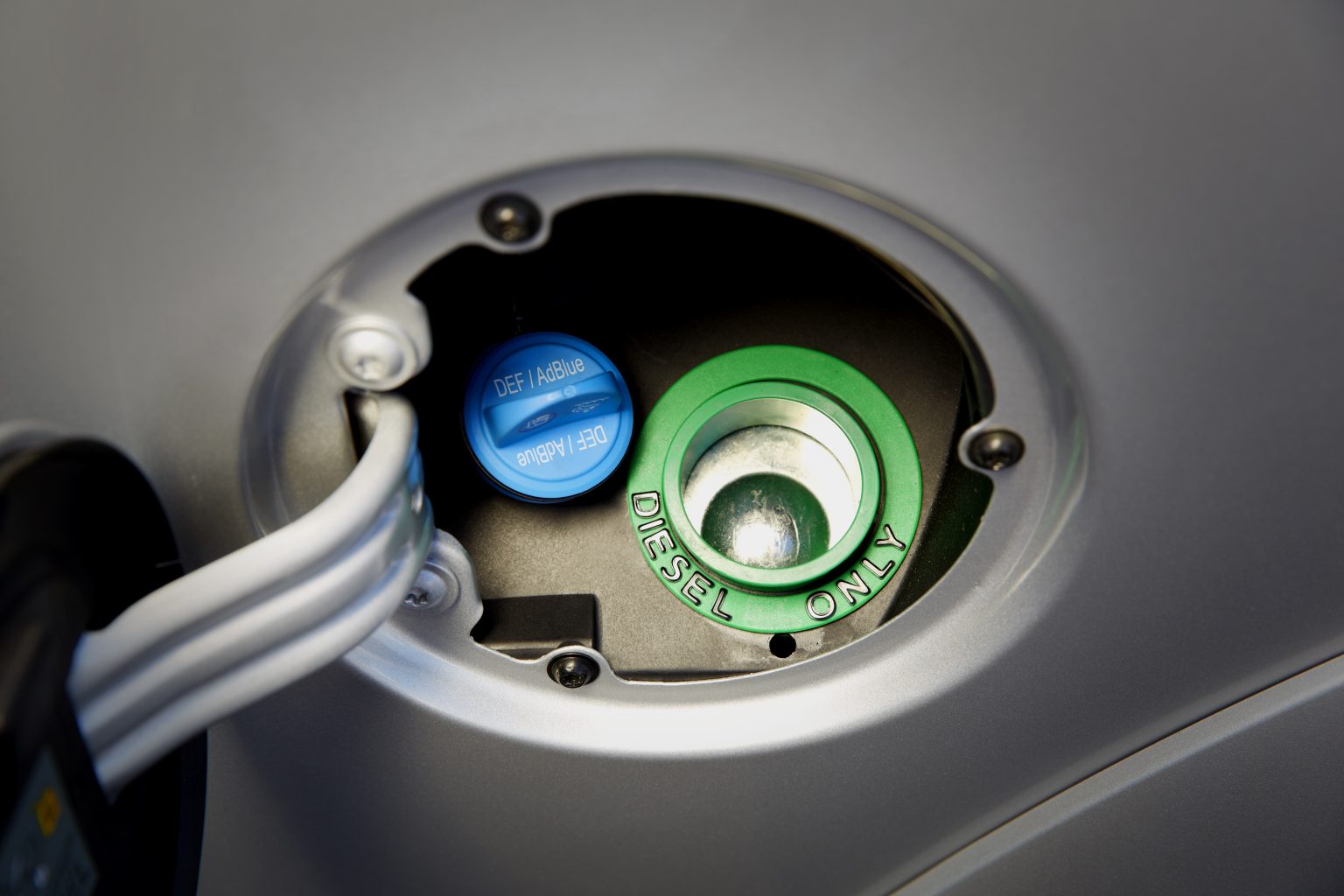
The EPA says its move to eliminate DEF sensors is being praised for improving diesel reliability and saving Americans money. Of course, we’ll have to wait and see what will actually happen in the real world.
As for the Diesel Truck Liberation Act, it could effectively erase the advancements in diesel emissions in America and also set our country behind the rest of the world. It’s also unclear what would happen on the state level. Would California still have its own regulations?
But perhaps we’ll never need an answer to these questions as both versions of the Diesel Truck Liberation Act have yet to go very far. Even with extremely high diesel prices, it’s not clear if there are 60 senators willing to push this forward.
I remain a huge fan of diesel power and would even get excited if some company sold a diesel-powered car in America again. However, the reason why I can enjoy a clear look at the skylines of America’s great cities is because of the advancements in reducing vehicle emissions. Maybe the answer isn’t to get rid of emissions systems, but to make them more reliable!
Top photo: RAM/DepositPhotos.com
The post Lawmakers Want To Make Diesel Truck Emissions Deletes Legal And Remove Emissions Rules appeared first on The Autopian.